
Search
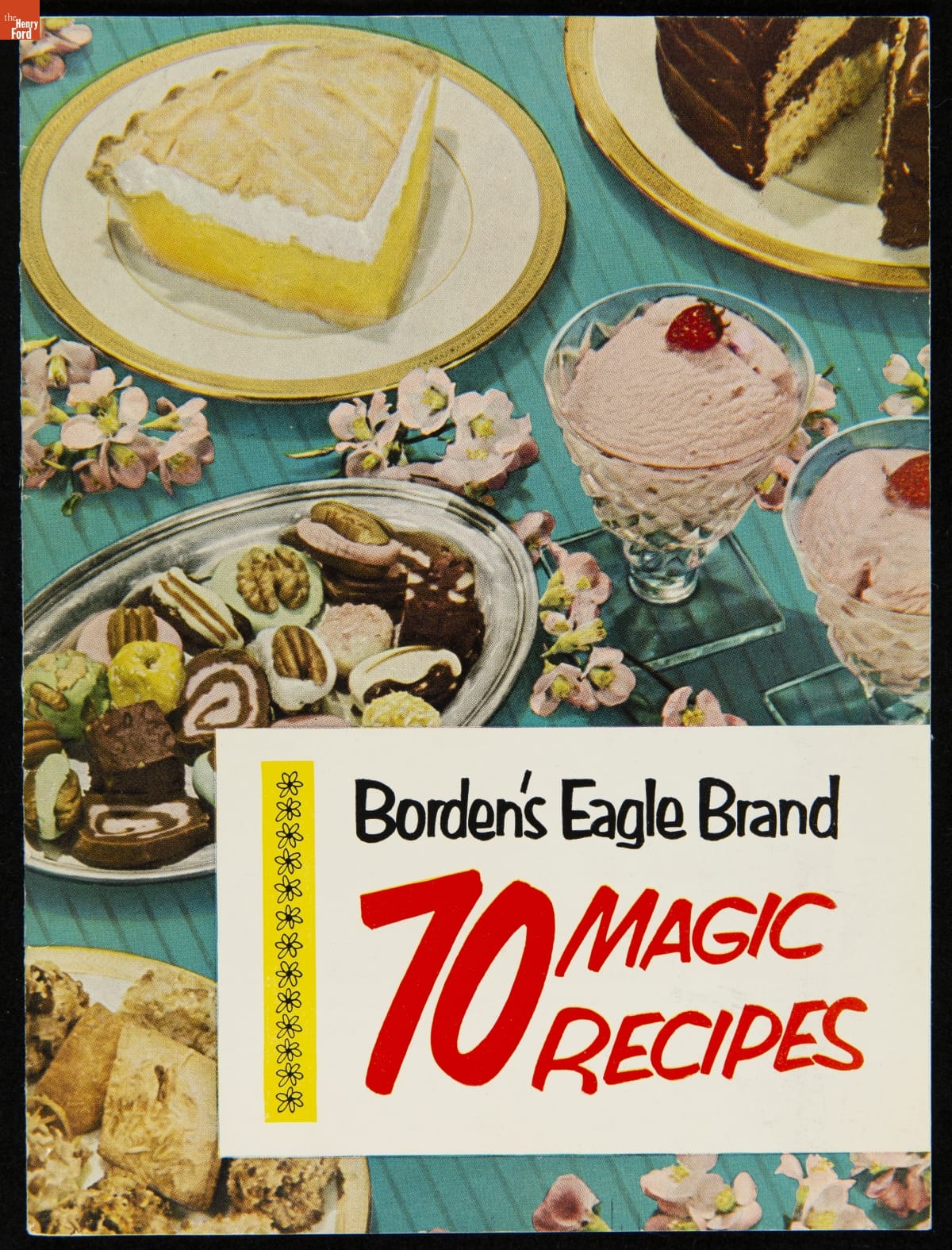
- Recipe Booklet, "Borden's Eagle Brand: 70 Magic Recipes," circa 1961 - Before the invention of pasteurized milk, fresh milk was often unsafe to drink, as it soured quickly. After experimenting with ways to preserve milk, Gail Borden introduced Eagle Brand Sweetened Condensed Milk in 1856. What was advertised as nourishment for young children soon gained popularity as a baking and cooking ingredient. This booklet from 1961 features recipes for desserts and confections using Eagle Brand Condensed Milk.
- circa 1961
- Collections - Artifact
Recipe Booklet, "Borden's Eagle Brand: 70 Magic Recipes," circa 1961
Before the invention of pasteurized milk, fresh milk was often unsafe to drink, as it soured quickly. After experimenting with ways to preserve milk, Gail Borden introduced Eagle Brand Sweetened Condensed Milk in 1856. What was advertised as nourishment for young children soon gained popularity as a baking and cooking ingredient. This booklet from 1961 features recipes for desserts and confections using Eagle Brand Condensed Milk.
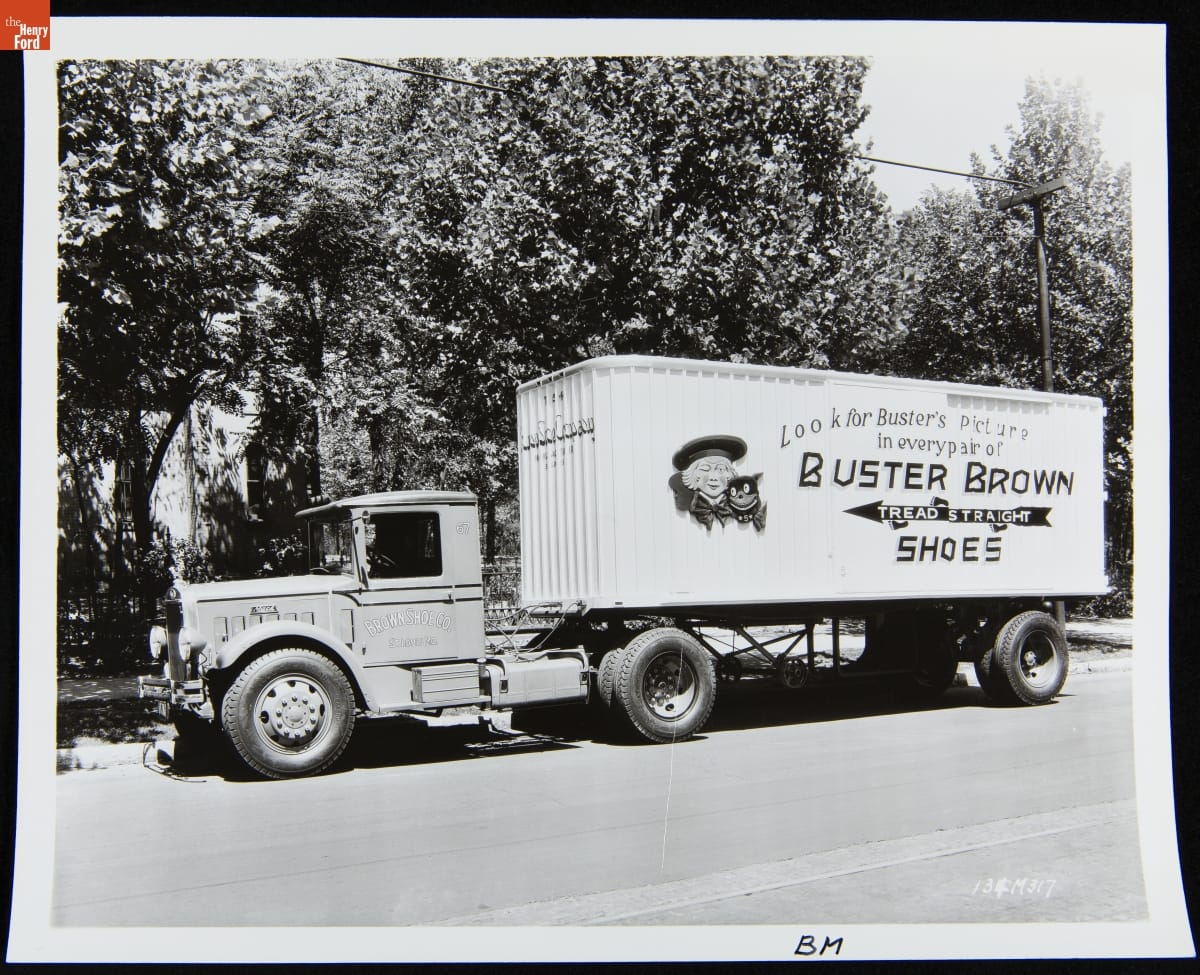
- Mack Model BM Truck Tractor with Brown Shoe Co. Semi Trailer, January 1934 - Richard Outcault, a talented comic illustrator with a keen eye for marketing, introduced Buster Brown in 1902. The character was an immediate hit. Outcault licensed Buster Brown's name and face to hundreds of companies. The St. Louis-based Brown Shoe Company, probably the best-known licensee, used the character to promote its shoes -- which came to be known as "Buster Browns" -- into the 1990s.
- January 01, 1934
- Collections - Artifact
Mack Model BM Truck Tractor with Brown Shoe Co. Semi Trailer, January 1934
Richard Outcault, a talented comic illustrator with a keen eye for marketing, introduced Buster Brown in 1902. The character was an immediate hit. Outcault licensed Buster Brown's name and face to hundreds of companies. The St. Louis-based Brown Shoe Company, probably the best-known licensee, used the character to promote its shoes -- which came to be known as "Buster Browns" -- into the 1990s.
- Buster Brown Bank, 1905-1930 - Still banks provide a simple way to save money. You place your coin in the slot then let it drop -- there are no mechanical devices. Still banks came in a variety of interesting and decorative shapes. Along with a horse and "Good Luck" horseshoe, this bank depicts Buster Brown and Tige -- popular comic characters in the early 20th century.

- 1905-1930
- Collections - Artifact
Buster Brown Bank, 1905-1930
Still banks provide a simple way to save money. You place your coin in the slot then let it drop -- there are no mechanical devices. Still banks came in a variety of interesting and decorative shapes. Along with a horse and "Good Luck" horseshoe, this bank depicts Buster Brown and Tige -- popular comic characters in the early 20th century.
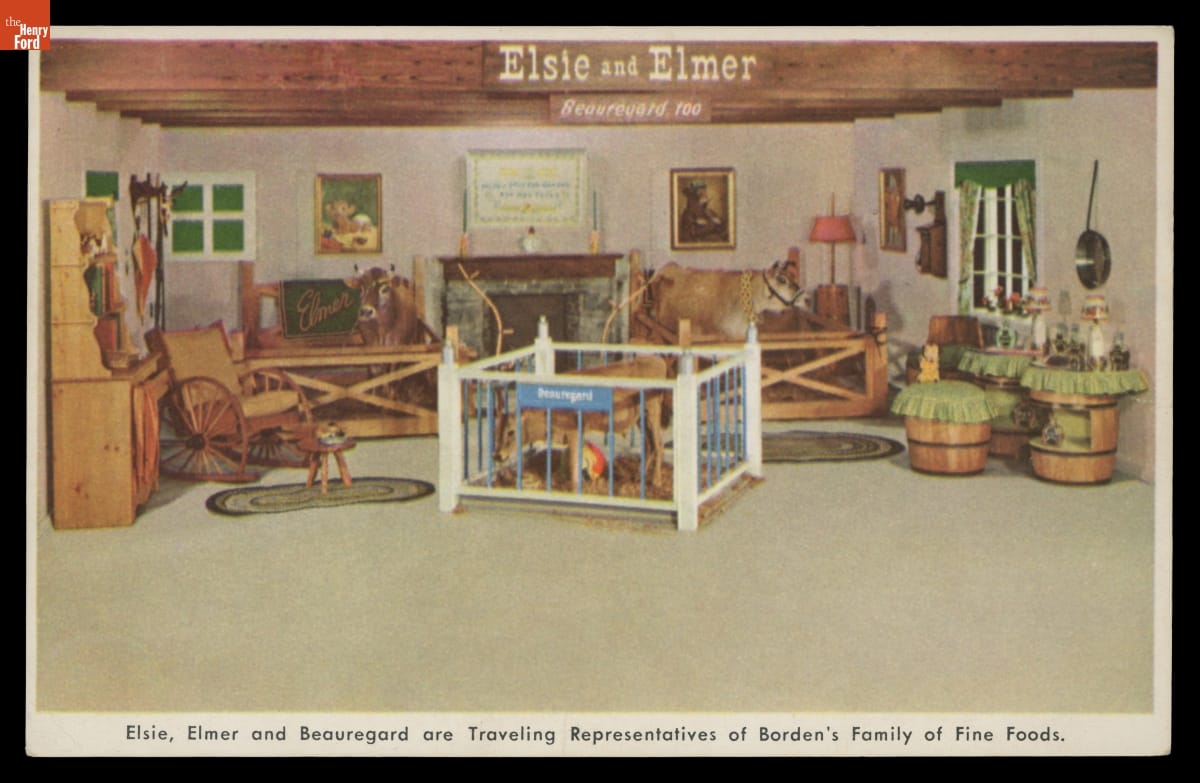
- Elsie, Elmer and Beauregard are Traveling Representatives of Borden's Family of Fine Foods, 1947-1957 -
- 1947-1957
- Collections - Artifact
Elsie, Elmer and Beauregard are Traveling Representatives of Borden's Family of Fine Foods, 1947-1957
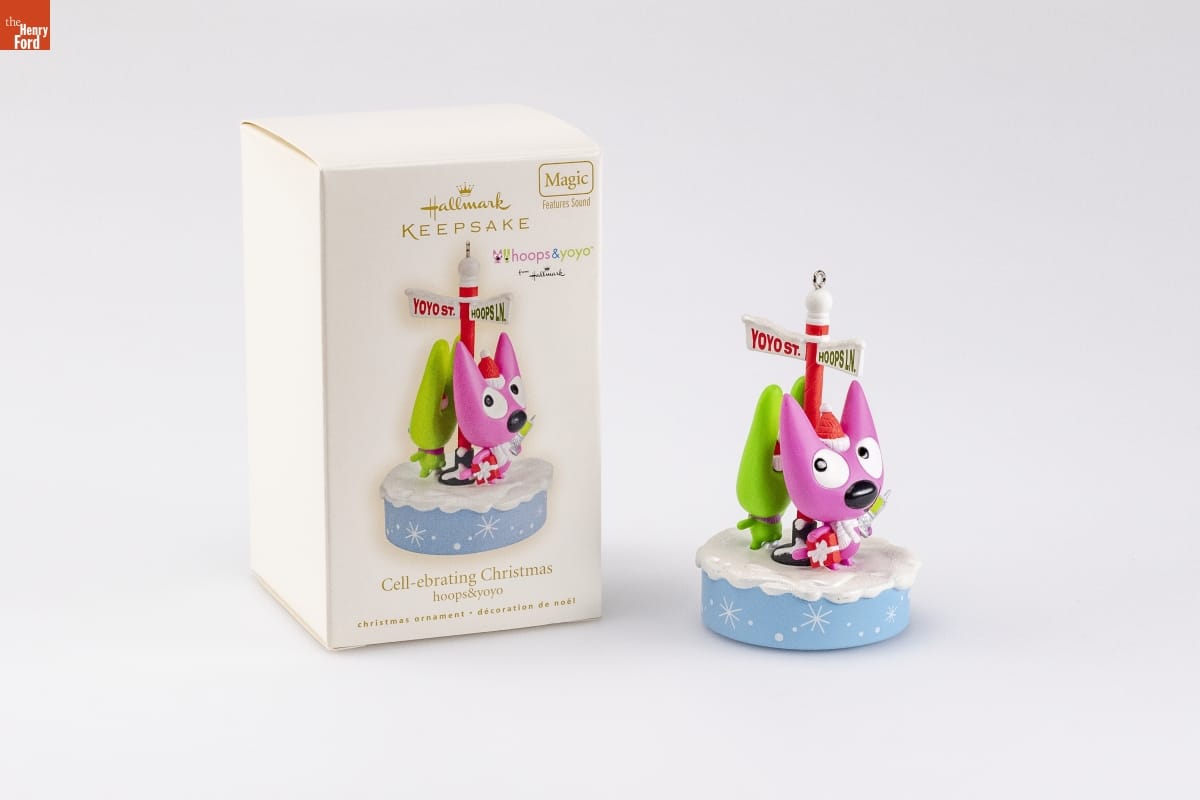
- Hallmark "hoops&yoyo: Cell-ebrating Christmas" Christmas Ornament, 2008 - Already known for greeting cards, Hallmark introduced a line of Christmas ornaments in 1973. The company's annual release of an increasing array of ornaments revolutionized Christmas decorating, appealing to customers' interest in marking memories and milestones as well as expressing one's personality and unique tastes.
- 2008
- Collections - Artifact
Hallmark "hoops&yoyo: Cell-ebrating Christmas" Christmas Ornament, 2008
Already known for greeting cards, Hallmark introduced a line of Christmas ornaments in 1973. The company's annual release of an increasing array of ornaments revolutionized Christmas decorating, appealing to customers' interest in marking memories and milestones as well as expressing one's personality and unique tastes.
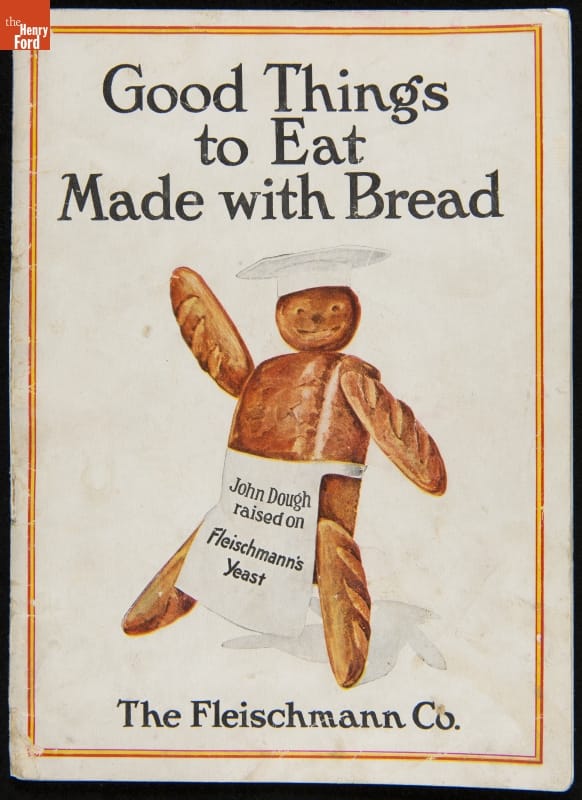
- Fleischmann's Yeast Recipe Booklet, "Good Things to Eat Made with Bread," circa 1913 - Brothers Charles and Maximillian Fleischmann revolutionized home and commercial baking when they introduced their yeast cake at the Philadelphia Centennial Exposition in 1876. Fleischmann's yeast provided consistent quality and a superior taste to the breads the brothers first found in America when they arrived from Austria-Hungary. In this booklet, Fleischmann's touts that its yeast makes "The BEST Bread."
- circa 1913
- Collections - Artifact
Fleischmann's Yeast Recipe Booklet, "Good Things to Eat Made with Bread," circa 1913
Brothers Charles and Maximillian Fleischmann revolutionized home and commercial baking when they introduced their yeast cake at the Philadelphia Centennial Exposition in 1876. Fleischmann's yeast provided consistent quality and a superior taste to the breads the brothers first found in America when they arrived from Austria-Hungary. In this booklet, Fleischmann's touts that its yeast makes "The BEST Bread."
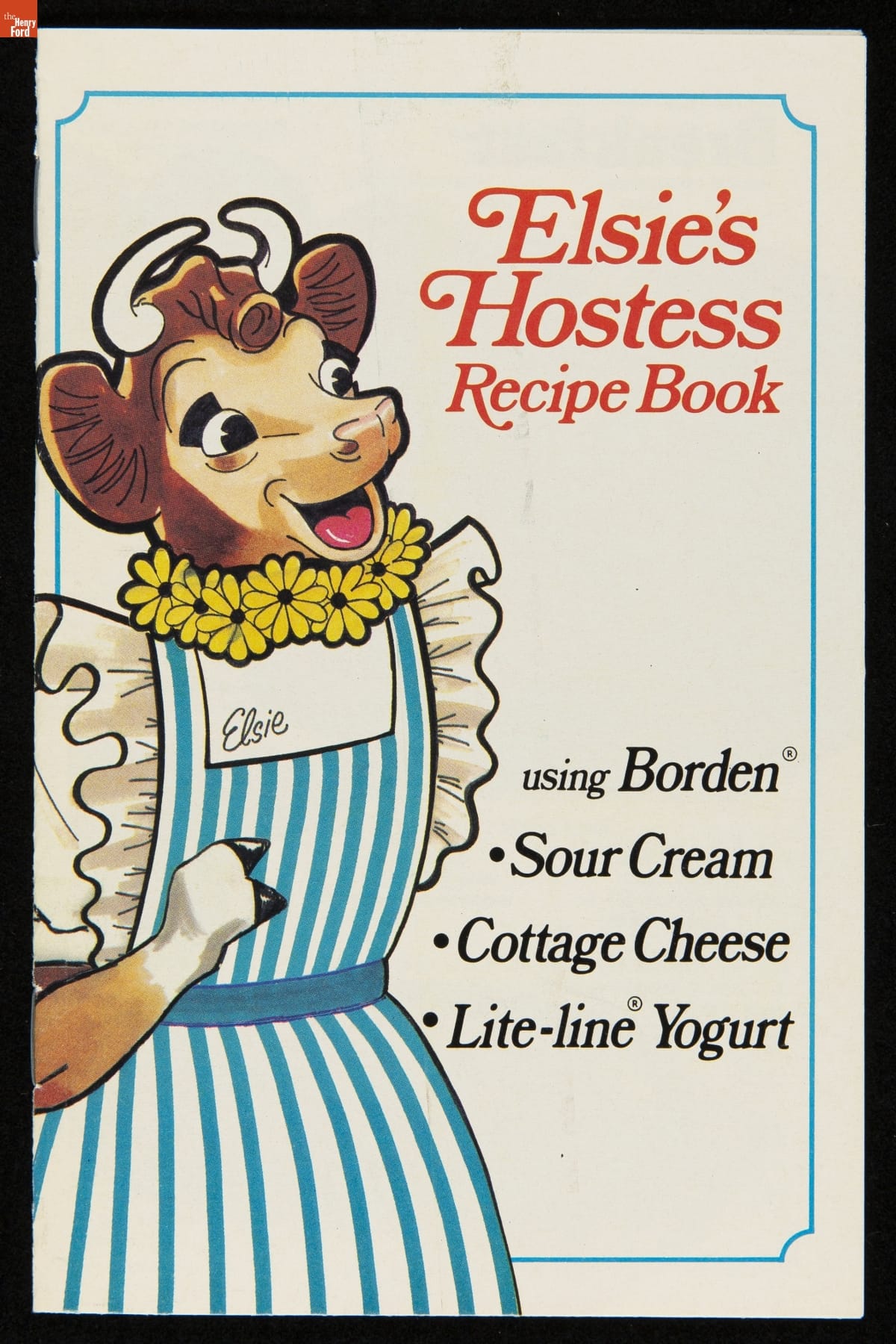
- Recipe Booklet, "Elsie's Hostess Recipe Book Using Borden Sour Cream, Cottage Cheese and Lite-Line Yogurt," circa 1985 -
- circa 1985
- Collections - Artifact
Recipe Booklet, "Elsie's Hostess Recipe Book Using Borden Sour Cream, Cottage Cheese and Lite-Line Yogurt," circa 1985
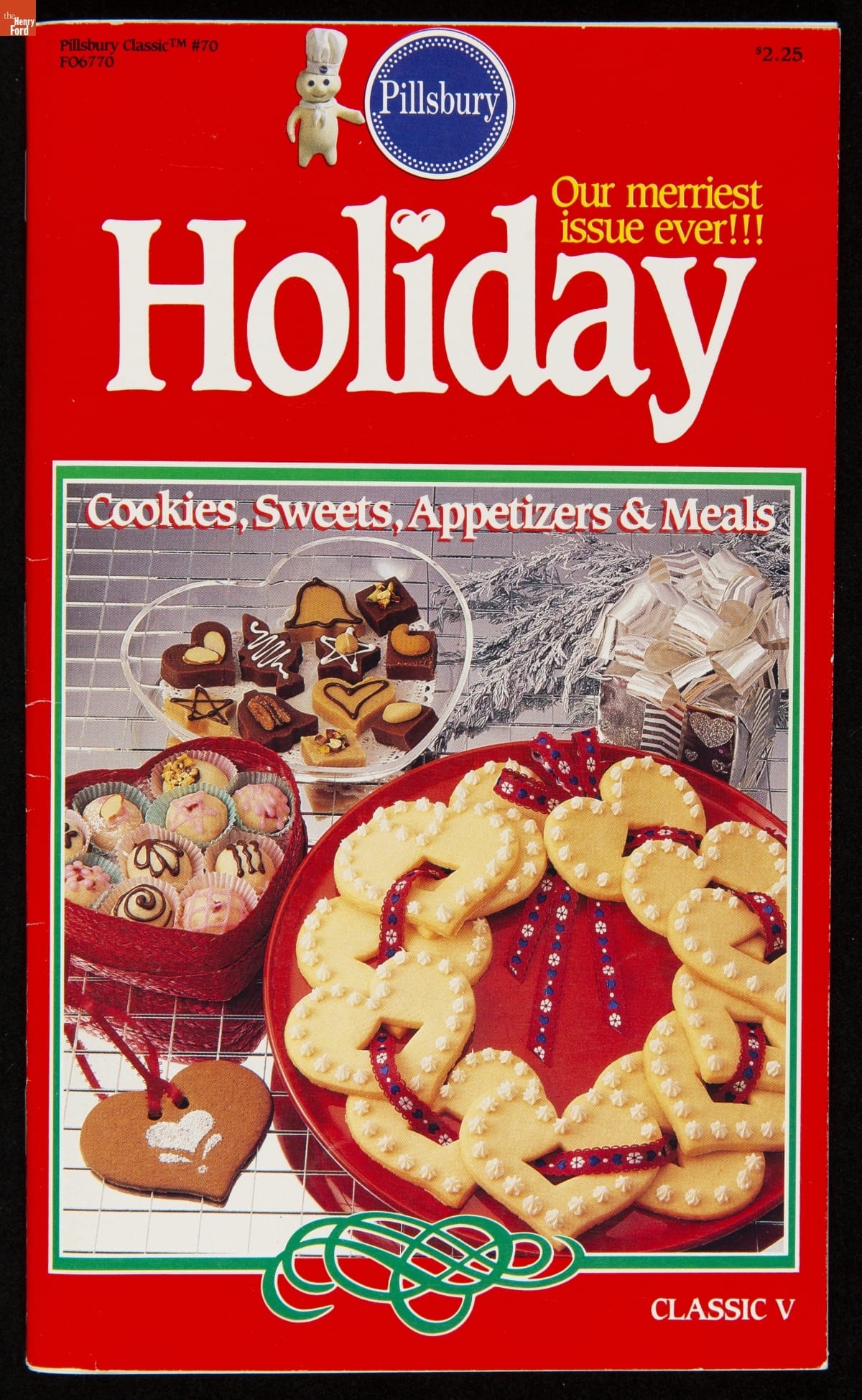
- Recipe Booklet, "Pillsbury Holiday Cookies, Sweets, Appetizers & Meals," 1986 -
- 1986
- Collections - Artifact
Recipe Booklet, "Pillsbury Holiday Cookies, Sweets, Appetizers & Meals," 1986
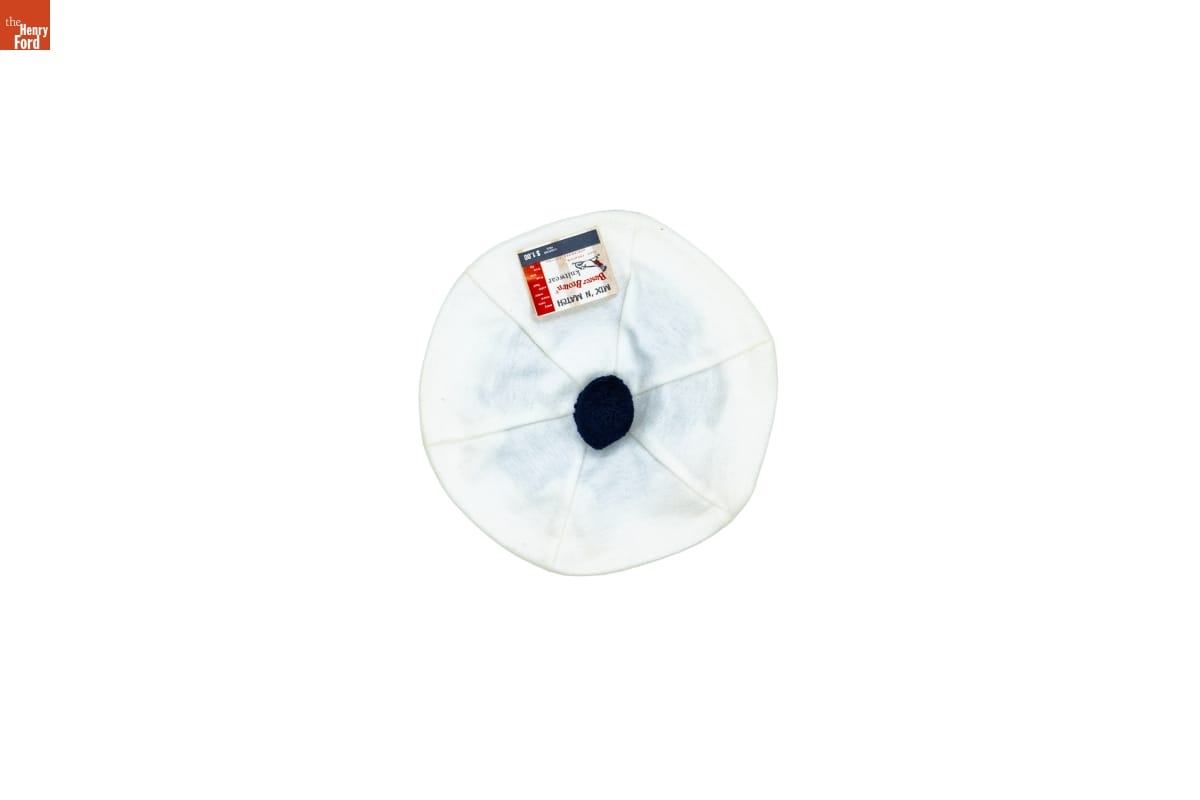
- "Buster Brown" Tam-O'-Shanter, circa 1955 -
- circa 1955
- Collections - Artifact
"Buster Brown" Tam-O'-Shanter, circa 1955
- Buster Brown and His Dog Tige and Their Troubles, 1904 - Richard Outcault, a pioneer in the strip style of comic illustration, introduced Buster Brown in 1902. The mischievous 12-year-old from a well-heeled Manhattan family captivated readers. Americans loved following Buster Brown's shenanigans (interspersed with commentary from his pet dog, Tige). This full-color, large-format book is a compilation of Buster Brown comic strips that originally ran in the <em>New York Herald</em> in 1903 and 1904.
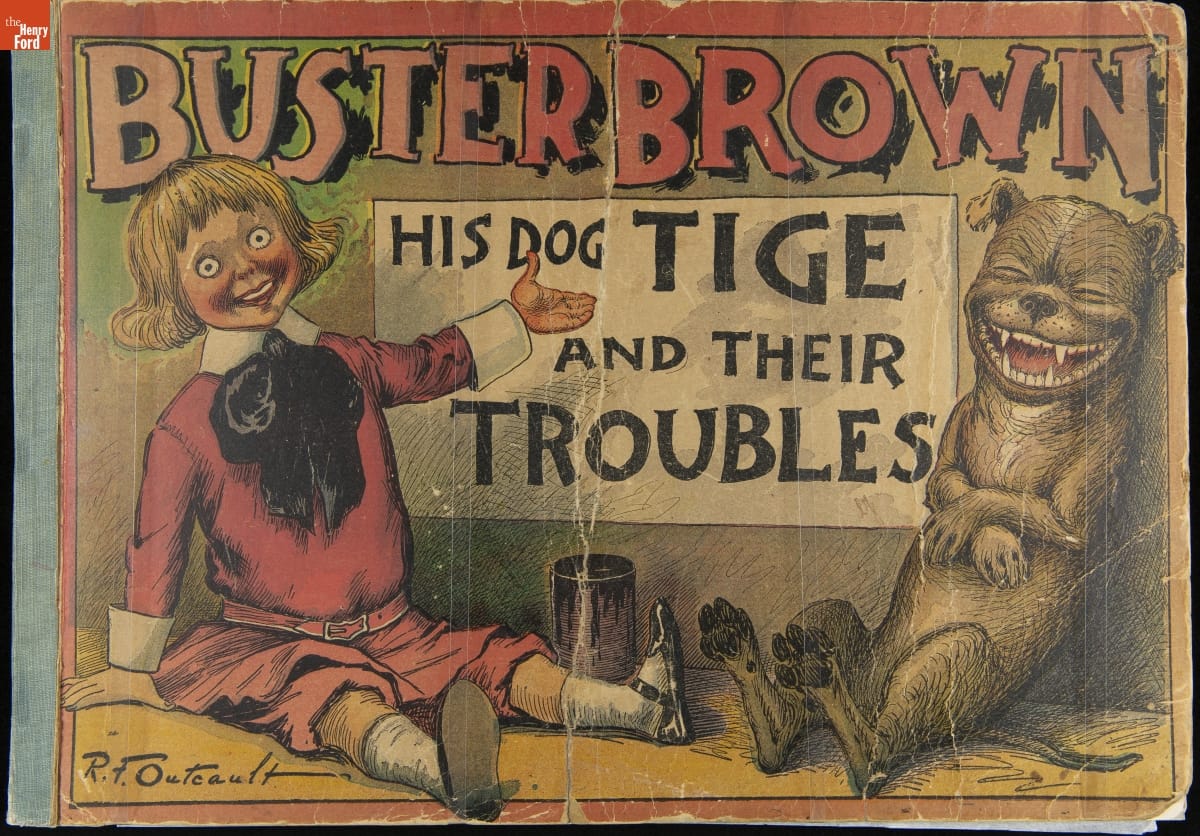
- 1904
- Collections - Artifact
Buster Brown and His Dog Tige and Their Troubles, 1904
Richard Outcault, a pioneer in the strip style of comic illustration, introduced Buster Brown in 1902. The mischievous 12-year-old from a well-heeled Manhattan family captivated readers. Americans loved following Buster Brown's shenanigans (interspersed with commentary from his pet dog, Tige). This full-color, large-format book is a compilation of Buster Brown comic strips that originally ran in the New York Herald in 1903 and 1904.