
Search
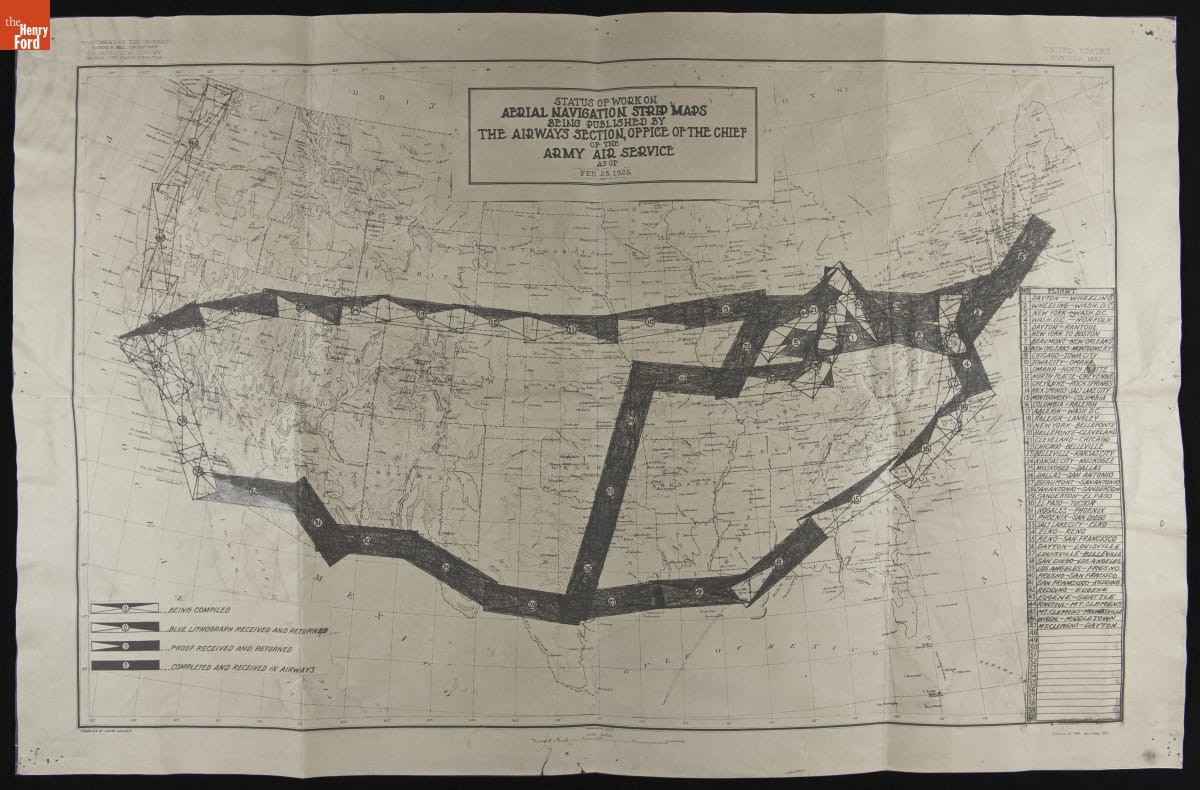
- Status of Work on Aerial Navigation Strip Maps Being Published by the Army Air Service as of February 25, 1925 - Navigating in an early airplane -- without the benefit of sophisticated cockpit instruments or radio communication -- wasn't easy. The U.S. Army, in cooperation with the U.S. Post Office, established a network of flyways across the country. These routes were marked with lighted beacons, creating reliable paths that pilots could follow day and night.
- February 25, 1925
- Collections - Artifact
Status of Work on Aerial Navigation Strip Maps Being Published by the Army Air Service as of February 25, 1925
Navigating in an early airplane -- without the benefit of sophisticated cockpit instruments or radio communication -- wasn't easy. The U.S. Army, in cooperation with the U.S. Post Office, established a network of flyways across the country. These routes were marked with lighted beacons, creating reliable paths that pilots could follow day and night.
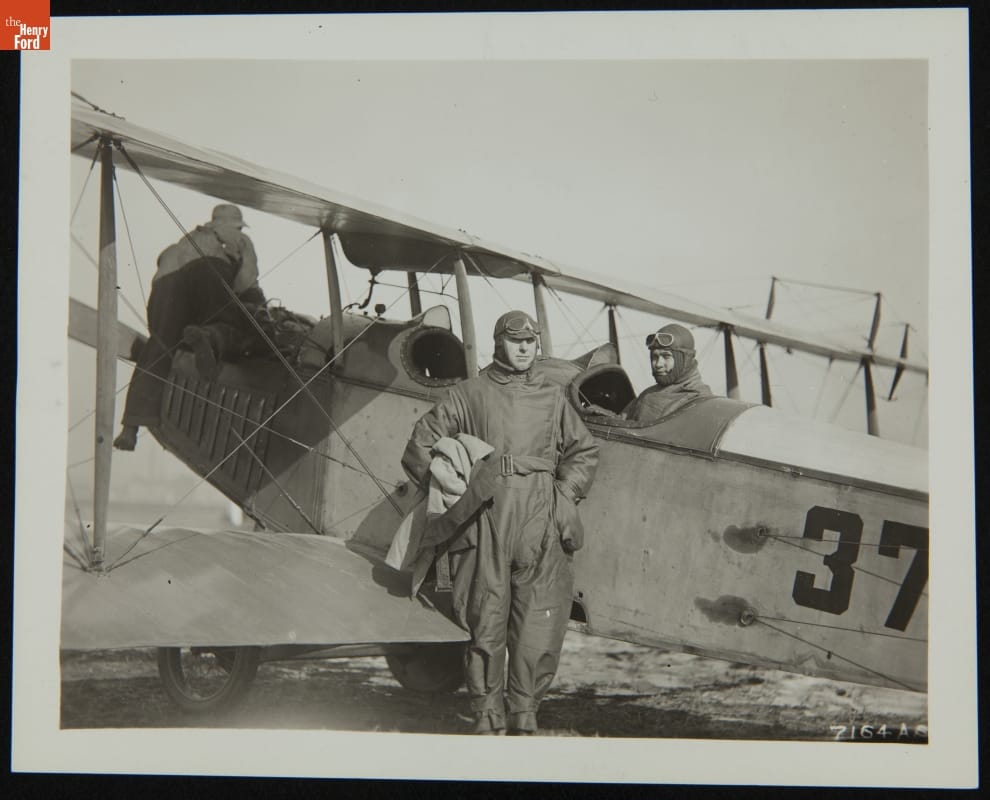
- Air Mail Route Mappers, 1919 - The United States Post Office began regularly scheduled air mail service in 1918, with initial flights between New York City and Washington, D.C. Expanding the service meant surveying and mapping routes to additional cities. Pilots first navigated by visible landmarks, flying only in daylight. Lighted beacons, installed along established flight paths, later enabled night flights.
- 1919
- Collections - Artifact
Air Mail Route Mappers, 1919
The United States Post Office began regularly scheduled air mail service in 1918, with initial flights between New York City and Washington, D.C. Expanding the service meant surveying and mapping routes to additional cities. Pilots first navigated by visible landmarks, flying only in daylight. Lighted beacons, installed along established flight paths, later enabled night flights.
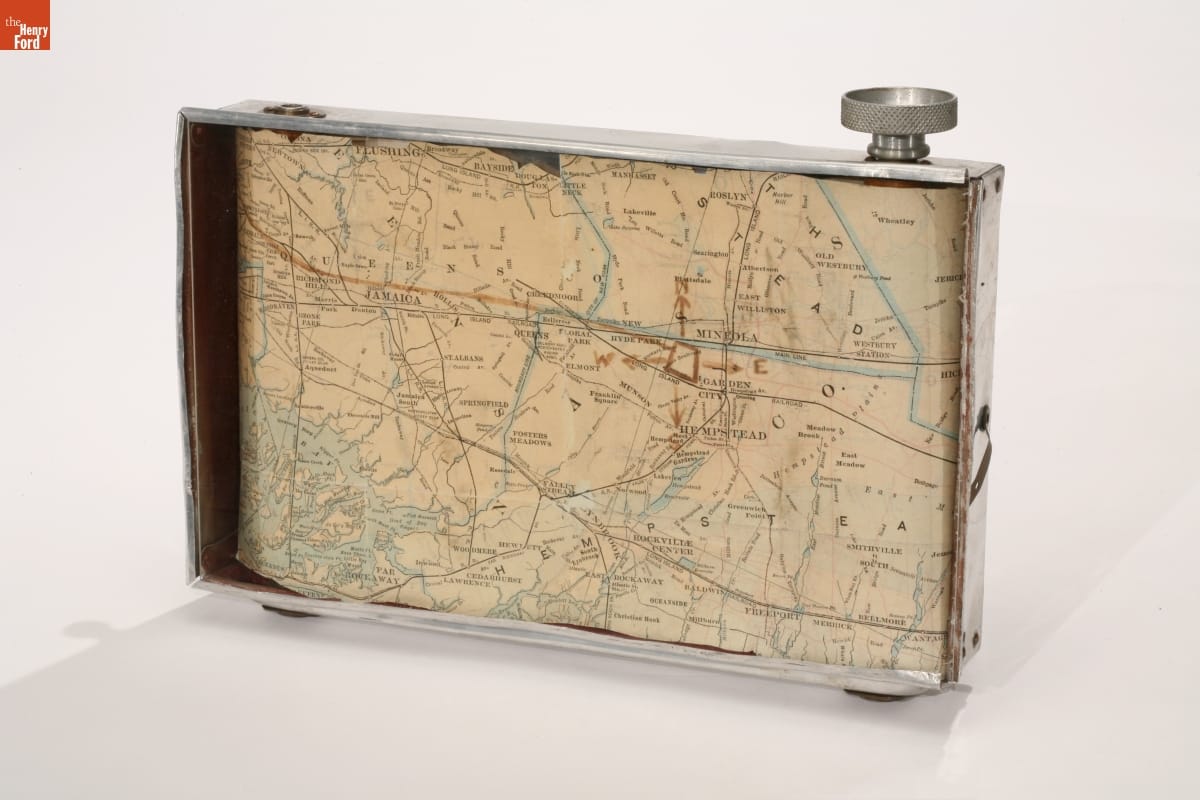
- Map of New York in Roller Case, Used by Earle Ovington, circa 1911 - Earle Ovington piloted the first U.S. Air Mail flight operated by the United States Post Office Department. On September 23, 1911, Ovington flew over Long Island in a Bleriot XI airplane with a sack of mail tucked into the cockpit. He carried the letters just three miles, but it was enough to earn Ovington the designation "Air Mail Pilot No. 1."
- circa 1911
- Collections - Artifact
Map of New York in Roller Case, Used by Earle Ovington, circa 1911
Earle Ovington piloted the first U.S. Air Mail flight operated by the United States Post Office Department. On September 23, 1911, Ovington flew over Long Island in a Bleriot XI airplane with a sack of mail tucked into the cockpit. He carried the letters just three miles, but it was enough to earn Ovington the designation "Air Mail Pilot No. 1."
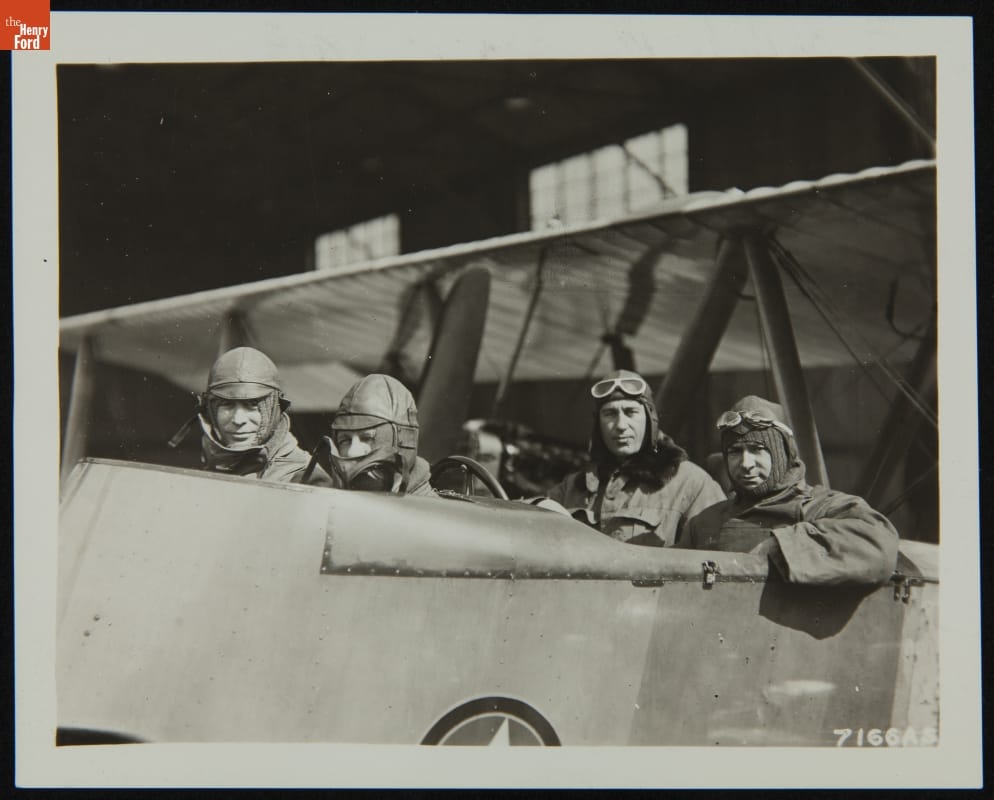
- Senator Key Pittman and Assistant Secretary of War Bernard Crowell with Air Mail Route Mappers, 1919 - The United States Post Office began regularly scheduled air mail service in 1918, with initial flights between New York City and Washington, D.C. Expanding the service meant surveying and mapping routes to additional cities. Pilots first navigated by visible landmarks, flying only in daylight. Lighted beacons, installed along established flight paths, later enabled night flights.
- 1919
- Collections - Artifact
Senator Key Pittman and Assistant Secretary of War Bernard Crowell with Air Mail Route Mappers, 1919
The United States Post Office began regularly scheduled air mail service in 1918, with initial flights between New York City and Washington, D.C. Expanding the service meant surveying and mapping routes to additional cities. Pilots first navigated by visible landmarks, flying only in daylight. Lighted beacons, installed along established flight paths, later enabled night flights.
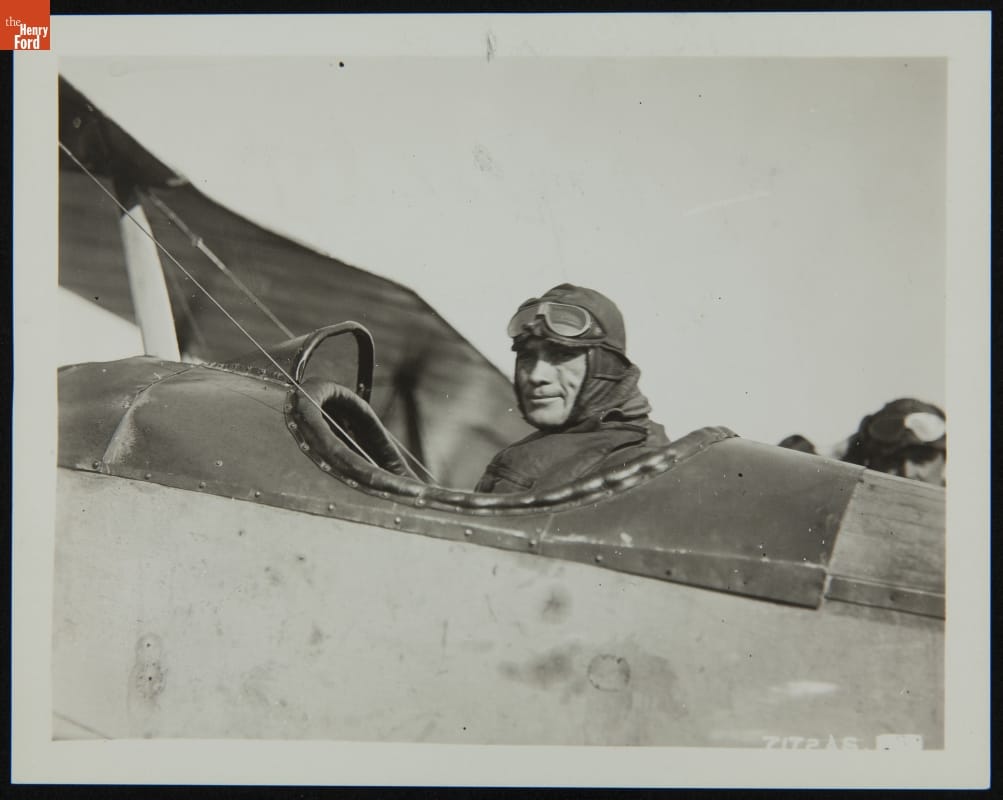
- Air Mail Route Mapper Major Smith in Airplane, 1919 - The United States Post Office began regularly scheduled air mail service in 1918, with initial flights between New York City and Washington, D.C. Expanding the service meant surveying and mapping routes to additional cities. Pilots first navigated by visible landmarks, flying only in daylight. Lighted beacons, installed along established flight paths, later enabled night flights.
- 1919
- Collections - Artifact
Air Mail Route Mapper Major Smith in Airplane, 1919
The United States Post Office began regularly scheduled air mail service in 1918, with initial flights between New York City and Washington, D.C. Expanding the service meant surveying and mapping routes to additional cities. Pilots first navigated by visible landmarks, flying only in daylight. Lighted beacons, installed along established flight paths, later enabled night flights.
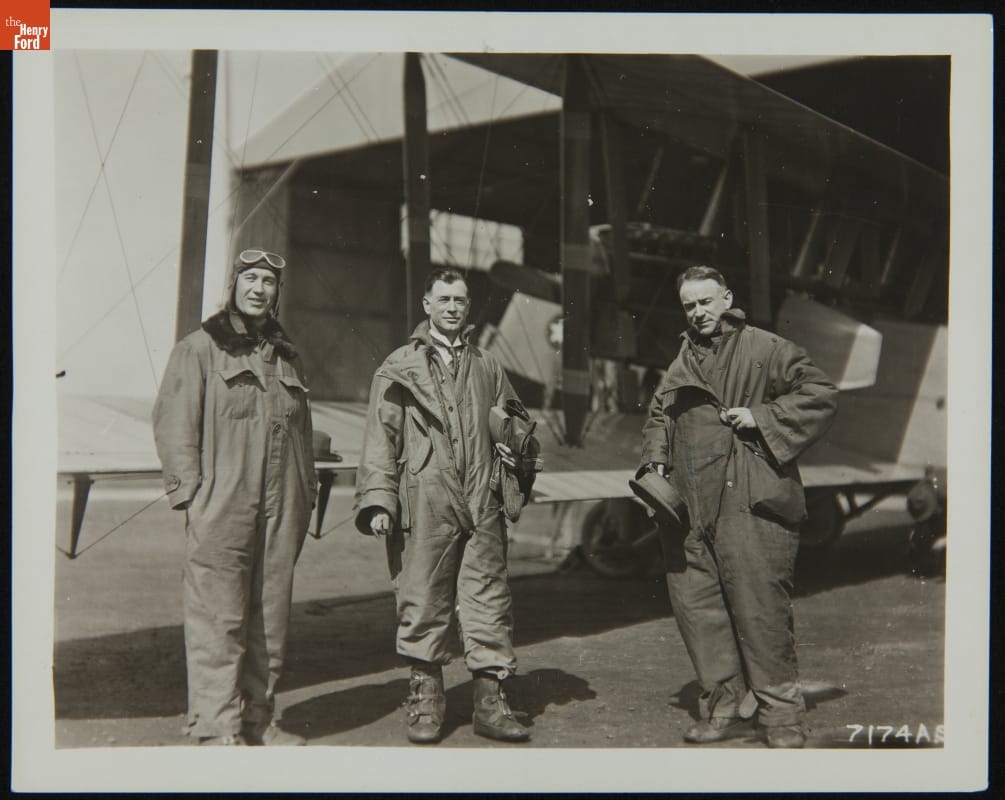
- Air Mail Route Mappers, 1919 - The United States Post Office began regularly scheduled air mail service in 1918, with initial flights between New York City and Washington, D.C. Expanding the service meant surveying and mapping routes to additional cities. Pilots first navigated by visible landmarks, flying only in daylight. Lighted beacons, installed along established flight paths, later enabled night flights.
- 1919
- Collections - Artifact
Air Mail Route Mappers, 1919
The United States Post Office began regularly scheduled air mail service in 1918, with initial flights between New York City and Washington, D.C. Expanding the service meant surveying and mapping routes to additional cities. Pilots first navigated by visible landmarks, flying only in daylight. Lighted beacons, installed along established flight paths, later enabled night flights.
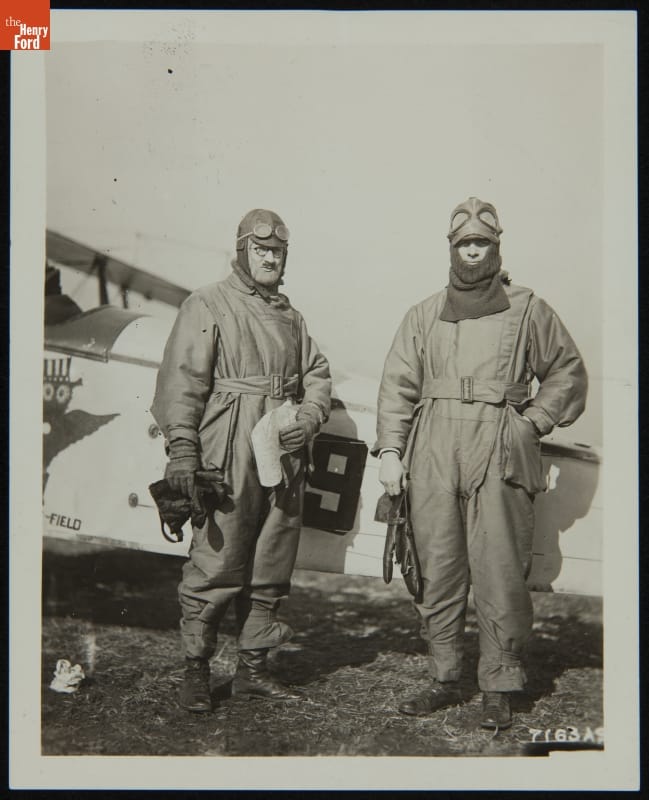
- Air Mail Route Mappers, 1919 - The United States Post Office began regularly scheduled air mail service in 1918, with initial flights between New York City and Washington, D.C. Expanding the service meant surveying and mapping routes to additional cities. Pilots first navigated by visible landmarks, flying only in daylight. Lighted beacons, installed along established flight paths, later enabled night flights.
- January 07, 1919
- Collections - Artifact
Air Mail Route Mappers, 1919
The United States Post Office began regularly scheduled air mail service in 1918, with initial flights between New York City and Washington, D.C. Expanding the service meant surveying and mapping routes to additional cities. Pilots first navigated by visible landmarks, flying only in daylight. Lighted beacons, installed along established flight paths, later enabled night flights.
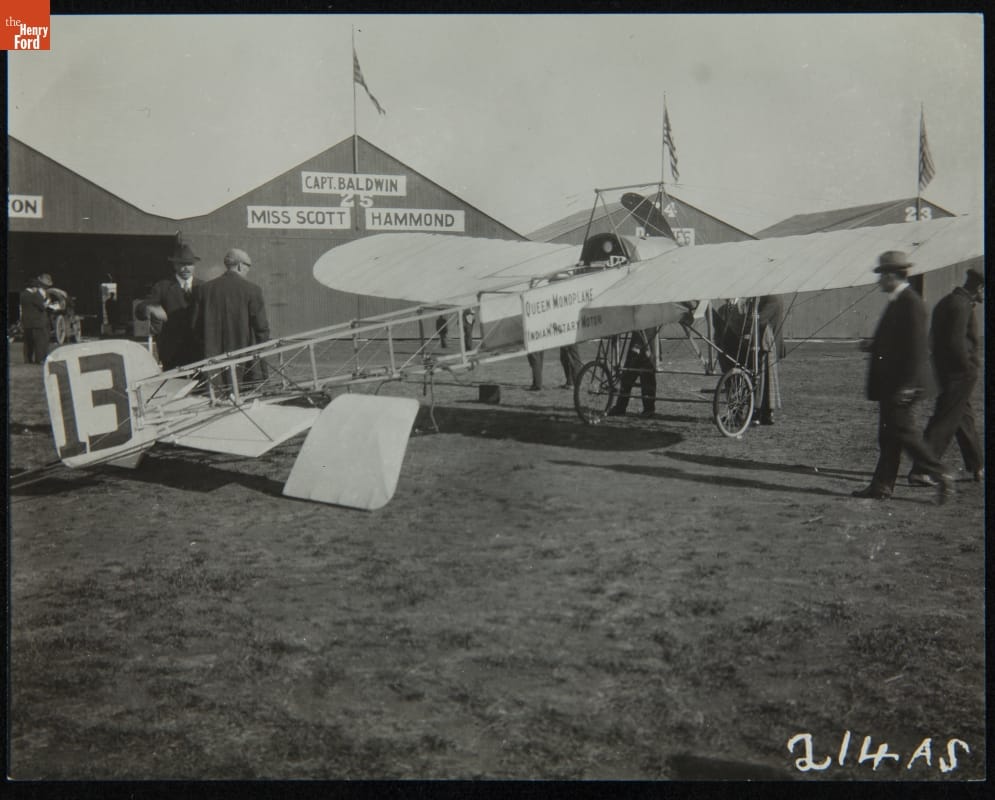
- Promotional Queen Monoplane Owned by Earle Ovington, First United States Post Office Air Mail Pilot, 1911 - Earle Ovington earned a unique place in aviation history when, on September 23, 1911, he piloted the first air mail flight operated by the United States Post Office Department. The three-mile flight over New York's Long Island was more a publicity stunt than a practical venture, but it previewed a not-too-distant future. Regular air mail services began in 1918.
- 1911
- Collections - Artifact
Promotional Queen Monoplane Owned by Earle Ovington, First United States Post Office Air Mail Pilot, 1911
Earle Ovington earned a unique place in aviation history when, on September 23, 1911, he piloted the first air mail flight operated by the United States Post Office Department. The three-mile flight over New York's Long Island was more a publicity stunt than a practical venture, but it previewed a not-too-distant future. Regular air mail services began in 1918.