
Search
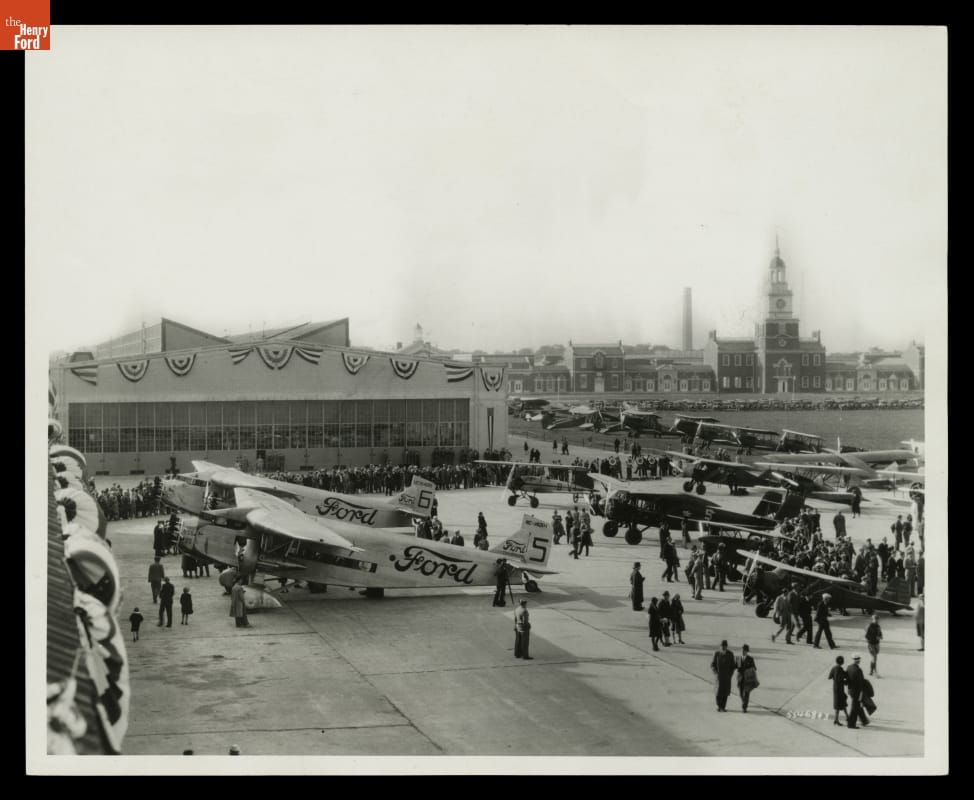
- Ford Reliability Tour at Ford Airport, Dearborn, Michigan, 1930 - From 1925-1931, Ford Motor Company sponsored annual air tours to promote reliability and safety in commercial aircraft. Pilots flew to pre-determined cities, and their airplanes were rated on the ability to take off and land quickly and maintain consistent speeds. The 1930 tour included 18 entries and visited 29 cities in the United States and Canada.
- September 27, 1930
- Collections - Artifact
Ford Reliability Tour at Ford Airport, Dearborn, Michigan, 1930
From 1925-1931, Ford Motor Company sponsored annual air tours to promote reliability and safety in commercial aircraft. Pilots flew to pre-determined cities, and their airplanes were rated on the ability to take off and land quickly and maintain consistent speeds. The 1930 tour included 18 entries and visited 29 cities in the United States and Canada.
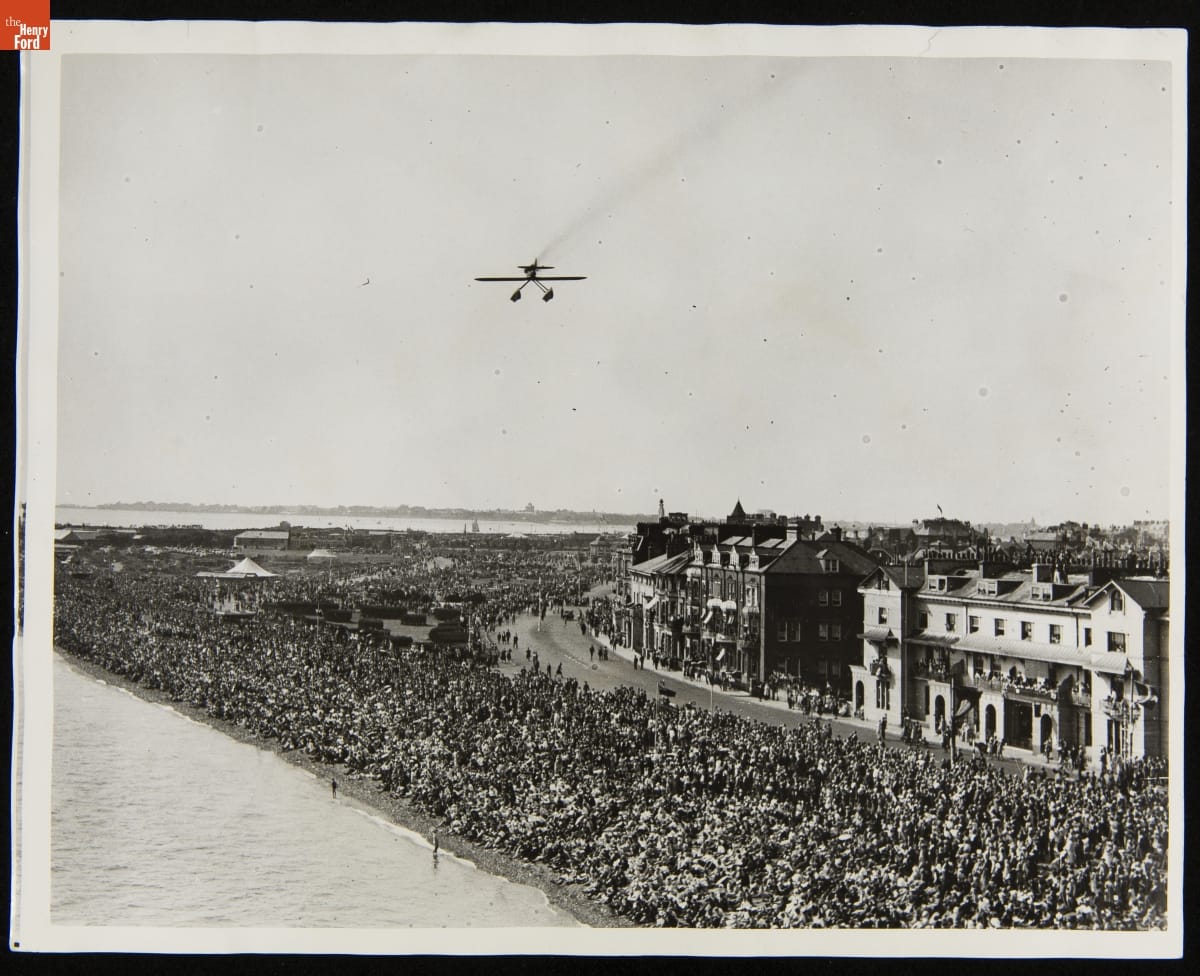
- Crowds Watch the Schneider Trophy Race at Calshot, England, September 1929 - The Schneider Trophy Race, established by French aviation enthusiast Jacques Schneider, was held 12 times from 1913 to 1931. The competition was created specifically for seaplanes and flying boats. Each year's winning country was tasked with hosting the next year's event. Host countries included Monaco, the United Kingdom, Italy, and the United States.
- September 07, 1929
- Collections - Artifact
Crowds Watch the Schneider Trophy Race at Calshot, England, September 1929
The Schneider Trophy Race, established by French aviation enthusiast Jacques Schneider, was held 12 times from 1913 to 1931. The competition was created specifically for seaplanes and flying boats. Each year's winning country was tasked with hosting the next year's event. Host countries included Monaco, the United Kingdom, Italy, and the United States.
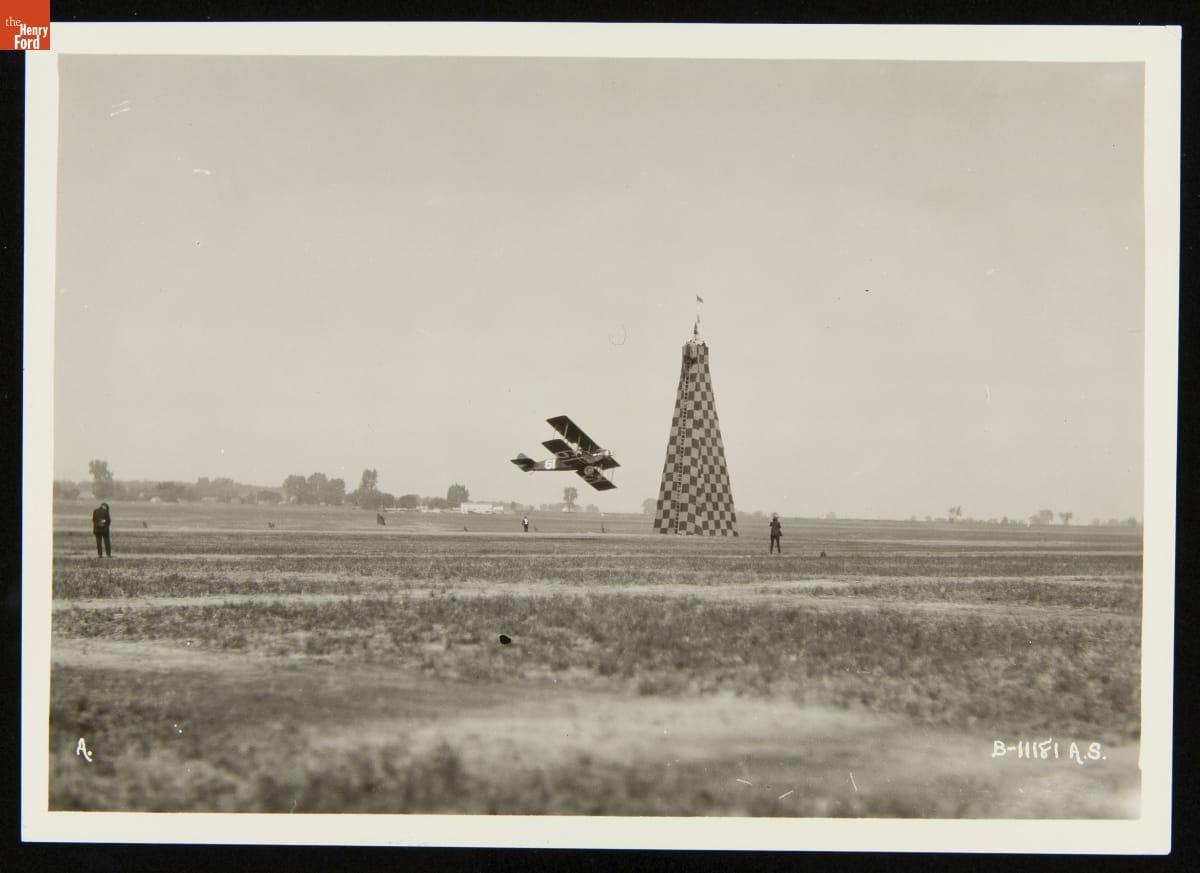
- The Aviation Country Club of Detroit Trophy Race at the National Air Races, St. Louis, Missouri, October 6, 1923 - Air races provided pilots and manufacturers with an opportunity to test new technologies and show them off to enthusiastic audiences. From the 1920s through the 1940s, the annual National Air Races were the premier competition in the United States. The 1923 event took place in St. Louis, Missouri, where pilot Al Williams won with a speed of 243.67 mph.
- October 06, 1923
- Collections - Artifact
The Aviation Country Club of Detroit Trophy Race at the National Air Races, St. Louis, Missouri, October 6, 1923
Air races provided pilots and manufacturers with an opportunity to test new technologies and show them off to enthusiastic audiences. From the 1920s through the 1940s, the annual National Air Races were the premier competition in the United States. The 1923 event took place in St. Louis, Missouri, where pilot Al Williams won with a speed of 243.67 mph.
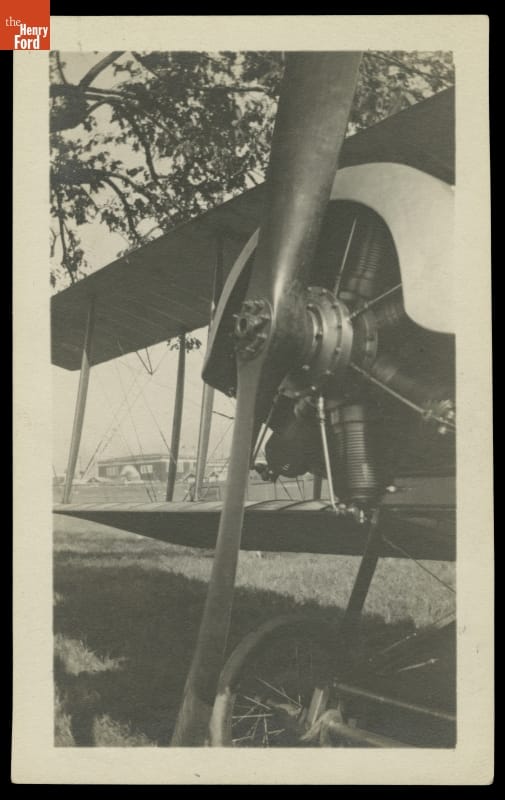
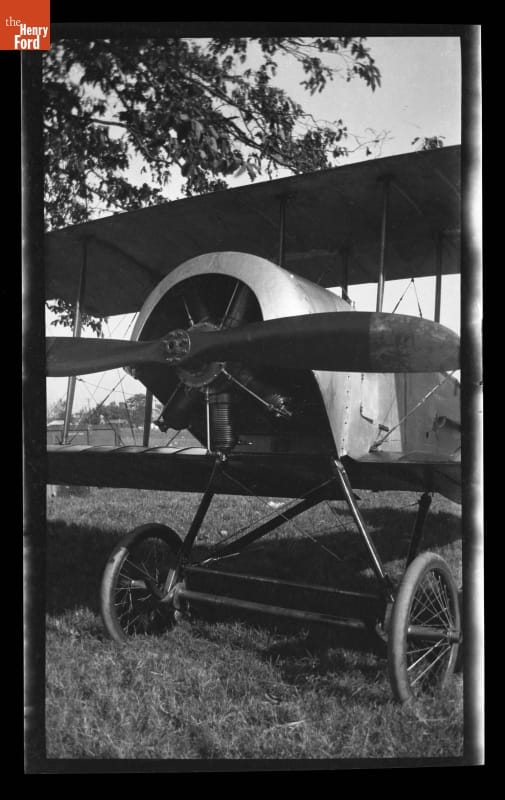
- Katherine Stinson's Laird Biplane at the Tri-State Fair, October 1916 - Katherine Stinson flew this biplane, designed by Emil "Matty" Laird, at Memphis, Tennessee, in October 1916. Stinson was only the fourth American woman to earn a pilot's license, and she consistently dazzled spectators with her skilled stunt flying. Though in her 20s, the petite Stinson looked even younger. The press took to calling her the "Flying Schoolgirl."
- October 01, 1916
- Collections - Artifact
Katherine Stinson's Laird Biplane at the Tri-State Fair, October 1916
Katherine Stinson flew this biplane, designed by Emil "Matty" Laird, at Memphis, Tennessee, in October 1916. Stinson was only the fourth American woman to earn a pilot's license, and she consistently dazzled spectators with her skilled stunt flying. Though in her 20s, the petite Stinson looked even younger. The press took to calling her the "Flying Schoolgirl."
- Katherine Stinson's Laird Biplane at the Tri-State Fair, October 1916 - Katherine Stinson flew this biplane, designed by Emil "Matty" Laird, at Memphis, Tennessee, in October 1916. Stinson was only the fourth American woman to earn a pilot's license, and she consistently dazzled spectators with her skilled stunt flying. Though in her 20s, the petite Stinson looked even younger. The press took to calling her the "Flying Schoolgirl."
- October 01, 1916
- Collections - Artifact
Katherine Stinson's Laird Biplane at the Tri-State Fair, October 1916
Katherine Stinson flew this biplane, designed by Emil "Matty" Laird, at Memphis, Tennessee, in October 1916. Stinson was only the fourth American woman to earn a pilot's license, and she consistently dazzled spectators with her skilled stunt flying. Though in her 20s, the petite Stinson looked even younger. The press took to calling her the "Flying Schoolgirl."
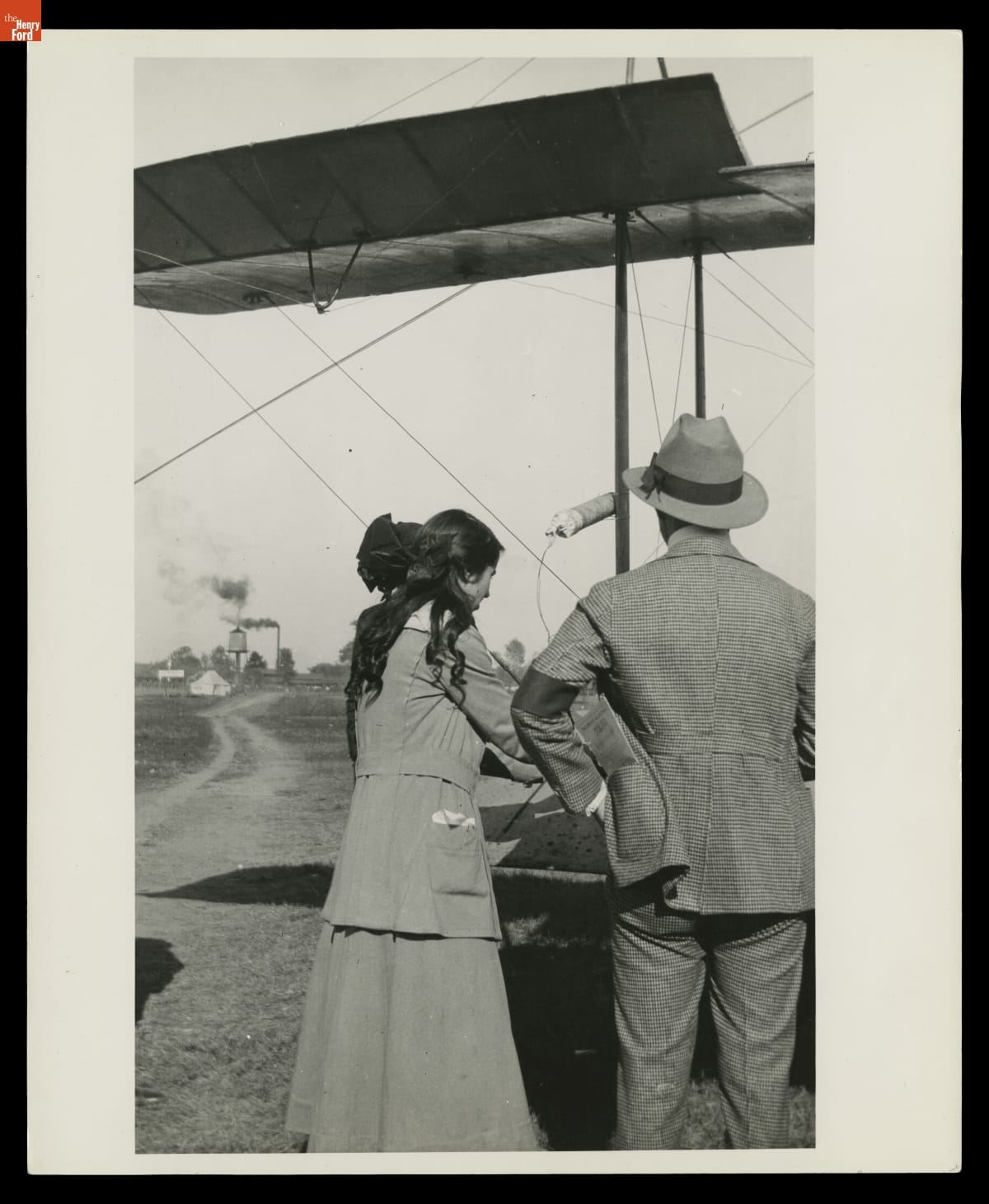
- Katherine Stinson Securing Magnesium Flares to Her Laird Biplane at the Tri-State Fair, October 1916 - Attracted by the high fees paid to stunt pilots, Katherine Stinson earned her pilot's license in 1912 as a way to finance music lessons. Flight quickly replaced music as her passion and Stinson became one of the most skilled pilots of her era. She became the first woman to skywrite at night, using flares like this, in 1915.
- October 01, 1916
- Collections - Artifact
Katherine Stinson Securing Magnesium Flares to Her Laird Biplane at the Tri-State Fair, October 1916
Attracted by the high fees paid to stunt pilots, Katherine Stinson earned her pilot's license in 1912 as a way to finance music lessons. Flight quickly replaced music as her passion and Stinson became one of the most skilled pilots of her era. She became the first woman to skywrite at night, using flares like this, in 1915.
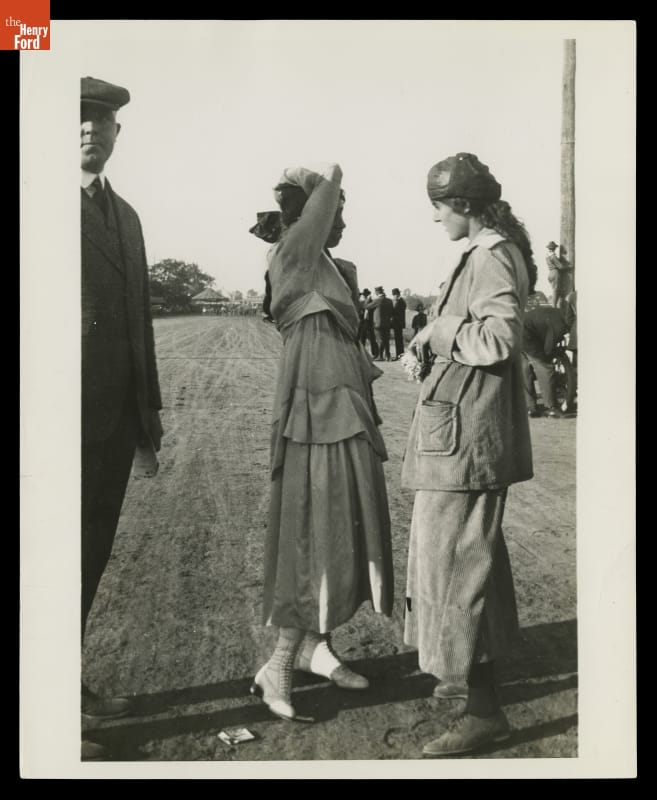
- Katherine Stinson and Elfreida Mais on the Racetrack during the Tri-State Fair, Memphis, TN, October 1916 - Katherine Stinson was only the fourth American woman to receive a pilot's license when she earned hers, at age 21, in 1912. Stinson went on to achieve several more firsts: the first woman authorized to carry U.S. air mail, the first woman to fly a complete vertical loop, and the first woman to fly in Japan and China.
- October 01, 1916
- Collections - Artifact
Katherine Stinson and Elfreida Mais on the Racetrack during the Tri-State Fair, Memphis, TN, October 1916
Katherine Stinson was only the fourth American woman to receive a pilot's license when she earned hers, at age 21, in 1912. Stinson went on to achieve several more firsts: the first woman authorized to carry U.S. air mail, the first woman to fly a complete vertical loop, and the first woman to fly in Japan and China.
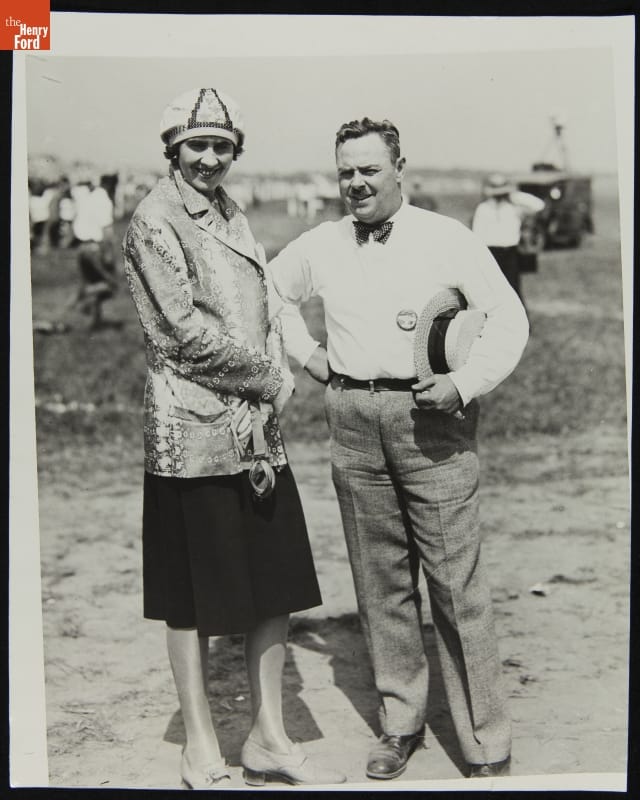
- Lady Mary Heath and William Brock, National Air Races, Cleveland, Ohio, 1929 - Irish pilot Mary, Lady Heath, was a champion athlete before earning her commercial pilot's license in 1927 -- the first woman in Ireland or Great Britain to do so. In 1928 she made headlines flying solo from Cape Town, South Africa, to London. Lady Heath never fully recovered from a crash she suffered at the 1929 National Air Races in Cleveland.
- August 29, 1929
- Collections - Artifact
Lady Mary Heath and William Brock, National Air Races, Cleveland, Ohio, 1929
Irish pilot Mary, Lady Heath, was a champion athlete before earning her commercial pilot's license in 1927 -- the first woman in Ireland or Great Britain to do so. In 1928 she made headlines flying solo from Cape Town, South Africa, to London. Lady Heath never fully recovered from a crash she suffered at the 1929 National Air Races in Cleveland.
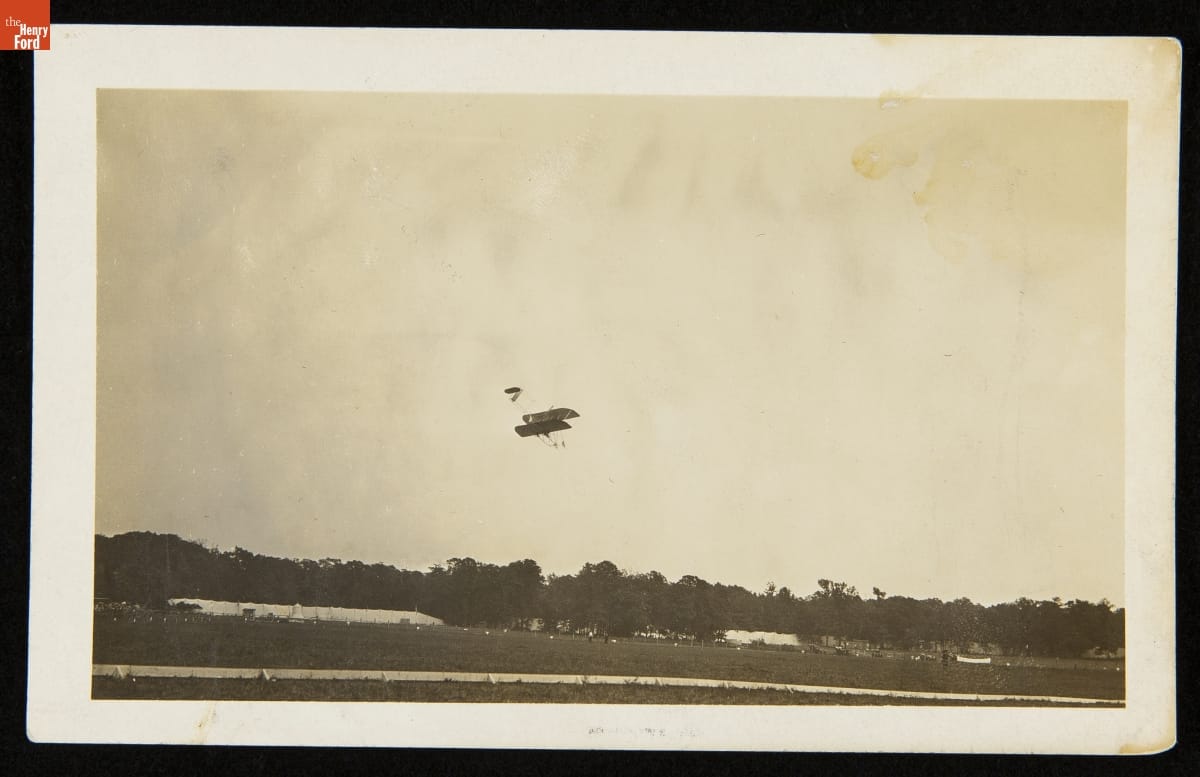
- Ralph Johnstone Descending in a Wright Model B Flyer, Kinloch Park, St. Louis, Missouri, October 10, 1910 - Ralph Johnstone was a trick bicycle rider before learning to fly and joining the Wright brothers' exhibition team. He set an altitude record of 8,471 feet in the skies over Belmont Park, New York, on October 27, 1910. Three weeks later, Johnstone died when his Wright Model B crashed in Denver, Colorado.
- October 10, 1910
- Collections - Artifact
Ralph Johnstone Descending in a Wright Model B Flyer, Kinloch Park, St. Louis, Missouri, October 10, 1910
Ralph Johnstone was a trick bicycle rider before learning to fly and joining the Wright brothers' exhibition team. He set an altitude record of 8,471 feet in the skies over Belmont Park, New York, on October 27, 1910. Three weeks later, Johnstone died when his Wright Model B crashed in Denver, Colorado.
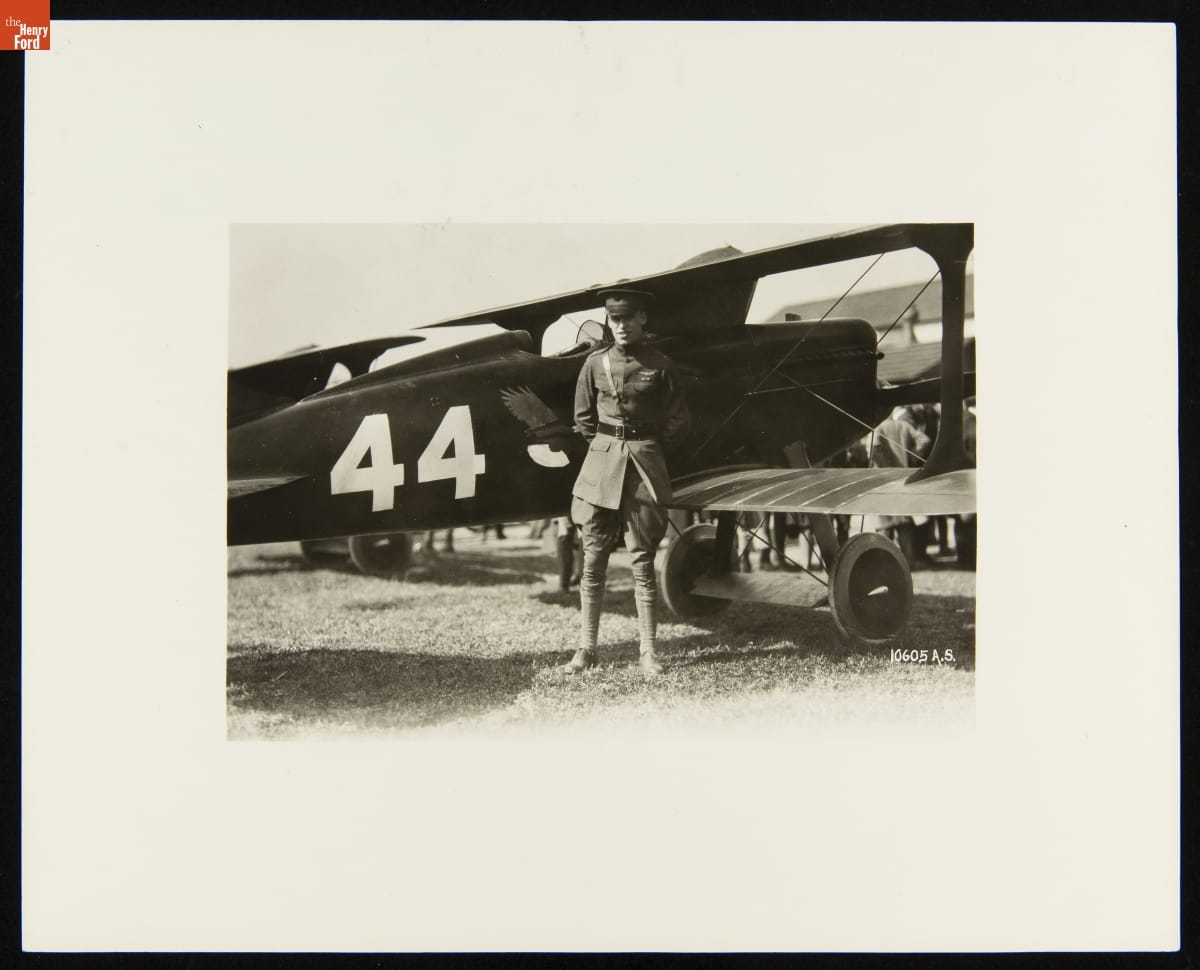
- Lieutenant Lester J. Maitland, 2nd Place Winner, Pulitzer Air Race, October 14, 1922 - Air races provided pilots and manufacturers with an opportunity to test new technologies and show them off to enthusiastic audiences. The annual National Air Races were the premier competition in the United States from the 1920s through the 1940s. Publisher Ralph Pulitzer sponsored the event's top prize. Russell Maughan won the 1922 contest held near Mount Clemens, Michigan.
- October 14, 1922
- Collections - Artifact
Lieutenant Lester J. Maitland, 2nd Place Winner, Pulitzer Air Race, October 14, 1922
Air races provided pilots and manufacturers with an opportunity to test new technologies and show them off to enthusiastic audiences. The annual National Air Races were the premier competition in the United States from the 1920s through the 1940s. Publisher Ralph Pulitzer sponsored the event's top prize. Russell Maughan won the 1922 contest held near Mount Clemens, Michigan.