
Search
- ALCO Automobile Chassis, 1910-1911 - American Locomotive Company (ALCO) was best known for the steam and diesel-electric railroad locomotives it built from 1901 until 1969. But the company also manufactured automobiles from 1906 to 1913. Ironically, ALCO never produced a steam-powered car, relying instead on gasoline-fueled internal combustion engines. Harry Grant won the Vanderbilt Cup with an ALCO race car in 1909 and 1910.
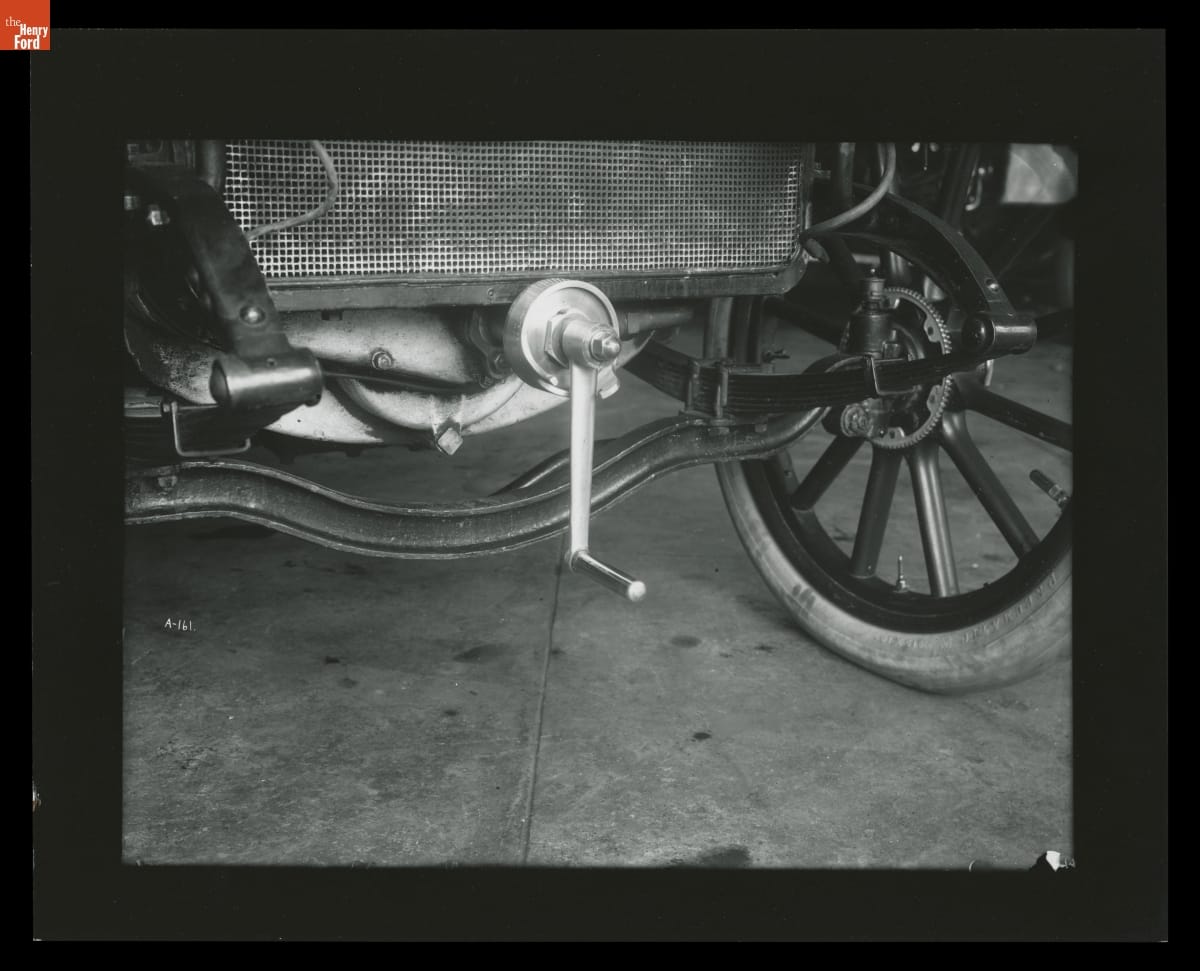
- 1910-1911
- Collections - Artifact
ALCO Automobile Chassis, 1910-1911
American Locomotive Company (ALCO) was best known for the steam and diesel-electric railroad locomotives it built from 1901 until 1969. But the company also manufactured automobiles from 1906 to 1913. Ironically, ALCO never produced a steam-powered car, relying instead on gasoline-fueled internal combustion engines. Harry Grant won the Vanderbilt Cup with an ALCO race car in 1909 and 1910.
- ALCO Automobile Chassis, 1910-1911 - American Locomotive Company (ALCO) was best known for the steam and diesel-electric railroad locomotives it built from 1901 until 1969. But the company also manufactured automobiles from 1906 to 1913. Ironically, ALCO never produced a steam-powered car, relying instead on gasoline-fueled internal combustion engines. Harry Grant won the Vanderbilt Cup with an ALCO race car in 1909 and 1910.
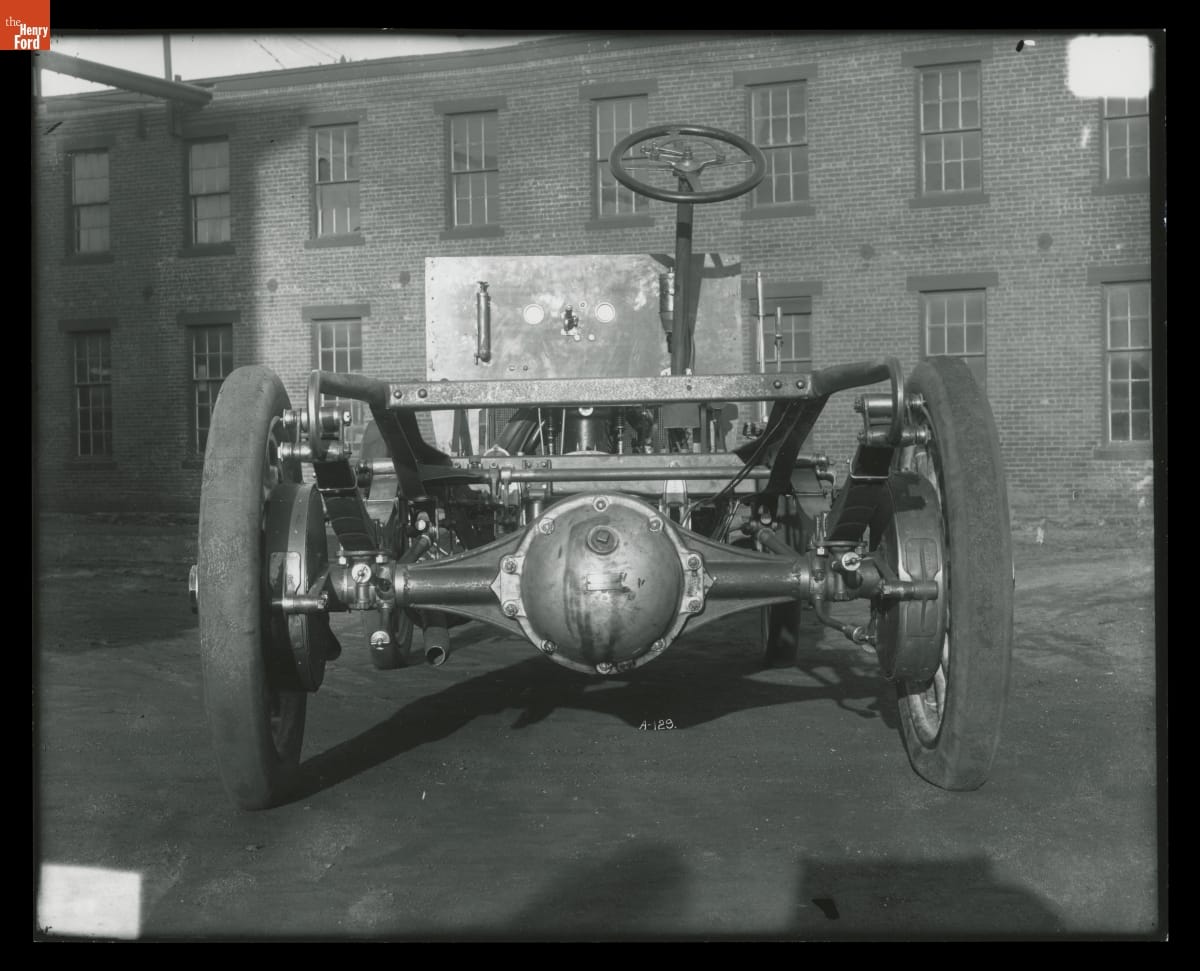
- 1910-1911
- Collections - Artifact
ALCO Automobile Chassis, 1910-1911
American Locomotive Company (ALCO) was best known for the steam and diesel-electric railroad locomotives it built from 1901 until 1969. But the company also manufactured automobiles from 1906 to 1913. Ironically, ALCO never produced a steam-powered car, relying instead on gasoline-fueled internal combustion engines. Harry Grant won the Vanderbilt Cup with an ALCO race car in 1909 and 1910.
- ALCO Automobile Chassis, 1910-1911 - American Locomotive Company (ALCO) was best known for the steam and diesel-electric railroad locomotives it built from 1901 until 1969. But the company also manufactured automobiles from 1906 to 1913. Ironically, ALCO never produced a steam-powered car, relying instead on gasoline-fueled internal combustion engines. Harry Grant won the Vanderbilt Cup with an ALCO race car in 1909 and 1910.
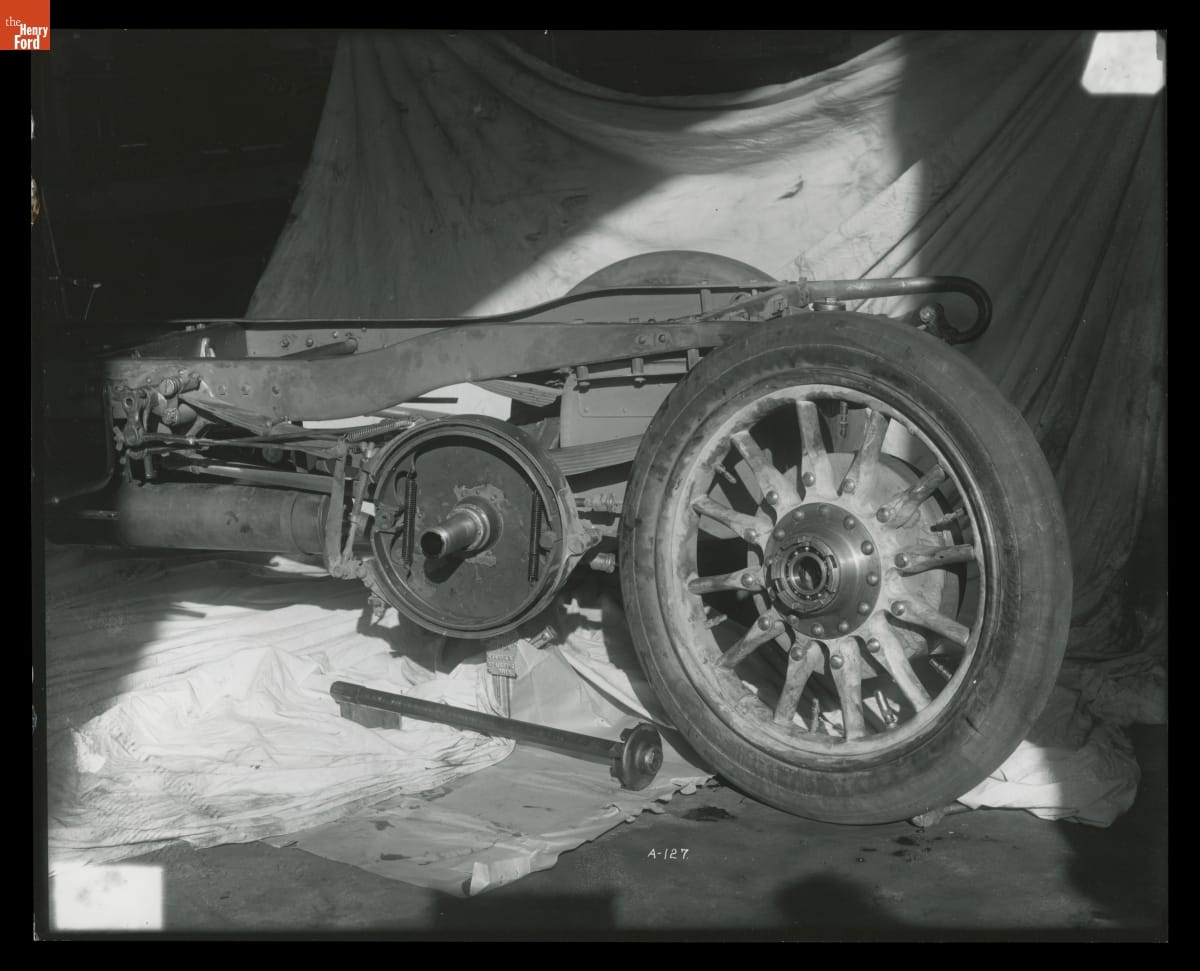
- 1910-1911
- Collections - Artifact
ALCO Automobile Chassis, 1910-1911
American Locomotive Company (ALCO) was best known for the steam and diesel-electric railroad locomotives it built from 1901 until 1969. But the company also manufactured automobiles from 1906 to 1913. Ironically, ALCO never produced a steam-powered car, relying instead on gasoline-fueled internal combustion engines. Harry Grant won the Vanderbilt Cup with an ALCO race car in 1909 and 1910.
- ALCO Automobile Chassis, 1910-1911 - American Locomotive Company (ALCO) was best known for the steam and diesel-electric railroad locomotives it built from 1901 until 1969. But the company also manufactured automobiles from 1906 to 1913. Ironically, ALCO never produced a steam-powered car, relying instead on gasoline-fueled internal combustion engines. Harry Grant won the Vanderbilt Cup with an ALCO race car in 1909 and 1910.
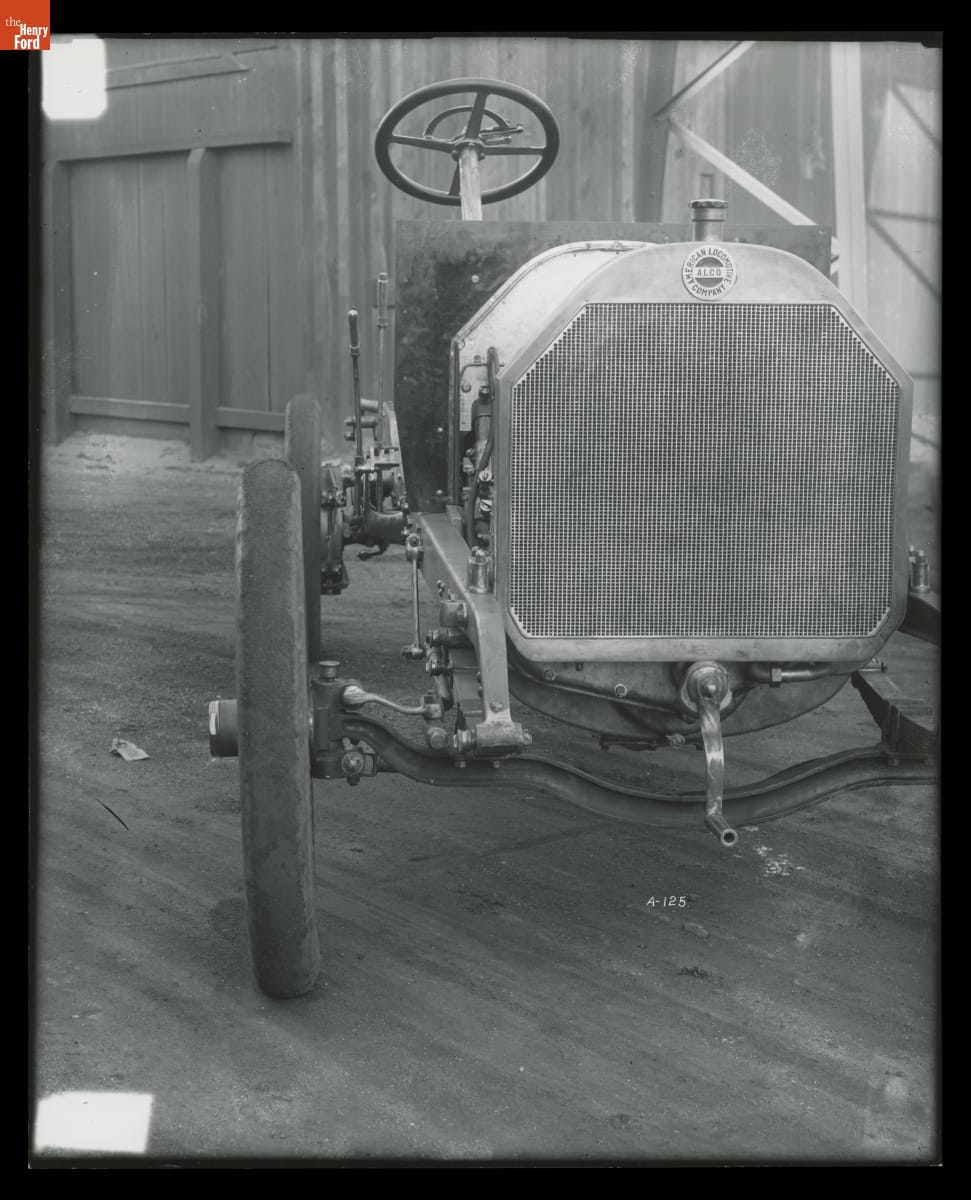
- 1910-1911
- Collections - Artifact
ALCO Automobile Chassis, 1910-1911
American Locomotive Company (ALCO) was best known for the steam and diesel-electric railroad locomotives it built from 1901 until 1969. But the company also manufactured automobiles from 1906 to 1913. Ironically, ALCO never produced a steam-powered car, relying instead on gasoline-fueled internal combustion engines. Harry Grant won the Vanderbilt Cup with an ALCO race car in 1909 and 1910.
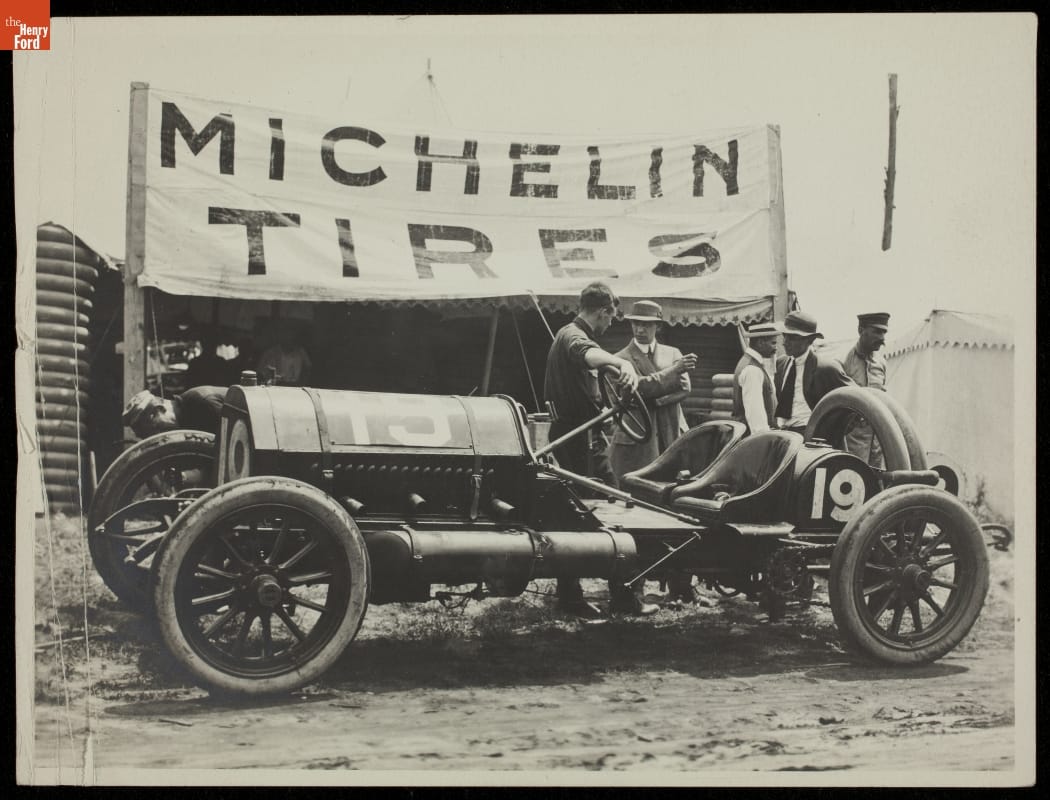
- Alco Race Car Driven by Harry Grant at the 1911 Indianapolis 500 Race, Photograph Taken by Henry Ford - Indianapolis Motor Speedway opened in 1909 with multiple races each season. In 1911, track promoters decided instead to host just one spectacular event each Memorial Day. The inaugural Indianapolis 500-Mile Race, with $27,500 in prizes, drew 40 qualifying cars and 80,000 spectators. Ray Harroun won with the yellow #32 Marmon Wasp, and the Indianapolis 500 became an American institution.
- 1911
- Collections - Artifact
Alco Race Car Driven by Harry Grant at the 1911 Indianapolis 500 Race, Photograph Taken by Henry Ford
Indianapolis Motor Speedway opened in 1909 with multiple races each season. In 1911, track promoters decided instead to host just one spectacular event each Memorial Day. The inaugural Indianapolis 500-Mile Race, with $27,500 in prizes, drew 40 qualifying cars and 80,000 spectators. Ray Harroun won with the yellow #32 Marmon Wasp, and the Indianapolis 500 became an American institution.
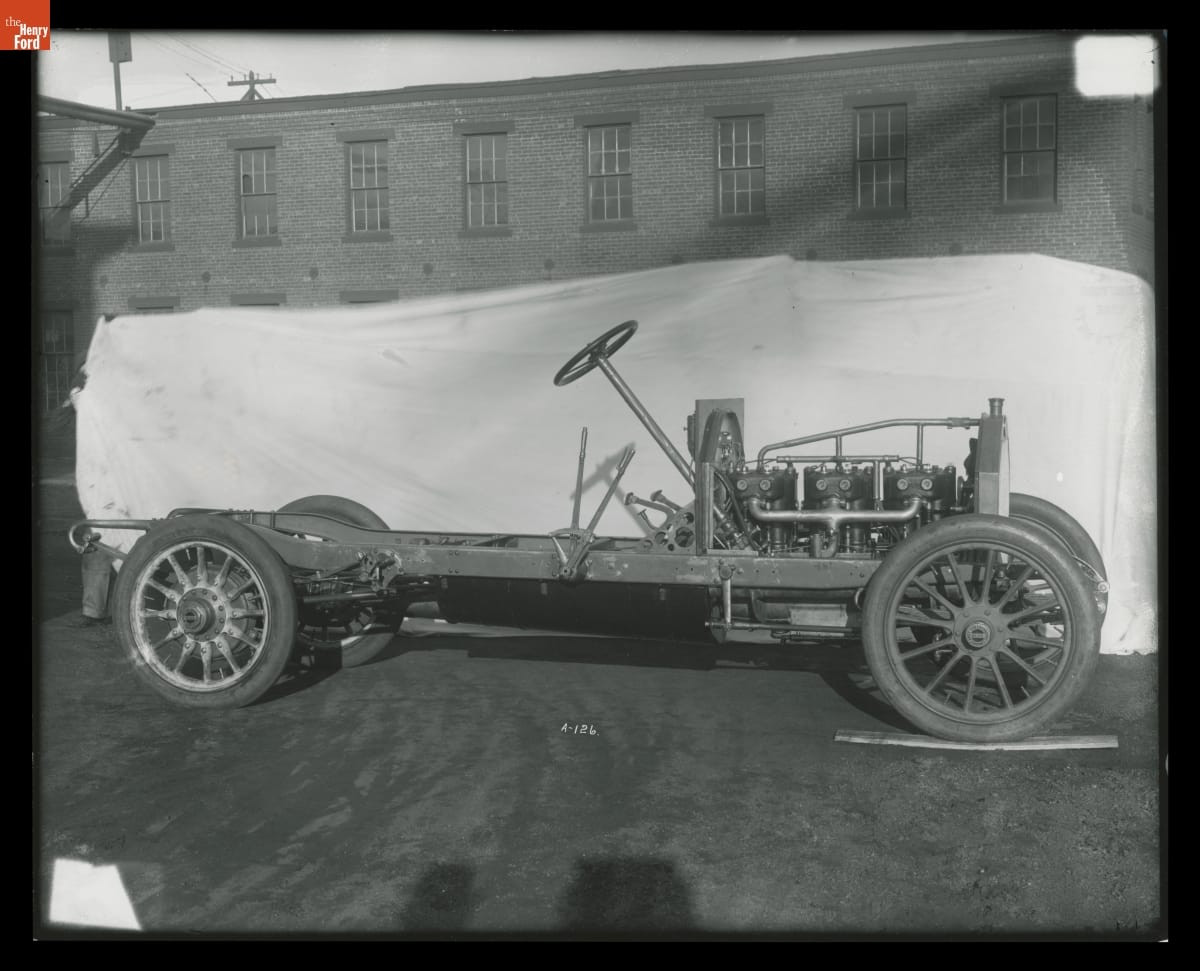
- ALCO Automobile Chassis, 1910-1911 - American Locomotive Company (ALCO) was best known for the steam and diesel-electric railroad locomotives it built from 1901 until 1969. But the company also manufactured automobiles from 1906 to 1913. Ironically, ALCO never produced a steam-powered car, relying instead on gasoline-fueled internal combustion engines. Harry Grant won the Vanderbilt Cup with an ALCO race car in 1909 and 1910.
- 1910-1911
- Collections - Artifact
ALCO Automobile Chassis, 1910-1911
American Locomotive Company (ALCO) was best known for the steam and diesel-electric railroad locomotives it built from 1901 until 1969. But the company also manufactured automobiles from 1906 to 1913. Ironically, ALCO never produced a steam-powered car, relying instead on gasoline-fueled internal combustion engines. Harry Grant won the Vanderbilt Cup with an ALCO race car in 1909 and 1910.
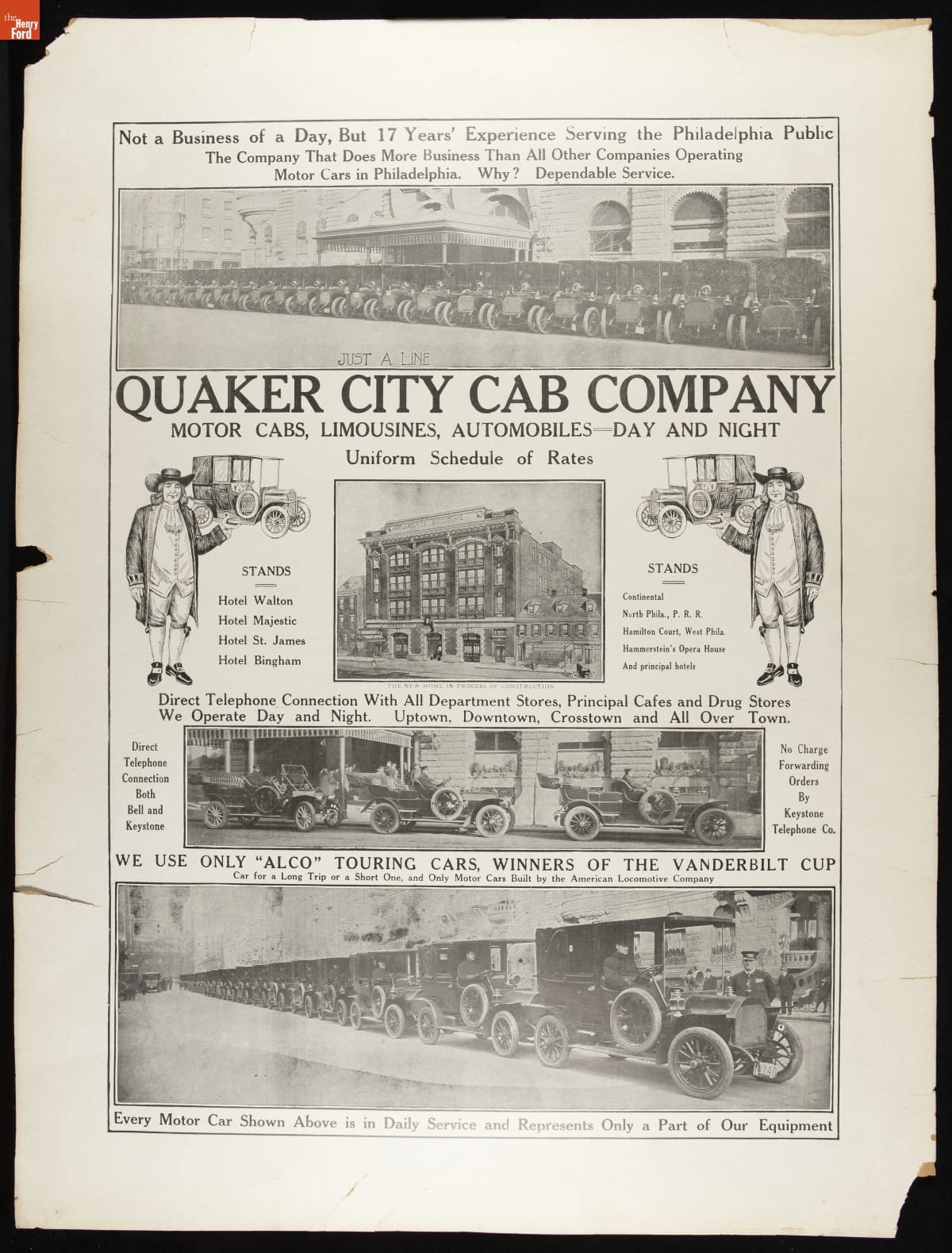
- Quaker City Cab Company Advertising Poster, circa 1910 - Taxicabs offered convenient point-to-point transportation across cities. This advertisement for Quaker City Cab Company of Philadelphia heralded the firm's day-and-night service. It also made special reference to the company's exclusive use of ALCO automobiles. Racing driver Harry Grant won the prestigious Vanderbilt Cup road race with a modified ALCO touring car in 1909 and 1910.
- circa 1910
- Collections - Artifact
Quaker City Cab Company Advertising Poster, circa 1910
Taxicabs offered convenient point-to-point transportation across cities. This advertisement for Quaker City Cab Company of Philadelphia heralded the firm's day-and-night service. It also made special reference to the company's exclusive use of ALCO automobiles. Racing driver Harry Grant won the prestigious Vanderbilt Cup road race with a modified ALCO touring car in 1909 and 1910.
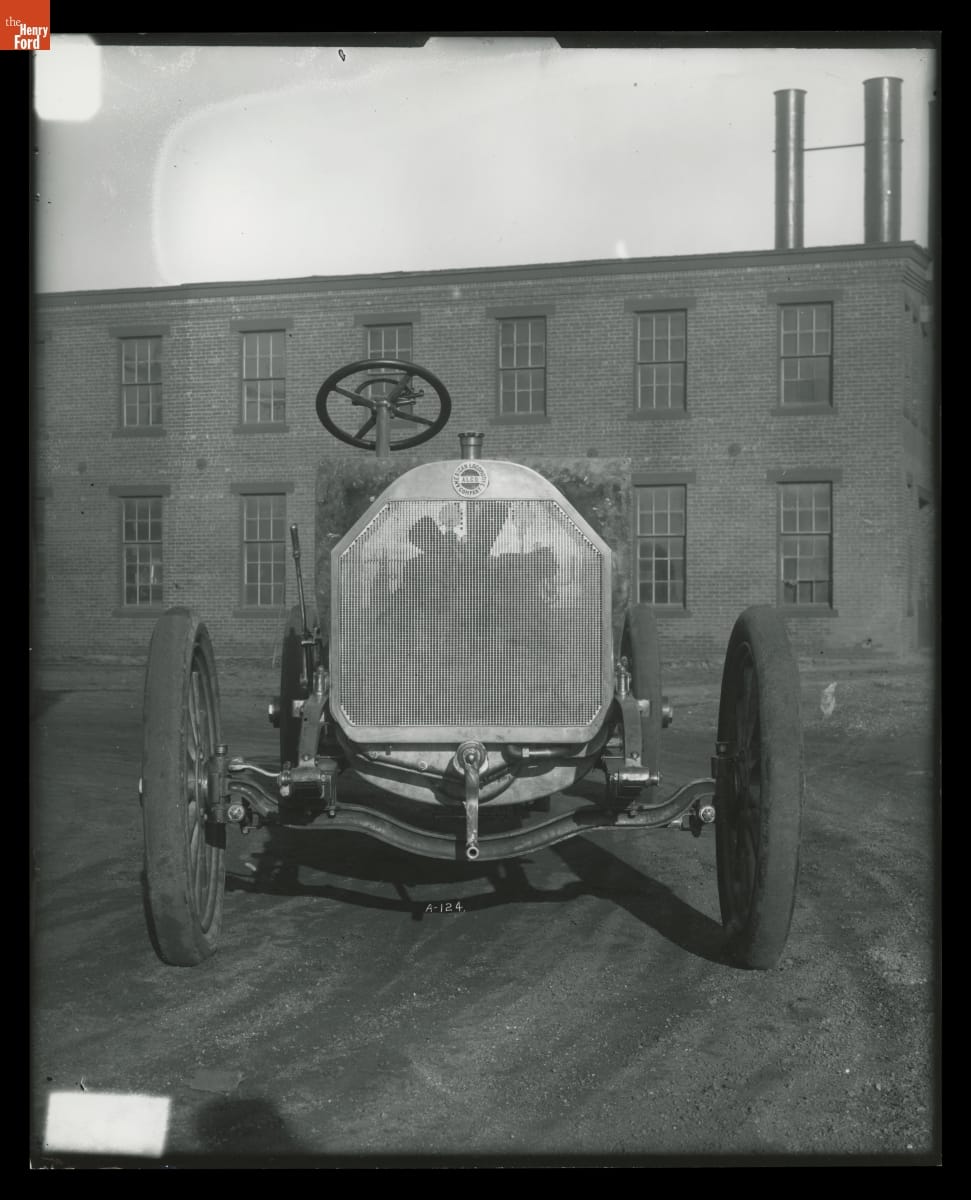
- ALCO Automobile Chassis, 1910-1911 - American Locomotive Company (ALCO) was best known for the steam and diesel-electric railroad locomotives it built from 1901 until 1969. But the company also manufactured automobiles from 1906 to 1913. Ironically, ALCO never produced a steam-powered car, relying instead on gasoline-fueled internal combustion engines. Harry Grant won the Vanderbilt Cup with an ALCO race car in 1909 and 1910.
- 1910-1911
- Collections - Artifact
ALCO Automobile Chassis, 1910-1911
American Locomotive Company (ALCO) was best known for the steam and diesel-electric railroad locomotives it built from 1901 until 1969. But the company also manufactured automobiles from 1906 to 1913. Ironically, ALCO never produced a steam-powered car, relying instead on gasoline-fueled internal combustion engines. Harry Grant won the Vanderbilt Cup with an ALCO race car in 1909 and 1910.