
Search
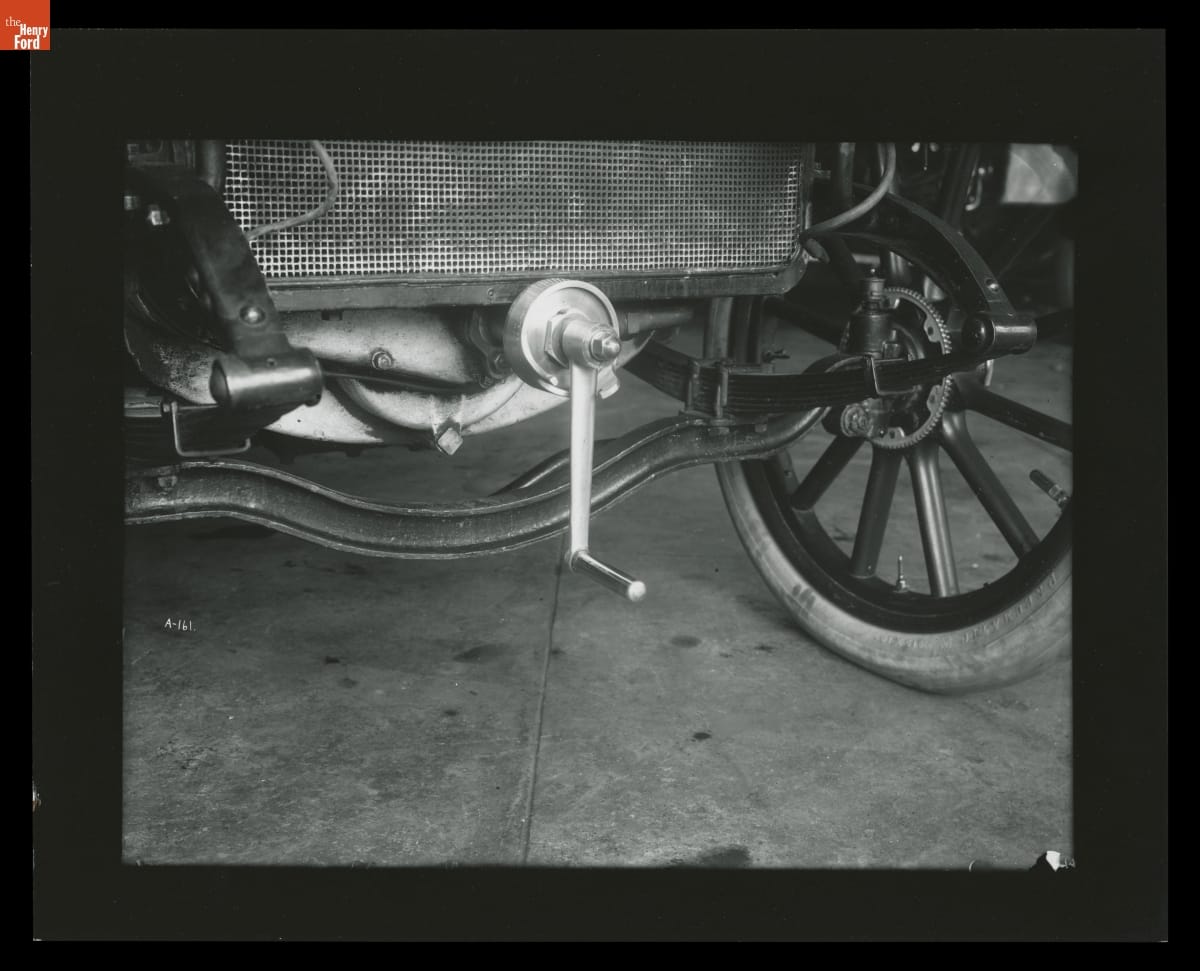
- ALCO Automobile Chassis, 1910-1911 - American Locomotive Company (ALCO) was best known for the steam and diesel-electric railroad locomotives it built from 1901 until 1969. But the company also manufactured automobiles from 1906 to 1913. Ironically, ALCO never produced a steam-powered car, relying instead on gasoline-fueled internal combustion engines. Harry Grant won the Vanderbilt Cup with an ALCO race car in 1909 and 1910.
- 1910-1911
- Collections - Artifact
ALCO Automobile Chassis, 1910-1911
American Locomotive Company (ALCO) was best known for the steam and diesel-electric railroad locomotives it built from 1901 until 1969. But the company also manufactured automobiles from 1906 to 1913. Ironically, ALCO never produced a steam-powered car, relying instead on gasoline-fueled internal combustion engines. Harry Grant won the Vanderbilt Cup with an ALCO race car in 1909 and 1910.
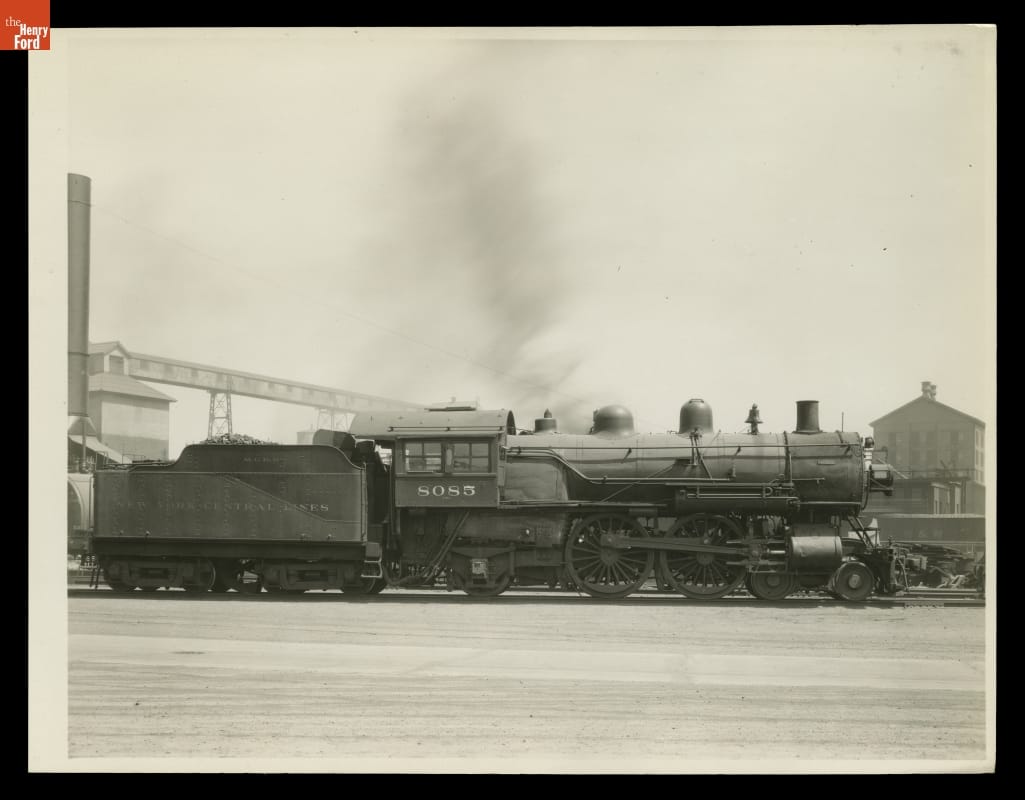
- 1902 American Locomotive Company Steam Locomotive as New York Central Lines No. 8085, November 1932 - This Atlantic-type locomotive -- with four leading wheels, four driving wheels, and two trailing wheels -- was built to speed passenger trains along the Michigan Central Railroad's busy Detroit-Chicago mainline. Originally numbered 254, it was renumbered 7953 and later 8085. It was also re-lettered for New York Central Lines, Michigan Central's parent company. The Detroit, Toledo & Ironton Railroad purchased the locomotive in 1926.
- November 28, 1932
- Collections - Artifact
1902 American Locomotive Company Steam Locomotive as New York Central Lines No. 8085, November 1932
This Atlantic-type locomotive -- with four leading wheels, four driving wheels, and two trailing wheels -- was built to speed passenger trains along the Michigan Central Railroad's busy Detroit-Chicago mainline. Originally numbered 254, it was renumbered 7953 and later 8085. It was also re-lettered for New York Central Lines, Michigan Central's parent company. The Detroit, Toledo & Ironton Railroad purchased the locomotive in 1926.
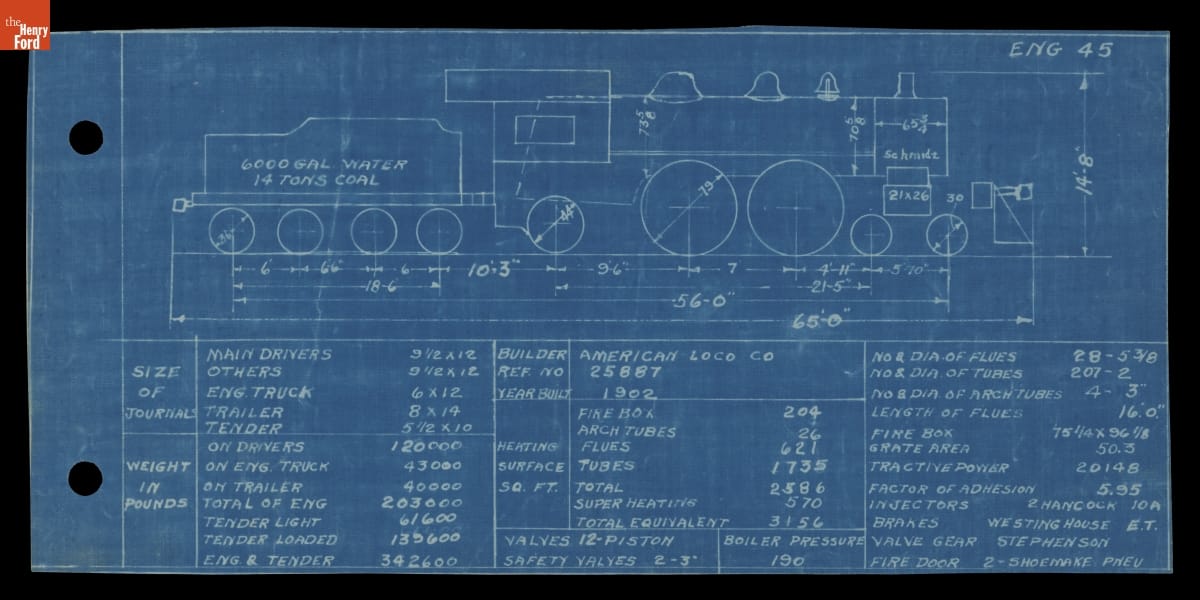
- Drawing of the 1902 American Locomotive Company Steam Locomotive, Engine 45 (Detroit, Toledo & Ironton Railroad) - Number 45, a 4-4-2 Atlantic-type steam locomotive, was purchased by the Detroit, Toledo & Ironton Railroad from the Michigan Central Railroad in 1926. Henry Ford, who owned DT&I at the time, had the locomotive rebuilt at Ford Motor Company's Rouge factory. Several of the engine's parts were plated with highly polished nickel, which encouraged DT&I workers to treat number 45 well.
- Collections - Artifact
Drawing of the 1902 American Locomotive Company Steam Locomotive, Engine 45 (Detroit, Toledo & Ironton Railroad)
Number 45, a 4-4-2 Atlantic-type steam locomotive, was purchased by the Detroit, Toledo & Ironton Railroad from the Michigan Central Railroad in 1926. Henry Ford, who owned DT&I at the time, had the locomotive rebuilt at Ford Motor Company's Rouge factory. Several of the engine's parts were plated with highly polished nickel, which encouraged DT&I workers to treat number 45 well.
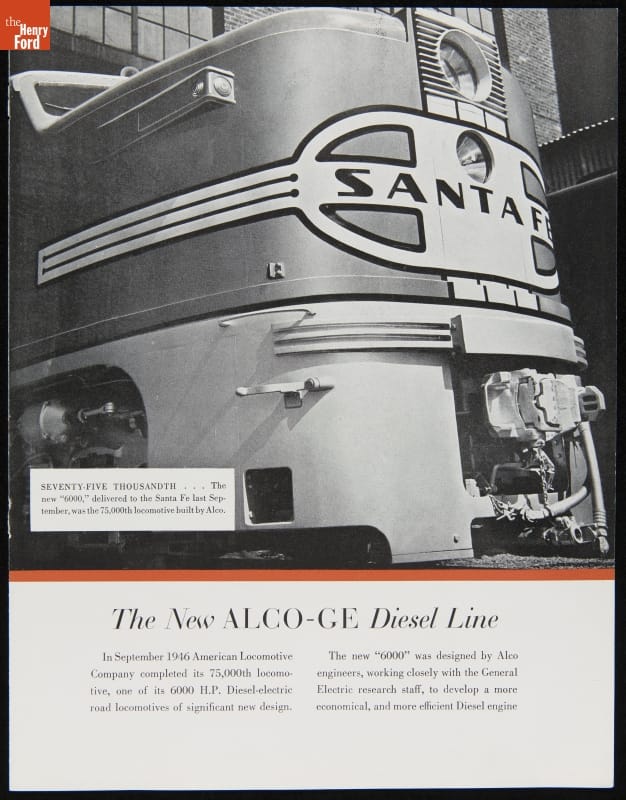
- American Locomotive Company Sales Brochure, 1946, "The New ALCO-GE Diesel Line" - The American Locomotive Company, established in 1901, wisely transitioned from manufacturing steam locomotives to diesel-electric units in the 1920s. ALCO locomotives, built in partnership with General Electric, were popular with American railroads until GE ended the collaboration in 1953 and became a direct competitor. ALCO's market share fell steadily until the company was forced to end production in 1969.
- 1946
- Collections - Artifact
American Locomotive Company Sales Brochure, 1946, "The New ALCO-GE Diesel Line"
The American Locomotive Company, established in 1901, wisely transitioned from manufacturing steam locomotives to diesel-electric units in the 1920s. ALCO locomotives, built in partnership with General Electric, were popular with American railroads until GE ended the collaboration in 1953 and became a direct competitor. ALCO's market share fell steadily until the company was forced to end production in 1969.
- ALCO Automobile Chassis, 1910-1911 - American Locomotive Company (ALCO) was best known for the steam and diesel-electric railroad locomotives it built from 1901 until 1969. But the company also manufactured automobiles from 1906 to 1913. Ironically, ALCO never produced a steam-powered car, relying instead on gasoline-fueled internal combustion engines. Harry Grant won the Vanderbilt Cup with an ALCO race car in 1909 and 1910.
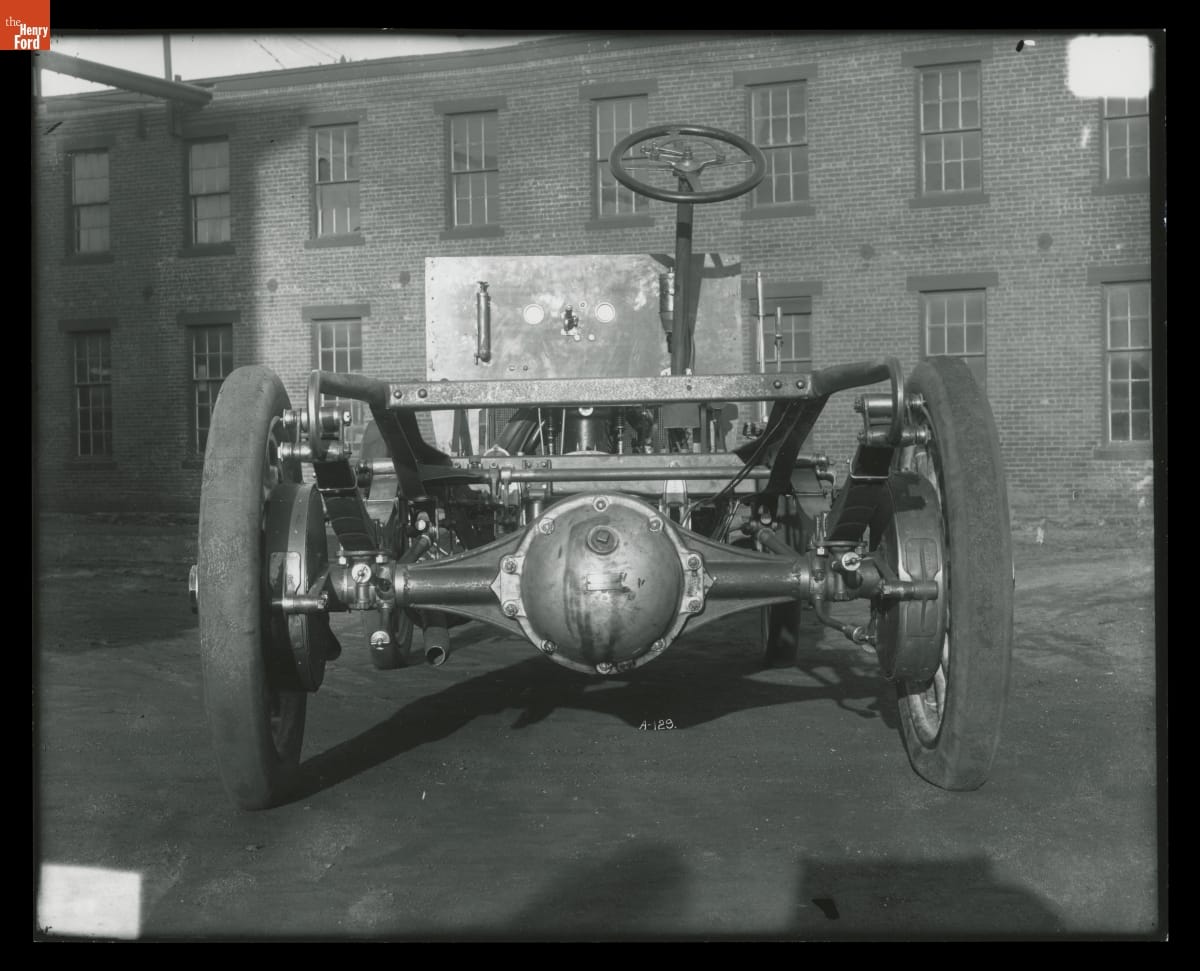
- 1910-1911
- Collections - Artifact
ALCO Automobile Chassis, 1910-1911
American Locomotive Company (ALCO) was best known for the steam and diesel-electric railroad locomotives it built from 1901 until 1969. But the company also manufactured automobiles from 1906 to 1913. Ironically, ALCO never produced a steam-powered car, relying instead on gasoline-fueled internal combustion engines. Harry Grant won the Vanderbilt Cup with an ALCO race car in 1909 and 1910.
- 1902 American Locomotive Company Steam Locomotive as New York Central Lines No. 8085, November 1932 - This Atlantic-type locomotive -- with four leading wheels, four driving wheels, and two trailing wheels -- was built to speed passenger trains along the Michigan Central Railroad's busy Detroit-Chicago mainline. Originally numbered 254, it was renumbered 7953 and later 8085. It was also re-lettered for New York Central Lines, Michigan Central's parent company. The Detroit, Toledo & Ironton Railroad purchased the locomotive in 1926.
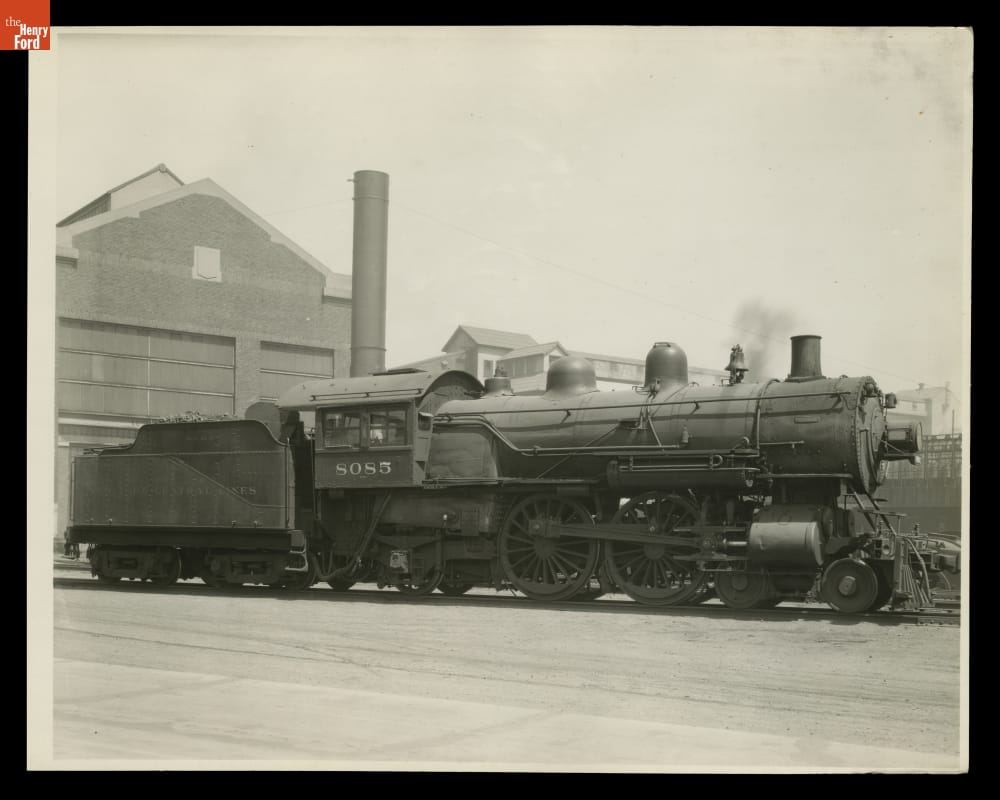
- November 28, 1932
- Collections - Artifact
1902 American Locomotive Company Steam Locomotive as New York Central Lines No. 8085, November 1932
This Atlantic-type locomotive -- with four leading wheels, four driving wheels, and two trailing wheels -- was built to speed passenger trains along the Michigan Central Railroad's busy Detroit-Chicago mainline. Originally numbered 254, it was renumbered 7953 and later 8085. It was also re-lettered for New York Central Lines, Michigan Central's parent company. The Detroit, Toledo & Ironton Railroad purchased the locomotive in 1926.
- ALCO Automobile Chassis, 1910-1911 - American Locomotive Company (ALCO) was best known for the steam and diesel-electric railroad locomotives it built from 1901 until 1969. But the company also manufactured automobiles from 1906 to 1913. Ironically, ALCO never produced a steam-powered car, relying instead on gasoline-fueled internal combustion engines. Harry Grant won the Vanderbilt Cup with an ALCO race car in 1909 and 1910.
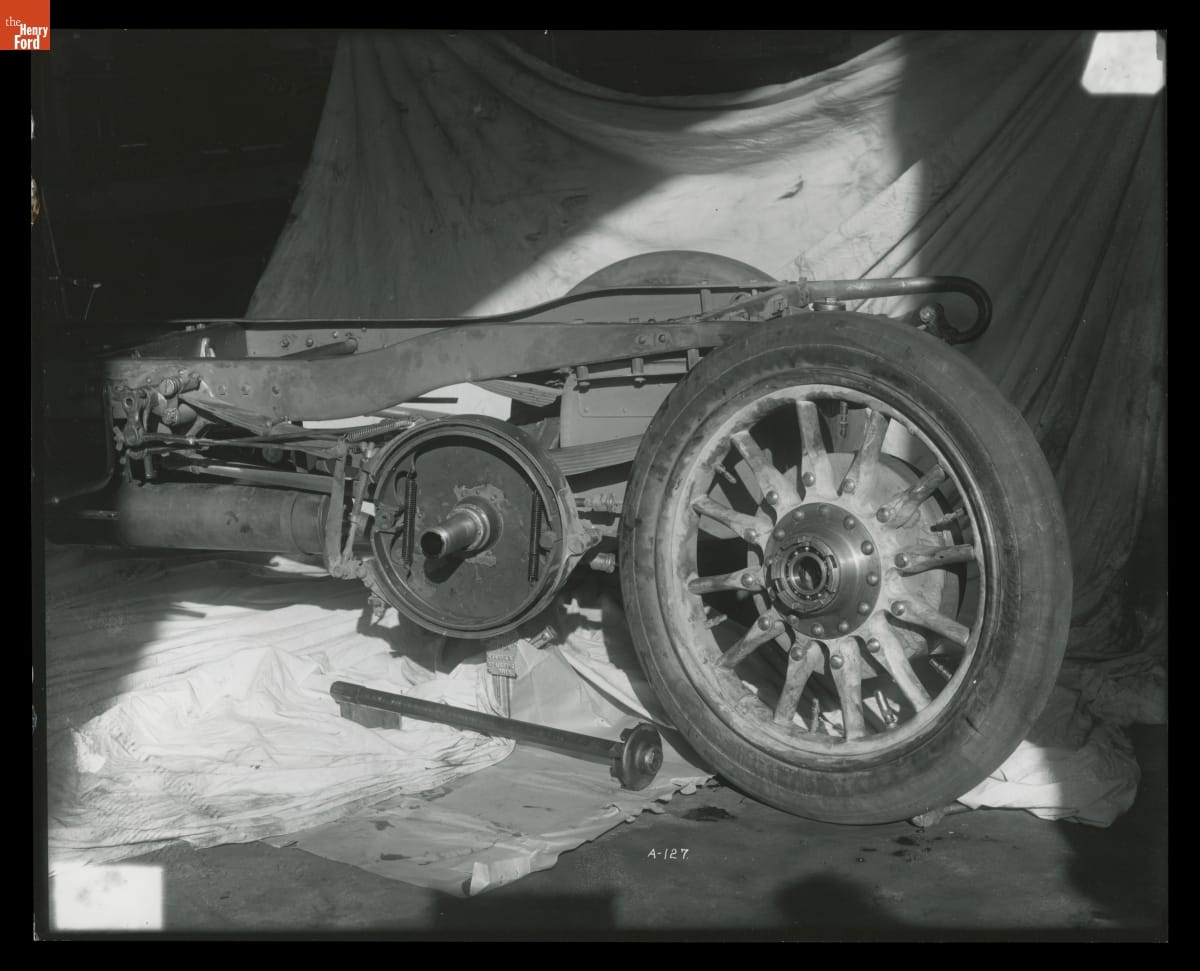
- 1910-1911
- Collections - Artifact
ALCO Automobile Chassis, 1910-1911
American Locomotive Company (ALCO) was best known for the steam and diesel-electric railroad locomotives it built from 1901 until 1969. But the company also manufactured automobiles from 1906 to 1913. Ironically, ALCO never produced a steam-powered car, relying instead on gasoline-fueled internal combustion engines. Harry Grant won the Vanderbilt Cup with an ALCO race car in 1909 and 1910.
- ALCO Automobile Chassis, 1910-1911 - American Locomotive Company (ALCO) was best known for the steam and diesel-electric railroad locomotives it built from 1901 until 1969. But the company also manufactured automobiles from 1906 to 1913. Ironically, ALCO never produced a steam-powered car, relying instead on gasoline-fueled internal combustion engines. Harry Grant won the Vanderbilt Cup with an ALCO race car in 1909 and 1910.
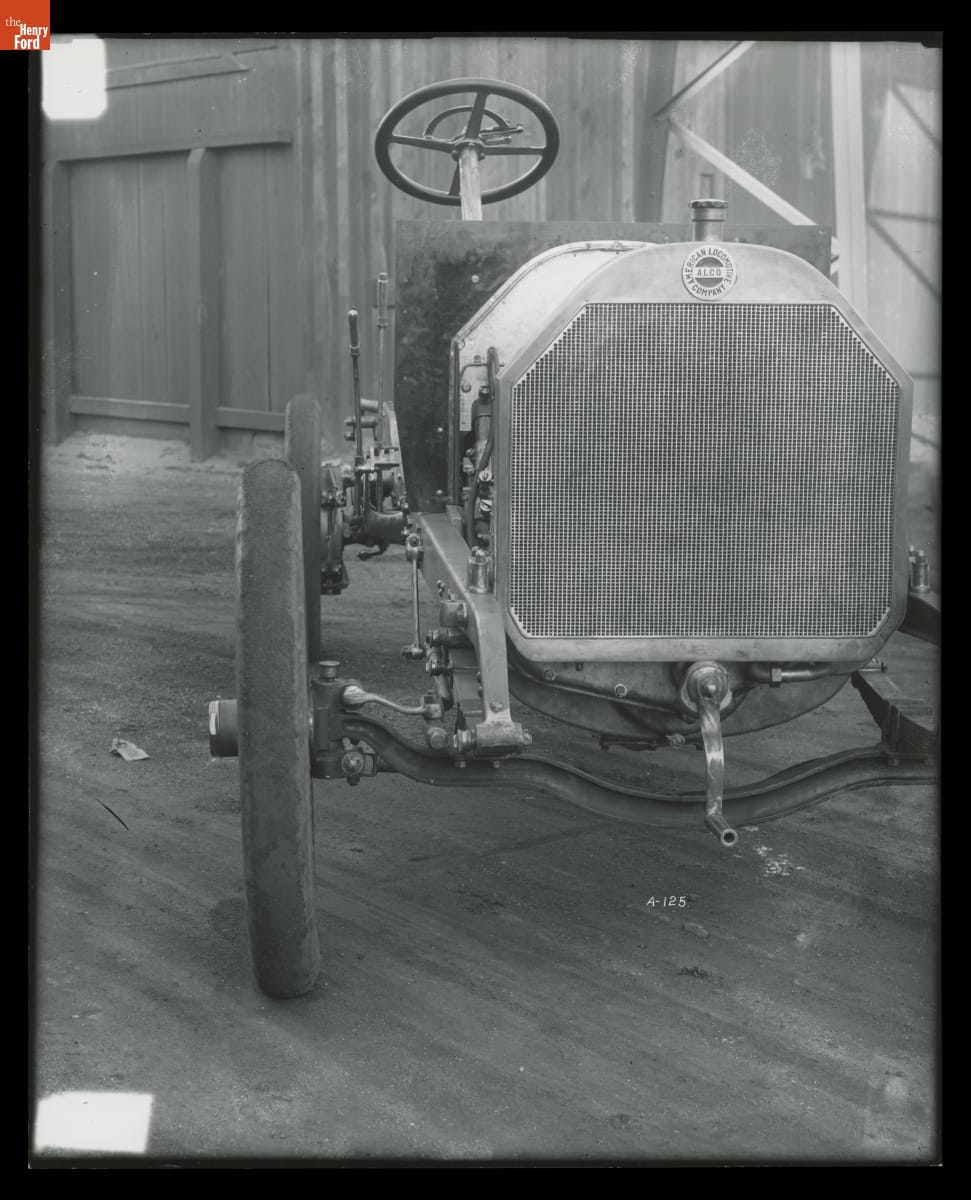
- 1910-1911
- Collections - Artifact
ALCO Automobile Chassis, 1910-1911
American Locomotive Company (ALCO) was best known for the steam and diesel-electric railroad locomotives it built from 1901 until 1969. But the company also manufactured automobiles from 1906 to 1913. Ironically, ALCO never produced a steam-powered car, relying instead on gasoline-fueled internal combustion engines. Harry Grant won the Vanderbilt Cup with an ALCO race car in 1909 and 1910.
- American Locomotive Company Annual Report, 1950 - The American Locomotive Company, established in 1901, wisely transitioned from manufacturing steam locomotives to diesel-electric units in the 1920s. ALCO locomotives, built in partnership with General Electric, were popular with American railroads until GE ended the collaboration in 1953 and became a direct competitor. ALCO's market share fell steadily until the company was forced to end production in 1969.
- 1950
- Collections - Artifact
American Locomotive Company Annual Report, 1950
The American Locomotive Company, established in 1901, wisely transitioned from manufacturing steam locomotives to diesel-electric units in the 1920s. ALCO locomotives, built in partnership with General Electric, were popular with American railroads until GE ended the collaboration in 1953 and became a direct competitor. ALCO's market share fell steadily until the company was forced to end production in 1969.
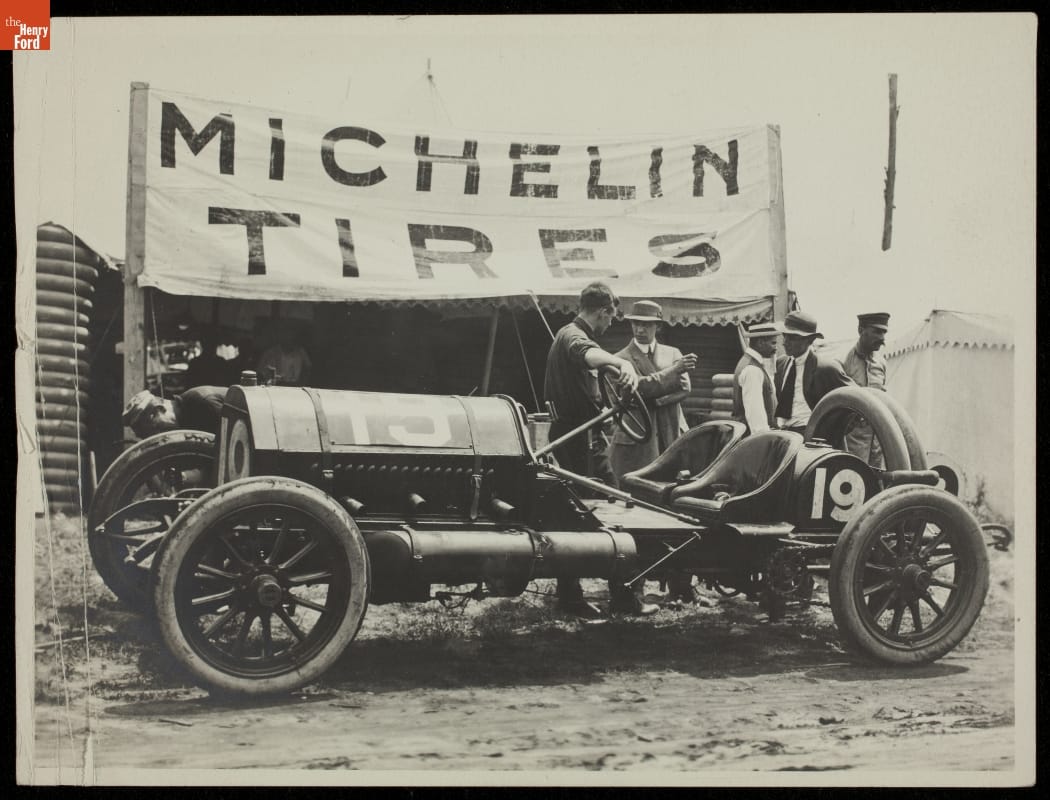
- Alco Race Car Driven by Harry Grant at the 1911 Indianapolis 500 Race, Photograph Taken by Henry Ford - Indianapolis Motor Speedway opened in 1909 with multiple races each season. In 1911, track promoters decided instead to host just one spectacular event each Memorial Day. The inaugural Indianapolis 500-Mile Race, with $27,500 in prizes, drew 40 qualifying cars and 80,000 spectators. Ray Harroun won with the yellow #32 Marmon Wasp, and the Indianapolis 500 became an American institution.
- 1911
- Collections - Artifact
Alco Race Car Driven by Harry Grant at the 1911 Indianapolis 500 Race, Photograph Taken by Henry Ford
Indianapolis Motor Speedway opened in 1909 with multiple races each season. In 1911, track promoters decided instead to host just one spectacular event each Memorial Day. The inaugural Indianapolis 500-Mile Race, with $27,500 in prizes, drew 40 qualifying cars and 80,000 spectators. Ray Harroun won with the yellow #32 Marmon Wasp, and the Indianapolis 500 became an American institution.