
Search
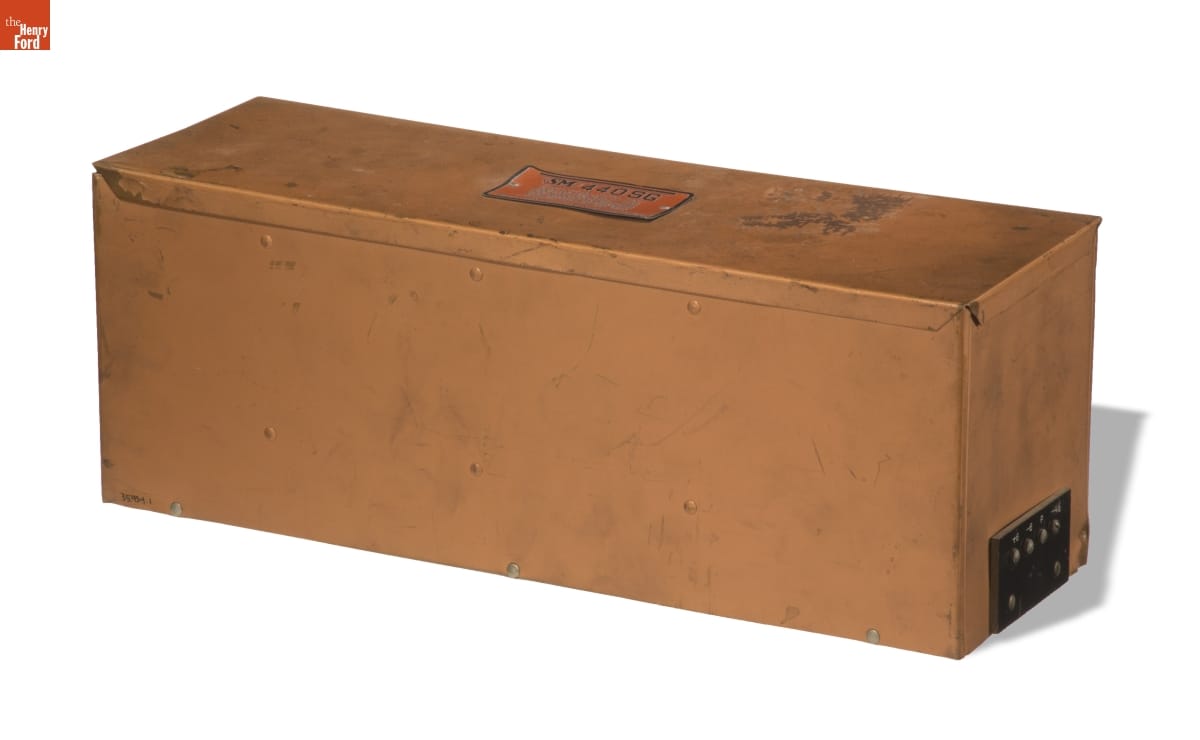
- Longwave Amplifier, circa 1927 - This device was part of a system used to amplify the time signal from U.S. Navy station NAA at Arlington, Virginia. Station NAA received a time signal from the Naval Observatory clock via telegraph wire, rebroadcasting it via a powerful transmitter to receivers all over the nation. Americans utilized radio technology to set their clocks to this standardized signal.
- circa 1927
- Collections - Artifact
Longwave Amplifier, circa 1927
This device was part of a system used to amplify the time signal from U.S. Navy station NAA at Arlington, Virginia. Station NAA received a time signal from the Naval Observatory clock via telegraph wire, rebroadcasting it via a powerful transmitter to receivers all over the nation. Americans utilized radio technology to set their clocks to this standardized signal.
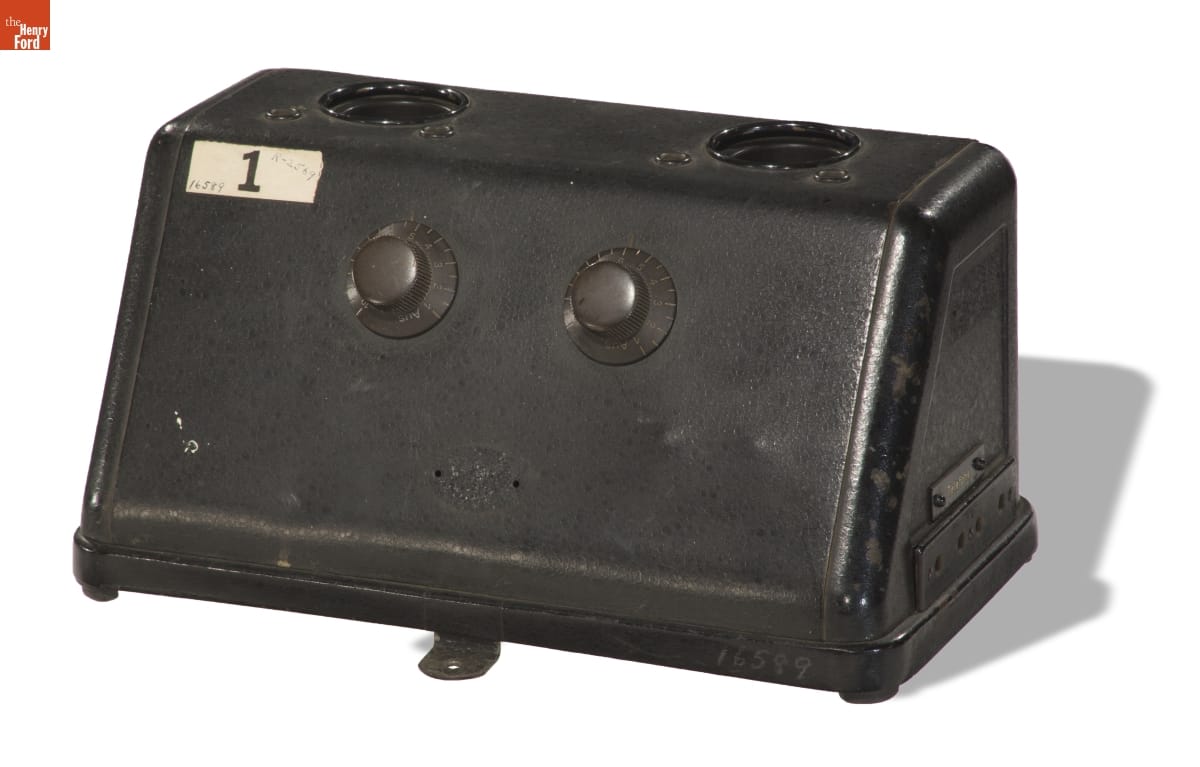
- Telefunken Audio Frequency Amplifier, circa 1920 - This radio equipment was used at the German-built Tuckerton Wireless Station in New Jersey. A powerful 820-foot antenna communicated with an identical station in Germany. National security concerns during WWI led to the seizure of Tuckerton by the U.S. government in 1917. It is cited to be the origin of information leaks leading to the RMS <em>Lusitania</em> disaster through U-boat attack.
- circa 1920
- Collections - Artifact
Telefunken Audio Frequency Amplifier, circa 1920
This radio equipment was used at the German-built Tuckerton Wireless Station in New Jersey. A powerful 820-foot antenna communicated with an identical station in Germany. National security concerns during WWI led to the seizure of Tuckerton by the U.S. government in 1917. It is cited to be the origin of information leaks leading to the RMS Lusitania disaster through U-boat attack.
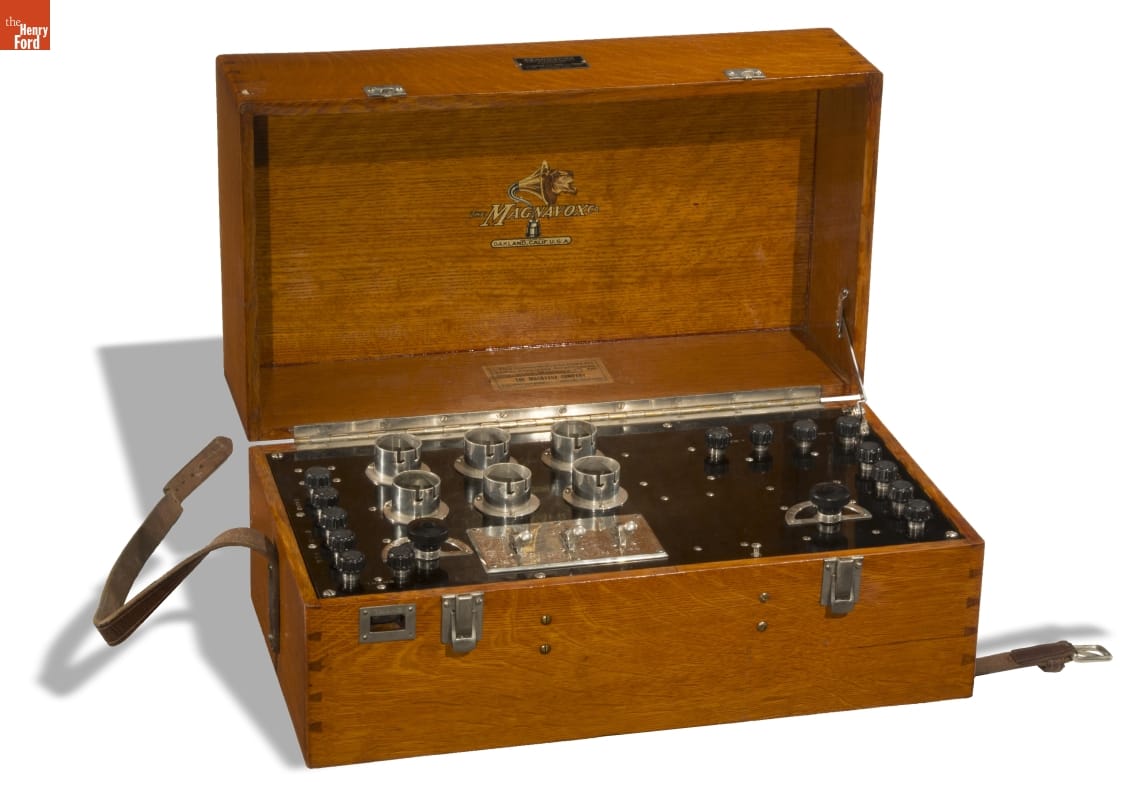
- Magnavox Audio Frequency Amplifier, Type AC-3 B, 1920-1927 - This amplifier was designed for use with a public address system, in large venues. Equipment like this made it possible for Americans to listen together--from the voices of politicians at rallies--to recorded music in the dance hall. The new mass medium of radio now had the ability to pervade listening practices at home, and in public.
- 1920-1927
- Collections - Artifact
Magnavox Audio Frequency Amplifier, Type AC-3 B, 1920-1927
This amplifier was designed for use with a public address system, in large venues. Equipment like this made it possible for Americans to listen together--from the voices of politicians at rallies--to recorded music in the dance hall. The new mass medium of radio now had the ability to pervade listening practices at home, and in public.
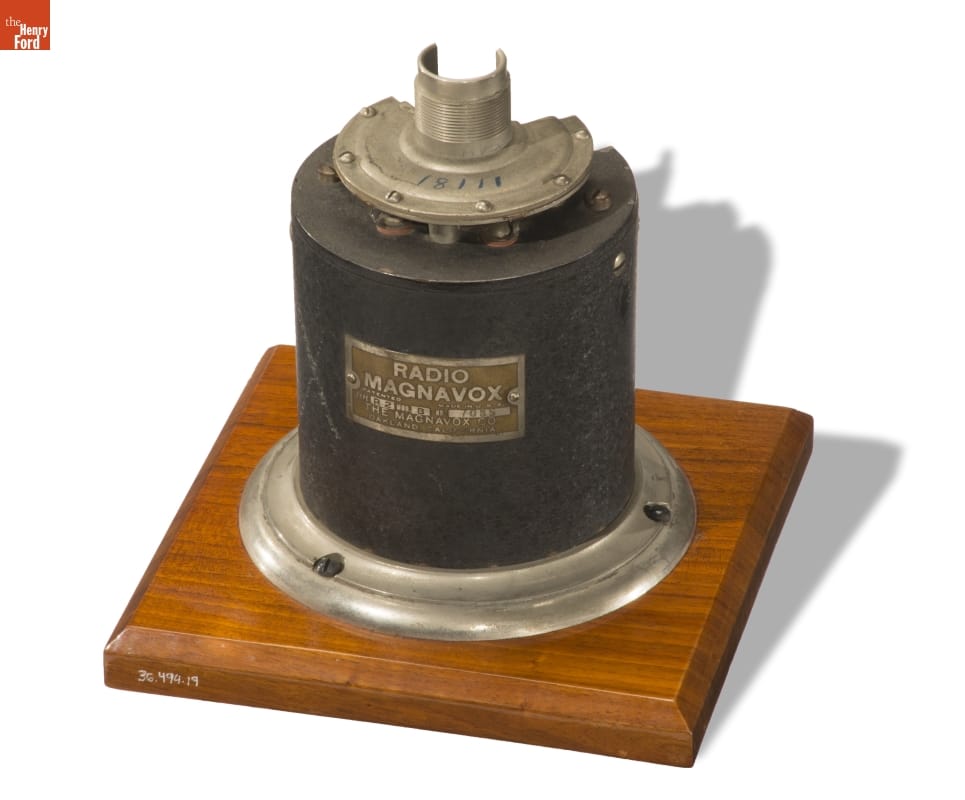
- Cutaway Model of a Magnavox Speaker Driver, Type R2 Model B, 1920-1925 - This is the speaker driver--the electrical device that produces sound--for a Magnavox R2-B speaker. Consumers received this driver and an 18-inch speaker horn to amplify and direct the sound. At this time, listeners were accustomed to buying multiple components to power radio listening apparatus. This object has been cutaway for display purposes, possibly used in a store display.
- 1920-1925
- Collections - Artifact
Cutaway Model of a Magnavox Speaker Driver, Type R2 Model B, 1920-1925
This is the speaker driver--the electrical device that produces sound--for a Magnavox R2-B speaker. Consumers received this driver and an 18-inch speaker horn to amplify and direct the sound. At this time, listeners were accustomed to buying multiple components to power radio listening apparatus. This object has been cutaway for display purposes, possibly used in a store display.
- Magnavox Audio Frequency Amplifier, Type AC3, Model D, 1920-1927 -
- 1921-1922
- Collections - Artifact
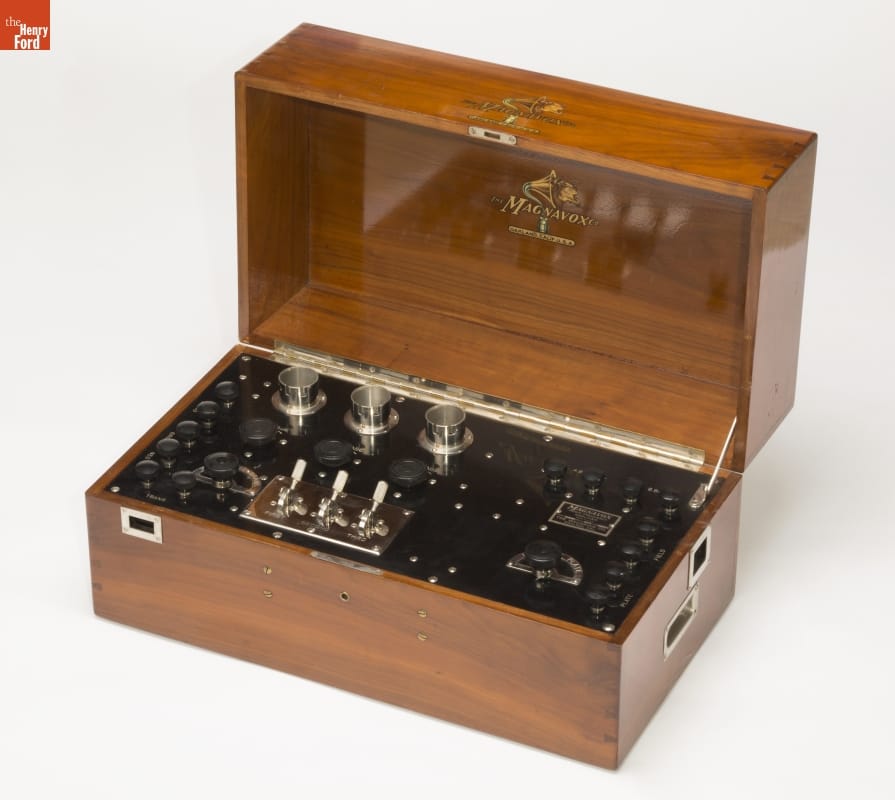
Magnavox Audio Frequency Amplifier, Type AC3, Model D, 1920-1927
- Grebe Audio Frequency Amplifier, Type RORK, 1920-1923 - Early radio broadened the cultural horizons of its users beyond the town or county line--the audio frequency amplifier promised to reach even further. While amplifiers are often thought of as devices that only increase the volume of sound, the frequency amplifier was used to enhance weak radio signals. By increasing the receiver's performance, long-distance stations could be received.
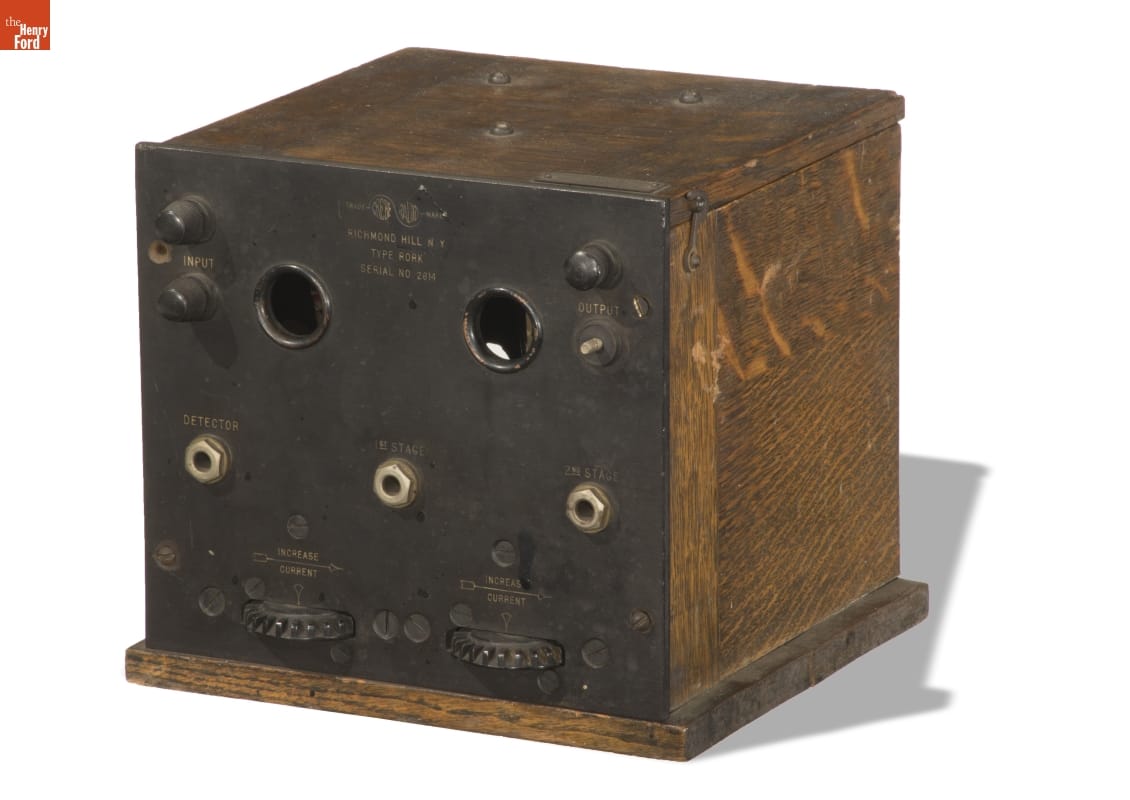
- 1920-1923
- Collections - Artifact
Grebe Audio Frequency Amplifier, Type RORK, 1920-1923
Early radio broadened the cultural horizons of its users beyond the town or county line--the audio frequency amplifier promised to reach even further. While amplifiers are often thought of as devices that only increase the volume of sound, the frequency amplifier was used to enhance weak radio signals. By increasing the receiver's performance, long-distance stations could be received.
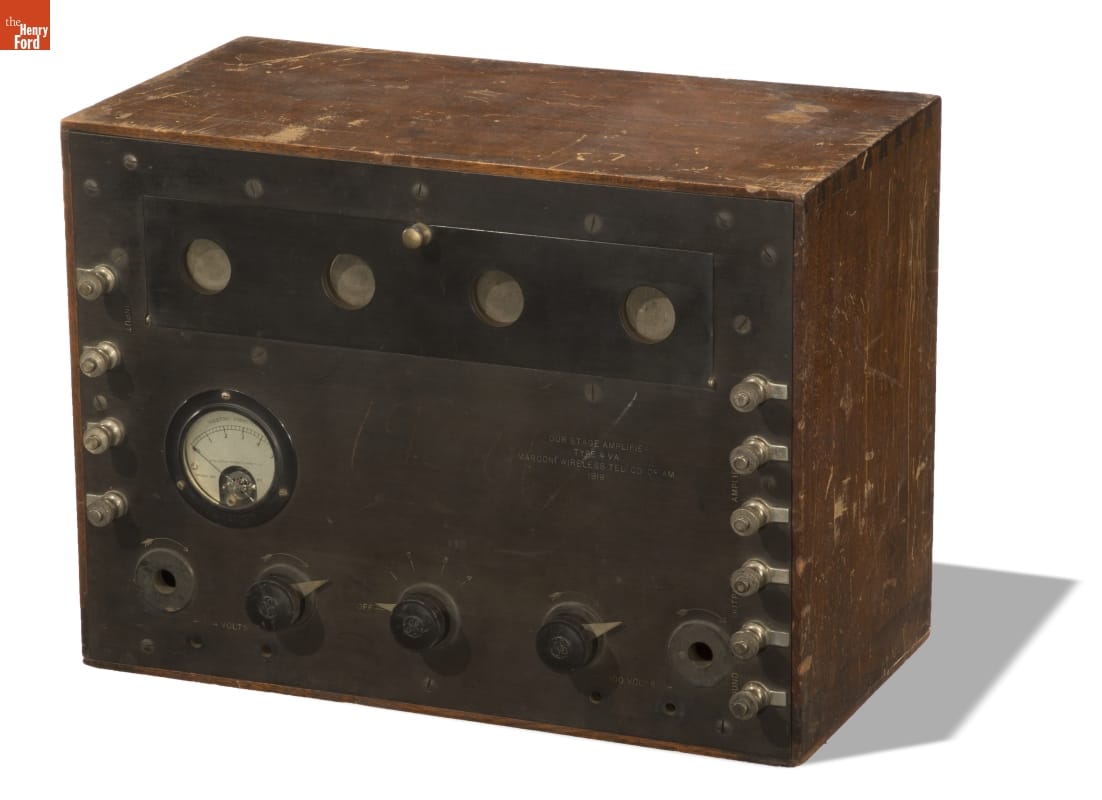
- Marconi Audio Amplifier, Type 4-VA, 1919 - This is a Marconi Wireless model 4-VA amplifier. The device sent a weak radio signal through four amplifying tubes in succession, transforming it into a signal strong enough to be reproduced through headphones or a speaker. This was among the last products produced by American Marconi before their merger into the Radio Corporation of America (RCA).
- 1919
- Collections - Artifact
Marconi Audio Amplifier, Type 4-VA, 1919
This is a Marconi Wireless model 4-VA amplifier. The device sent a weak radio signal through four amplifying tubes in succession, transforming it into a signal strong enough to be reproduced through headphones or a speaker. This was among the last products produced by American Marconi before their merger into the Radio Corporation of America (RCA).
- Stromberg Carlson Amplifier with Acro Sound Ultra-Linear Transformer, 1955-1960 -
- 1955-1960
- Collections - Artifact
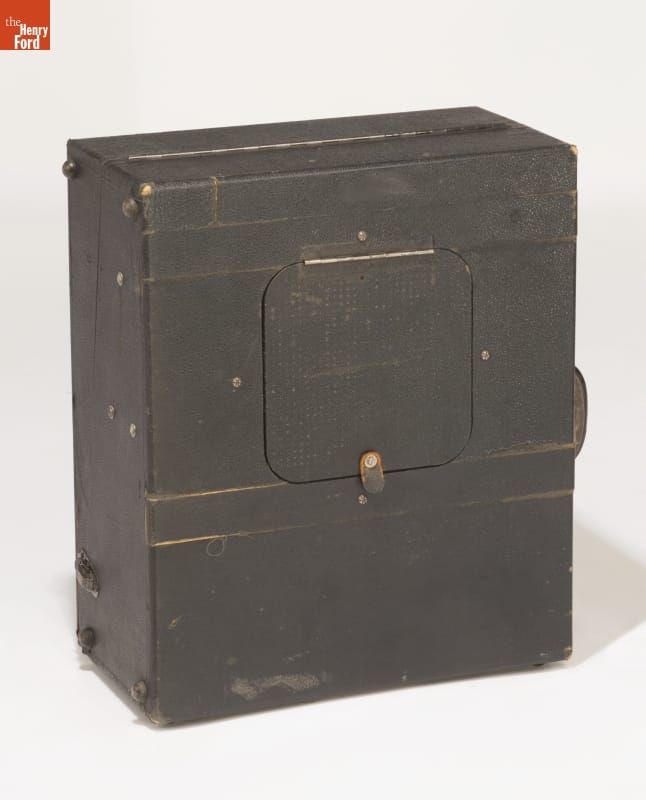
Stromberg Carlson Amplifier with Acro Sound Ultra-Linear Transformer, 1955-1960
- RCA Console Loudspeaker, Model 106, 1928-1930 -
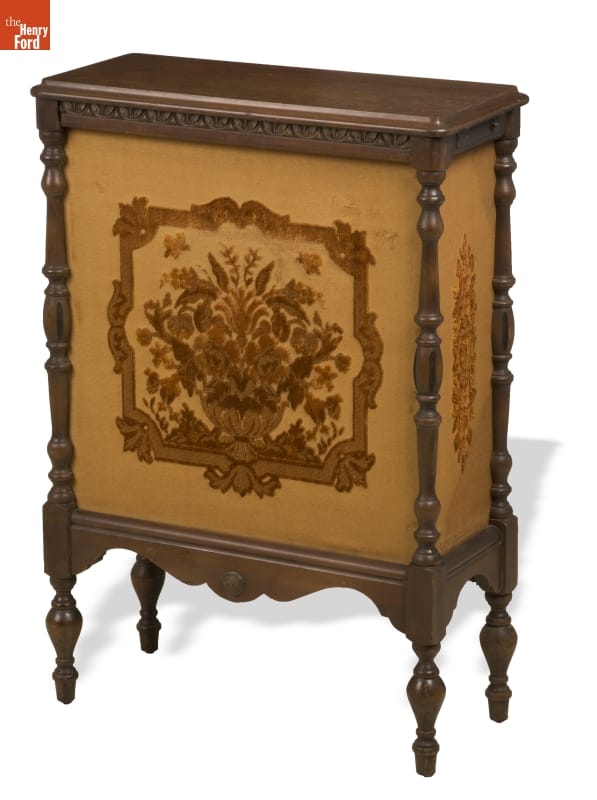
- 1928-1930
- Collections - Artifact
RCA Console Loudspeaker, Model 106, 1928-1930
- Western Electric Type 88A Amplifier Used by Detroit News Station W8XWJ, 1936 -

- 1936
- Collections - Artifact
Western Electric Type 88A Amplifier Used by Detroit News Station W8XWJ, 1936