
Search
- Flask, 1830-1834 - Glass factories in America began producing inexpensive, mold-formed flasks in the early 1800s. These figured flasks appealed to America's common man. Many of these flasks contained symbols of national pride or political or cultural affiliation. Embellishments on other flasks, like this one, were purely decorative, though you will find an anchor -- a symbol of hope -- on the reverse.
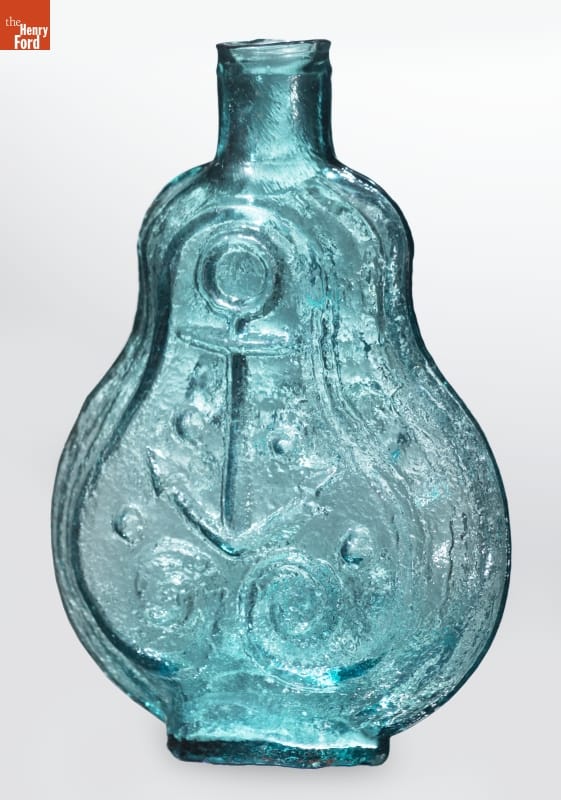
- 1830-1834
- Collections - Artifact
Flask, 1830-1834
Glass factories in America began producing inexpensive, mold-formed flasks in the early 1800s. These figured flasks appealed to America's common man. Many of these flasks contained symbols of national pride or political or cultural affiliation. Embellishments on other flasks, like this one, were purely decorative, though you will find an anchor -- a symbol of hope -- on the reverse.
- Hallmark "Gifts of the Season" Miniature Christmas Ornaments, 2002 - Already known for greeting cards, Hallmark introduced a line of Christmas ornaments in 1973. The company's annual release of an increasing array of ornaments revolutionized Christmas decorating, appealing to customers' interest in marking memories and milestones as well as expressing one's personality and unique tastes.
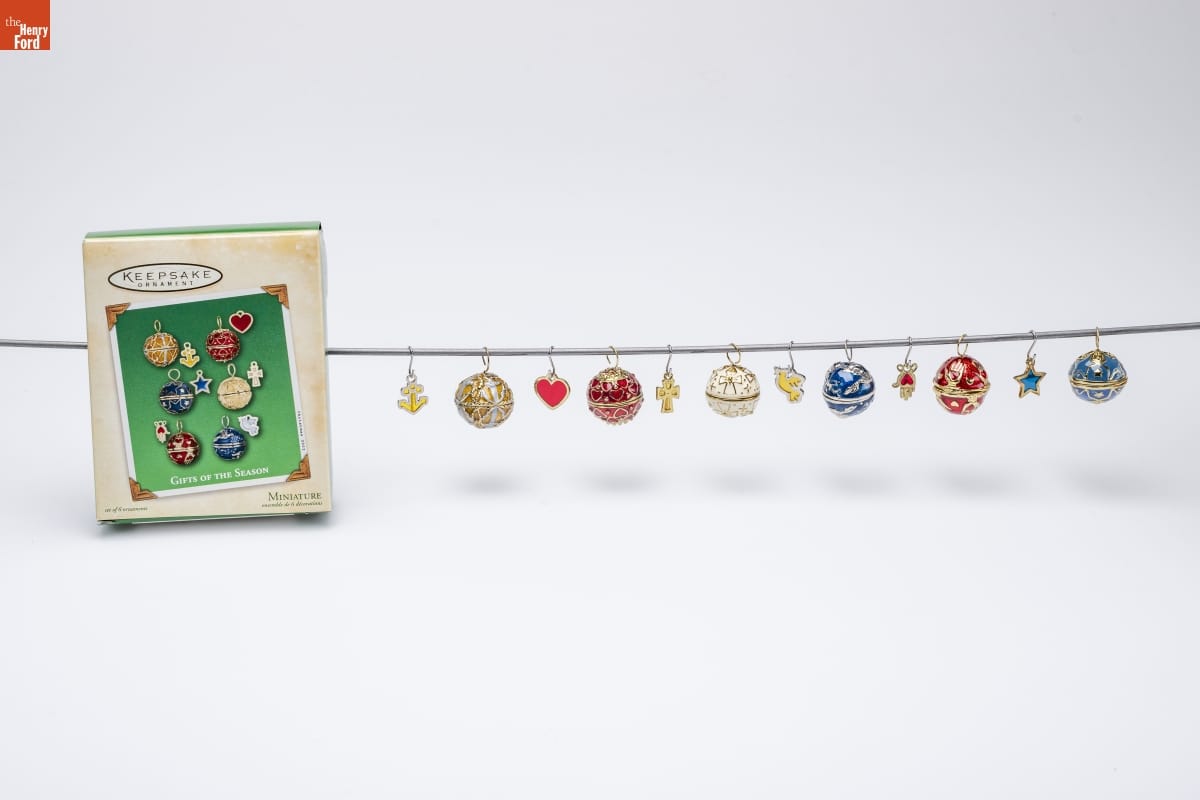
- 2002
- Collections - Artifact
Hallmark "Gifts of the Season" Miniature Christmas Ornaments, 2002
Already known for greeting cards, Hallmark introduced a line of Christmas ornaments in 1973. The company's annual release of an increasing array of ornaments revolutionized Christmas decorating, appealing to customers' interest in marking memories and milestones as well as expressing one's personality and unique tastes.
- Cup Plate, 1830-1860 - Americans in the early 19th century poured hot tea into their saucers to cool -- leaving the staining liquid around the teacup's base. Hostesses would provide guests with cup plates to prevent damage to tablecloths and wood. Pressed glass cup plates were popular from the 1820s to the 1860s. Pressed designs varied from purely decorative to images of famous men, places and events.
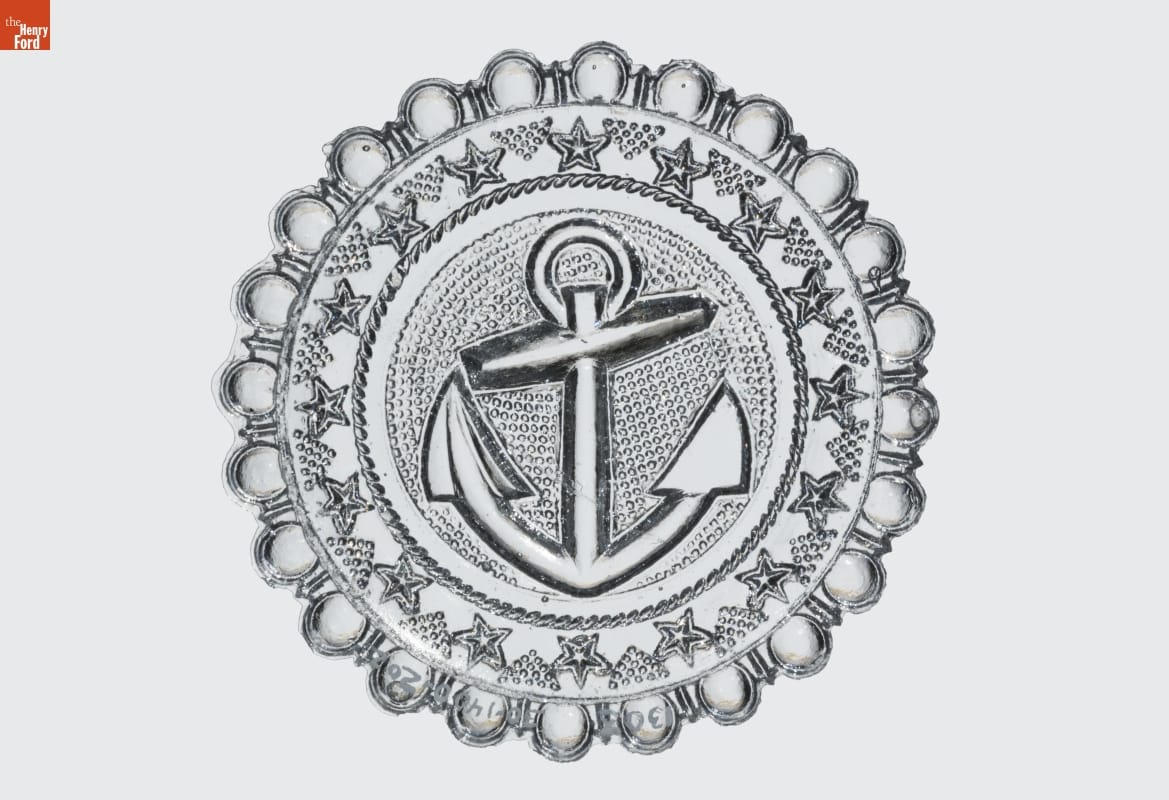
- 1830-1860
- Collections - Artifact
Cup Plate, 1830-1860
Americans in the early 19th century poured hot tea into their saucers to cool -- leaving the staining liquid around the teacup's base. Hostesses would provide guests with cup plates to prevent damage to tablecloths and wood. Pressed glass cup plates were popular from the 1820s to the 1860s. Pressed designs varied from purely decorative to images of famous men, places and events.
- Flask, 1850-1870 - Glass factories in America began producing inexpensive, mold-formed flasks in the early 1800s. These figured flasks often were decorated with symbols of national pride or political or cultural affiliation. Other flasks provided advertisement for the glass company. Owners of the Isabella Glass Works in New Brooklyn, New Jersey, molded their name and an image of their factory on this flask.
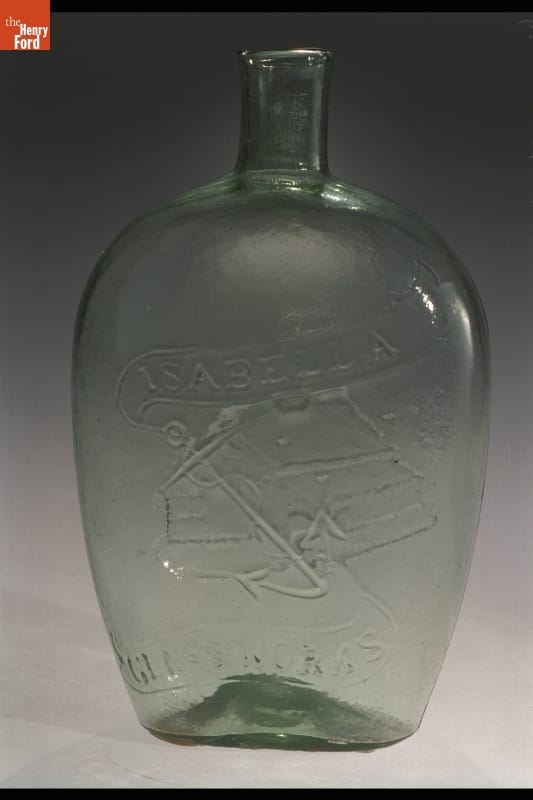
- 1850-1870
- Collections - Artifact
Flask, 1850-1870
Glass factories in America began producing inexpensive, mold-formed flasks in the early 1800s. These figured flasks often were decorated with symbols of national pride or political or cultural affiliation. Other flasks provided advertisement for the glass company. Owners of the Isabella Glass Works in New Brooklyn, New Jersey, molded their name and an image of their factory on this flask.
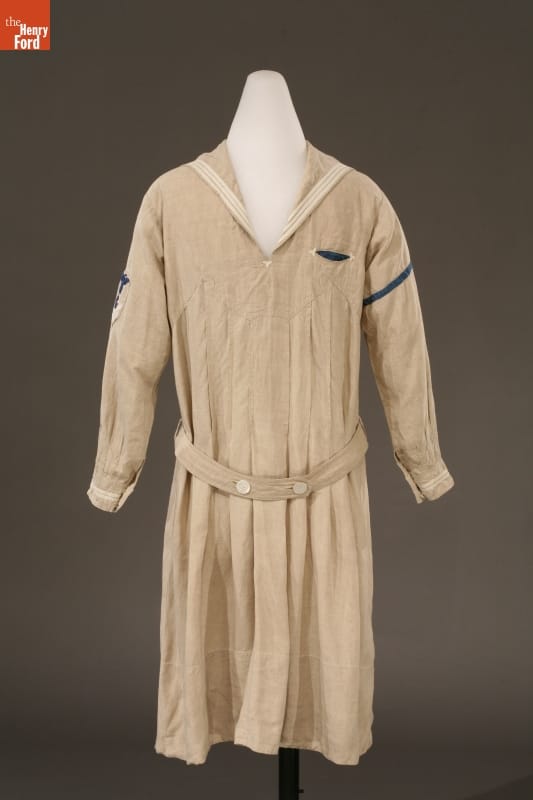
- Sailor Dress Worn by Virginia Palmer Bradfield Ward, circa 1910 -
- circa 1910
- Collections - Artifact
Sailor Dress Worn by Virginia Palmer Bradfield Ward, circa 1910
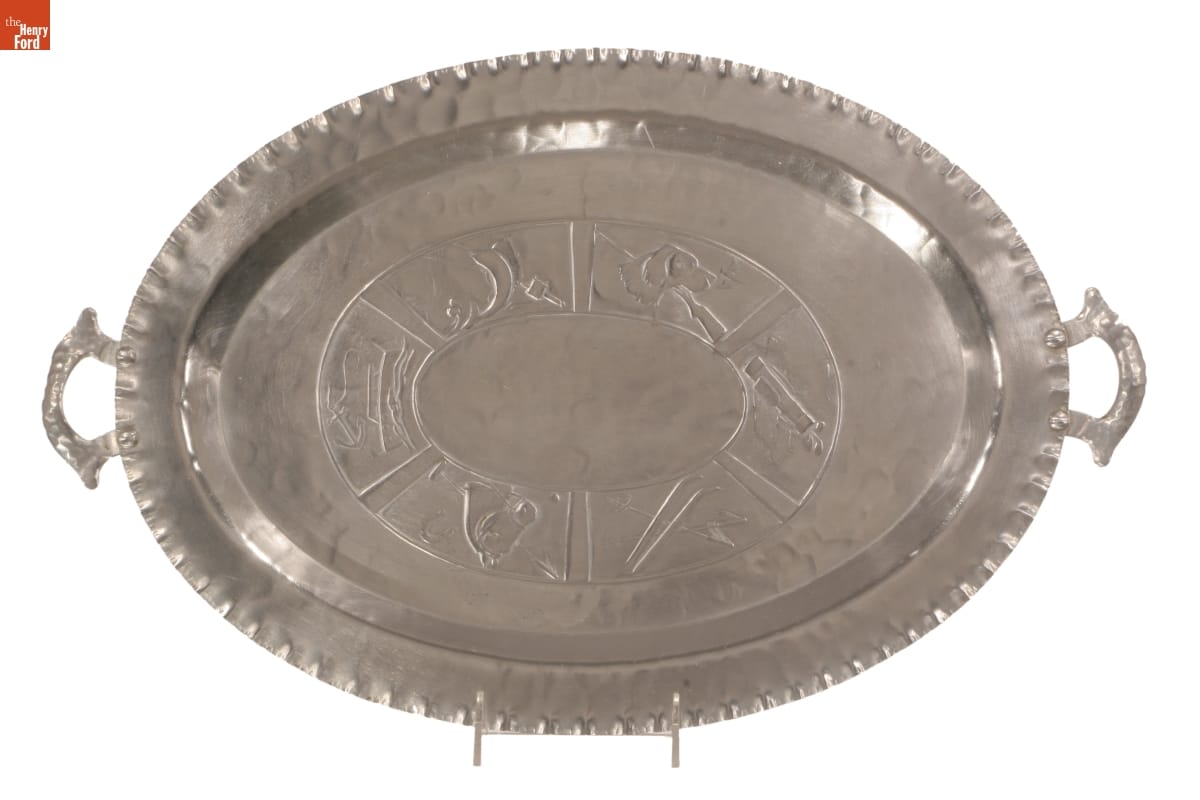
- Everlast "Forged Sports" Tray, 1938-1941 - In 1932, Louis Schnitzer and Nathan Gelfman formed Everlast Metal Products Corporation, producing high-quality, hand-forged aluminum giftware. In an era of growing uniformity via factory production, the "made by hand" aspect of these products held an aesthetic appeal for consumers. In 1933, Everlast introduced its first product line, "Forged Giftware" featuring Colonial Revival inspired designs.
- 1938-1941
- Collections - Artifact
Everlast "Forged Sports" Tray, 1938-1941
In 1932, Louis Schnitzer and Nathan Gelfman formed Everlast Metal Products Corporation, producing high-quality, hand-forged aluminum giftware. In an era of growing uniformity via factory production, the "made by hand" aspect of these products held an aesthetic appeal for consumers. In 1933, Everlast introduced its first product line, "Forged Giftware" featuring Colonial Revival inspired designs.
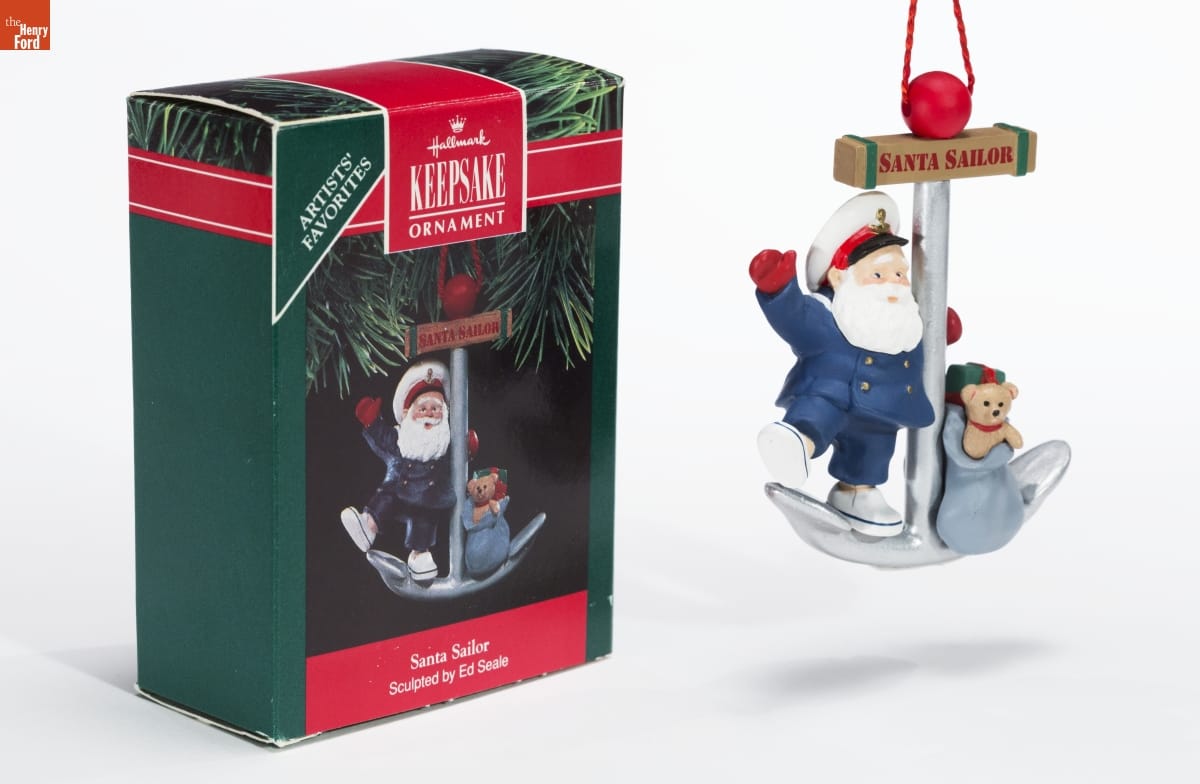
- Hallmark "Santa Sailor" Christmas Ornament, 1991 - Already known for greeting cards, Hallmark introduced a line of Christmas ornaments in 1973. The company's annual release of an increasing array of ornaments revolutionized Christmas decorating, appealing to customers' interest in marking memories and milestones as well as expressing one's personality and unique tastes.
- 1991
- Collections - Artifact
Hallmark "Santa Sailor" Christmas Ornament, 1991
Already known for greeting cards, Hallmark introduced a line of Christmas ornaments in 1973. The company's annual release of an increasing array of ornaments revolutionized Christmas decorating, appealing to customers' interest in marking memories and milestones as well as expressing one's personality and unique tastes.
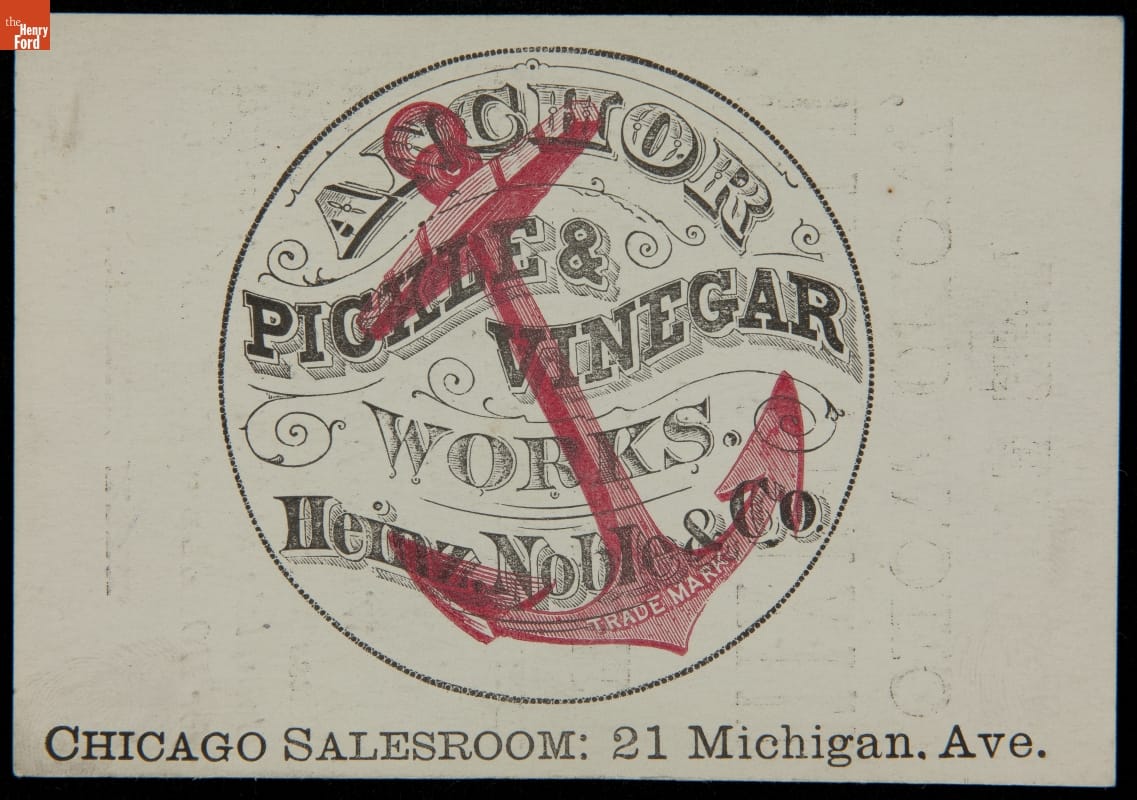
- Trade Card for Anchor Pickle & Vinegar Works, Heinz, Noble & Co., circa 1872 - In 1869, H.J. Heinz entered his first business partnership as Heinz & Noble. It began by exclusively selling horseradish and within a few years had expanded its product line to include pickles and condiments, selling these products under the "Anchor Pickle & Vinegar Works" brand. In 1872, the company became Heinz, Noble & Co., and remained in business until 1875.
- circa 1872
- Collections - Artifact
Trade Card for Anchor Pickle & Vinegar Works, Heinz, Noble & Co., circa 1872
In 1869, H.J. Heinz entered his first business partnership as Heinz & Noble. It began by exclusively selling horseradish and within a few years had expanded its product line to include pickles and condiments, selling these products under the "Anchor Pickle & Vinegar Works" brand. In 1872, the company became Heinz, Noble & Co., and remained in business until 1875.
- Memorial Painting, 1810-1820 -
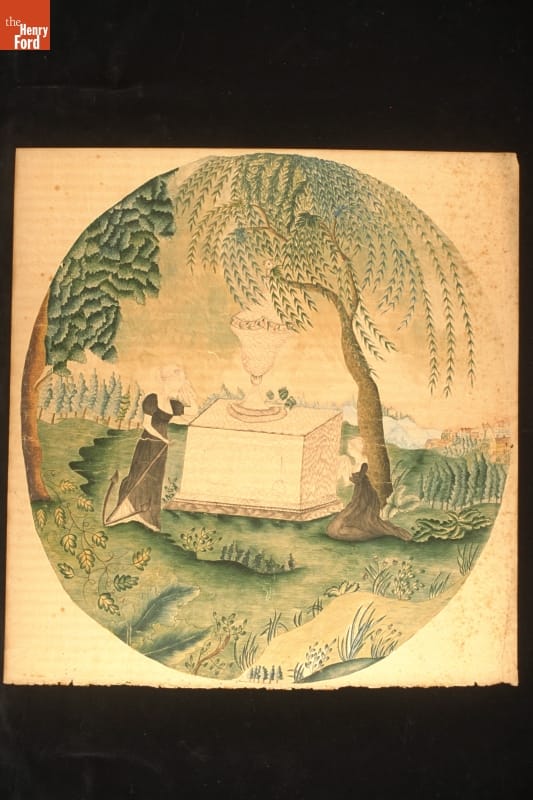
- 1810-1820
- Collections - Artifact
Memorial Painting, 1810-1820
- Child's Sailor Hat, 1900-1905 -
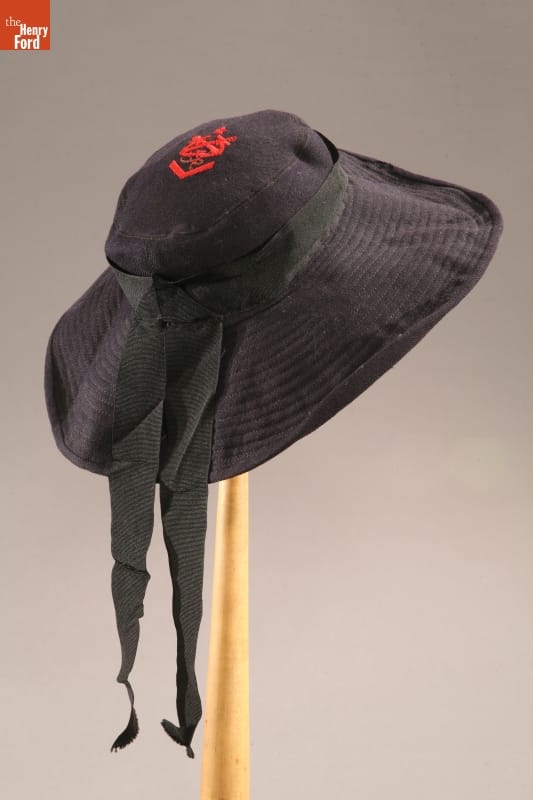
- 1900-1905
- Collections - Artifact
Child's Sailor Hat, 1900-1905