
Search
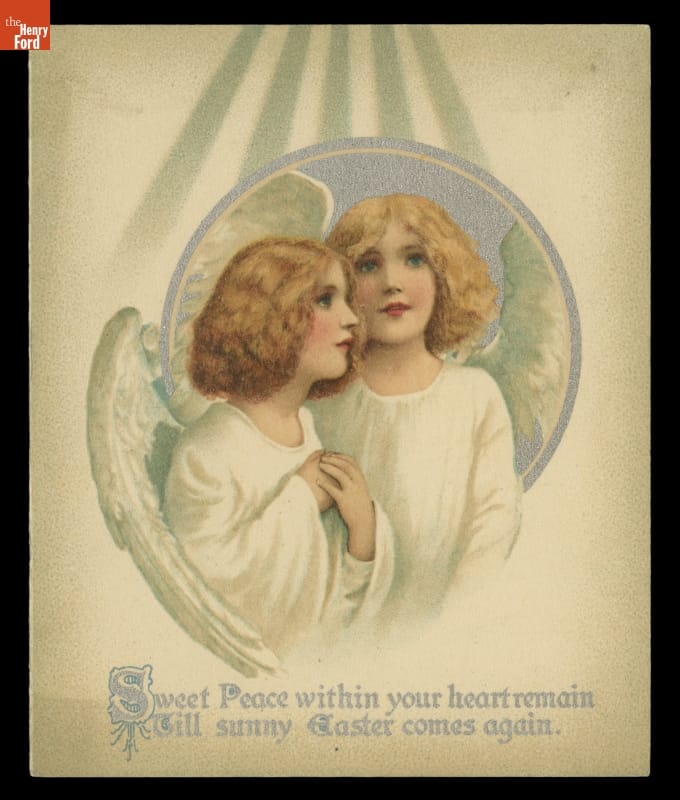
- Easter Greeting Card, "Sweet Peace Within Your Heart Remain Till Sunny Easter Comes Again," 1905 - Sending greeting cards and postcards for the Easter holiday became popular in the United States by the 1880s. Publishers made cards with themes of a religious nature as well as secular decorations to celebrate the arrival of spring. Artists working for these publishers illustrated the cards with images symbolic of the season, such as crosses, angels, flowers, eggs, children, birds, and rabbits.
- circa 1905
- Collections - Artifact
Easter Greeting Card, "Sweet Peace Within Your Heart Remain Till Sunny Easter Comes Again," 1905
Sending greeting cards and postcards for the Easter holiday became popular in the United States by the 1880s. Publishers made cards with themes of a religious nature as well as secular decorations to celebrate the arrival of spring. Artists working for these publishers illustrated the cards with images symbolic of the season, such as crosses, angels, flowers, eggs, children, birds, and rabbits.
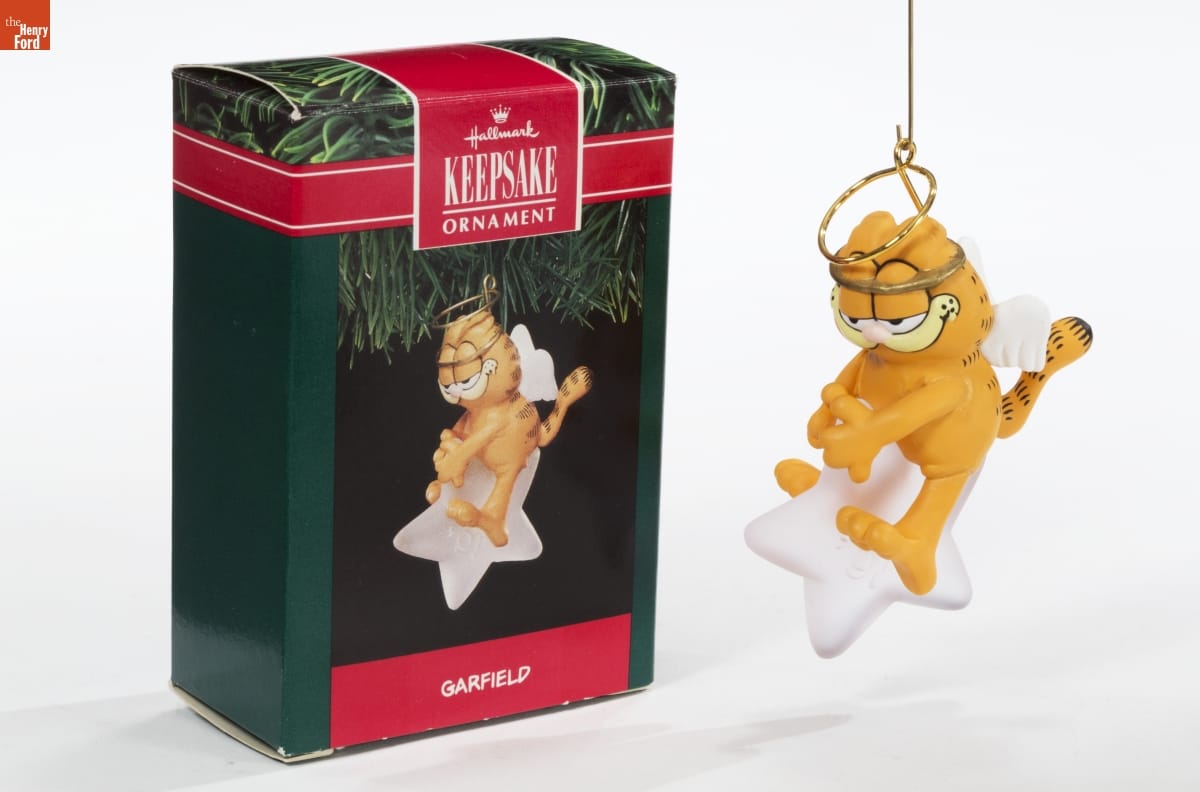
- Hallmark "Garfield" Christmas Ornament, 1991 - Already known for greeting cards, Hallmark introduced a line of Christmas ornaments in 1973. The company's annual release of an increasing array of ornaments revolutionized Christmas decorating, appealing to customers' interest in marking memories and milestones as well as expressing one's personality and unique tastes.
- 1991
- Collections - Artifact
Hallmark "Garfield" Christmas Ornament, 1991
Already known for greeting cards, Hallmark introduced a line of Christmas ornaments in 1973. The company's annual release of an increasing array of ornaments revolutionized Christmas decorating, appealing to customers' interest in marking memories and milestones as well as expressing one's personality and unique tastes.
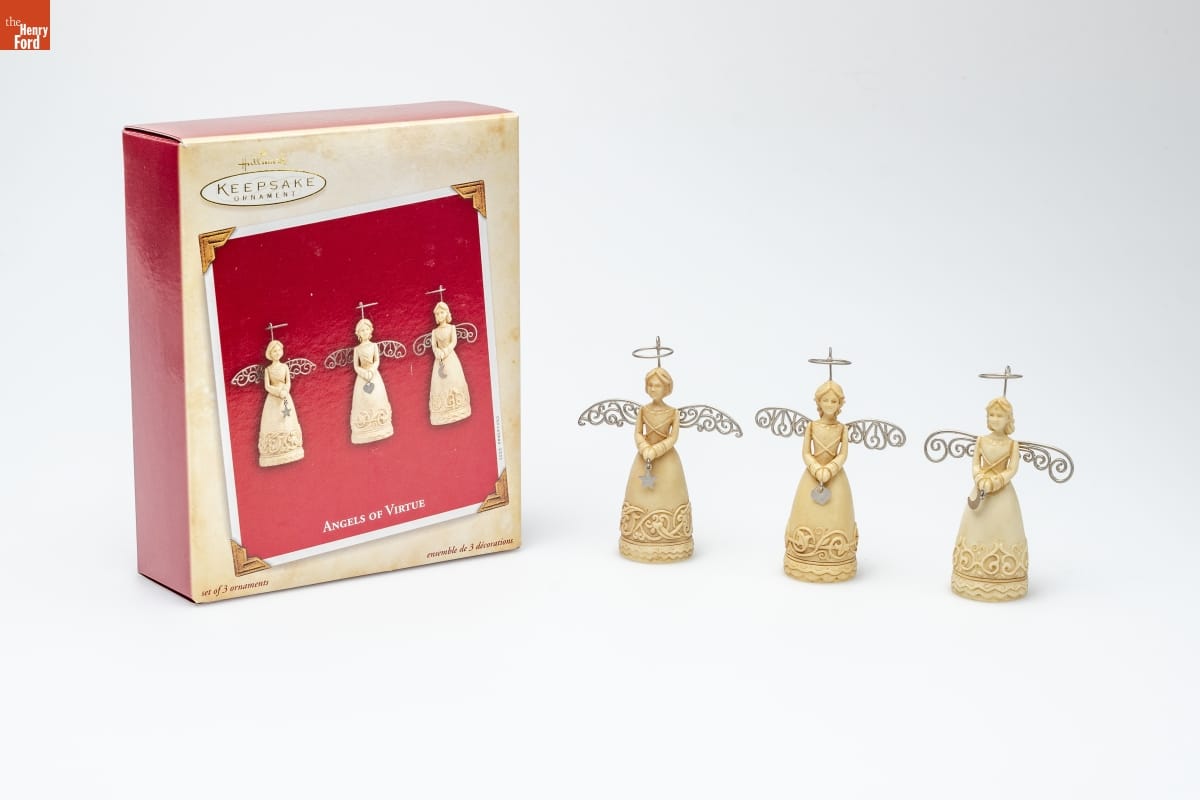
- Hallmark "Angels of Virtue" Christmas Ornaments, 2003 - Already known for greeting cards, Hallmark introduced a line of Christmas ornaments in 1973. The company's annual release of an increasing array of ornaments revolutionized Christmas decorating, appealing to customers' interest in marking memories and milestones as well as expressing one's personality and unique tastes.
- 2003
- Collections - Artifact
Hallmark "Angels of Virtue" Christmas Ornaments, 2003
Already known for greeting cards, Hallmark introduced a line of Christmas ornaments in 1973. The company's annual release of an increasing array of ornaments revolutionized Christmas decorating, appealing to customers' interest in marking memories and milestones as well as expressing one's personality and unique tastes.
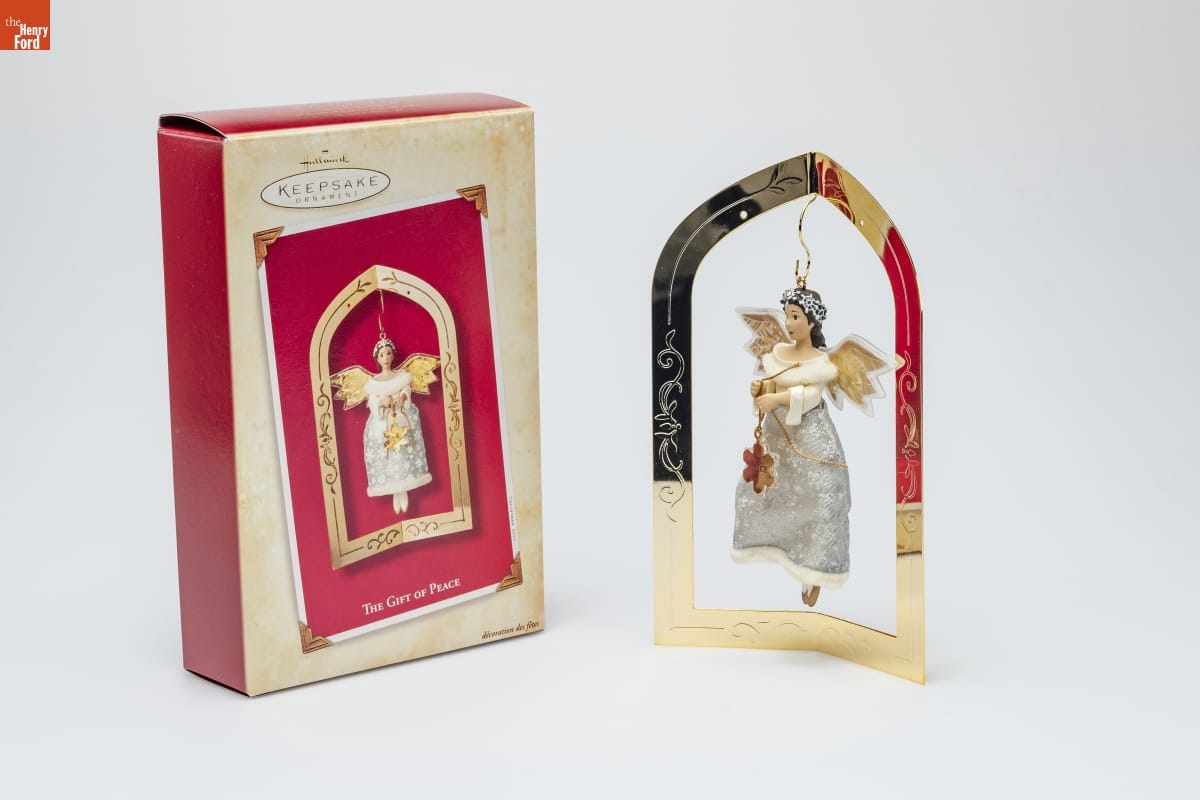
- Hallmark "The Gift of Peace" Christmas Ornament, 2003 - Already known for greeting cards, Hallmark introduced a line of Christmas ornaments in 1973. The company's annual release of an increasing array of ornaments revolutionized Christmas decorating, appealing to customers' interest in marking memories and milestones as well as expressing one's personality and unique tastes.
- 2003
- Collections - Artifact
Hallmark "The Gift of Peace" Christmas Ornament, 2003
Already known for greeting cards, Hallmark introduced a line of Christmas ornaments in 1973. The company's annual release of an increasing array of ornaments revolutionized Christmas decorating, appealing to customers' interest in marking memories and milestones as well as expressing one's personality and unique tastes.
- Hallmark "Angelic Minstrel" Limited Edition Christmas Ornament, 1988 - Already known for greeting cards, Hallmark introduced a line of Christmas ornaments in 1973. The company's annual release of an increasing array of ornaments revolutionized Christmas decorating, appealing to customers' interest in marking memories and milestones as well as expressing one's personality and unique tastes.
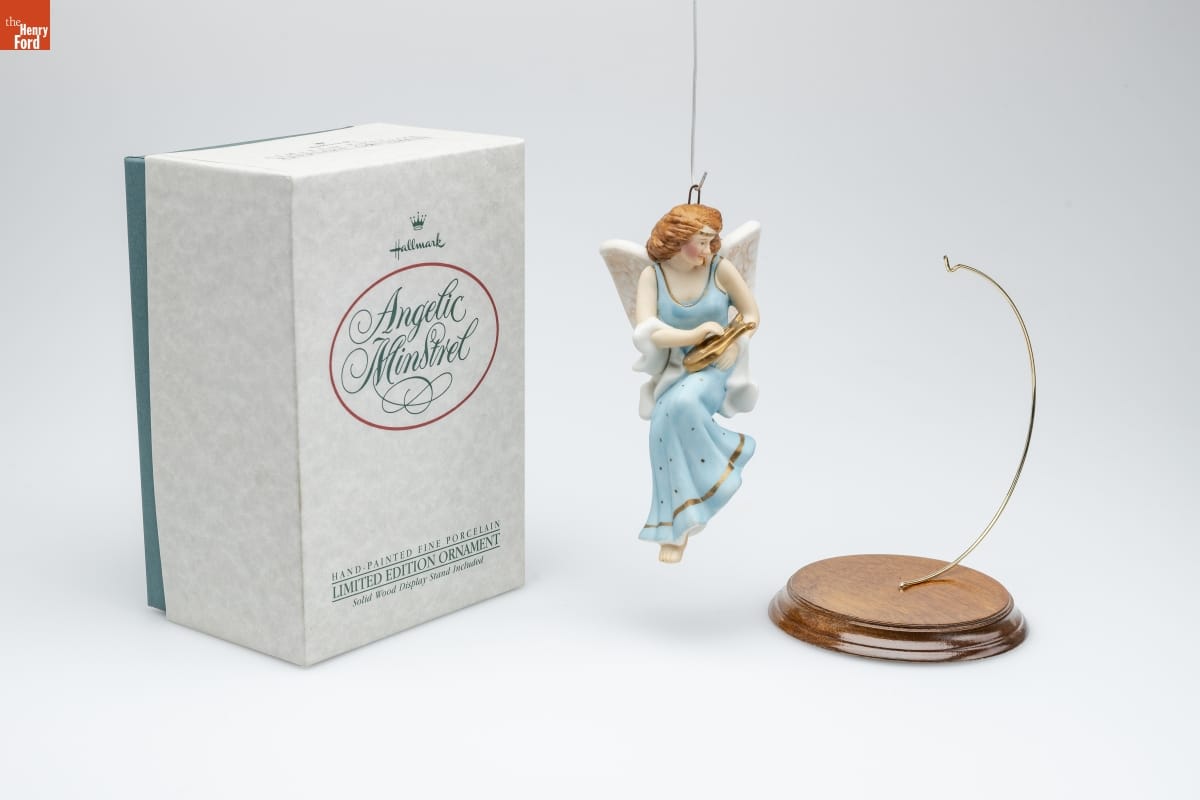
- 1988
- Collections - Artifact
Hallmark "Angelic Minstrel" Limited Edition Christmas Ornament, 1988
Already known for greeting cards, Hallmark introduced a line of Christmas ornaments in 1973. The company's annual release of an increasing array of ornaments revolutionized Christmas decorating, appealing to customers' interest in marking memories and milestones as well as expressing one's personality and unique tastes.
- Hallmark "On Cloud Nine" Collector's Club Christmas Ornament, 1994 - Already known for greeting cards, Hallmark introduced a line of Christmas ornaments in 1973. The company's annual release of an increasing array of ornaments revolutionized Christmas decorating, appealing to customers' interest in marking memories and milestones as well as expressing one's personality and unique tastes.
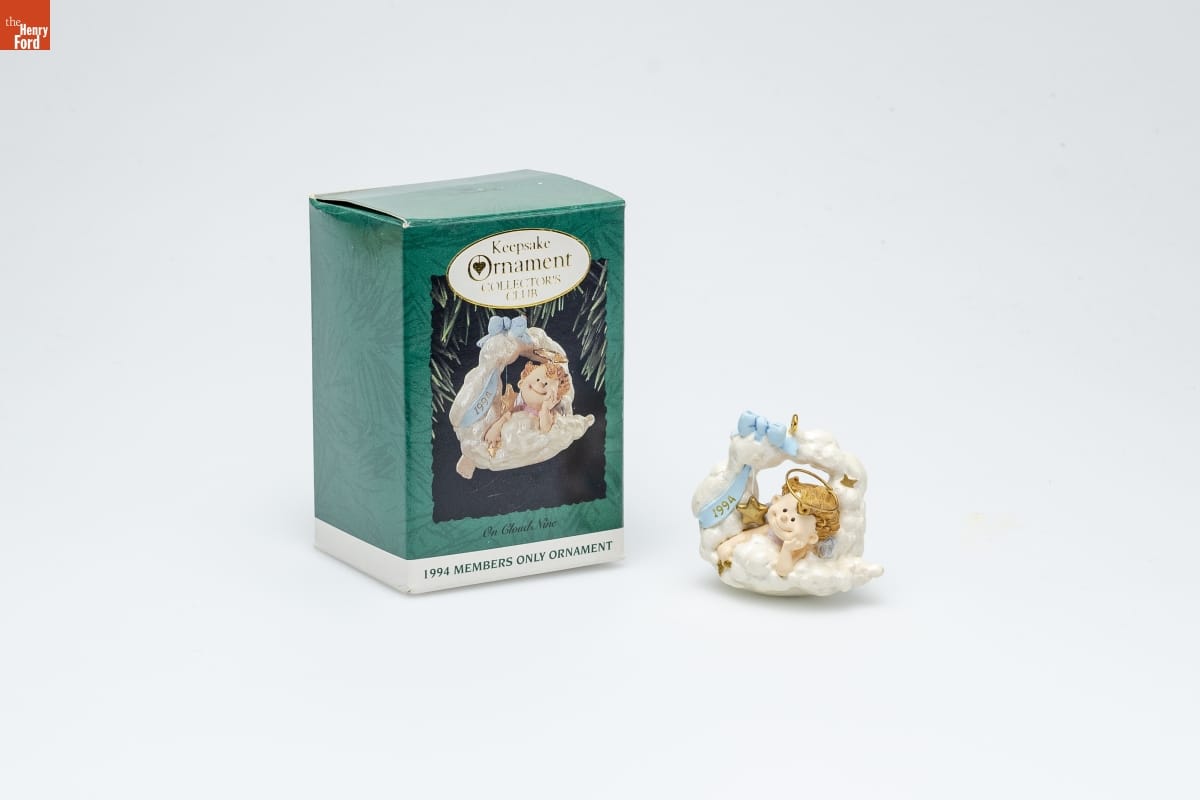
- 1994
- Collections - Artifact
Hallmark "On Cloud Nine" Collector's Club Christmas Ornament, 1994
Already known for greeting cards, Hallmark introduced a line of Christmas ornaments in 1973. The company's annual release of an increasing array of ornaments revolutionized Christmas decorating, appealing to customers' interest in marking memories and milestones as well as expressing one's personality and unique tastes.
- Hallmark "Mary's Angels Series: Iris" Christmas Ornament, 1991 - Already known for greeting cards, Hallmark introduced a line of Christmas ornaments in 1973. The company's annual release of an increasing array of ornaments revolutionized Christmas decorating, appealing to customers' interest in marking memories and milestones as well as expressing one's personality and unique tastes.
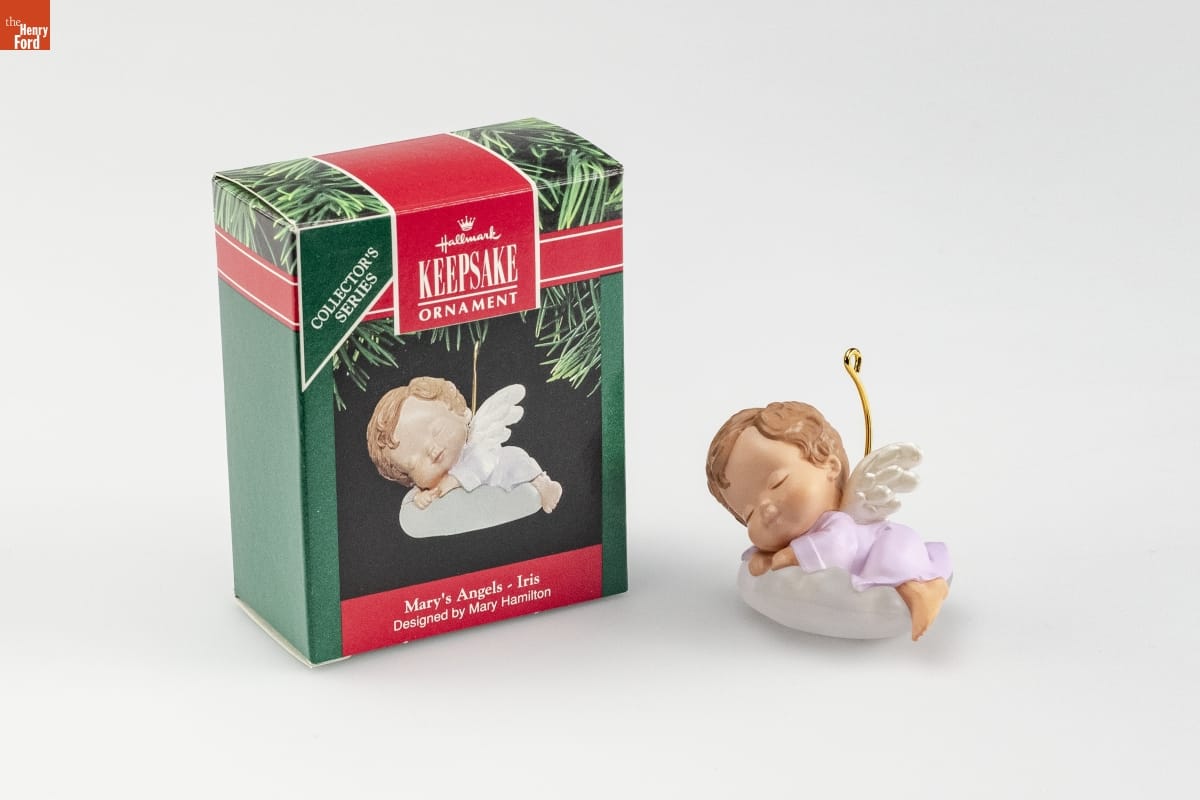
- 1991
- Collections - Artifact
Hallmark "Mary's Angels Series: Iris" Christmas Ornament, 1991
Already known for greeting cards, Hallmark introduced a line of Christmas ornaments in 1973. The company's annual release of an increasing array of ornaments revolutionized Christmas decorating, appealing to customers' interest in marking memories and milestones as well as expressing one's personality and unique tastes.
- Hallmark "Stardust Angel" Christmas Ornament, 1985 - Already known for greeting cards, Hallmark introduced a line of Christmas ornaments in 1973. The company's annual release of an increasing array of ornaments revolutionized Christmas decorating, appealing to customers' interest in marking memories and milestones as well as expressing one's personality and unique tastes.
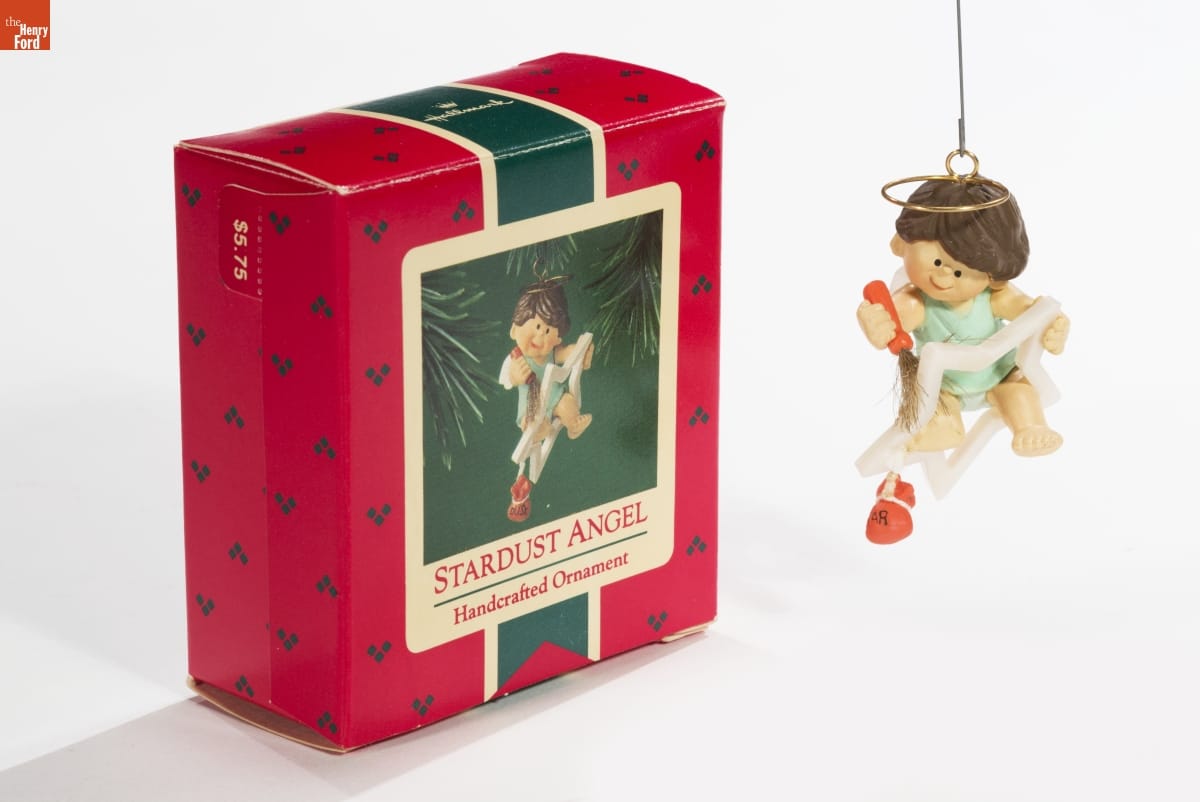
- 1985
- Collections - Artifact
Hallmark "Stardust Angel" Christmas Ornament, 1985
Already known for greeting cards, Hallmark introduced a line of Christmas ornaments in 1973. The company's annual release of an increasing array of ornaments revolutionized Christmas decorating, appealing to customers' interest in marking memories and milestones as well as expressing one's personality and unique tastes.
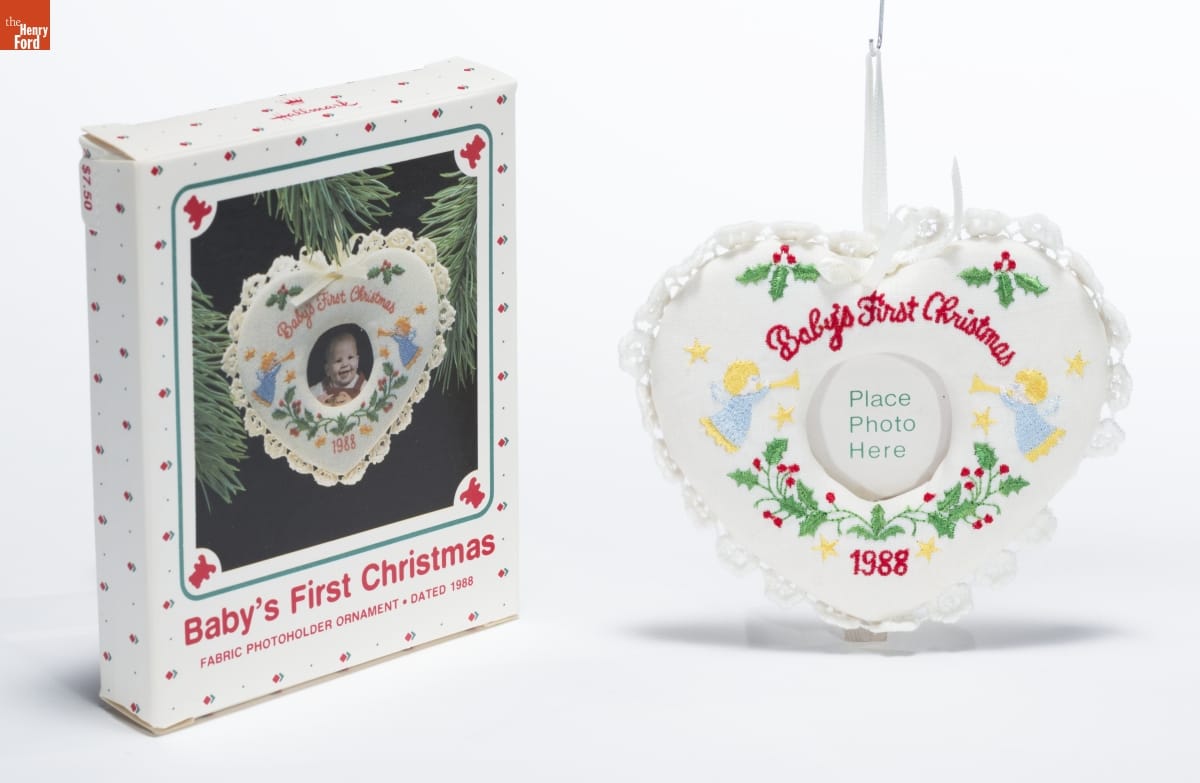
- Hallmark "Baby's First Christmas" Photoholder Christmas Ornament, 1988 - Already known for greeting cards, Hallmark introduced a line of Christmas ornaments in 1973. The company's annual release of an increasing array of ornaments revolutionized Christmas decorating, appealing to customers' interest in marking memories and milestones as well as expressing one's personality and unique tastes.
- 1988
- Collections - Artifact
Hallmark "Baby's First Christmas" Photoholder Christmas Ornament, 1988
Already known for greeting cards, Hallmark introduced a line of Christmas ornaments in 1973. The company's annual release of an increasing array of ornaments revolutionized Christmas decorating, appealing to customers' interest in marking memories and milestones as well as expressing one's personality and unique tastes.
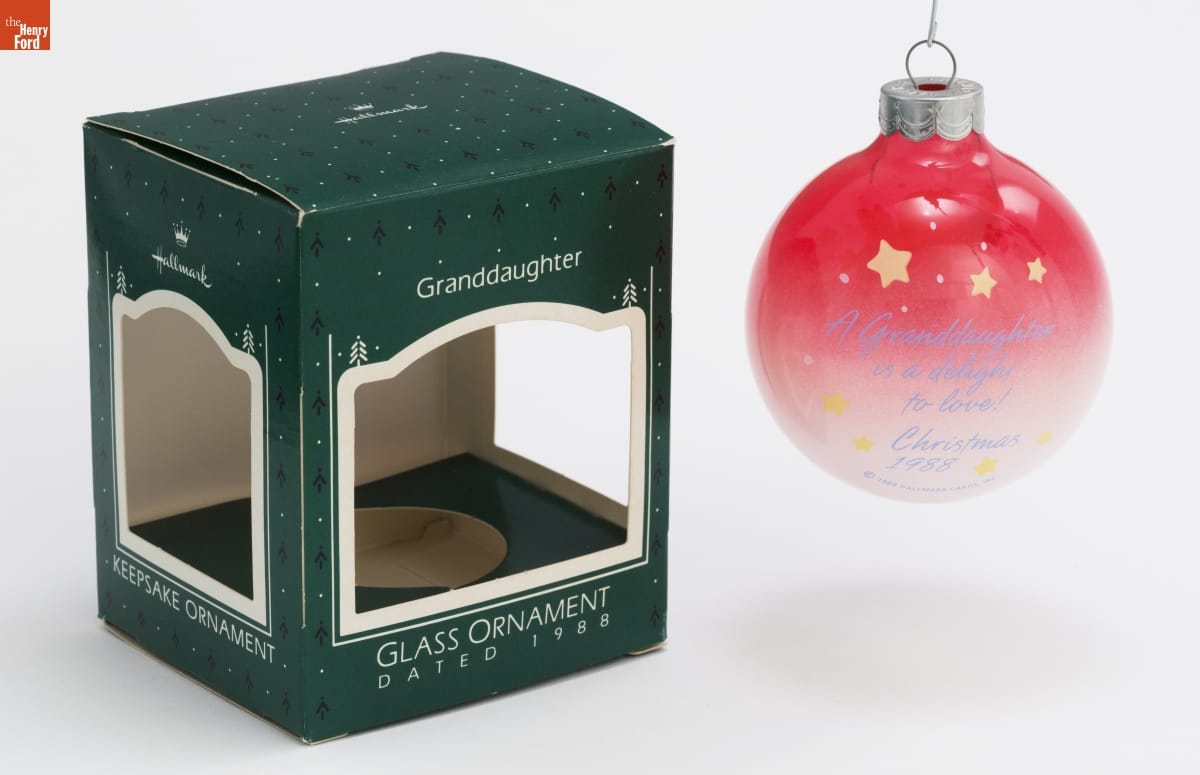
- Hallmark "Granddaughter" Christmas Ornament, 1988 - Already known for greeting cards, Hallmark introduced a line of Christmas ornaments in 1973. The company's annual release of an increasing array of ornaments revolutionized Christmas decorating, appealing to customers' interest in marking memories and milestones as well as expressing one's personality and unique tastes.
- 1988
- Collections - Artifact
Hallmark "Granddaughter" Christmas Ornament, 1988
Already known for greeting cards, Hallmark introduced a line of Christmas ornaments in 1973. The company's annual release of an increasing array of ornaments revolutionized Christmas decorating, appealing to customers' interest in marking memories and milestones as well as expressing one's personality and unique tastes.