
Search
- "Alton Trials: of Winthrop S. Gilman...Enoch Long/Written out from Notes Taken at the Time of Trial," 1838 -
- 1838
- Collections - Artifact
"Alton Trials: of Winthrop S. Gilman...Enoch Long/Written out from Notes Taken at the Time of Trial," 1838
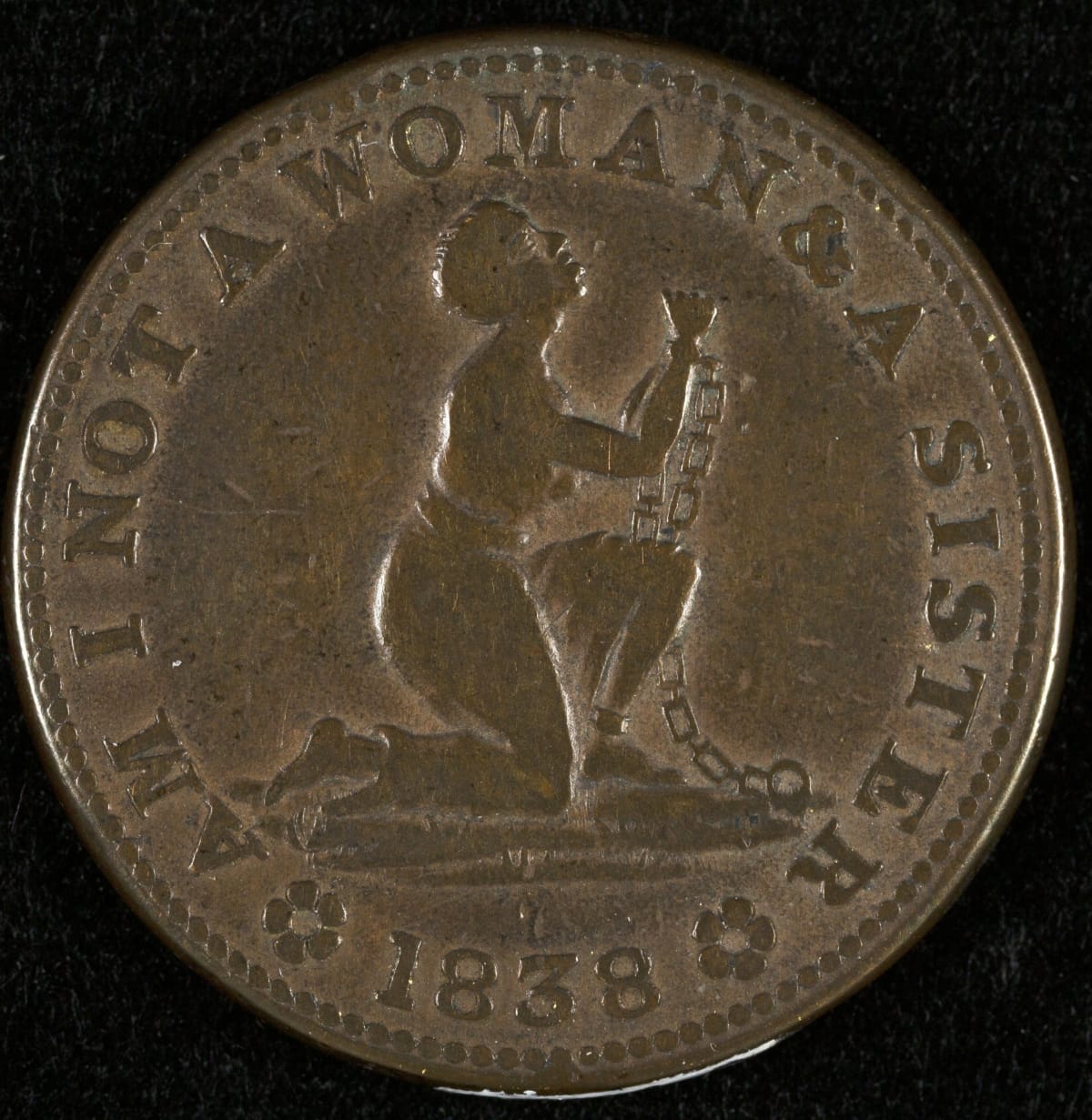
- Anti-Slavery Token, 1838 -
- 1838
- Collections - Artifact
Anti-Slavery Token, 1838
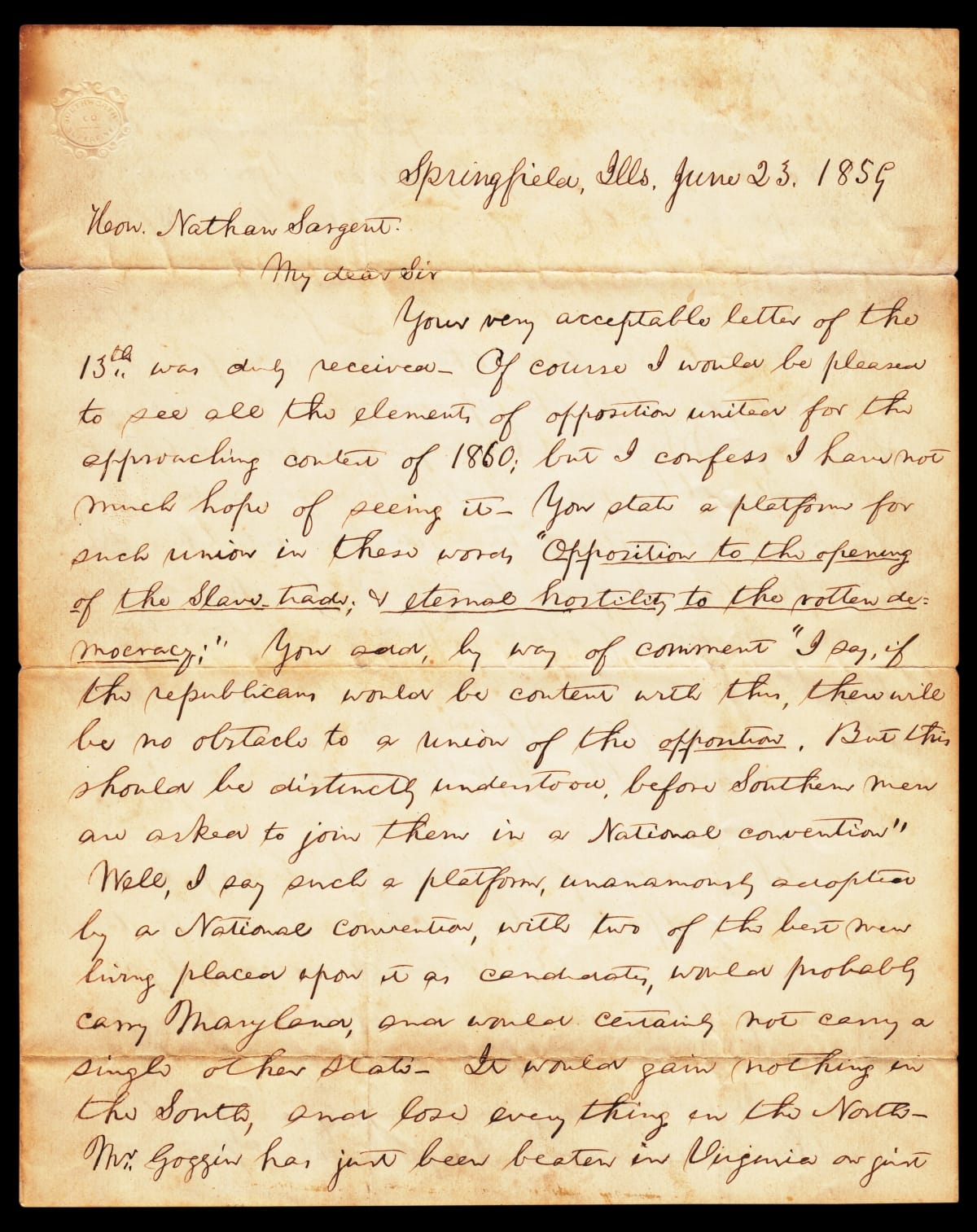
- Letter from Abraham Lincoln to Nathan Sargent, 1859 - This 1859 letter to Nathan Sargent, a fellow member of the emerging Republican Party, lays out Abraham Lincoln's rapidly crystallizing views on the question of extending slavery to new states. Lincoln foresees a proposed moderation in the Republican platform--allowing the spread of slavery unhindered--as working against the Party's chances in the North in the upcoming 1860 presidential election.
- June 23, 1859
- Collections - Artifact
Letter from Abraham Lincoln to Nathan Sargent, 1859
This 1859 letter to Nathan Sargent, a fellow member of the emerging Republican Party, lays out Abraham Lincoln's rapidly crystallizing views on the question of extending slavery to new states. Lincoln foresees a proposed moderation in the Republican platform--allowing the spread of slavery unhindered--as working against the Party's chances in the North in the upcoming 1860 presidential election.
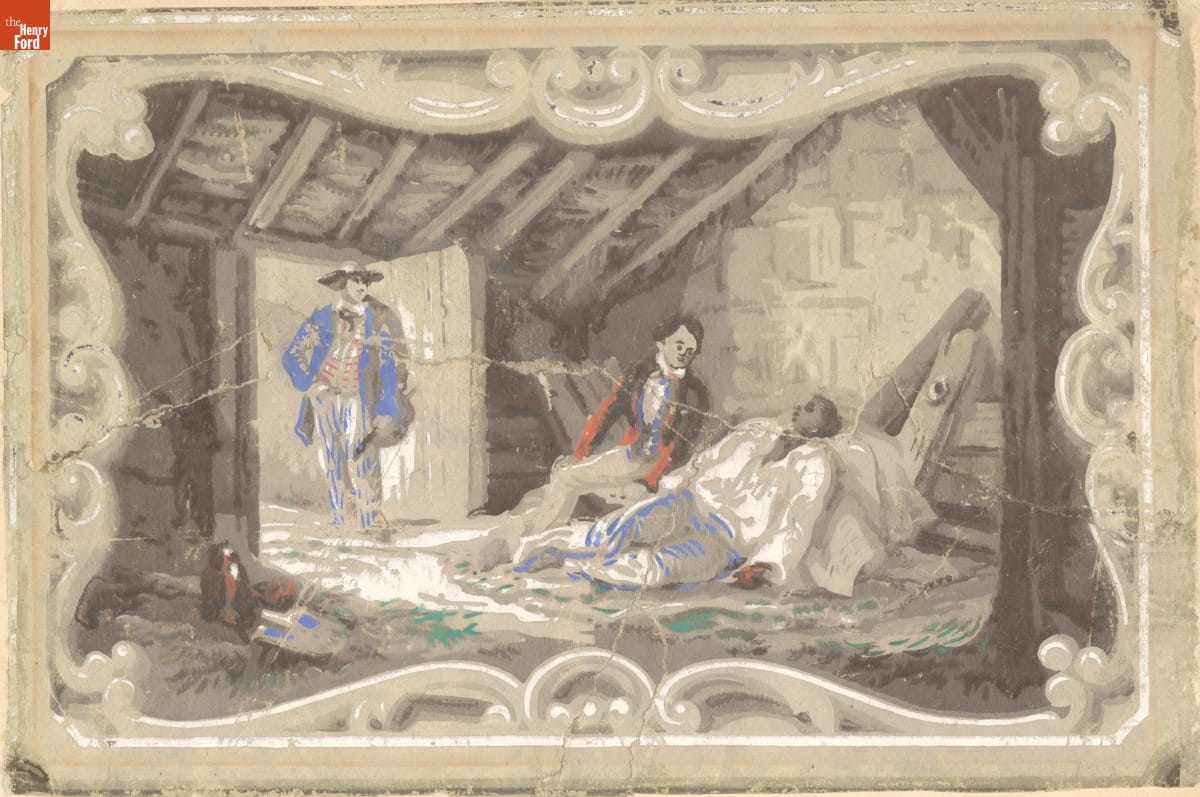
- Wallpaper Fragment with Scene from Uncle Tom's Cabin, Used at Crotta House, circa 1852 - Harriet Beecher Stowe's book, <em>Uncle Tom's Cabin</em>, became a national and international best-seller when first published in 1852. A number of illustrated editions were produced soon after. This section of wallpaper may have been based on one of the illustrations called "Death of Uncle Tom." This section was removed from a house in Ireland -- a testament to the international acclaim of the novel.
- circa 1852
- Collections - Artifact
Wallpaper Fragment with Scene from Uncle Tom's Cabin, Used at Crotta House, circa 1852
Harriet Beecher Stowe's book, Uncle Tom's Cabin, became a national and international best-seller when first published in 1852. A number of illustrated editions were produced soon after. This section of wallpaper may have been based on one of the illustrations called "Death of Uncle Tom." This section was removed from a house in Ireland -- a testament to the international acclaim of the novel.
- The Liberator, Vol. 9, No. 33, August 16, 1839 -
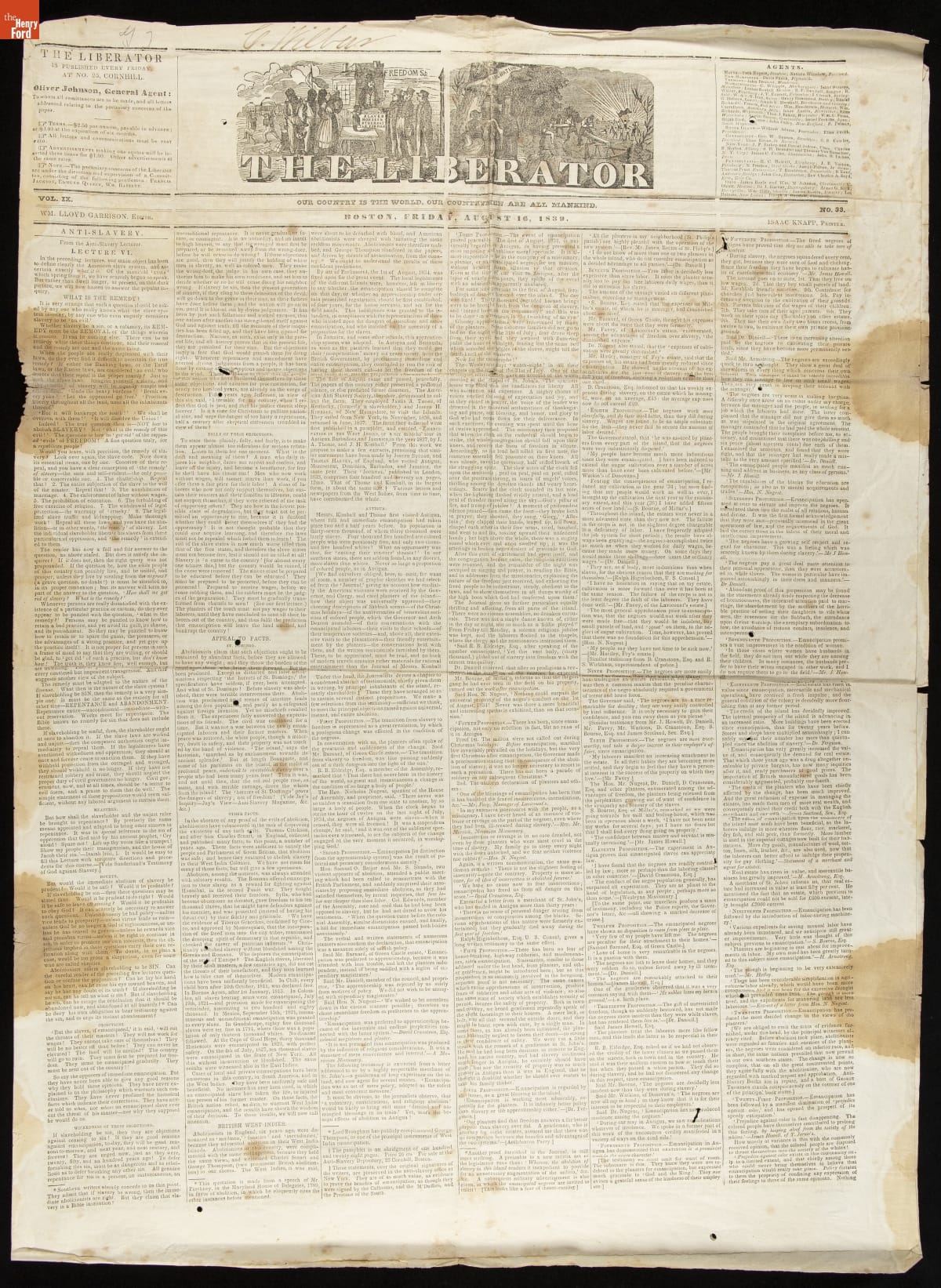
- August 16, 1839
- Collections - Artifact
The Liberator, Vol. 9, No. 33, August 16, 1839
- My Bondage and Freedom, 1855 -
- 1817-1855
- Collections - Artifact
My Bondage and Freedom, 1855
- Wallpaper Fragment with Scene from Uncle Tom's Cabin, Used at Crotta House, circa 1852 - Harriet Beecher Stowe's book, <em>Uncle Tom's Cabin</em>, became a national and international best-seller when first published in 1852. A number of illustrated editions were produced soon after. This section of wallpaper may have been based on one of the illustrations called "Haley and Shelby with Little Harry." This section was removed from a house in Ireland -- a testament to the international acclaim of the novel.
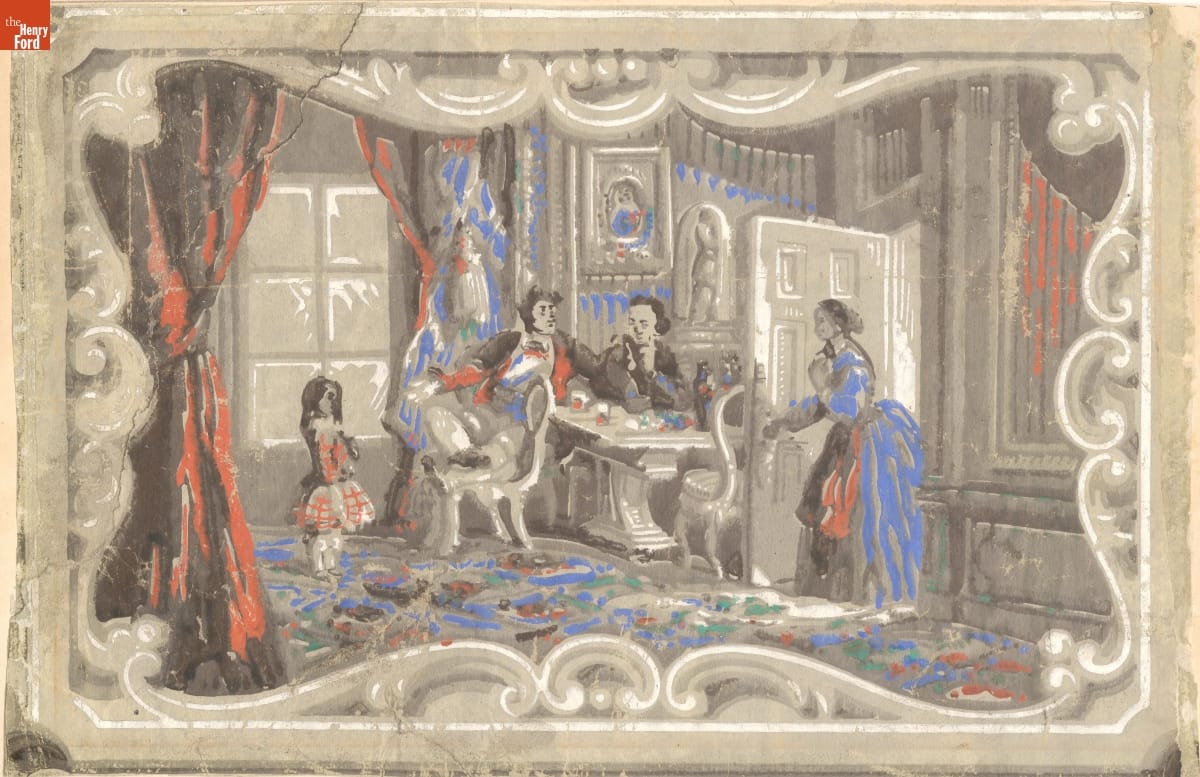
- circa 1852
- Collections - Artifact
Wallpaper Fragment with Scene from Uncle Tom's Cabin, Used at Crotta House, circa 1852
Harriet Beecher Stowe's book, Uncle Tom's Cabin, became a national and international best-seller when first published in 1852. A number of illustrated editions were produced soon after. This section of wallpaper may have been based on one of the illustrations called "Haley and Shelby with Little Harry." This section was removed from a house in Ireland -- a testament to the international acclaim of the novel.
- Wallpaper Fragment with Scene from Uncle Tom's Cabin, Used at Crotta House, circa 1852 - Harriet Beecher Stowe's book, <em>Uncle Tom's Cabin</em>, became a national and international best-seller when first published in 1852. A number of illustrated editions were produced soon after. This section of wallpaper may have been based on one of the illustrations called "Eva Distributing Hair." This section was removed from a house in Ireland -- a testament to the international acclaim of the novel.
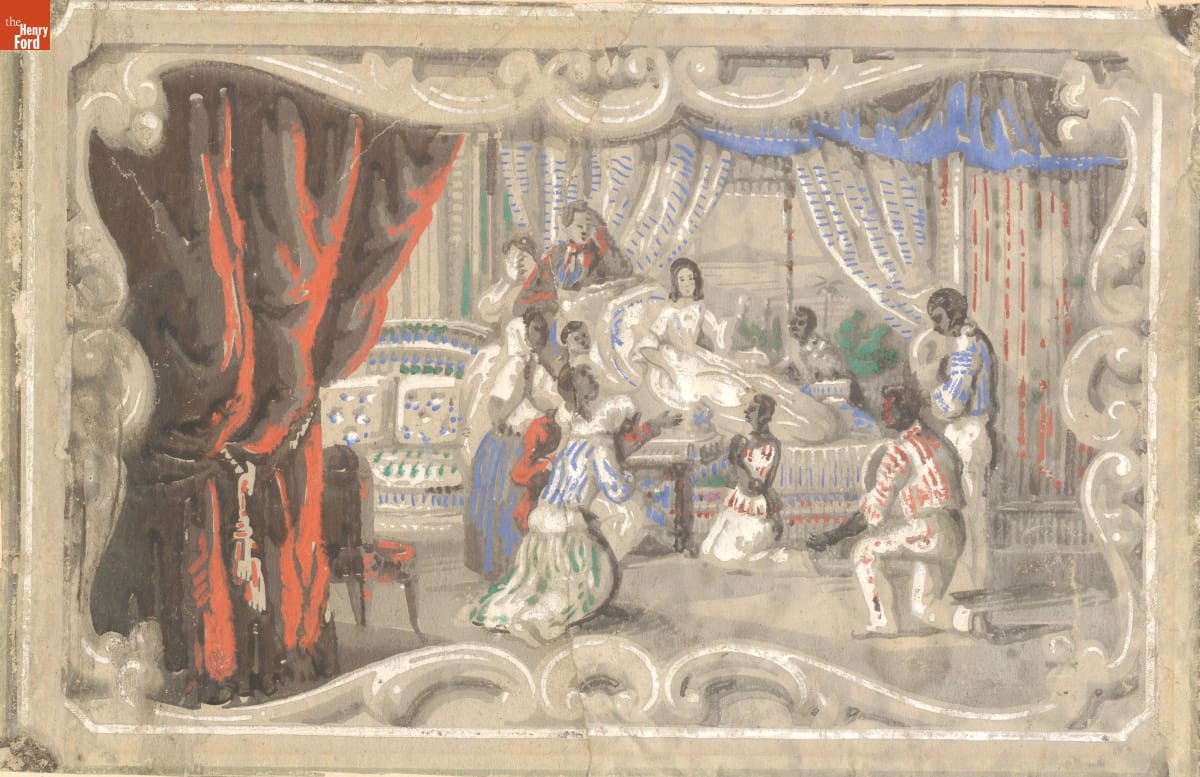
- circa 1852
- Collections - Artifact
Wallpaper Fragment with Scene from Uncle Tom's Cabin, Used at Crotta House, circa 1852
Harriet Beecher Stowe's book, Uncle Tom's Cabin, became a national and international best-seller when first published in 1852. A number of illustrated editions were produced soon after. This section of wallpaper may have been based on one of the illustrations called "Eva Distributing Hair." This section was removed from a house in Ireland -- a testament to the international acclaim of the novel.
- The Branded Hand: Trial and Imprisonment of Jonathan Walker, 1845 -
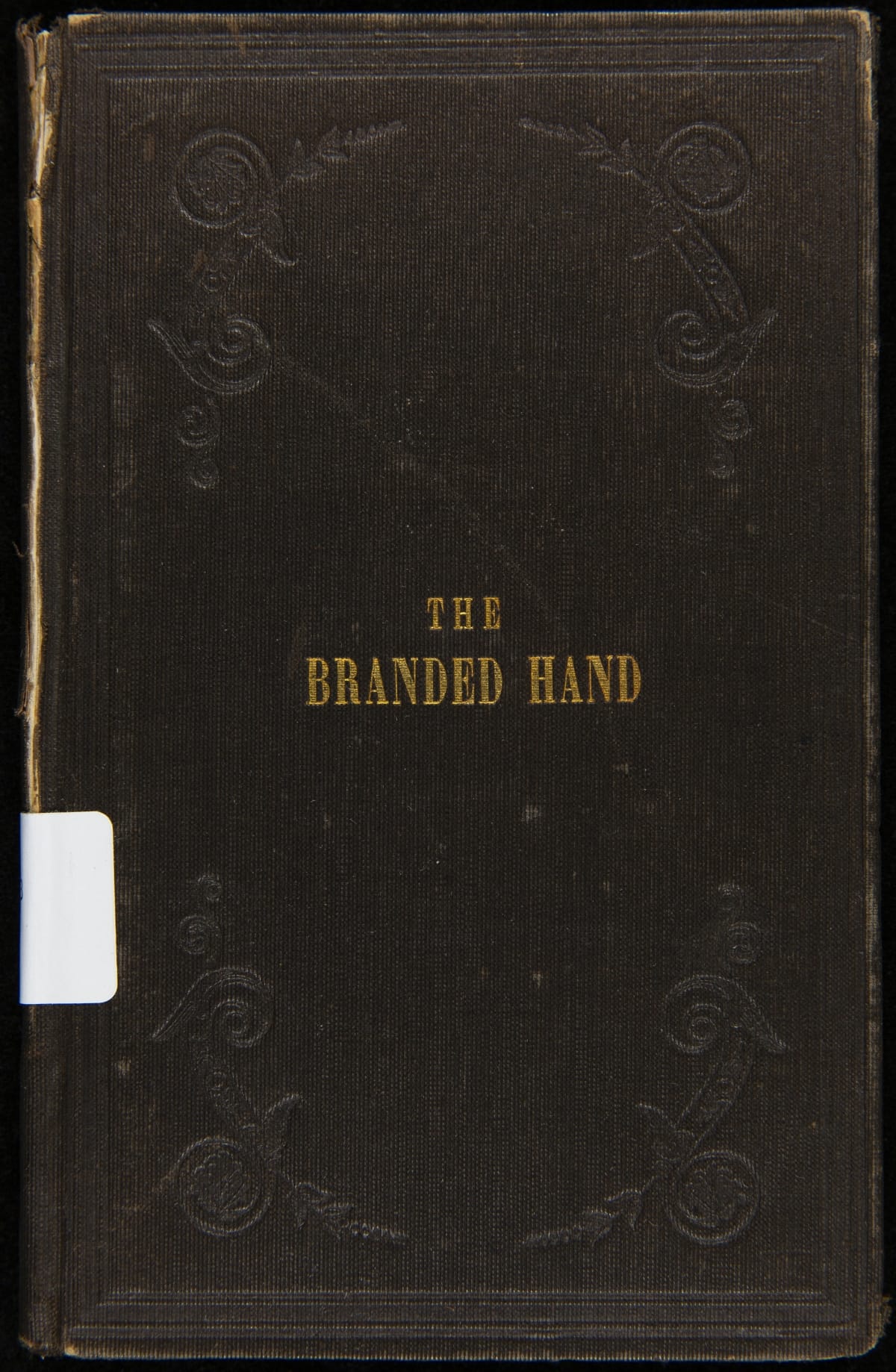
- 1845
- Collections - Artifact
The Branded Hand: Trial and Imprisonment of Jonathan Walker, 1845
- "Narrative of the Life of Frederick Douglass," 1845 - Frederick Douglass became a leader in the anti-slavery movement when he spontaneously stood up and spoke at an abolitionist meeting in 1841. Douglass wrote about his life as a slave to support the growing abolitionist movement. This book led to his career as a reform journalist. His gut-wrenching tales about life on the plantation in Maryland turned thousands of skeptical Americans into active abolitionists.
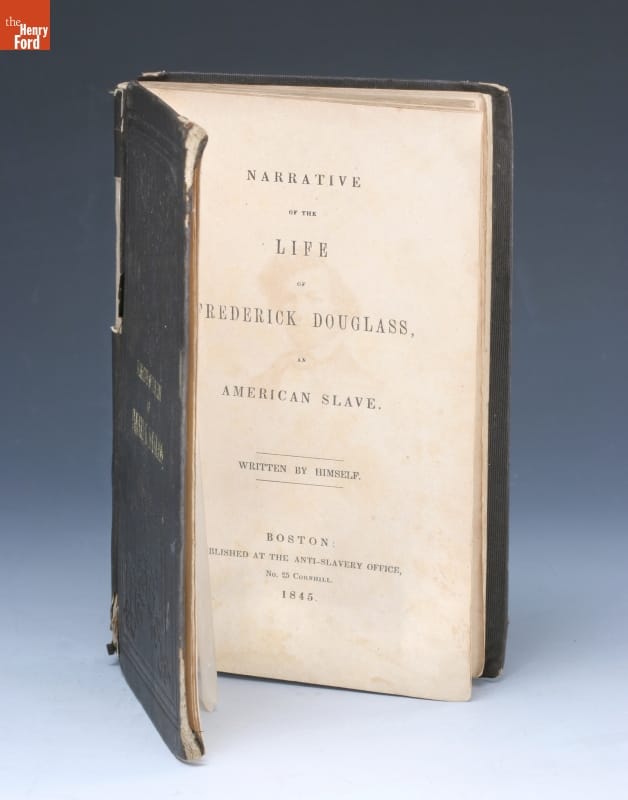
- 1817?-1845
- Collections - Artifact
"Narrative of the Life of Frederick Douglass," 1845
Frederick Douglass became a leader in the anti-slavery movement when he spontaneously stood up and spoke at an abolitionist meeting in 1841. Douglass wrote about his life as a slave to support the growing abolitionist movement. This book led to his career as a reform journalist. His gut-wrenching tales about life on the plantation in Maryland turned thousands of skeptical Americans into active abolitionists.