
Search
- Drug Jar, 1723 - Eighteenth-century druggists displayed jars, like this one, in their apothecaries. These drug jars held various substances thought to promote health and well-being. The labels provided quick identification of ingredients, while the decorative containers conveyed the druggist's worldliness and professionalism to those in need of health services.
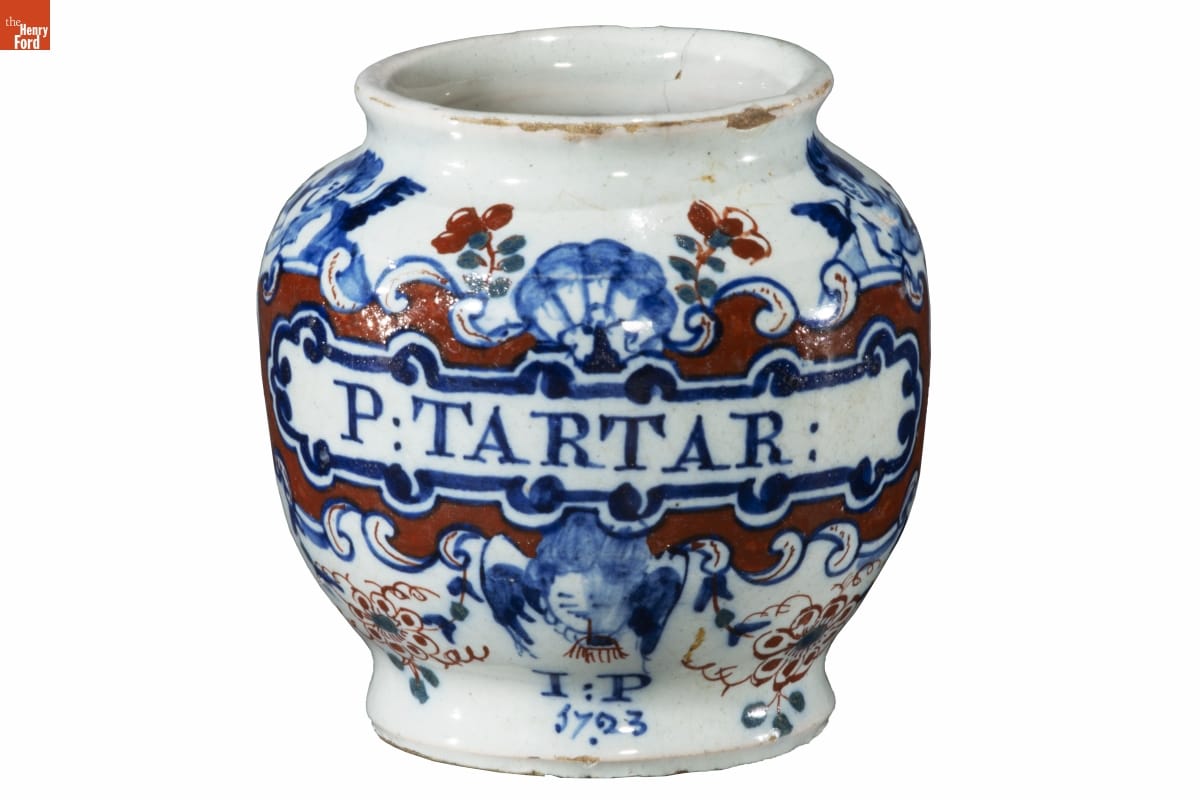
- 1723
- Collections - Artifact
Drug Jar, 1723
Eighteenth-century druggists displayed jars, like this one, in their apothecaries. These drug jars held various substances thought to promote health and well-being. The labels provided quick identification of ingredients, while the decorative containers conveyed the druggist's worldliness and professionalism to those in need of health services.
- Drug Jar, 1720-1740 - Eighteenth-century druggists displayed jars, like this one, in their apothecaries. These drug jars held various substances thought to promote health and well-being. The labels provided quick identification of ingredients, while the decorative containers conveyed the druggist's worldliness and professionalism to those in need of health services.
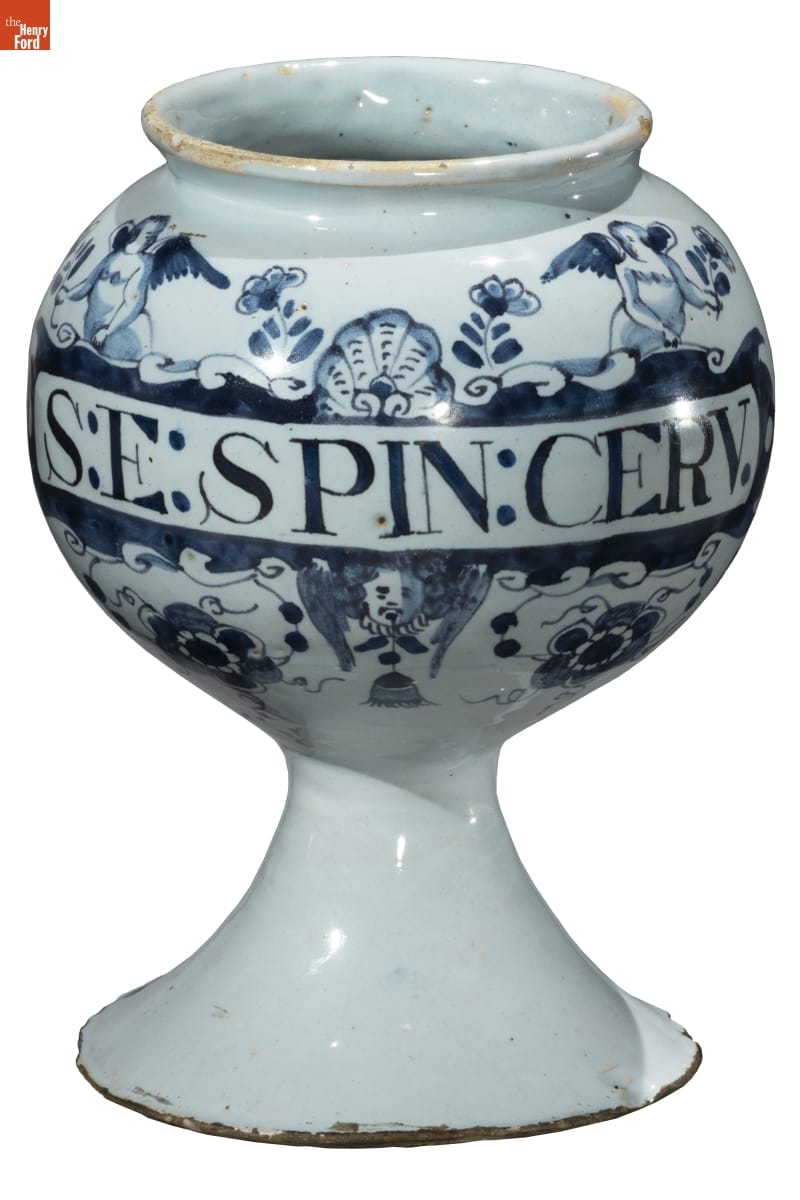
- circa 1720
- Collections - Artifact
Drug Jar, 1720-1740
Eighteenth-century druggists displayed jars, like this one, in their apothecaries. These drug jars held various substances thought to promote health and well-being. The labels provided quick identification of ingredients, while the decorative containers conveyed the druggist's worldliness and professionalism to those in need of health services.
- Drug Jar, 1720-1740 - Eighteenth-century druggists displayed jars, like this one, in their apothecaries. These drug jars held various substances thought to promote health and well-being. The labels provided quick identification of ingredients, while the decorative containers conveyed the druggist's worldliness and professionalism to those in need of health services.
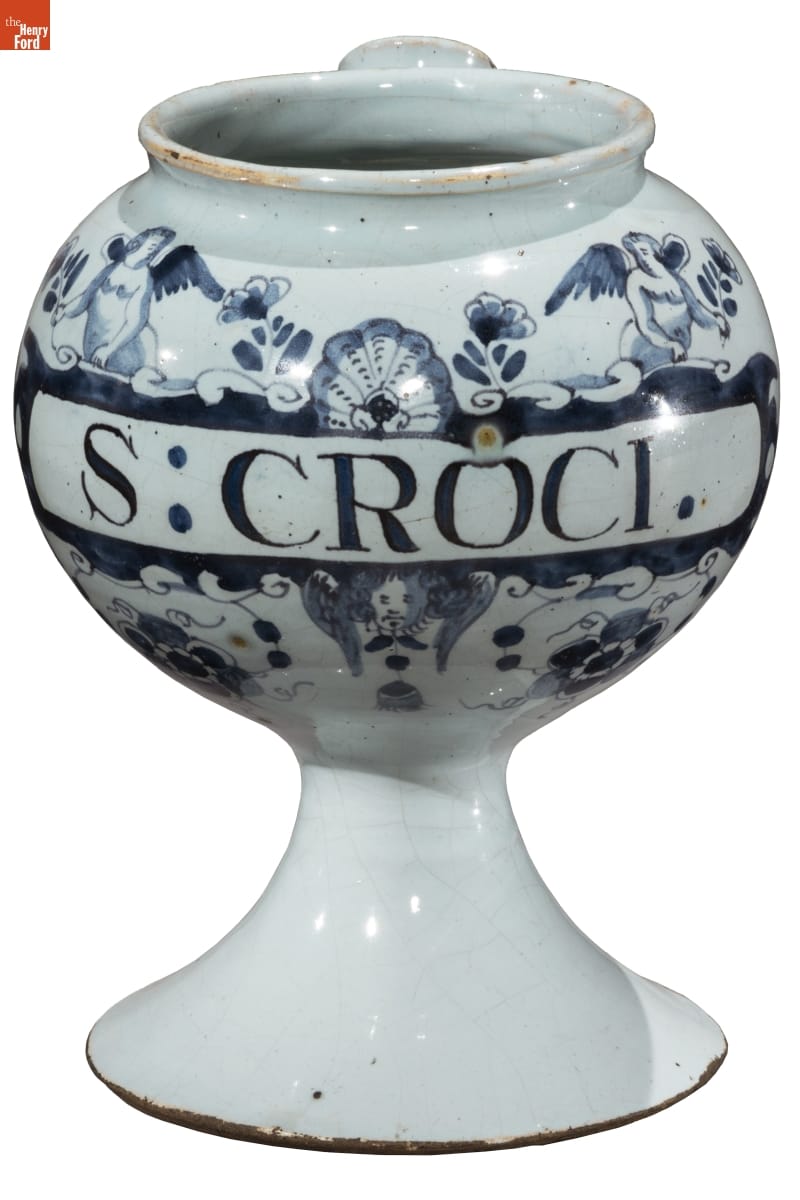
- circa 1720
- Collections - Artifact
Drug Jar, 1720-1740
Eighteenth-century druggists displayed jars, like this one, in their apothecaries. These drug jars held various substances thought to promote health and well-being. The labels provided quick identification of ingredients, while the decorative containers conveyed the druggist's worldliness and professionalism to those in need of health services.
- Apothecary Jar, 1750-1760 -
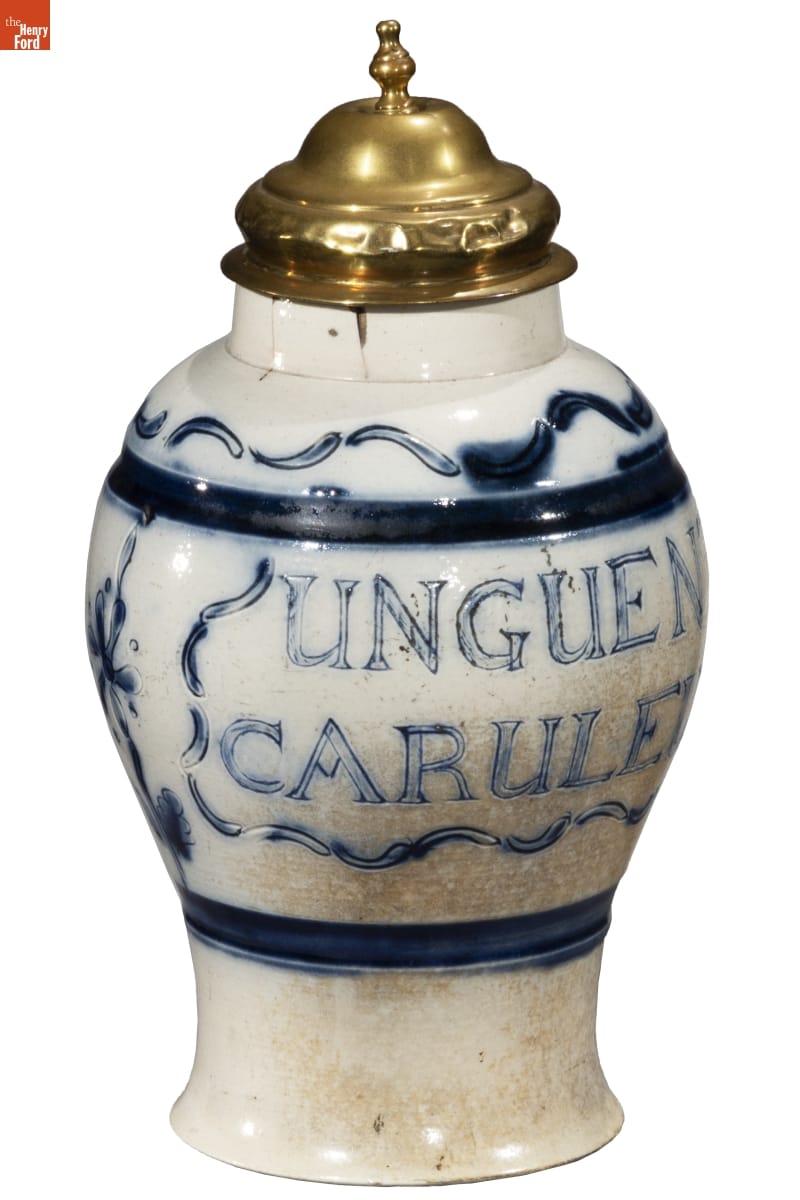
- 1750-1760
- Collections - Artifact
Apothecary Jar, 1750-1760
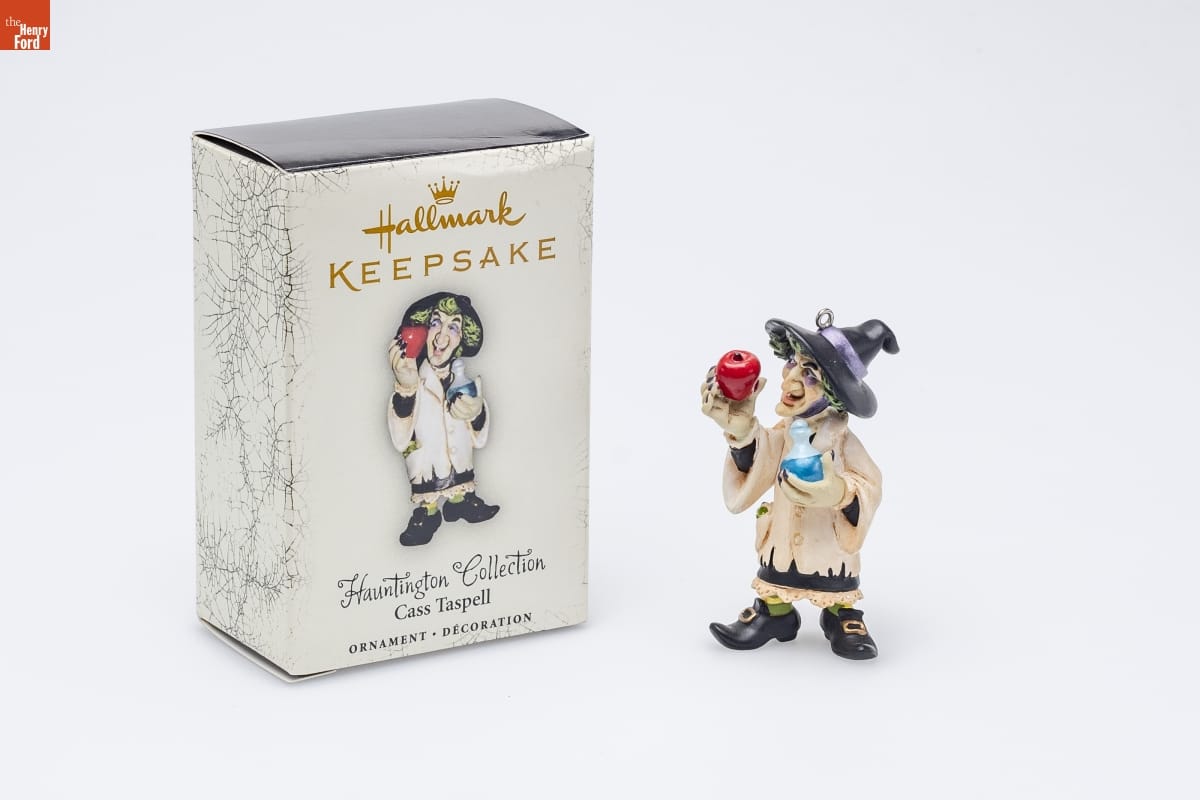
- Hallmark "Hauntington Collection: Cass Taspell" Halloween Ornament, 2005 - Hallmark has created Halloween ornaments since the early 2000s. The company produced a series of Halloween ornaments for its Hauntington Collection in 2005. Building displays depicting the town of Hauntington became backdrops for ornaments like this one of Cass Taspell, owner of the town's apothecary. The collection celebrated the fun--and creepy--spirit of Halloween.
- 2005
- Collections - Artifact
Hallmark "Hauntington Collection: Cass Taspell" Halloween Ornament, 2005
Hallmark has created Halloween ornaments since the early 2000s. The company produced a series of Halloween ornaments for its Hauntington Collection in 2005. Building displays depicting the town of Hauntington became backdrops for ornaments like this one of Cass Taspell, owner of the town's apothecary. The collection celebrated the fun--and creepy--spirit of Halloween.
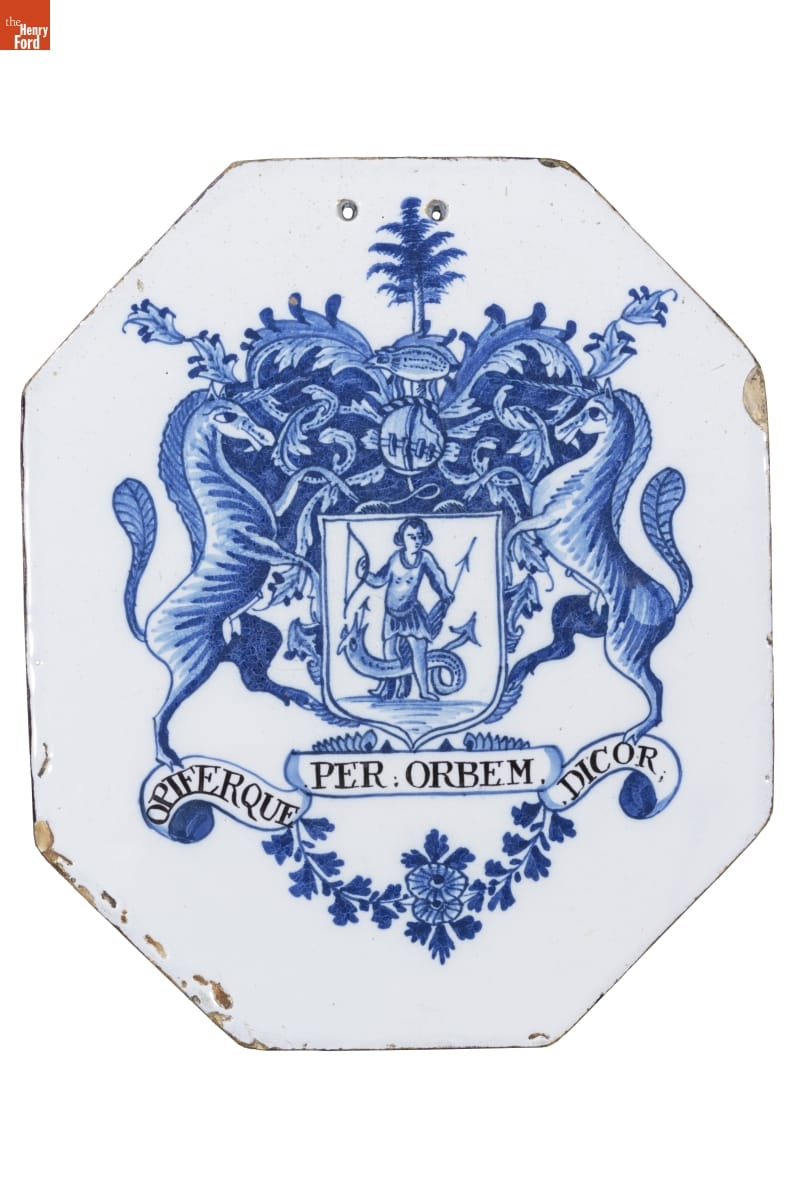
- Pill Slab, 1700-1740 -
- 1700-1740
- Collections - Artifact
Pill Slab, 1700-1740