
Search
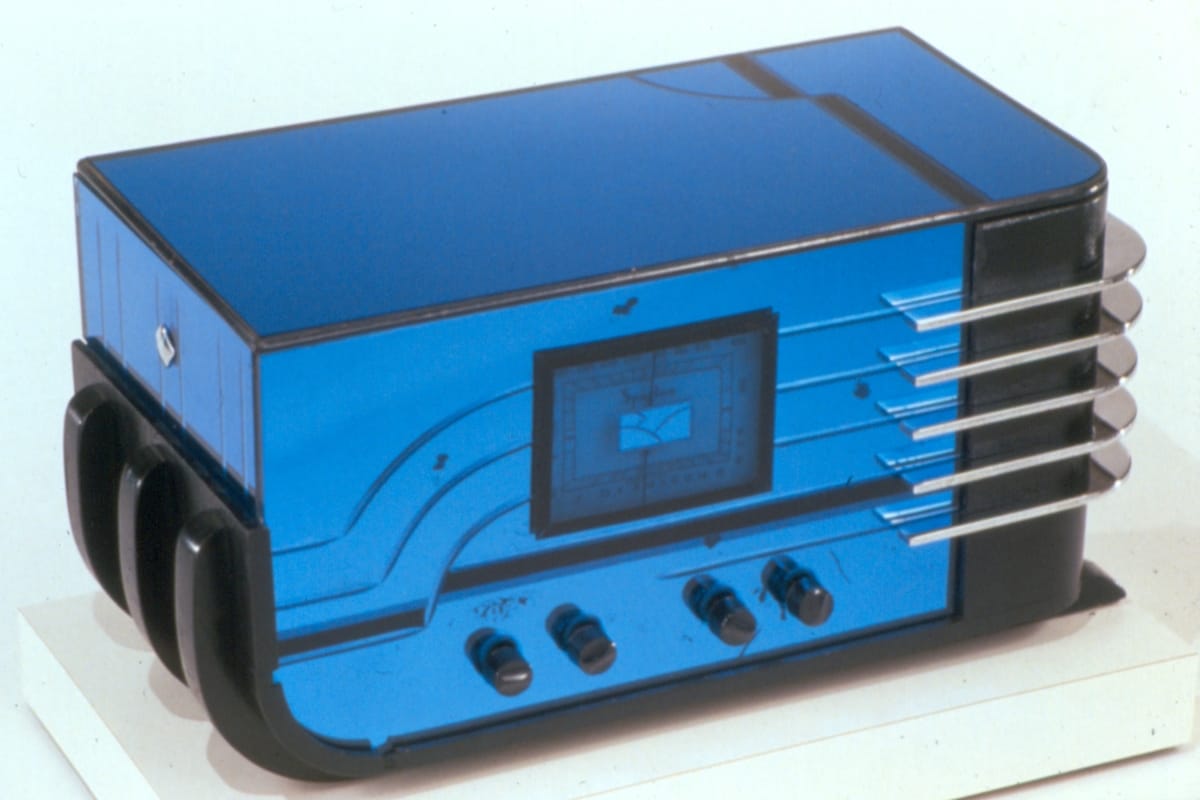
- Sparton Radio Model 558-B, 1937 - This 1937 Sparton radio was designed by Walter Dorwin Teague, a designer renowned for his use of streamlined forms. A study in contrasts -- the blue mirrored finish and curved sled-like base suggest speed while the five jutting parallel panels appear almost architectural -- this expensive and glamorous radio had a limited market during the Great Depression.
- 1937
- Collections - Artifact
Sparton Radio Model 558-B, 1937
This 1937 Sparton radio was designed by Walter Dorwin Teague, a designer renowned for his use of streamlined forms. A study in contrasts -- the blue mirrored finish and curved sled-like base suggest speed while the five jutting parallel panels appear almost architectural -- this expensive and glamorous radio had a limited market during the Great Depression.
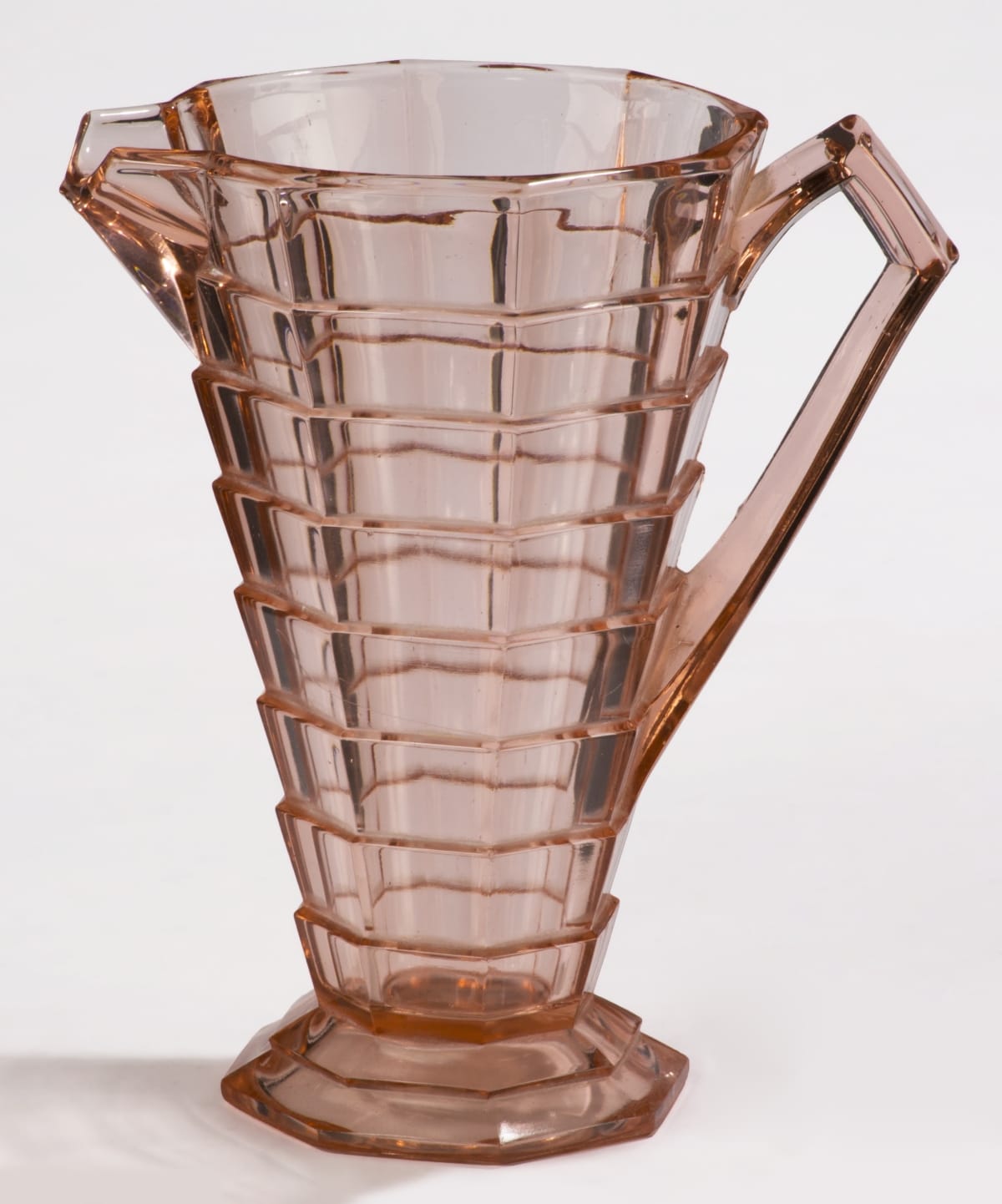
- Pitcher, 1926-1931 - This footed pitcher is part of a larger dinnerware service produced by the Indiana Glass Company of Dunkirk, Indiana. Known as "Depression Glass" these wares were distributed free, or at low cost, in the United States around the time of the Great Depression of the 1930s. The stepped or zig-zag design is the epitome of the Art Deco style, popular at that time.
- 1926-1931
- Collections - Artifact
Pitcher, 1926-1931
This footed pitcher is part of a larger dinnerware service produced by the Indiana Glass Company of Dunkirk, Indiana. Known as "Depression Glass" these wares were distributed free, or at low cost, in the United States around the time of the Great Depression of the 1930s. The stepped or zig-zag design is the epitome of the Art Deco style, popular at that time.
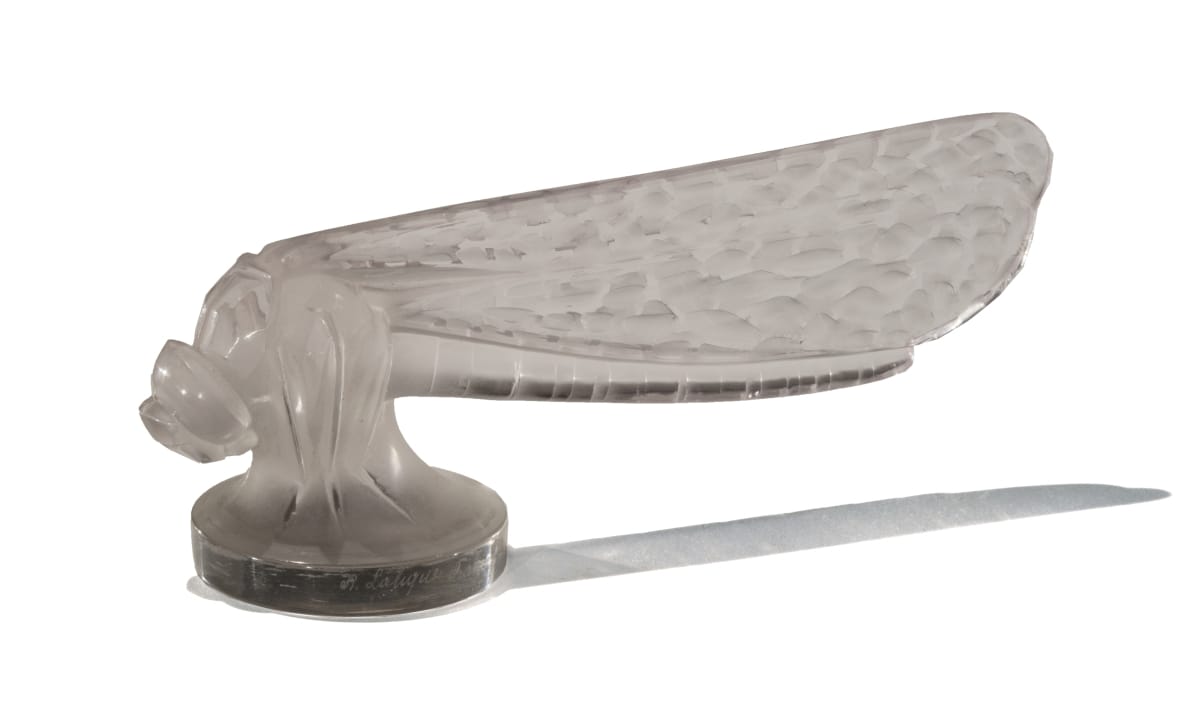
- Lalique "Petite Libellule" Dragonfly Hood Ornament, circa 1928 - Rene Lalique created some of the most striking automobile mascots or hood ornaments. Lalique's elegant, molded-glass models enhanced the front of any luxury vehicle. The mascots could also be lit from below making them all the more impressive. These decorative mascots became a symbol of the car owner's wealth, status, and good taste.
- circa 1928
- Collections - Artifact
Lalique "Petite Libellule" Dragonfly Hood Ornament, circa 1928
Rene Lalique created some of the most striking automobile mascots or hood ornaments. Lalique's elegant, molded-glass models enhanced the front of any luxury vehicle. The mascots could also be lit from below making them all the more impressive. These decorative mascots became a symbol of the car owner's wealth, status, and good taste.
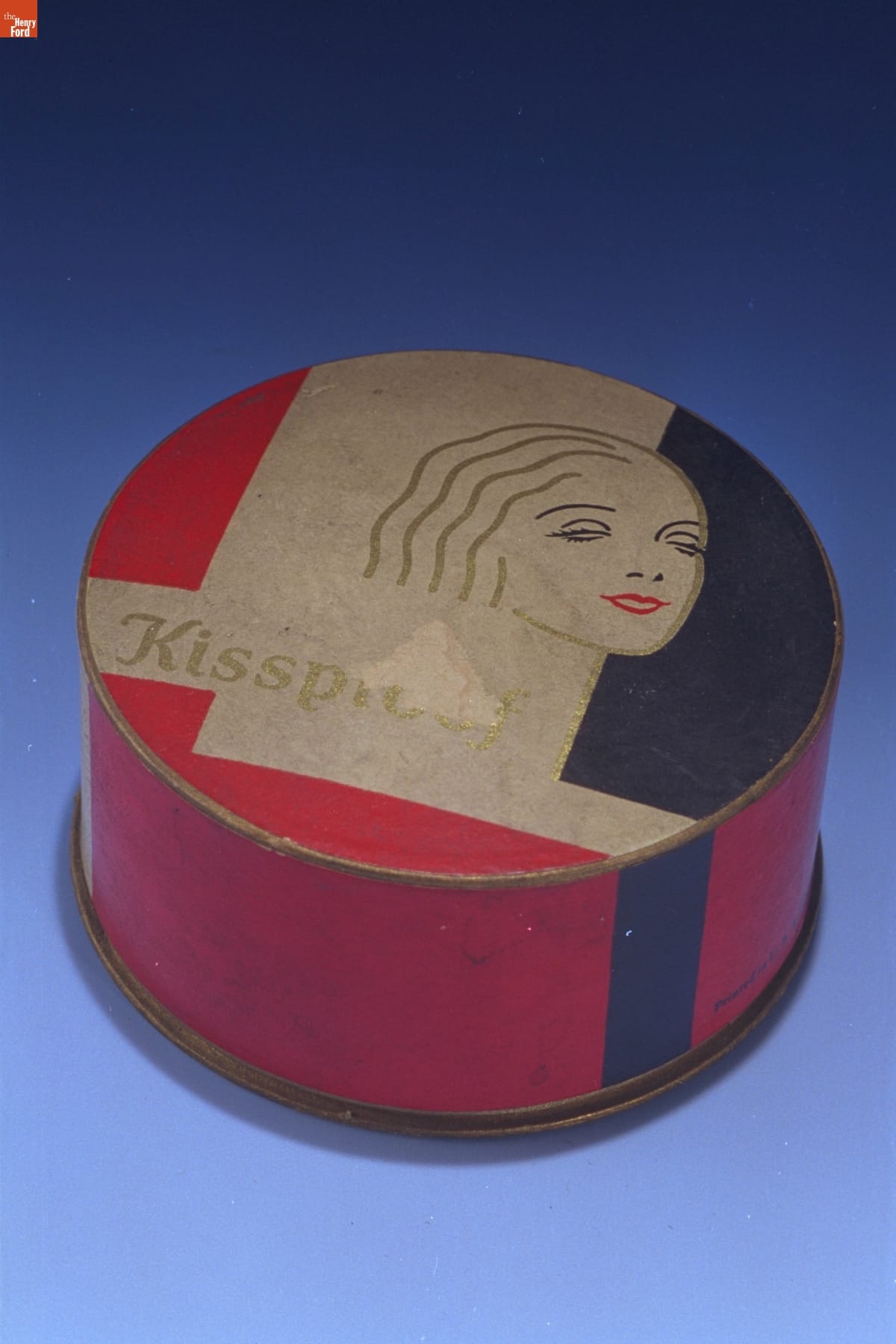
- Kissproof Powder Box, 1935-1950 -
- 1935-1950
- Collections - Artifact
Kissproof Powder Box, 1935-1950
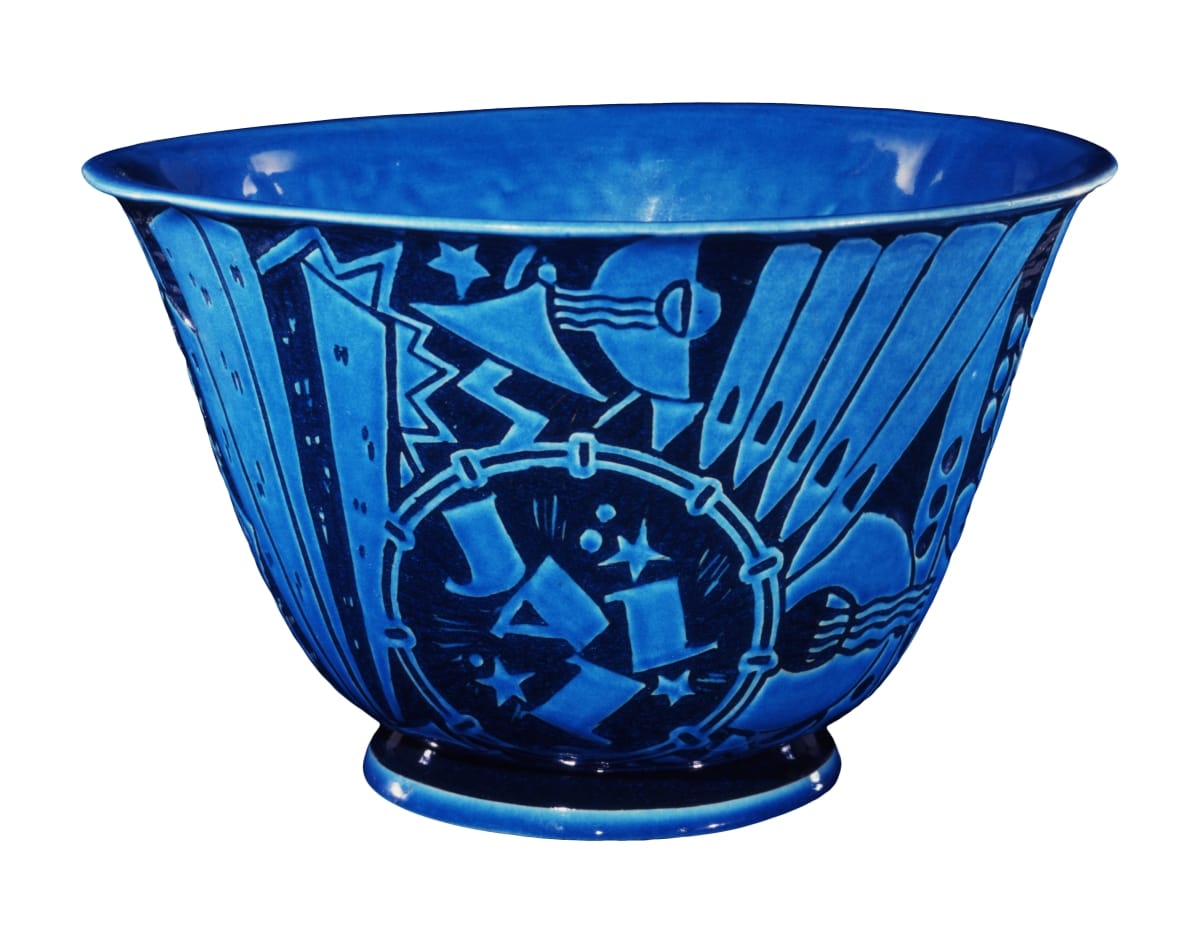
- Jazz Bowl, circa 1931 - 24-year-old-artist Vilktor Schreckengost designed a punch bowl in 1930 depicting New Year's Eve festivities in New York City as a celebration of the Jazz Age. He was commissioned by Eleanor Roosevelt who was so pleased with it that she ordered two more copies. Three versions were produced; this is the third version, intended for mass-production, dubbed "The Poor Man's Jazz Bowl".
- circa 1931
- Collections - Artifact
Jazz Bowl, circa 1931
24-year-old-artist Vilktor Schreckengost designed a punch bowl in 1930 depicting New Year's Eve festivities in New York City as a celebration of the Jazz Age. He was commissioned by Eleanor Roosevelt who was so pleased with it that she ordered two more copies. Three versions were produced; this is the third version, intended for mass-production, dubbed "The Poor Man's Jazz Bowl".
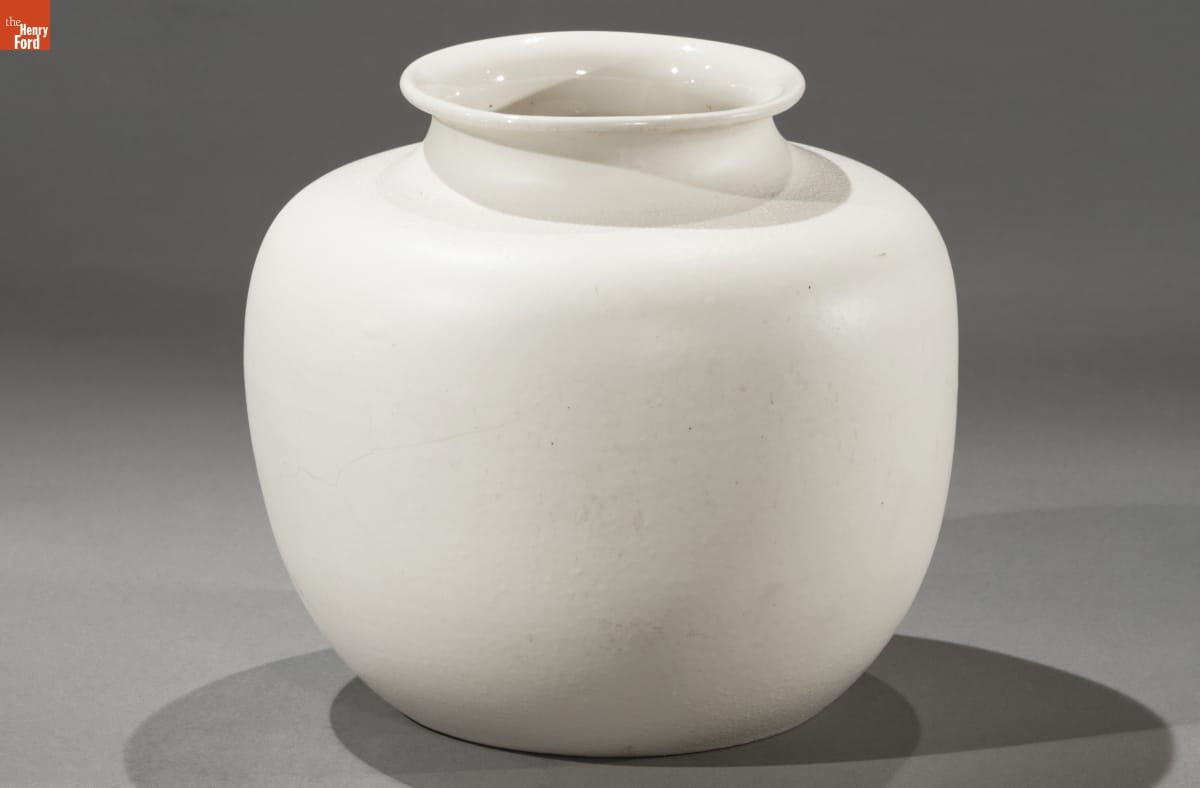
- Vase, 1942 -
- 1942
- Collections - Artifact
Vase, 1942
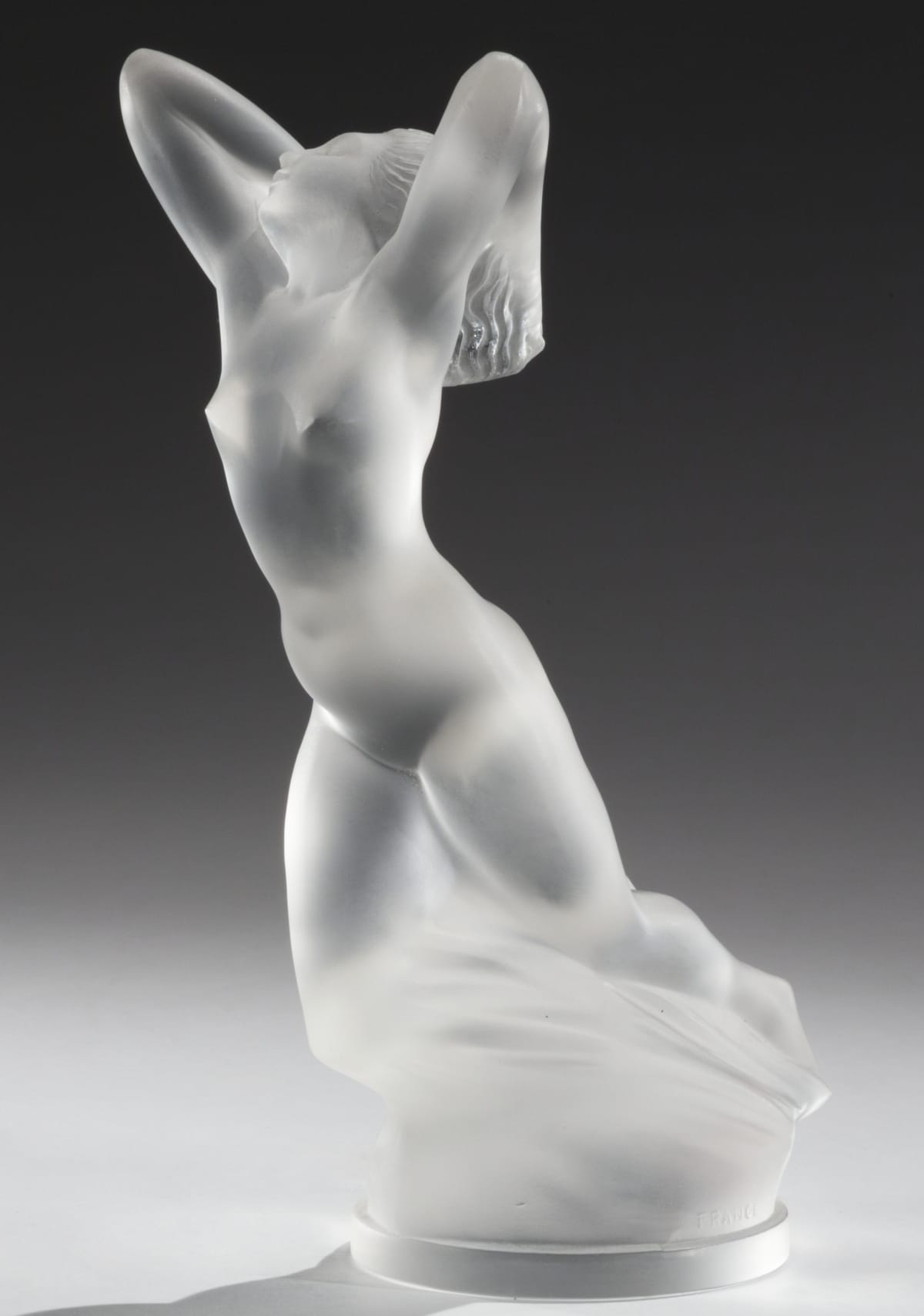
- Lalique "Vitesse" Hood Ornament, circa 1929 - Rene Lalique created some of the most striking automobile mascots or hood ornaments. Lalique's elegant, molded-glass models enhanced the front of any luxury vehicle. The mascots could also be lit from below making them all the more impressive. These decorative mascots became a symbol of the car owner's wealth, status, and good taste.
- circa 1929
- Collections - Artifact
Lalique "Vitesse" Hood Ornament, circa 1929
Rene Lalique created some of the most striking automobile mascots or hood ornaments. Lalique's elegant, molded-glass models enhanced the front of any luxury vehicle. The mascots could also be lit from below making them all the more impressive. These decorative mascots became a symbol of the car owner's wealth, status, and good taste.
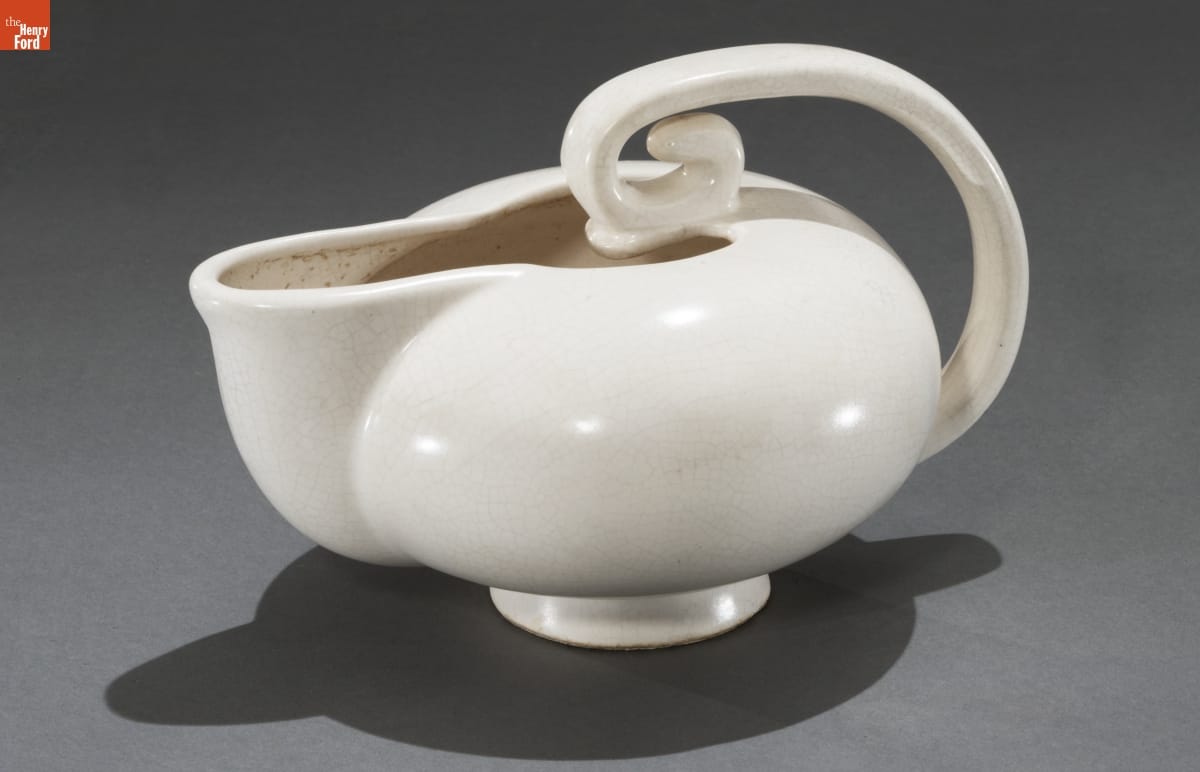
- Pitcher, 1938-1948 -
- 1938-1948
- Collections - Artifact
Pitcher, 1938-1948
- Salt and Pepper Set, 1930-1950 -
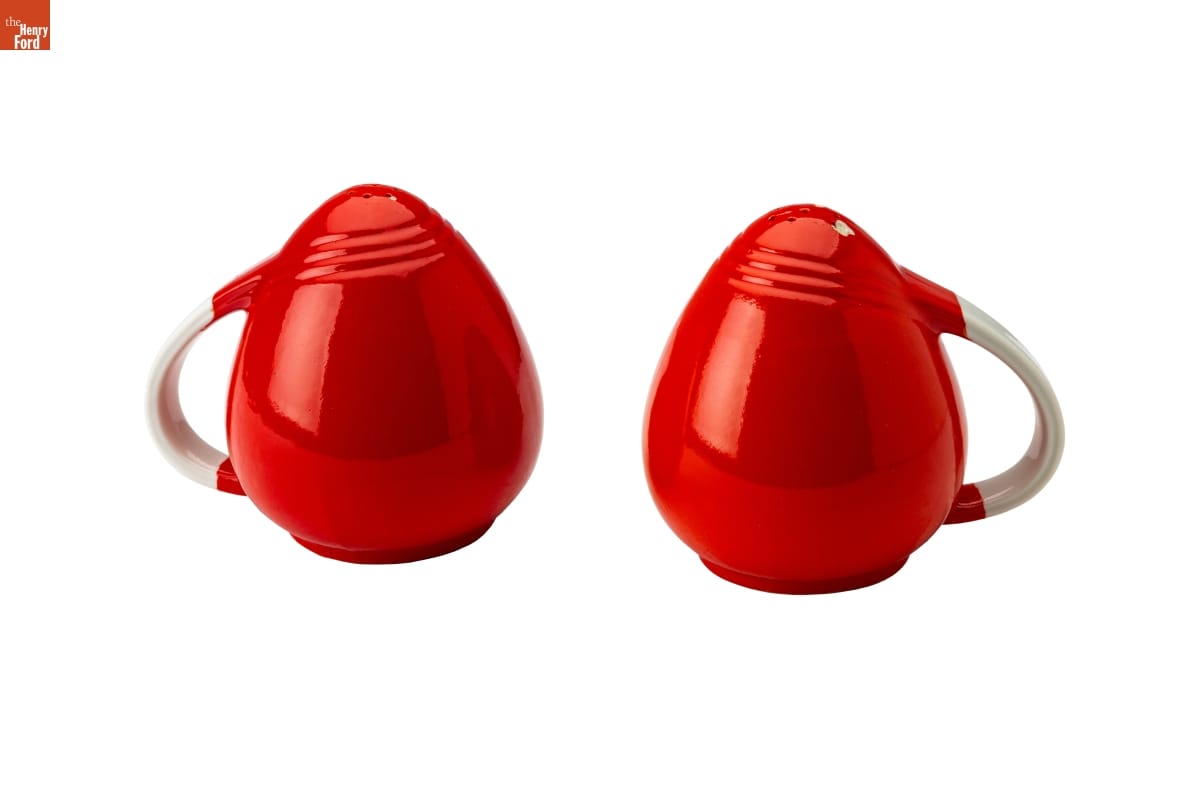
- 1930-1950
- Collections - Artifact
Salt and Pepper Set, 1930-1950
- Vase, 1937-1942 -
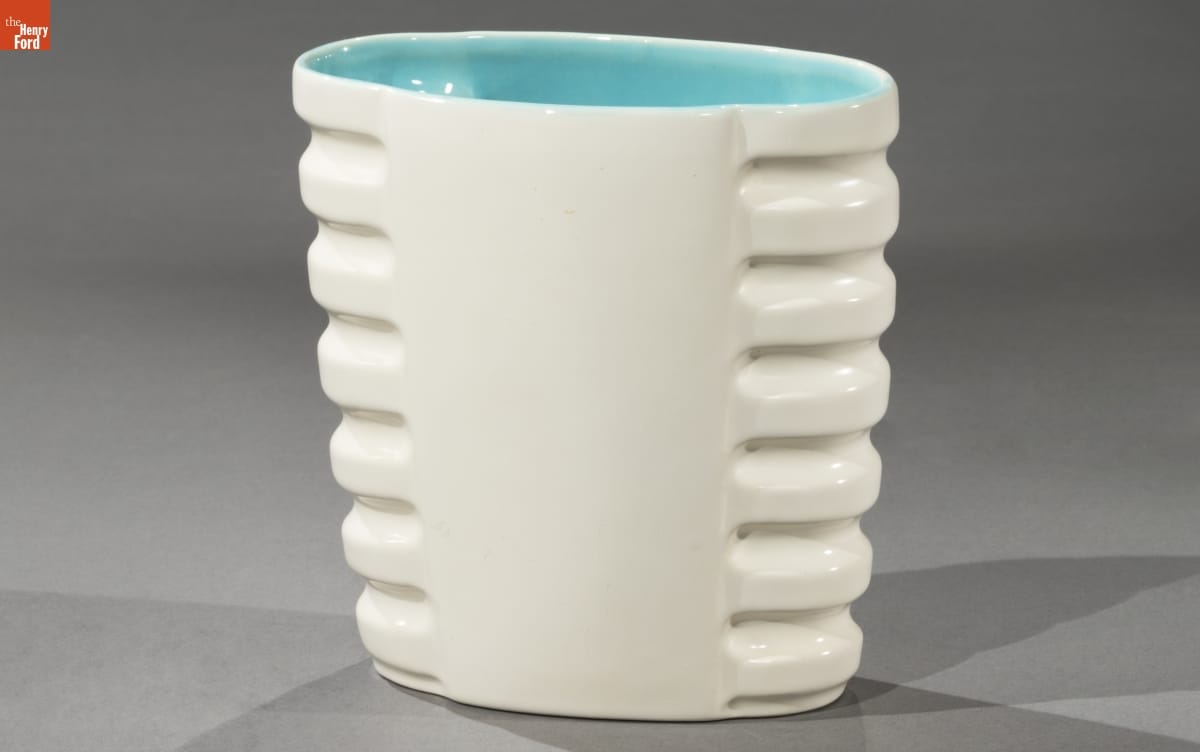
- 1937-1942
- Collections - Artifact
Vase, 1937-1942