
Search
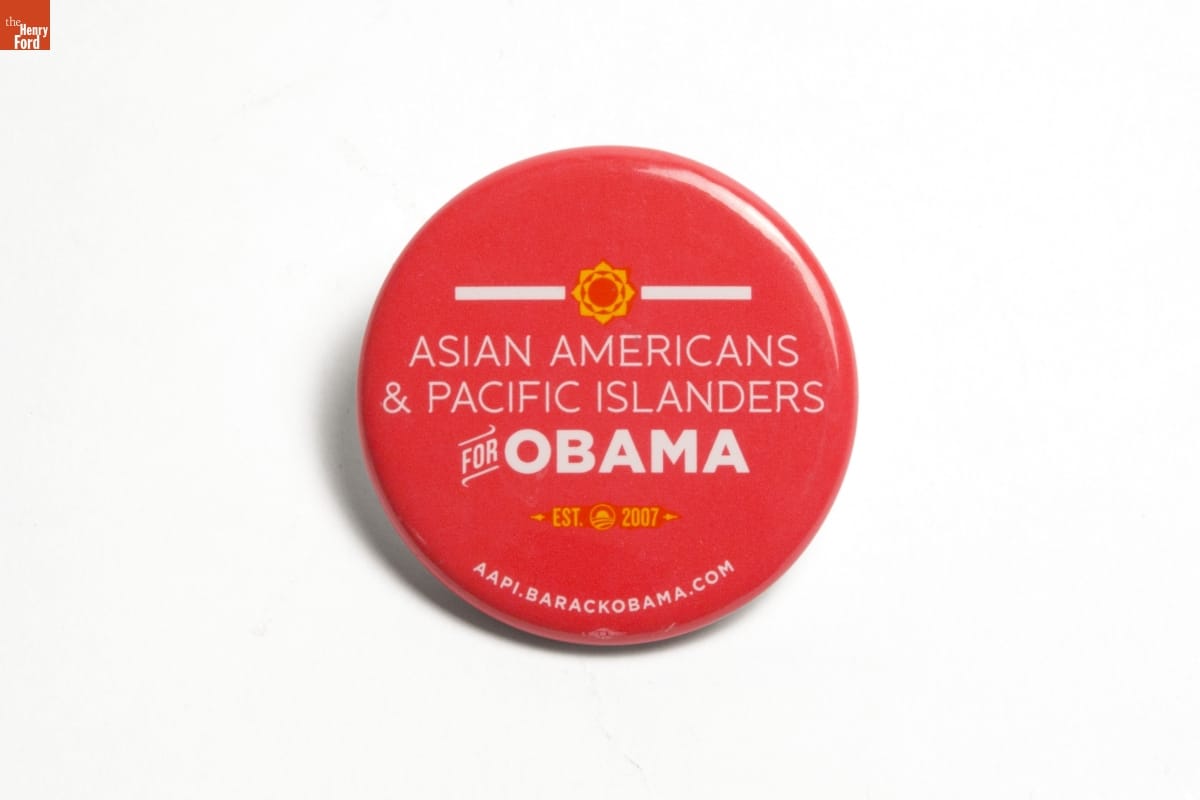
- Asian Americans & Pacific Islanders for Obama Button, 2012 - President Barack Obama was reelected to a second term in 2012. Obama assembled a coalition of African Americans, Latinos, women, blue-collar progressives and other ethnic and economic groups to defeat Mitt Romney, his Republican challenger. Obama's campaign organization created a multitude of buttons to appeal to his diverse political supporters.
- 2012
- Collections - Artifact
Asian Americans & Pacific Islanders for Obama Button, 2012
President Barack Obama was reelected to a second term in 2012. Obama assembled a coalition of African Americans, Latinos, women, blue-collar progressives and other ethnic and economic groups to defeat Mitt Romney, his Republican challenger. Obama's campaign organization created a multitude of buttons to appeal to his diverse political supporters.
- "The Yellow Pages," 2022 -

- 2022
- Collections - Artifact
"The Yellow Pages," 2022
- Recipe Booklet, "American Oriental Cookery: Quick, Easy, and Intriguing Ways to Add Zest to Your Menus," 1962 -

- 1962
- Collections - Artifact
Recipe Booklet, "American Oriental Cookery: Quick, Easy, and Intriguing Ways to Add Zest to Your Menus," 1962
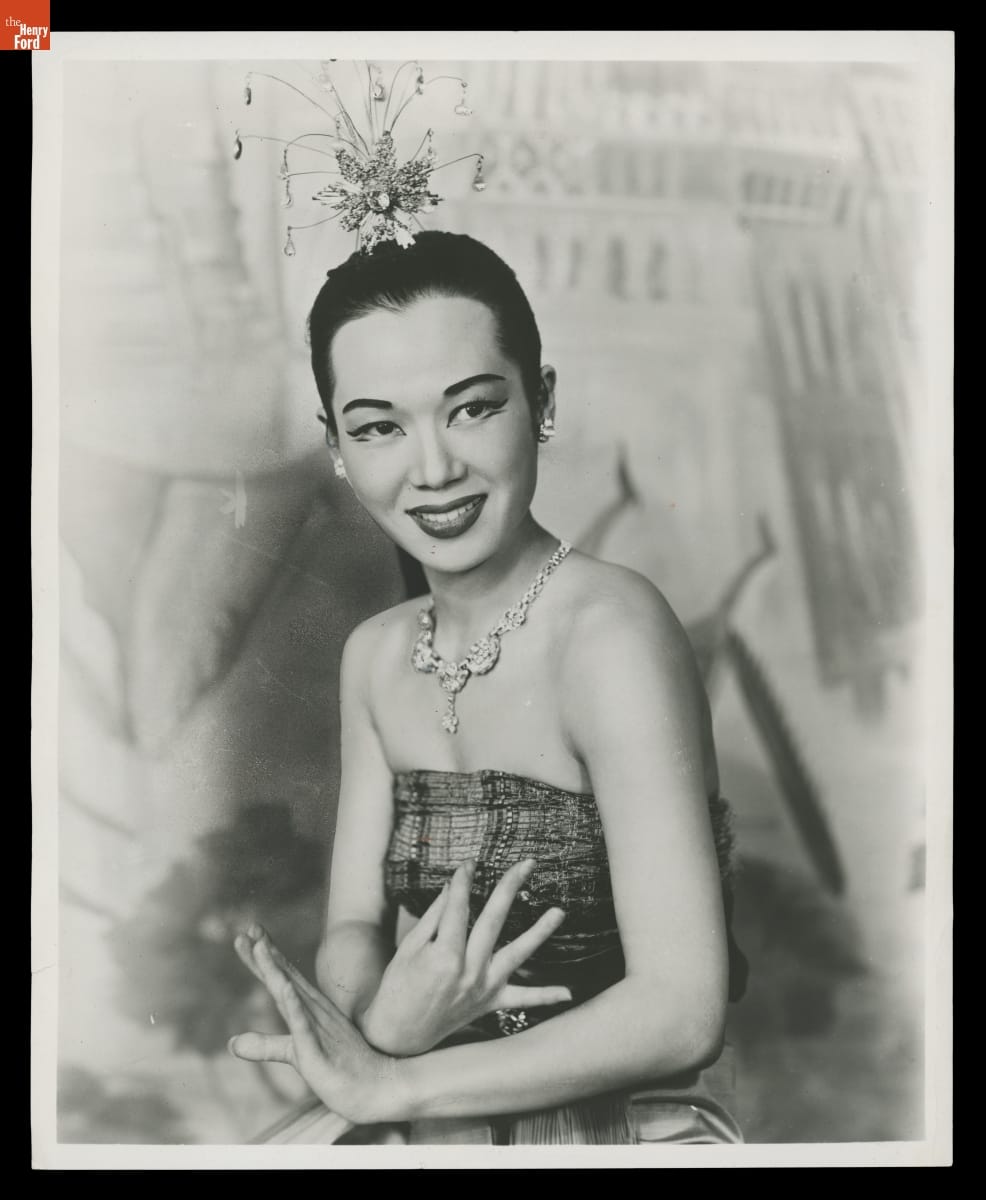
- Michiko Iseri, Choreographer and Dancer in Rodgers & Hammerstein's "The King and I," 1955 - American-born Michiko Iseri (1923-2024) studied traditional Asian dance from an early age. Interned in a relocation camp with others of Japanese ancestry during World War II and released in 1944, Iseri moved to New York and continued teaching. Iseri is remembered as a featured dancer and choreographer in Rodgers and Hammerstein's musical <em>The King and I</em> in the 1950s, bringing greater authenticity to the production.
- 1955
- Collections - Artifact
Michiko Iseri, Choreographer and Dancer in Rodgers & Hammerstein's "The King and I," 1955
American-born Michiko Iseri (1923-2024) studied traditional Asian dance from an early age. Interned in a relocation camp with others of Japanese ancestry during World War II and released in 1944, Iseri moved to New York and continued teaching. Iseri is remembered as a featured dancer and choreographer in Rodgers and Hammerstein's musical The King and I in the 1950s, bringing greater authenticity to the production.
- "Justice for Vincent Chin," July 11, 1989 -
- July 11, 1989
- Collections - Artifact
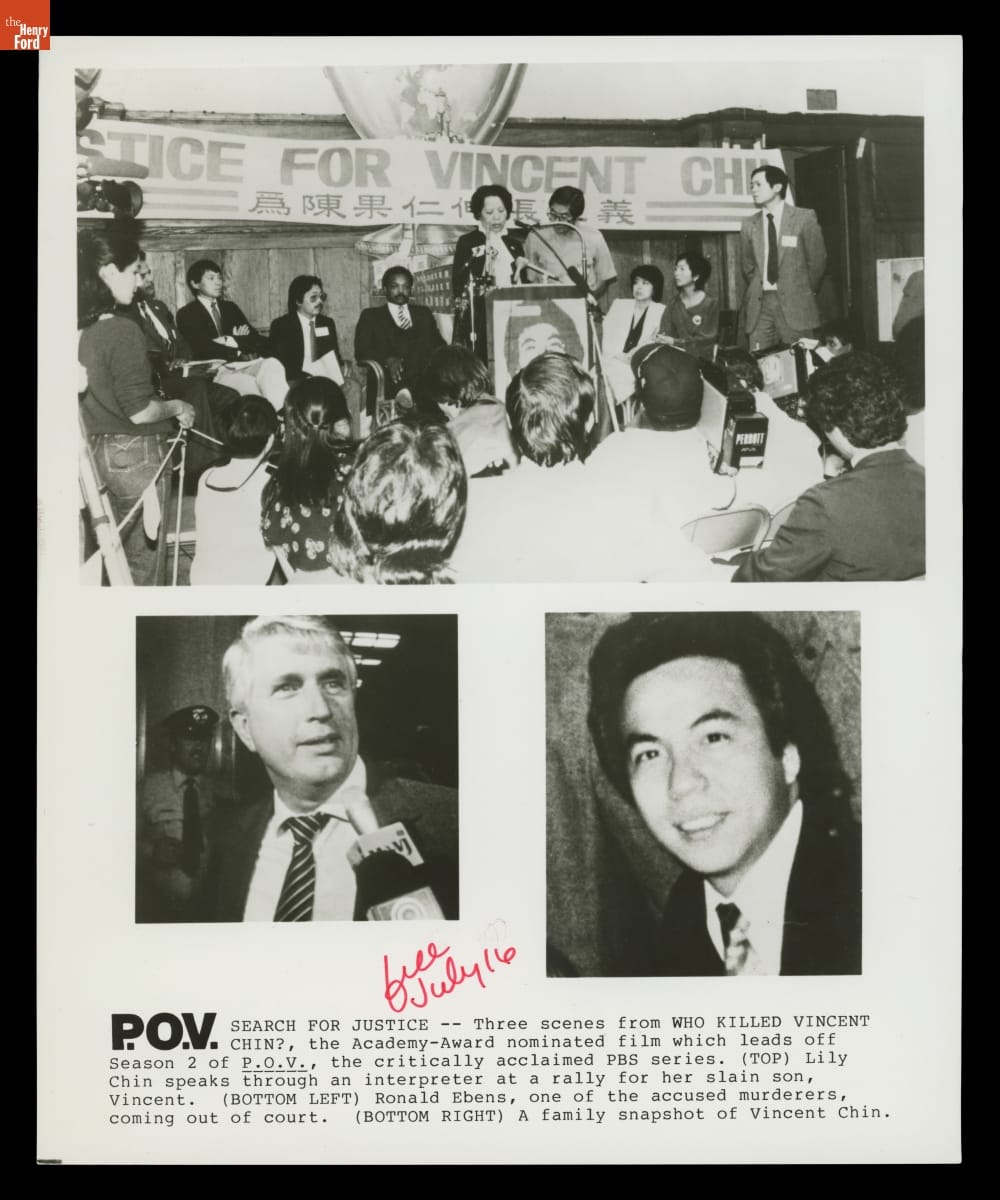
"Justice for Vincent Chin," July 11, 1989
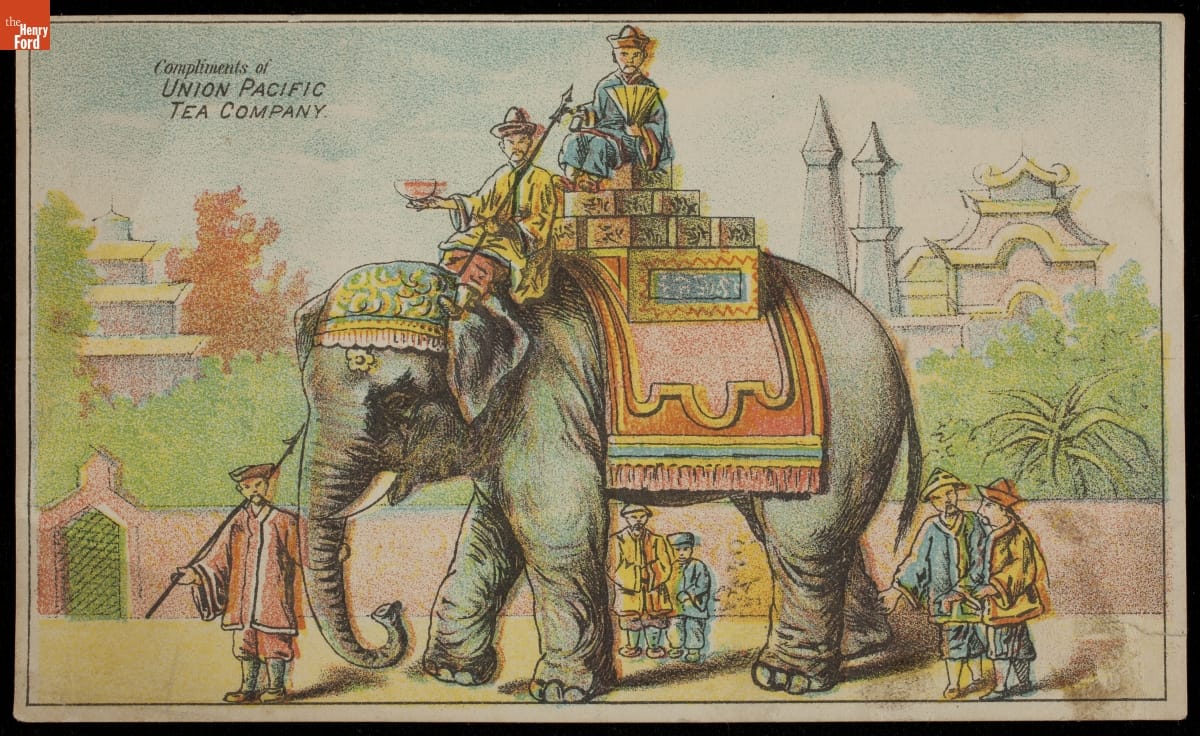
- Trade Card for Tea and Coffee, Union Pacific Tea Co., 1890-1900 - In the last third of the nineteenth century, an unprecedented variety of consumer goods and services flooded the American market. Advertisers, armed with new methods of color printing, bombarded potential customers with trade cards. Americans enjoyed and often saved the vibrant little advertisements found in product packages or distributed by local merchants. Many survive as historical records of commercialism in the United States.
- 1890-1900
- Collections - Artifact
Trade Card for Tea and Coffee, Union Pacific Tea Co., 1890-1900
In the last third of the nineteenth century, an unprecedented variety of consumer goods and services flooded the American market. Advertisers, armed with new methods of color printing, bombarded potential customers with trade cards. Americans enjoyed and often saved the vibrant little advertisements found in product packages or distributed by local merchants. Many survive as historical records of commercialism in the United States.
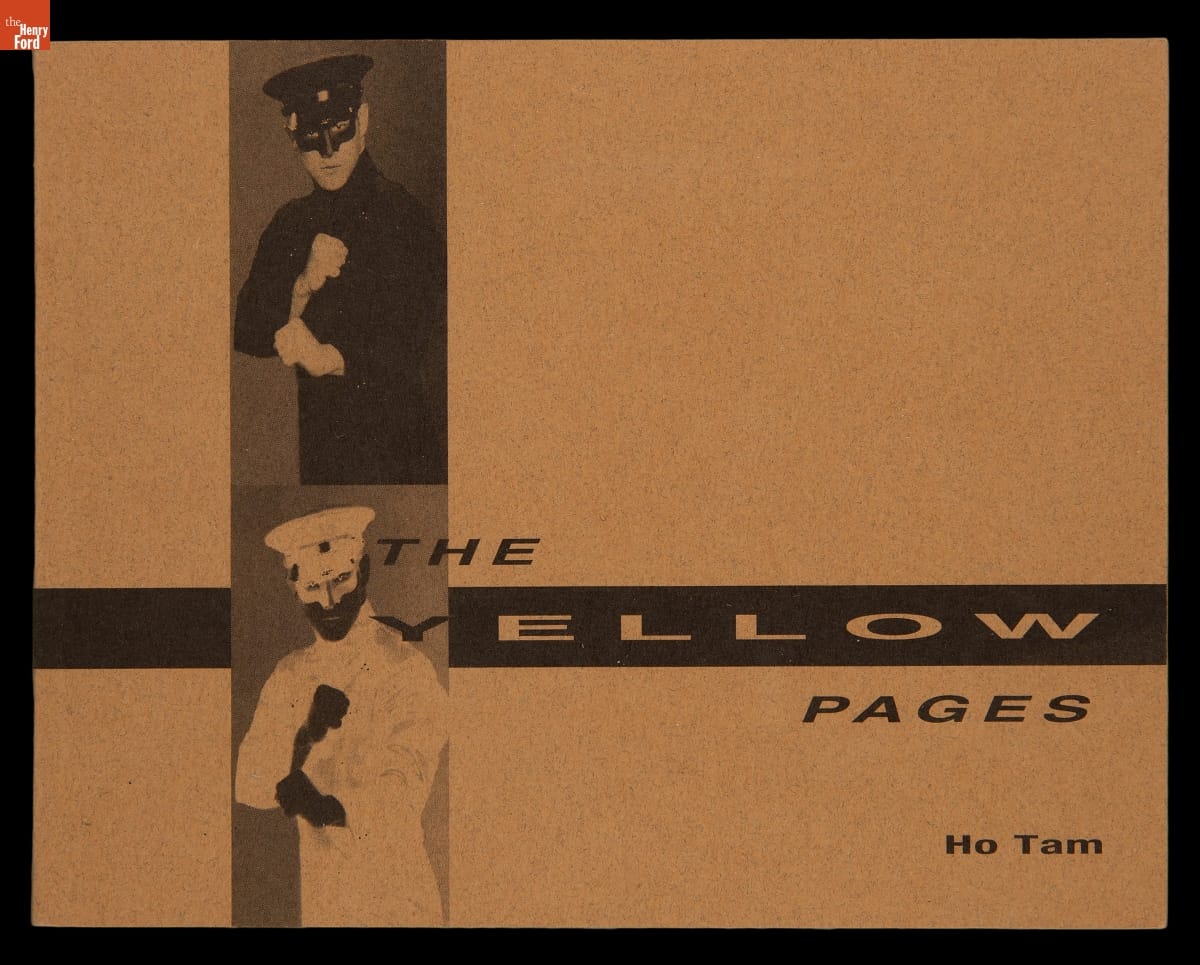
- "The Yellow Pages," 1998 -
- 1998
- Collections - Artifact
"The Yellow Pages," 1998
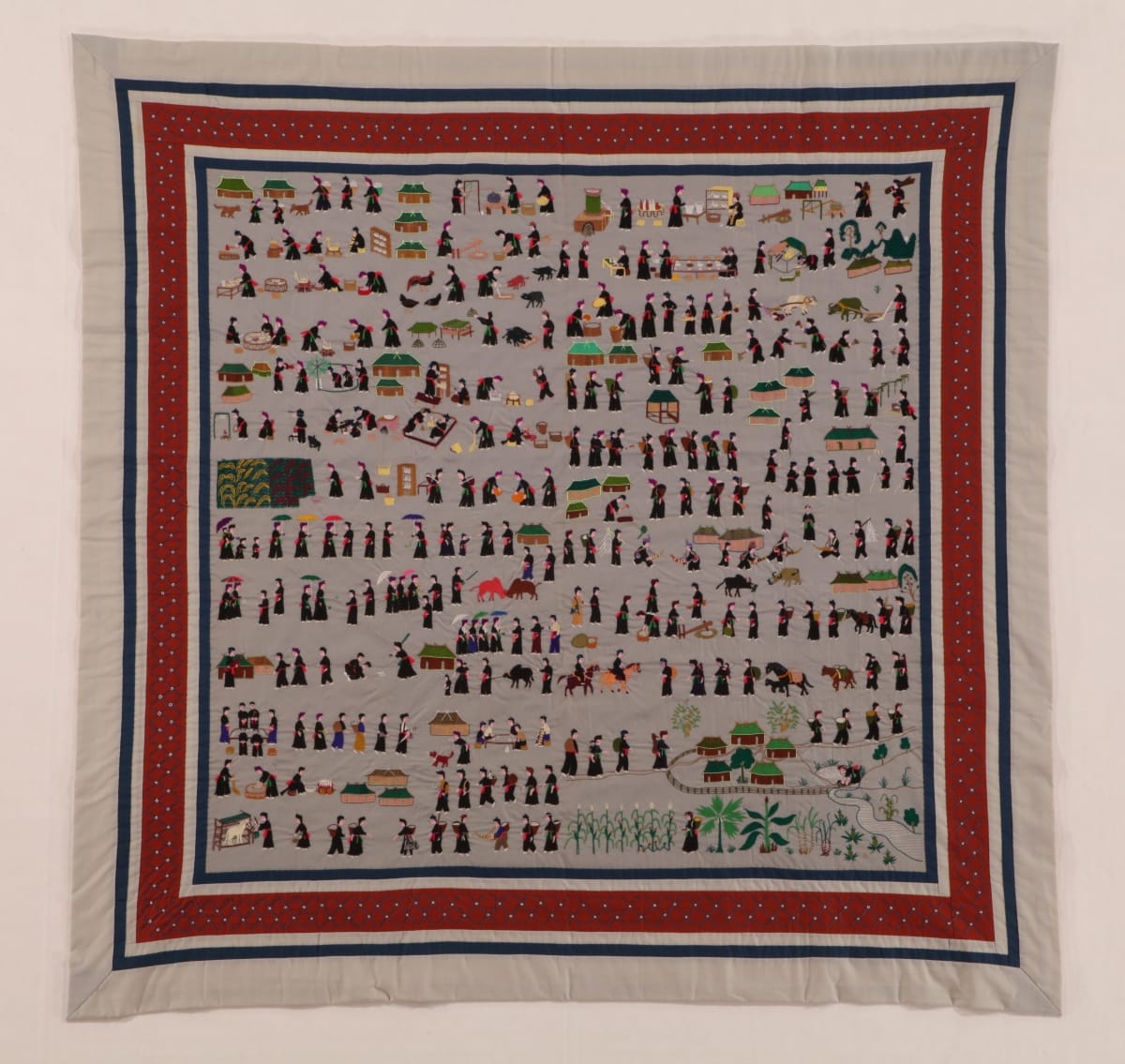
- Hmong Story Cloth by Moah Thao, 1987-1988 - Hmong refugee Moah Thao embroidered this quilt with scenes of life in the Laos village that she had left behind. Hmong refugees were destitute, so missionaries at the refugee camps in Thailand encouraged women to produce items for sale to western markets--embroidering their experiences onto textile squares for an American audience. While needlework skills are traditional to Hmong culture, story cloths are not.
- 1987-1988
- Collections - Artifact
Hmong Story Cloth by Moah Thao, 1987-1988
Hmong refugee Moah Thao embroidered this quilt with scenes of life in the Laos village that she had left behind. Hmong refugees were destitute, so missionaries at the refugee camps in Thailand encouraged women to produce items for sale to western markets--embroidering their experiences onto textile squares for an American audience. While needlework skills are traditional to Hmong culture, story cloths are not.
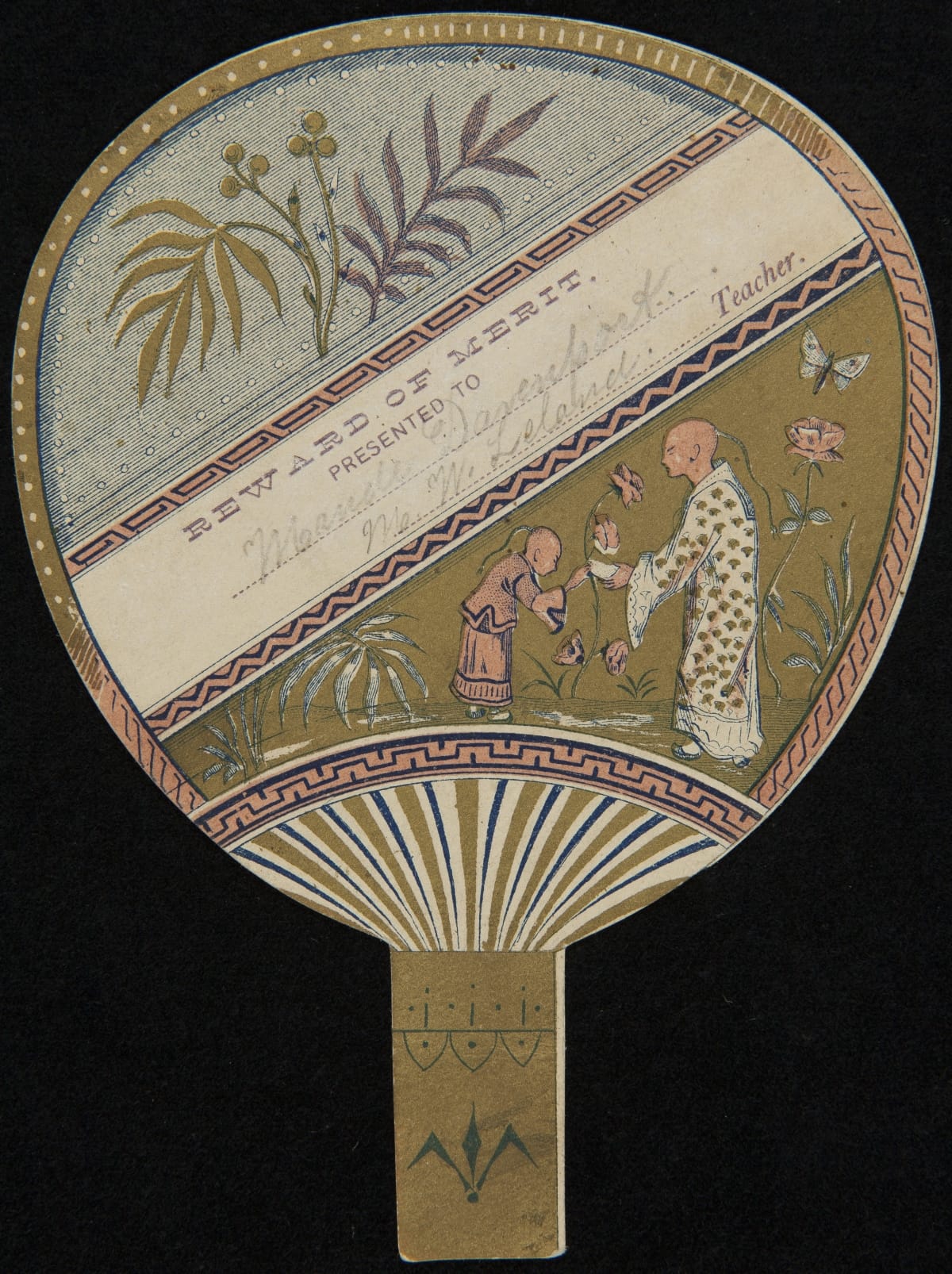
- School Reward of Merit Given to Maude Davenport by Her Teacher M. W. Leland, circa 1880 - During the nineteenth-century, teachers recognized students with paper "rewards of merit." These small tokens commended a student's excellent work, perfect attendance, good behavior or other noteworthy accomplishment. Some contained simple handwritten sentiments from the teacher to the pupil. Many were printed and colorful, with space available to write in the student's name as well as their own.
- circa 1880
- Collections - Artifact
School Reward of Merit Given to Maude Davenport by Her Teacher M. W. Leland, circa 1880
During the nineteenth-century, teachers recognized students with paper "rewards of merit." These small tokens commended a student's excellent work, perfect attendance, good behavior or other noteworthy accomplishment. Some contained simple handwritten sentiments from the teacher to the pupil. Many were printed and colorful, with space available to write in the student's name as well as their own.
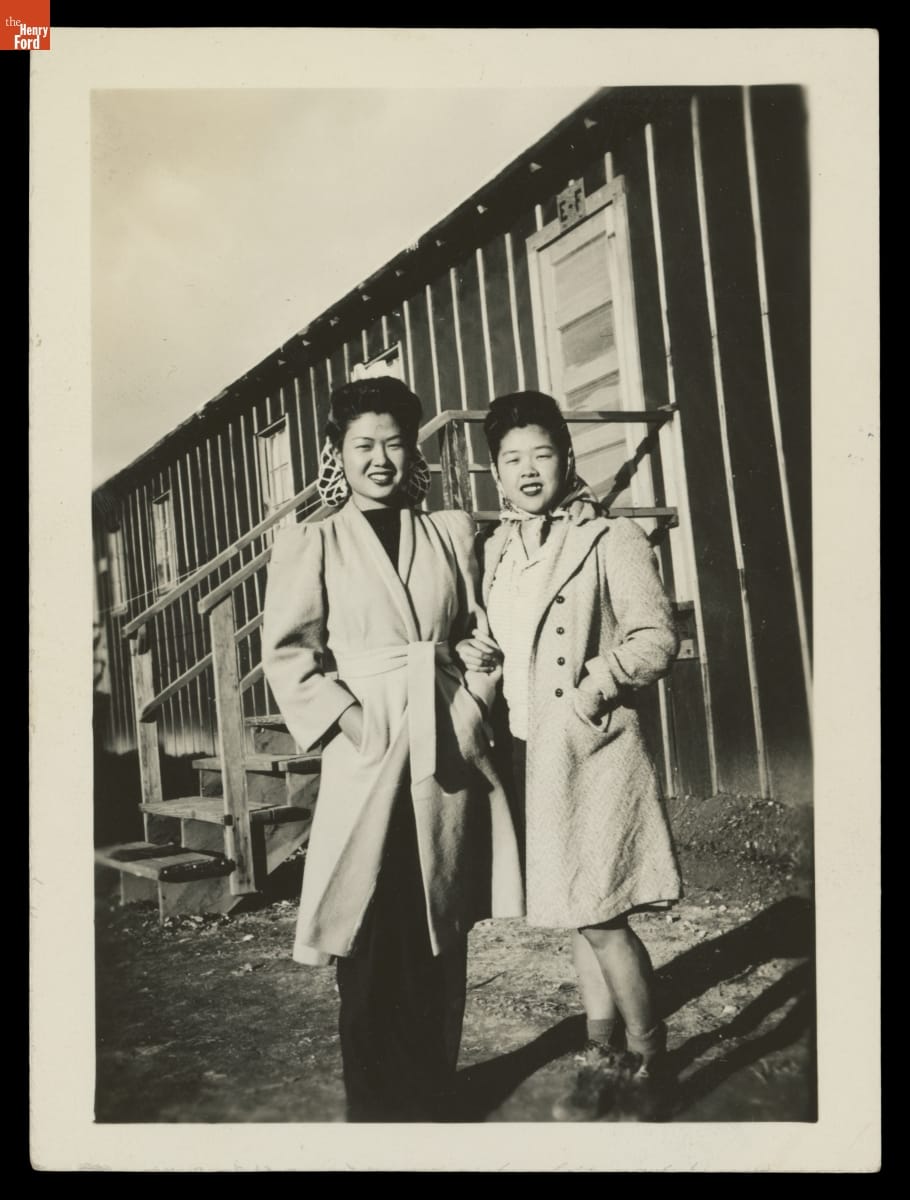
- Michiko Iseri and Tayeko Iseri at the Heart Mountain Japanese Relocation Center, 1942-1944 - During World War II, the War Relocation Authority removed and unjustly incarcerated more than 120,000 Americans of Japanese ancestry into War Relocation Camps. Michiko Iseri (left) taught traditional Asian dances to other internees at the Heart Mountain, Wyoming camp. Michiko continued to teach dance after being released in 1944 and is remembered for her choreography in Rodgers and Hammerstein's <em>The King and I</em> in the 1950s.
- 1942-1944
- Collections - Artifact
Michiko Iseri and Tayeko Iseri at the Heart Mountain Japanese Relocation Center, 1942-1944
During World War II, the War Relocation Authority removed and unjustly incarcerated more than 120,000 Americans of Japanese ancestry into War Relocation Camps. Michiko Iseri (left) taught traditional Asian dances to other internees at the Heart Mountain, Wyoming camp. Michiko continued to teach dance after being released in 1944 and is remembered for her choreography in Rodgers and Hammerstein's The King and I in the 1950s.