
Search
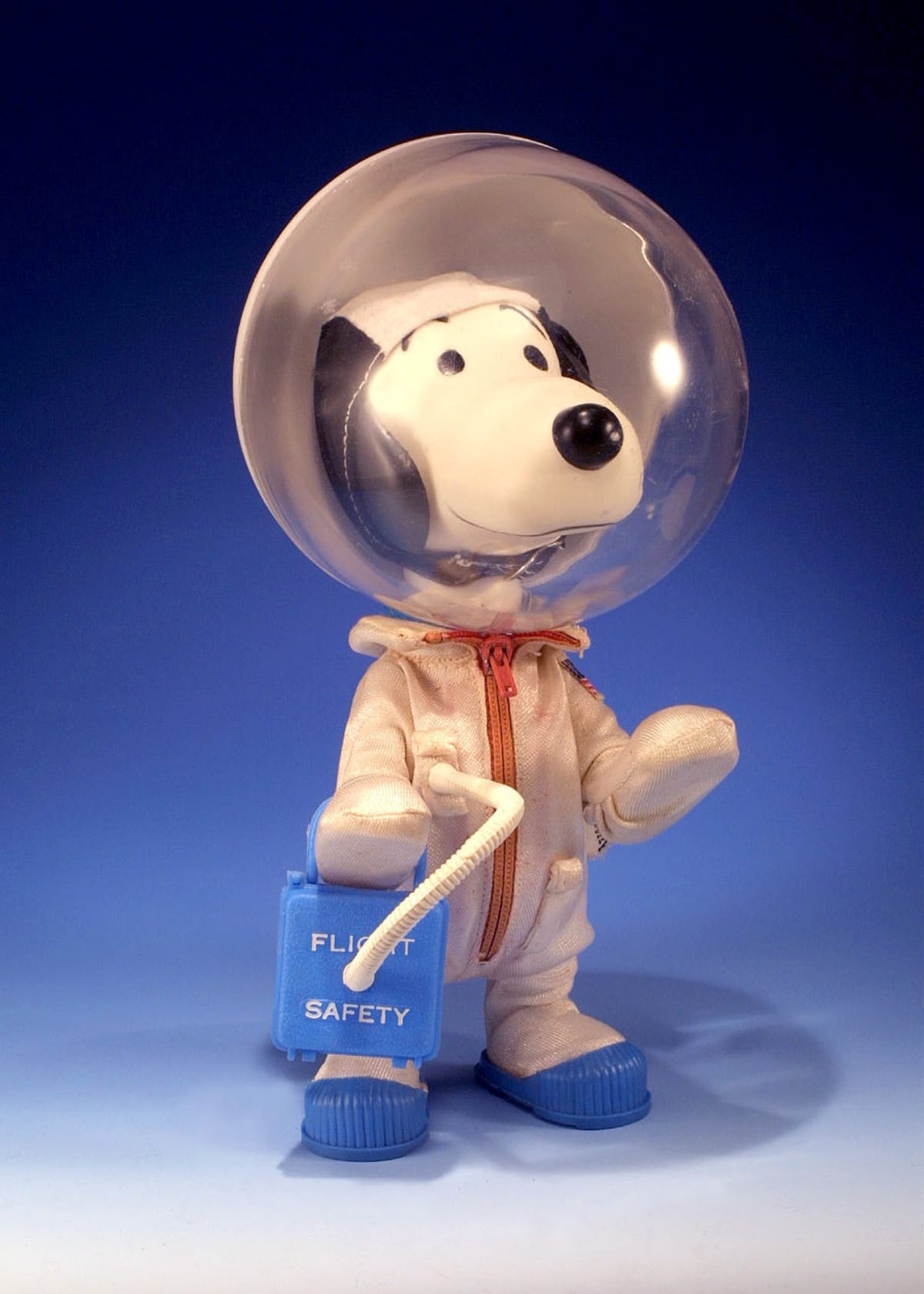
- Snoopy Toy Commemorating Apollo 11 Landing on Moon, 1969 - Charlie Brown's dog Snoopy was no ordinary dog. He walked on two legs, showed a rebellious streak, and daydreamed of being "World Famous." Four months before a real man landed on the moon, Snoopy appeared in a "Peanuts" comic strip as "the World Famous Astronaut" walking on the moon. This Peanuts Pocket Doll commemorates the 1969 moon landing.
- 1969
- Collections - Artifact
Snoopy Toy Commemorating Apollo 11 Landing on Moon, 1969
Charlie Brown's dog Snoopy was no ordinary dog. He walked on two legs, showed a rebellious streak, and daydreamed of being "World Famous." Four months before a real man landed on the moon, Snoopy appeared in a "Peanuts" comic strip as "the World Famous Astronaut" walking on the moon. This Peanuts Pocket Doll commemorates the 1969 moon landing.
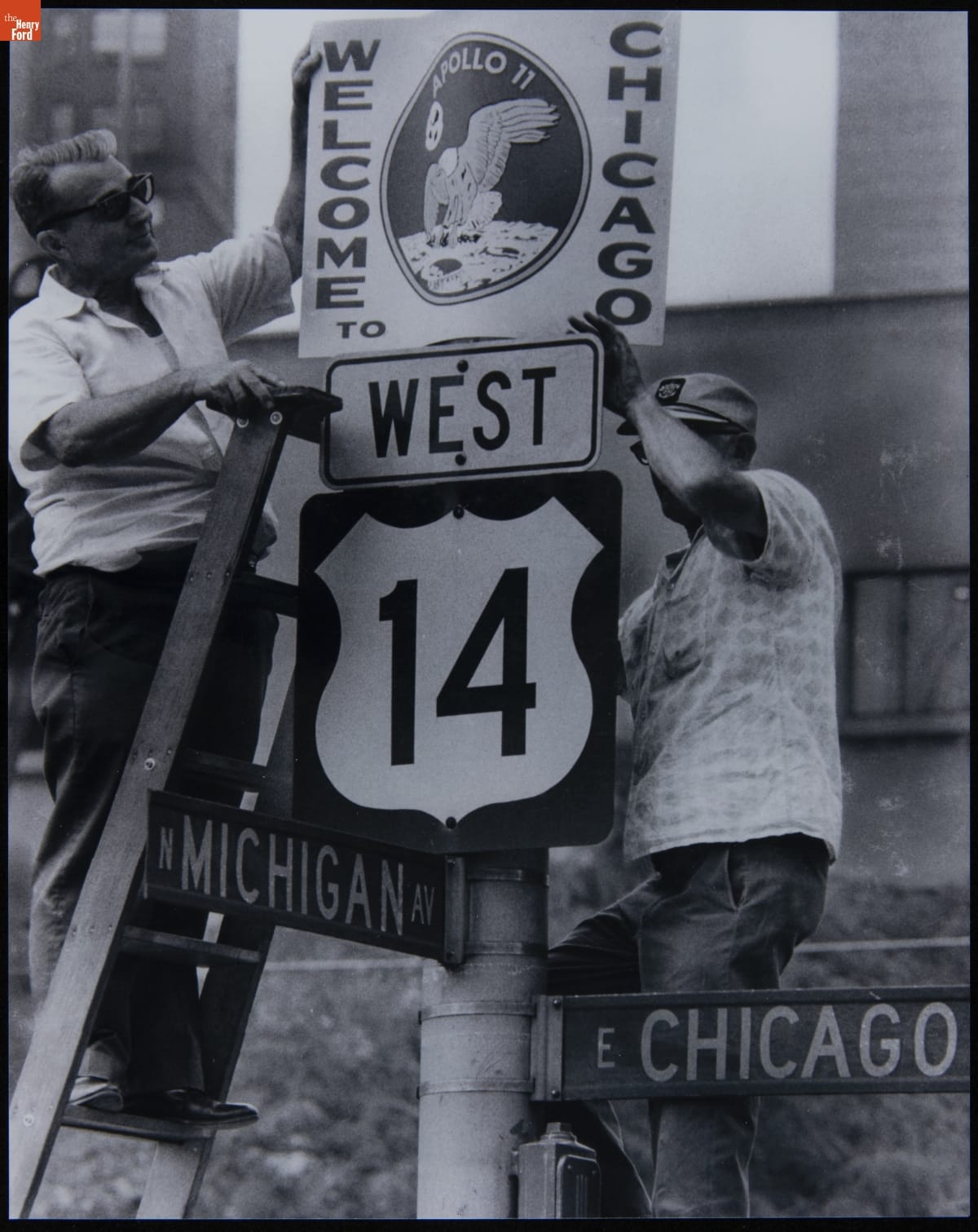
- Workers Installing a Sign for the Ticker Tape Parade Honoring the Apollo 11 Astronauts, August 13, 1969 - The crew of Apollo 11 -- Neil Armstrong, Edwin "Buzz" Aldrin (the first men to walk on the Moon) and Michael Collins (command module pilot) -- were given a hero's welcome upon their return from space. On August 13, 1969, Chicago, Illinois, hosted a ticker-tape parade for the astronauts. This photograph shows workers placing a sign along the parade route.
- August 13, 1969
- Collections - Artifact
Workers Installing a Sign for the Ticker Tape Parade Honoring the Apollo 11 Astronauts, August 13, 1969
The crew of Apollo 11 -- Neil Armstrong, Edwin "Buzz" Aldrin (the first men to walk on the Moon) and Michael Collins (command module pilot) -- were given a hero's welcome upon their return from space. On August 13, 1969, Chicago, Illinois, hosted a ticker-tape parade for the astronauts. This photograph shows workers placing a sign along the parade route.
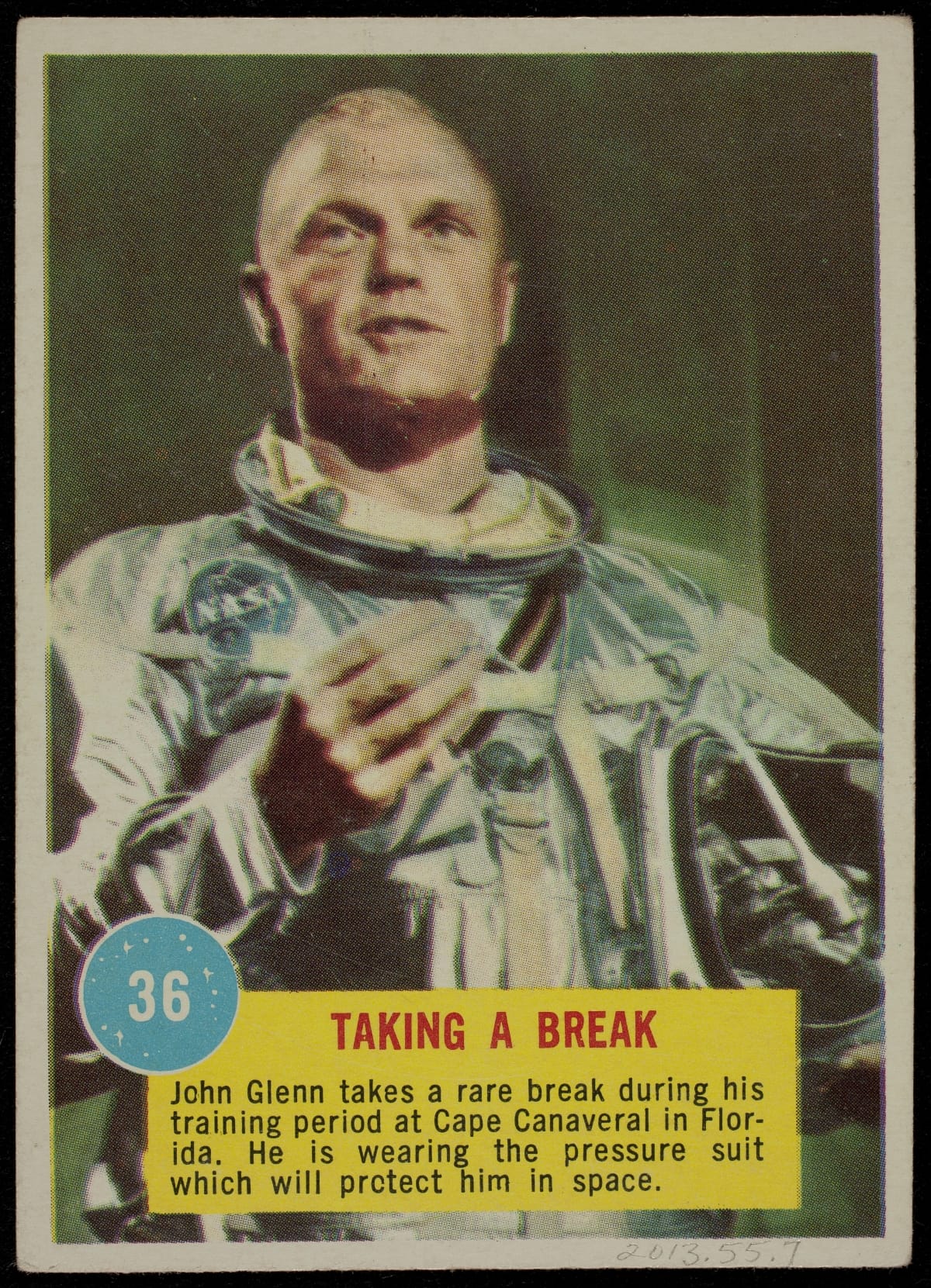
- Topps Astronaut Trading Card, "Taking a Break," 1963 - President John F. Kennedy's vision to explore the "new frontier" of space ignited the public's imagination. Pictorial souvenir cards like this helped generate excitement about the latest achievements in the space program. The U.S. astronauts and their accomplishments dominate the card fronts, while the backs show drawings that blend elements of science fiction and fantasy-requiring 3-D glasses to view.
- 1962
- Collections - Artifact
Topps Astronaut Trading Card, "Taking a Break," 1963
President John F. Kennedy's vision to explore the "new frontier" of space ignited the public's imagination. Pictorial souvenir cards like this helped generate excitement about the latest achievements in the space program. The U.S. astronauts and their accomplishments dominate the card fronts, while the backs show drawings that blend elements of science fiction and fantasy-requiring 3-D glasses to view.
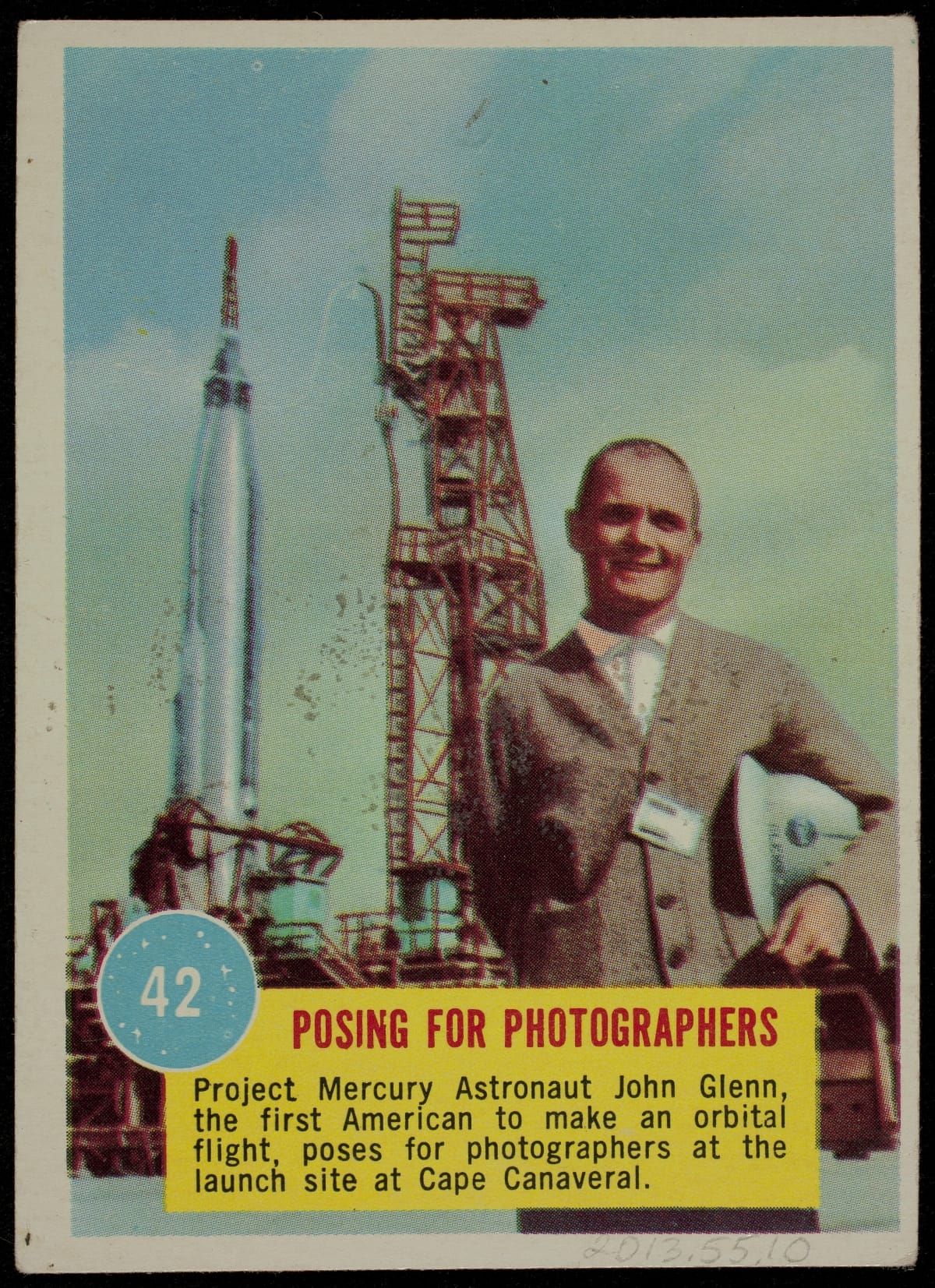
- Topps Astronaut Trading Card, "Posing for Photographers," 1963 - President John F. Kennedy's vision to explore the "new frontier" of space ignited the public's imagination. Pictorial souvenir cards like this helped generate excitement about the latest achievements in the space program. The U.S. astronauts and their accomplishments dominate the card fronts, while the backs show drawings that blend elements of science fiction and fantasy-requiring 3-D glasses to view.
- 1962
- Collections - Artifact
Topps Astronaut Trading Card, "Posing for Photographers," 1963
President John F. Kennedy's vision to explore the "new frontier" of space ignited the public's imagination. Pictorial souvenir cards like this helped generate excitement about the latest achievements in the space program. The U.S. astronauts and their accomplishments dominate the card fronts, while the backs show drawings that blend elements of science fiction and fantasy-requiring 3-D glasses to view.
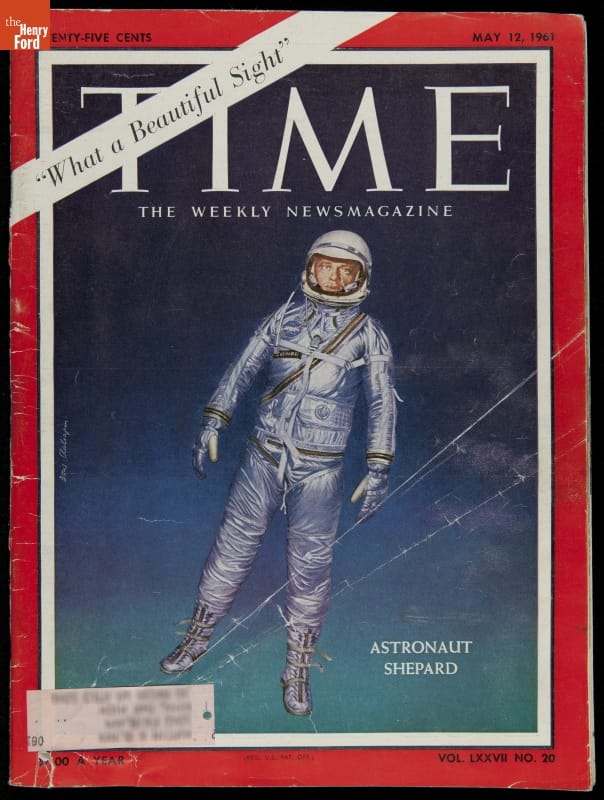
- Time Magazine for May 12, 1961, "Astronaut Shepard" - President John F. Kennedy's vision to explore the "new frontier" of space was an overt Cold War strategy against the Soviet Union which launched the first man in space April 12, 1961. This cover story featured the first U.S astronaut in space, Alan Shepard. His Freedom 7 capsule reached 116.5 miles above the earth before splashing down on May 5, 1961.
- May 12, 1961
- Collections - Artifact
Time Magazine for May 12, 1961, "Astronaut Shepard"
President John F. Kennedy's vision to explore the "new frontier" of space was an overt Cold War strategy against the Soviet Union which launched the first man in space April 12, 1961. This cover story featured the first U.S astronaut in space, Alan Shepard. His Freedom 7 capsule reached 116.5 miles above the earth before splashing down on May 5, 1961.
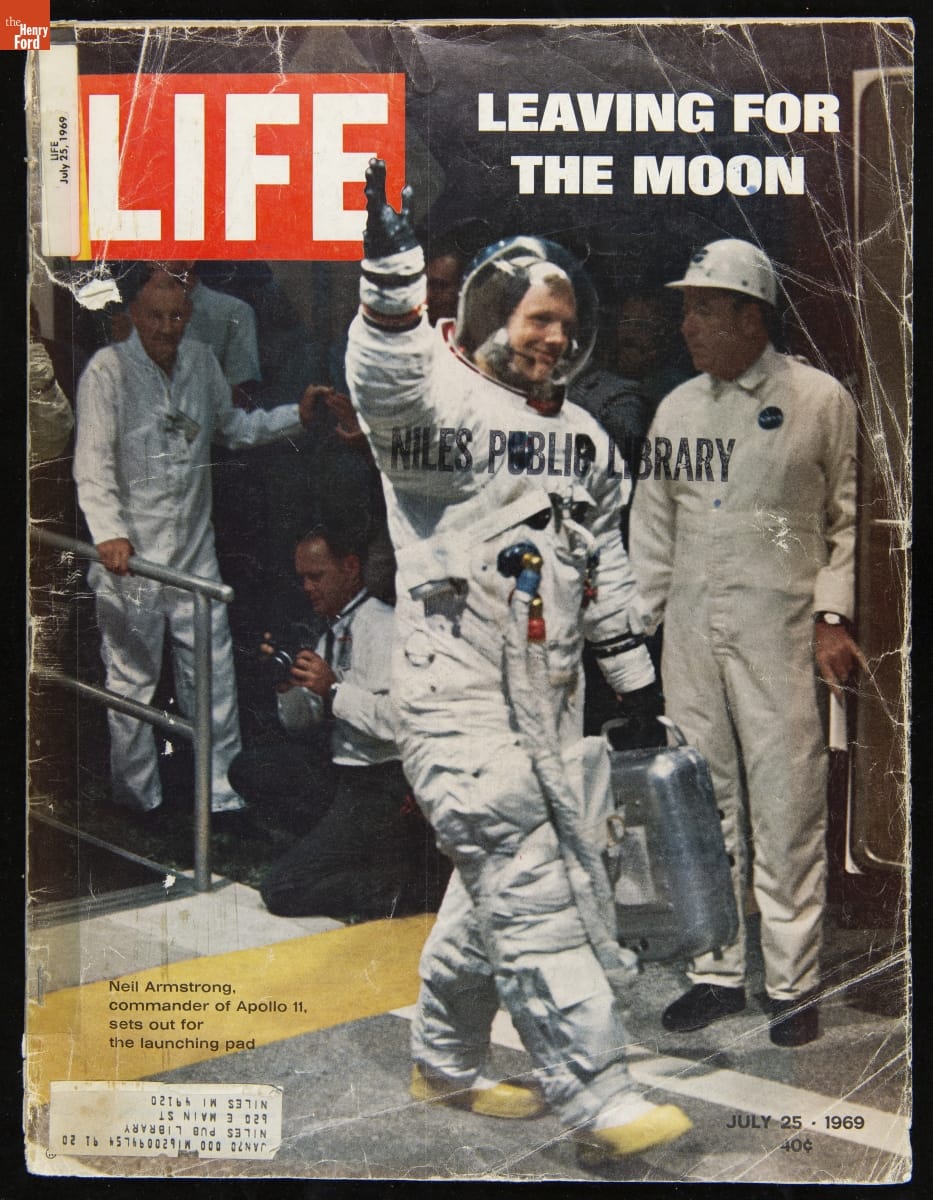
- Life Magazine, "Leaving for the Moon," July 25, 1969 - In July 1969, the ambitious plan to land a person on the Moon--laid out by President John F. Kennedy less than a decade earlier--neared reality. Americans eagerly anticipated the Apollo 11 mission, during which astronauts would walk on the Moon. <em>Life</em> magazine produced several issues before and after the event to keep the public informed on this historic undertaking.
- July 25, 1969
- Collections - Artifact
Life Magazine, "Leaving for the Moon," July 25, 1969
In July 1969, the ambitious plan to land a person on the Moon--laid out by President John F. Kennedy less than a decade earlier--neared reality. Americans eagerly anticipated the Apollo 11 mission, during which astronauts would walk on the Moon. Life magazine produced several issues before and after the event to keep the public informed on this historic undertaking.
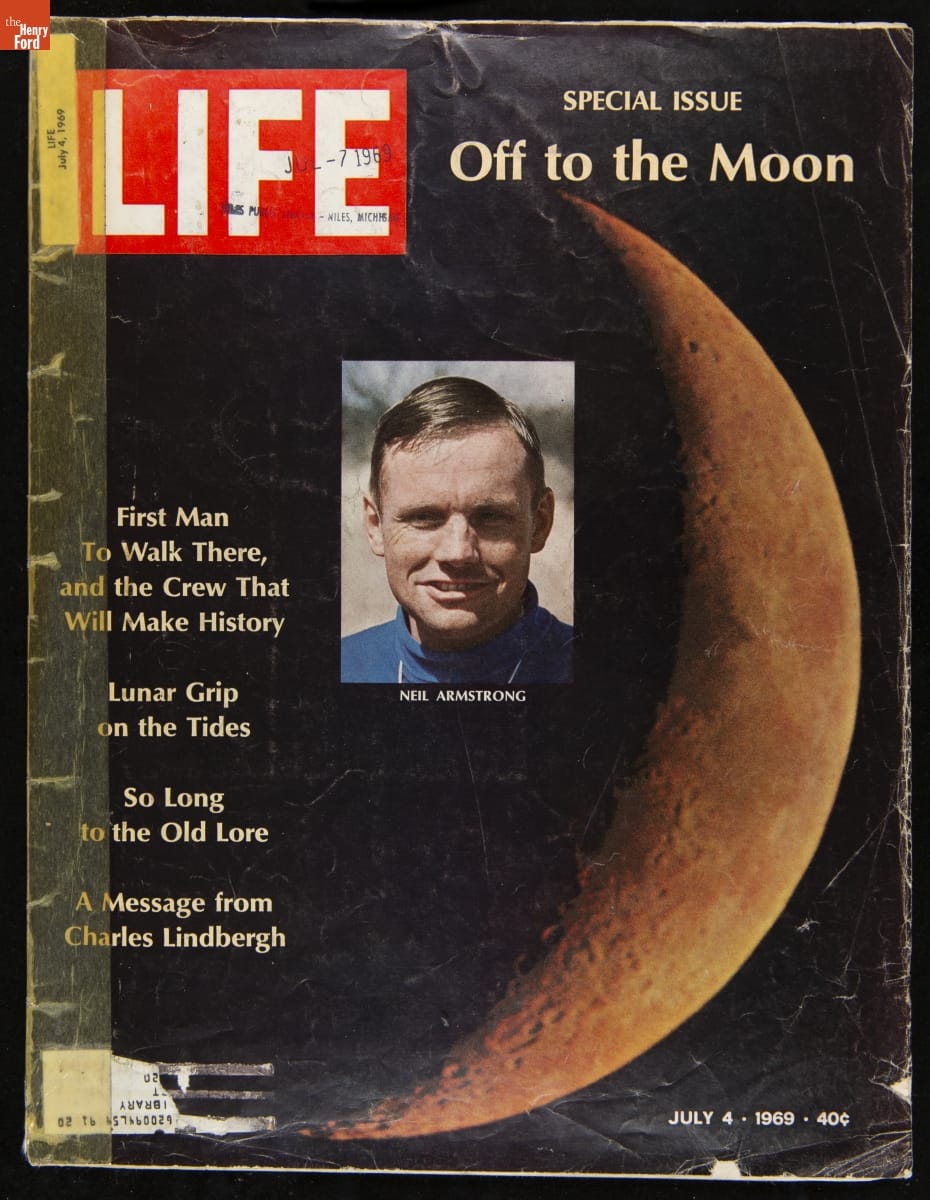
- Life Magazine Special Issue, "Off to the Moon," July 4, 1969 - In July 1969, the ambitious plan to land a person on the Moon--laid out by President John F. Kennedy less than a decade earlier--neared reality. Americans eagerly anticipated the Apollo 11 mission, during which astronauts would walk on the Moon. <em>Life</em> magazine produced several issues before and after the event to keep the public informed on this historic undertaking.
- July 04, 1969
- Collections - Artifact
Life Magazine Special Issue, "Off to the Moon," July 4, 1969
In July 1969, the ambitious plan to land a person on the Moon--laid out by President John F. Kennedy less than a decade earlier--neared reality. Americans eagerly anticipated the Apollo 11 mission, during which astronauts would walk on the Moon. Life magazine produced several issues before and after the event to keep the public informed on this historic undertaking.
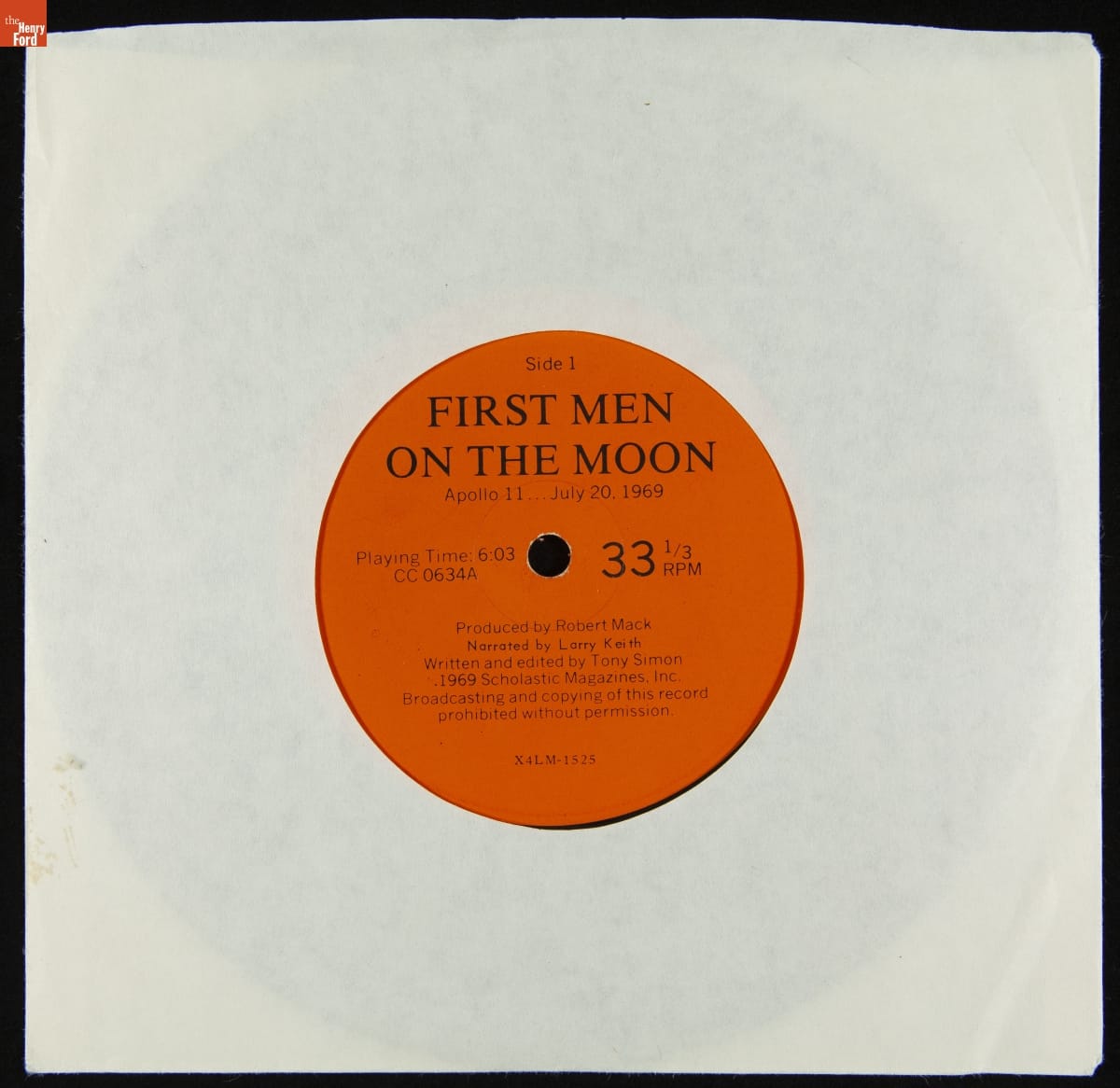
- Record Album, "First Men on the Moon," 1969 - Scholastic Magazines, Inc., a well-respected educational publisher founded in the 1920s, produced this documentary record commemorating the 1969 Apollo 11 Moon landing. The album uses narration and excerpts from official NASA transcripts to recreate this significant event. The Scholastic company also produced a poster with space imagery and the album's text on the back so young readers could follow along.
- 1969
- Collections - Artifact
Record Album, "First Men on the Moon," 1969
Scholastic Magazines, Inc., a well-respected educational publisher founded in the 1920s, produced this documentary record commemorating the 1969 Apollo 11 Moon landing. The album uses narration and excerpts from official NASA transcripts to recreate this significant event. The Scholastic company also produced a poster with space imagery and the album's text on the back so young readers could follow along.
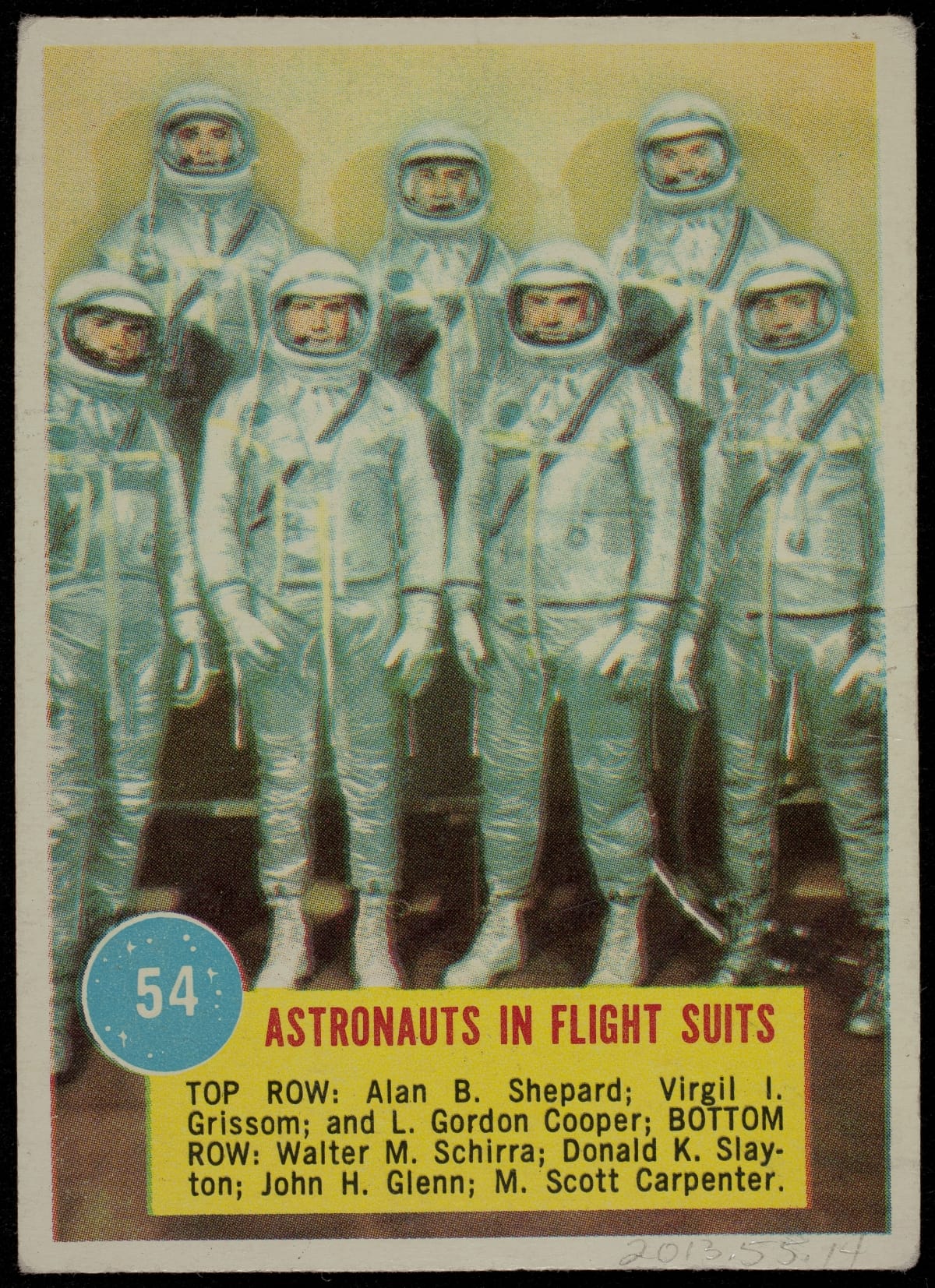
- Topps Astronaut Trading Card, "Astronauts in Flight Suits," 1963 - President John F. Kennedy's vision to explore the "new frontier" of space ignited the public's imagination. Pictorial souvenir cards like this helped generate excitement about the latest achievements in the space program. The U.S. astronauts and their accomplishments dominate the card fronts, while the backs show drawings that blend elements of science fiction and fantasy-requiring 3-D glasses to view.
- 1960-1962
- Collections - Artifact
Topps Astronaut Trading Card, "Astronauts in Flight Suits," 1963
President John F. Kennedy's vision to explore the "new frontier" of space ignited the public's imagination. Pictorial souvenir cards like this helped generate excitement about the latest achievements in the space program. The U.S. astronauts and their accomplishments dominate the card fronts, while the backs show drawings that blend elements of science fiction and fantasy-requiring 3-D glasses to view.
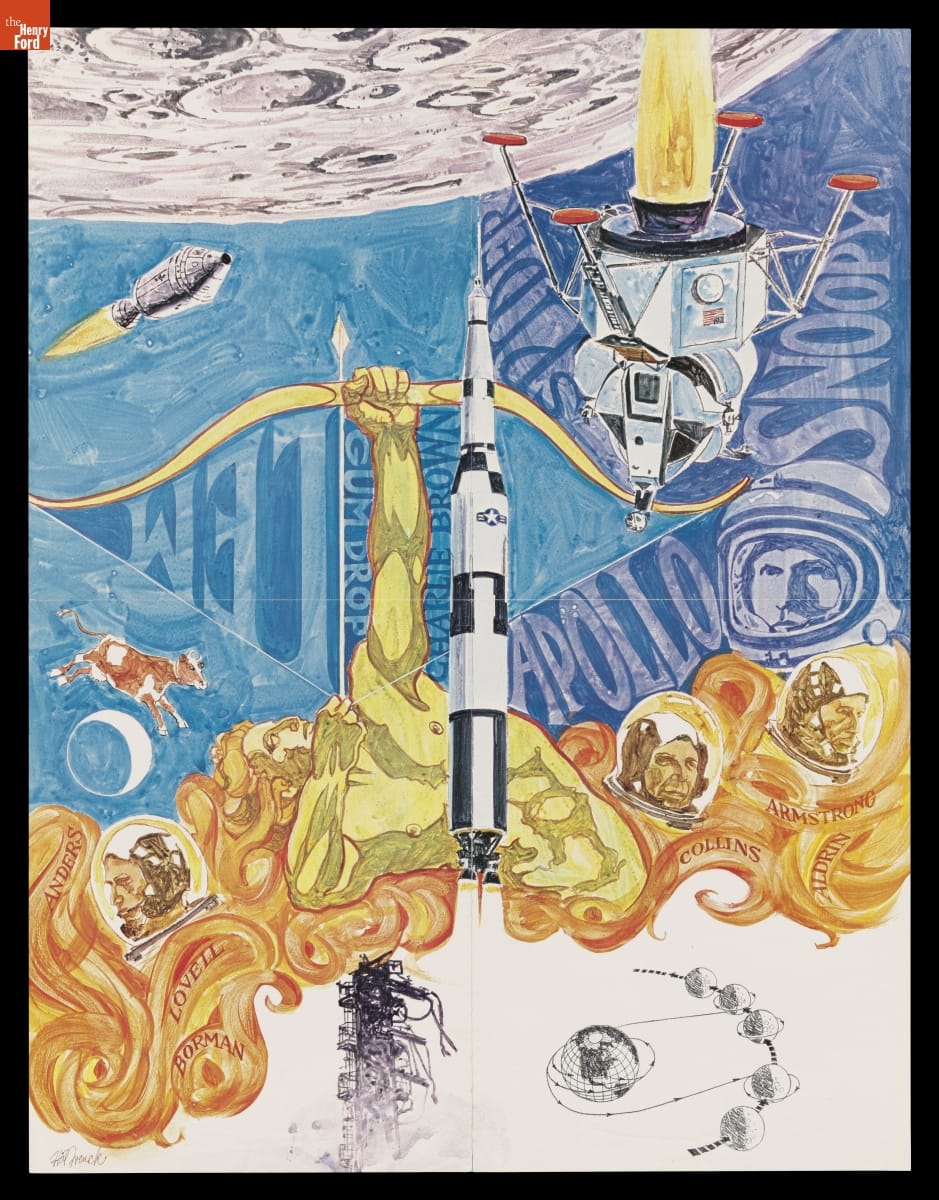
- Moon Landing Poster, 1969 - Scholastic Magazines, Inc., a well-respected educational publisher, produced this poster commemorating the Apollo Moon landing missions to accompany the documentary album "First Men on the Moon." Hal Frenck designed the poster with space imagery and the names of early Apollo astronauts and mission modules. On the back, young readers could find the album's text, which included excerpts from official NASA transcripts.
- 1969
- Collections - Artifact
Moon Landing Poster, 1969
Scholastic Magazines, Inc., a well-respected educational publisher, produced this poster commemorating the Apollo Moon landing missions to accompany the documentary album "First Men on the Moon." Hal Frenck designed the poster with space imagery and the names of early Apollo astronauts and mission modules. On the back, young readers could find the album's text, which included excerpts from official NASA transcripts.