
Search
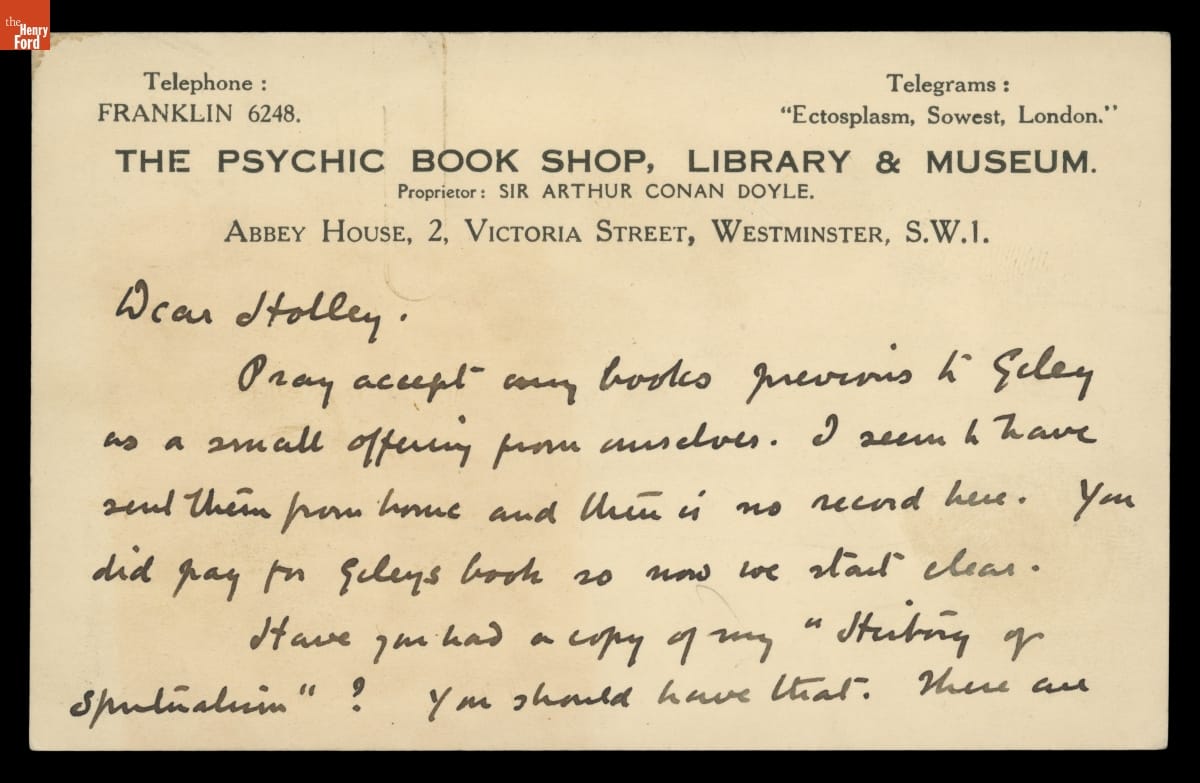
- Letter from Arthur Conan Doyle to George M. Holley, 1927-1928 - George Holley, founder of Holley Motor Company, and Sir Arthur Conan Doyle, famed author, became acquainted after Holley attended one of Doyle's lectures in Detroit. From 1923 to 1929, the two maintained a robust correspondence. Spiritualism was a frequent topic as they traded recommendations of mediums, bemoaned skeptics like Harry Houdini, and discussed the state of belief on both sides of the Atlantic.
- 1927-1928
- Collections - Artifact
Letter from Arthur Conan Doyle to George M. Holley, 1927-1928
George Holley, founder of Holley Motor Company, and Sir Arthur Conan Doyle, famed author, became acquainted after Holley attended one of Doyle's lectures in Detroit. From 1923 to 1929, the two maintained a robust correspondence. Spiritualism was a frequent topic as they traded recommendations of mediums, bemoaned skeptics like Harry Houdini, and discussed the state of belief on both sides of the Atlantic.
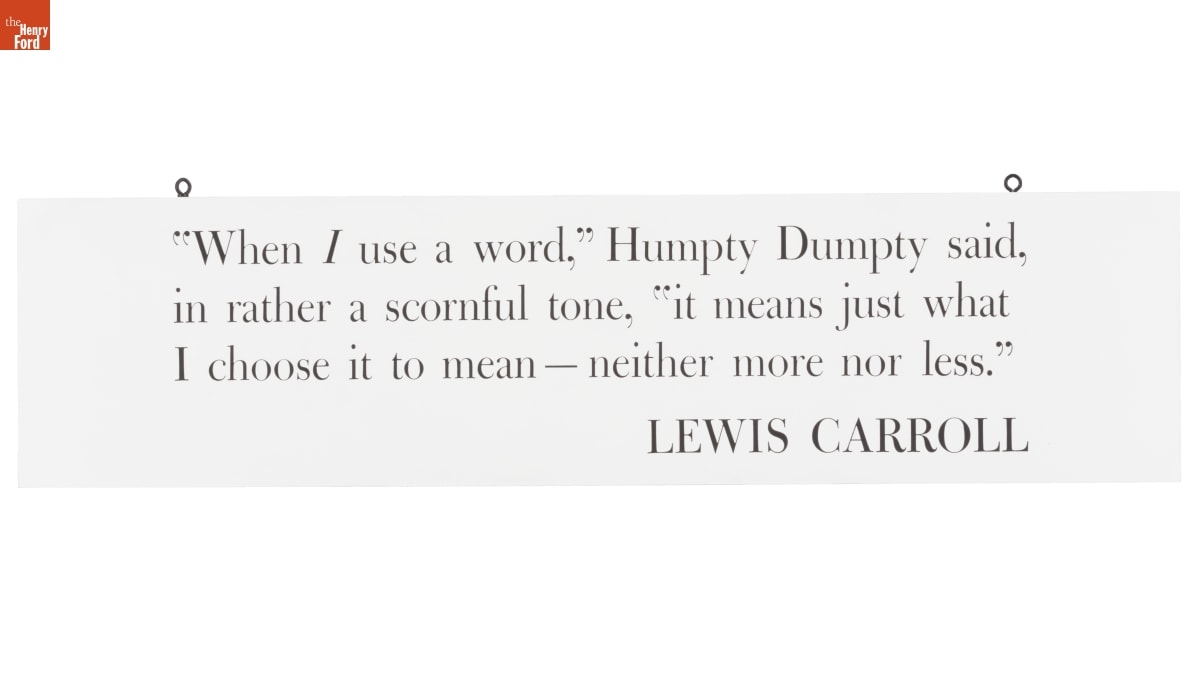
- Quotation Sign from Mathematica: A World of Numbers and Beyond Exhibition, 1960-1961 -
- 1960-1961
- Collections - Artifact
Quotation Sign from Mathematica: A World of Numbers and Beyond Exhibition, 1960-1961
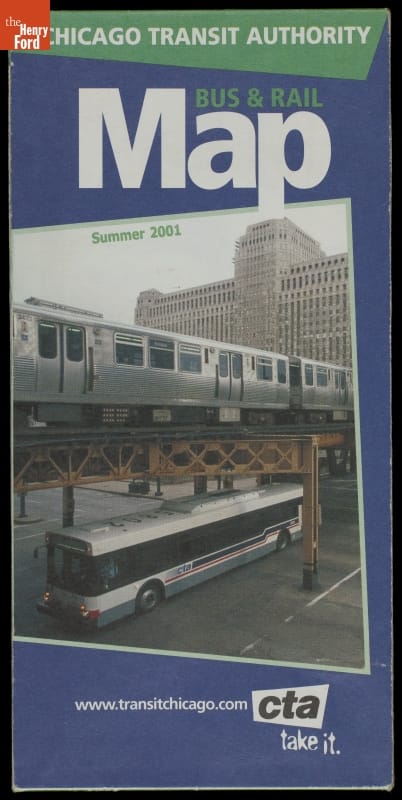
- "Chicago Transit Authority Bus and Rail Map," Summer 2001 - Chicago-area passengers could use this foldout map to find their routes. Chicago's multimodal transit system includes buses and rail. The rail system is called the 'L,' short for "elevated," though the system now includes surface and subway lines.
- 2001
- Collections - Artifact
"Chicago Transit Authority Bus and Rail Map," Summer 2001
Chicago-area passengers could use this foldout map to find their routes. Chicago's multimodal transit system includes buses and rail. The rail system is called the 'L,' short for "elevated," though the system now includes surface and subway lines.
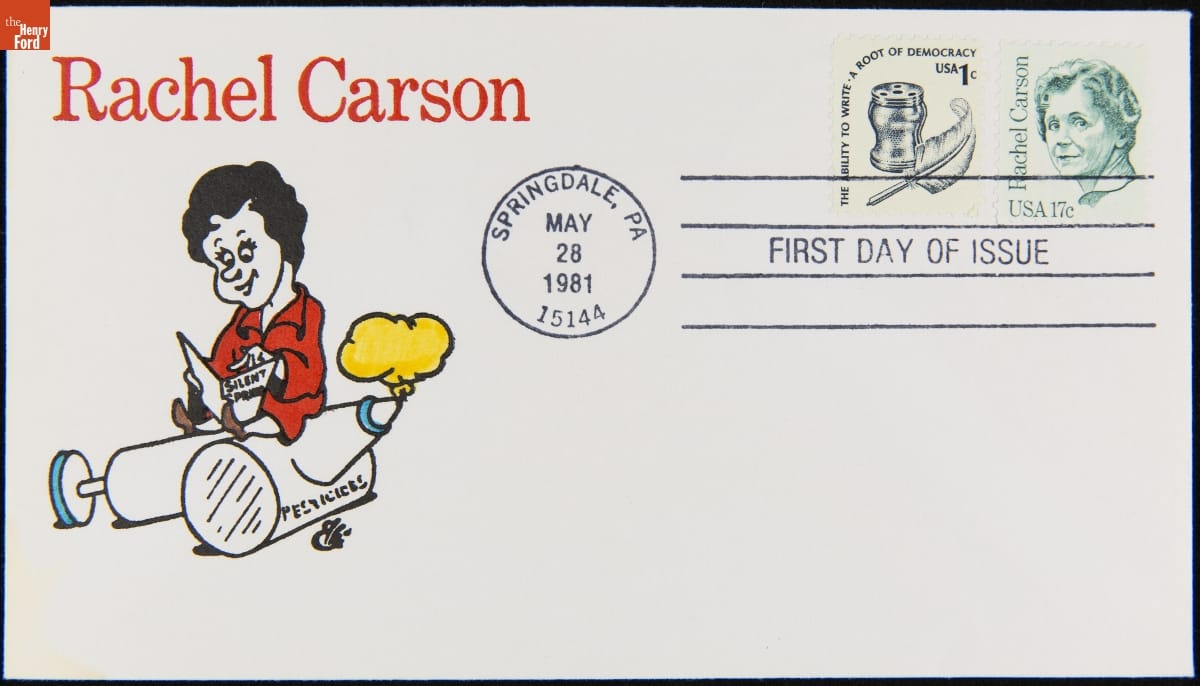
- First Day Cover Honoring Rachel Carson, May 28, 1981 - Marine biologist Rachel Carson helped spark the environmental movements of the 1960s with her book <EM>Silent Spring</EM>. It described how widespread pesticide use, in particular DDT, was harming and killing birds and other animals as well as threatening the health of humans. Her book helped the general population understand the interconnected nature of ecosystems and how localized polluting affects larger natural systems.
- May 28, 1981
- Collections - Artifact
First Day Cover Honoring Rachel Carson, May 28, 1981
Marine biologist Rachel Carson helped spark the environmental movements of the 1960s with her book Silent Spring. It described how widespread pesticide use, in particular DDT, was harming and killing birds and other animals as well as threatening the health of humans. Her book helped the general population understand the interconnected nature of ecosystems and how localized polluting affects larger natural systems.
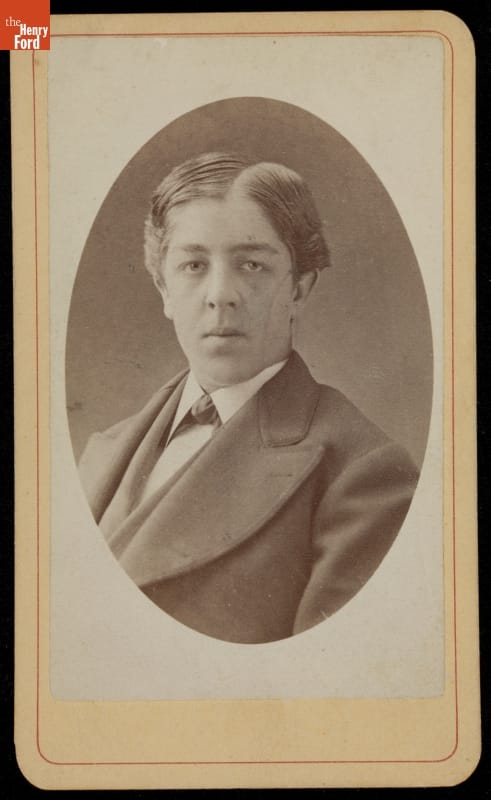
- Portrait of Oscar Wilde, circa 1870 - Around 1870, before he became a well-known writer, Oscar Wilde posed for this carte-de-visite. The carte-de-visite was a small photographic print on cardboard stock made by professional photographers. People exchanged and collected portrait cartes-de-visite, popular in the United States from the Civil War in the 1860s through the 1880s, to help them remember family and celebrities.
- circa 1870
- Collections - Artifact
Portrait of Oscar Wilde, circa 1870
Around 1870, before he became a well-known writer, Oscar Wilde posed for this carte-de-visite. The carte-de-visite was a small photographic print on cardboard stock made by professional photographers. People exchanged and collected portrait cartes-de-visite, popular in the United States from the Civil War in the 1860s through the 1880s, to help them remember family and celebrities.
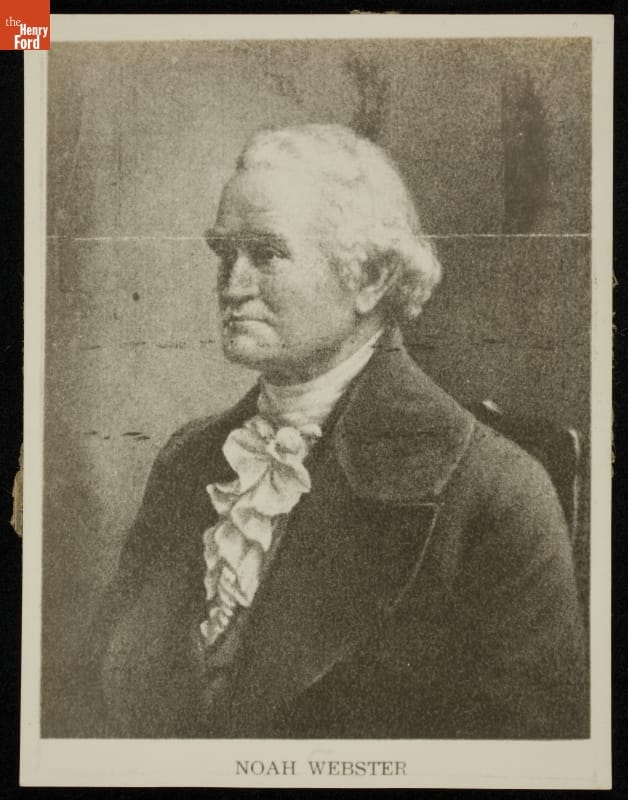
- Noah Webster, 1828-1843 - Noah Webster was an influential American educator and patriot. He is most famous for his American Dictionary of the English Language. But shortly after the American Revolution, and before the dictionary, Webster created an American spelling textbook to replace British and European books. Known as the "Blue-Backed Speller," the book was popular in American schools for more than a century.
- 1828-1843
- Collections - Artifact
Noah Webster, 1828-1843
Noah Webster was an influential American educator and patriot. He is most famous for his American Dictionary of the English Language. But shortly after the American Revolution, and before the dictionary, Webster created an American spelling textbook to replace British and European books. Known as the "Blue-Backed Speller," the book was popular in American schools for more than a century.
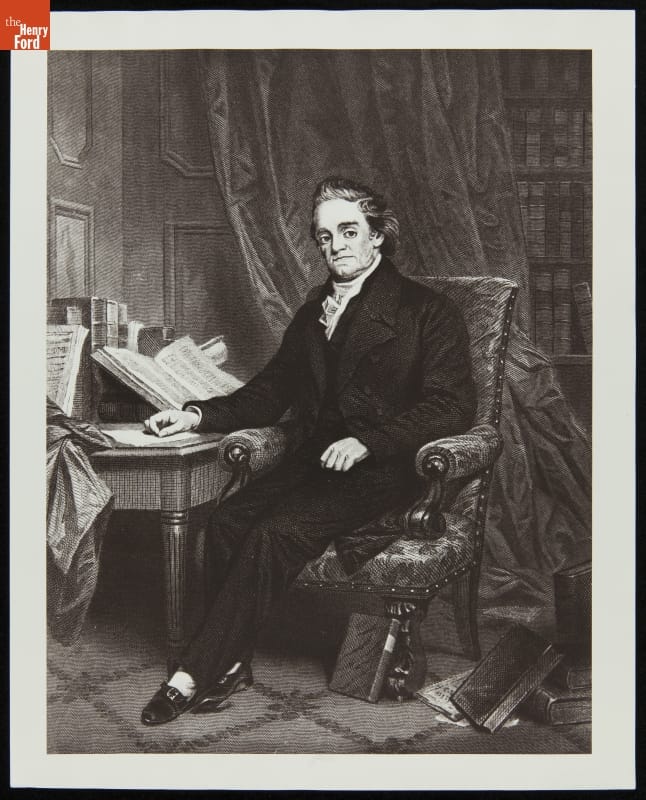
- Engraving Showing Noah Webster at His Desk, circa 1828 - Noah Webster was an influential American educator and patriot. He is most famous for his American Dictionary of the English Language. But shortly after the American Revolution, and before the dictionary, Webster created an American spelling textbook to replace British and European books. Known as the "Blue-Backed Speller," the book was popular in American schools for more than a century.
- circa 1828
- Collections - Artifact
Engraving Showing Noah Webster at His Desk, circa 1828
Noah Webster was an influential American educator and patriot. He is most famous for his American Dictionary of the English Language. But shortly after the American Revolution, and before the dictionary, Webster created an American spelling textbook to replace British and European books. Known as the "Blue-Backed Speller," the book was popular in American schools for more than a century.
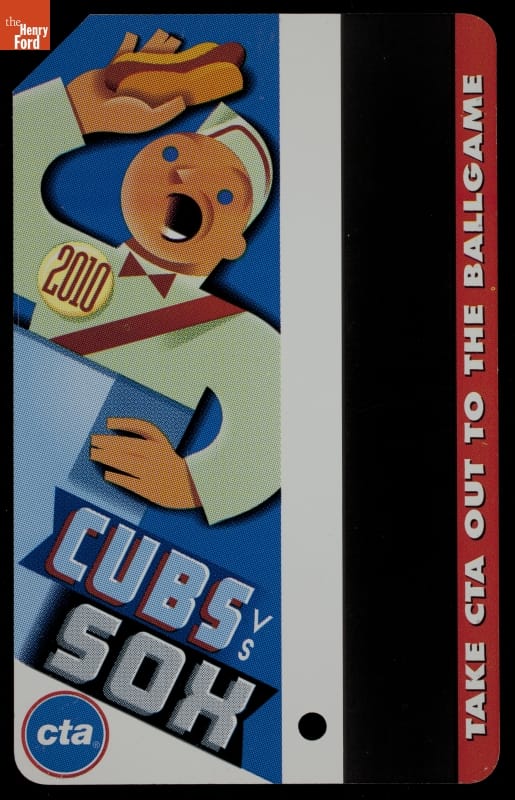
- Chicago Public Transit Fare Card, 2010 - This laminated paper transit card for Chicago Transit Authority was good for use on the city's elevated train and bus system. Unlike tokens, paper farecards with magnetic stripes can store a flexible amount of value.
- 2010
- Collections - Artifact
Chicago Public Transit Fare Card, 2010
This laminated paper transit card for Chicago Transit Authority was good for use on the city's elevated train and bus system. Unlike tokens, paper farecards with magnetic stripes can store a flexible amount of value.
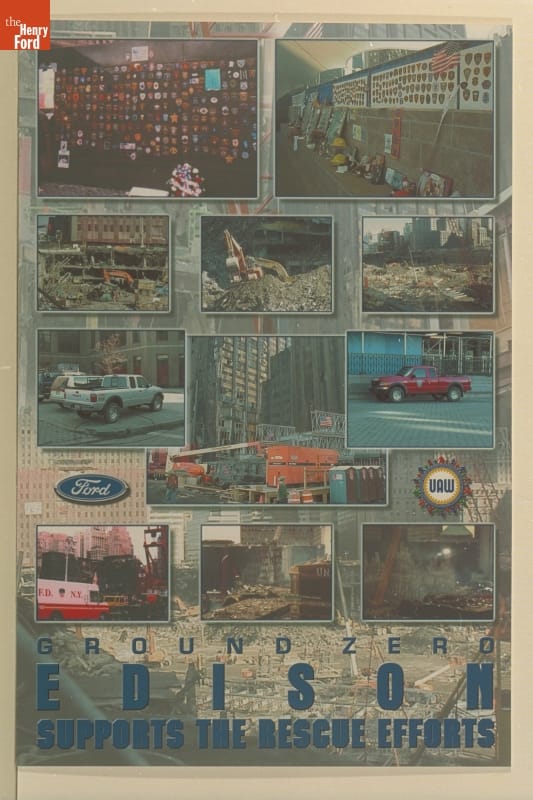
- Poster, "Ground Zero-- Edison Supports the Rescue Efforts," Ford Motor Company, 2001 - Ford Motor Company loaned 15 pickups to the New York-New Jersey Port Authority following the September 11, 2001, attack on the World Trade Center. The attack destroyed many of the Port Authority's vehicles. Ford's pickups, built at the company's plant in Edison, New Jersey, were pre-production prototypes of the Ranger FX4 -- a heavy-duty, four-wheel-drive truck with special off-road equipment.
- September 11, 2001
- Collections - Artifact
Poster, "Ground Zero-- Edison Supports the Rescue Efforts," Ford Motor Company, 2001
Ford Motor Company loaned 15 pickups to the New York-New Jersey Port Authority following the September 11, 2001, attack on the World Trade Center. The attack destroyed many of the Port Authority's vehicles. Ford's pickups, built at the company's plant in Edison, New Jersey, were pre-production prototypes of the Ranger FX4 -- a heavy-duty, four-wheel-drive truck with special off-road equipment.
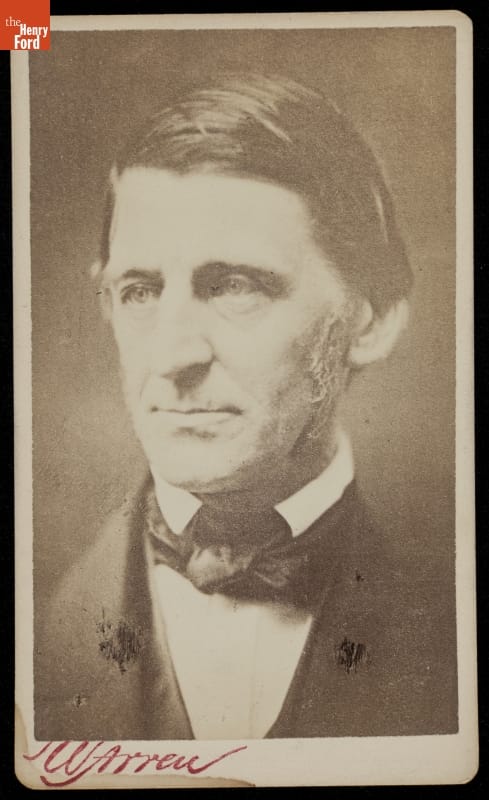
- Portrait of Ralph Waldo Emerson, circa 1865 - Well-known writer Ralph Waldo Emerson posed for this carte-de-visite in Boston around 1865. The carte-de-visite was a small photographic print on cardboard stock made by professional photographers. People exchanged and collected portrait cartes-de-visite, popular in the United States from the Civil War in the 1860s through the 1880s, to help them remember family and celebrities.
- circa 1860
- Collections - Artifact
Portrait of Ralph Waldo Emerson, circa 1865
Well-known writer Ralph Waldo Emerson posed for this carte-de-visite in Boston around 1865. The carte-de-visite was a small photographic print on cardboard stock made by professional photographers. People exchanged and collected portrait cartes-de-visite, popular in the United States from the Civil War in the 1860s through the 1880s, to help them remember family and celebrities.