
Search
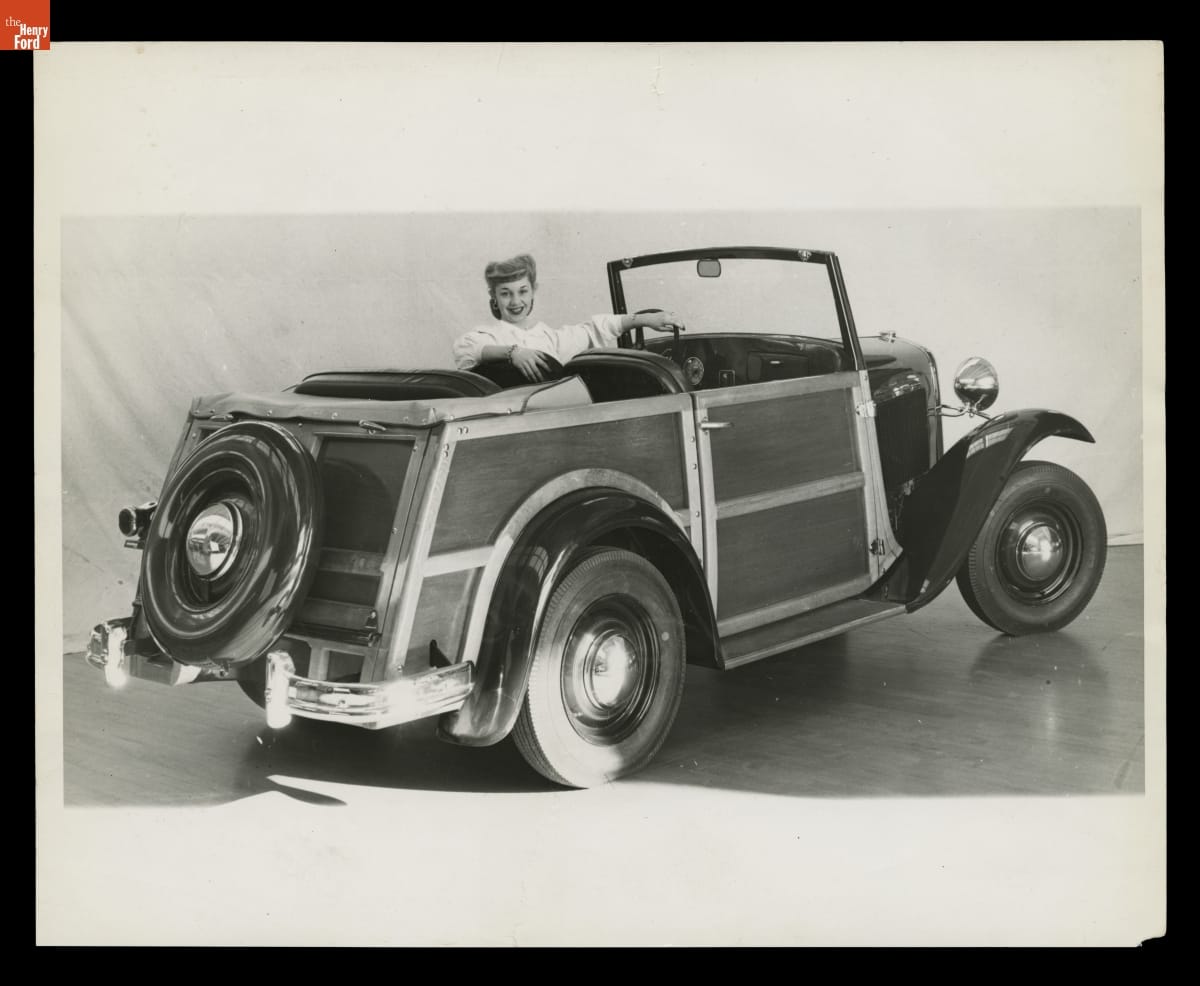
- Designer Leota Carroll Modeling the Ford "Estate Wagon" Custom-Built for Henry Ford II, January 1945 - Leota Carroll was the first woman hired into Ford Motor Company's Design Department. Carroll, a talented illustrator, joined the company during World War II -- a time when most men were off fighting. Her success prompted Ford to hire other women onto its design staff. In addition to her regular duties, Carroll also occasionally posed in Ford promotional photographs.
- January 31, 1945
- Collections - Artifact
Designer Leota Carroll Modeling the Ford "Estate Wagon" Custom-Built for Henry Ford II, January 1945
Leota Carroll was the first woman hired into Ford Motor Company's Design Department. Carroll, a talented illustrator, joined the company during World War II -- a time when most men were off fighting. Her success prompted Ford to hire other women onto its design staff. In addition to her regular duties, Carroll also occasionally posed in Ford promotional photographs.
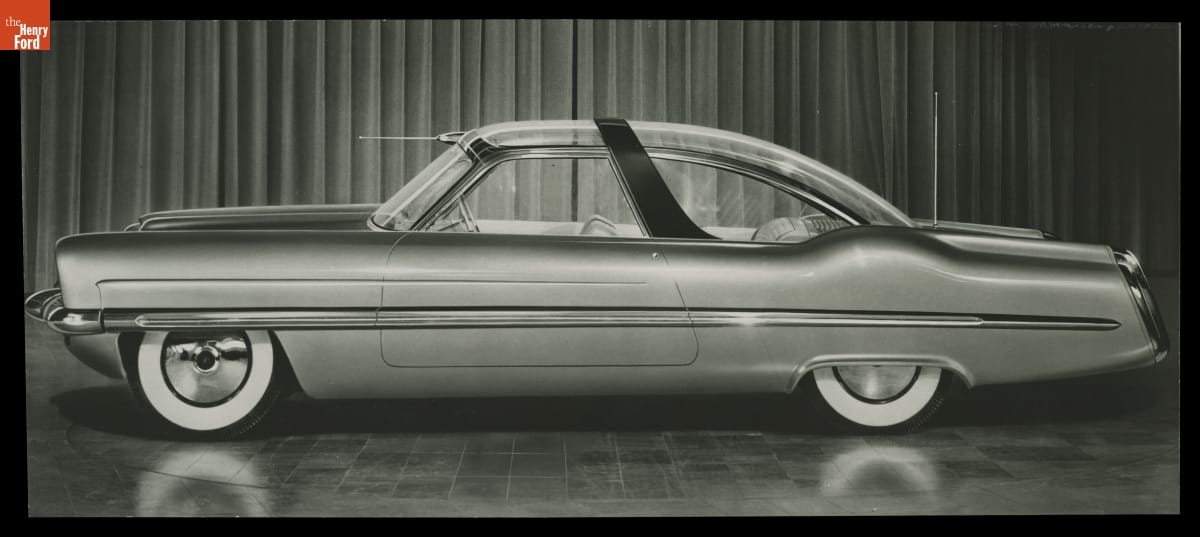
- Lincoln XL-500 Concept Car, 1953 - Ford Motor Company's Lincoln-Mercury Division revealed its Lincoln XL-500 concept car in 1953, to celebrate Ford's 50th anniversary. Promotional material heralded the car's power steering, power brakes, and push-button automatic transmission. In truth, the XL-500 was a non-running show piece. Even the "doors" were just grooves in the fiberglass body. But the XL-500's hooded headlights influenced Lincoln's 1956 production models.
- January 31, 1953
- Collections - Artifact
Lincoln XL-500 Concept Car, 1953
Ford Motor Company's Lincoln-Mercury Division revealed its Lincoln XL-500 concept car in 1953, to celebrate Ford's 50th anniversary. Promotional material heralded the car's power steering, power brakes, and push-button automatic transmission. In truth, the XL-500 was a non-running show piece. Even the "doors" were just grooves in the fiberglass body. But the XL-500's hooded headlights influenced Lincoln's 1956 production models.
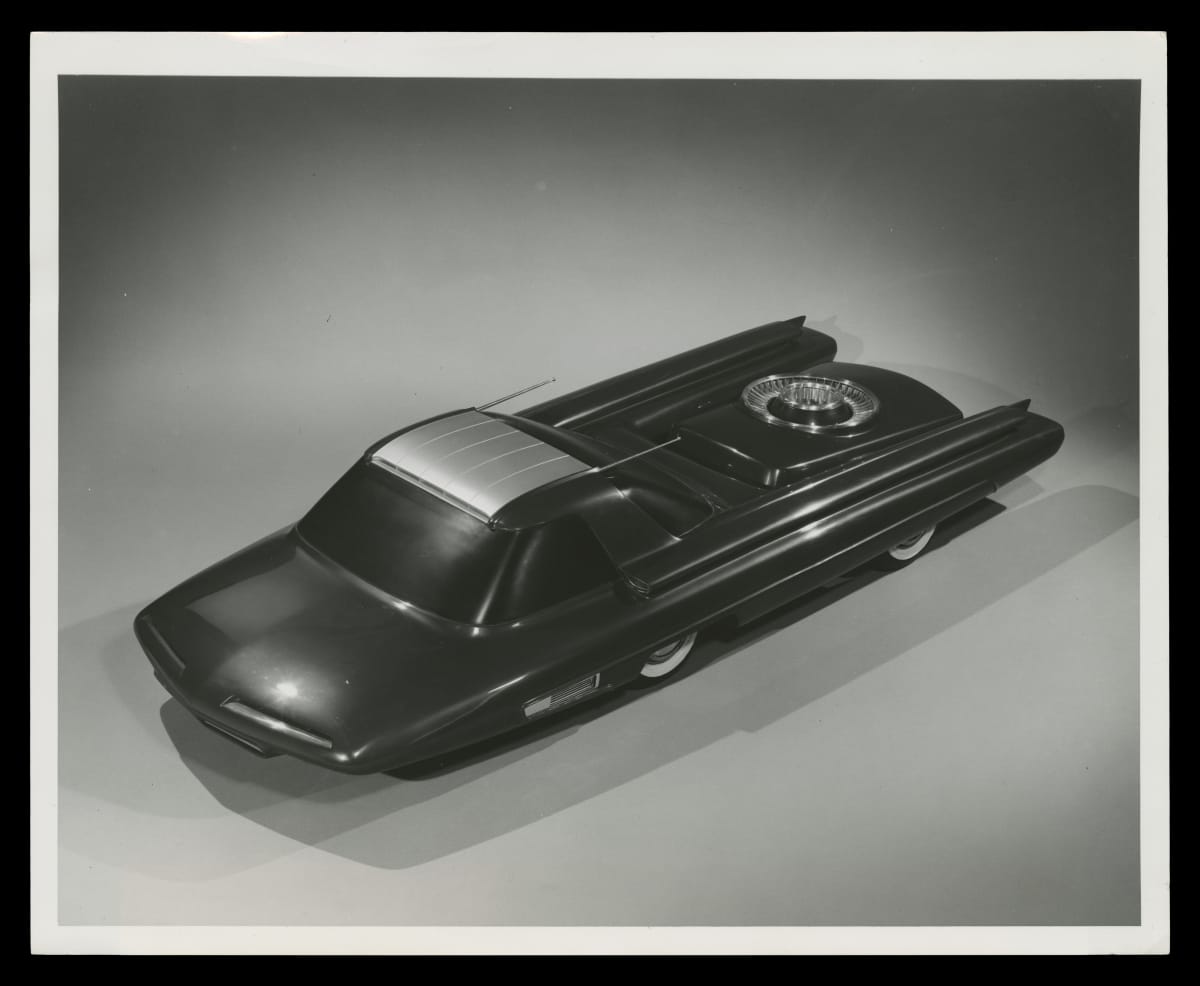
- Scale Model of the Nucleon, a 1958 Ford Motor Company Styling Conception for an Atomic-Powered Car - This 3/8-scale model was built to explore how the future of energy might affect the future of automotive design. The Ford Nucleon would have been powered by a rear-mounted, self-contained nuclear reactor. This atomic-automobile idea assumed, of course, that issues with nuclear safety and the size and weight of nuclear reactors would eventually be resolved. The Nucleon was never produced.
- 1958
- Collections - Artifact
Scale Model of the Nucleon, a 1958 Ford Motor Company Styling Conception for an Atomic-Powered Car
This 3/8-scale model was built to explore how the future of energy might affect the future of automotive design. The Ford Nucleon would have been powered by a rear-mounted, self-contained nuclear reactor. This atomic-automobile idea assumed, of course, that issues with nuclear safety and the size and weight of nuclear reactors would eventually be resolved. The Nucleon was never produced.
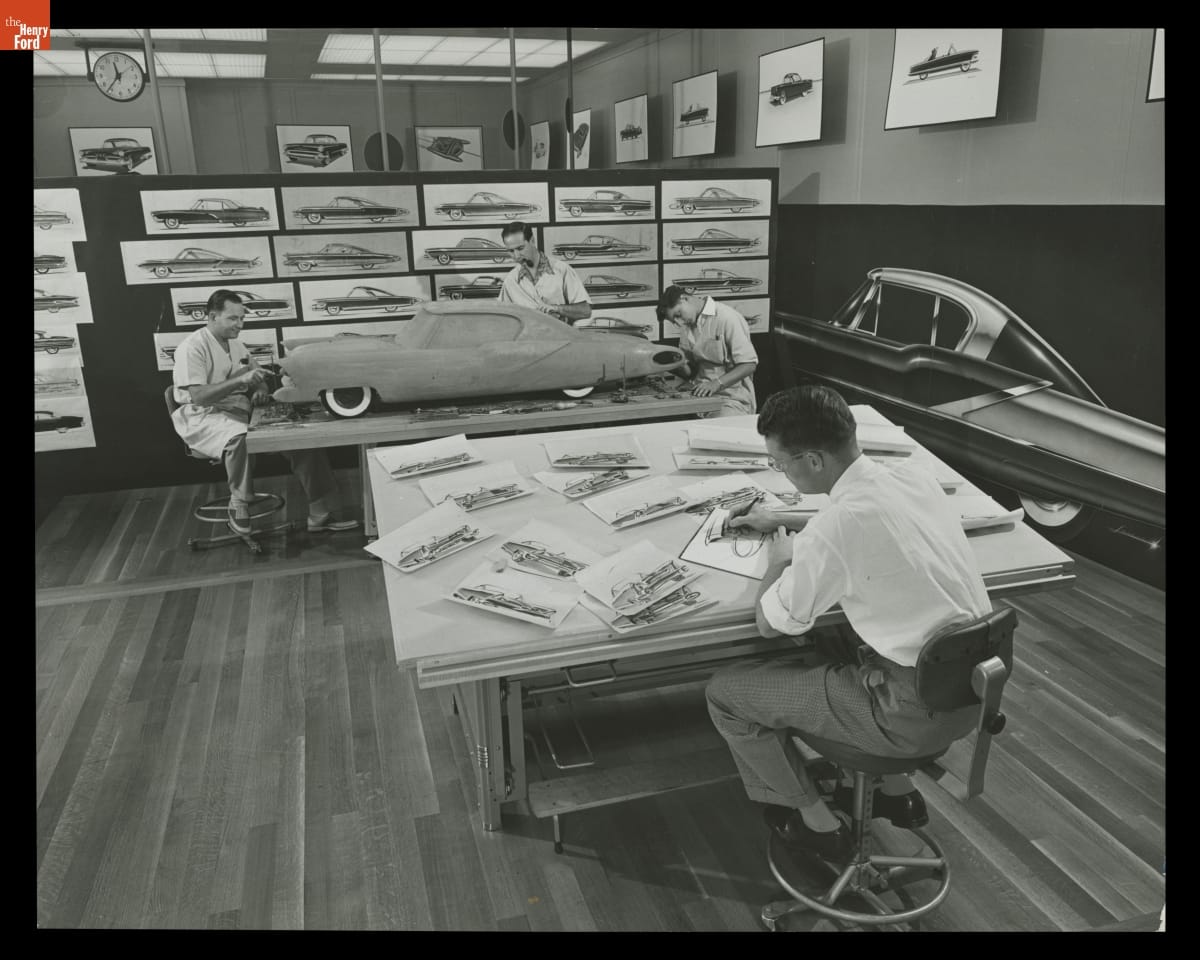
- Ford Motor Company Advanced Styling Section, circa 1953 -
- circa 1953
- Collections - Artifact
Ford Motor Company Advanced Styling Section, circa 1953
- Clay Model for the 1956 Chrysler Falcon Concept Car Designed by Virgil M. Exner - Virgil Exner designed the two-seat Chrysler Falcon concept car for the 1955 auto show season. The roadster was close in spirit to the contemporary Chevrolet Corvette and Ford Thunderbird, though the simulated knock-off wheels and external exhaust pipes gave the Falcon a somewhat racier appearance. Chrysler chose not to put the car into production.
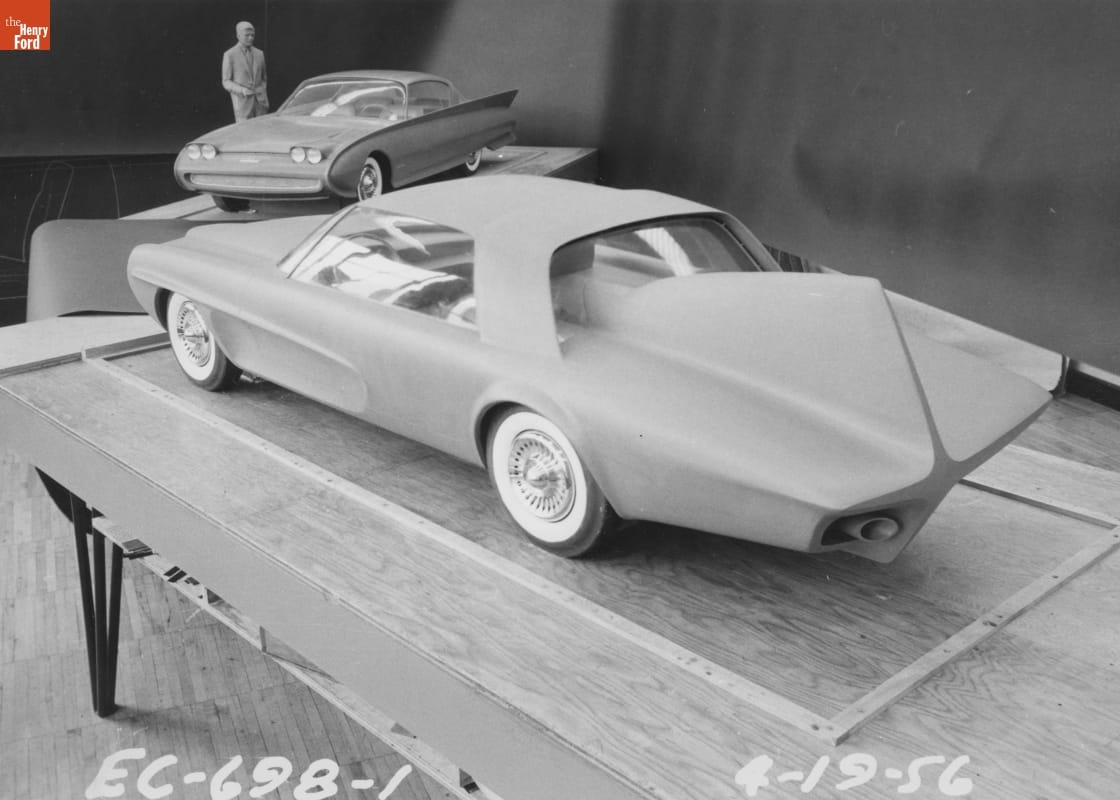
- April 19, 1956
- Collections - Artifact
Clay Model for the 1956 Chrysler Falcon Concept Car Designed by Virgil M. Exner
Virgil Exner designed the two-seat Chrysler Falcon concept car for the 1955 auto show season. The roadster was close in spirit to the contemporary Chevrolet Corvette and Ford Thunderbird, though the simulated knock-off wheels and external exhaust pipes gave the Falcon a somewhat racier appearance. Chrysler chose not to put the car into production.
- Clay Model for the 1956 Chrysler Falcon Concept Car Designed by Virgil M. Exner - Virgil Exner designed the two-seat Chrysler Falcon concept car for the 1955 auto show season. The roadster was close in spirit to the contemporary Chevrolet Corvette and Ford Thunderbird, though the simulated knock-off wheels and external exhaust pipes gave the Falcon a somewhat racier appearance. Chrysler chose not to put the car into production.
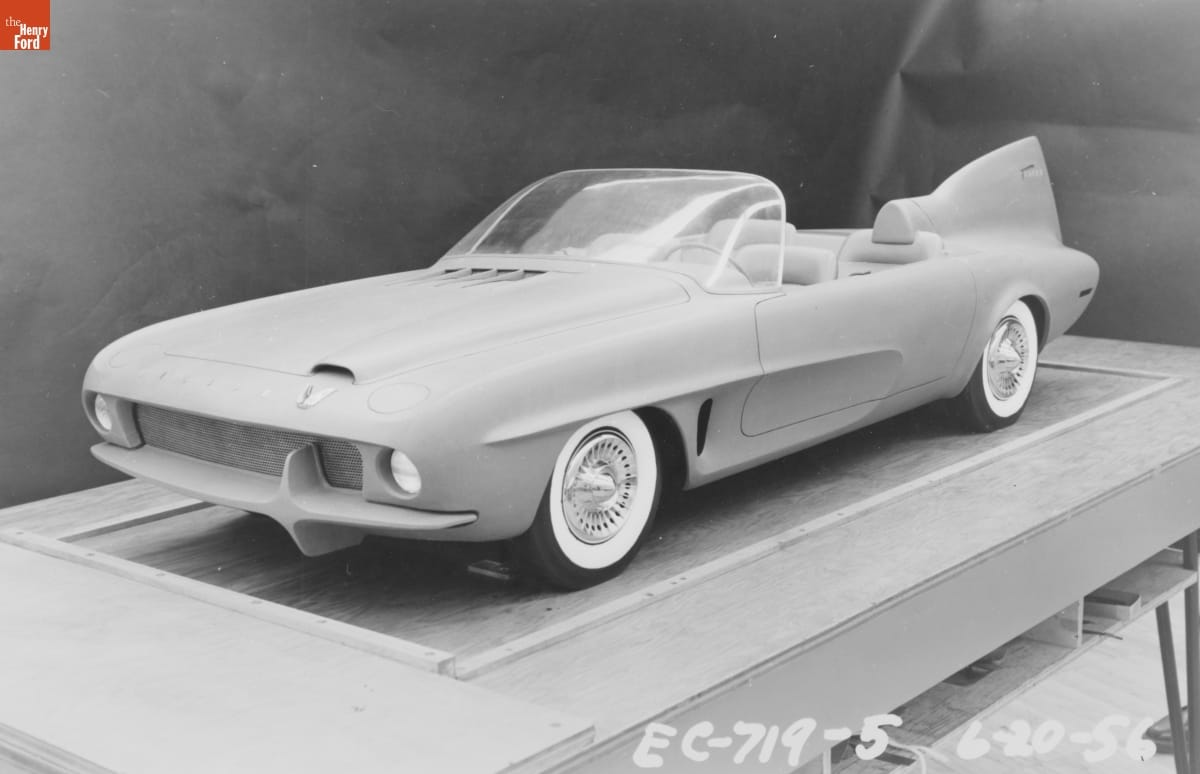
- June 20, 1956
- Collections - Artifact
Clay Model for the 1956 Chrysler Falcon Concept Car Designed by Virgil M. Exner
Virgil Exner designed the two-seat Chrysler Falcon concept car for the 1955 auto show season. The roadster was close in spirit to the contemporary Chevrolet Corvette and Ford Thunderbird, though the simulated knock-off wheels and external exhaust pipes gave the Falcon a somewhat racier appearance. Chrysler chose not to put the car into production.
- Studebaker Champion Mock-Up, 1943 - Virgil Exner's long career in automotive design included time with General Motors, Raymond Loewy Associates, and Studebaker -- for which he produced this work. Exner is best remembered for his tenure as design head at Chrysler, where his dramatic "Forward Look" characterized the company's vehicles from 1955 to 1961.
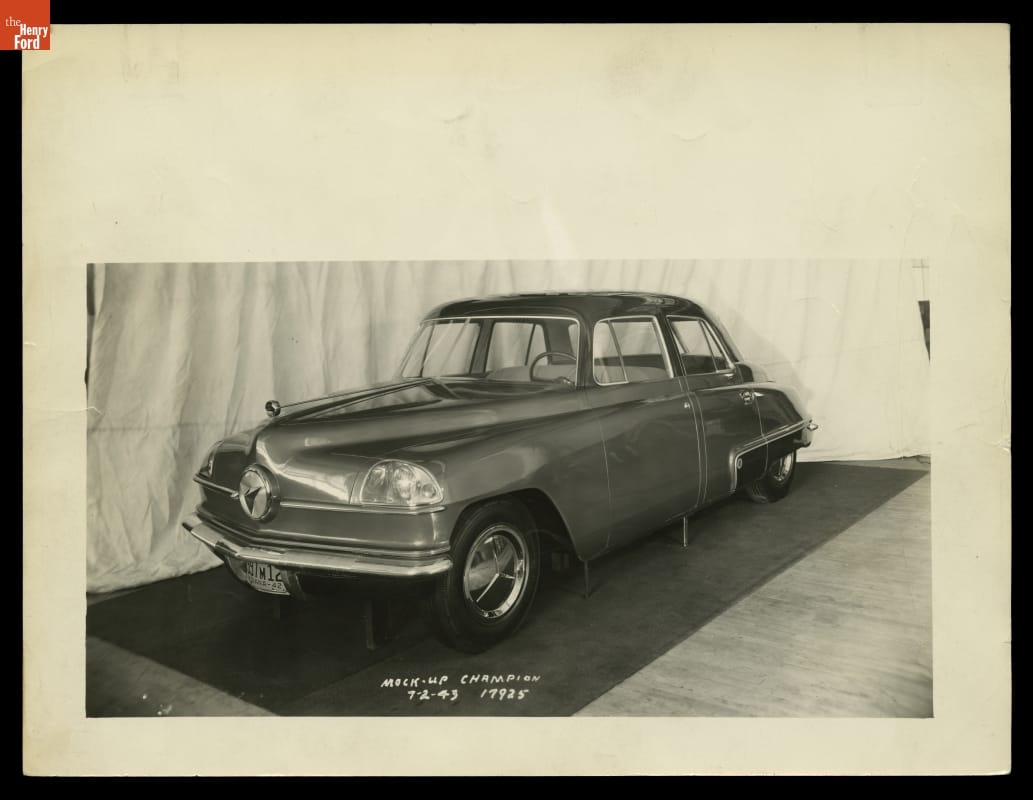
- July 02, 1943
- Collections - Artifact
Studebaker Champion Mock-Up, 1943
Virgil Exner's long career in automotive design included time with General Motors, Raymond Loewy Associates, and Studebaker -- for which he produced this work. Exner is best remembered for his tenure as design head at Chrysler, where his dramatic "Forward Look" characterized the company's vehicles from 1955 to 1961.
- Chrysler "613" Concept Car, 1955-1956 - In the 1950s, Chrysler Corporation's Advanced Styling Studio remade the carmaker's stodgy image with sleek, smooth lines inspired by jet aircraft. The department, headed by chief stylist Virgil Exner, developed several fully operational concept models. Pictured here is the body of #613, an "idea car" that exemplified Exner's "Forward Look" and influenced much of the styling for Chrysler's 1957 300C.
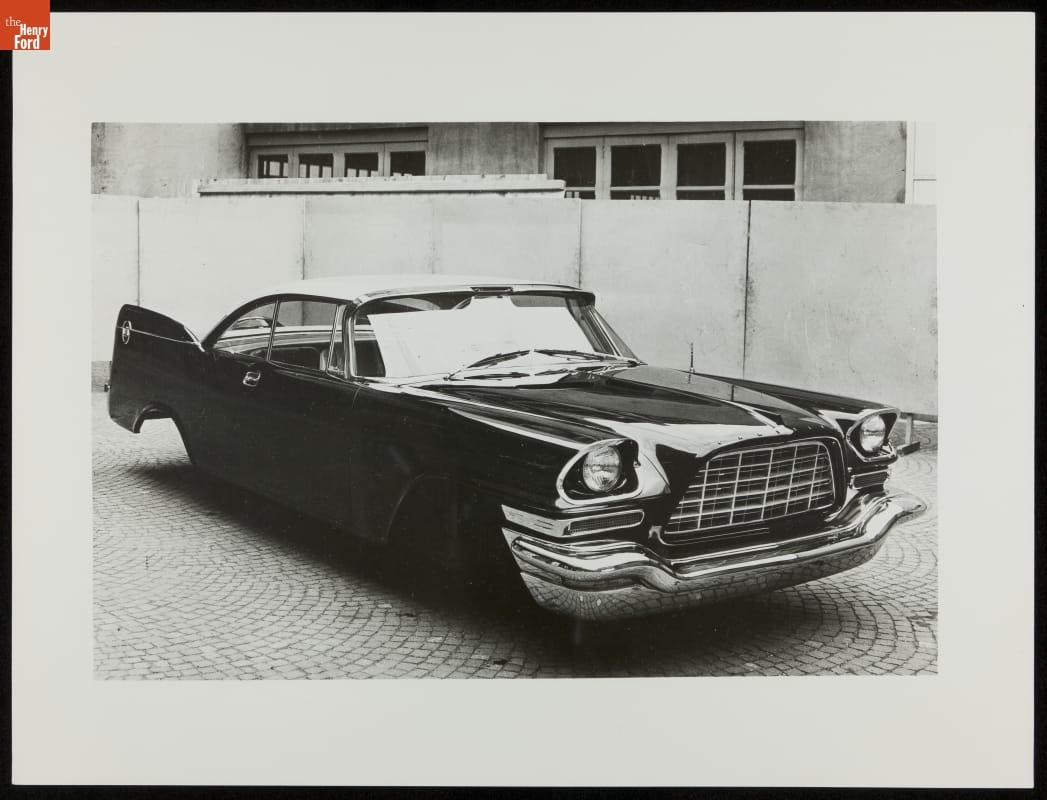
- 1955-1956
- Collections - Artifact
Chrysler "613" Concept Car, 1955-1956
In the 1950s, Chrysler Corporation's Advanced Styling Studio remade the carmaker's stodgy image with sleek, smooth lines inspired by jet aircraft. The department, headed by chief stylist Virgil Exner, developed several fully operational concept models. Pictured here is the body of #613, an "idea car" that exemplified Exner's "Forward Look" and influenced much of the styling for Chrysler's 1957 300C.
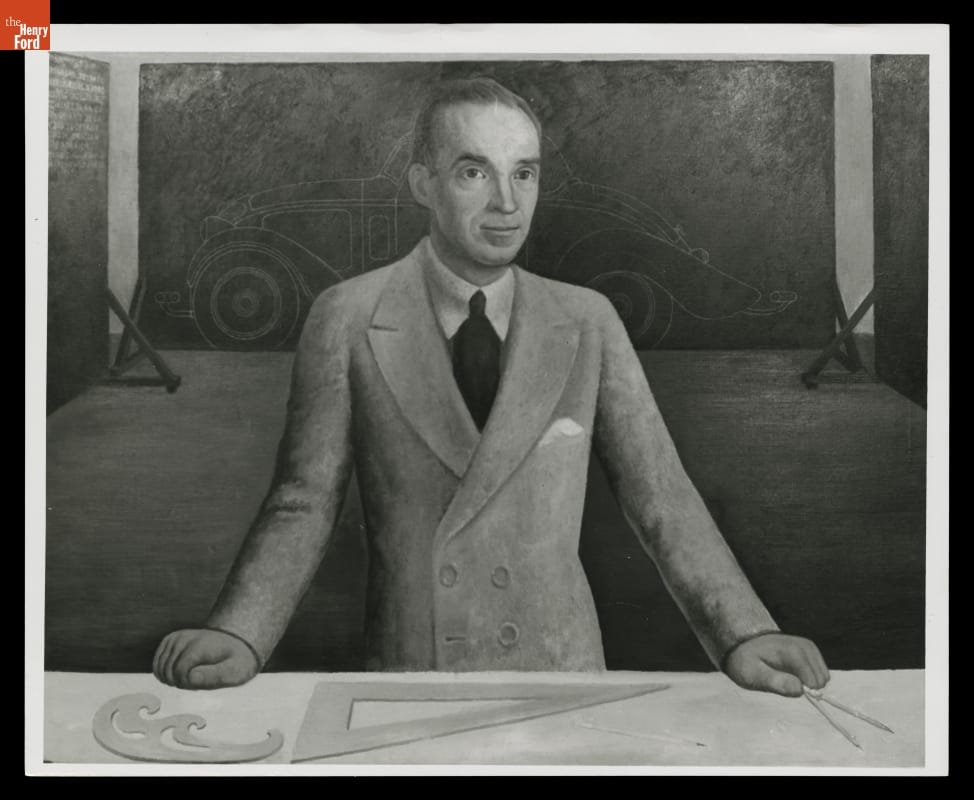
- Oil Portrait of Edsel Ford by Diego Rivera, 1932 - Partway through work on his <EM>Detroit Industry</EM> murals at the Detroit Institute of Arts, Diego Rivera took a break to paint a portrait of the frescoes' primary sponsor, Edsel Ford. Rather than posing Ford in his office, Rivera chose a more appropriate setting: an automotive design studio. The portrait depicts Ford as strong and confident in his preferred environment.
- 1932
- Collections - Artifact
Oil Portrait of Edsel Ford by Diego Rivera, 1932
Partway through work on his Detroit Industry murals at the Detroit Institute of Arts, Diego Rivera took a break to paint a portrait of the frescoes' primary sponsor, Edsel Ford. Rather than posing Ford in his office, Rivera chose a more appropriate setting: an automotive design studio. The portrait depicts Ford as strong and confident in his preferred environment.
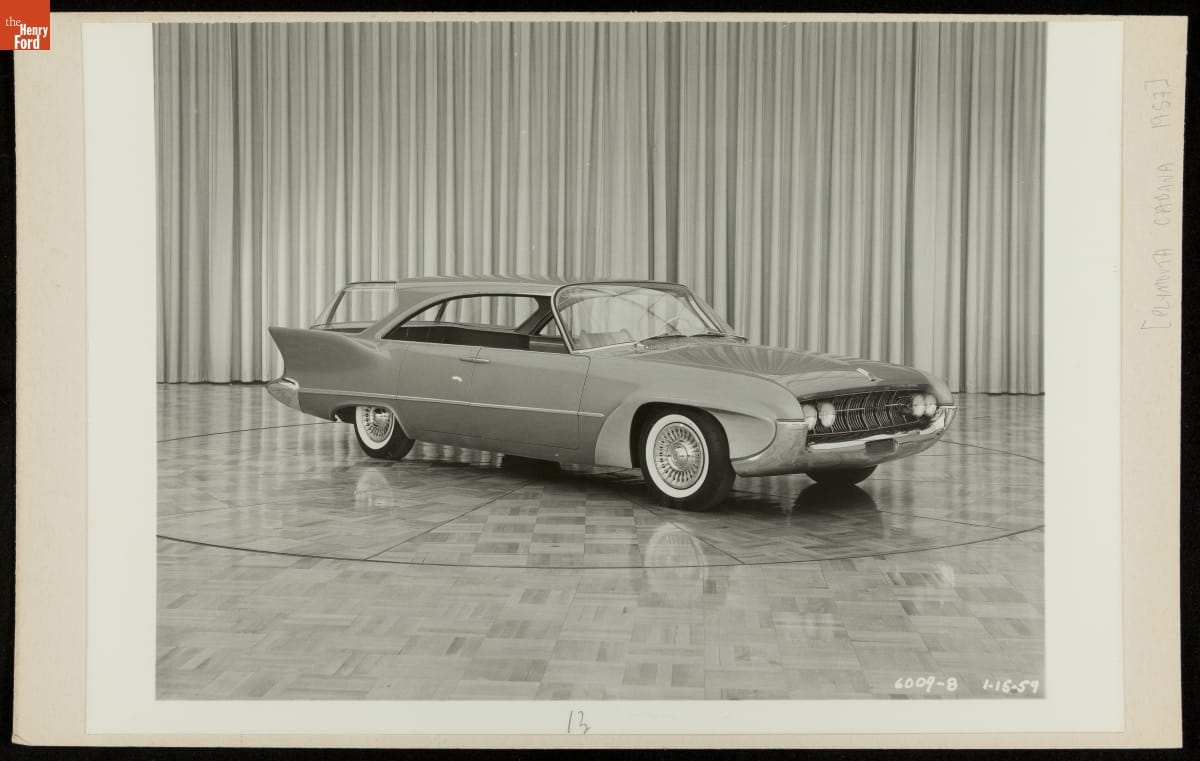
- 1958 Plymouth Cabana Station Wagon - Built by Ghia, the Plymouth Cabana concept car debuted in 1958. The four-door wagon had room for nine passengers. Cabana's hardtop styling, without a B pillar between the doors, provided easier access to the interior -- advantageous for use as an ambulance or a hearse. Cabana was purely for show and lacked a functional powertrain.
- January 15, 1959
- Collections - Artifact
1958 Plymouth Cabana Station Wagon
Built by Ghia, the Plymouth Cabana concept car debuted in 1958. The four-door wagon had room for nine passengers. Cabana's hardtop styling, without a B pillar between the doors, provided easier access to the interior -- advantageous for use as an ambulance or a hearse. Cabana was purely for show and lacked a functional powertrain.