
Search
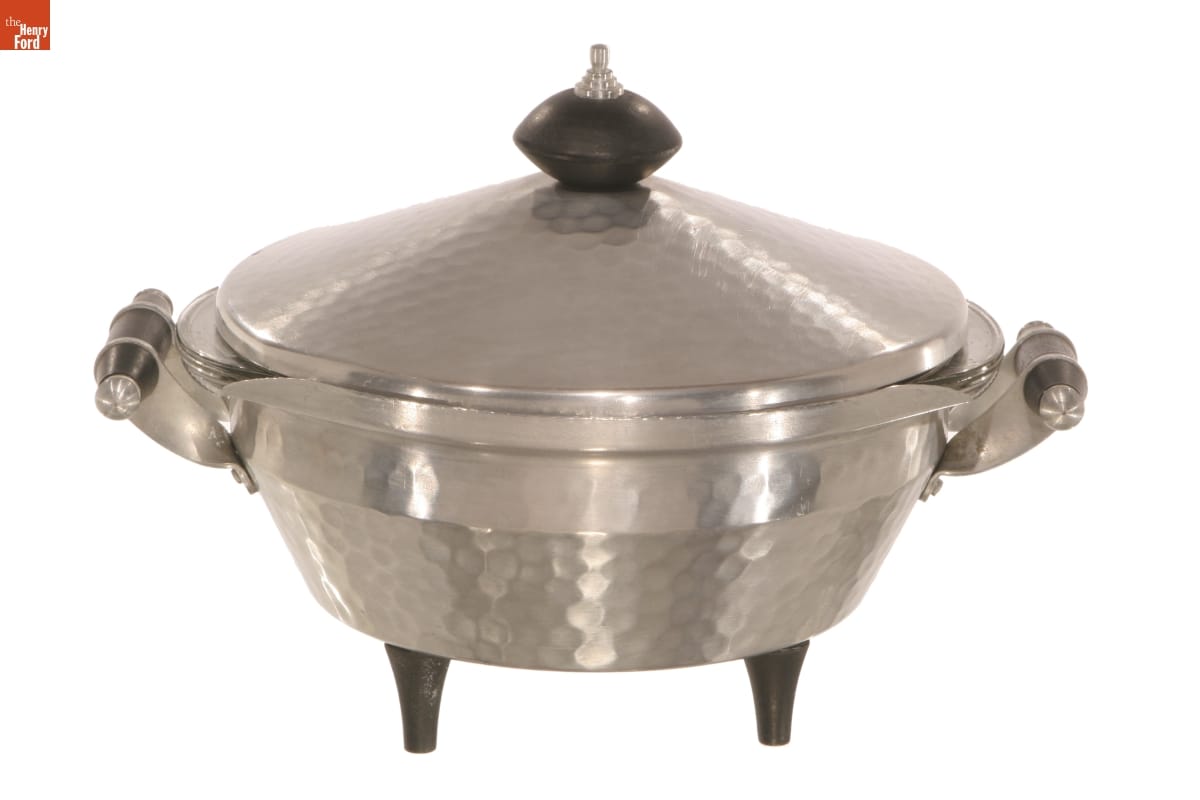
- Everlast "Modern" Casserole, 1953-1955 - In 1932, Louis Schnitzer and Nathan Gelfman formed Everlast Metal Products Corporation, producing high-quality, hand-forged aluminum giftware. In an era of growing uniformity via factory production, the "made by hand" aspect of these products held an aesthetic appeal for consumers. As interest in aluminum wares waned after World War II, Everlast attempted to reinvent its products introducing a contemporary line in 1953 called, "Everlast Modern."
- 1953-1955
- Collections - Artifact
Everlast "Modern" Casserole, 1953-1955
In 1932, Louis Schnitzer and Nathan Gelfman formed Everlast Metal Products Corporation, producing high-quality, hand-forged aluminum giftware. In an era of growing uniformity via factory production, the "made by hand" aspect of these products held an aesthetic appeal for consumers. As interest in aluminum wares waned after World War II, Everlast attempted to reinvent its products introducing a contemporary line in 1953 called, "Everlast Modern."
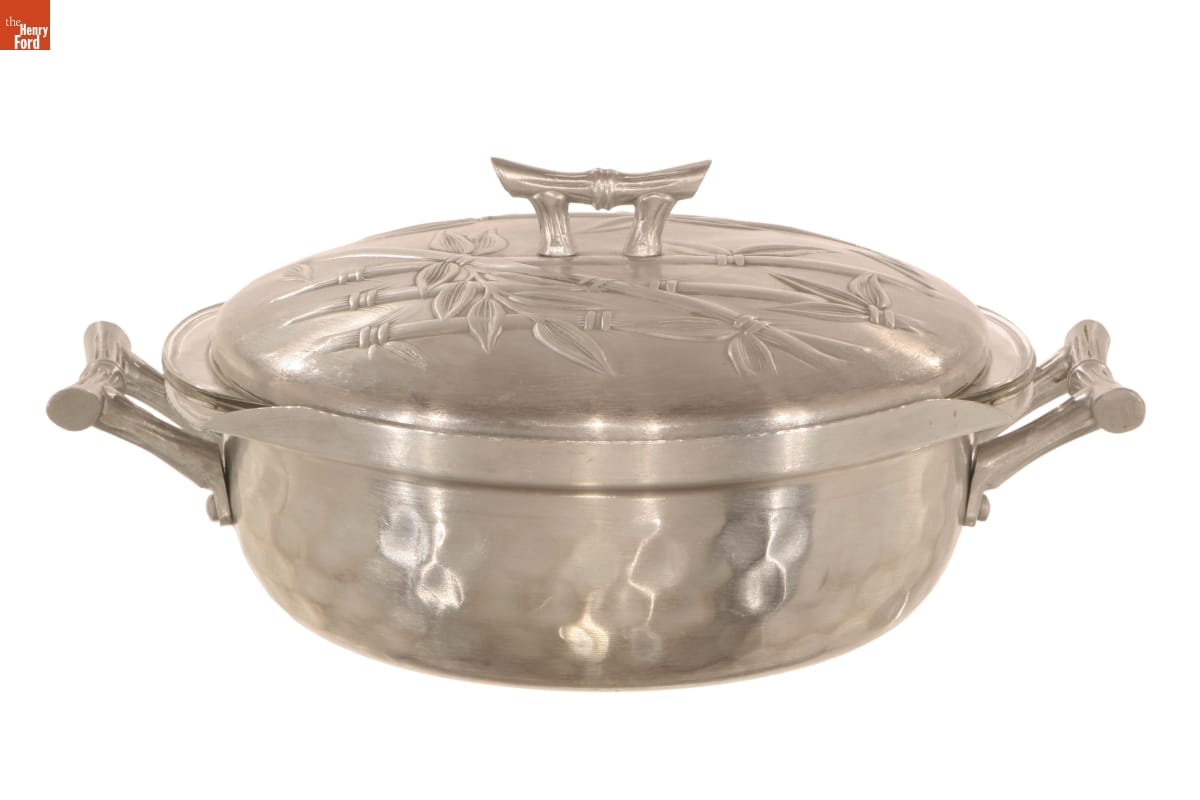
- Everlast "Bali Bamboo" Casserole, 1948-1959 - In 1932, Louis Schnitzer and Nathan Gelfman formed Everlast Metal Products Corporation, producing high-quality, hand-forged aluminum giftware. In an era of growing uniformity via factory production, the "made by hand" aspect of these products held an aesthetic appeal for consumers. Everlast's most successful line, "Bali Bamboo," was a direct result of America's fascination with the South Pacific following World War II.
- 1948-1959
- Collections - Artifact
Everlast "Bali Bamboo" Casserole, 1948-1959
In 1932, Louis Schnitzer and Nathan Gelfman formed Everlast Metal Products Corporation, producing high-quality, hand-forged aluminum giftware. In an era of growing uniformity via factory production, the "made by hand" aspect of these products held an aesthetic appeal for consumers. Everlast's most successful line, "Bali Bamboo," was a direct result of America's fascination with the South Pacific following World War II.
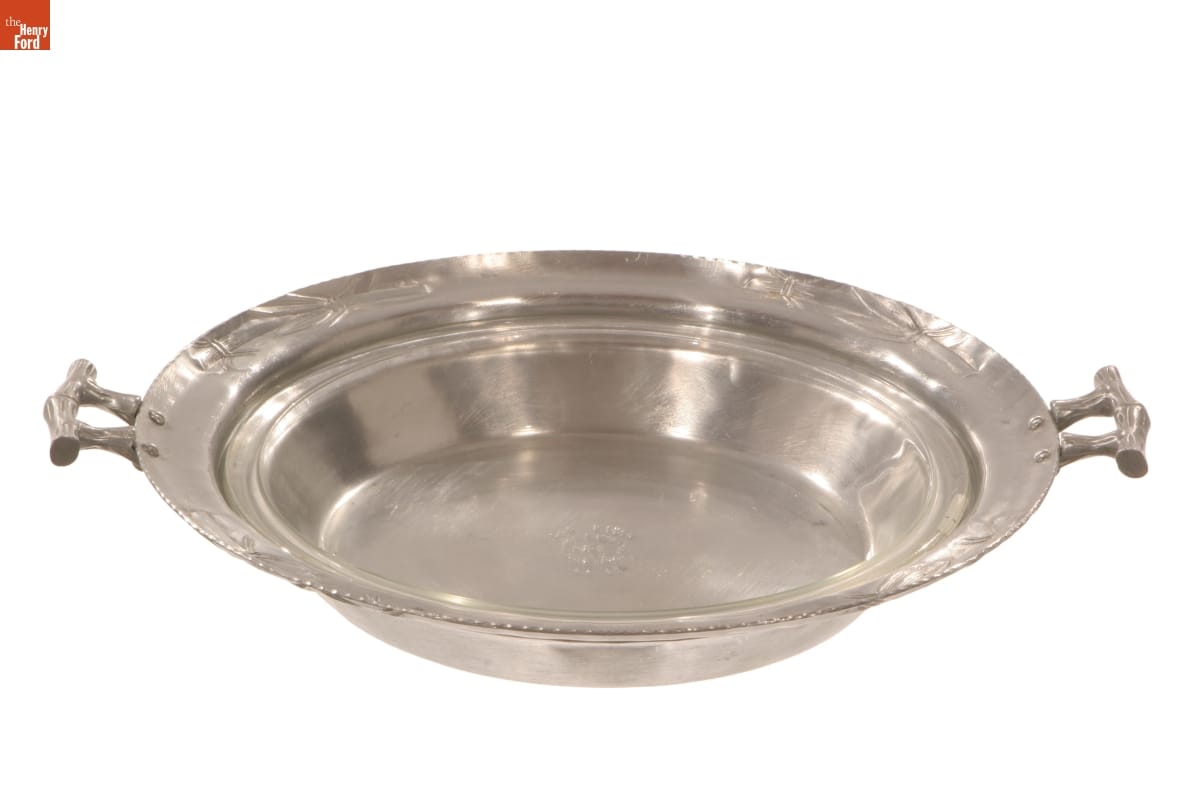
- Everlast "Bali Bamboo" Pie Plate, 1948-1959 - In 1932, Louis Schnitzer and Nathan Gelfman formed Everlast Metal Products Corporation, producing high-quality, hand-forged aluminum giftware. In an era of growing uniformity via factory production, the "made by hand" aspect of these products held an aesthetic appeal for consumers. Everlast's most successful line, "Bali Bamboo," was a direct result of America's fascination with the South Pacific following World War II.
- 1948-1959
- Collections - Artifact
Everlast "Bali Bamboo" Pie Plate, 1948-1959
In 1932, Louis Schnitzer and Nathan Gelfman formed Everlast Metal Products Corporation, producing high-quality, hand-forged aluminum giftware. In an era of growing uniformity via factory production, the "made by hand" aspect of these products held an aesthetic appeal for consumers. Everlast's most successful line, "Bali Bamboo," was a direct result of America's fascination with the South Pacific following World War II.
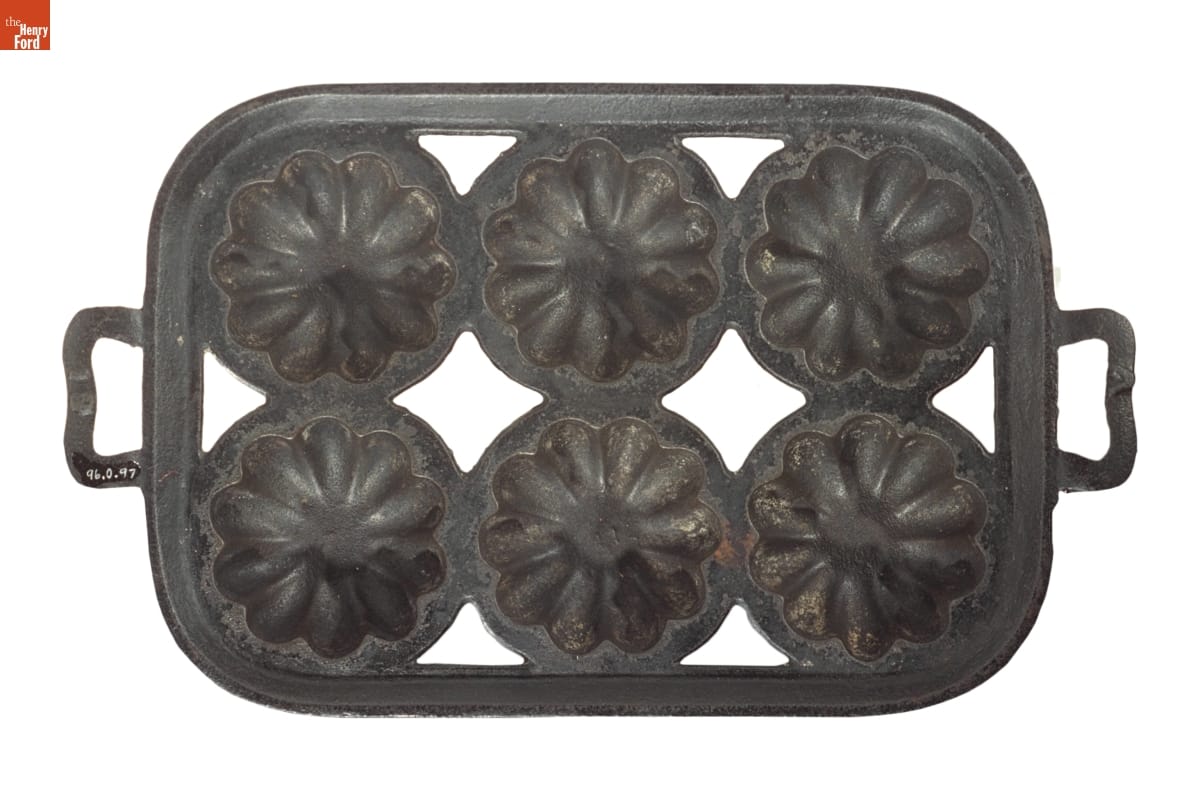
- Muffin Pan, 1875-1900 -
- 1875-1900
- Collections - Artifact
Muffin Pan, 1875-1900
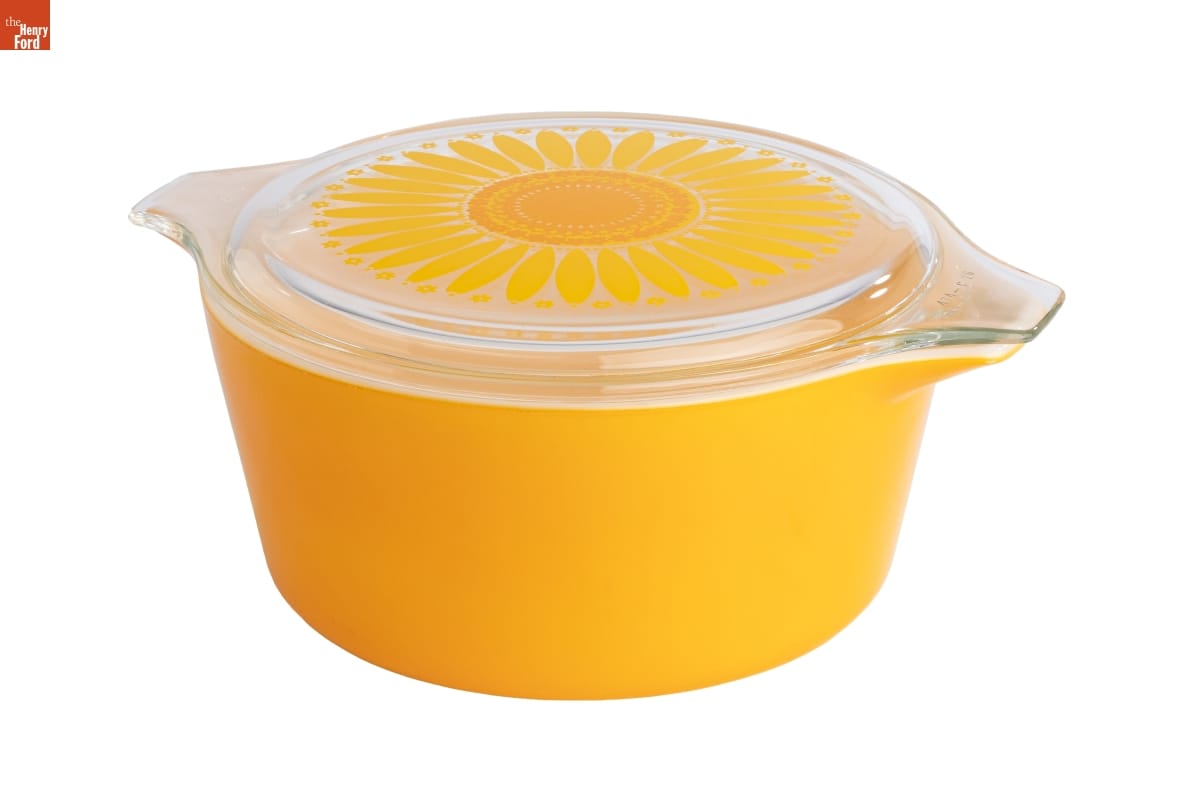
- Pyrex Casserole Dish, 1968-1972 - Corning Glass Works' heat-resistant glass bakeware, called Pyrex, was introduced in the mid-1910s. Pyrex products were inexpensive, with an easy-to-clean smooth surface. Pyrex glassware could travel from freezer to oven to table. Colored Pyrex kitchenware was introduced in 1947. Corning introduced its Daisy pattern with its bright and cheerful sunburst colors in 1968. It was discontinued five years later.
- 1968-1972
- Collections - Artifact
Pyrex Casserole Dish, 1968-1972
Corning Glass Works' heat-resistant glass bakeware, called Pyrex, was introduced in the mid-1910s. Pyrex products were inexpensive, with an easy-to-clean smooth surface. Pyrex glassware could travel from freezer to oven to table. Colored Pyrex kitchenware was introduced in 1947. Corning introduced its Daisy pattern with its bright and cheerful sunburst colors in 1968. It was discontinued five years later.
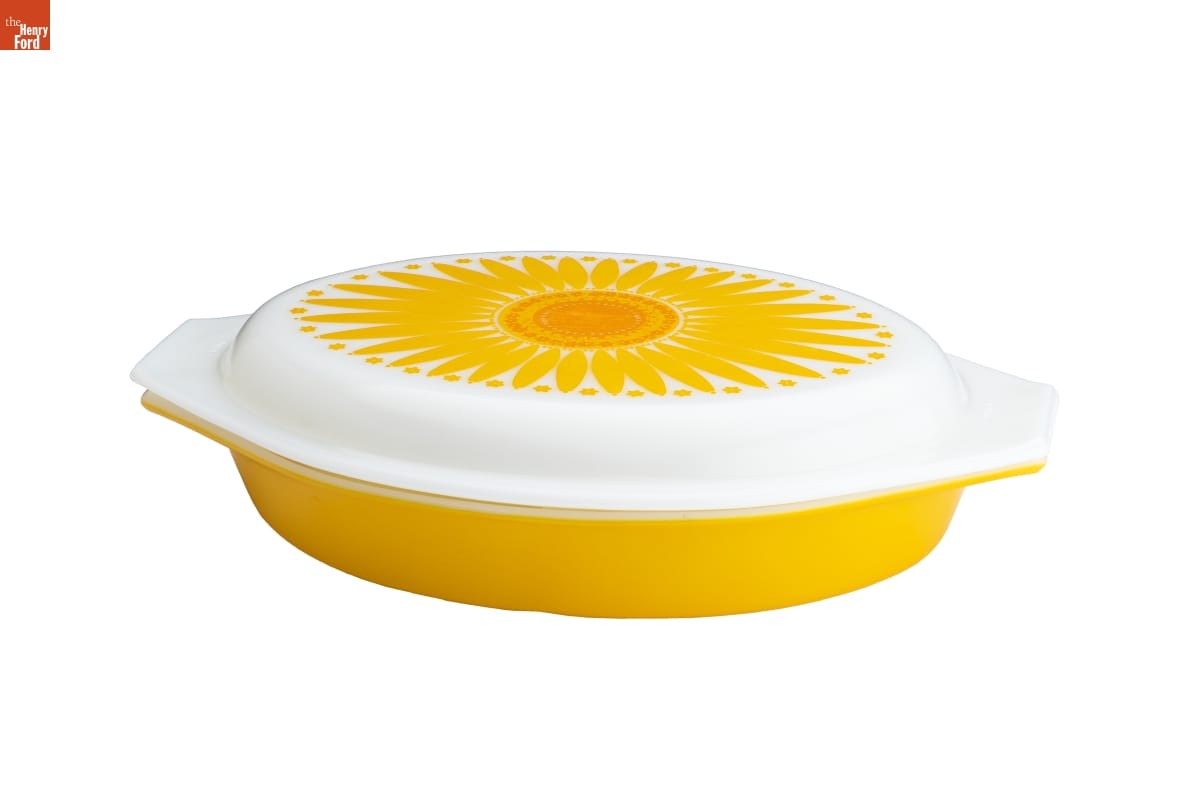
- Pyrex Casserole Dish, 1972-1973 - Corning Glass Works' heat-resistant glass bakeware, called Pyrex, was introduced in the mid-1910s. Pyrex products were inexpensive, with an easy-to-clean smooth surface. Pyrex glassware could travel from freezer to oven to table. Colored Pyrex kitchenware was introduced in 1947. Corning introduced its Daisy pattern with its bright and cheerful sunburst colors in 1968. It was discontinued five years later.
- 1972-1973
- Collections - Artifact
Pyrex Casserole Dish, 1972-1973
Corning Glass Works' heat-resistant glass bakeware, called Pyrex, was introduced in the mid-1910s. Pyrex products were inexpensive, with an easy-to-clean smooth surface. Pyrex glassware could travel from freezer to oven to table. Colored Pyrex kitchenware was introduced in 1947. Corning introduced its Daisy pattern with its bright and cheerful sunburst colors in 1968. It was discontinued five years later.
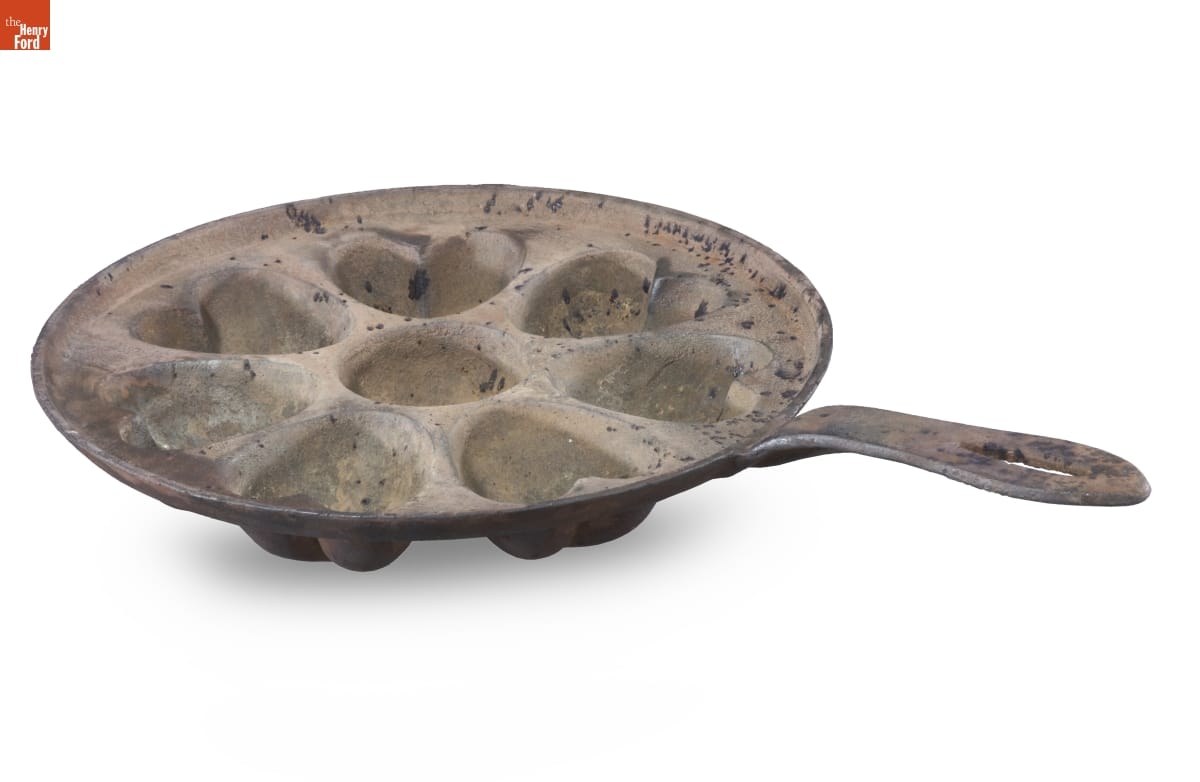
- Muffin Pan -
- Collections - Artifact
Muffin Pan
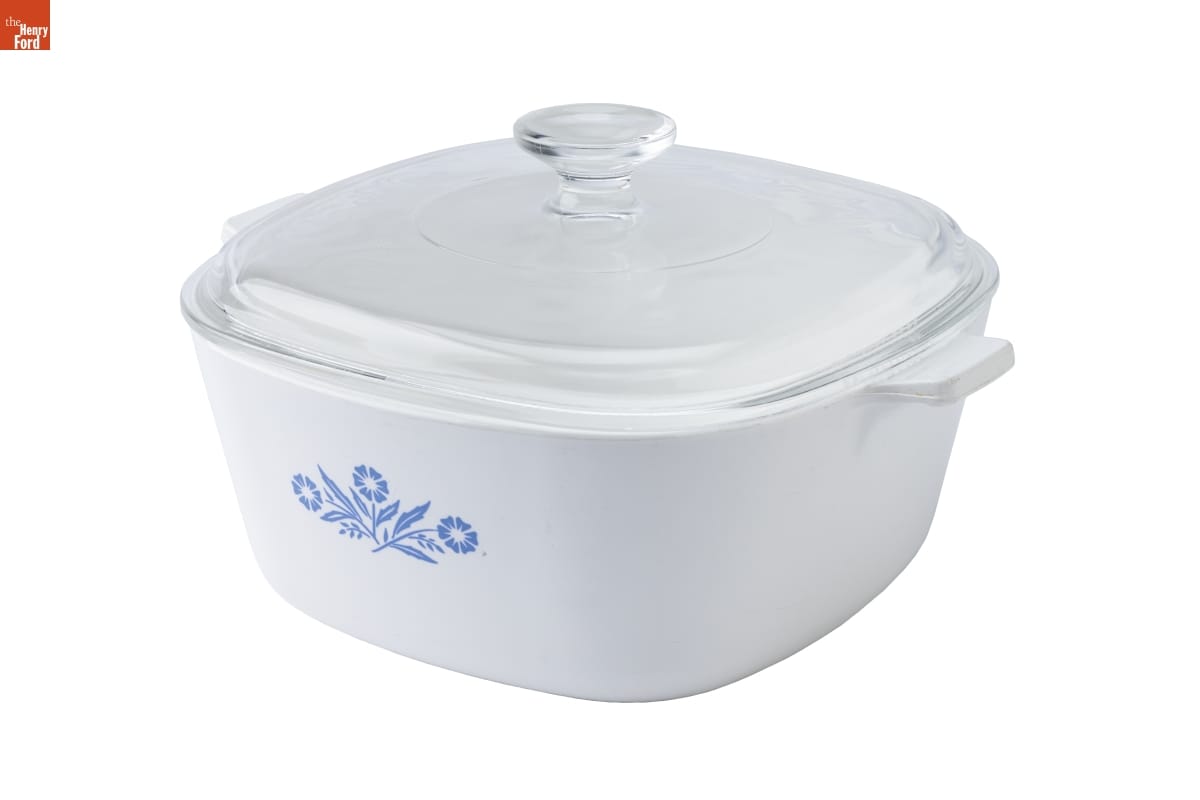
- Corning Ware Casserole Dish, 1960-1961 - In 1958, Corning Glass Works introduced Corning Ware -- a line of innovative, shatterproof cooking and serving ware that could go from freezer to oven to table. Corning Ware was versatile, durable, and affordable. It was also attractive, with patterns that reflected current trends. The popular Cornflower Blue pattern, also introduced in 1958, became synonymous with Corning's brand identity.
- 1960-1961
- Collections - Artifact
Corning Ware Casserole Dish, 1960-1961
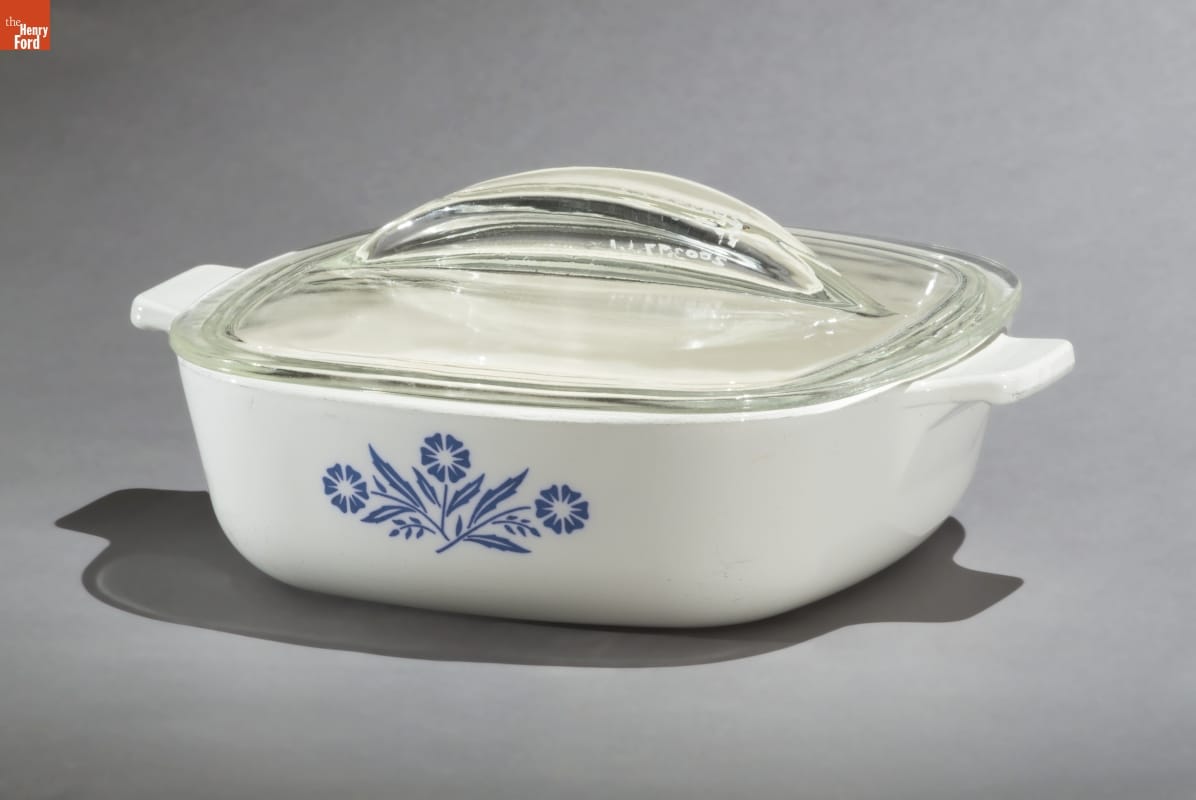
In 1958, Corning Glass Works introduced Corning Ware -- a line of innovative, shatterproof cooking and serving ware that could go from freezer to oven to table. Corning Ware was versatile, durable, and affordable. It was also attractive, with patterns that reflected current trends. The popular Cornflower Blue pattern, also introduced in 1958, became synonymous with Corning's brand identity.
- Corning Ware Casserole Dish, 1959 - In 1958, Corning Glass Works introduced Corning Ware -- a line of innovative, shatterproof cooking and serving ware that could go from freezer to oven to table. Corning Ware was versatile, durable, and affordable. It was also attractive, with patterns that reflected current trends. The popular Cornflower Blue pattern, also introduced in 1958, became synonymous with Corning's brand identity.
- 1959
- Collections - Artifact
Corning Ware Casserole Dish, 1959
In 1958, Corning Glass Works introduced Corning Ware -- a line of innovative, shatterproof cooking and serving ware that could go from freezer to oven to table. Corning Ware was versatile, durable, and affordable. It was also attractive, with patterns that reflected current trends. The popular Cornflower Blue pattern, also introduced in 1958, became synonymous with Corning's brand identity.
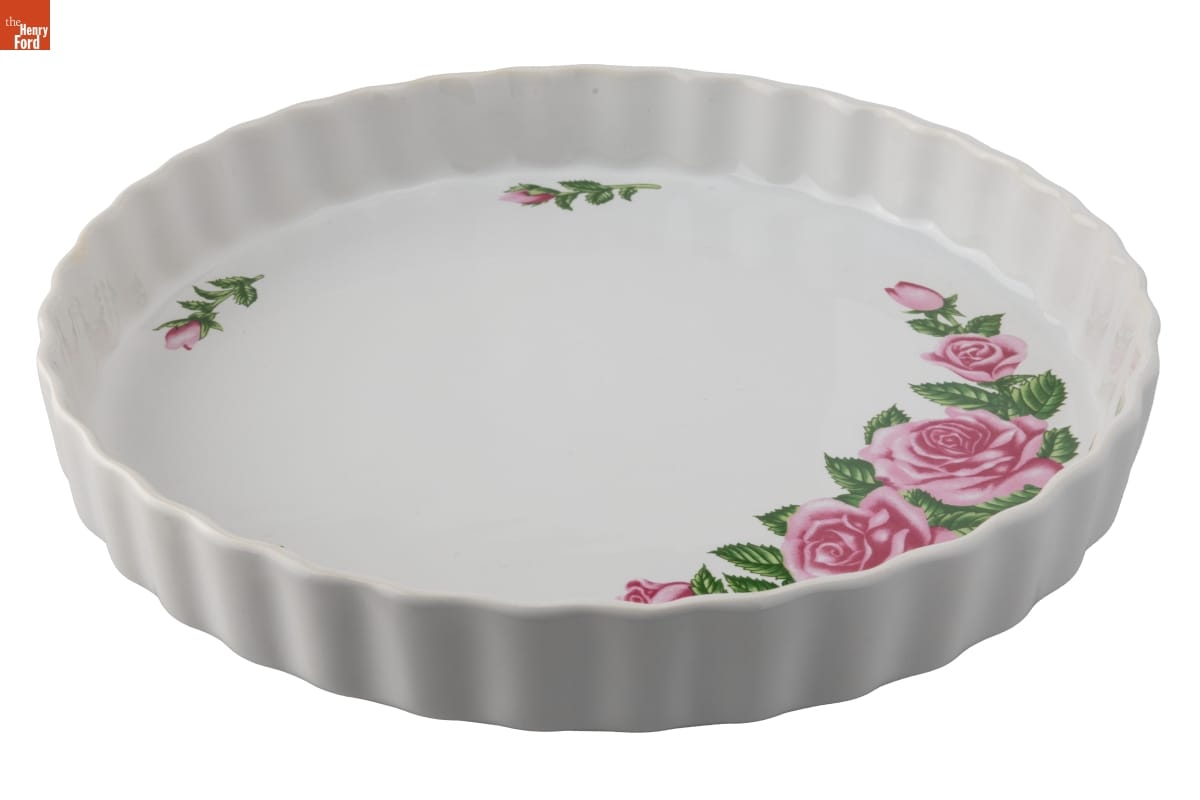
- Baking Dish Used by the Jackson Family, Selma, Alabama -
- Collections - Artifact
Baking Dish Used by the Jackson Family, Selma, Alabama