
Search
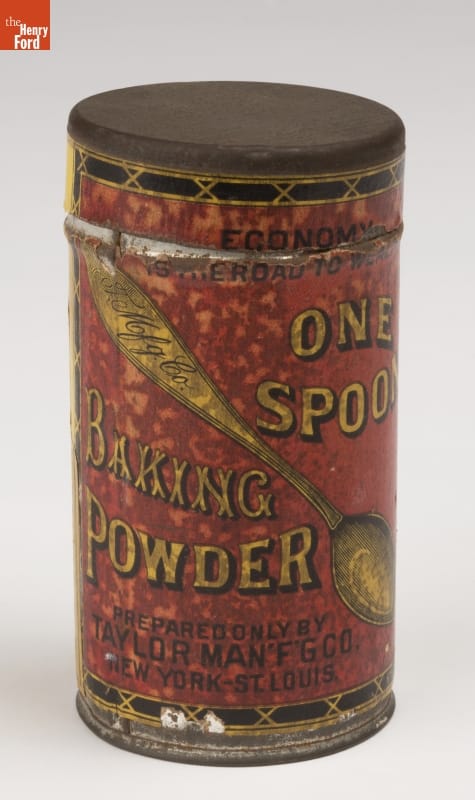
- One Spoon Baking Powder, 1880-1895 -
- 1880-1895
- Collections - Artifact
One Spoon Baking Powder, 1880-1895
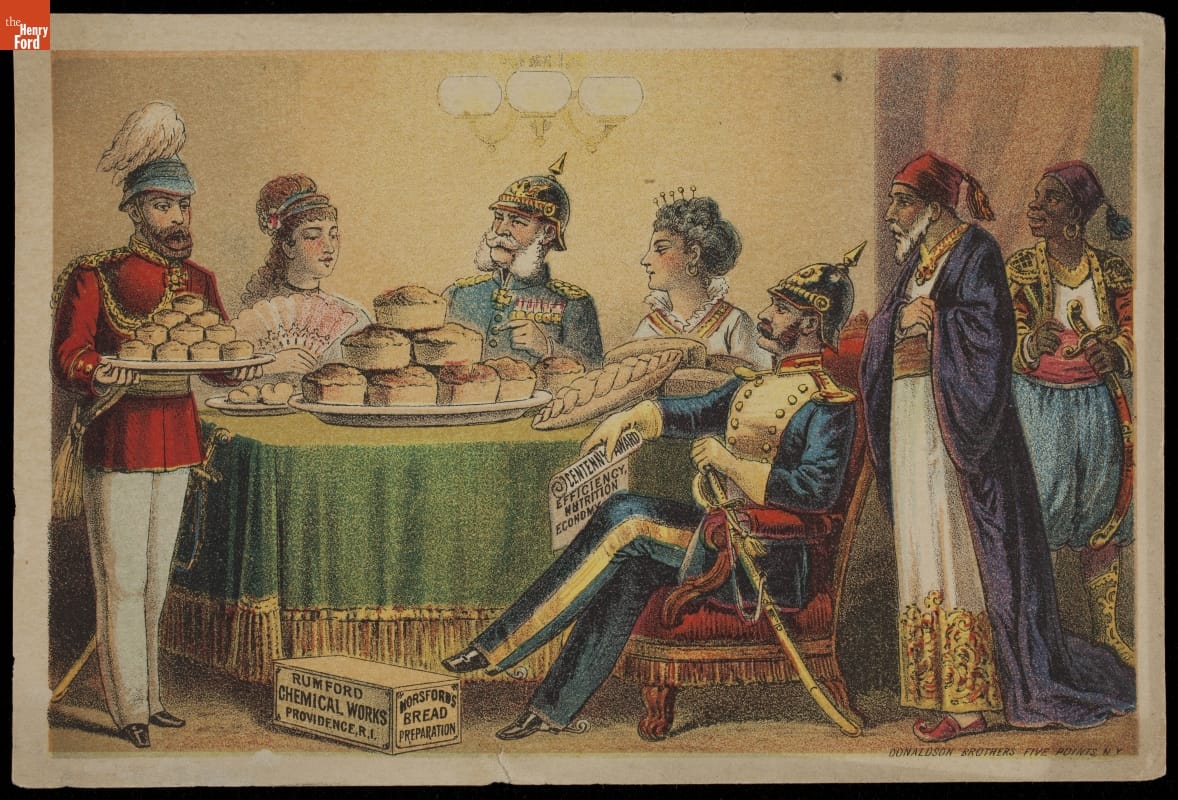
- Trade Card for Horsford's Self-Raising Bread Preparation, Rumford Chemical Works, 1876-1900 - In the last third of the nineteenth century, an unprecedented variety of consumer goods and services flooded the American market. Advertisers, armed with new methods of color printing, bombarded potential customers with trade cards. Americans enjoyed and often saved the vibrant little advertisements found in product packages or distributed by local merchants. Many survive as historical records of commercialism in the United States.
- 1876-1900
- Collections - Artifact
Trade Card for Horsford's Self-Raising Bread Preparation, Rumford Chemical Works, 1876-1900
In the last third of the nineteenth century, an unprecedented variety of consumer goods and services flooded the American market. Advertisers, armed with new methods of color printing, bombarded potential customers with trade cards. Americans enjoyed and often saved the vibrant little advertisements found in product packages or distributed by local merchants. Many survive as historical records of commercialism in the United States.
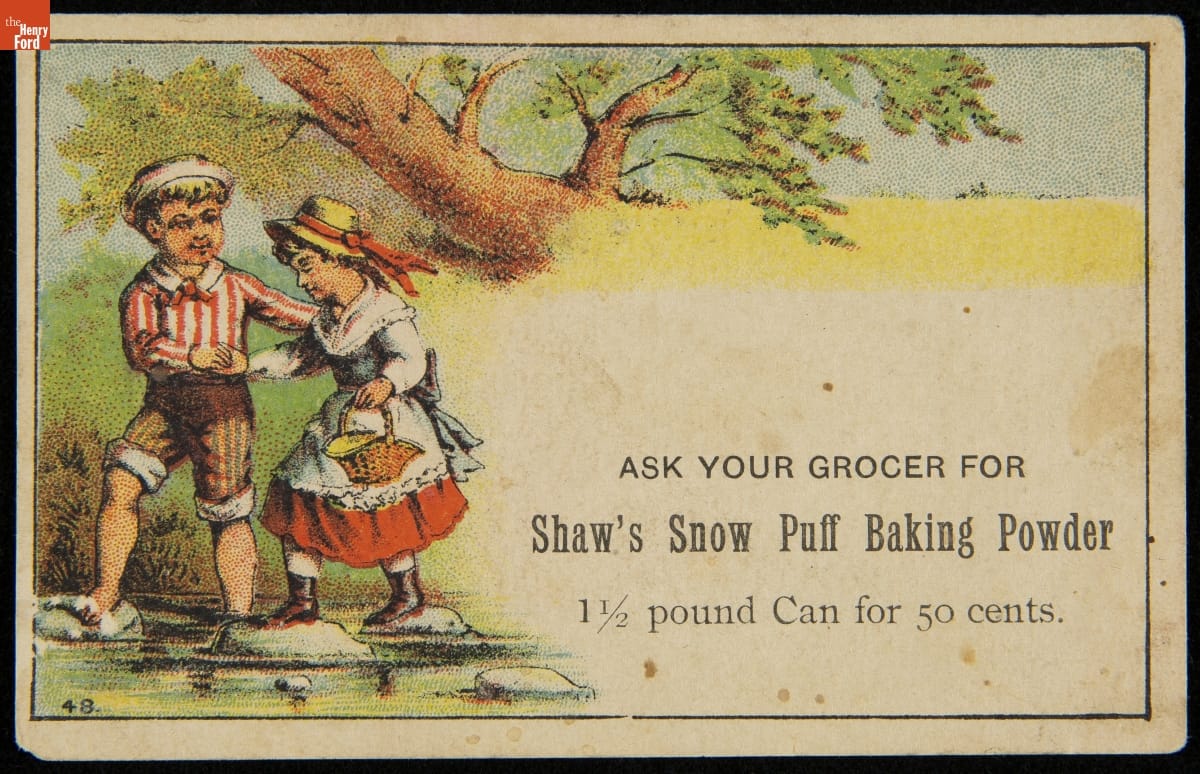
- Trade Card for Shaw's Snow Puff Baking Powder, 1880-1900 - In the last third of the nineteenth century, an unprecedented variety of consumer goods and services flooded the American market. Advertisers, armed with new methods of color printing, bombarded potential customers with trade cards. Americans enjoyed and often saved the vibrant little advertisements found in product packages or distributed by local merchants. Many survive as historical records of commercialism in the United States.
- 1880-1900
- Collections - Artifact
Trade Card for Shaw's Snow Puff Baking Powder, 1880-1900
In the last third of the nineteenth century, an unprecedented variety of consumer goods and services flooded the American market. Advertisers, armed with new methods of color printing, bombarded potential customers with trade cards. Americans enjoyed and often saved the vibrant little advertisements found in product packages or distributed by local merchants. Many survive as historical records of commercialism in the United States.
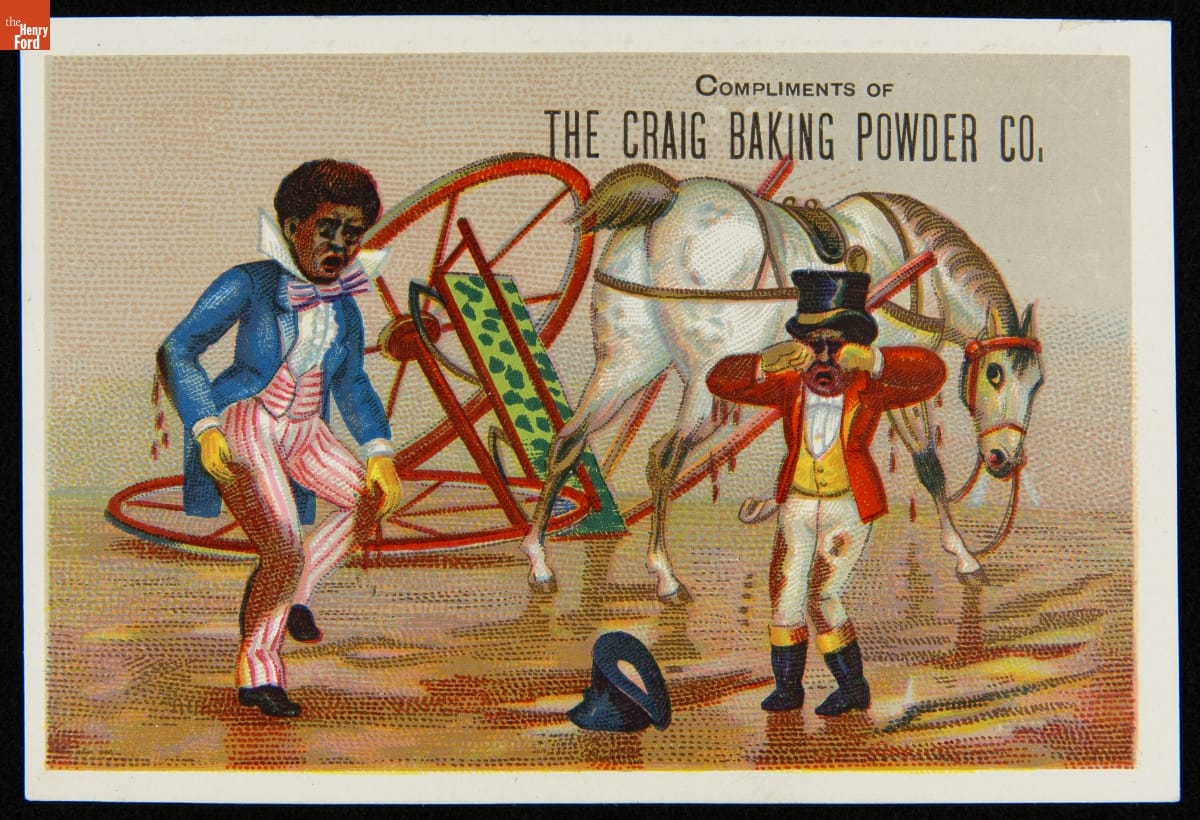
- Trade Card for Empire Baking Powder, Craig Baking Powder Co., 1880-1900 - Late-nineteenth-century manufacturers used trade cards to promote and sell products. These colorful advertisements also reflected the racial prejudices of the time. Card illustrators typically depicted African Americans with enlarged or distorted features, either wearing colorful clothes or dressed as servants, and often involved in some comical mishap. These depictions affirmed the discriminatory biases that many white Americans -- the consumers of these cards -- held.
- 1880-1900
- Collections - Artifact
Trade Card for Empire Baking Powder, Craig Baking Powder Co., 1880-1900
Late-nineteenth-century manufacturers used trade cards to promote and sell products. These colorful advertisements also reflected the racial prejudices of the time. Card illustrators typically depicted African Americans with enlarged or distorted features, either wearing colorful clothes or dressed as servants, and often involved in some comical mishap. These depictions affirmed the discriminatory biases that many white Americans -- the consumers of these cards -- held.
- Advertising Poster for The Cooks Baking Powder, Banner Baking Powder Co., circa 1900 - Manufacturers around the turn of the 20th century used colorful posters to help sell their products. Many of these advertisements also reflected the racial prejudices of the time. Illustrators typically depicted African Americans with enlarged or distorted features, speaking with stereotypical language and often involved in some comical mishap. These images dehumanized blacks and affirmed the discriminatory biases many white Americans held.
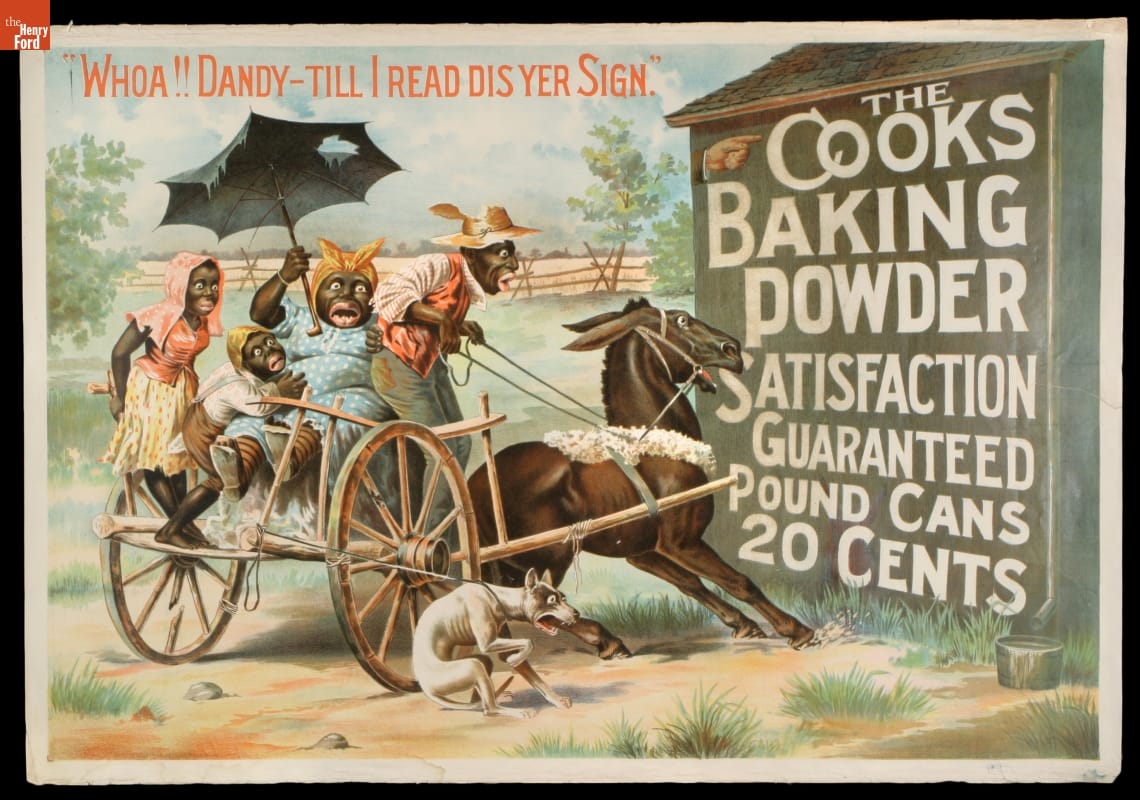
- circa 1900
- Collections - Artifact
Advertising Poster for The Cooks Baking Powder, Banner Baking Powder Co., circa 1900
Manufacturers around the turn of the 20th century used colorful posters to help sell their products. Many of these advertisements also reflected the racial prejudices of the time. Illustrators typically depicted African Americans with enlarged or distorted features, speaking with stereotypical language and often involved in some comical mishap. These images dehumanized blacks and affirmed the discriminatory biases many white Americans held.
- Trade Card for Czar Baking Powder, Steele & Emery, 1870-1900 - Late-nineteenth-century manufacturers used trade cards to promote and sell products. These colorful advertisements also reflected the racial prejudices of the time. Card illustrators typically depicted African Americans with enlarged or distorted features, speaking with stereotypical language and often involved in some comical mishap. These images dehumanized blacks and affirmed the discriminatory biases many white Americans -- consumers of these trade cards -- held.
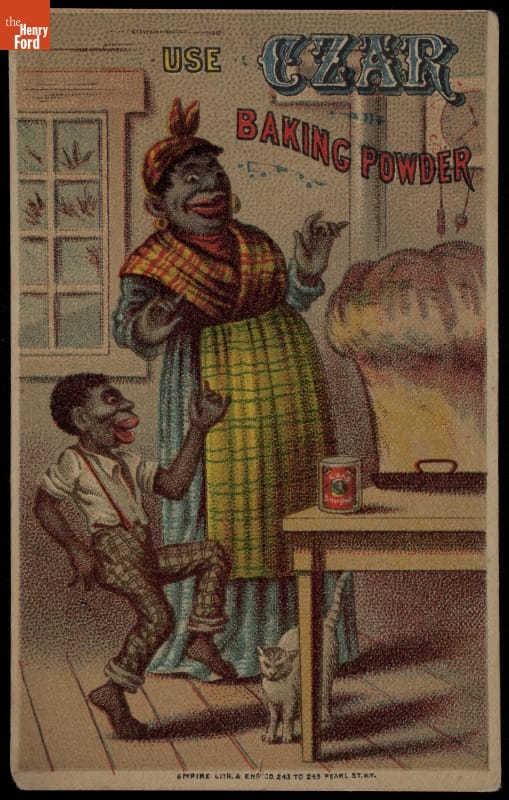
- 1870-1900
- Collections - Artifact
Trade Card for Czar Baking Powder, Steele & Emery, 1870-1900
Late-nineteenth-century manufacturers used trade cards to promote and sell products. These colorful advertisements also reflected the racial prejudices of the time. Card illustrators typically depicted African Americans with enlarged or distorted features, speaking with stereotypical language and often involved in some comical mishap. These images dehumanized blacks and affirmed the discriminatory biases many white Americans -- consumers of these trade cards -- held.
- Trade Card for Horsford's Self-Raising Bread Preparation, Rumford Chemical Works, 1865-1885 - In the last third of the nineteenth century, an unprecedented variety of consumer goods and services flooded the American market. Advertisers, armed with new methods of color printing, bombarded potential customers with trade cards. Americans enjoyed and often saved the vibrant little advertisements found in product packages or distributed by local merchants. Many survive as historical records of commercialism in the United States.
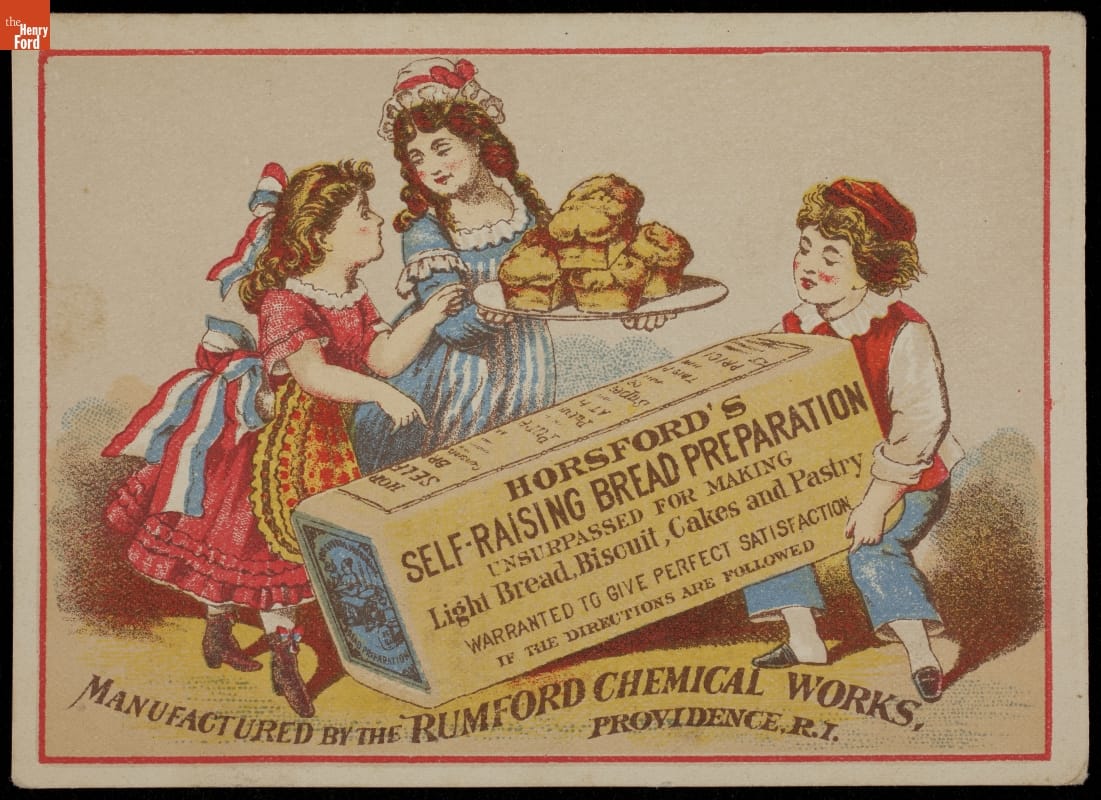
- 1865-1885
- Collections - Artifact
Trade Card for Horsford's Self-Raising Bread Preparation, Rumford Chemical Works, 1865-1885
In the last third of the nineteenth century, an unprecedented variety of consumer goods and services flooded the American market. Advertisers, armed with new methods of color printing, bombarded potential customers with trade cards. Americans enjoyed and often saved the vibrant little advertisements found in product packages or distributed by local merchants. Many survive as historical records of commercialism in the United States.
- Oetker Baking Powder, 1970-2000 - This food item was one of the many exotic delicacies sold at A. Rensch & Co., a family-owned specialty-import food store that opened in Toledo, Ohio, in 1882. Customers interested in exotic canned and bottled foods, hard-to-find teas and coffees, and all manner of imported meats and cheeses would have frequented a store like this. A. Rensch & Co. also sold gift boxes.
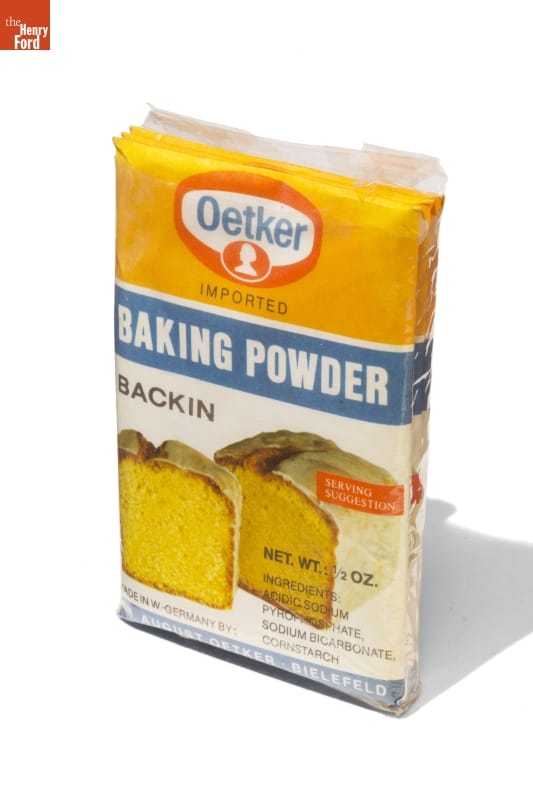
- 1970-2000
- Collections - Artifact
Oetker Baking Powder, 1970-2000
This food item was one of the many exotic delicacies sold at A. Rensch & Co., a family-owned specialty-import food store that opened in Toledo, Ohio, in 1882. Customers interested in exotic canned and bottled foods, hard-to-find teas and coffees, and all manner of imported meats and cheeses would have frequented a store like this. A. Rensch & Co. also sold gift boxes.
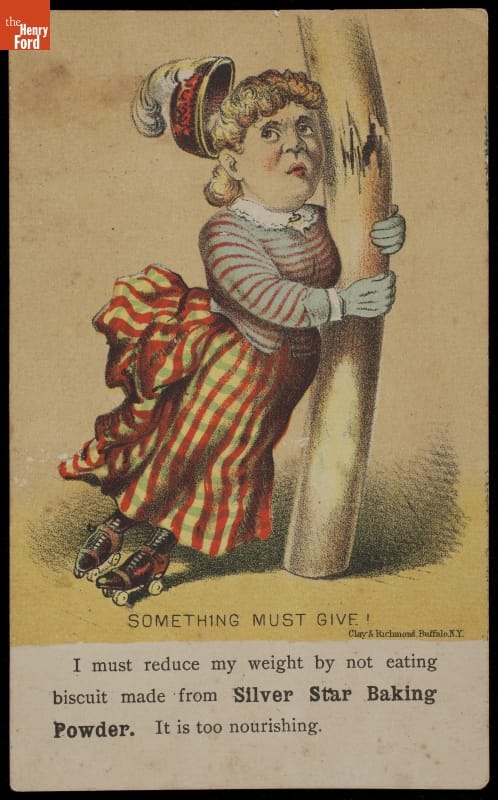
- Trade Card for Silver Star Baking Powder, 1880-1885 - In the last third of the nineteenth century, an unprecedented variety of consumer goods and services flooded the American market. Advertisers, armed with new methods of color printing, bombarded potential customers with trade cards. Americans enjoyed and often saved the vibrant little advertisements found in product packages or distributed by local merchants. Many survive as historical records of commercialism in the United States.
- 1880-1885
- Collections - Artifact
Trade Card for Silver Star Baking Powder, 1880-1885
In the last third of the nineteenth century, an unprecedented variety of consumer goods and services flooded the American market. Advertisers, armed with new methods of color printing, bombarded potential customers with trade cards. Americans enjoyed and often saved the vibrant little advertisements found in product packages or distributed by local merchants. Many survive as historical records of commercialism in the United States.
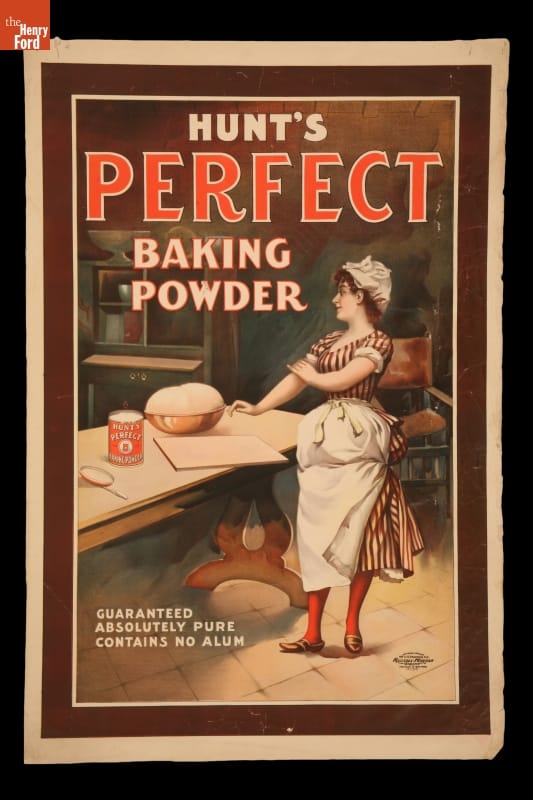
- Advertising Poster, "Hunt's Perfect Baking Powder," 1900 -
- 1900
- Collections - Artifact
Advertising Poster, "Hunt's Perfect Baking Powder," 1900