
Search
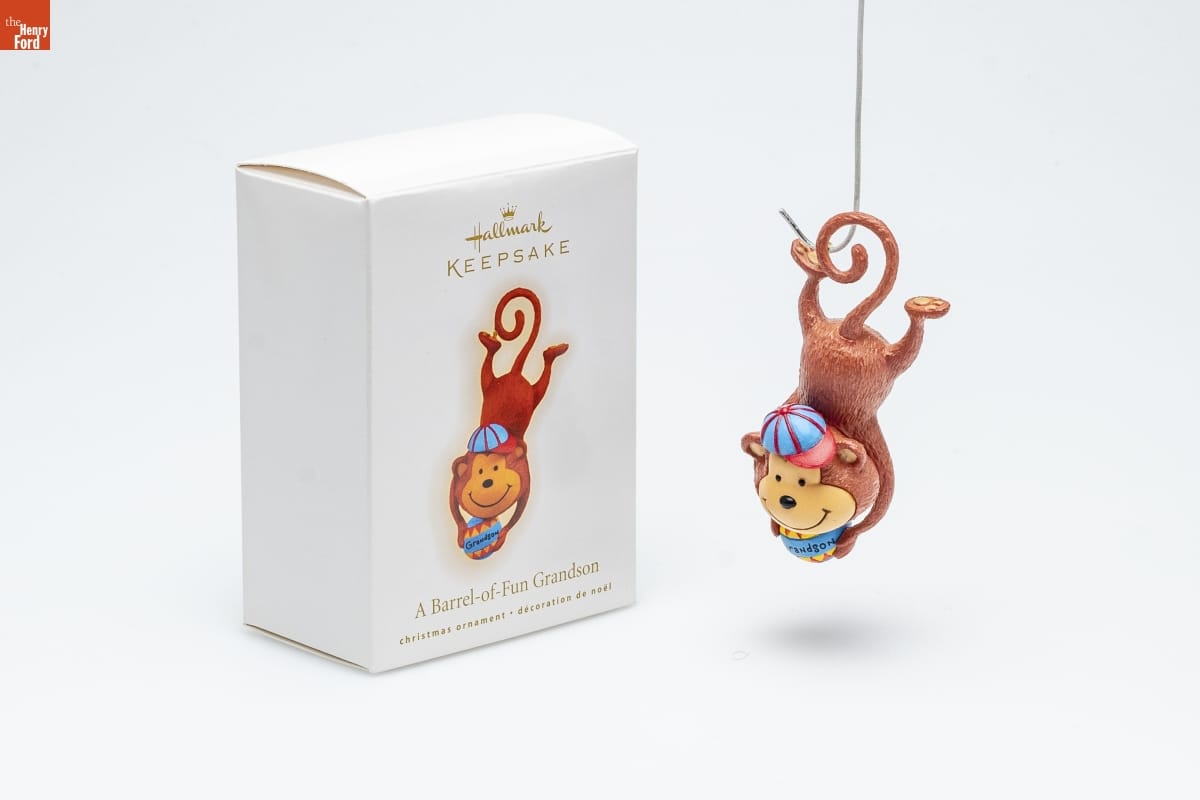
- Hallmark "A Barrel-of-Fun Grandson" Christmas Ornament, 2009 - Already known for greeting cards, Hallmark introduced a line of Christmas ornaments in 1973. The company's annual release of an increasing array of ornaments revolutionized Christmas decorating, appealing to customers' interest in marking memories and milestones as well as expressing one's personality and unique tastes.
- 2009
- Collections - Artifact
Hallmark "A Barrel-of-Fun Grandson" Christmas Ornament, 2009
Already known for greeting cards, Hallmark introduced a line of Christmas ornaments in 1973. The company's annual release of an increasing array of ornaments revolutionized Christmas decorating, appealing to customers' interest in marking memories and milestones as well as expressing one's personality and unique tastes.
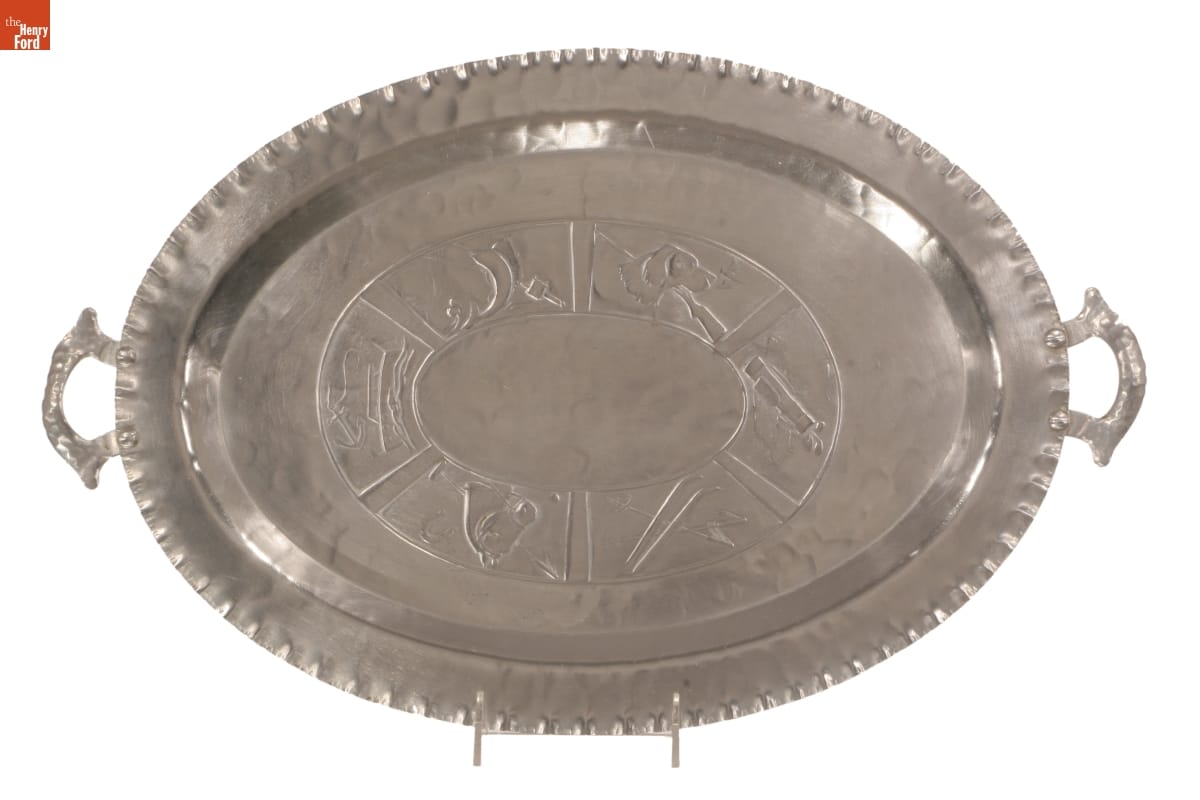
- Everlast "Forged Sports" Tray, 1938-1941 - In 1932, Louis Schnitzer and Nathan Gelfman formed Everlast Metal Products Corporation, producing high-quality, hand-forged aluminum giftware. In an era of growing uniformity via factory production, the "made by hand" aspect of these products held an aesthetic appeal for consumers. In 1933, Everlast introduced its first product line, "Forged Giftware" featuring Colonial Revival inspired designs.
- 1938-1941
- Collections - Artifact
Everlast "Forged Sports" Tray, 1938-1941
In 1932, Louis Schnitzer and Nathan Gelfman formed Everlast Metal Products Corporation, producing high-quality, hand-forged aluminum giftware. In an era of growing uniformity via factory production, the "made by hand" aspect of these products held an aesthetic appeal for consumers. In 1933, Everlast introduced its first product line, "Forged Giftware" featuring Colonial Revival inspired designs.
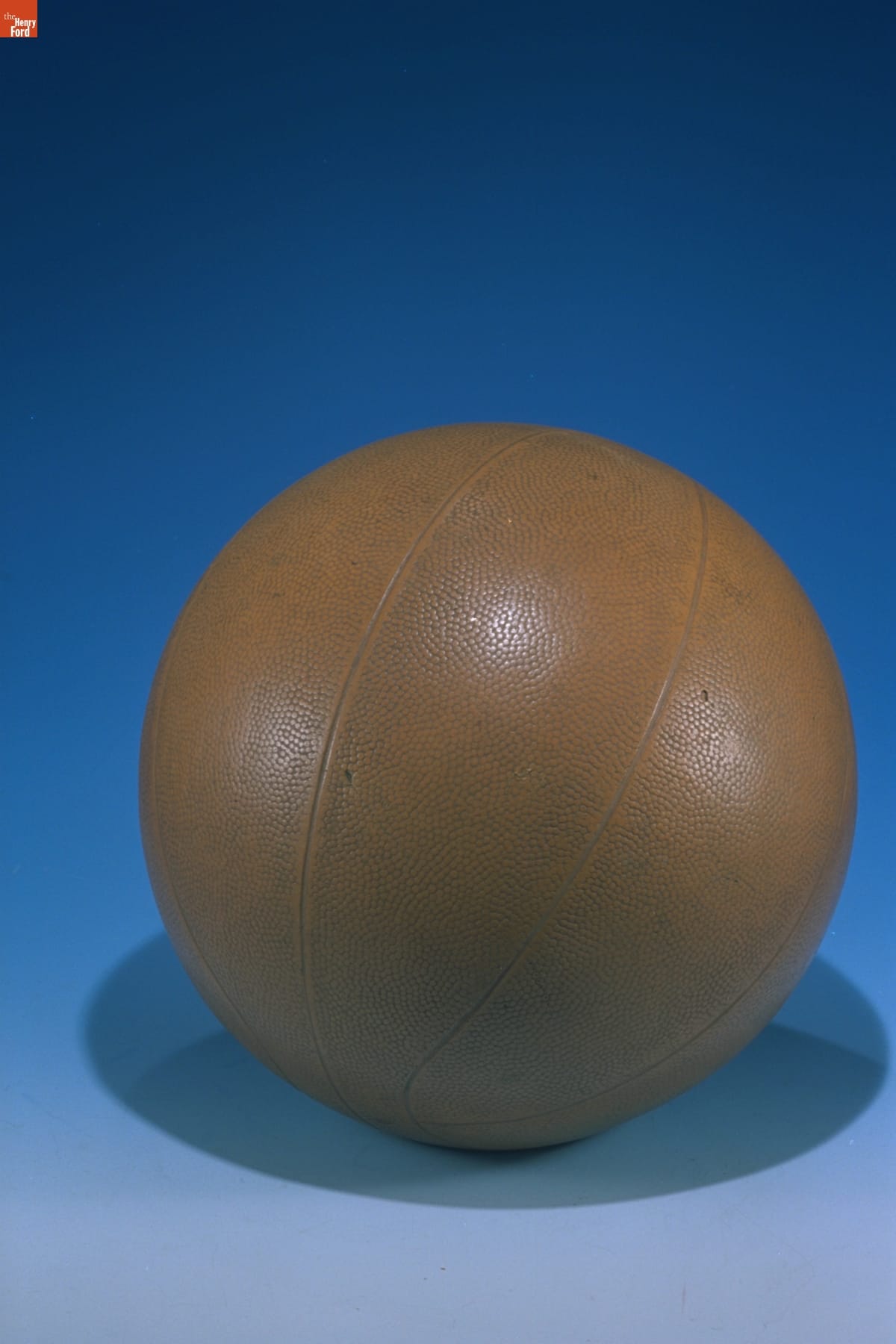
- Basketball, Used by James Greenhoe, 1937-1946 -
- 1937-1946
- Collections - Artifact
Basketball, Used by James Greenhoe, 1937-1946
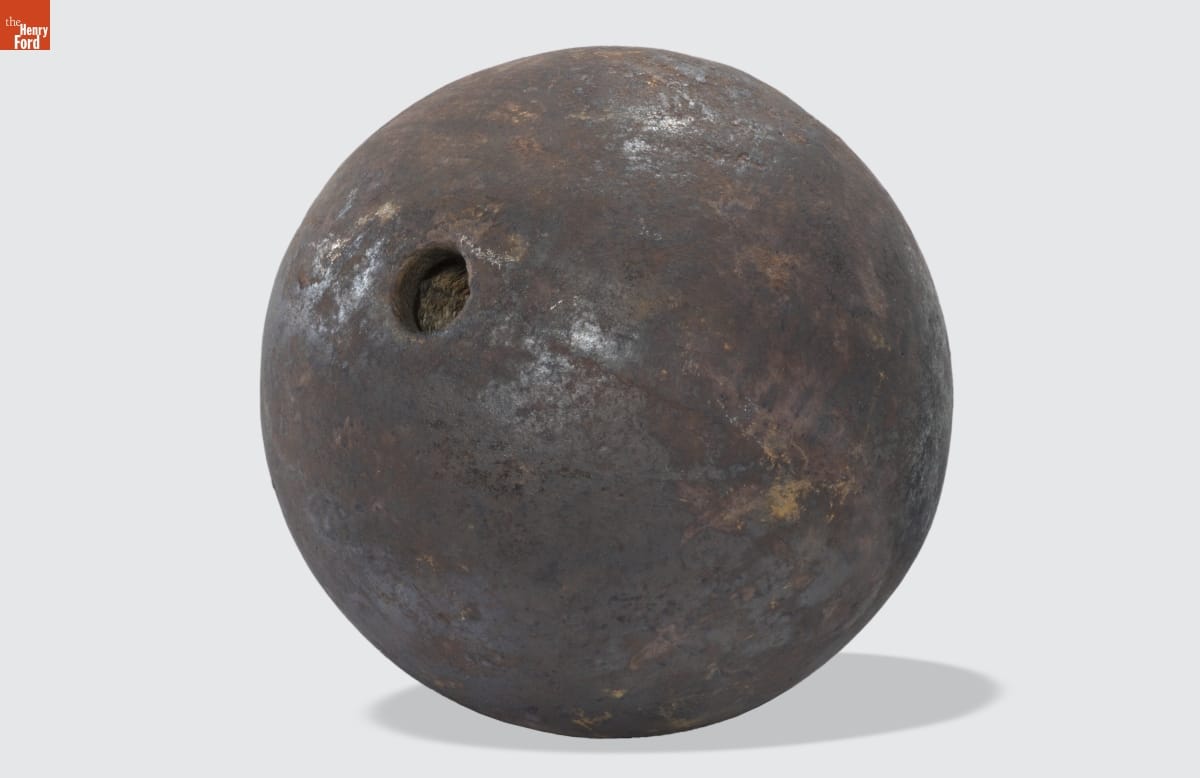
- Ball -
- Collections - Artifact
Ball
- Nerf Ball, 1969-1970 -
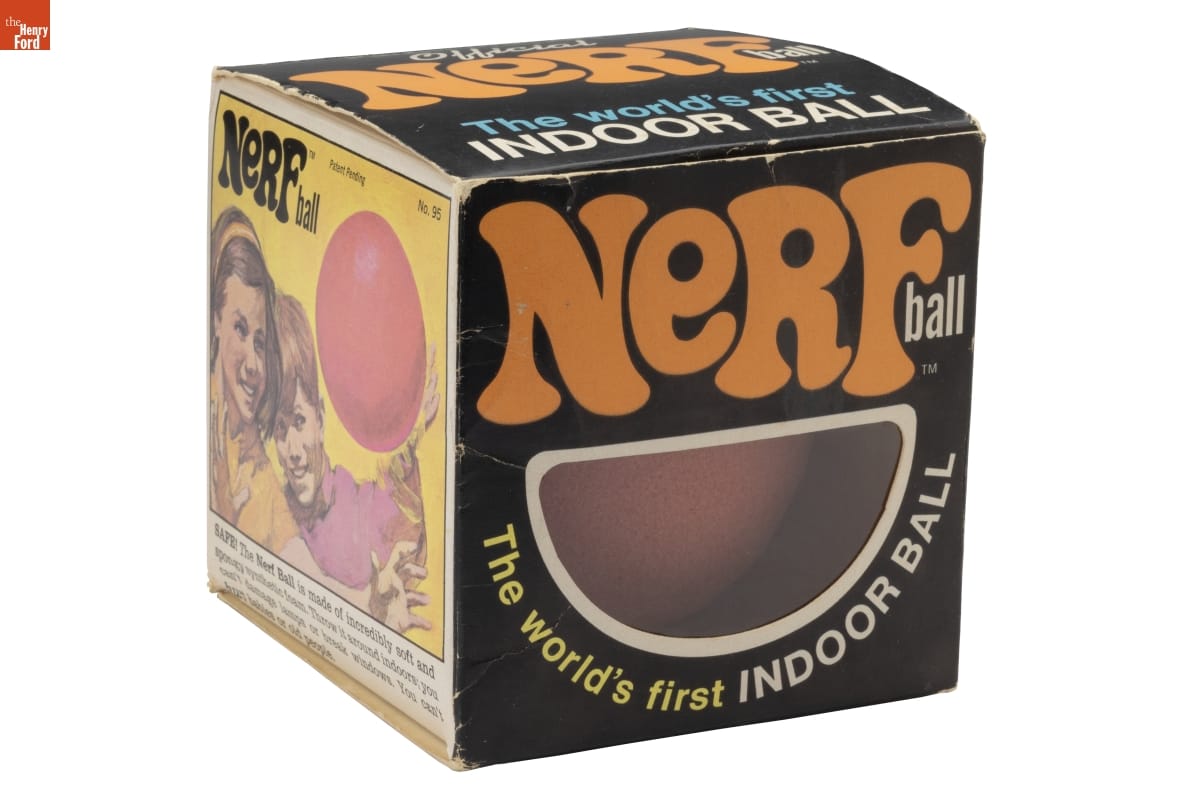
- 1969-1970
- Collections - Artifact
Nerf Ball, 1969-1970
- Lightning Rod Bulb, 1900-1920 - Lightning can destroy houses, barns, and other buildings--and their contents. In the early 1900s, building owners installed lighting rods made of conductive metals at the highest point of a building to manage the risk of lightning strikes. A glass ball mounted on the rod would shatter when lighting struck, alerting the owner to inspect the lightning rod system before another storm.
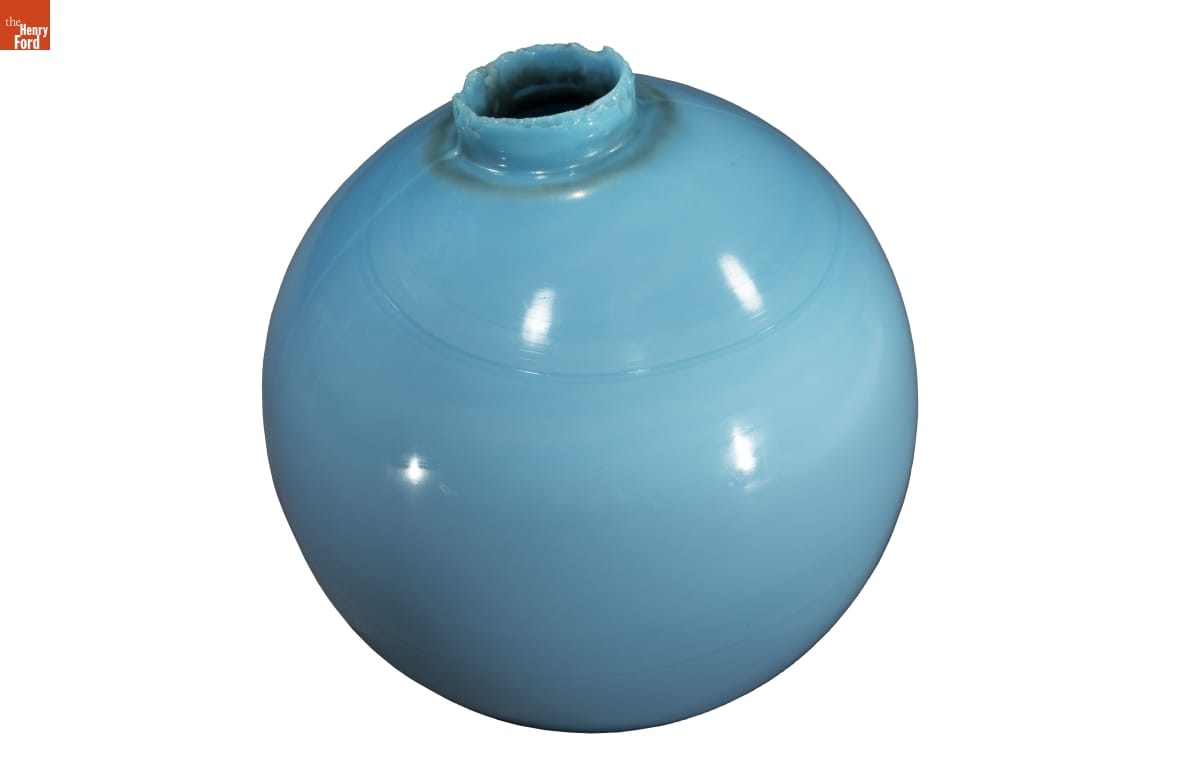
- 1900-1920
- Collections - Artifact
Lightning Rod Bulb, 1900-1920
Lightning can destroy houses, barns, and other buildings--and their contents. In the early 1900s, building owners installed lighting rods made of conductive metals at the highest point of a building to manage the risk of lightning strikes. A glass ball mounted on the rod would shatter when lighting struck, alerting the owner to inspect the lightning rod system before another storm.
- Lightning Rod Bulb, 1900-1920 - Lightning can destroy houses, barns, and other buildings--and their contents. In the early 1900s, building owners installed lighting rods made of conductive metals at the highest point of a building to manage the risk of lightning strikes. A glass ball mounted on the rod would shatter when lighting struck, alerting the owner to inspect the lightning rod system before another storm.
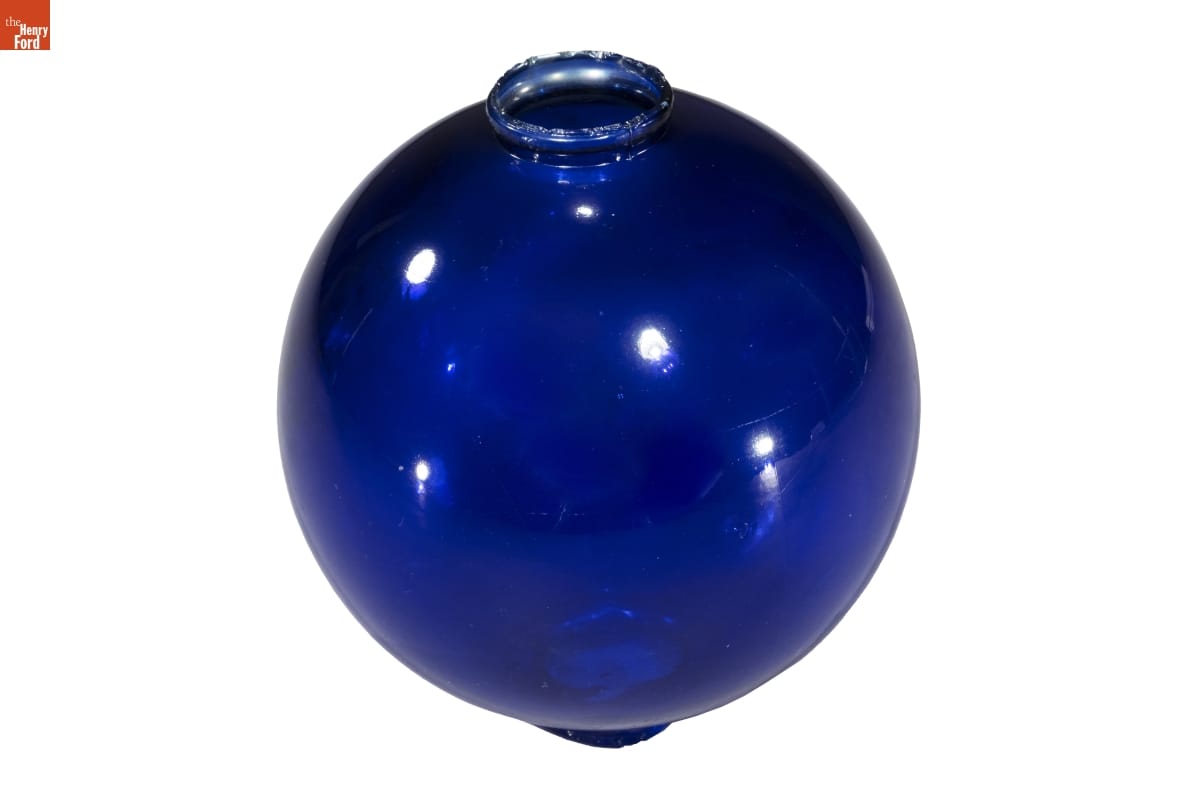
- 1900-1920
- Collections - Artifact
Lightning Rod Bulb, 1900-1920
Lightning can destroy houses, barns, and other buildings--and their contents. In the early 1900s, building owners installed lighting rods made of conductive metals at the highest point of a building to manage the risk of lightning strikes. A glass ball mounted on the rod would shatter when lighting struck, alerting the owner to inspect the lightning rod system before another storm.
- "Patterns of Thought: Eye Candy" by Ginny Ruffner and Steve Kursh, 1994 -
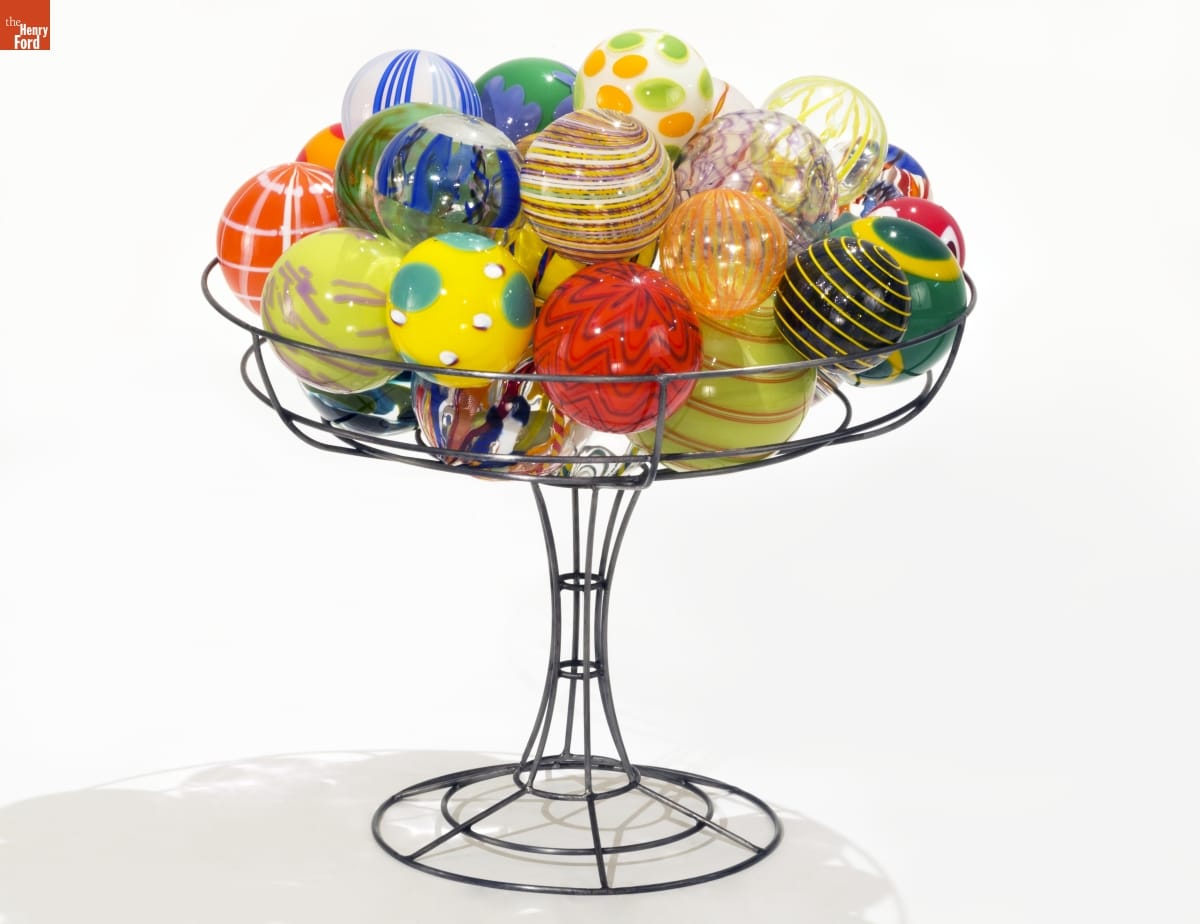
- 1994
- Collections - Artifact
"Patterns of Thought: Eye Candy" by Ginny Ruffner and Steve Kursh, 1994
- Football, 1938-1950 -
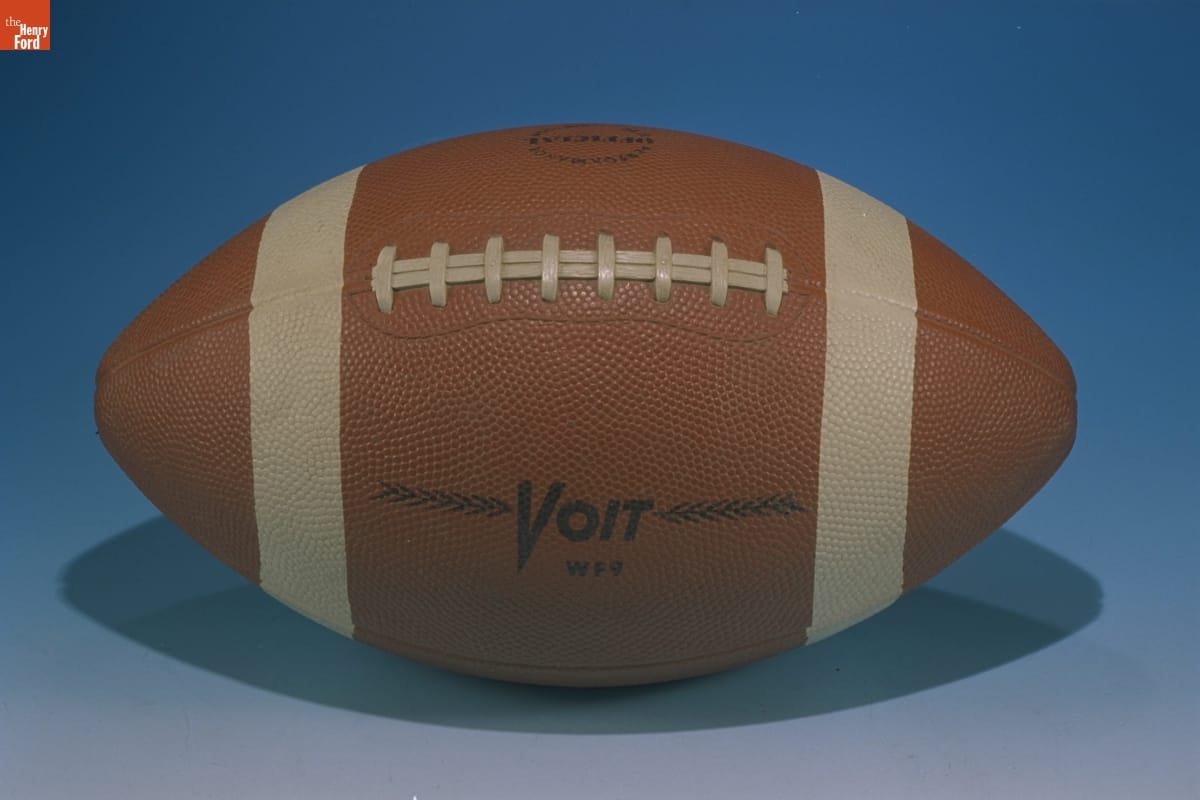
- 1938-1950
- Collections - Artifact
Football, 1938-1950