
Search
- Bank One ATM Screen Displaying Y2K Readiness Disclosure, December 28, 1999 -
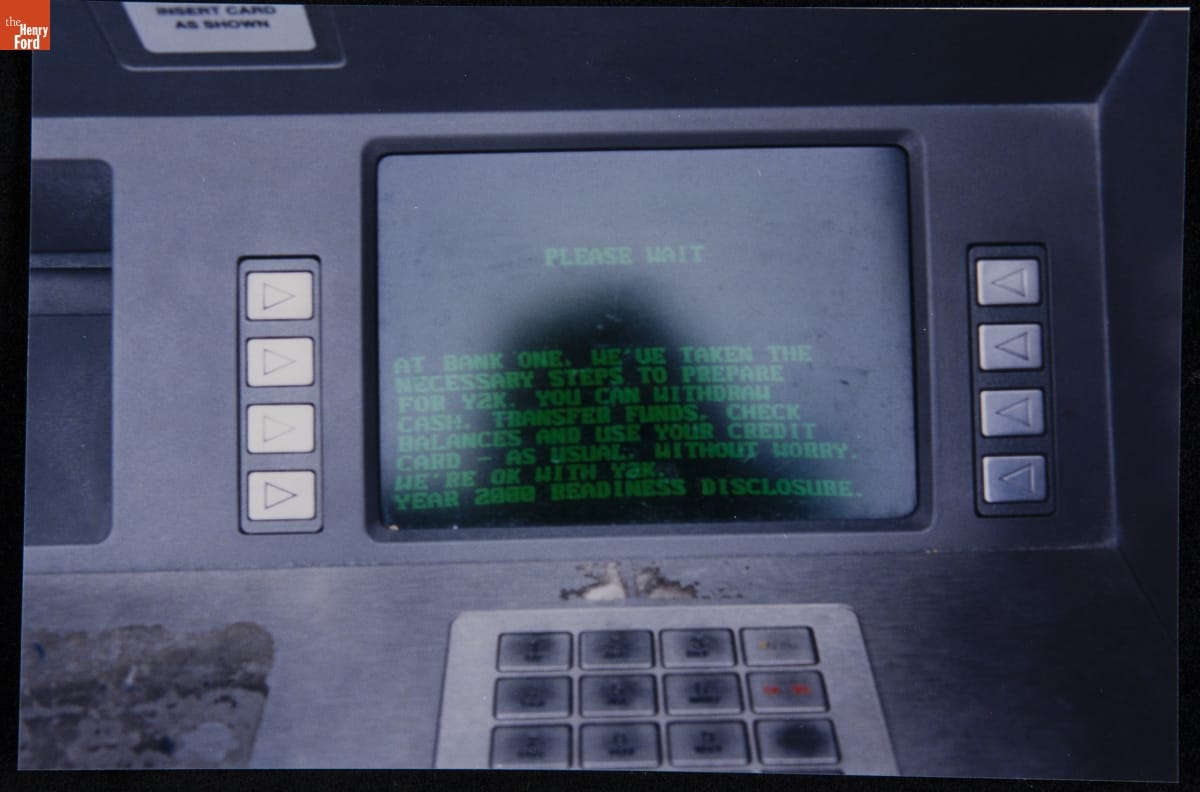
- December 28, 1999
- Collections - Artifact
Bank One ATM Screen Displaying Y2K Readiness Disclosure, December 28, 1999
- H. J. Heinz Company Private Telegraph Code Book, April 1916 - Before telephones, a telegraph was used to transmit messages. Once sent, the message was written or printed and delivered by hand. This was an expensive mode of communication (often charging per word), encouraging companies to create unique codes for phrases to reduce cost. This Telegraph Code Book was used by the H.J. Heinz Company.
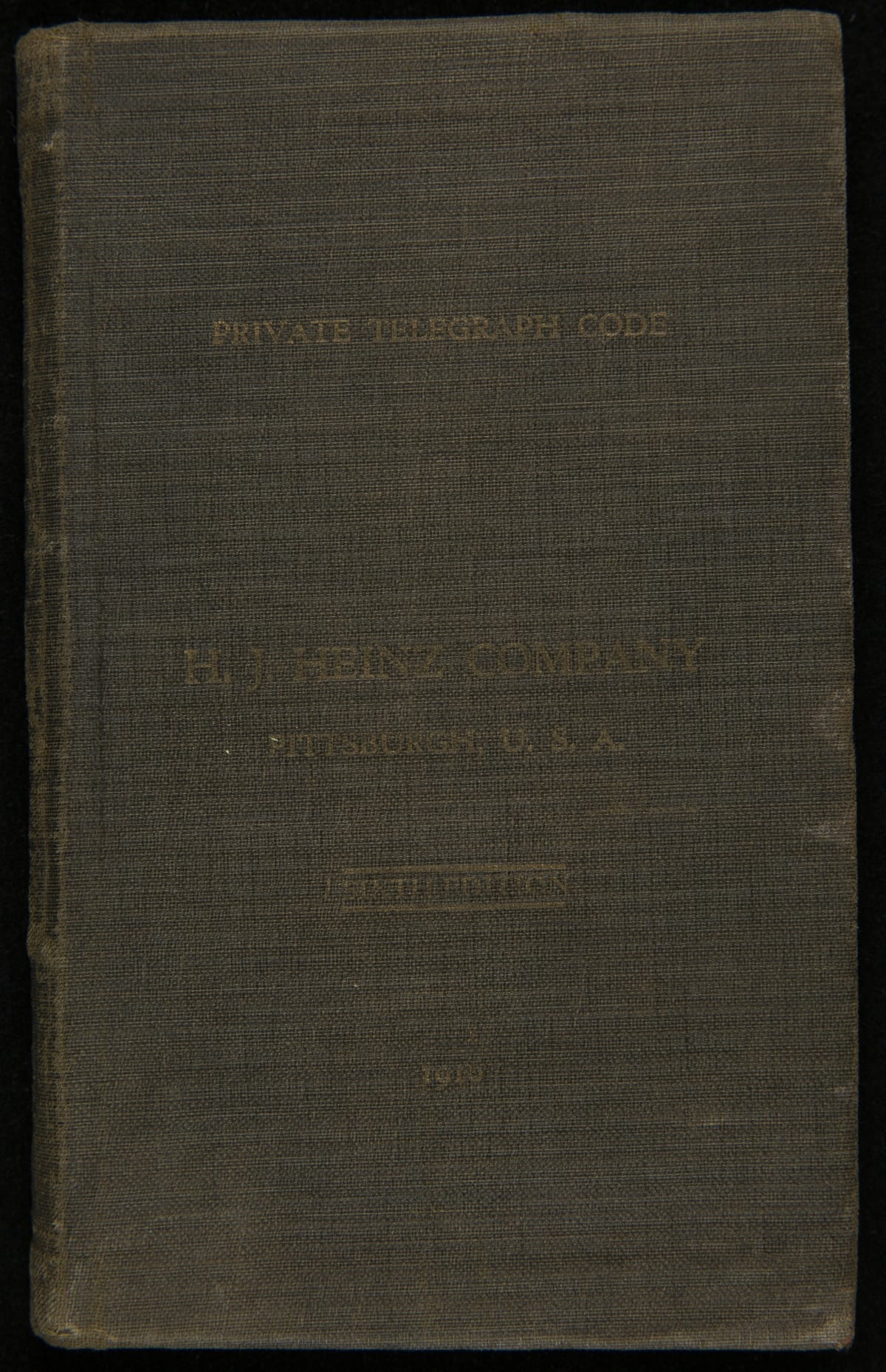
- April 01, 1916
- Collections - Artifact
H. J. Heinz Company Private Telegraph Code Book, April 1916
Before telephones, a telegraph was used to transmit messages. Once sent, the message was written or printed and delivered by hand. This was an expensive mode of communication (often charging per word), encouraging companies to create unique codes for phrases to reduce cost. This Telegraph Code Book was used by the H.J. Heinz Company.
- Burroughs Prototype SmartSource Check Scanner, circa 2005 -
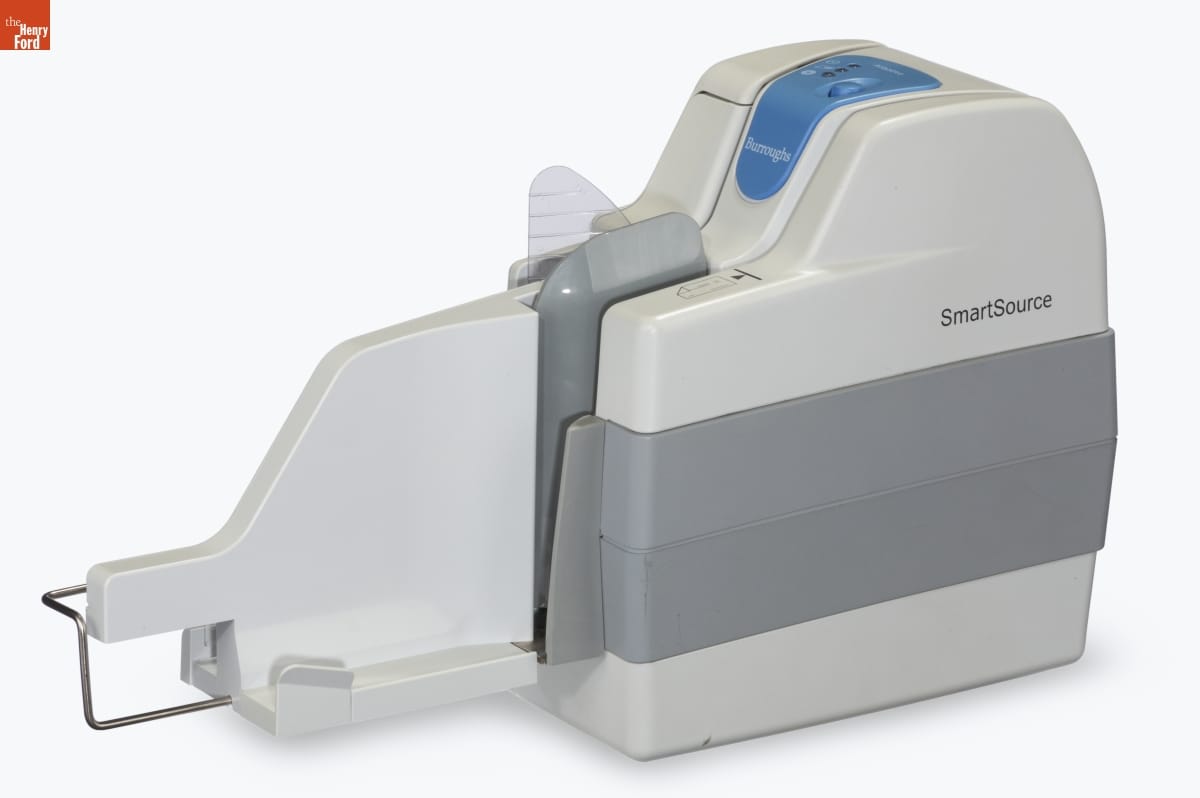
- circa 2005
- Collections - Artifact
Burroughs Prototype SmartSource Check Scanner, circa 2005
- Portrait of Alexander Hamilton, a 1929 Print Based on a John Trumbull Painting -
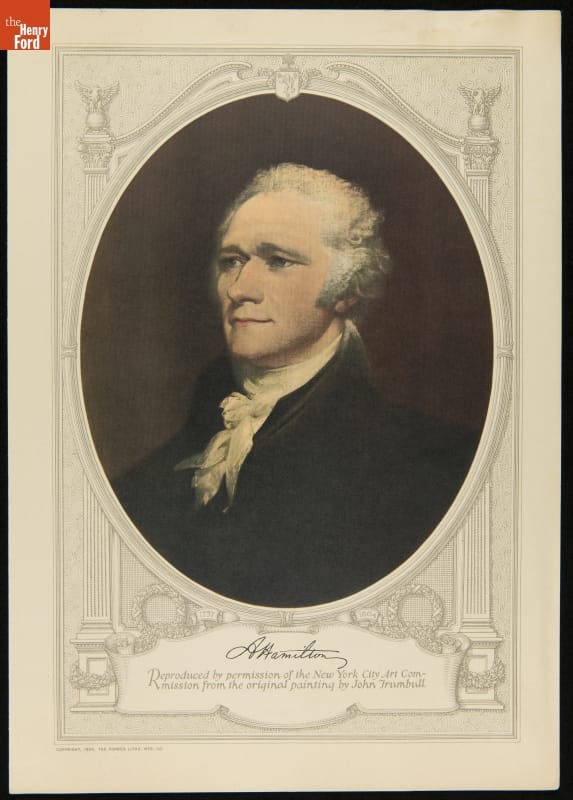
- 1929
- Collections - Artifact
Portrait of Alexander Hamilton, a 1929 Print Based on a John Trumbull Painting
- Bank Vault Timer, 1890-1920 -
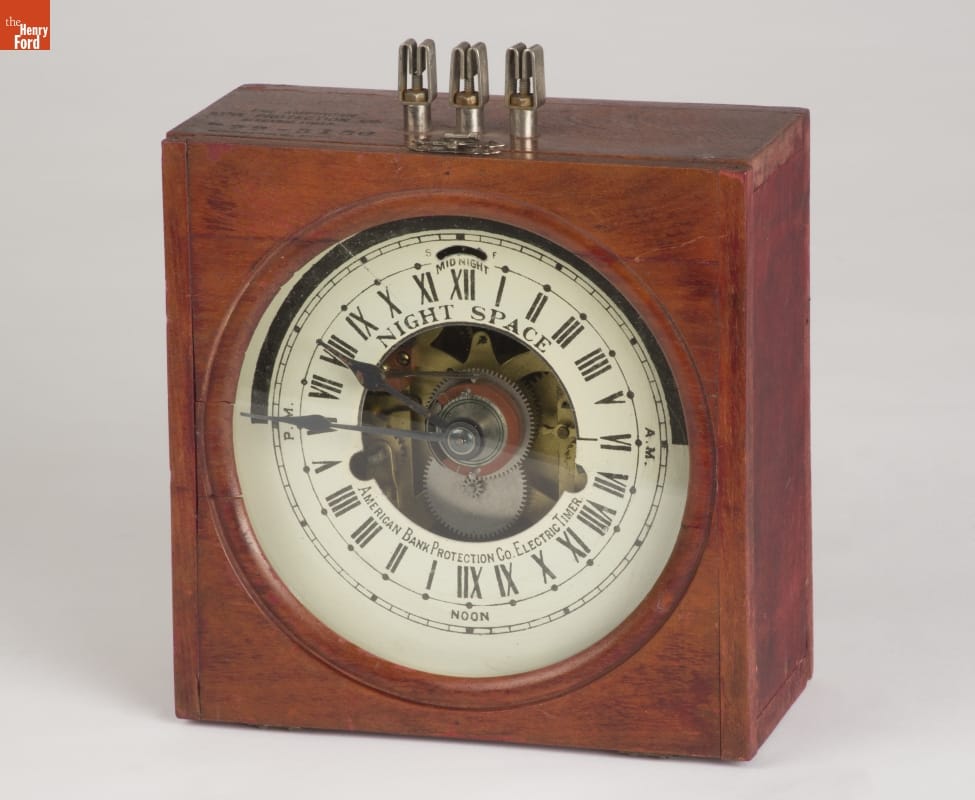
- 1890-1920
- Collections - Artifact
Bank Vault Timer, 1890-1920
- Trade Card for City Savings Bank, Detroit, Michigan, 1889-1896 - In the last third of the nineteenth century, an unprecedented variety of consumer goods and services flooded the American market. Advertisers, armed with new methods of color printing, bombarded potential customers with trade cards. Americans enjoyed and often saved the vibrant little advertisements found in product packages or distributed by local merchants. Many survive as historical records of commercialism in the United States.
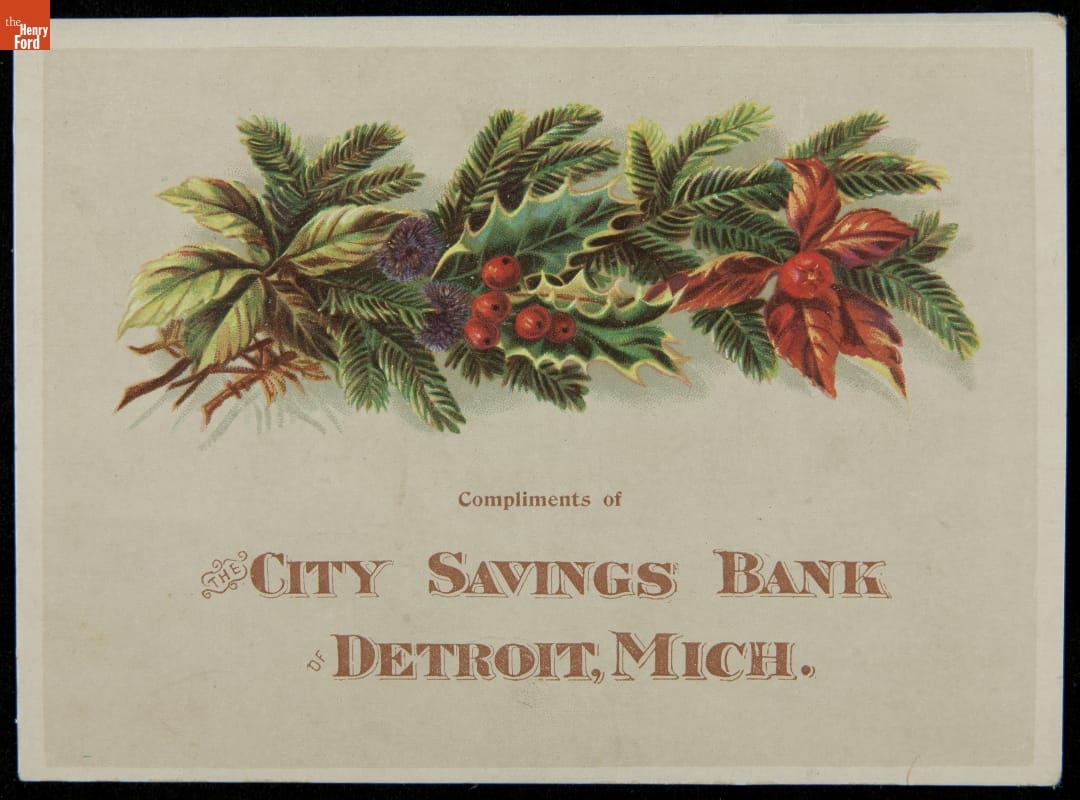
- 1889-1896
- Collections - Artifact
Trade Card for City Savings Bank, Detroit, Michigan, 1889-1896
In the last third of the nineteenth century, an unprecedented variety of consumer goods and services flooded the American market. Advertisers, armed with new methods of color printing, bombarded potential customers with trade cards. Americans enjoyed and often saved the vibrant little advertisements found in product packages or distributed by local merchants. Many survive as historical records of commercialism in the United States.
- Burroughs Creative Solutions in Banking, "Huge Terminal, Concentrator Network Serves Trustee Savings Banks in UK," 1983 - William Seward Burroughs and three other co-founders established the American Arithmometer Company in 1886 to produce simple addition and subtraction machines. Over the years, the company--later known as the Burroughs Corporation--innovated and expanded. Mergers with companies such as Moon-Hopkins and Sperry in the 20th century helped Burroughs become a leader in the calculating--and later computing--industry.
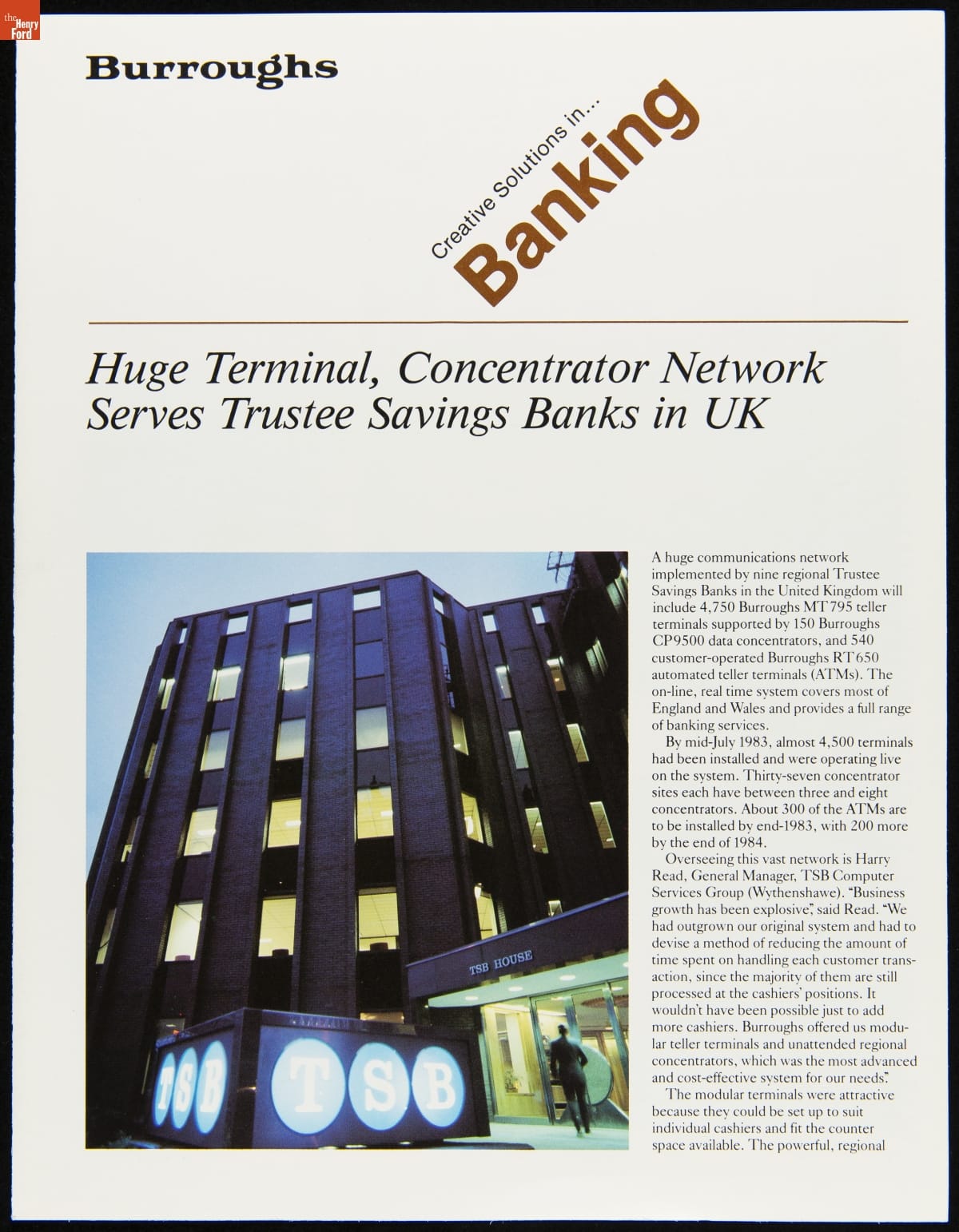
- 1983
- Collections - Artifact
Burroughs Creative Solutions in Banking, "Huge Terminal, Concentrator Network Serves Trustee Savings Banks in UK," 1983
William Seward Burroughs and three other co-founders established the American Arithmometer Company in 1886 to produce simple addition and subtraction machines. Over the years, the company--later known as the Burroughs Corporation--innovated and expanded. Mergers with companies such as Moon-Hopkins and Sperry in the 20th century helped Burroughs become a leader in the calculating--and later computing--industry.
- Commercial National Bank, Detroit, Michigan, circa 1905 -
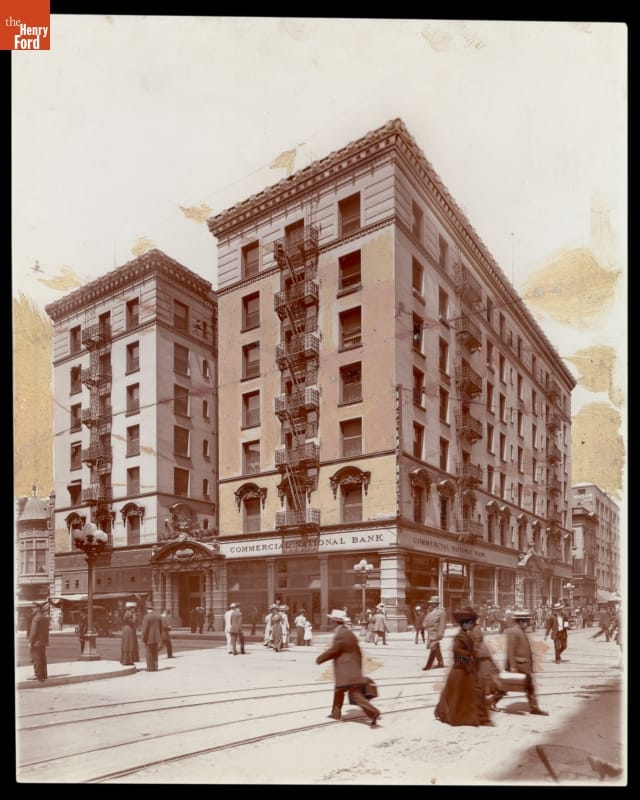
- circa 1905
- Collections - Artifact
Commercial National Bank, Detroit, Michigan, circa 1905
- Burroughs Prototype SmartSource Check Scanner, circa 2005 -
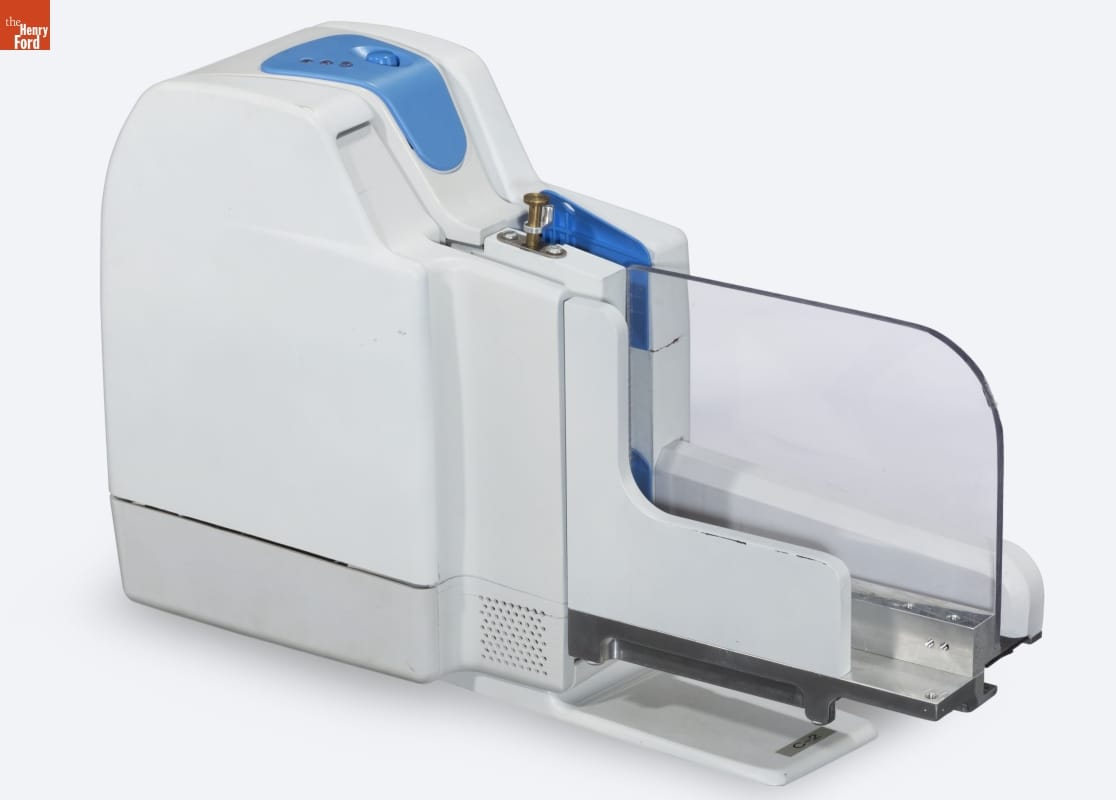
- circa 2005
- Collections - Artifact
Burroughs Prototype SmartSource Check Scanner, circa 2005
- Burroughs Prototype SmartSource Check Scanner, circa 2005 -
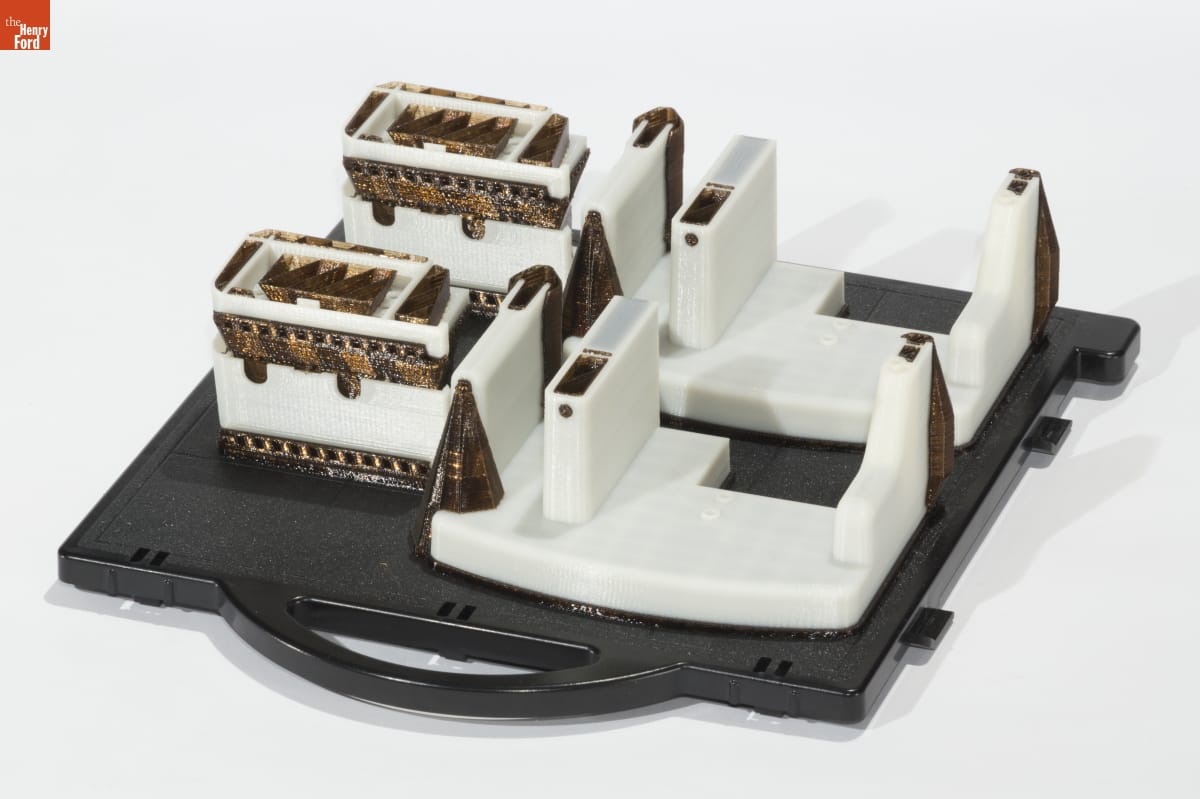
- circa 2005
- Collections - Artifact
Burroughs Prototype SmartSource Check Scanner, circa 2005