
Search
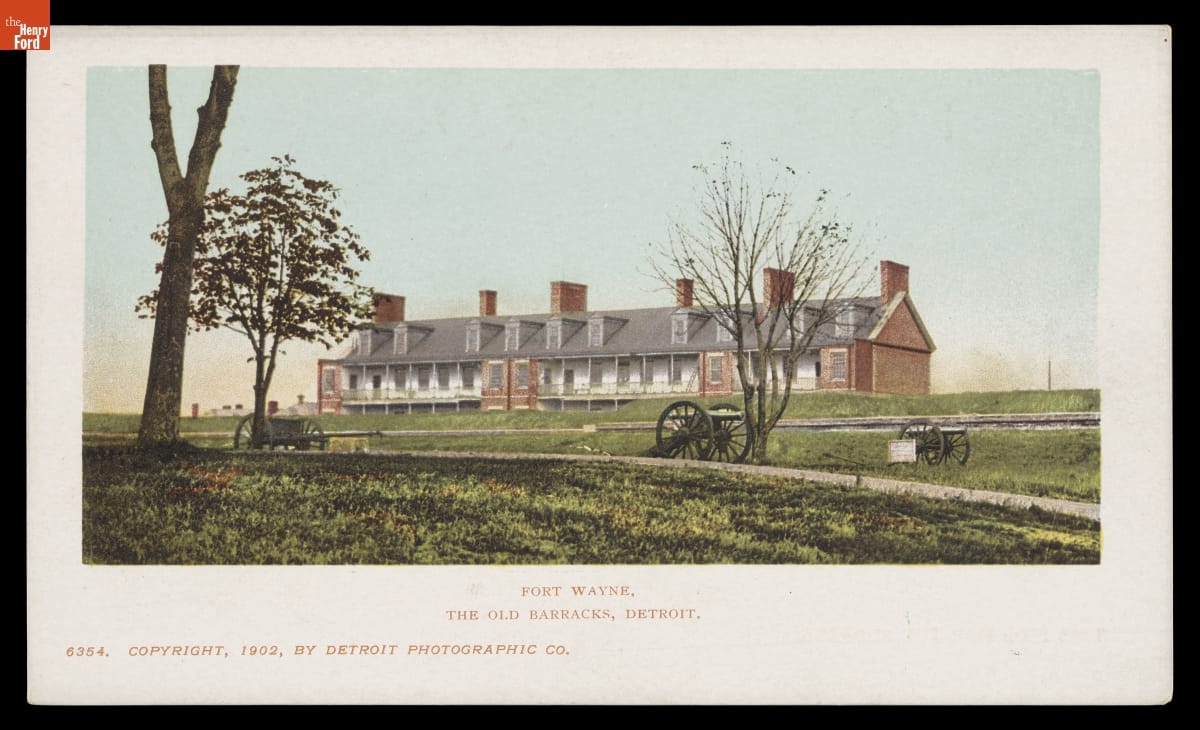
- Fort Wayne, the Old Barracks, Detroit, Michigan -
- 1902
- Collections - Artifact
Fort Wayne, the Old Barracks, Detroit, Michigan
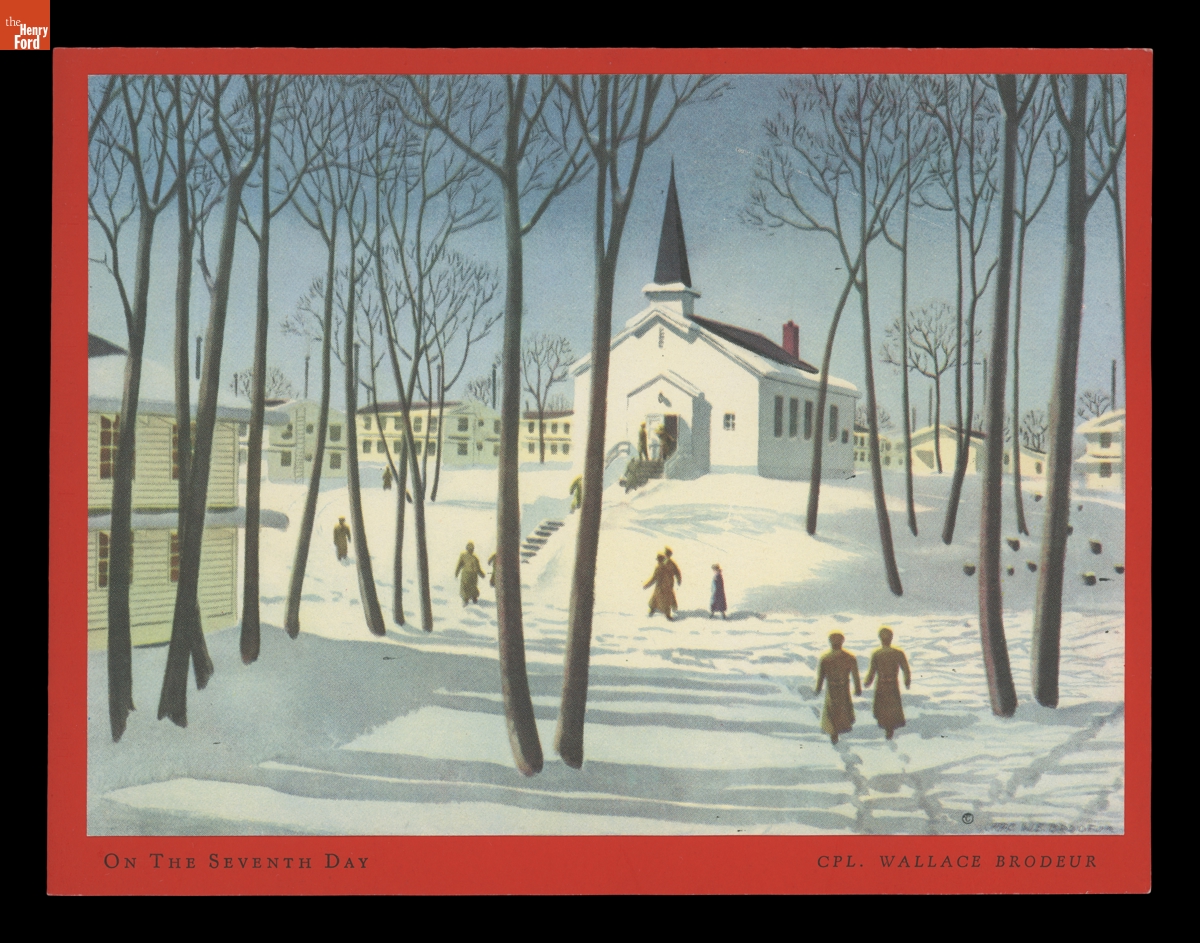
- Christmas Card, "On the Seventh Day," Artwork by Corporal Wallace E. Brodeur, 1945 - The American Artists Group was founded in 1934 to bring contemporary art into American homes at affordable prices and help artists earn a living during the Depression. The organization quickly turned to publishing Christmas cards, which remains the focus of its activities. More than 400 artists have supplied artwork for these holiday greetings.
- 1945
- Collections - Artifact
Christmas Card, "On the Seventh Day," Artwork by Corporal Wallace E. Brodeur, 1945
The American Artists Group was founded in 1934 to bring contemporary art into American homes at affordable prices and help artists earn a living during the Depression. The organization quickly turned to publishing Christmas cards, which remains the focus of its activities. More than 400 artists have supplied artwork for these holiday greetings.
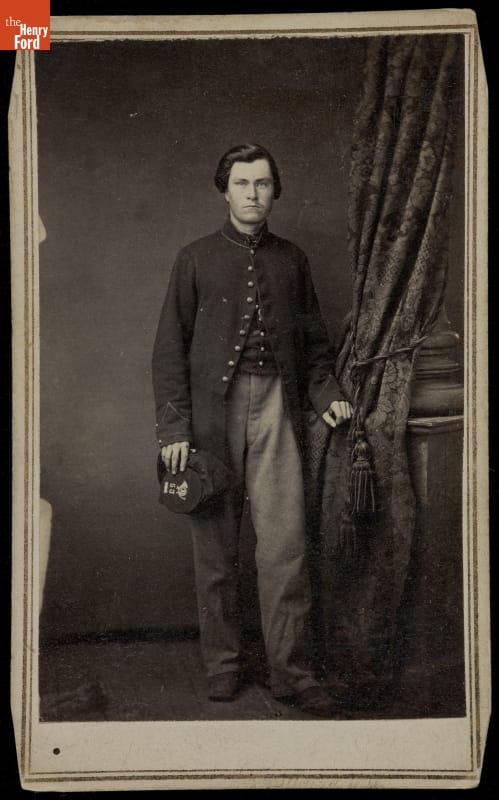
- Union Army Private, Taken at Benton Barracks, St. Louis, Missouri, 1861-1865 - This carte-de-visite made by Enoch Long at Benton Barracks in St. Louis, Missouri, shows an unknown Union Army soldier. Carte-de-visite was a small photographic print on cardboard stock made by professional photographers. Popular in the United States during the Civil War, soldiers often sent these inexpensive images back home as a reminder to friends and family members of their loved ones in service.
- 1861-1865
- Collections - Artifact
Union Army Private, Taken at Benton Barracks, St. Louis, Missouri, 1861-1865
This carte-de-visite made by Enoch Long at Benton Barracks in St. Louis, Missouri, shows an unknown Union Army soldier. Carte-de-visite was a small photographic print on cardboard stock made by professional photographers. Popular in the United States during the Civil War, soldiers often sent these inexpensive images back home as a reminder to friends and family members of their loved ones in service.
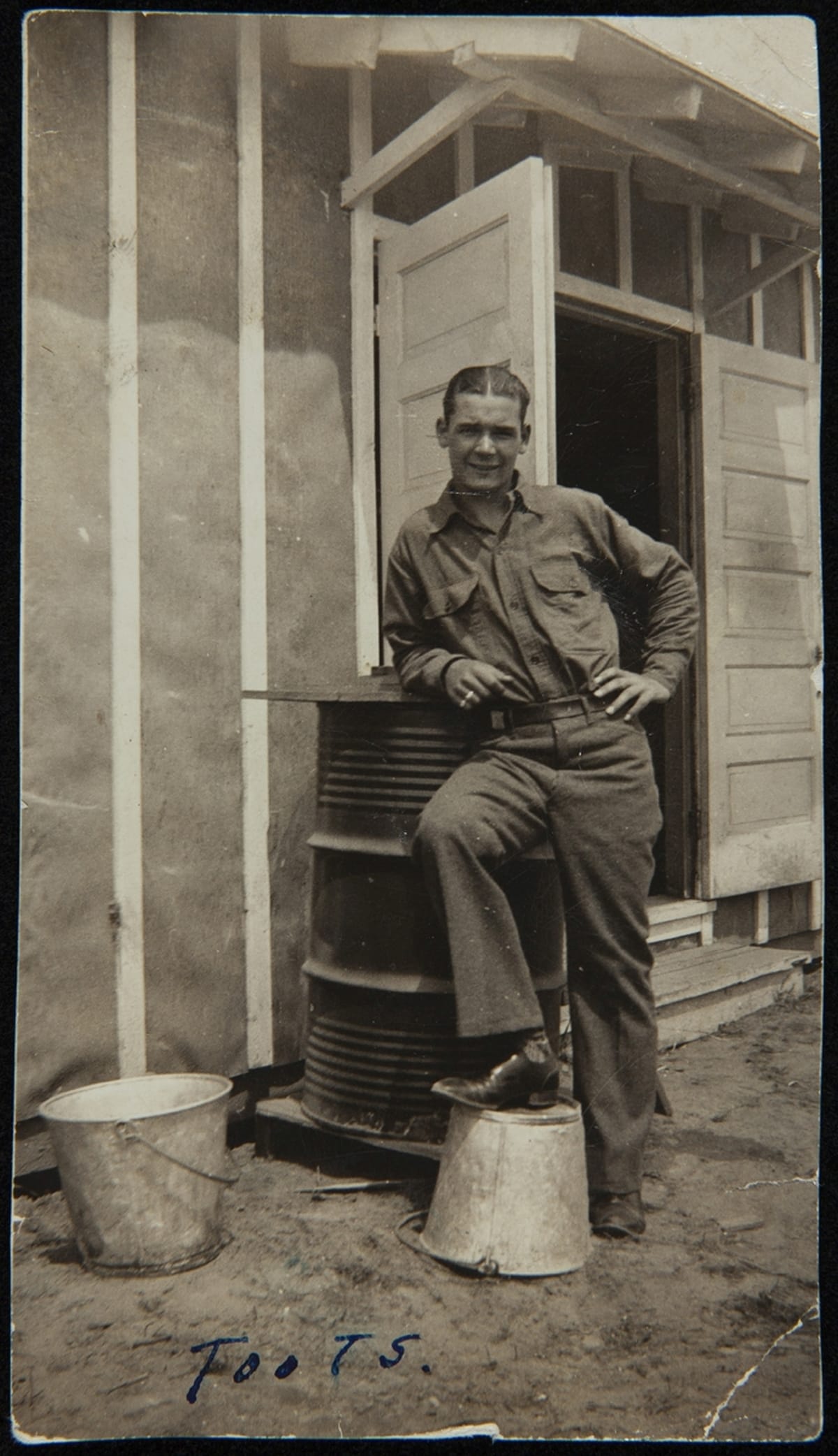
- Stanley J. Zaleski at 1614th Co., Civilian Conservation Corps, Camp McComb, Munising, Michigan, April-September 1934 -
- April 1934-September 1934
- Collections - Artifact
Stanley J. Zaleski at 1614th Co., Civilian Conservation Corps, Camp McComb, Munising, Michigan, April-September 1934
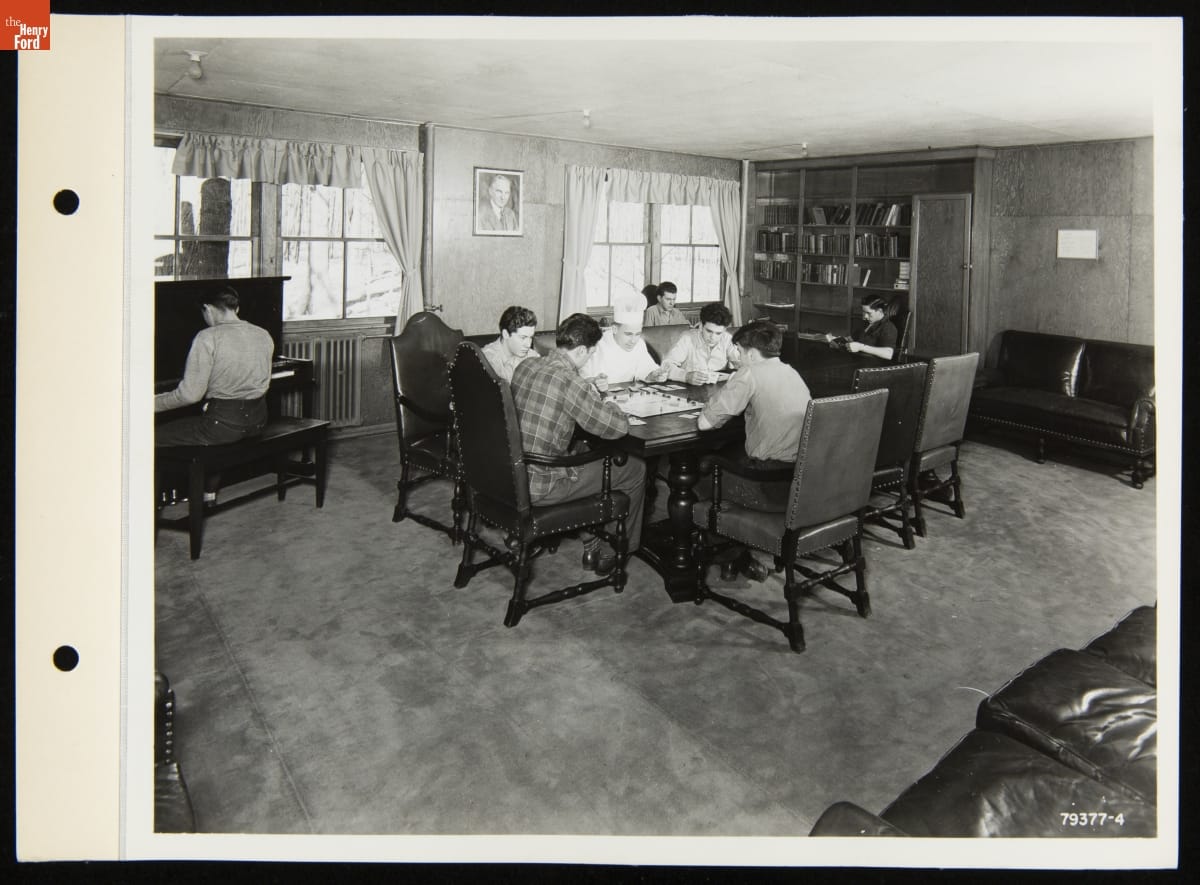
- Group of Boys Playing a Board Game at Camp Legion, February 6, 1944 - Henry Ford opened Camp Legion, near Dearborn, Michigan, in 1938 for sons of dead or disabled World War I veterans. The young men earned steady wages working there seasonally from April-November. The camp's mission was modified in 1944 to include rehabilitation of World War II veterans with disabilities. Veterans learned new skills to help them reenter the workforce.
- February 09, 1944
- Collections - Artifact
Group of Boys Playing a Board Game at Camp Legion, February 6, 1944
Henry Ford opened Camp Legion, near Dearborn, Michigan, in 1938 for sons of dead or disabled World War I veterans. The young men earned steady wages working there seasonally from April-November. The camp's mission was modified in 1944 to include rehabilitation of World War II veterans with disabilities. Veterans learned new skills to help them reenter the workforce.