
Search
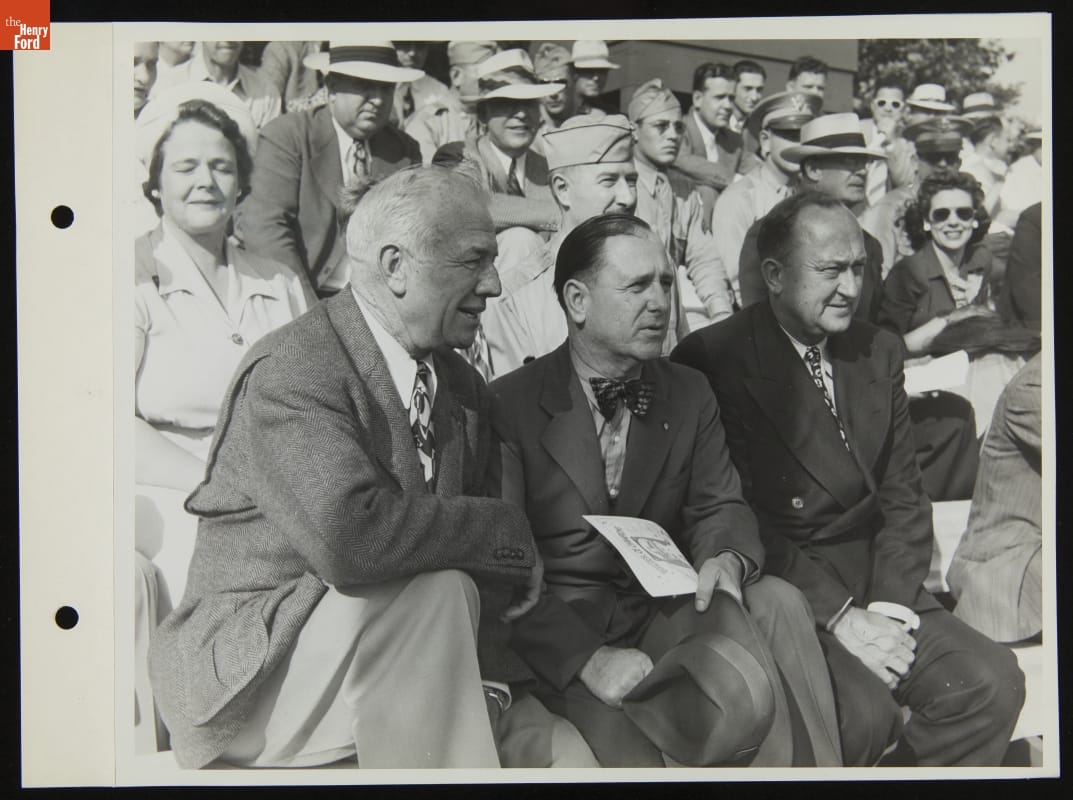
- Tris Speaker and Ty Cobb at Baseball Game, Rotunda Field, Dearborn, Michigan, July 1943 - The Great Lakes Naval Training Station Bluejackets traveled to Dearborn, Michigan, to play the Ford All-Stars on July 14, 1943. Five thousand fans showed up at Ford's Rotunda Field to watch the Bluejackets' 6-2 victory. Two former Major League players and Baseball Hall of Fame inductees were in the crowd: Tris Speaker (Cleveland) on the left and Ty Cobb (Detroit) on the right.
- July 14, 1943
- Collections - Artifact
Tris Speaker and Ty Cobb at Baseball Game, Rotunda Field, Dearborn, Michigan, July 1943
The Great Lakes Naval Training Station Bluejackets traveled to Dearborn, Michigan, to play the Ford All-Stars on July 14, 1943. Five thousand fans showed up at Ford's Rotunda Field to watch the Bluejackets' 6-2 victory. Two former Major League players and Baseball Hall of Fame inductees were in the crowd: Tris Speaker (Cleveland) on the left and Ty Cobb (Detroit) on the right.
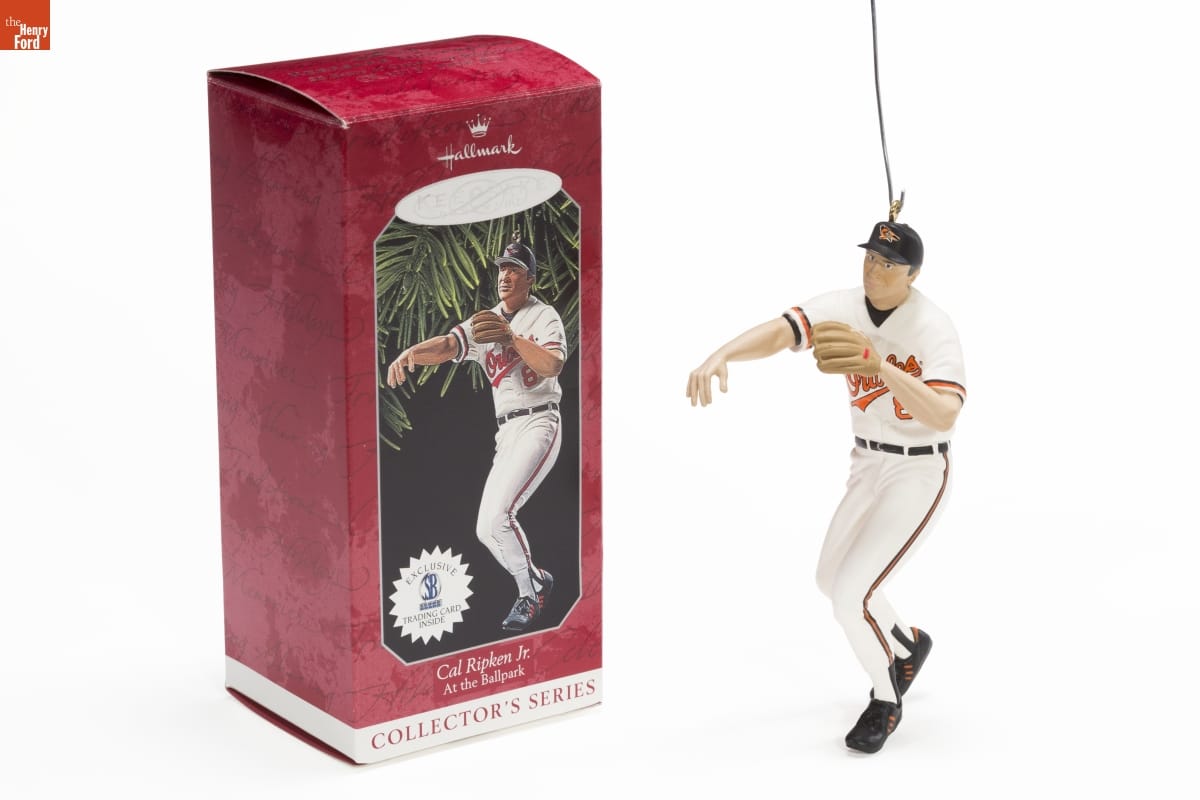
- Hallmark "At the Ballpark Series: Cal Ripken Jr." Christmas Ornament, 1998 - Already known for greeting cards, Hallmark introduced a line of Christmas ornaments in 1973. The company's annual release of an increasing array of ornaments revolutionized Christmas decorating, appealing to customers' interest in marking memories and milestones as well as expressing one's personality and unique tastes.
- 1998
- Collections - Artifact
Hallmark "At the Ballpark Series: Cal Ripken Jr." Christmas Ornament, 1998
Already known for greeting cards, Hallmark introduced a line of Christmas ornaments in 1973. The company's annual release of an increasing array of ornaments revolutionized Christmas decorating, appealing to customers' interest in marking memories and milestones as well as expressing one's personality and unique tastes.
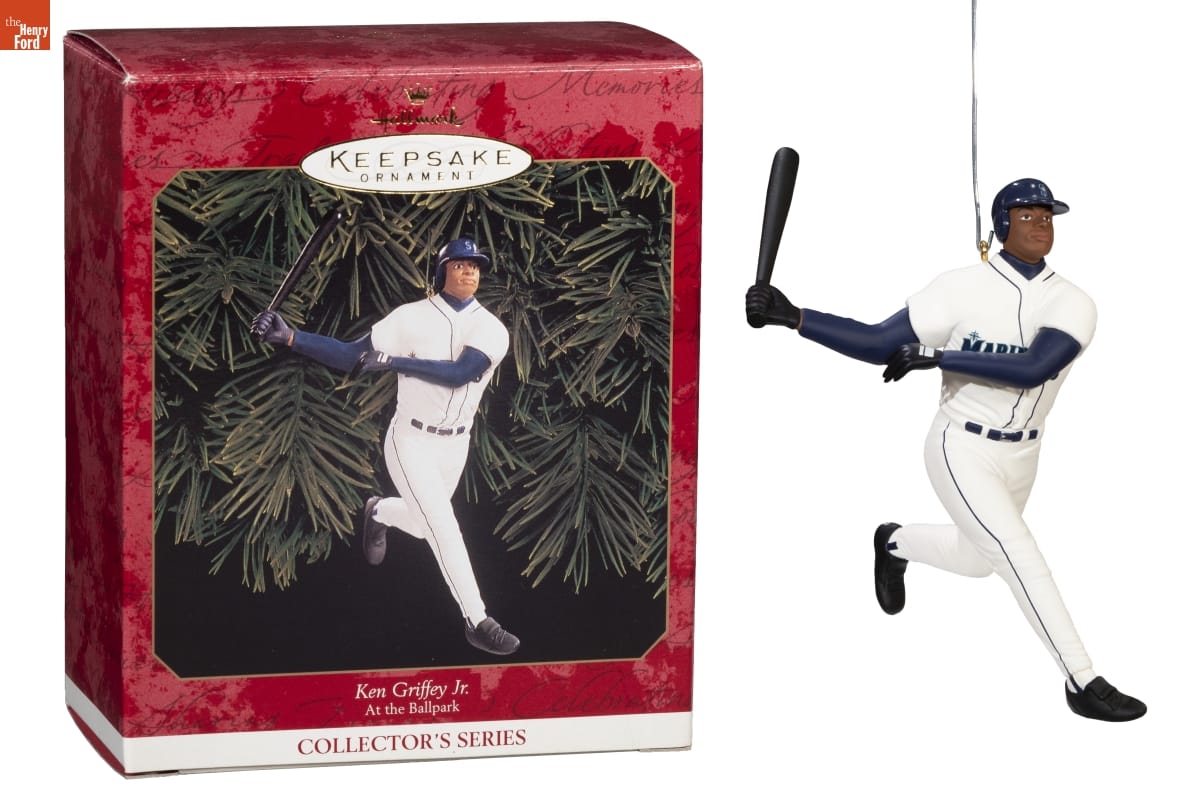
- Hallmark "At the Ballpark Series: Ken Griffey Jr." Christmas Ornament, 1999 - Already known for greeting cards, Hallmark introduced a line of Christmas ornaments in 1973. The company's annual release of an increasing array of ornaments revolutionized Christmas decorating, appealing to customers' interest in marking memories and milestones as well as expressing one's personality and unique tastes.
- 1999
- Collections - Artifact
Hallmark "At the Ballpark Series: Ken Griffey Jr." Christmas Ornament, 1999
Already known for greeting cards, Hallmark introduced a line of Christmas ornaments in 1973. The company's annual release of an increasing array of ornaments revolutionized Christmas decorating, appealing to customers' interest in marking memories and milestones as well as expressing one's personality and unique tastes.
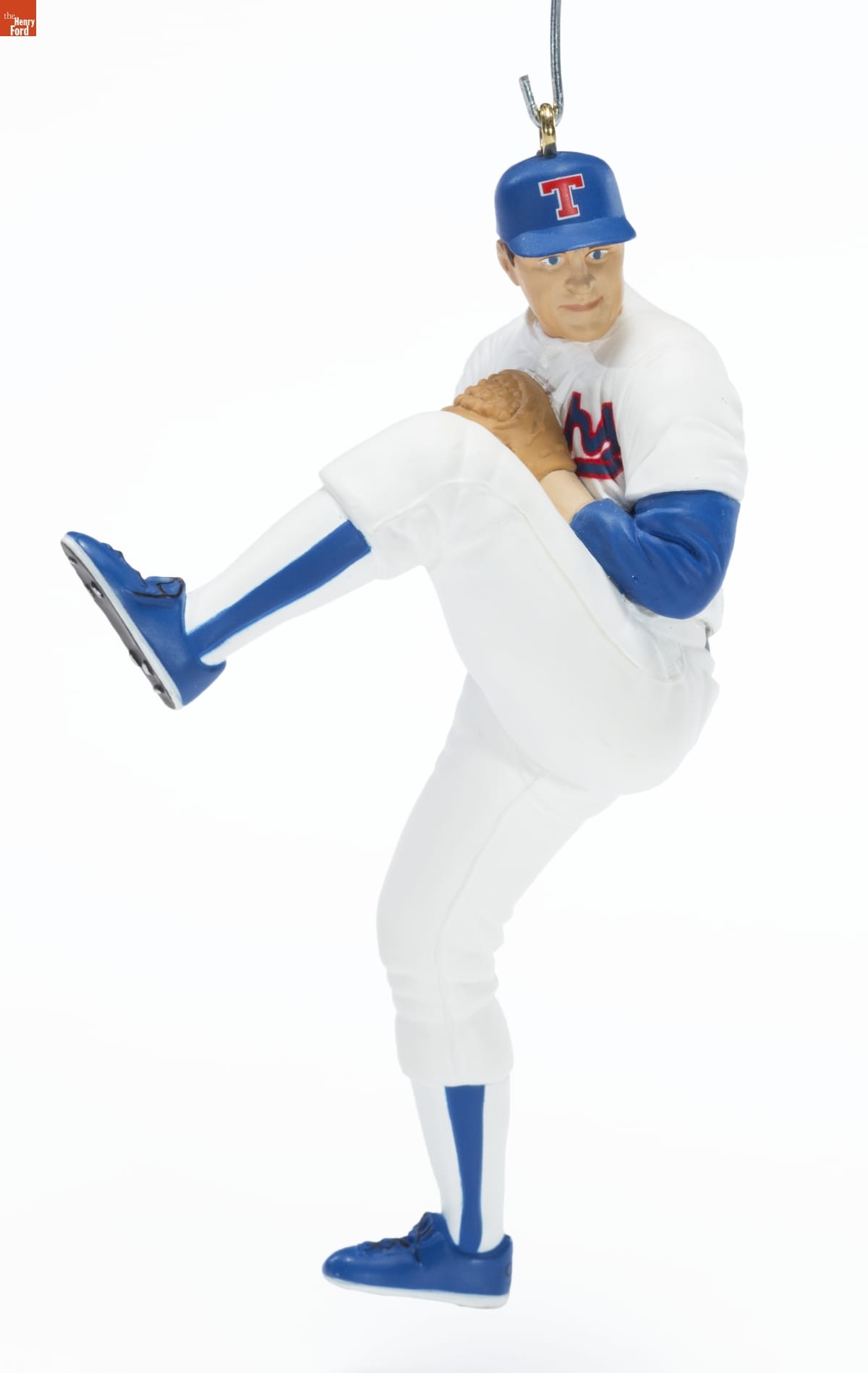
- Hallmark "At the Ballpark Series: Nolan Ryan" Christmas Ornament, 1996 - Already known for greeting cards, Hallmark introduced a line of Christmas ornaments in 1973. The company's annual release of an increasing array of ornaments revolutionized Christmas decorating, appealing to customers' interest in marking memories and milestones as well as expressing one's personality and unique tastes.
- 1996
- Collections - Artifact
Hallmark "At the Ballpark Series: Nolan Ryan" Christmas Ornament, 1996
Already known for greeting cards, Hallmark introduced a line of Christmas ornaments in 1973. The company's annual release of an increasing array of ornaments revolutionized Christmas decorating, appealing to customers' interest in marking memories and milestones as well as expressing one's personality and unique tastes.
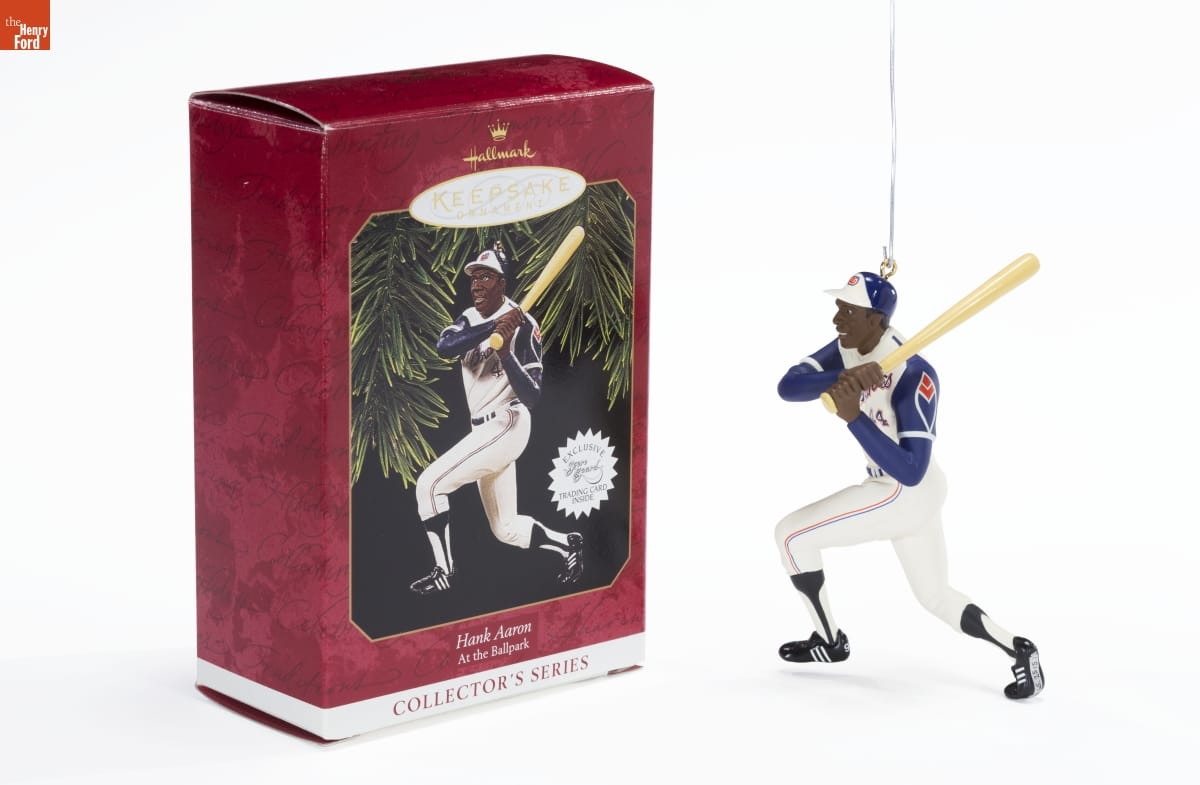
- Hallmark "At the Ballpark Series: Hank Aaron" Christmas Ornament, 1997 - Already known for greeting cards, Hallmark introduced a line of Christmas ornaments in 1973. The company's annual release of an increasing array of ornaments revolutionized Christmas decorating, appealing to customers' interest in marking memories and milestones as well as expressing one's personality and unique tastes.
- 1997
- Collections - Artifact
Hallmark "At the Ballpark Series: Hank Aaron" Christmas Ornament, 1997
Already known for greeting cards, Hallmark introduced a line of Christmas ornaments in 1973. The company's annual release of an increasing array of ornaments revolutionized Christmas decorating, appealing to customers' interest in marking memories and milestones as well as expressing one's personality and unique tastes.
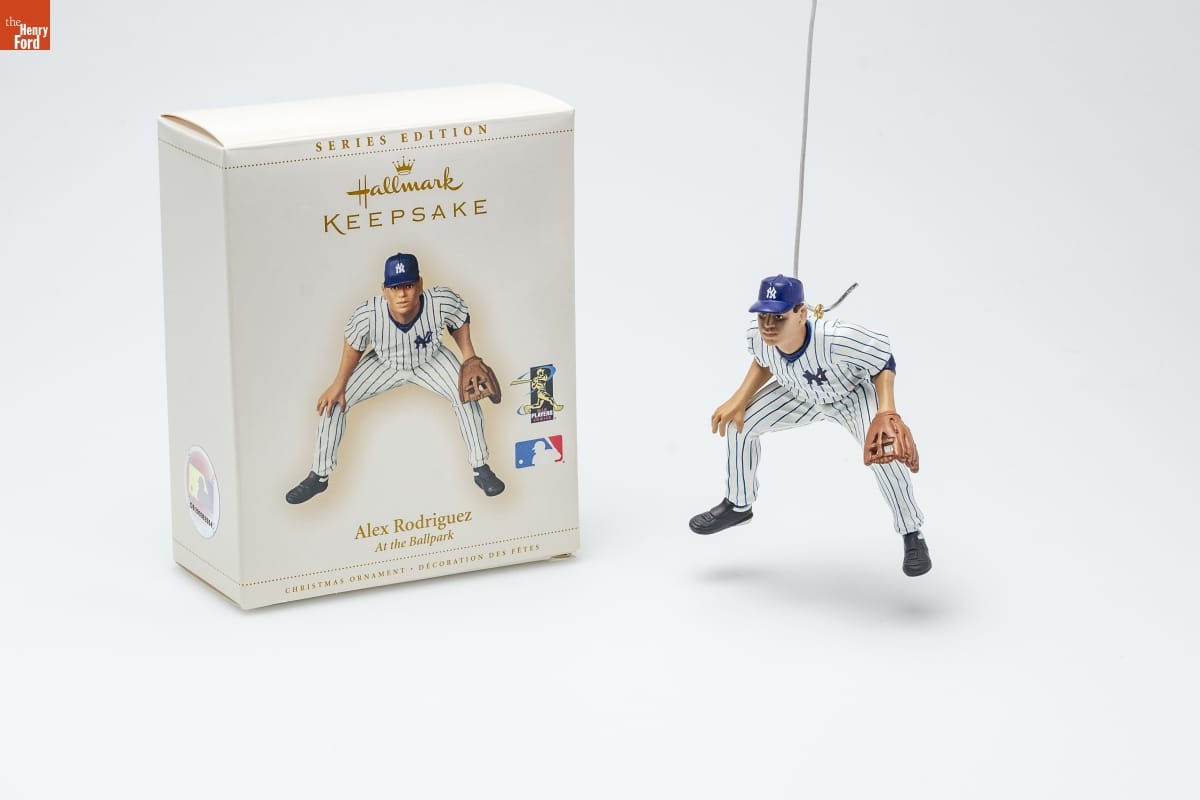
- Hallmark "At the Ballpark Series: Alex Rodriguez" Christmas Ornament, 2006 - Already known for greeting cards, Hallmark introduced a line of Christmas ornaments in 1973. The company's annual release of an increasing array of ornaments revolutionized Christmas decorating, appealing to customers' interest in marking memories and milestones as well as expressing one's personality and unique tastes.
- 2006
- Collections - Artifact
Hallmark "At the Ballpark Series: Alex Rodriguez" Christmas Ornament, 2006
Already known for greeting cards, Hallmark introduced a line of Christmas ornaments in 1973. The company's annual release of an increasing array of ornaments revolutionized Christmas decorating, appealing to customers' interest in marking memories and milestones as well as expressing one's personality and unique tastes.
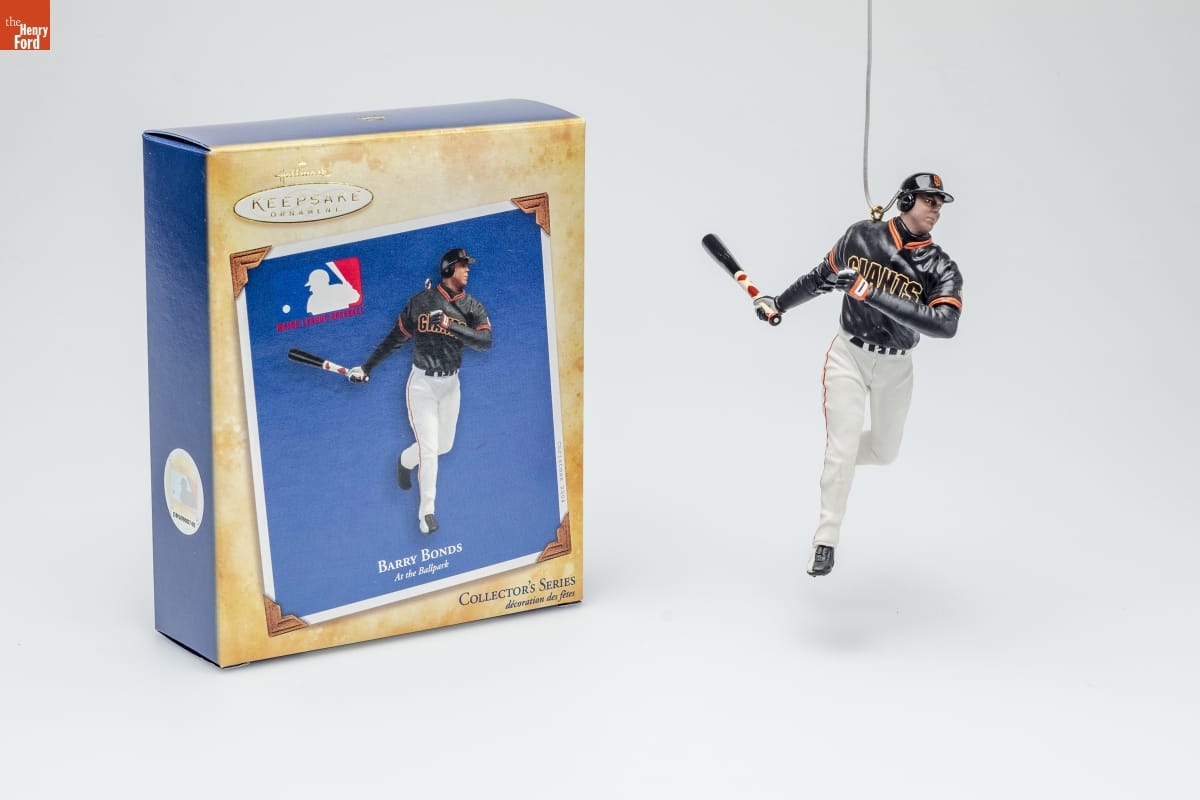
- Hallmark "At the Ballpark Series: Barry Bonds" Christmas Ornament, 2004 - Already known for greeting cards, Hallmark introduced a line of Christmas ornaments in 1973. The company's annual release of an increasing array of ornaments revolutionized Christmas decorating, appealing to customers' interest in marking memories and milestones as well as expressing one's personality and unique tastes.
- 2004
- Collections - Artifact
Hallmark "At the Ballpark Series: Barry Bonds" Christmas Ornament, 2004
Already known for greeting cards, Hallmark introduced a line of Christmas ornaments in 1973. The company's annual release of an increasing array of ornaments revolutionized Christmas decorating, appealing to customers' interest in marking memories and milestones as well as expressing one's personality and unique tastes.
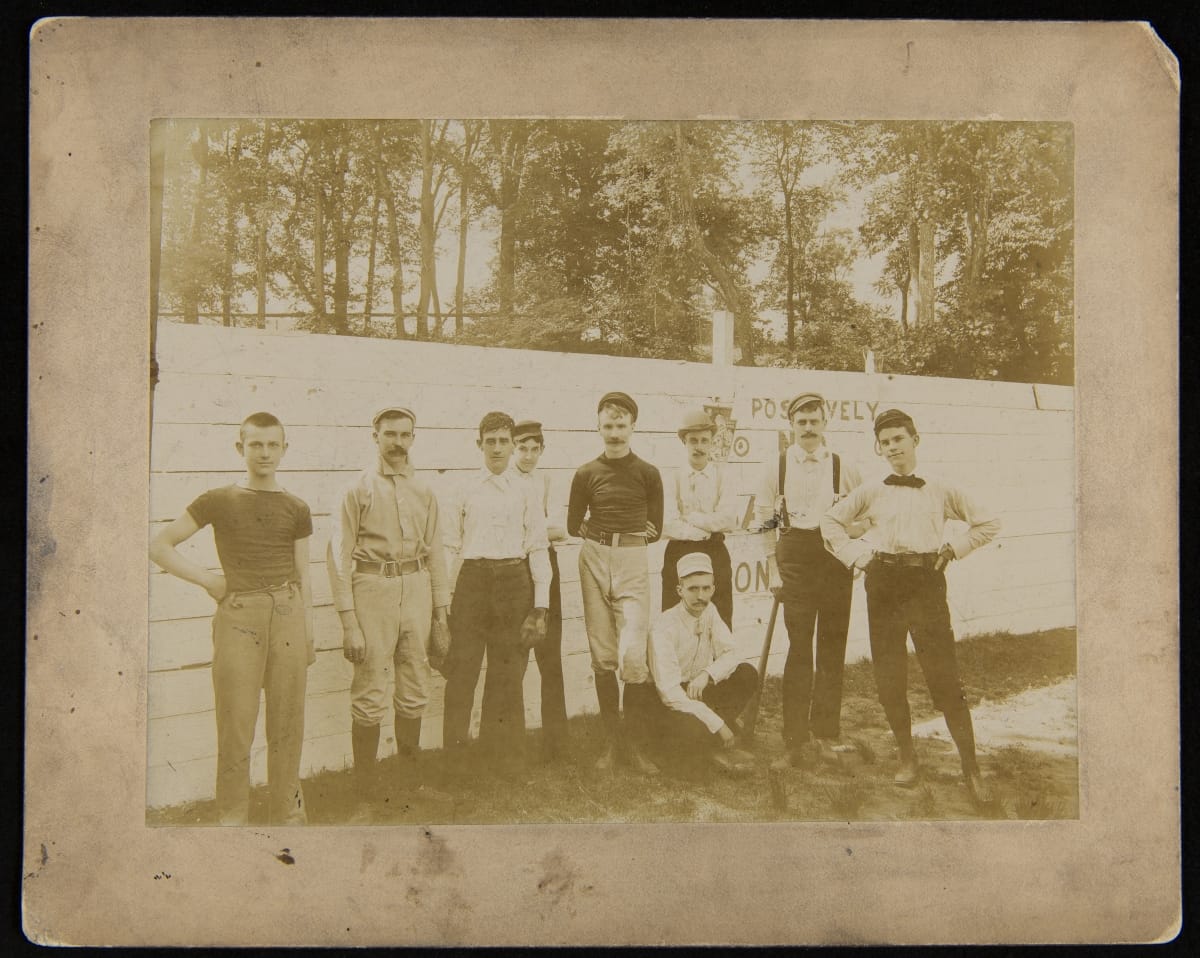
- H. J. Heinz Company Baseball Team, 1896 - The H.J. Heinz Company was at the forefront of employee welfare during the late 19th and early 20th centuries. Exemplary employee amenities such as a gymnasium, swimming pool, self-improvement classes, and large dining rooms supported a strong company culture. An additional recreational activity included the company baseball team, comprised of its employees.
- 1896
- Collections - Artifact
H. J. Heinz Company Baseball Team, 1896
The H.J. Heinz Company was at the forefront of employee welfare during the late 19th and early 20th centuries. Exemplary employee amenities such as a gymnasium, swimming pool, self-improvement classes, and large dining rooms supported a strong company culture. An additional recreational activity included the company baseball team, comprised of its employees.
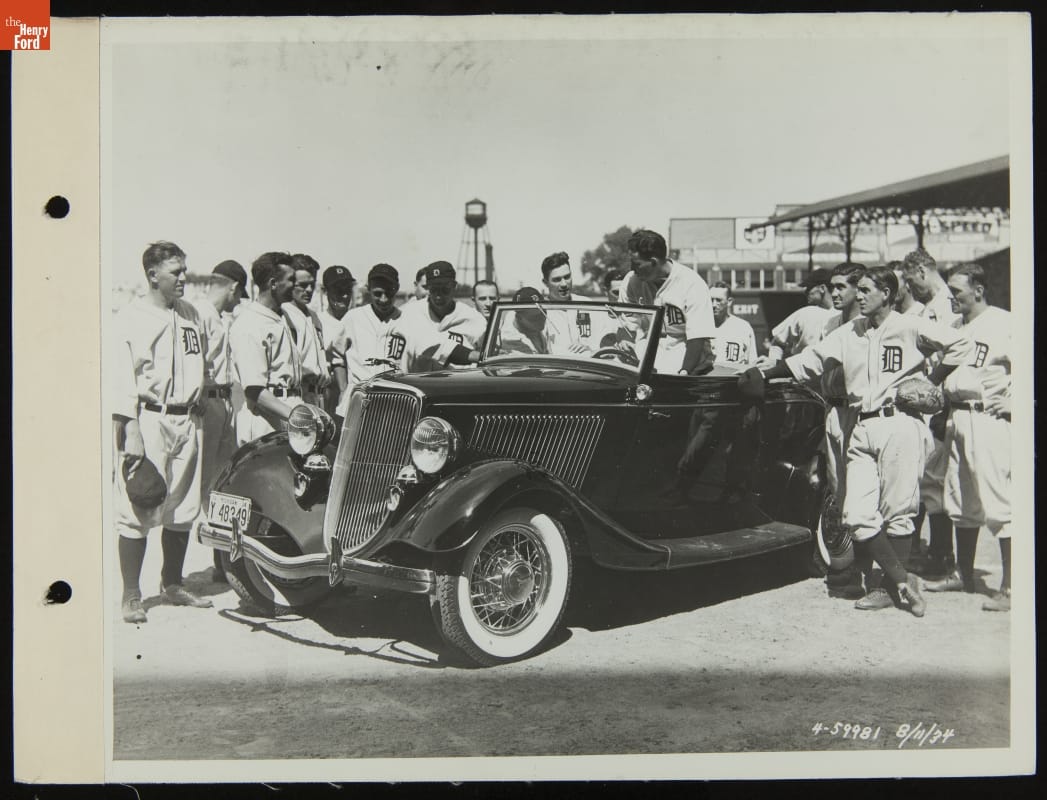
- Detroit Tigers' Infielder Charlie Gehringer Receiving a Ford V-8 Car at Navin Field, August 1934 - In August 1934, Ford dealers from Michigan and Northern Ohio presented Detroit Tigers second baseman Charlie Gehringer with a new Ford automobile. Presentation of the vehicle came before the start of the game at Navin Field. Gehringer's all-star performance for 1934 helped the Tigers capture the American League pennant.
- August 11, 1934
- Collections - Artifact
Detroit Tigers' Infielder Charlie Gehringer Receiving a Ford V-8 Car at Navin Field, August 1934
In August 1934, Ford dealers from Michigan and Northern Ohio presented Detroit Tigers second baseman Charlie Gehringer with a new Ford automobile. Presentation of the vehicle came before the start of the game at Navin Field. Gehringer's all-star performance for 1934 helped the Tigers capture the American League pennant.
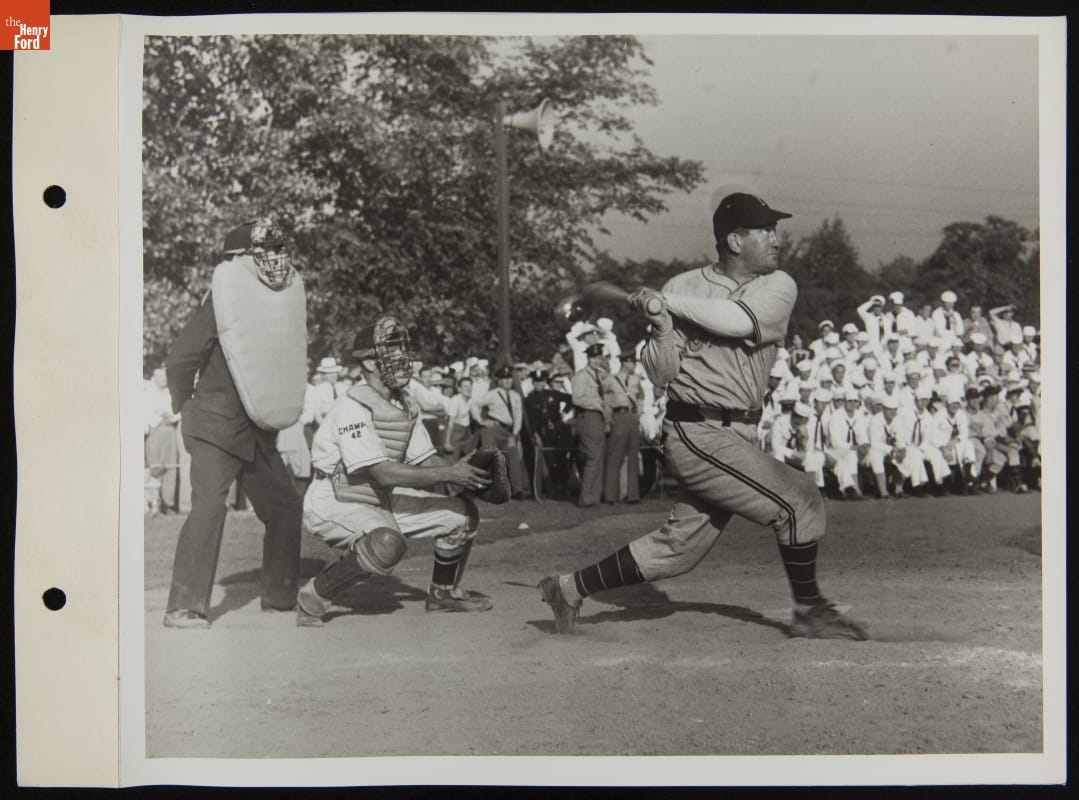
- Mickey Cochrane at Bat in Game between Ford All-Stars and United States Navy Great Lakes Team, Rotunda Field, Dearborn, Michigan July 1944 - The Ford All-Stars defeated the visiting Great Lakes Naval Training Station Bluejackets 2-1 in a July 5, 1944, baseball match. Eight thousand fans came out to Ford's Rotunda Field to root on the hometown team. The All-Stars did not disappoint, winning on a ninth-inning home run. The Bluejackets were coached by former Detroit Tigers manager and all-star catcher Mickey Cochrane (seen here).
- July 05, 1944
- Collections - Artifact
Mickey Cochrane at Bat in Game between Ford All-Stars and United States Navy Great Lakes Team, Rotunda Field, Dearborn, Michigan July 1944
The Ford All-Stars defeated the visiting Great Lakes Naval Training Station Bluejackets 2-1 in a July 5, 1944, baseball match. Eight thousand fans came out to Ford's Rotunda Field to root on the hometown team. The All-Stars did not disappoint, winning on a ninth-inning home run. The Bluejackets were coached by former Detroit Tigers manager and all-star catcher Mickey Cochrane (seen here).