
Search
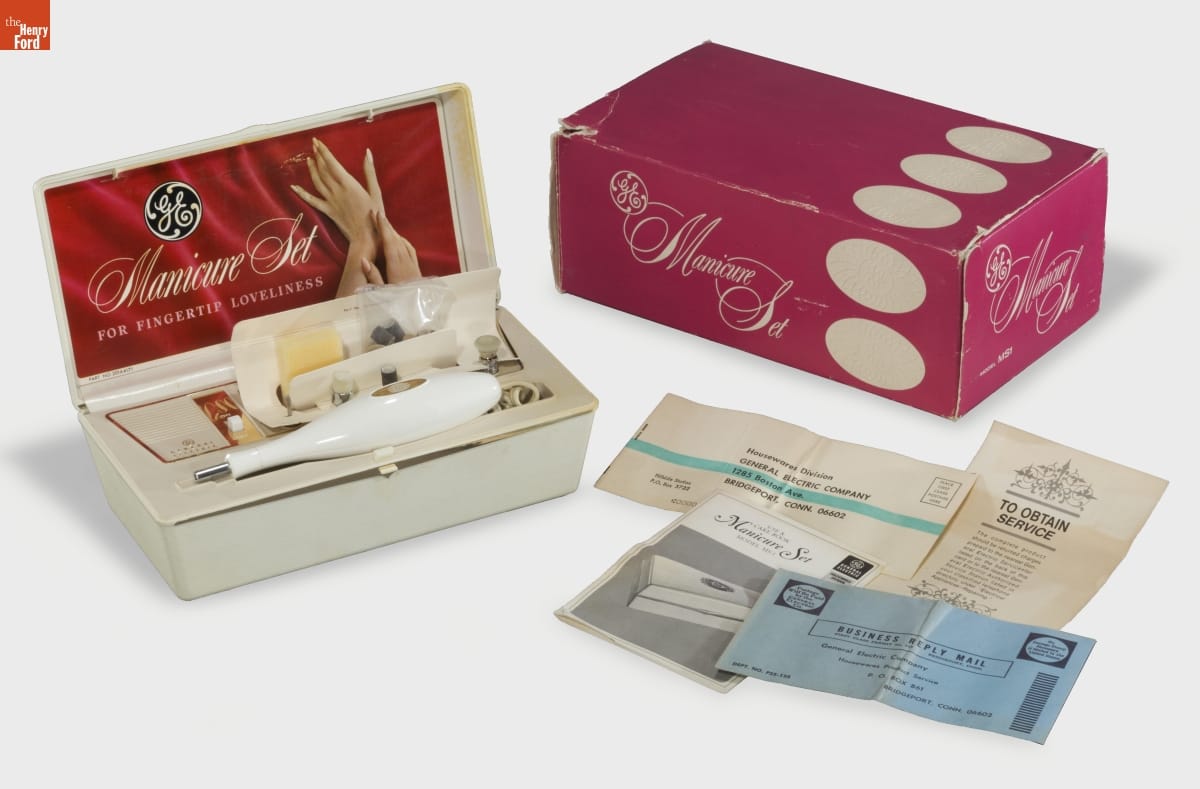
- General Electric Model MS1 Manicure Set, 1965-1975 -
- 1965-1975
- Collections - Artifact
General Electric Model MS1 Manicure Set, 1965-1975
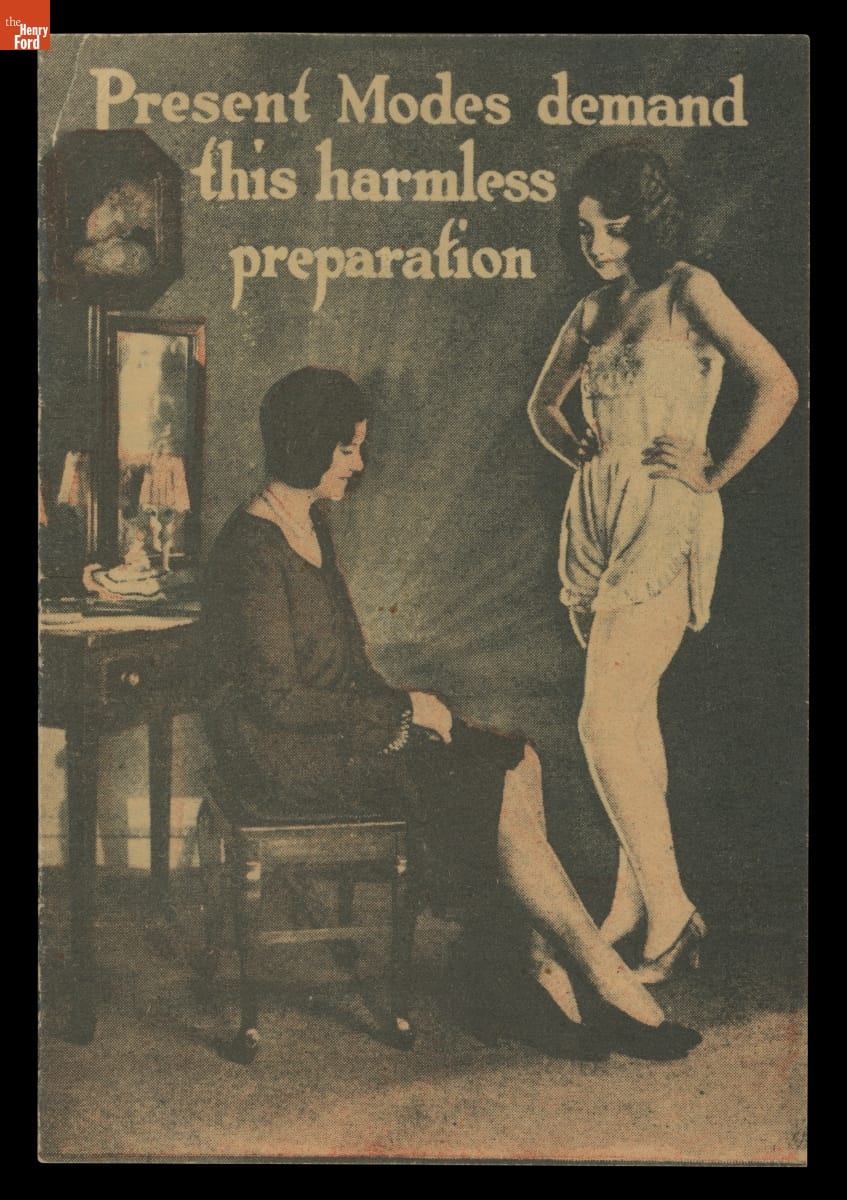
- "Present Modes Demand This Harmless Preparation," circa 1925 - This trade catalog advertised Sheer depilatory cream. Body hair removal rose in popularity in the 1910s and 1920s as changing fashions showed off women’s underarms and legs. Hair removal advertisements commonly featured women displaying their smoothed skin while wearing stylish clothes, linking the practice to being fashionable. This brochure also provided instructions to demonstrate Sheer’s relative ease of use.
- circa 1925
- Collections - Artifact
"Present Modes Demand This Harmless Preparation," circa 1925
This trade catalog advertised Sheer depilatory cream. Body hair removal rose in popularity in the 1910s and 1920s as changing fashions showed off women’s underarms and legs. Hair removal advertisements commonly featured women displaying their smoothed skin while wearing stylish clothes, linking the practice to being fashionable. This brochure also provided instructions to demonstrate Sheer’s relative ease of use.
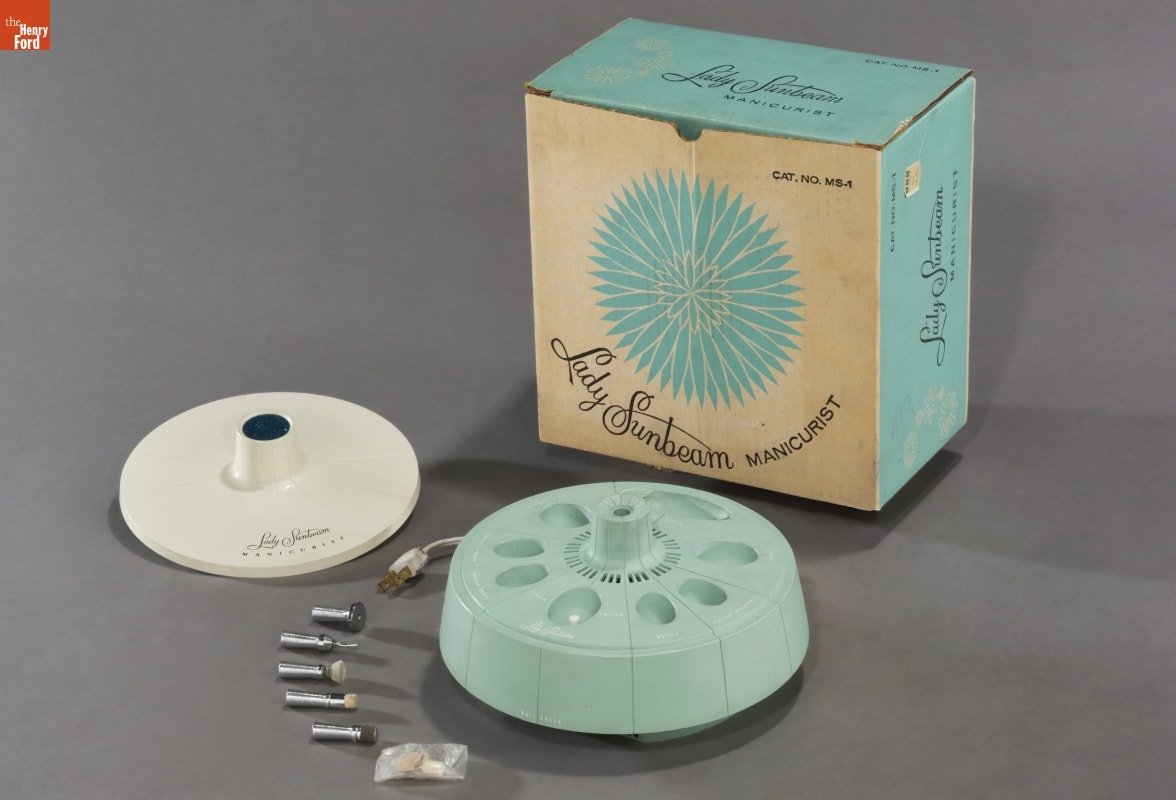
- Lady Sunbeam Manicurist Manicure Set, 1965-1970 -
- 1965-1970
- Collections - Artifact
Lady Sunbeam Manicurist Manicure Set, 1965-1970
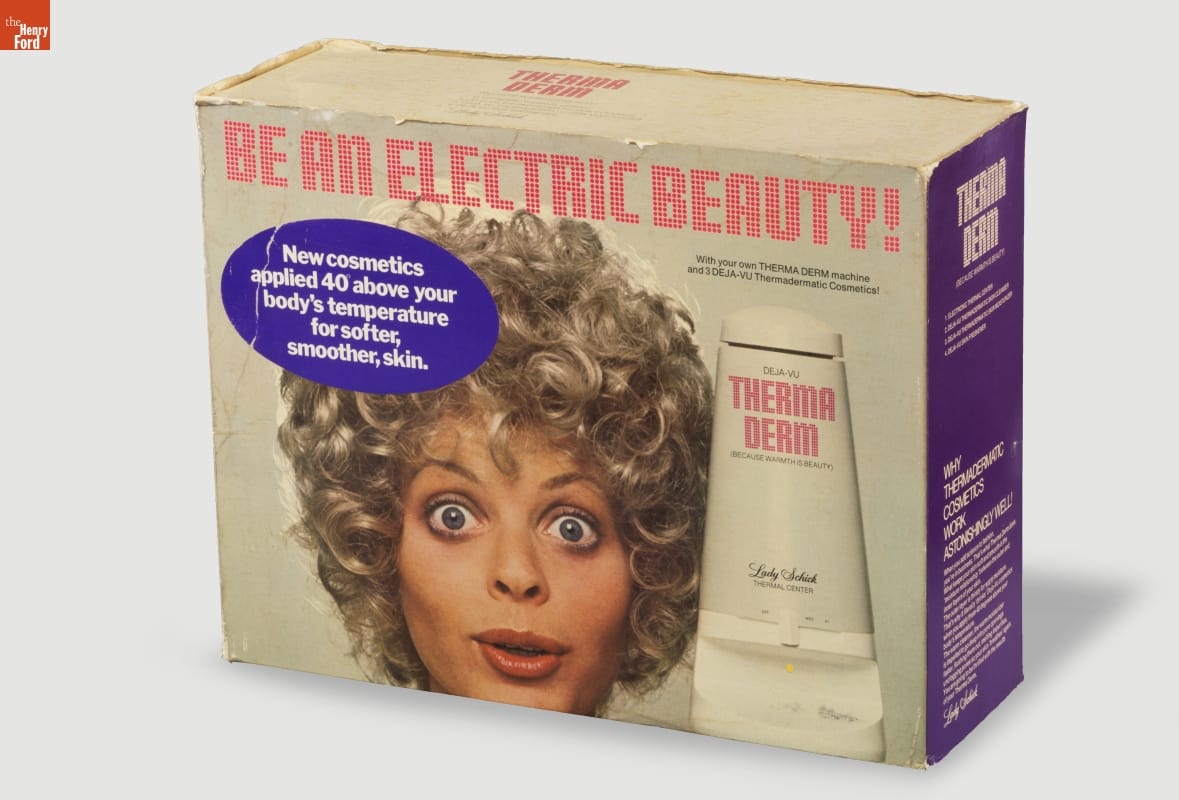
- Lady Schick Deja-Vu Therma Derm Cosmetic System, 1970-1975 -
- 1970-1975
- Collections - Artifact
Lady Schick Deja-Vu Therma Derm Cosmetic System, 1970-1975
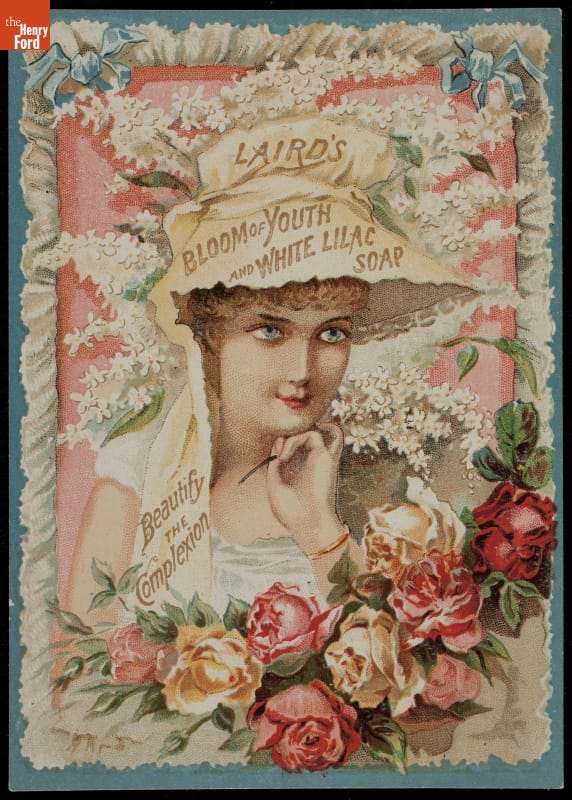
- Trade Card for Laird's Bloom of Youth and White Lilac Soap, 1870-1900 - In the last third of the nineteenth century, an unprecedented variety of consumer goods and services flooded the American market. Advertisers, armed with new methods of color printing, bombarded potential customers with trade cards. Americans enjoyed and often saved the vibrant little advertisements found in product packages or distributed by local merchants. Many survive as historical records of commercialism in the United States.
- 1870-1900
- Collections - Artifact
Trade Card for Laird's Bloom of Youth and White Lilac Soap, 1870-1900
In the last third of the nineteenth century, an unprecedented variety of consumer goods and services flooded the American market. Advertisers, armed with new methods of color printing, bombarded potential customers with trade cards. Americans enjoyed and often saved the vibrant little advertisements found in product packages or distributed by local merchants. Many survive as historical records of commercialism in the United States.