
Search
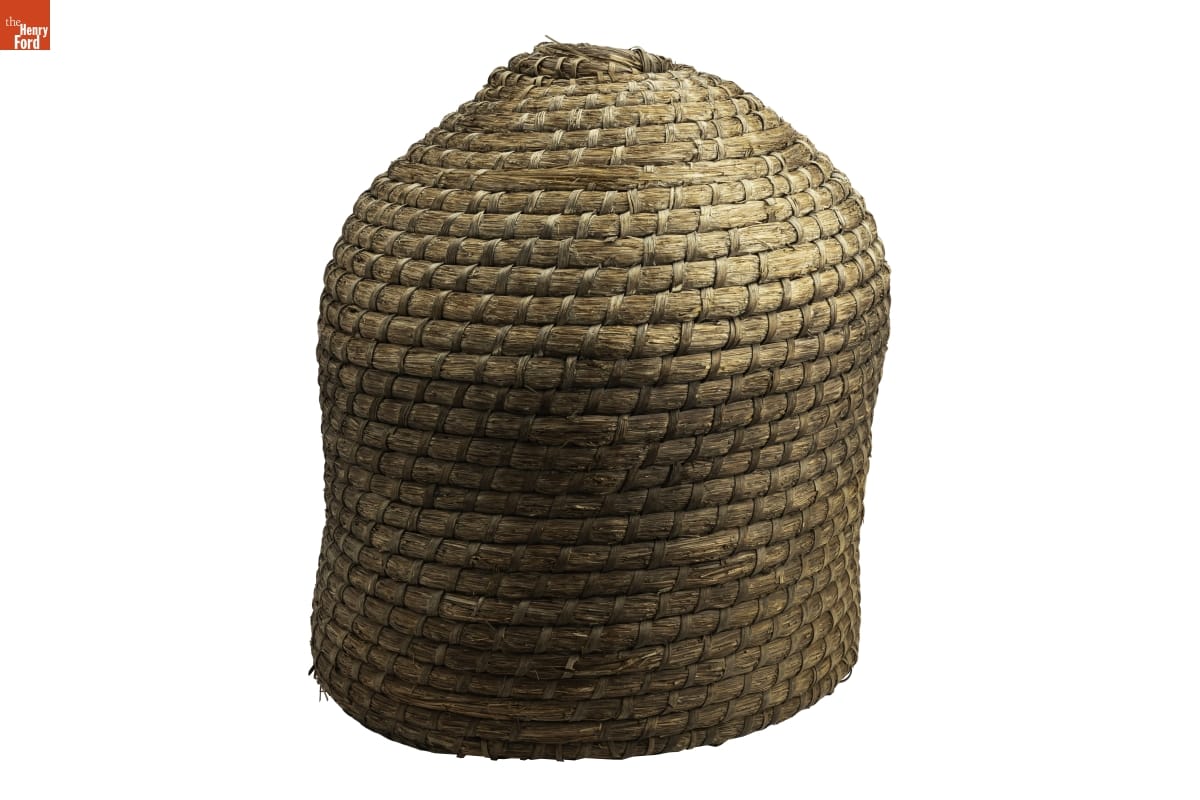
- Bee Skep - A bee skep provided shelter to domesticated honeybees. A skep consisted of coiled grain straw bound with wood splints. The small opening allowed bees to enter and make their honeycomb to store food to sustain the hive's bee larvae. Beekeepers put skeps near orchards, gardens, and fields with plants needing pollination and harvested the excess honey and beeswax.
- Collections - Artifact
Bee Skep
A bee skep provided shelter to domesticated honeybees. A skep consisted of coiled grain straw bound with wood splints. The small opening allowed bees to enter and make their honeycomb to store food to sustain the hive's bee larvae. Beekeepers put skeps near orchards, gardens, and fields with plants needing pollination and harvested the excess honey and beeswax.
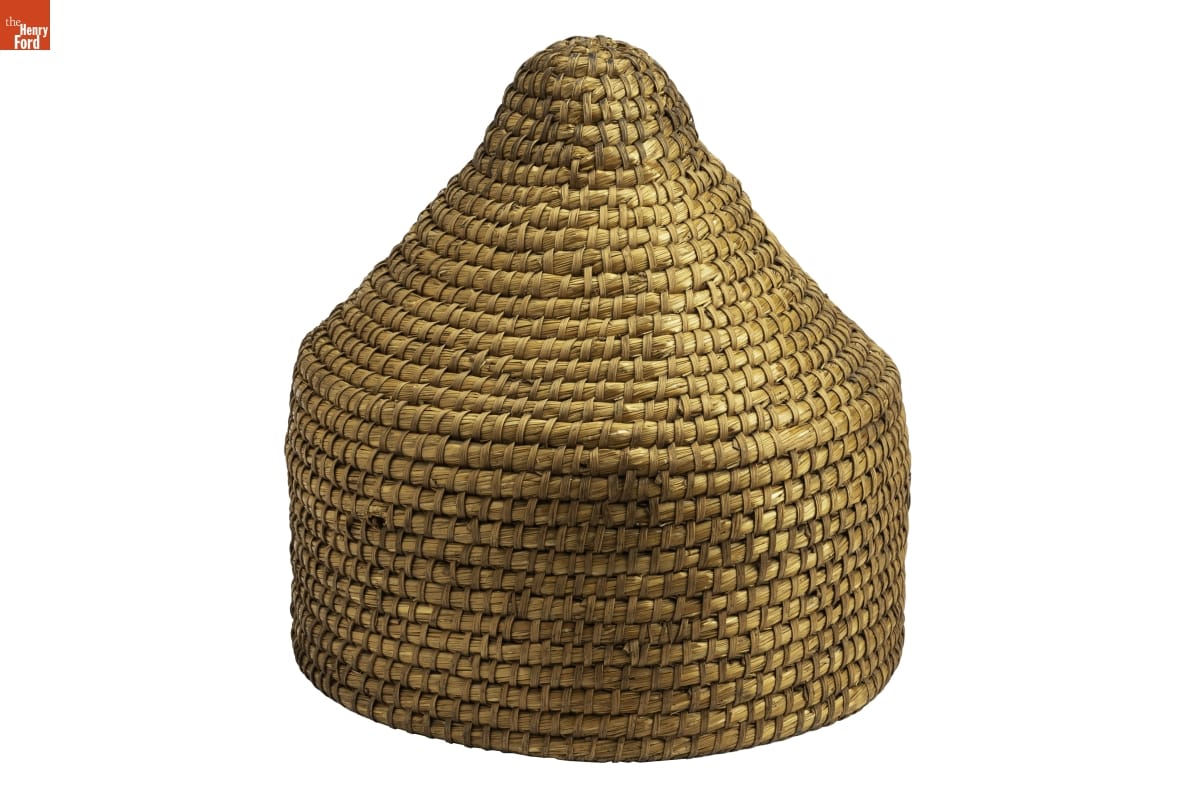
- Bee Skep - A bee skep provided shelter to domesticated honeybees. A skep consisted of coiled grain straw bound with wood splints. The small opening allowed bees to enter and make their honeycomb to store food to sustain the hive's bee larvae. Beekeepers put skeps near orchards, gardens, and fields with plants needing pollination and harvested the excess honey and beeswax.
- Collections - Artifact
Bee Skep
A bee skep provided shelter to domesticated honeybees. A skep consisted of coiled grain straw bound with wood splints. The small opening allowed bees to enter and make their honeycomb to store food to sustain the hive's bee larvae. Beekeepers put skeps near orchards, gardens, and fields with plants needing pollination and harvested the excess honey and beeswax.
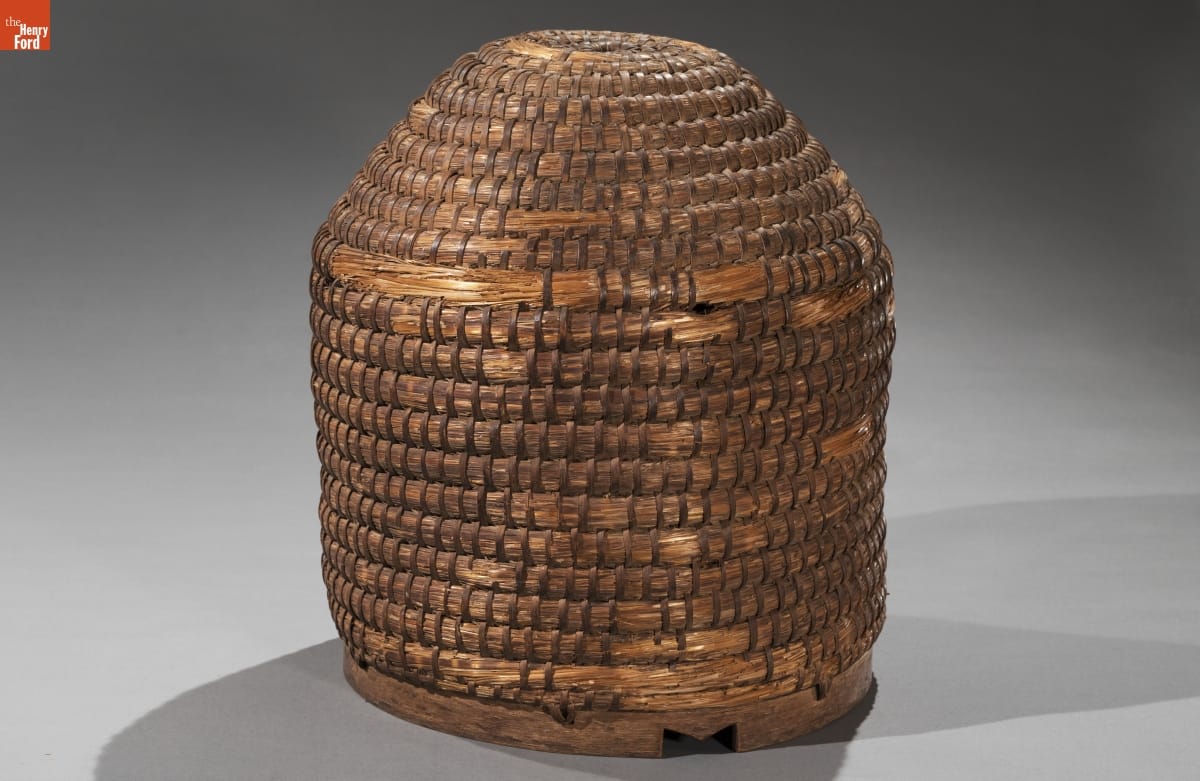
- Moravian Bee Skep, 1850-1900 - The Moravia colony of Bethabera, North Carolina, sold a bee skep for 10 shillings in 1762. That skep likely consisted of rye straw (a long and durable grain straw), coiled into a hollow vessel, bound with ash or hickory splint. Bees entered through the M-shaped opening and made comb in irregular shapes within the structure from which beekeepers harvested honey and bee wax.
- Collections - Artifact
Moravian Bee Skep, 1850-1900
The Moravia colony of Bethabera, North Carolina, sold a bee skep for 10 shillings in 1762. That skep likely consisted of rye straw (a long and durable grain straw), coiled into a hollow vessel, bound with ash or hickory splint. Bees entered through the M-shaped opening and made comb in irregular shapes within the structure from which beekeepers harvested honey and bee wax.
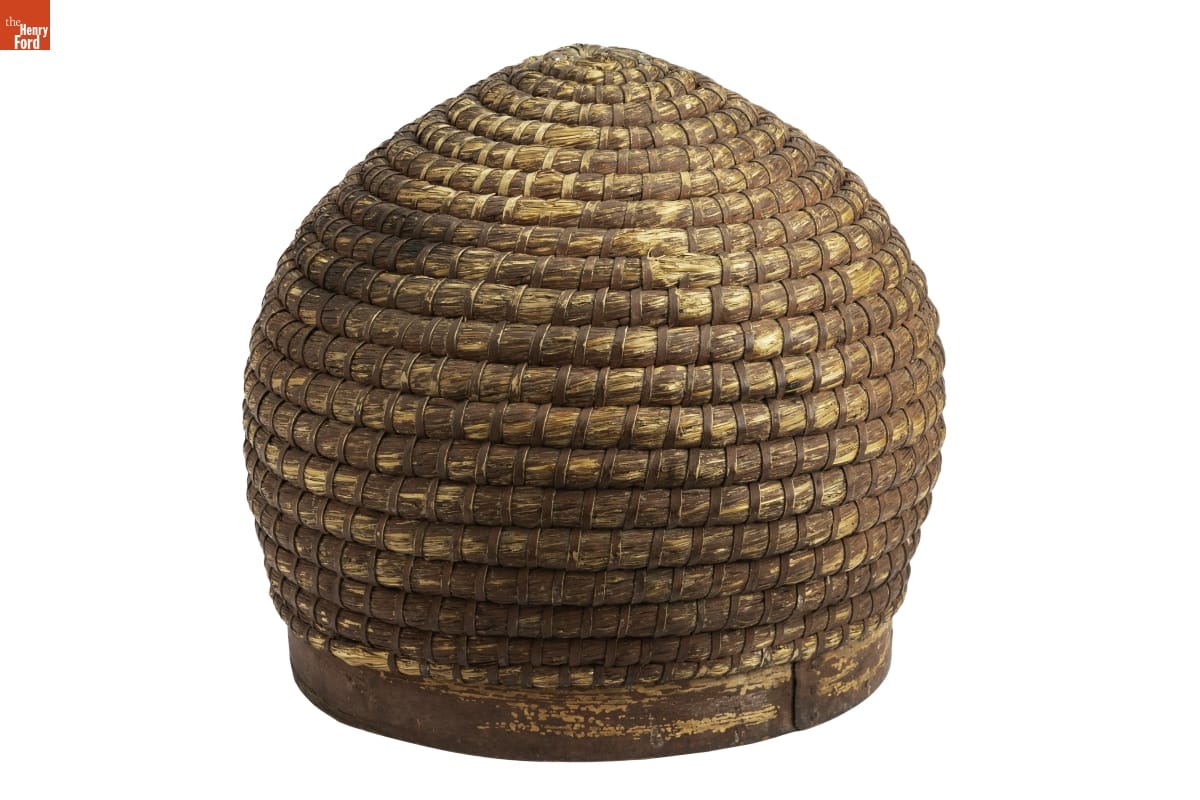
- Bee Skep - A bee skep provided shelter to domesticated honeybees. A skep consisted of coiled grain straw bound with wood splints. The small opening allowed bees to enter and make their honeycomb to store food to sustain the hive's bee larvae. Beekeepers put skeps near orchards, gardens, and fields with plants needing pollination and harvested the excess honey and beeswax.
- Collections - Artifact
Bee Skep
A bee skep provided shelter to domesticated honeybees. A skep consisted of coiled grain straw bound with wood splints. The small opening allowed bees to enter and make their honeycomb to store food to sustain the hive's bee larvae. Beekeepers put skeps near orchards, gardens, and fields with plants needing pollination and harvested the excess honey and beeswax.
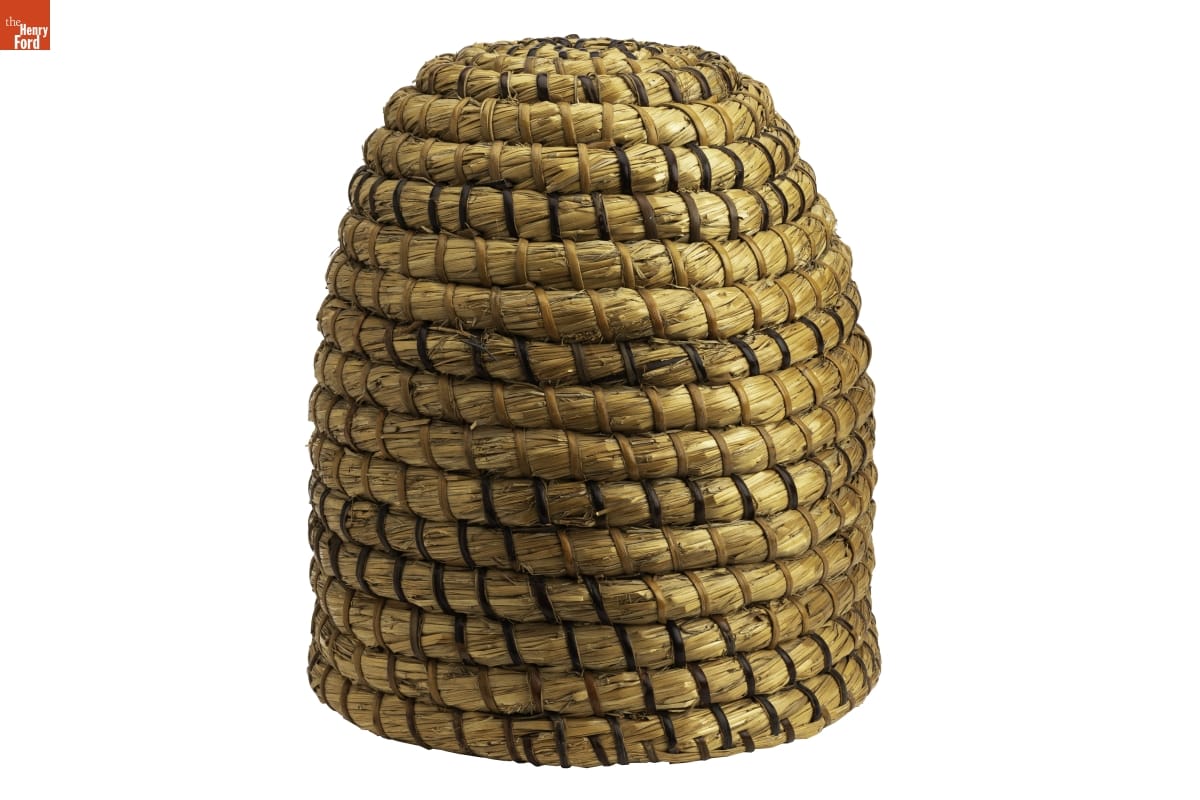
- Bee Skep - A bee skep provided shelter to domesticated honeybees. A skep consisted of coiled grain straw bound with wood splints. The small opening allowed bees to enter and make their honeycomb to store food to sustain the hive's bee larvae. Beekeepers put skeps near orchards, gardens, and fields with plants needing pollination and harvested the excess honey and beeswax.
- Collections - Artifact
Bee Skep
A bee skep provided shelter to domesticated honeybees. A skep consisted of coiled grain straw bound with wood splints. The small opening allowed bees to enter and make their honeycomb to store food to sustain the hive's bee larvae. Beekeepers put skeps near orchards, gardens, and fields with plants needing pollination and harvested the excess honey and beeswax.
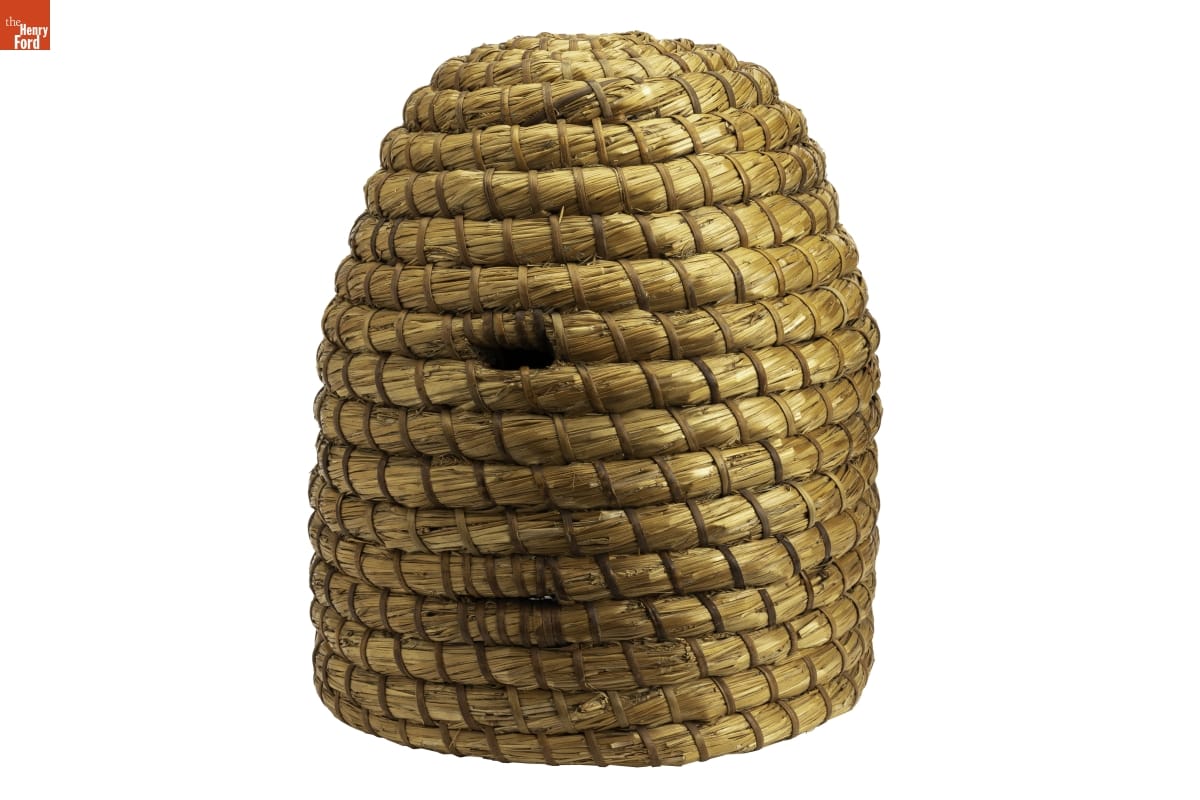
- Bee Skep - A bee skep provided shelter to domesticated honeybees. A skep consisted of coiled grain straw bound with wood splints. The small opening allowed bees to enter and make their honeycomb to store food to sustain the hive's bee larvae. Beekeepers put skeps near orchards, gardens, and fields with plants needing pollination and harvested the excess honey and beeswax.
- Collections - Artifact
Bee Skep
A bee skep provided shelter to domesticated honeybees. A skep consisted of coiled grain straw bound with wood splints. The small opening allowed bees to enter and make their honeycomb to store food to sustain the hive's bee larvae. Beekeepers put skeps near orchards, gardens, and fields with plants needing pollination and harvested the excess honey and beeswax.
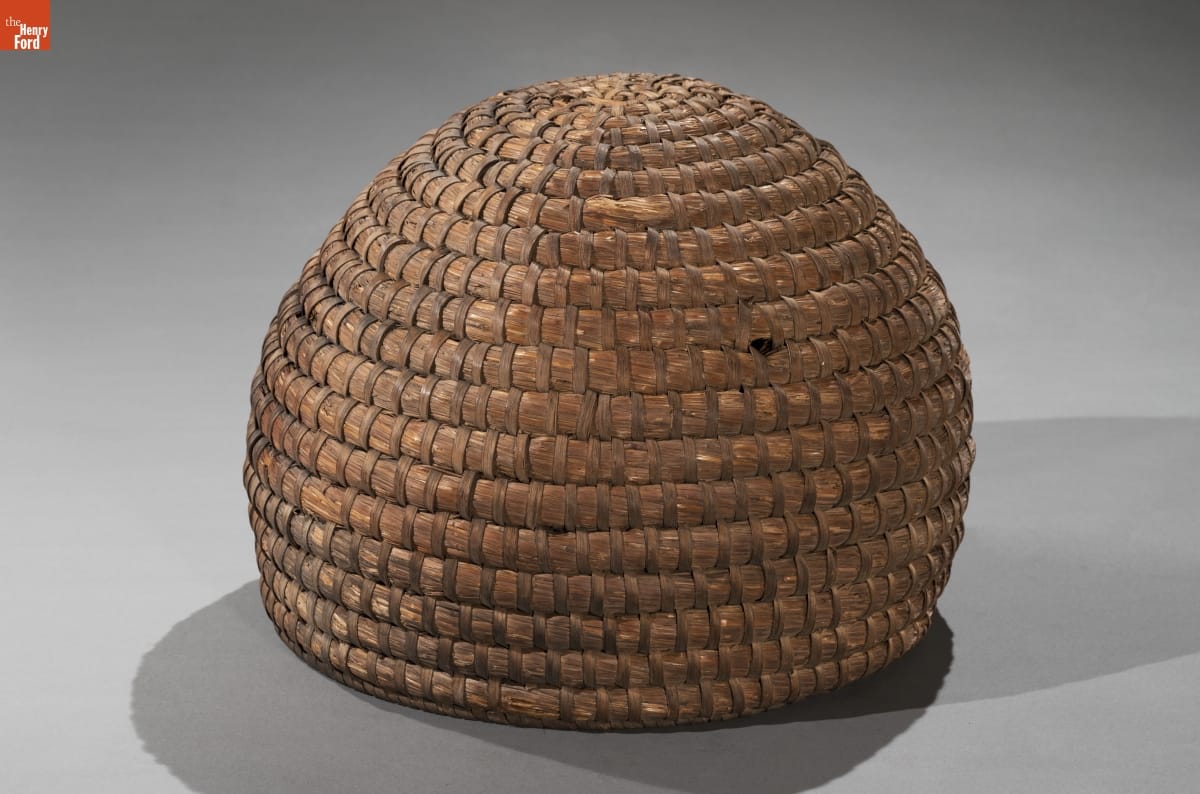
- Bee Skep - Beekeepers protected their bees using organic materials. This skep consisted of coiled grain straw bound with ash or hickory splint. Bees entered through the opening and made their honeycomb to store food and sustain the hive's bee larvae within the structure. Beekeepers could harvest honey or bee wax or sustain the hive for crop pollination.
- Collections - Artifact
Bee Skep
Beekeepers protected their bees using organic materials. This skep consisted of coiled grain straw bound with ash or hickory splint. Bees entered through the opening and made their honeycomb to store food and sustain the hive's bee larvae within the structure. Beekeepers could harvest honey or bee wax or sustain the hive for crop pollination.