
Search
- Bee Smoker - Beekeepers always have a smoker near when they open hives. The smoker masks the "danger" pheromone that bees emit when threatened which slows the colony's response. The smoke also simulates fire which prompts bees to eat honey in preparation for rebuilding a destroyed hive. This smoker's spout channeled smoke into the hive without the risk of dropping the fuel source into the hive.
- Collections - Artifact
Bee Smoker
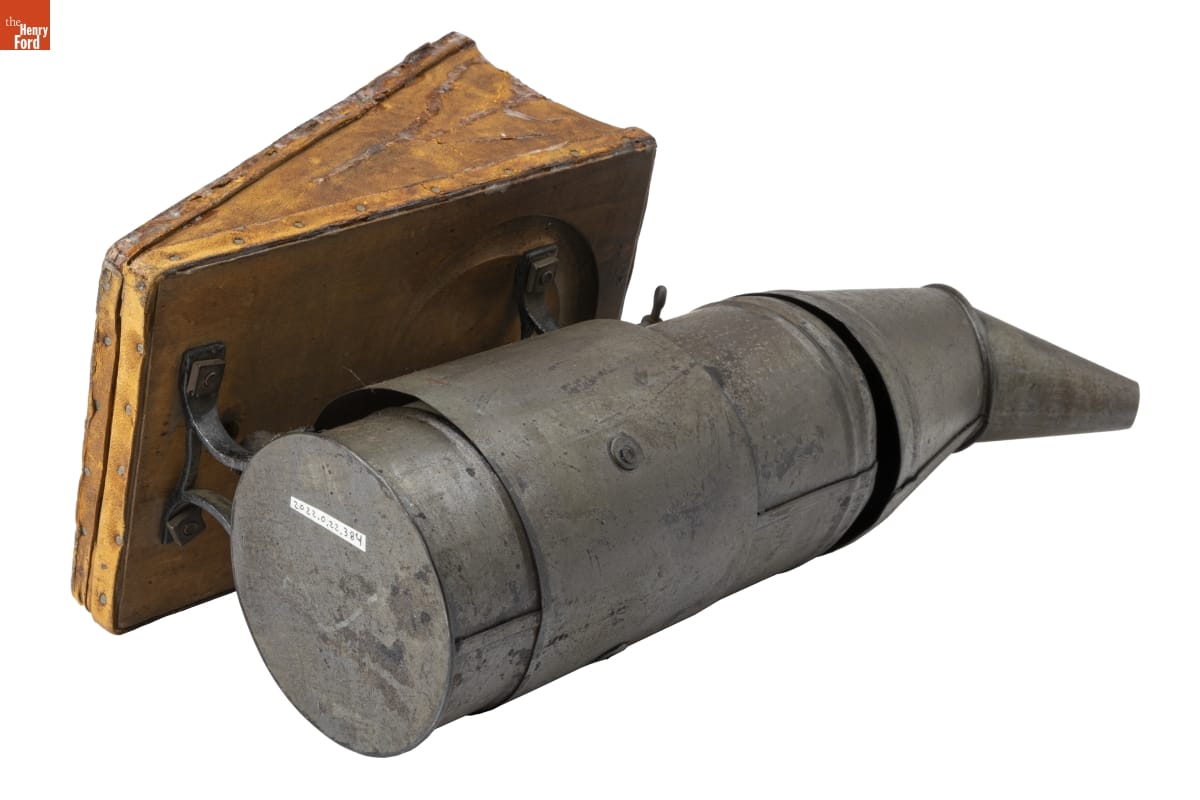
Beekeepers always have a smoker near when they open hives. The smoker masks the "danger" pheromone that bees emit when threatened which slows the colony's response. The smoke also simulates fire which prompts bees to eat honey in preparation for rebuilding a destroyed hive. This smoker's spout channeled smoke into the hive without the risk of dropping the fuel source into the hive.
- Bee Smoker - Beekeepers always have a smoker near when they open hives. The smoker masks the "danger" pheromone that bees emit when threatened which slows the colony's response. The smoke also simulates fire which prompts bees to eat honey in preparation for rebuilding a destroyed hive. This smoker's spout channeled smoke into the hive without the risk of dropping the fuel source into the hive.
- Collections - Artifact
Bee Smoker
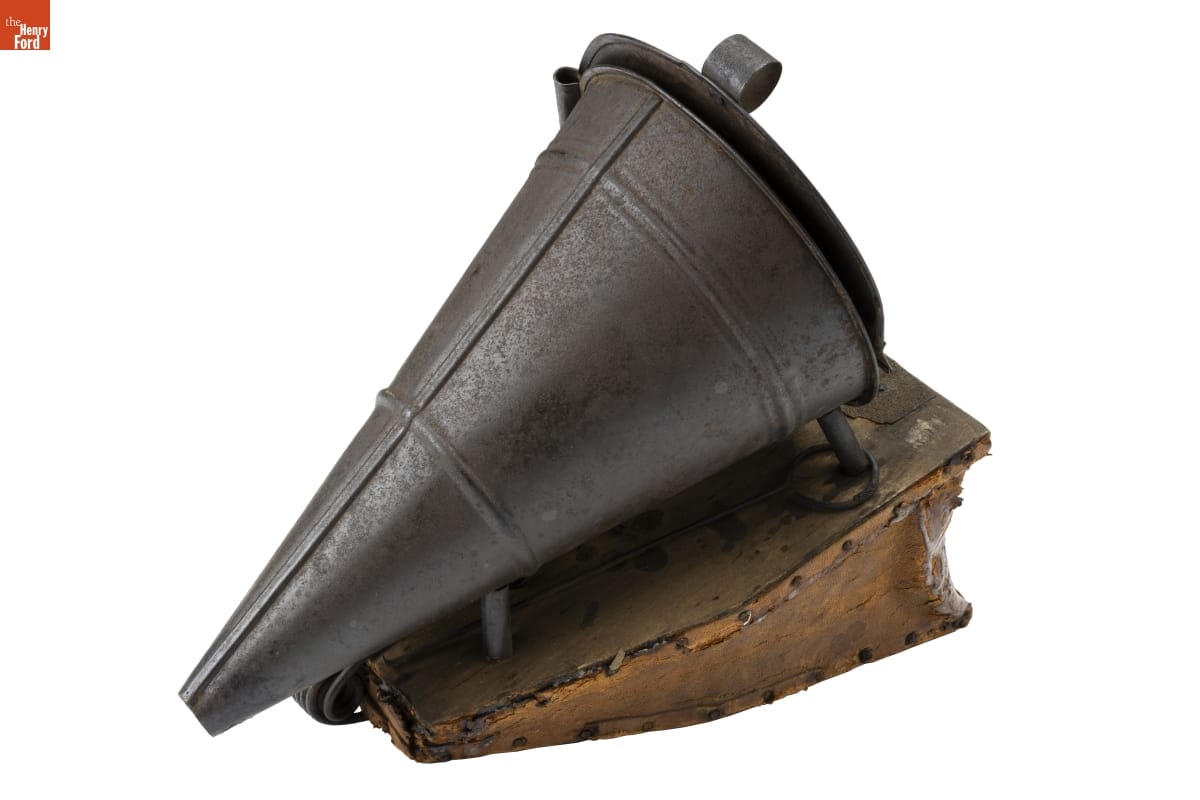
Beekeepers always have a smoker near when they open hives. The smoker masks the "danger" pheromone that bees emit when threatened which slows the colony's response. The smoke also simulates fire which prompts bees to eat honey in preparation for rebuilding a destroyed hive. This smoker's spout channeled smoke into the hive without the risk of dropping the fuel source into the hive.
- Bee Smoker - Beekeepers always have a smoker near when they open hives. The smoker masks the "danger" pheromone that bees emit when threatened which slows the colony's response. The smoke also simulates fire which prompts bees to eat honey in preparation for rebuilding a destroyed hive. This smoker's spout channeled smoke into the hive without the risk of dropping the fuel source into the hive.
- Collections - Artifact
Bee Smoker
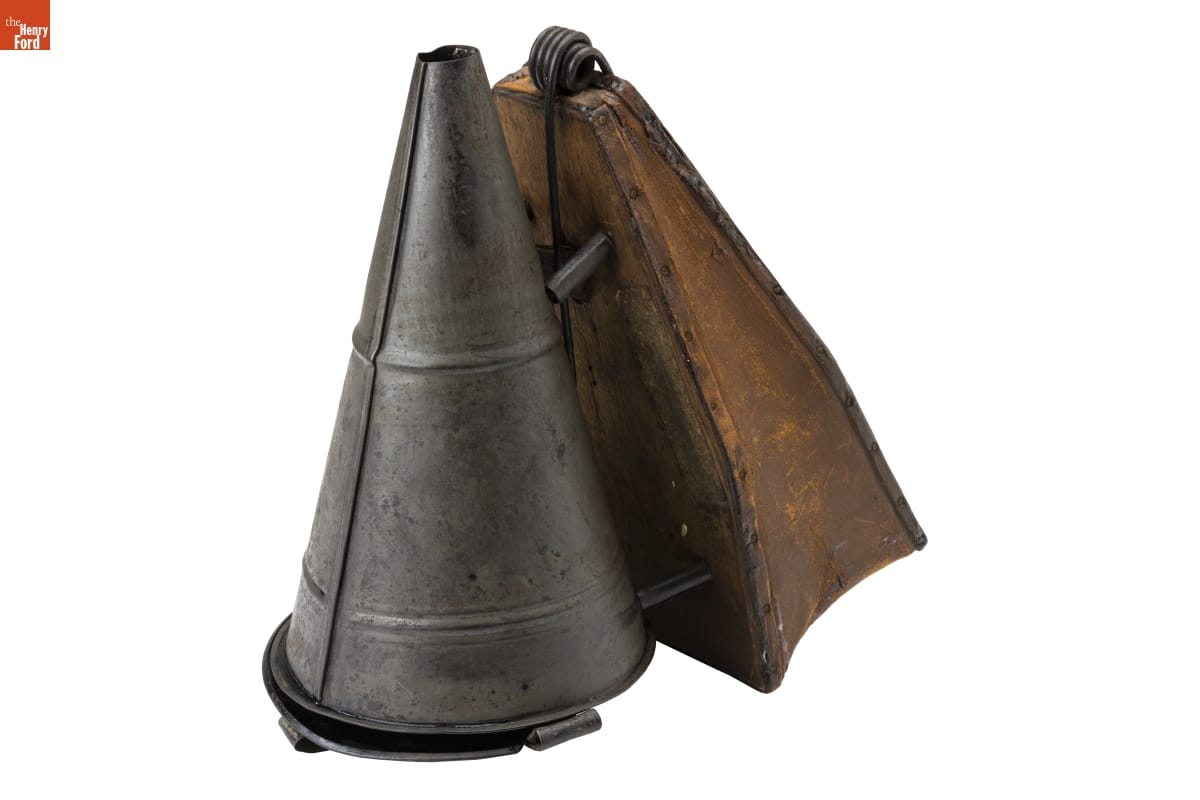
Beekeepers always have a smoker near when they open hives. The smoker masks the "danger" pheromone that bees emit when threatened which slows the colony's response. The smoke also simulates fire which prompts bees to eat honey in preparation for rebuilding a destroyed hive. This smoker's spout channeled smoke into the hive without the risk of dropping the fuel source into the hive.
- Bee Smoker - Beekeepers always have a smoker near when they open hives. The smoker masks the "danger" pheromone that bees emit when threatened which slows the colony's response. The smoke also simulates fire which prompts bees to eat honey in preparation for rebuilding a destroyed hive. This smoker's spout (missing) channeled smoke into the hive without the risk of dropping the fuel source into the hive.
- Collections - Artifact
Bee Smoker
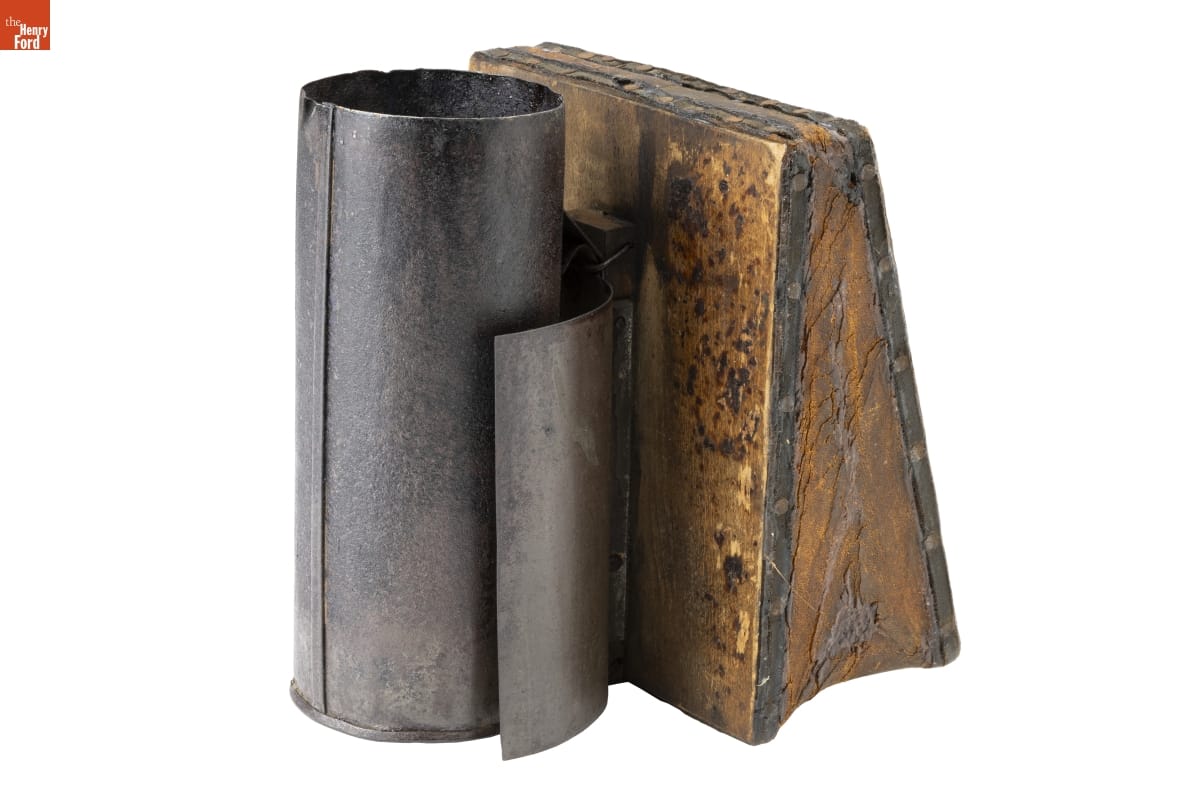
Beekeepers always have a smoker near when they open hives. The smoker masks the "danger" pheromone that bees emit when threatened which slows the colony's response. The smoke also simulates fire which prompts bees to eat honey in preparation for rebuilding a destroyed hive. This smoker's spout (missing) channeled smoke into the hive without the risk of dropping the fuel source into the hive.
- Bee Smoker - Beekeepers always have a smoker near when they open hives. The smoker masks the "danger" pheromone that bees emit when threatened which slows the colony's response. The smoke also simulates fire which prompts bees to eat honey in preparation for rebuilding a destroyed hive. This smoker's spout channeled smoke into the hive without the risk of dropping the fuel source into the hive.
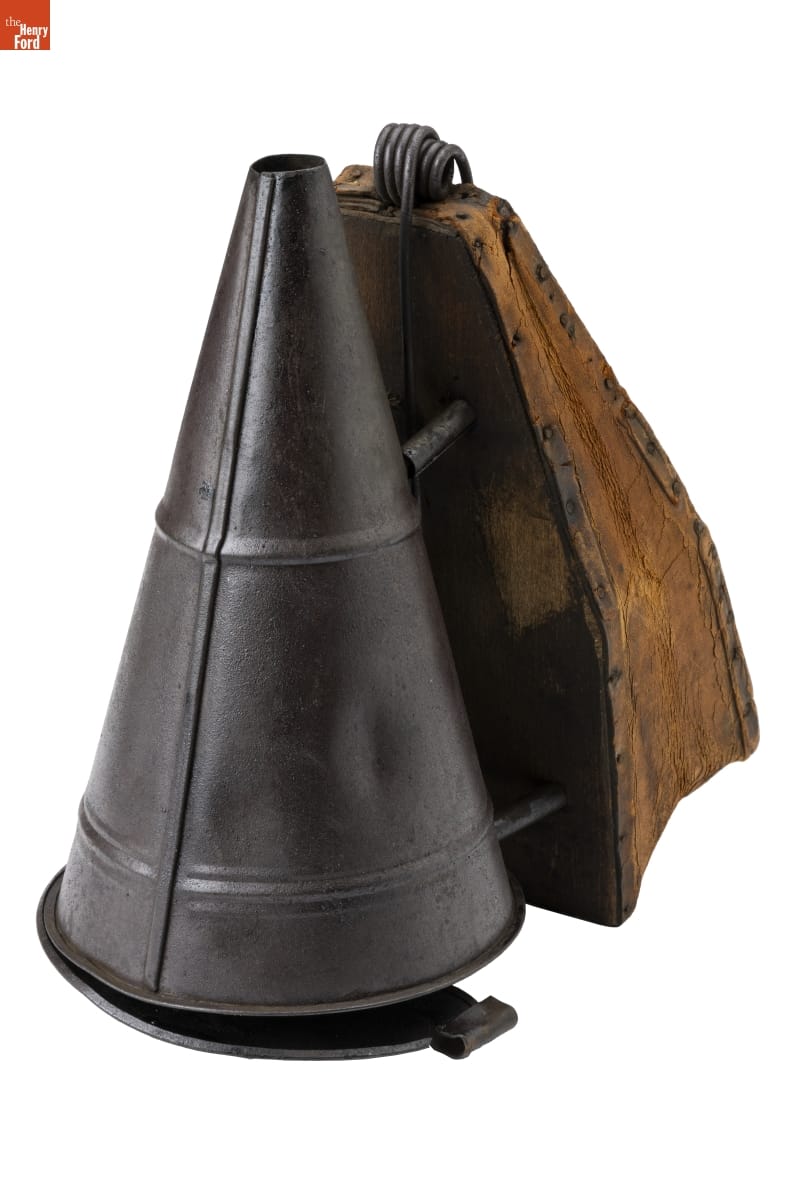
- Collections - Artifact
Bee Smoker
Beekeepers always have a smoker near when they open hives. The smoker masks the "danger" pheromone that bees emit when threatened which slows the colony's response. The smoke also simulates fire which prompts bees to eat honey in preparation for rebuilding a destroyed hive. This smoker's spout channeled smoke into the hive without the risk of dropping the fuel source into the hive.
- Bee Smoker - Beekeepers always have a smoker near when they open hives. The smoker masks the "danger" pheromone that bees emit when threatened which slows the colony's response. The smoke also simulates fire which prompts bees to eat honey in preparation for rebuilding a destroyed hive. This smoker's spout channeled smoke into the hive without the risk of dropping the fuel source into the hive.
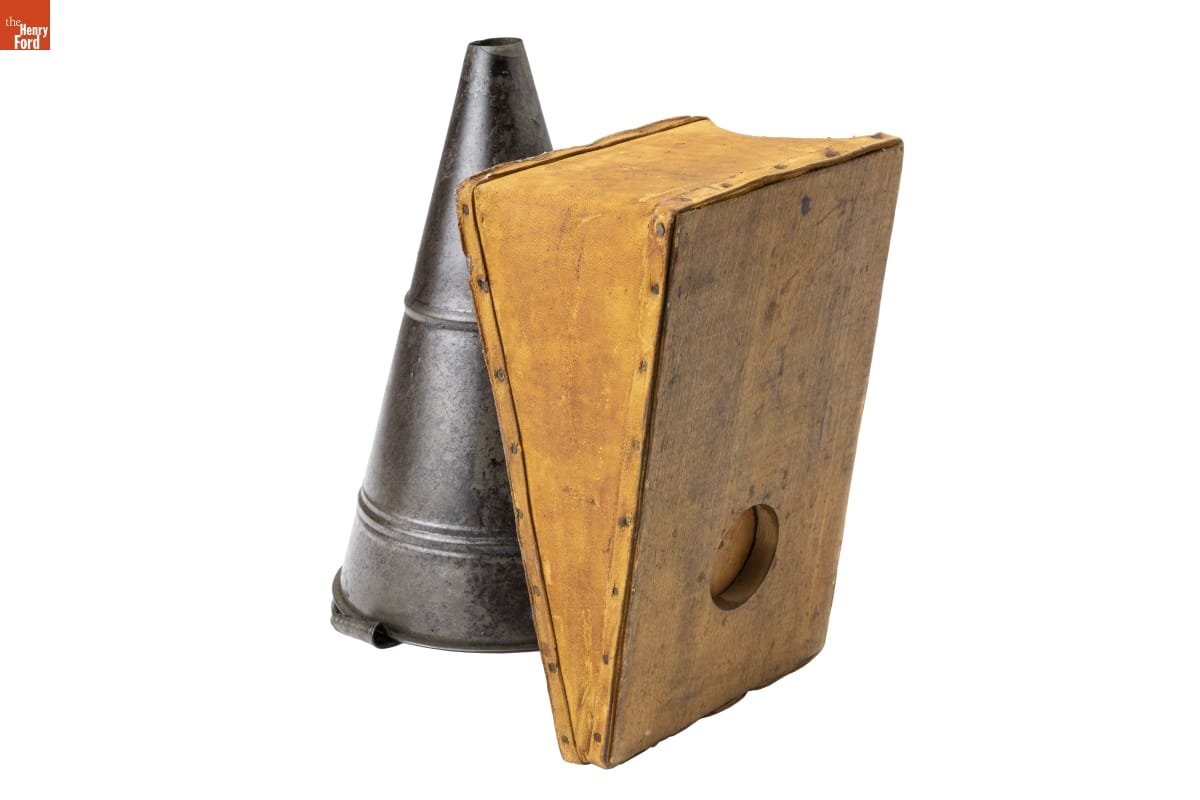
- Collections - Artifact
Bee Smoker
Beekeepers always have a smoker near when they open hives. The smoker masks the "danger" pheromone that bees emit when threatened which slows the colony's response. The smoke also simulates fire which prompts bees to eat honey in preparation for rebuilding a destroyed hive. This smoker's spout channeled smoke into the hive without the risk of dropping the fuel source into the hive.
- Bee Smoker - Beekeepers always have a smoker near when they open hives. The smoker masks the "danger" pheromone that bees emit when threatened which slows the colony's response. The smoke also simulates fire which prompts bees to eat honey in preparation for rebuilding a destroyed hive. This smoker's spout channeled smoke into the hive without the risk of dropping the fuel source into the hive.
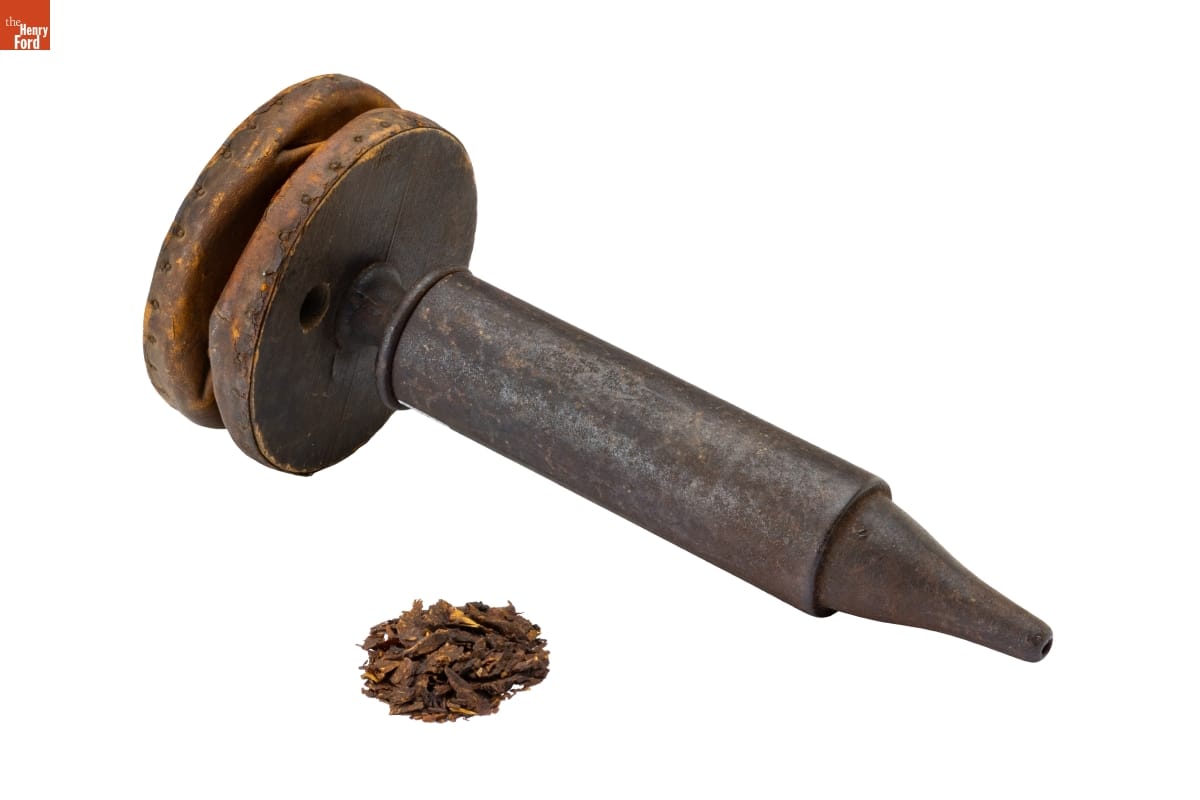
- Collections - Artifact
Bee Smoker
Beekeepers always have a smoker near when they open hives. The smoker masks the "danger" pheromone that bees emit when threatened which slows the colony's response. The smoke also simulates fire which prompts bees to eat honey in preparation for rebuilding a destroyed hive. This smoker's spout channeled smoke into the hive without the risk of dropping the fuel source into the hive.
- Bee Smoker - Beekeepers always have a smoker near when they open hives. The smoker masks the "danger" pheromone that bees emit when threatened which slows the colony's response. The smoke also simulates fire which prompts bees to eat honey in preparation for rebuilding a destroyed hive. This smoker's spout channeled smoke into the hive without the risk of dropping the fuel source into the hive.
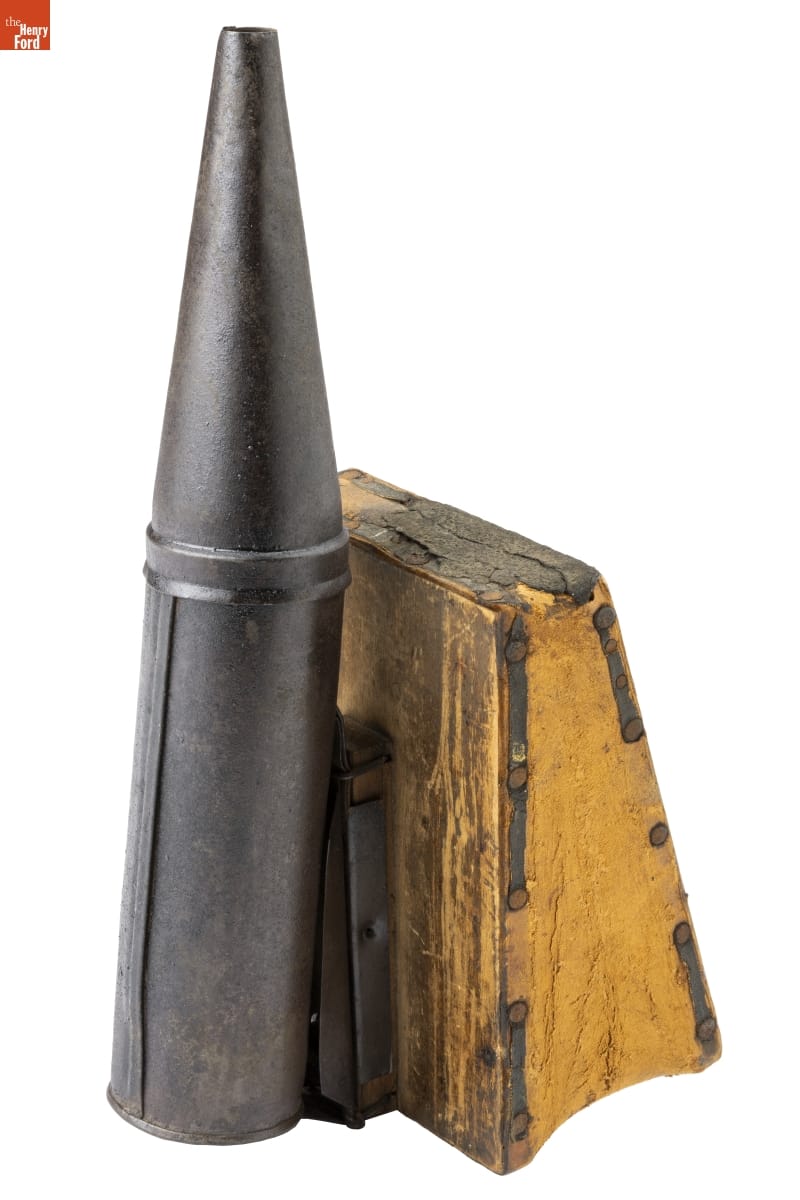
- Collections - Artifact
Bee Smoker
Beekeepers always have a smoker near when they open hives. The smoker masks the "danger" pheromone that bees emit when threatened which slows the colony's response. The smoke also simulates fire which prompts bees to eat honey in preparation for rebuilding a destroyed hive. This smoker's spout channeled smoke into the hive without the risk of dropping the fuel source into the hive.
- Bee Smoker - Beekeepers always have a smoker near when they open hives. The smoker masks the "danger" pheromone that bees emit when threatened which slows the colony's response. The smoke also simulates fire which prompts bees to eat honey in preparation for rebuilding a destroyed hive. This smoker's spout channeled smoke into the hive without the risk of dropping the fuel source into the hive.
- Collections - Artifact
Bee Smoker
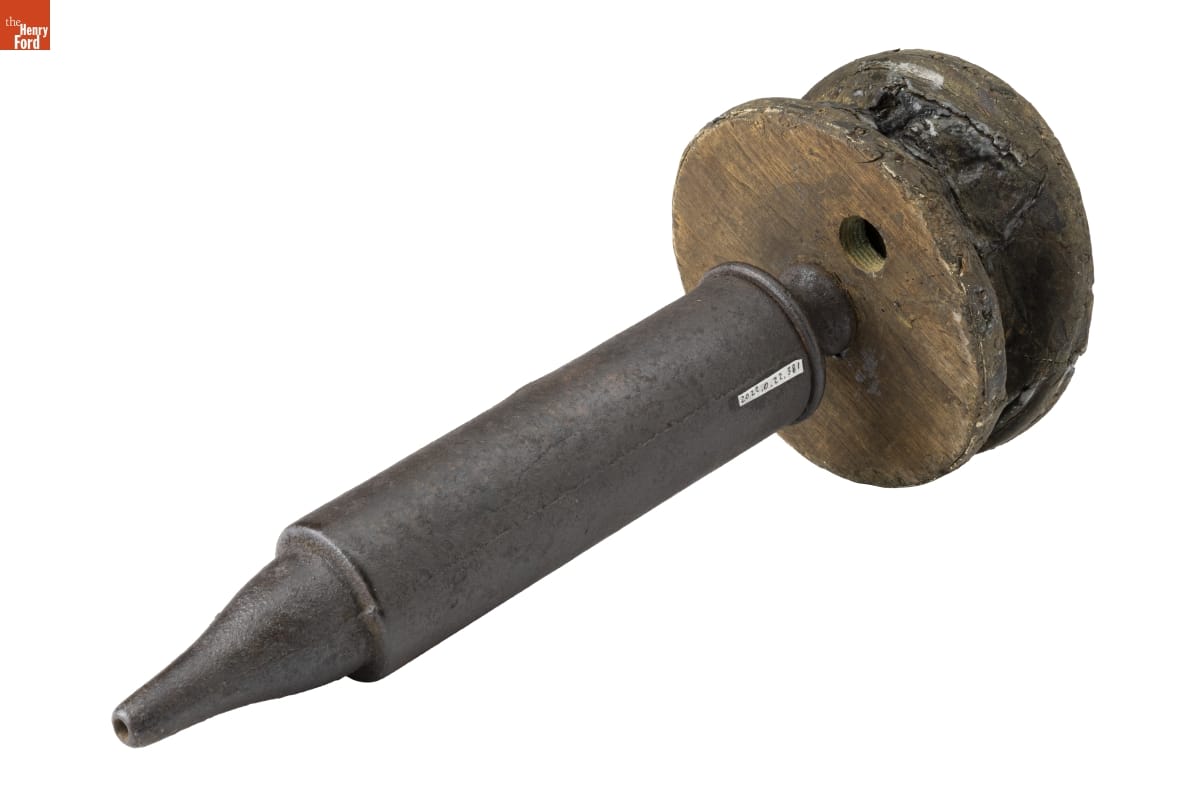
Beekeepers always have a smoker near when they open hives. The smoker masks the "danger" pheromone that bees emit when threatened which slows the colony's response. The smoke also simulates fire which prompts bees to eat honey in preparation for rebuilding a destroyed hive. This smoker's spout channeled smoke into the hive without the risk of dropping the fuel source into the hive.
- Bee Smoker - Beekeepers always have a smoker near when they open hives. The smoker masks the "danger" pheromone that bees emit when threatened which slows the colony's response. The smoke also simulates fire which prompts bees to eat honey in preparation for rebuilding a destroyed hive. This smoker's spout channeled smoke into the hive without the risk of dropping the fuel source into the hive.
- Collections - Artifact
Bee Smoker
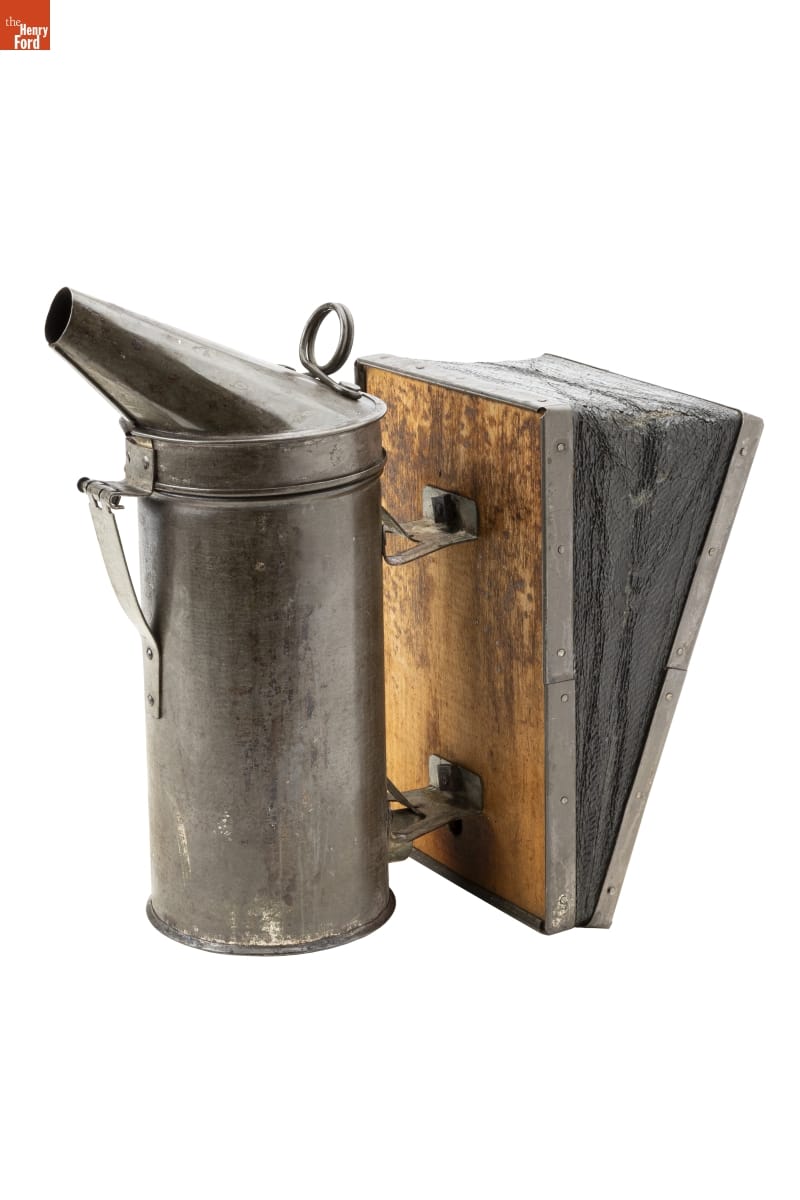
Beekeepers always have a smoker near when they open hives. The smoker masks the "danger" pheromone that bees emit when threatened which slows the colony's response. The smoke also simulates fire which prompts bees to eat honey in preparation for rebuilding a destroyed hive. This smoker's spout channeled smoke into the hive without the risk of dropping the fuel source into the hive.