
Search
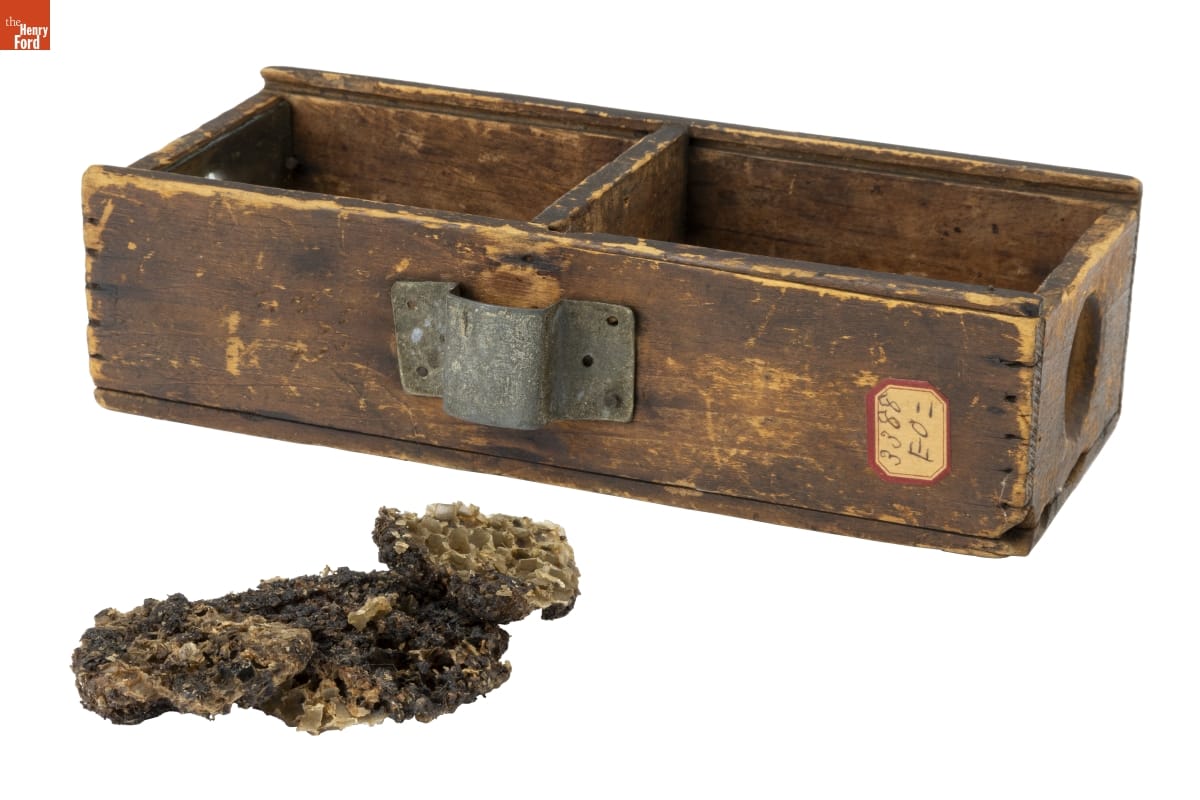
- Bee Box with Honeycomb -
- Collections - Artifact
Bee Box with Honeycomb
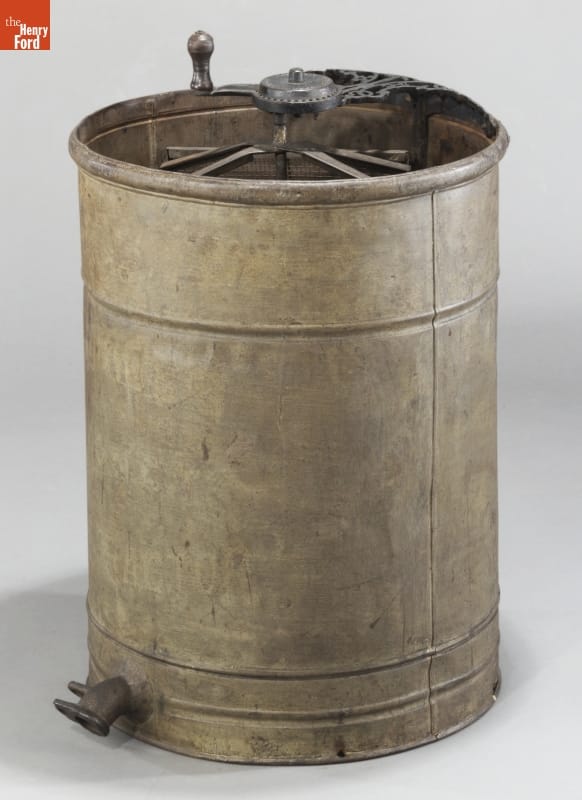
- Honey Extractor, 1890-1900 - A swarm of bees captured Amos Root's attention in 1869. He began publishing <em>Gleanings in Bee Culture</em> in 1873 and included testimonials about this "Novice extractor." Root improved the extractor over 25 years. Beekeepers used a galvanized metal version by 1898, advertised as stronger and more durable than earlier versions, to separate honey from comb to satisfy a growing number of honey consumers.
- 1890-1900
- Collections - Artifact
Honey Extractor, 1890-1900
A swarm of bees captured Amos Root's attention in 1869. He began publishing Gleanings in Bee Culture in 1873 and included testimonials about this "Novice extractor." Root improved the extractor over 25 years. Beekeepers used a galvanized metal version by 1898, advertised as stronger and more durable than earlier versions, to separate honey from comb to satisfy a growing number of honey consumers.
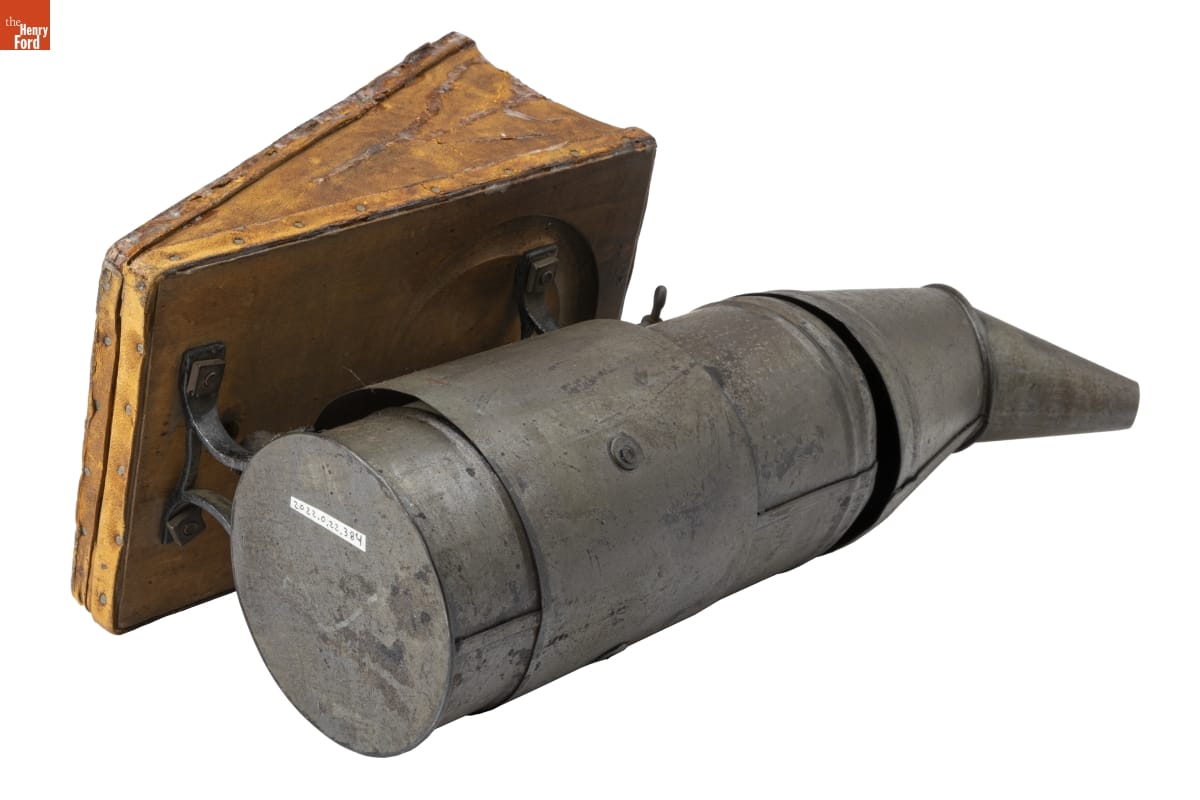
- Bee Smoker - Beekeepers always have a smoker near when they open hives. The smoker masks the "danger" pheromone that bees emit when threatened which slows the colony's response. The smoke also simulates fire which prompts bees to eat honey in preparation for rebuilding a destroyed hive. This smoker's spout channeled smoke into the hive without the risk of dropping the fuel source into the hive.
- Collections - Artifact
Bee Smoker
Beekeepers always have a smoker near when they open hives. The smoker masks the "danger" pheromone that bees emit when threatened which slows the colony's response. The smoke also simulates fire which prompts bees to eat honey in preparation for rebuilding a destroyed hive. This smoker's spout channeled smoke into the hive without the risk of dropping the fuel source into the hive.
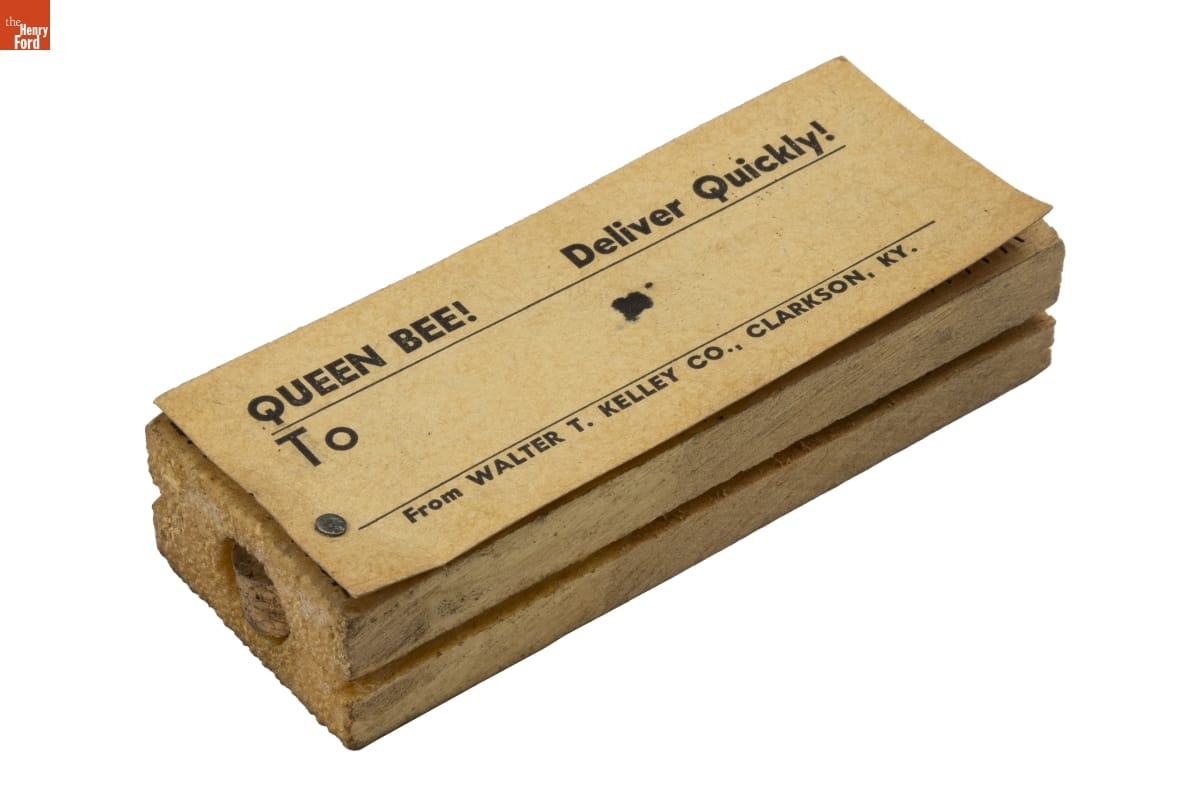
- Queen Bee Box, circa 1961 -
- circa 1961
- Collections - Artifact
Queen Bee Box, circa 1961
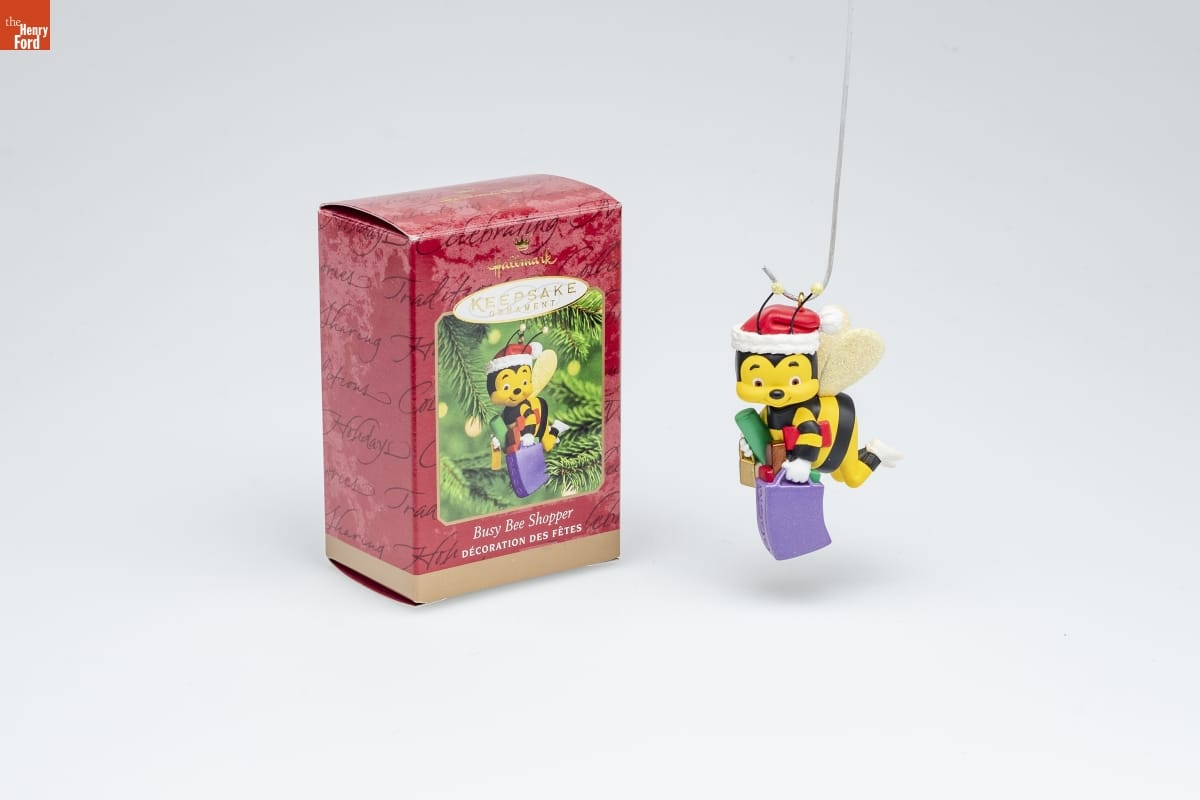
- Hallmark "Busy Bee Shopper" Christmas Ornament, 2000 - Already known for greeting cards, Hallmark introduced a line of Christmas ornaments in 1973. The company's annual release of an increasing array of ornaments revolutionized Christmas decorating, appealing to customers' interest in marking memories and milestones as well as expressing one's personality and unique tastes.
- 2000
- Collections - Artifact
Hallmark "Busy Bee Shopper" Christmas Ornament, 2000
Already known for greeting cards, Hallmark introduced a line of Christmas ornaments in 1973. The company's annual release of an increasing array of ornaments revolutionized Christmas decorating, appealing to customers' interest in marking memories and milestones as well as expressing one's personality and unique tastes.
- "Flow Hive" Frame Kit, 2015 -

- 2015
- Collections - Artifact
"Flow Hive" Frame Kit, 2015
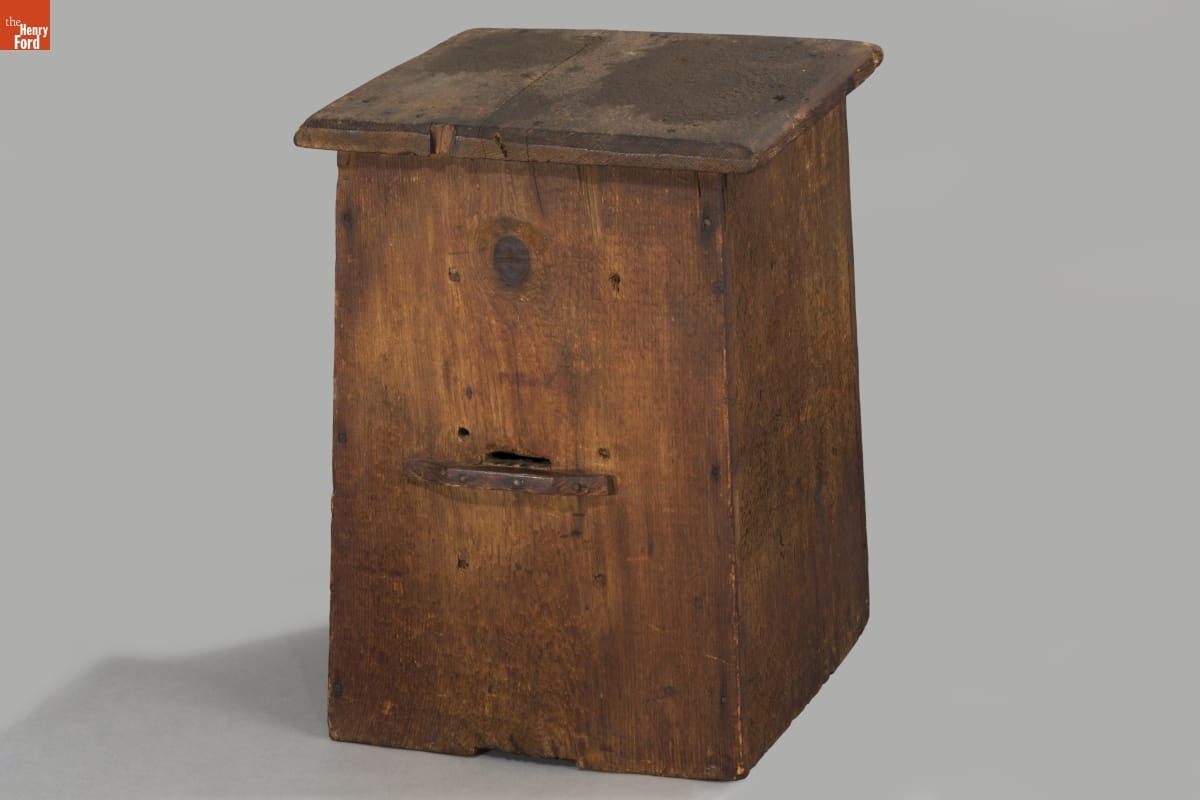
- Box Beehive, 1820-1880 -
- 1820-1880
- Collections - Artifact
Box Beehive, 1820-1880
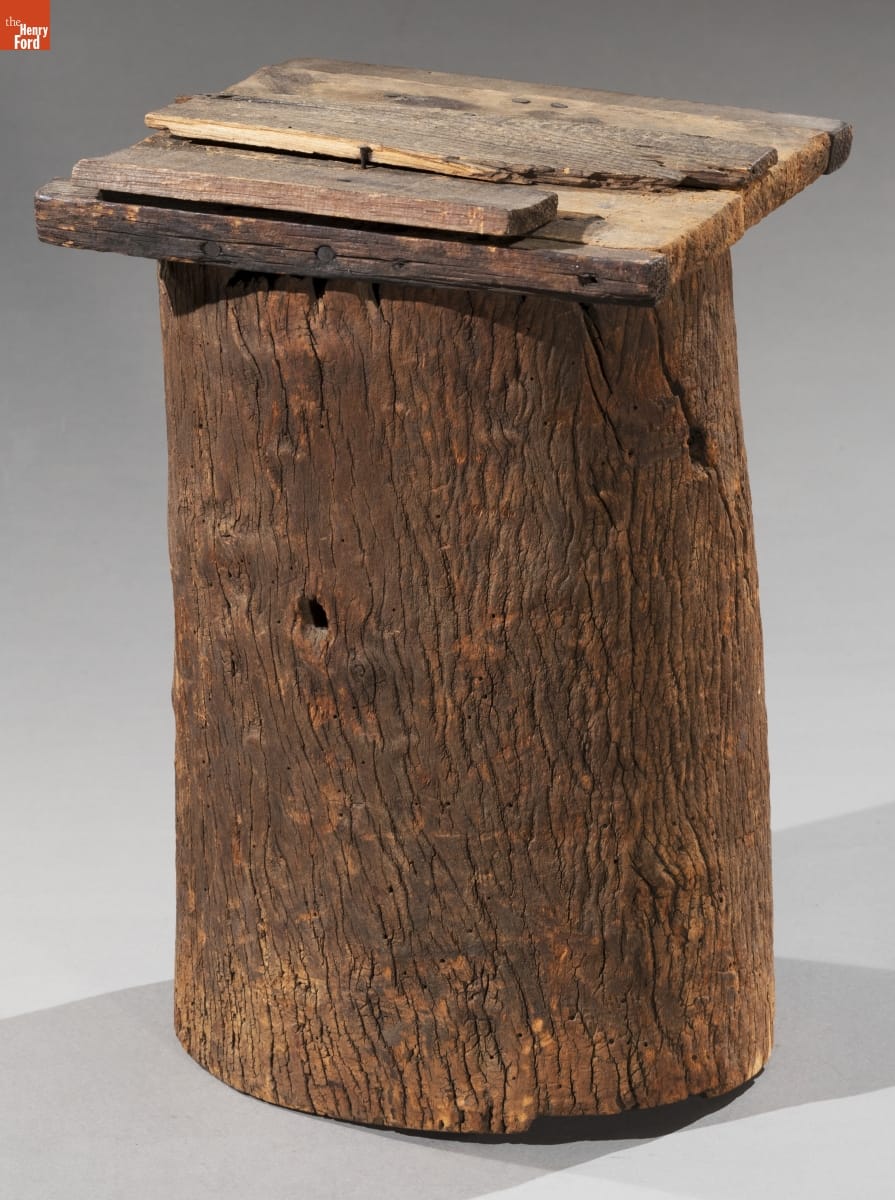
- Beehive Created from a Hollow Log, 1850-1900 - Colonists who relocated from European countries and settled in North America imported <em>Apis mellifera</em> to ensure access to honey and to sustain crops that they moved with their bees. When honeybees swarmed into hollow trees, colonists sometimes cut out the tree and moved it closer to their gardens, orchards, and clover fields to keep honey close to the kitchen table.
- 1850-1900
- Collections - Artifact
Beehive Created from a Hollow Log, 1850-1900
Colonists who relocated from European countries and settled in North America imported Apis mellifera to ensure access to honey and to sustain crops that they moved with their bees. When honeybees swarmed into hollow trees, colonists sometimes cut out the tree and moved it closer to their gardens, orchards, and clover fields to keep honey close to the kitchen table.
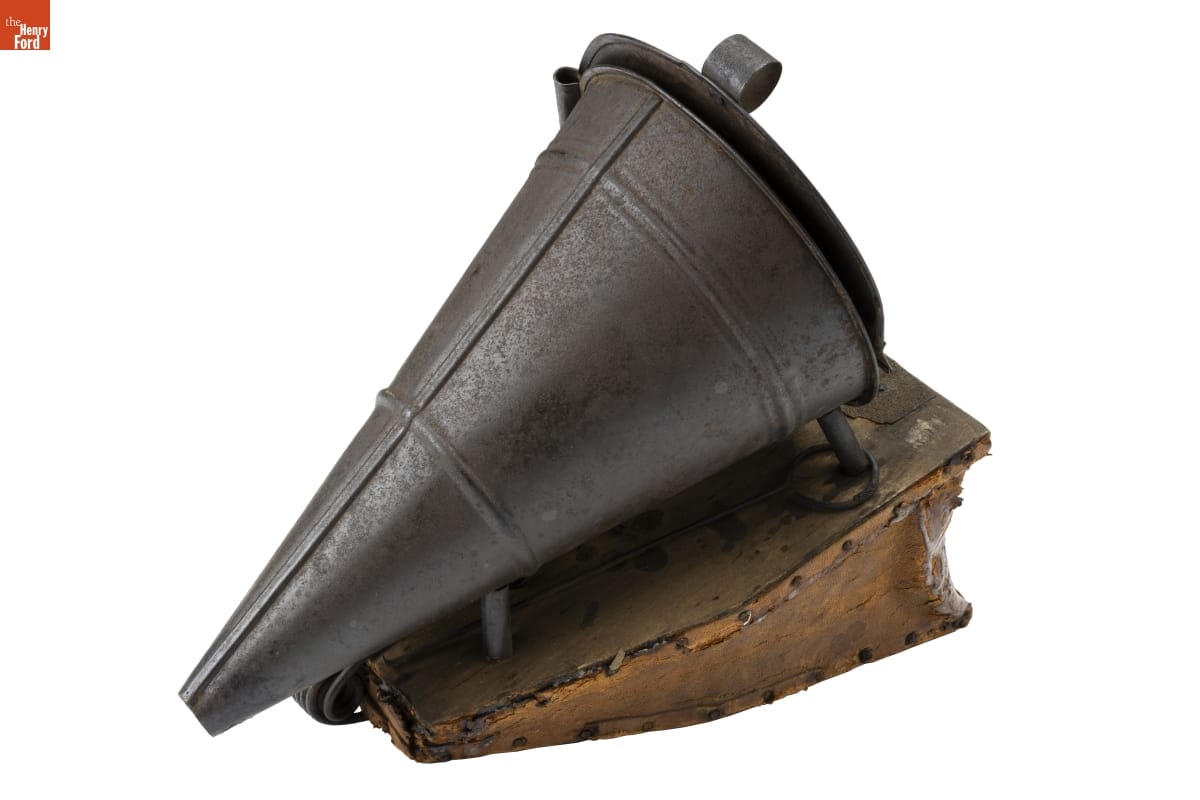
- Bee Smoker - Beekeepers always have a smoker near when they open hives. The smoker masks the "danger" pheromone that bees emit when threatened which slows the colony's response. The smoke also simulates fire which prompts bees to eat honey in preparation for rebuilding a destroyed hive. This smoker's spout channeled smoke into the hive without the risk of dropping the fuel source into the hive.
- Collections - Artifact
Bee Smoker
Beekeepers always have a smoker near when they open hives. The smoker masks the "danger" pheromone that bees emit when threatened which slows the colony's response. The smoke also simulates fire which prompts bees to eat honey in preparation for rebuilding a destroyed hive. This smoker's spout channeled smoke into the hive without the risk of dropping the fuel source into the hive.
- Elder Henry Clay Blinn with Beehives, Shaker Village, Canterbury, New Hampshire, circa 1875 - Henry C. Blinn joined the Canterbury, New Hampshire, Shaker Community in 1838. He served as an elder and as official historian for the Shaker community for most of the rest of his life. His writings included at least two articles in the <em>American Bee Journal</em> (April and September 1870). Elder Blinn learned by doing, as this stereograph of his work with bees in the Canterbury apiary indicates.
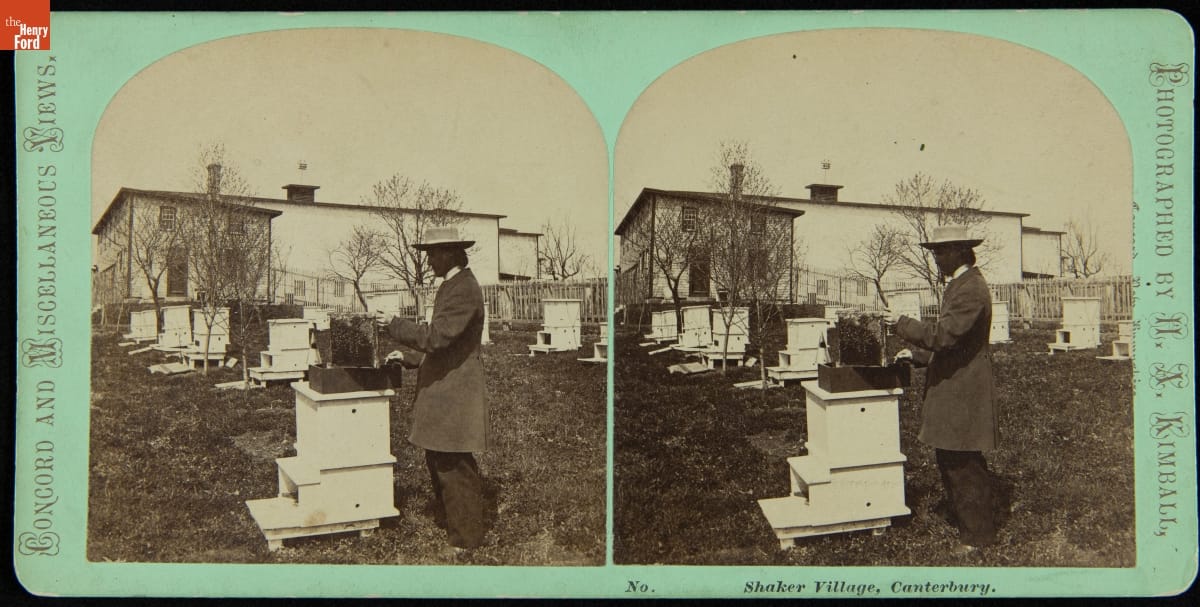
- circa 1875
- Collections - Artifact
Elder Henry Clay Blinn with Beehives, Shaker Village, Canterbury, New Hampshire, circa 1875
Henry C. Blinn joined the Canterbury, New Hampshire, Shaker Community in 1838. He served as an elder and as official historian for the Shaker community for most of the rest of his life. His writings included at least two articles in the American Bee Journal (April and September 1870). Elder Blinn learned by doing, as this stereograph of his work with bees in the Canterbury apiary indicates.