
Search
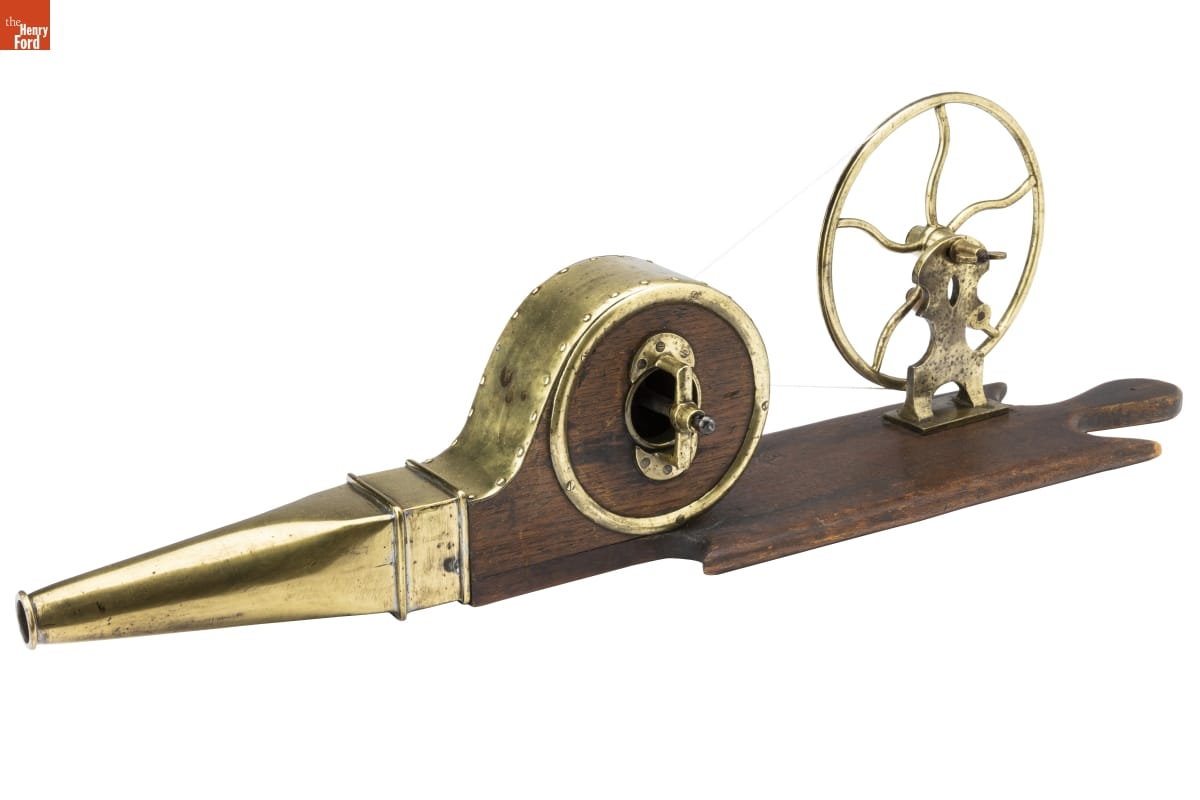
- Mechanical Bellows - Have you ever fanned a fire? Historically, people used bellows to create updrafts of air to help ignite or sustain a fire in a hearth or stove. This bellows included a fan, and turning the crank moved the blades to, literally, fan the flame. The device was a showpiece with hardwood and elaborate brass fixtures, but remained utilitarian.
- Collections - Artifact
Mechanical Bellows
Have you ever fanned a fire? Historically, people used bellows to create updrafts of air to help ignite or sustain a fire in a hearth or stove. This bellows included a fan, and turning the crank moved the blades to, literally, fan the flame. The device was a showpiece with hardwood and elaborate brass fixtures, but remained utilitarian.
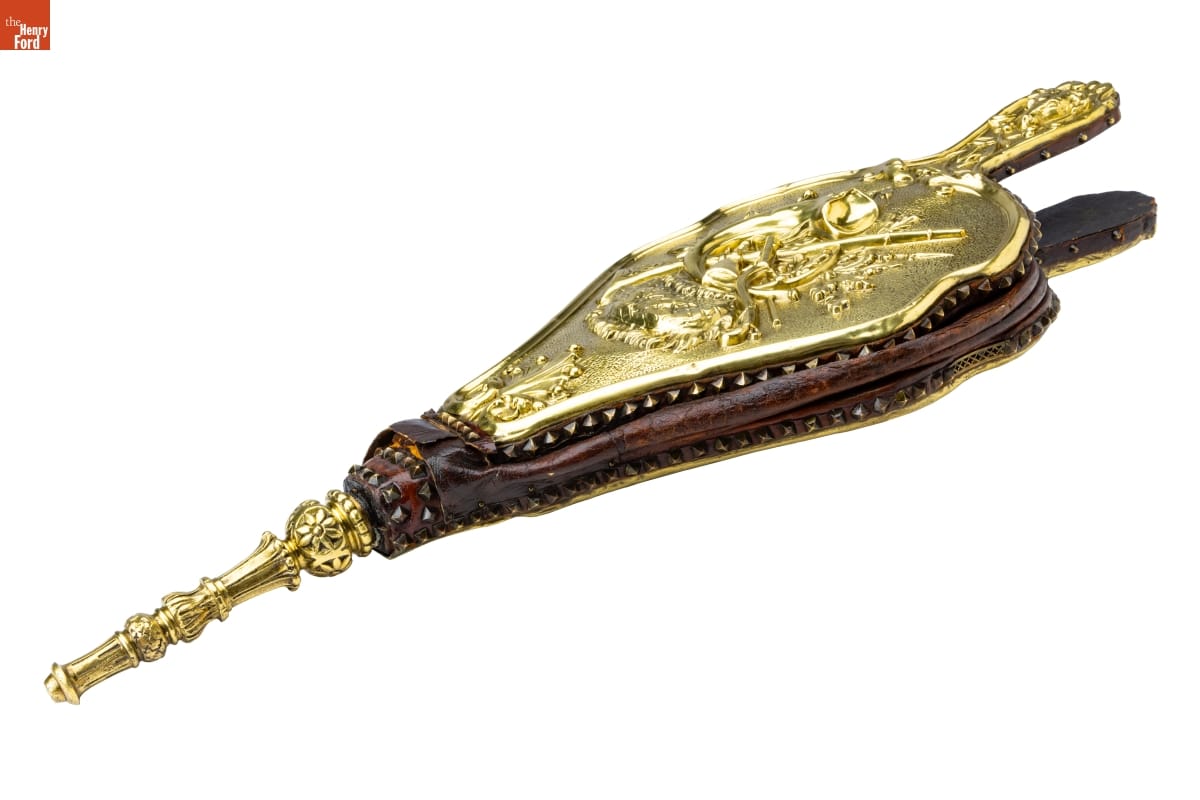
- Bellows - Have you ever fanned a fire? Historically, people used bellows to create updrafts of air to help ignite or sustain a fire in a hearth or stove. Moving the handled wood panels back and forth captured air in a leather chamber and expelled it out a metal nozzle. Some bellows were simple and undecorated; others were elaborately painted or carved; all were utilitarian.
- Collections - Artifact
Bellows
Have you ever fanned a fire? Historically, people used bellows to create updrafts of air to help ignite or sustain a fire in a hearth or stove. Moving the handled wood panels back and forth captured air in a leather chamber and expelled it out a metal nozzle. Some bellows were simple and undecorated; others were elaborately painted or carved; all were utilitarian.
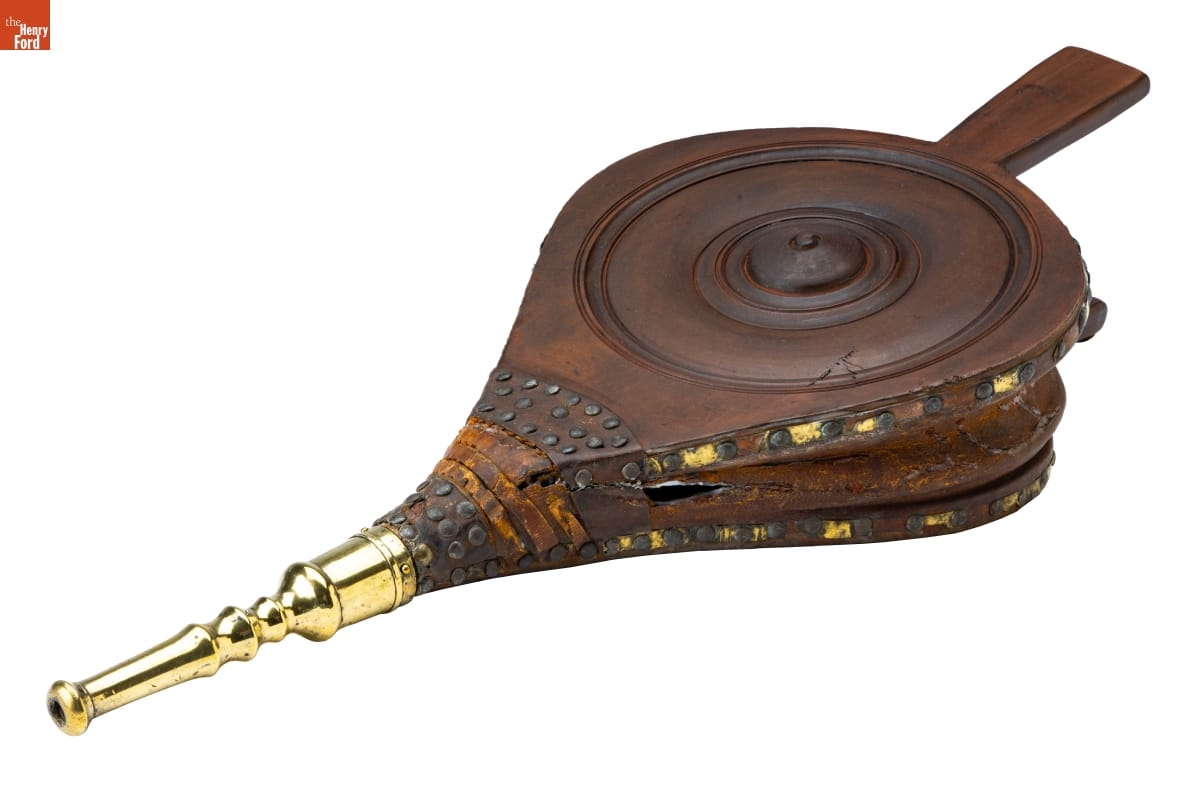
- Bellows - Have you ever fanned a fire? Historically, people used bellows to create updrafts of air to help ignite or sustain a fire in a hearth or stove. Moving the handled wood panels back and forth captured air in a leather chamber and expelled it out a metal nozzle. Some bellows were simple and undecorated; others were elaborately painted or carved; all were utilitarian.
- Collections - Artifact
Bellows
Have you ever fanned a fire? Historically, people used bellows to create updrafts of air to help ignite or sustain a fire in a hearth or stove. Moving the handled wood panels back and forth captured air in a leather chamber and expelled it out a metal nozzle. Some bellows were simple and undecorated; others were elaborately painted or carved; all were utilitarian.
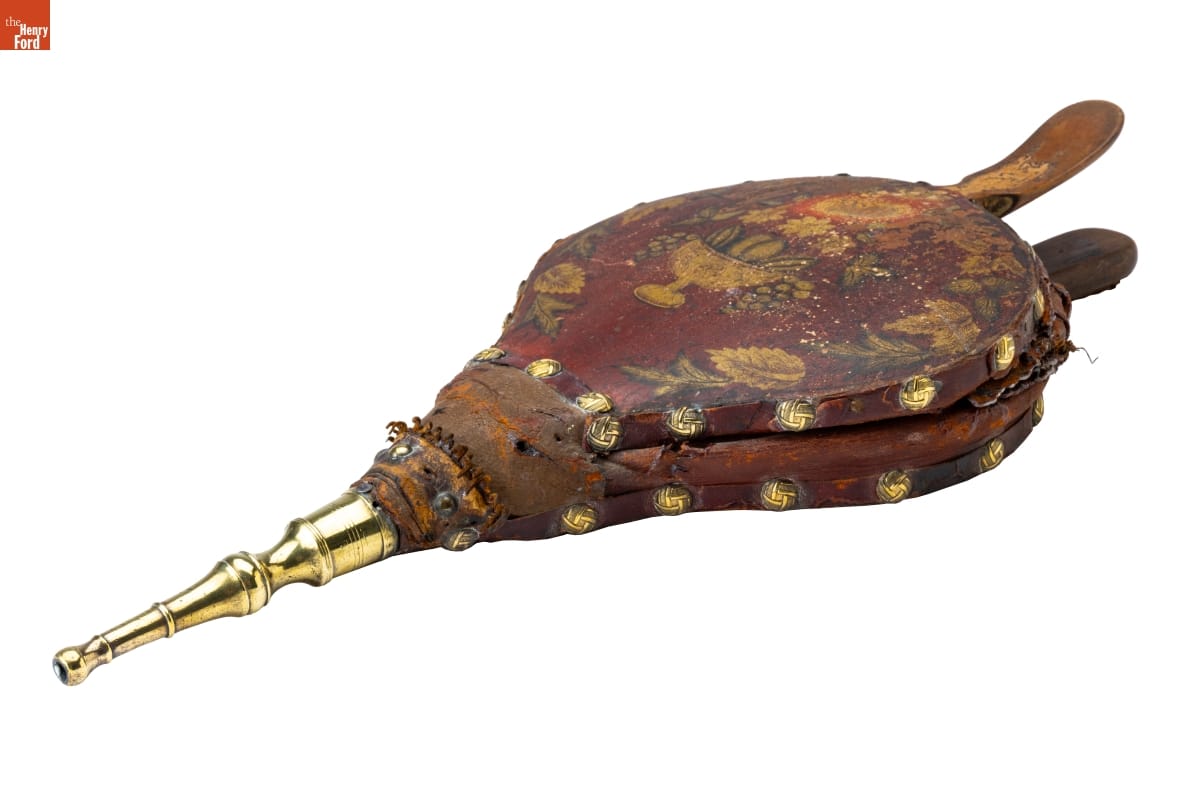
- Bellows - Have you ever fanned a fire? Historically, people used bellows to create updrafts of air to help ignite or sustain a fire in a hearth or stove. Moving the handled wood panels back and forth captured air in a leather chamber and expelled it out a metal nozzle. Some bellows were simple and undecorated; others were elaborately painted or carved; all were utilitarian.
- Collections - Artifact
Bellows
Have you ever fanned a fire? Historically, people used bellows to create updrafts of air to help ignite or sustain a fire in a hearth or stove. Moving the handled wood panels back and forth captured air in a leather chamber and expelled it out a metal nozzle. Some bellows were simple and undecorated; others were elaborately painted or carved; all were utilitarian.
- Bellows - Have you ever fanned a fire? Historically, people used bellows to create updrafts of air to help ignite or sustain a fire in a hearth or stove. Moving the handled wood panels back and forth captured air in a leather chamber and expelled it out a metal nozzle. Some bellows were simple and undecorated; others were elaborately painted or carved; all were utilitarian.
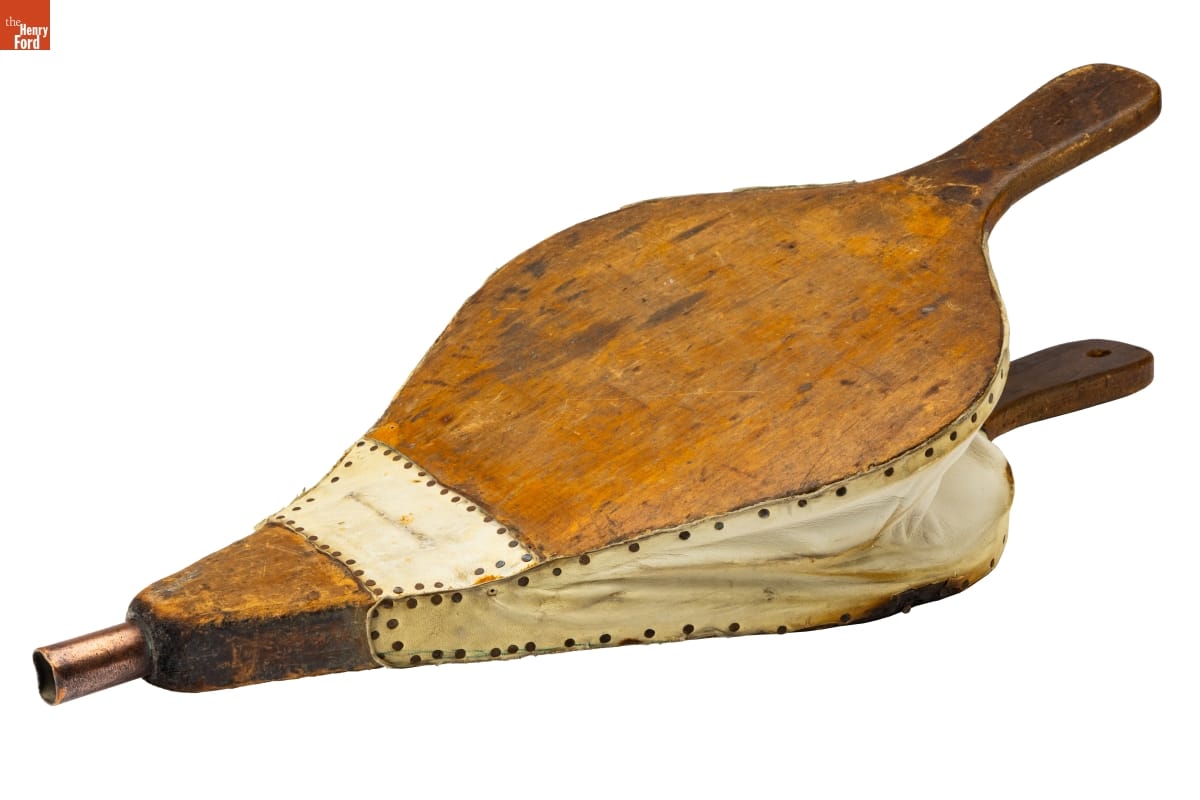
- Collections - Artifact
Bellows
Have you ever fanned a fire? Historically, people used bellows to create updrafts of air to help ignite or sustain a fire in a hearth or stove. Moving the handled wood panels back and forth captured air in a leather chamber and expelled it out a metal nozzle. Some bellows were simple and undecorated; others were elaborately painted or carved; all were utilitarian.
- Bellows - Have you ever fanned a fire? Historically, people used bellows to create updrafts of air to help ignite or sustain a fire in a hearth or stove. Moving the handled wood panels back and forth captured air in a leather chamber and expelled it out a metal nozzle. Some bellows were simple and undecorated; others were elaborately painted or carved; all were utilitarian.
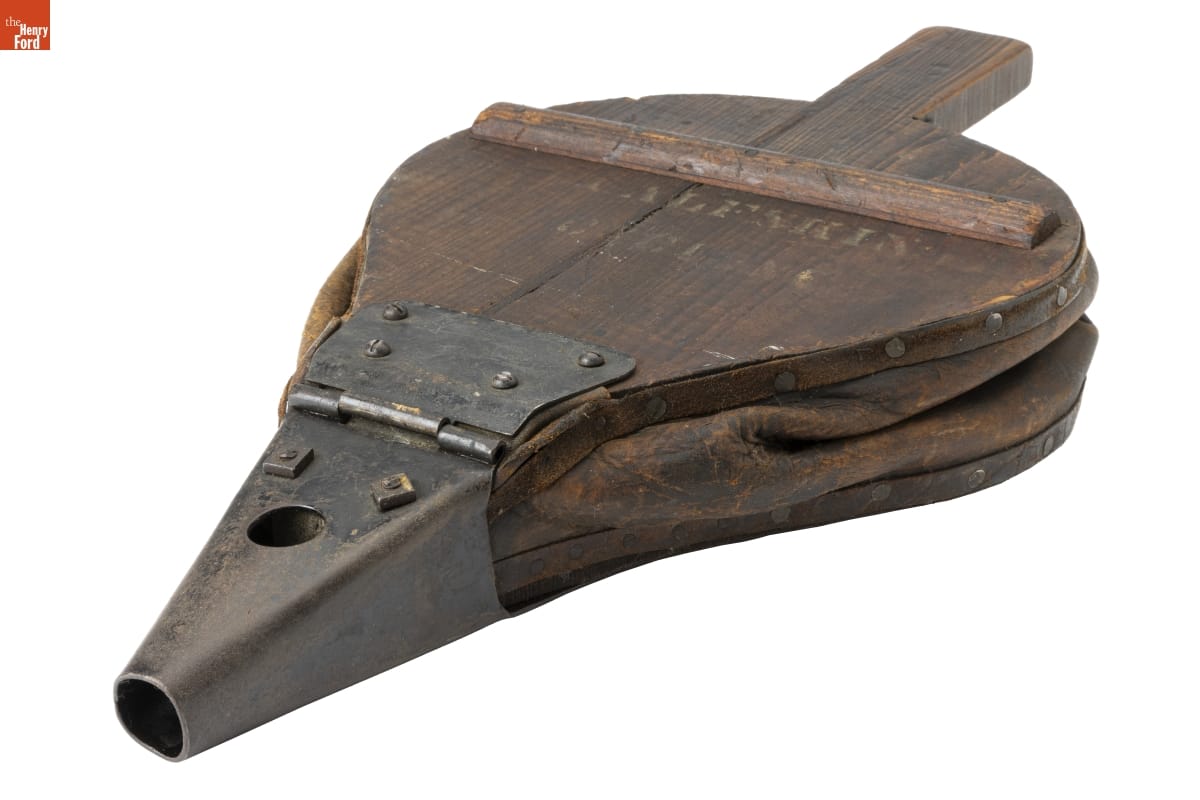
- Collections - Artifact
Bellows
Have you ever fanned a fire? Historically, people used bellows to create updrafts of air to help ignite or sustain a fire in a hearth or stove. Moving the handled wood panels back and forth captured air in a leather chamber and expelled it out a metal nozzle. Some bellows were simple and undecorated; others were elaborately painted or carved; all were utilitarian.
- Bellows - Have you ever fanned a fire? Historically, people used bellows to create updrafts of air to help ignite or sustain a fire in a hearth or stove. Moving the handled wood panels back and forth captured air in a leather chamber and expelled it out a metal nozzle. Some bellows were simple and undecorated; others were elaborately painted or carved; all were utilitarian.
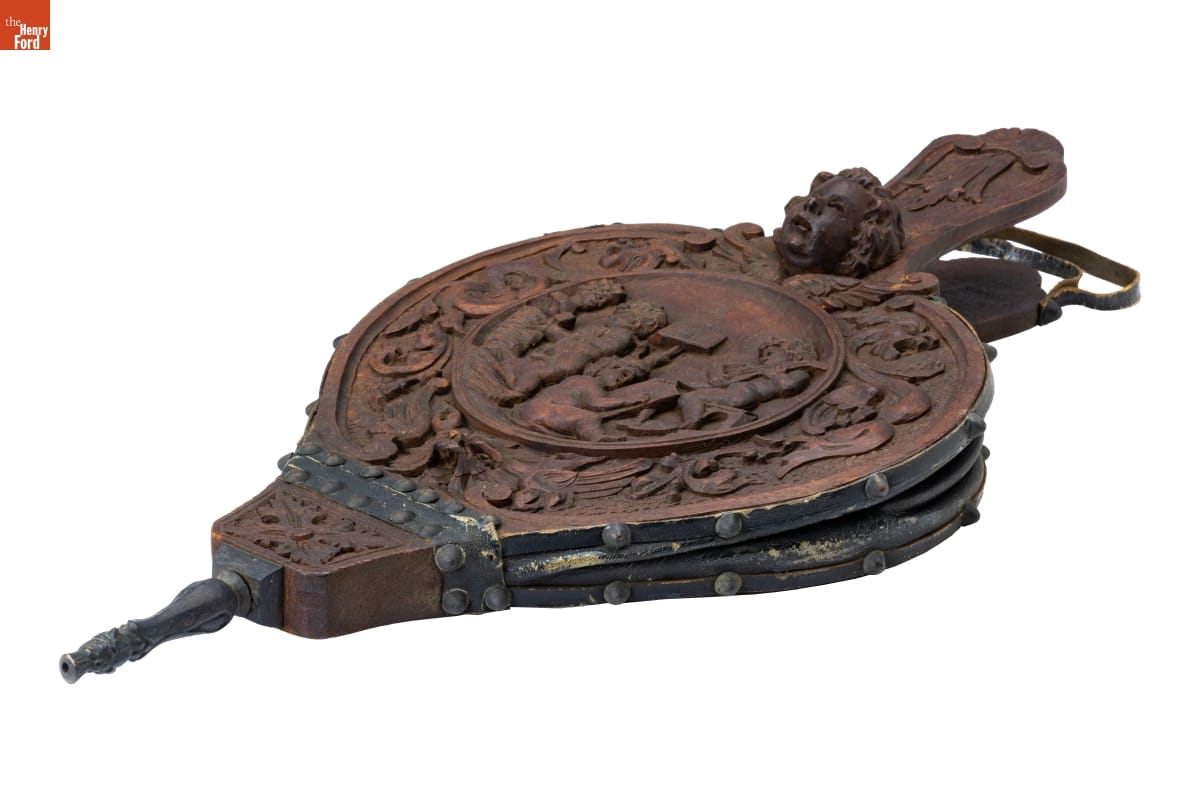
- Collections - Artifact
Bellows
Have you ever fanned a fire? Historically, people used bellows to create updrafts of air to help ignite or sustain a fire in a hearth or stove. Moving the handled wood panels back and forth captured air in a leather chamber and expelled it out a metal nozzle. Some bellows were simple and undecorated; others were elaborately painted or carved; all were utilitarian.
- Smoker, circa 1920 - The Funsten Perfect Smoker allowed trappers and hunters to flush furry animals from the safety of their dens. Hunters filled the long canister with flammable material (sometimes sprinkled with sulfur powder) and then lit it, creating smoke that is puffed into a burrow. Funsten Brothers & Company, a leading trapping supplier established in the late 1800s, sold this smoker.
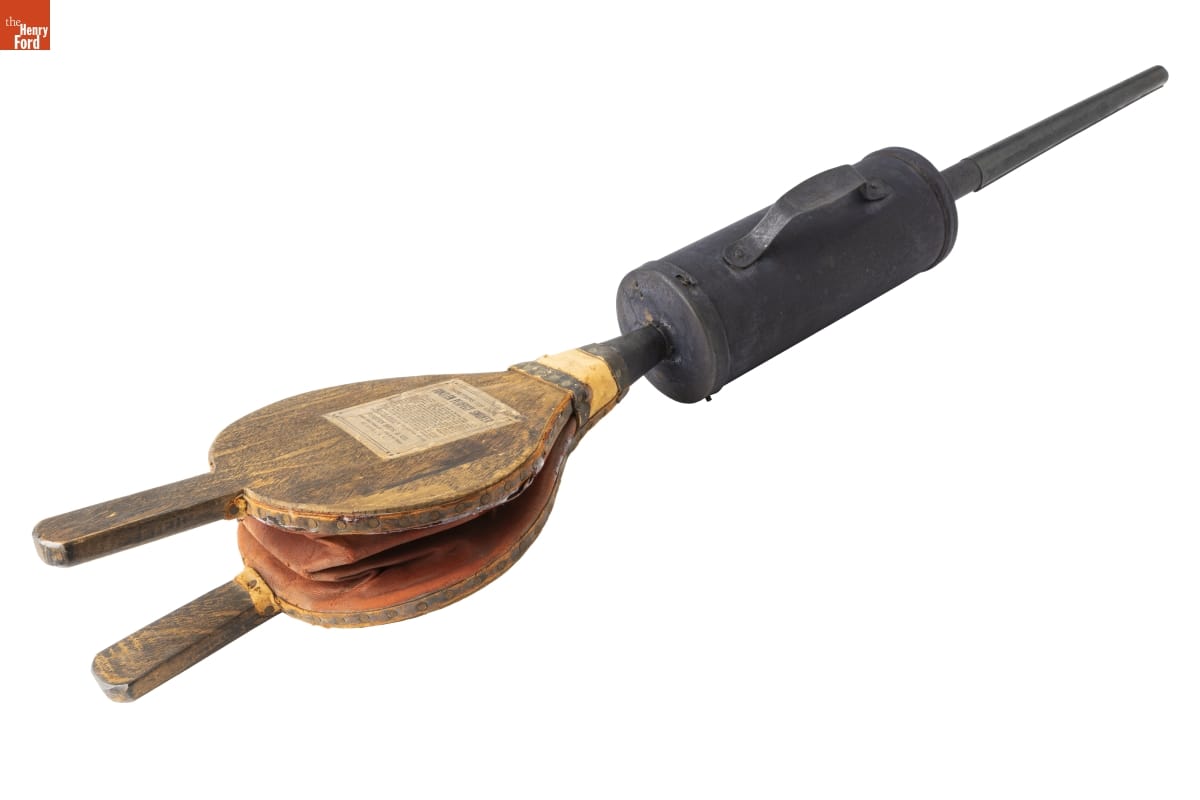
- circa 1920
- Collections - Artifact
Smoker, circa 1920
The Funsten Perfect Smoker allowed trappers and hunters to flush furry animals from the safety of their dens. Hunters filled the long canister with flammable material (sometimes sprinkled with sulfur powder) and then lit it, creating smoke that is puffed into a burrow. Funsten Brothers & Company, a leading trapping supplier established in the late 1800s, sold this smoker.
- Mechanical Bellows - Have you ever fanned a fire? Historically, people used bellows to create updrafts of air to help ignite or sustain a fire in a hearth or stove. This bellows included a fan, and turning the crank moved the blades to, literally, fan the flame. The device was a showpiece with hardwood and elaborate brass fixtures, but remained utilitarian.
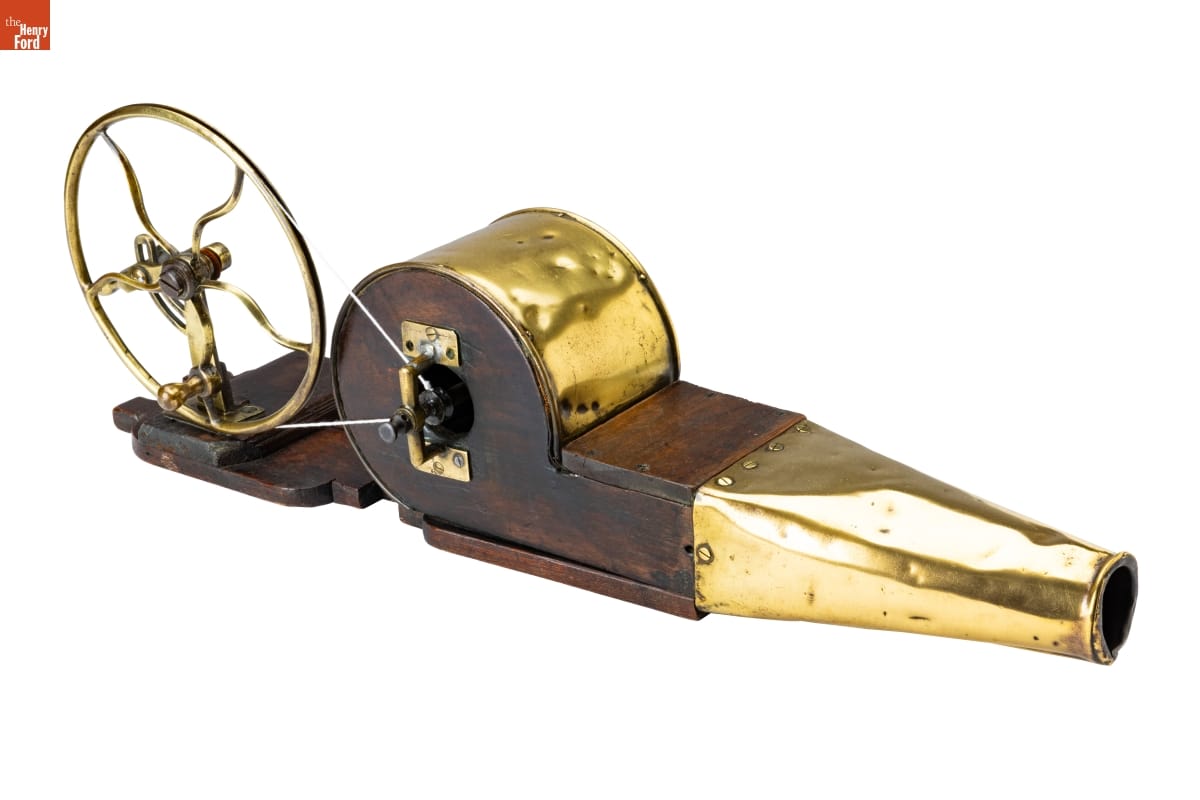
- Collections - Artifact
Mechanical Bellows
Have you ever fanned a fire? Historically, people used bellows to create updrafts of air to help ignite or sustain a fire in a hearth or stove. This bellows included a fan, and turning the crank moved the blades to, literally, fan the flame. The device was a showpiece with hardwood and elaborate brass fixtures, but remained utilitarian.
- Smoker Bellows - The Funsten Perfect Smoker allowed trappers and hunters to flush furry animals from the safety of their dens. Hunters filled a long canister (missing) with flammable material (sometimes sprinkled with sulfur powder) and then lit it, creating smoke that is puffed into a burrow. Funsten Brothers & Company, a leading trapping supplier established in the late 1800s, sold this smoker.
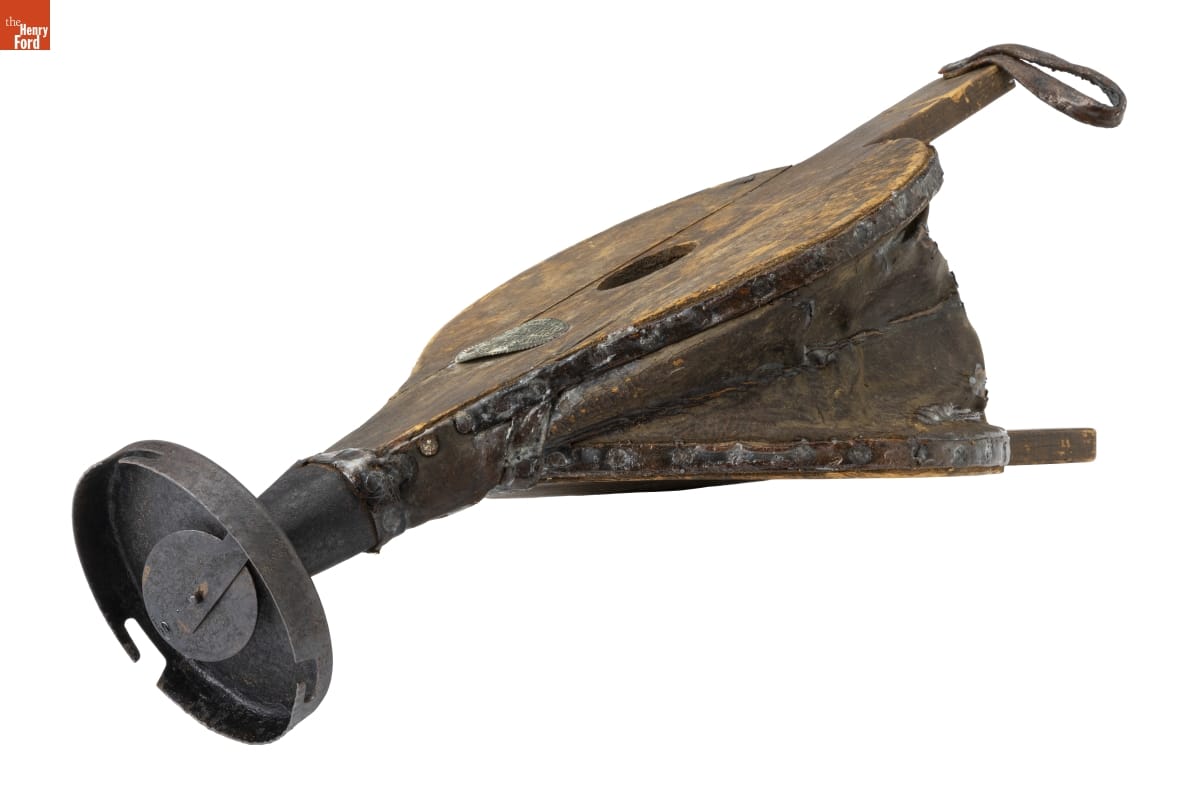
- Collections - Artifact
Smoker Bellows
The Funsten Perfect Smoker allowed trappers and hunters to flush furry animals from the safety of their dens. Hunters filled a long canister (missing) with flammable material (sometimes sprinkled with sulfur powder) and then lit it, creating smoke that is puffed into a burrow. Funsten Brothers & Company, a leading trapping supplier established in the late 1800s, sold this smoker.