
Search
- Cotswold Dovecote - Henry and Clara Ford were avid birders and built this dovecote, modeled on one in Chesham, England. Dovecotes, which could only be owned by privileged landlords, were built to attract roosting birds, which helped control insects and provided manure for fertilizer. The nests could be reached from inside the dovecote where the eggs could be gathered, or birds trapped for food.
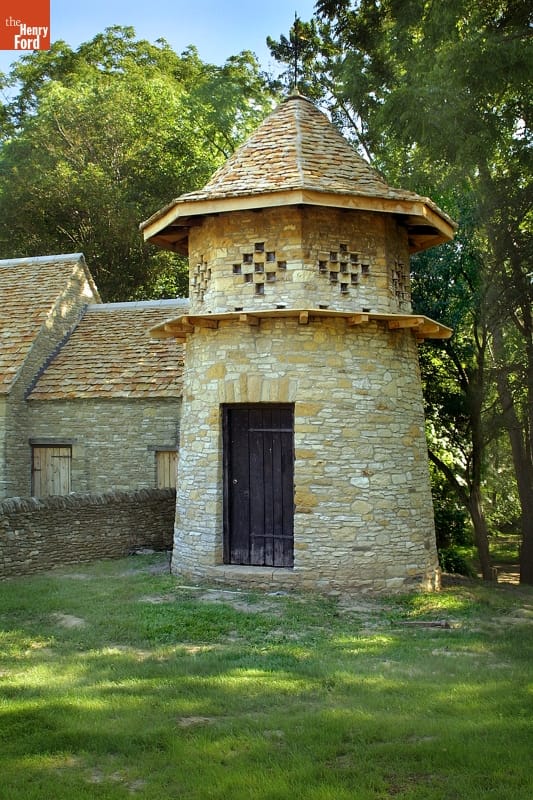
- circa 1935
- Collections - Artifact
Cotswold Dovecote
Henry and Clara Ford were avid birders and built this dovecote, modeled on one in Chesham, England. Dovecotes, which could only be owned by privileged landlords, were built to attract roosting birds, which helped control insects and provided manure for fertilizer. The nests could be reached from inside the dovecote where the eggs could be gathered, or birds trapped for food.
- Hallmark "Nature's Sketchbook Series" Christmas Ornament, 2003 - Already known for greeting cards, Hallmark introduced a line of Christmas ornaments in 1973. The company's annual release of an increasing array of ornaments revolutionized Christmas decorating, appealing to customers' interest in marking memories and milestones as well as expressing one's personality and unique tastes.
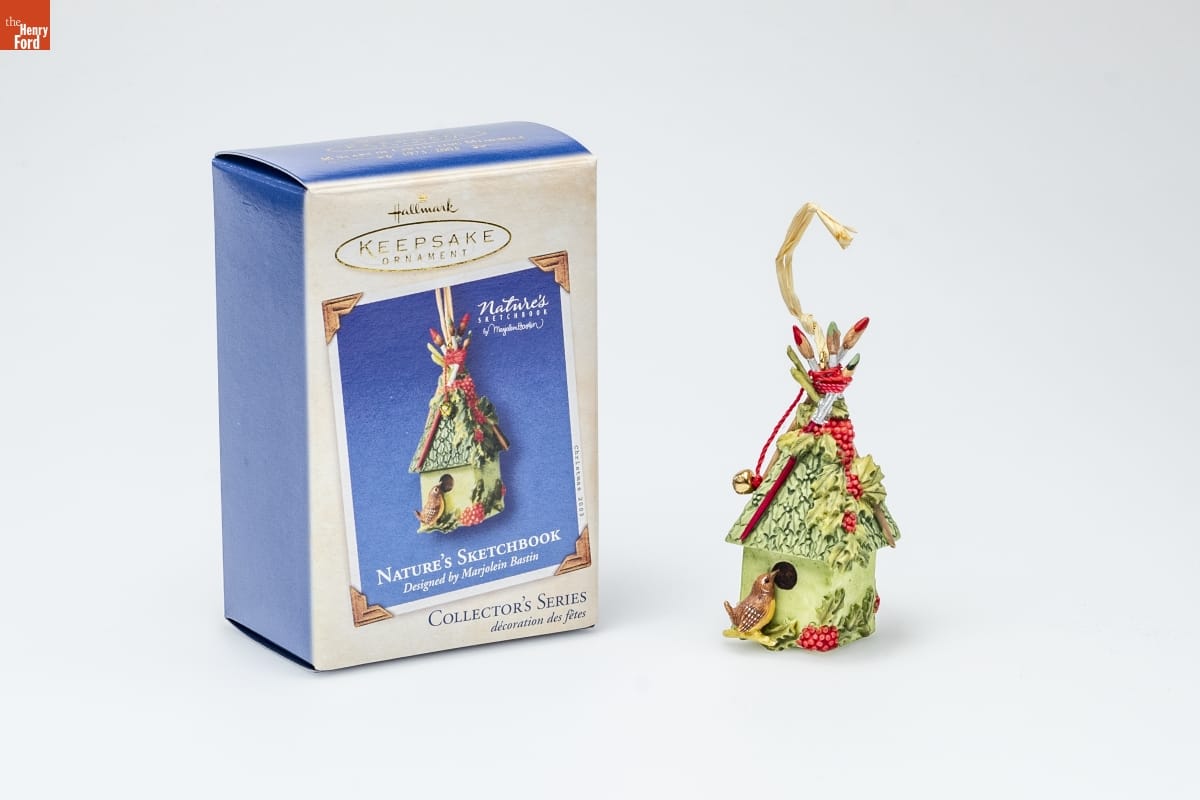
- 2003
- Collections - Artifact
Hallmark "Nature's Sketchbook Series" Christmas Ornament, 2003
Already known for greeting cards, Hallmark introduced a line of Christmas ornaments in 1973. The company's annual release of an increasing array of ornaments revolutionized Christmas decorating, appealing to customers' interest in marking memories and milestones as well as expressing one's personality and unique tastes.
- Hallmark "The Snowmen of Winter Garden: Feathered Friends" Miniature Christmas Ornaments, 2007 - Already known for greeting cards, Hallmark introduced a line of Christmas ornaments in 1973. The company's annual release of an increasing array of ornaments revolutionized Christmas decorating, appealing to customers' interest in marking memories and milestones as well as expressing one's personality and unique tastes.
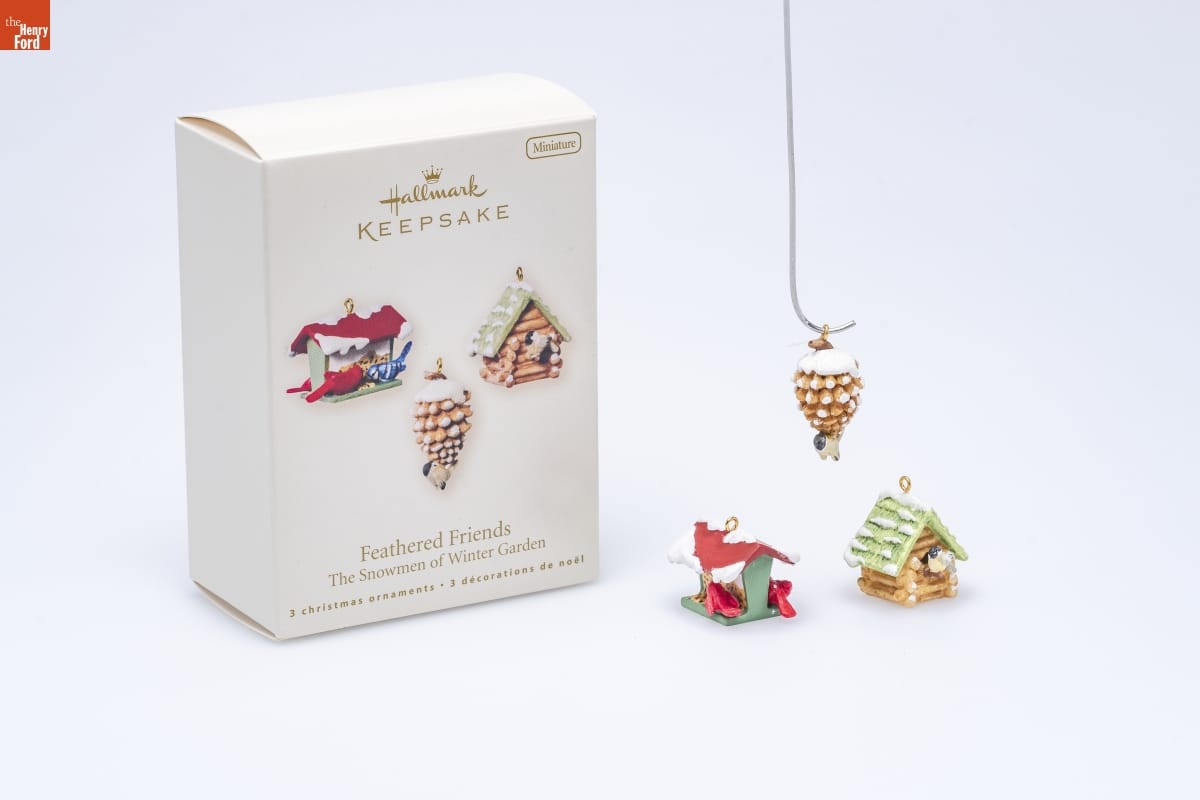
- 2007
- Collections - Artifact
Hallmark "The Snowmen of Winter Garden: Feathered Friends" Miniature Christmas Ornaments, 2007
Already known for greeting cards, Hallmark introduced a line of Christmas ornaments in 1973. The company's annual release of an increasing array of ornaments revolutionized Christmas decorating, appealing to customers' interest in marking memories and milestones as well as expressing one's personality and unique tastes.
- Hallmark "Snuggle Birds" Miniature Christmas Ornament, 1993 - Already known for greeting cards, Hallmark introduced a line of Christmas ornaments in 1973. The company's annual release of an increasing array of ornaments revolutionized Christmas decorating, appealing to customers' interest in marking memories and milestones as well as expressing one's personality and unique tastes.
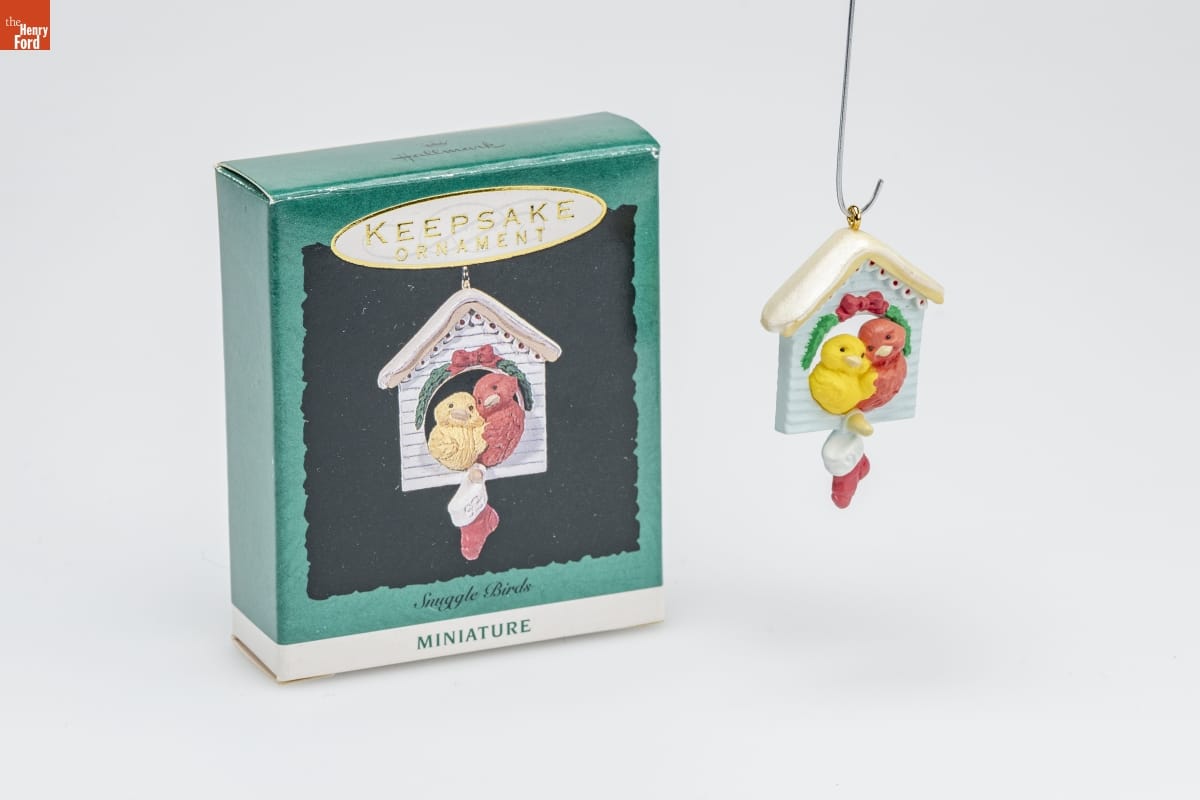
- 1993
- Collections - Artifact
Hallmark "Snuggle Birds" Miniature Christmas Ornament, 1993
Already known for greeting cards, Hallmark introduced a line of Christmas ornaments in 1973. The company's annual release of an increasing array of ornaments revolutionized Christmas decorating, appealing to customers' interest in marking memories and milestones as well as expressing one's personality and unique tastes.
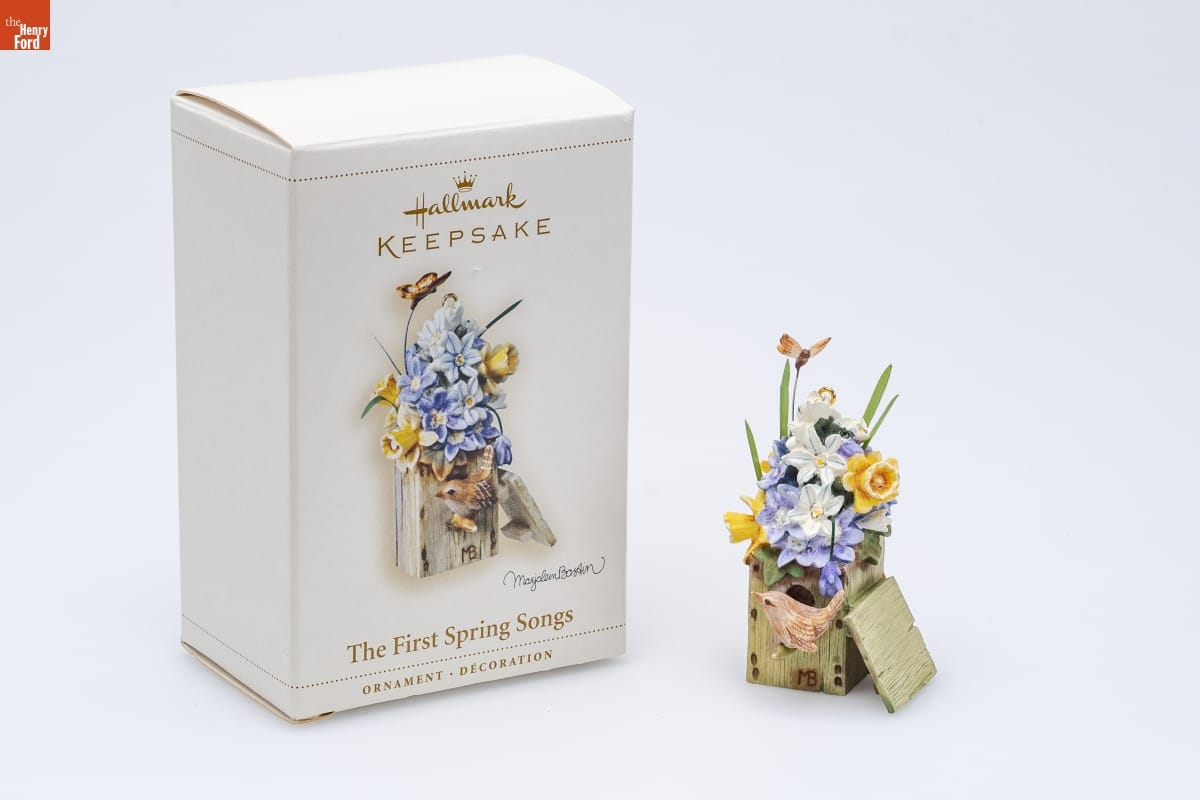
- Hallmark "The First Spring Songs" Spring Ornament, 2006 - Hallmark introduced a line of Christmas ornaments in 1973. These ornaments appealed to customers' interest in marking memories, commemorating milestones, and expressing one's personality and unique tastes. This success led the company to produce ornaments for other holidays. Hallmark marketed and sold Easter and springtime ornaments in several series dating back to the 1990s.
- 2006
- Collections - Artifact
Hallmark "The First Spring Songs" Spring Ornament, 2006
Hallmark introduced a line of Christmas ornaments in 1973. These ornaments appealed to customers' interest in marking memories, commemorating milestones, and expressing one's personality and unique tastes. This success led the company to produce ornaments for other holidays. Hallmark marketed and sold Easter and springtime ornaments in several series dating back to the 1990s.
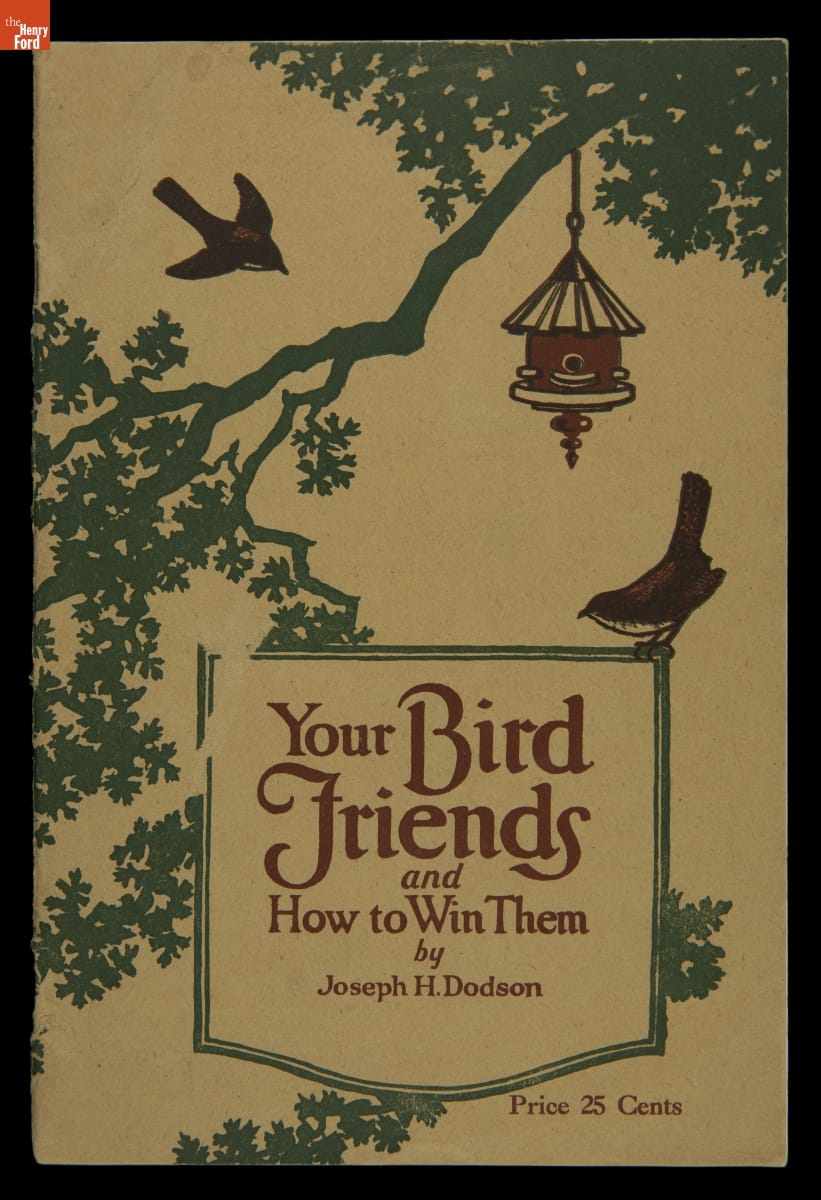
- "Your Bird Friends and How to Win Them," 1928 - Joseph Dodson used his observations of songbird behavior to design products for his company, Dodson Bird Houses. In the company's catalog, <em>Your Bird Friends and How to Win Them</em> (1928), customers could choose from dozens of unique houses, feeders, and baths designed for different species' needs. It also featured essays on how to attract and care for wild birds.
- 1928
- Collections - Artifact
"Your Bird Friends and How to Win Them," 1928
Joseph Dodson used his observations of songbird behavior to design products for his company, Dodson Bird Houses. In the company's catalog, Your Bird Friends and How to Win Them (1928), customers could choose from dozens of unique houses, feeders, and baths designed for different species' needs. It also featured essays on how to attract and care for wild birds.
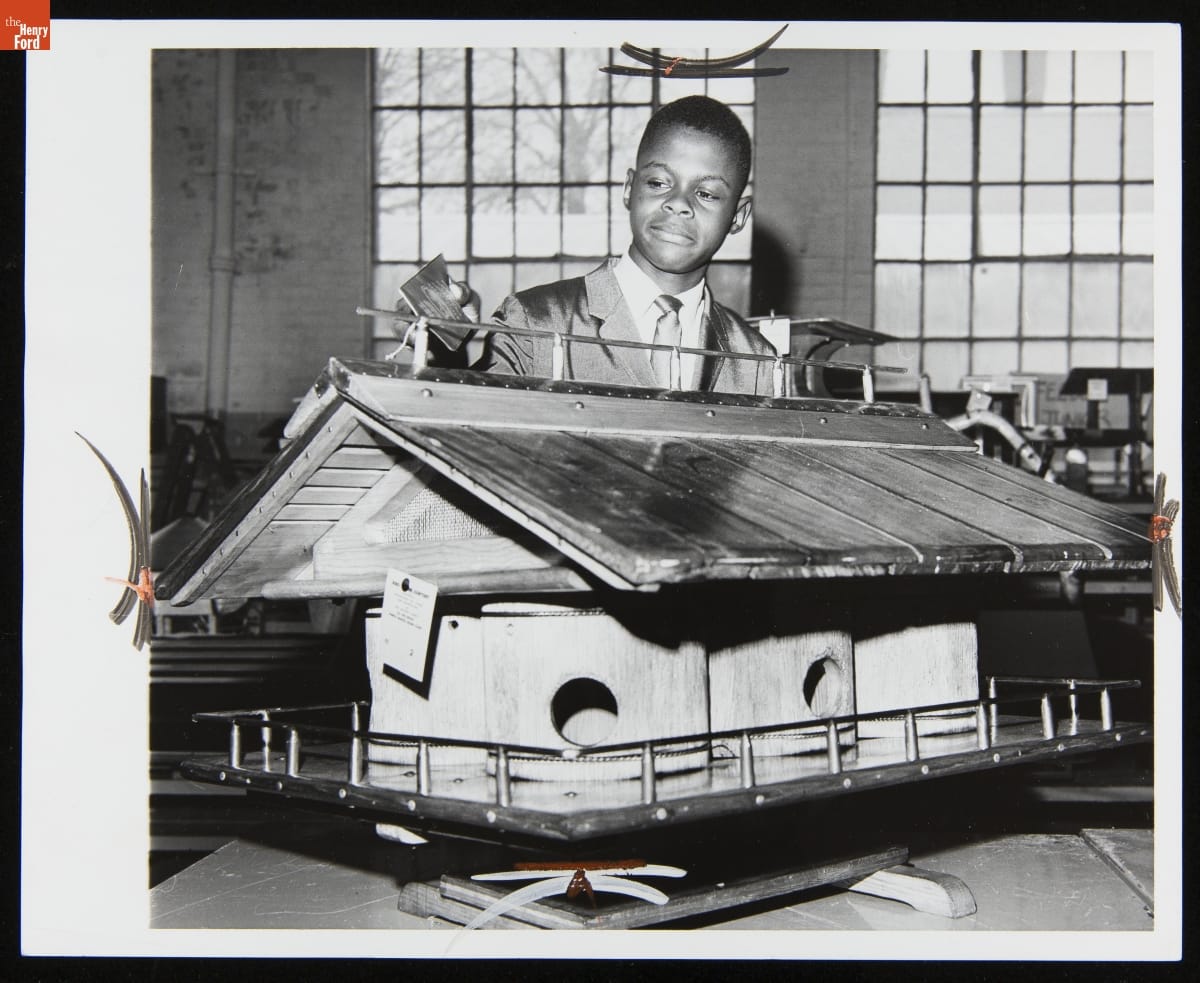
- Kenneth Tate, age 14, Winner of a Birdhouse Building Contest, Belle Isle, Detroit, Michigan, March 25, 1966 -
- March 25, 1966
- Collections - Artifact
Kenneth Tate, age 14, Winner of a Birdhouse Building Contest, Belle Isle, Detroit, Michigan, March 25, 1966
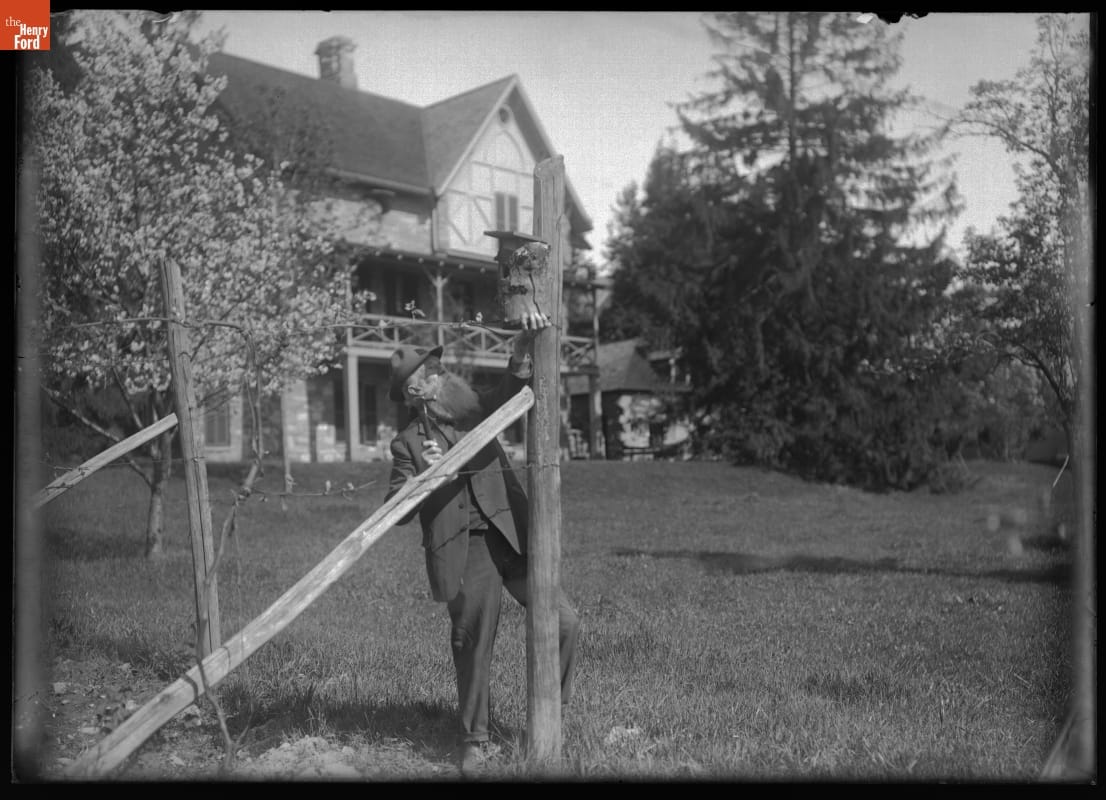
- John Burroughs Putting up a Bluebird House at Riverby, 1902 - John Burroughs (1837-1921) was an internationally known naturalist and essayist who wrote about accessible and familiar landscapes. In 1873, Burroughs bought a plot of land overlooking the Hudson in the Catskills of upstate New York and named it Riverby. Here, he farmed and cultivated grapes and fruit trees. He also erected a family home and built secluded retreats where he penned some of his most famous works.
- February 01, 1902
- Collections - Artifact
John Burroughs Putting up a Bluebird House at Riverby, 1902
John Burroughs (1837-1921) was an internationally known naturalist and essayist who wrote about accessible and familiar landscapes. In 1873, Burroughs bought a plot of land overlooking the Hudson in the Catskills of upstate New York and named it Riverby. Here, he farmed and cultivated grapes and fruit trees. He also erected a family home and built secluded retreats where he penned some of his most famous works.
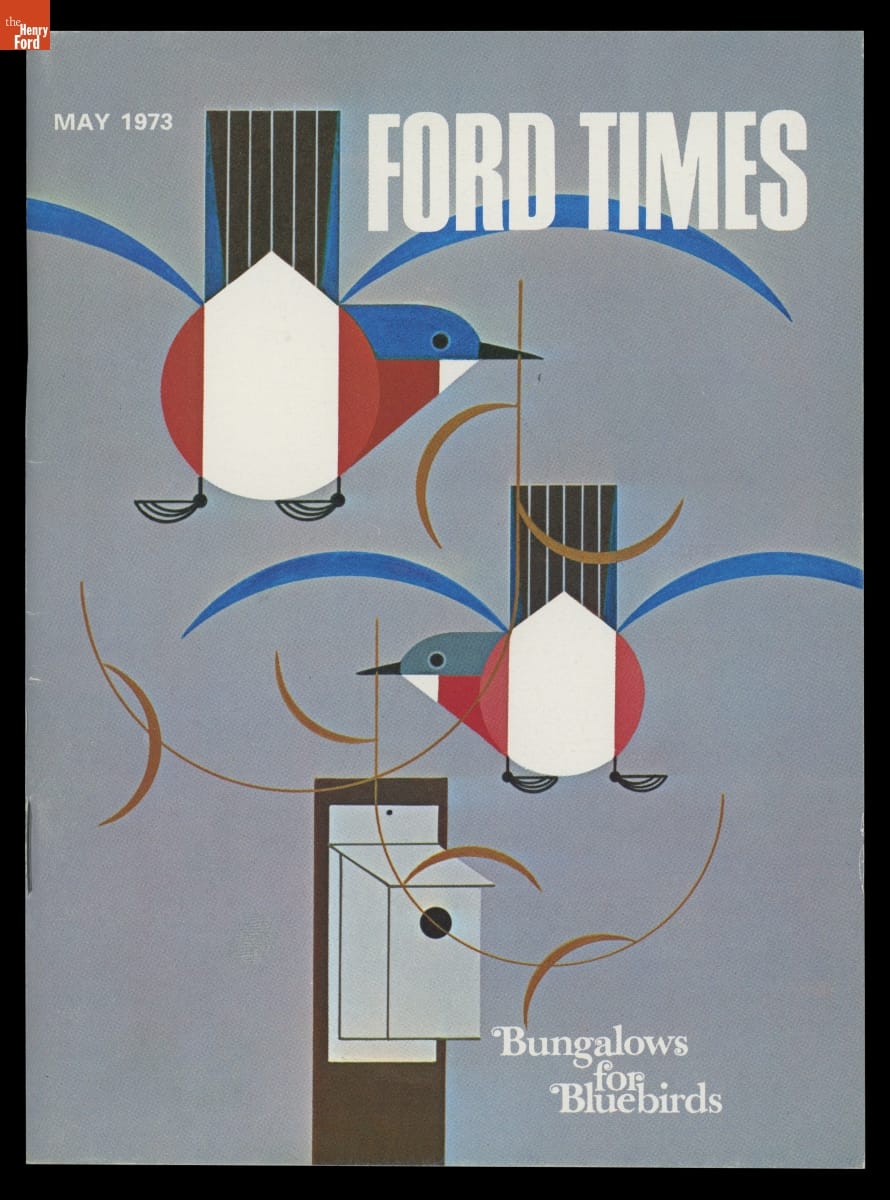
- "Ford Times," May 1973 - <em>Ford Times</em> magazine was a key element of Ford Motor Company's public relations efforts for much of the 20th century. Issues covered a wide range of topics, including automobiles but also recreation, food, history, nature, and culture. Between 1948 and 1982, Cincinnati artist Charley Harper contributed cover and article illustrations to more than 160 issues. This issue features one of Harper's thirty-six <em> Ford Times</em> covers.
- May 01, 1973
- Collections - Artifact
"Ford Times," May 1973
Ford Times magazine was a key element of Ford Motor Company's public relations efforts for much of the 20th century. Issues covered a wide range of topics, including automobiles but also recreation, food, history, nature, and culture. Between 1948 and 1982, Cincinnati artist Charley Harper contributed cover and article illustrations to more than 160 issues. This issue features one of Harper's thirty-six Ford Times covers.
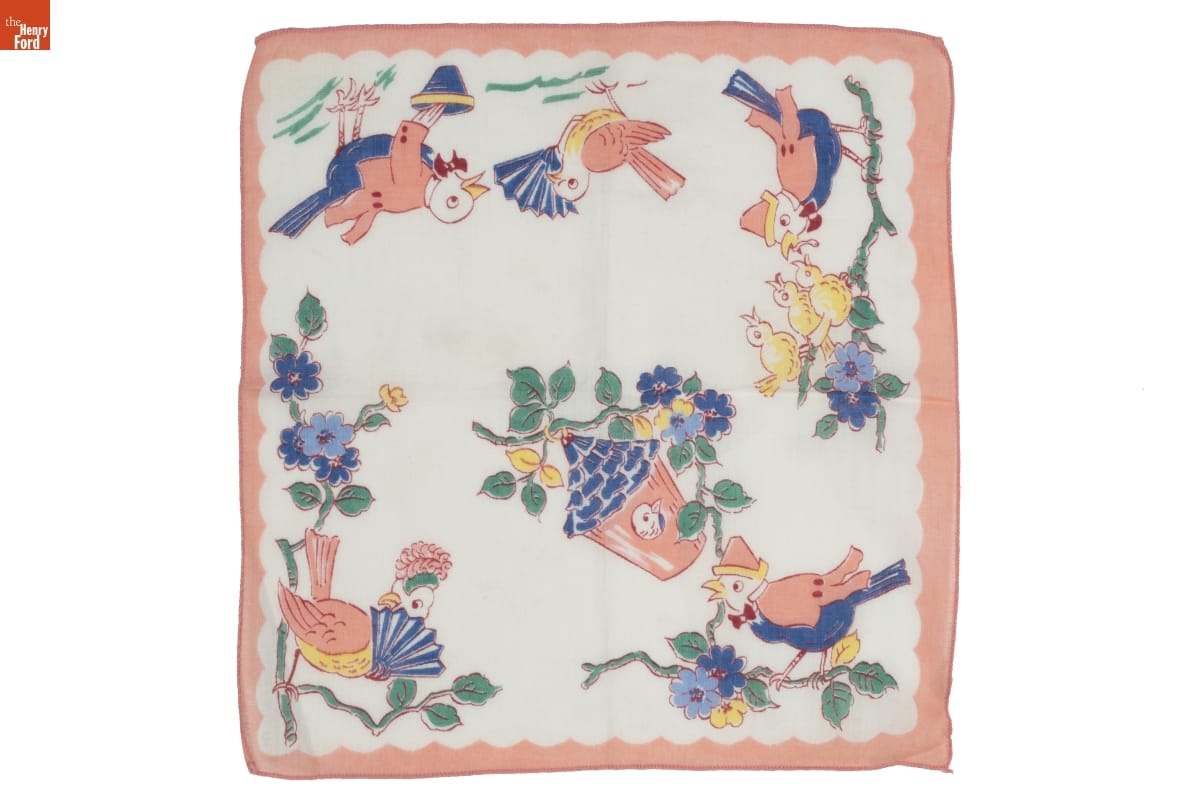
- Child's Handkerchief, 1945-1955 - Before disposable tissues became popular, people carried cloth handkerchiefs to help with sneezes and sniffles. Children's versions were made with images and in colors designed to appeal to these smaller folk.
- 1945-1955
- Collections - Artifact
Child's Handkerchief, 1945-1955
Before disposable tissues became popular, people carried cloth handkerchiefs to help with sneezes and sniffles. Children's versions were made with images and in colors designed to appeal to these smaller folk.