
Search
- Birth Control Pill Dispenser, circa 1998 - In 1960, the U.S. Food and Drug Administration approved the first oral contraceptive. The "Pill," as it was called, allowed women to gain control of their reproductive system. It made family planning more predictable and helped launch the sexual revolution of the 1960s. The personal and societal effects of hormonal birth control are still surfacing today.
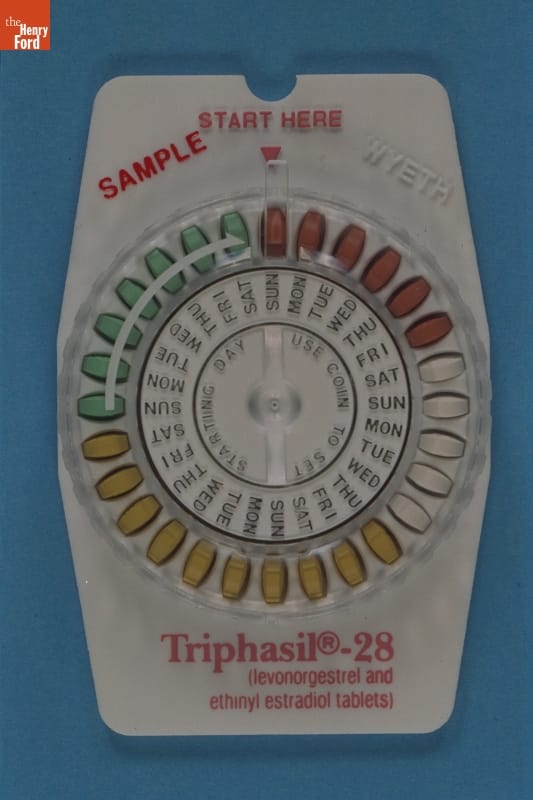
- circa 1998
- Collections - Artifact
Birth Control Pill Dispenser, circa 1998
In 1960, the U.S. Food and Drug Administration approved the first oral contraceptive. The "Pill," as it was called, allowed women to gain control of their reproductive system. It made family planning more predictable and helped launch the sexual revolution of the 1960s. The personal and societal effects of hormonal birth control are still surfacing today.
- Birth Control Pill Dispenser, circa 1998 - In 1960, the U.S. Food and Drug Administration approved the first oral contraceptive. The "Pill," as it was called, allowed women to gain control of their reproductive system. It made family planning more predictable and helped launch the sexual revolution of the 1960s. The personal and societal effects of hormonal birth control are still surfacing today.
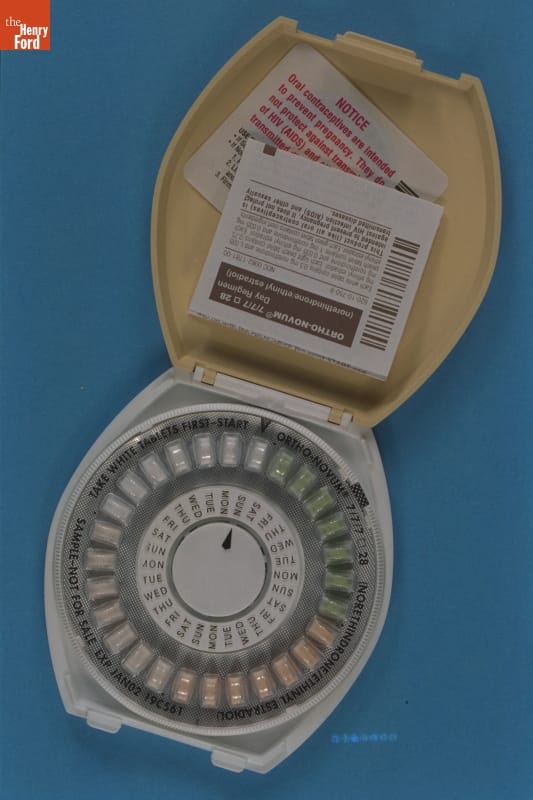
- circa 1998
- Collections - Artifact
Birth Control Pill Dispenser, circa 1998
In 1960, the U.S. Food and Drug Administration approved the first oral contraceptive. The "Pill," as it was called, allowed women to gain control of their reproductive system. It made family planning more predictable and helped launch the sexual revolution of the 1960s. The personal and societal effects of hormonal birth control are still surfacing today.