
Search
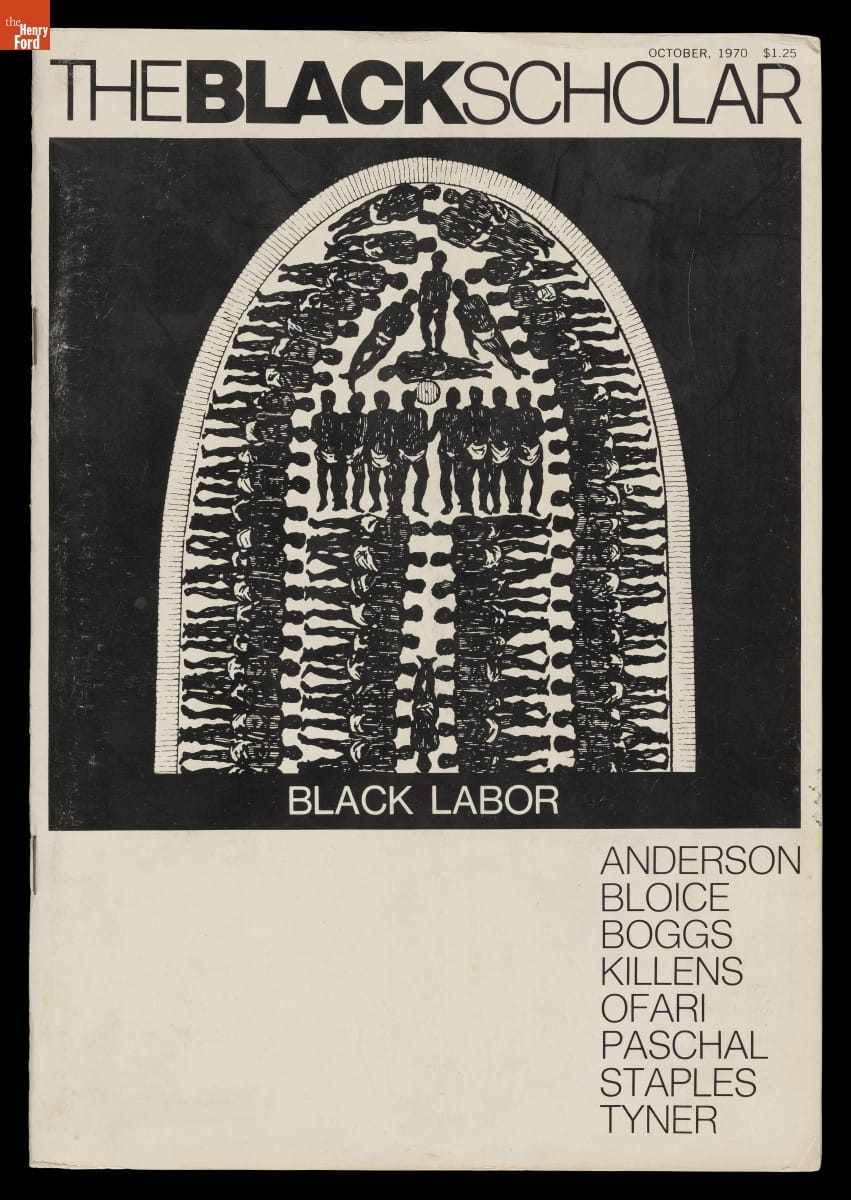
- "The Black Scholar," October 1970 Issue, "Black Labor" - In 1969, in the wake of a growing interest in Black American history and culture, Robert Christman and Nathan Hare -- former professors from San Francisco State College -- started <i>The Black Scholar</i>. It was the first scholastic journal that focused on Black, Africana, and Diaspora studies. <i>The Black Scholar</i> has published papers and other works by famous academics, political thinkers, and authors.
- October 01, 1970
- Collections - Artifact
"The Black Scholar," October 1970 Issue, "Black Labor"
In 1969, in the wake of a growing interest in Black American history and culture, Robert Christman and Nathan Hare -- former professors from San Francisco State College -- started The Black Scholar. It was the first scholastic journal that focused on Black, Africana, and Diaspora studies. The Black Scholar has published papers and other works by famous academics, political thinkers, and authors.
- Button, Huey Newton, circa 1968 -
- circa 1968
- Collections - Artifact
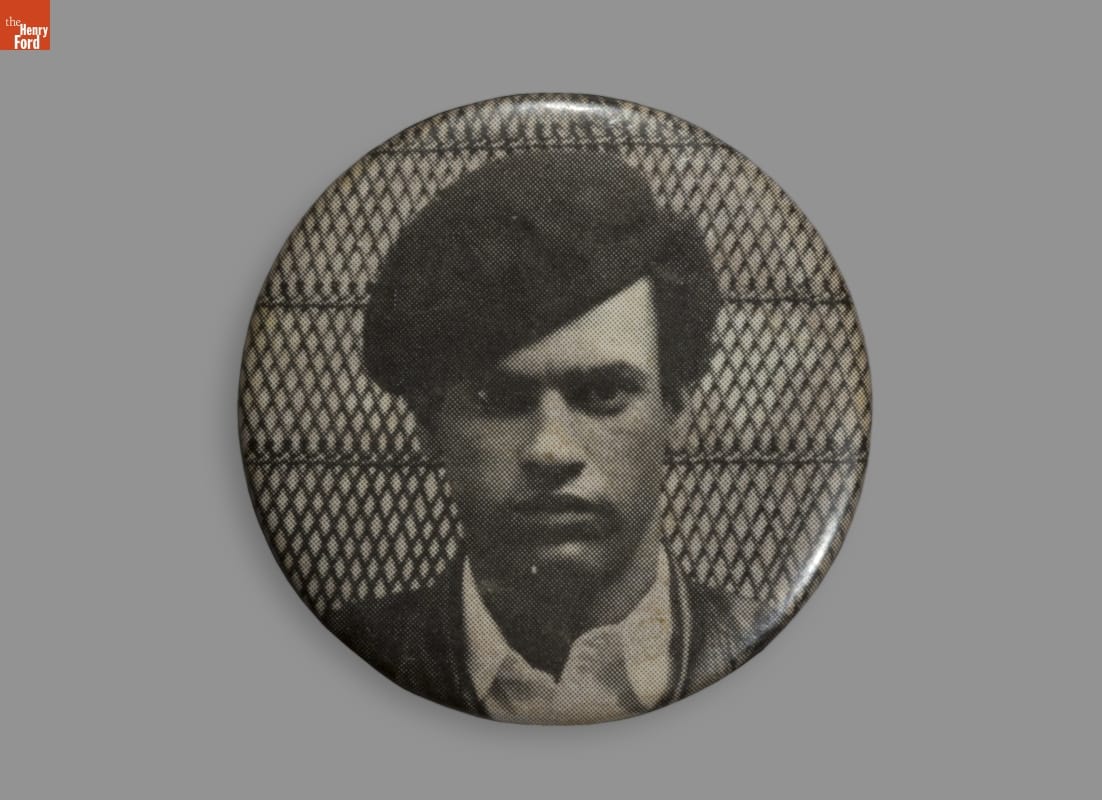
Button, Huey Newton, circa 1968
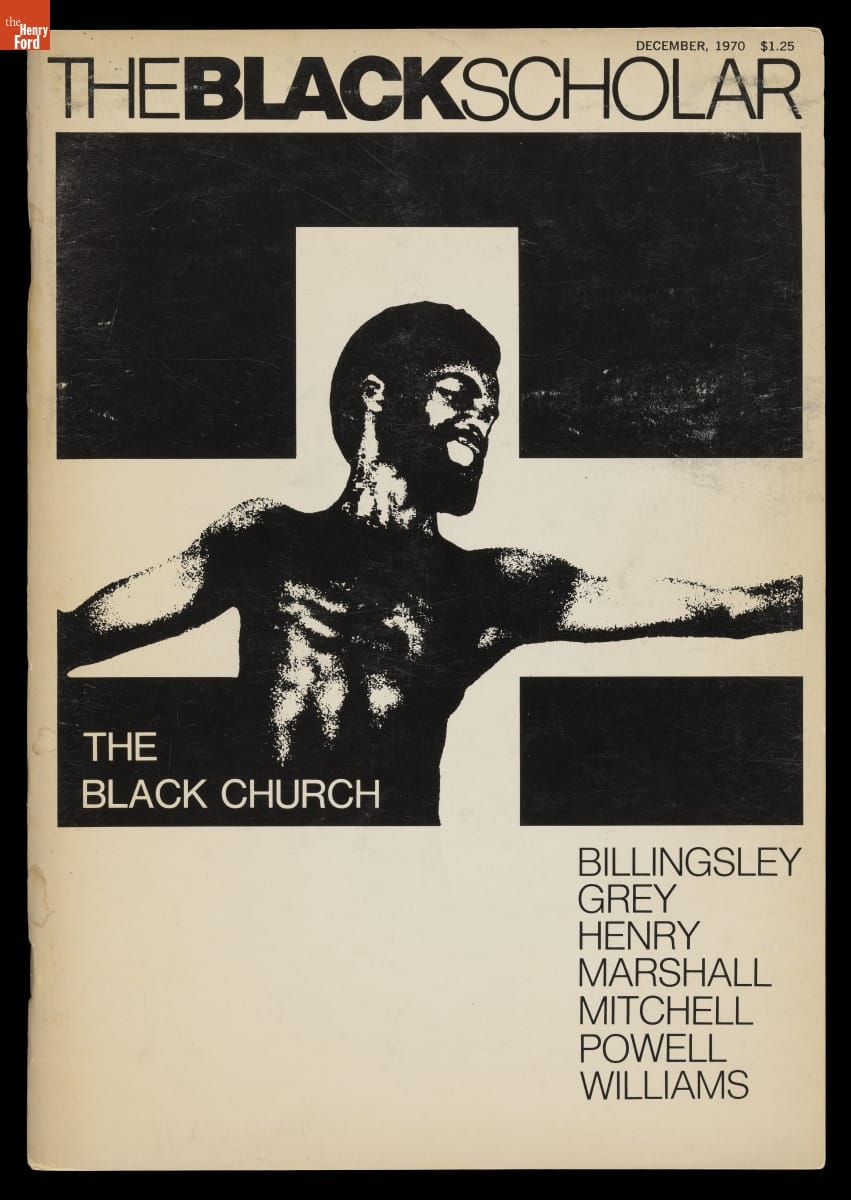
- "The Black Scholar," December 1970 Issue, "Black Church" - In 1969, in the wake of a growing interest in Black American history and culture, Robert Christman and Nathan Hare -- former professors from San Francisco State College -- started <i>The Black Scholar</i>. It was the first scholastic journal that focused on Black, Africana, and Diaspora studies. <i>The Black Scholar</i> has published papers and other works by famous academics, political thinkers, and authors.
- December 01, 1970
- Collections - Artifact
"The Black Scholar," December 1970 Issue, "Black Church"
In 1969, in the wake of a growing interest in Black American history and culture, Robert Christman and Nathan Hare -- former professors from San Francisco State College -- started The Black Scholar. It was the first scholastic journal that focused on Black, Africana, and Diaspora studies. The Black Scholar has published papers and other works by famous academics, political thinkers, and authors.
- Button, "Panther Power," circa 1968 -
- circa 1968
- Collections - Artifact
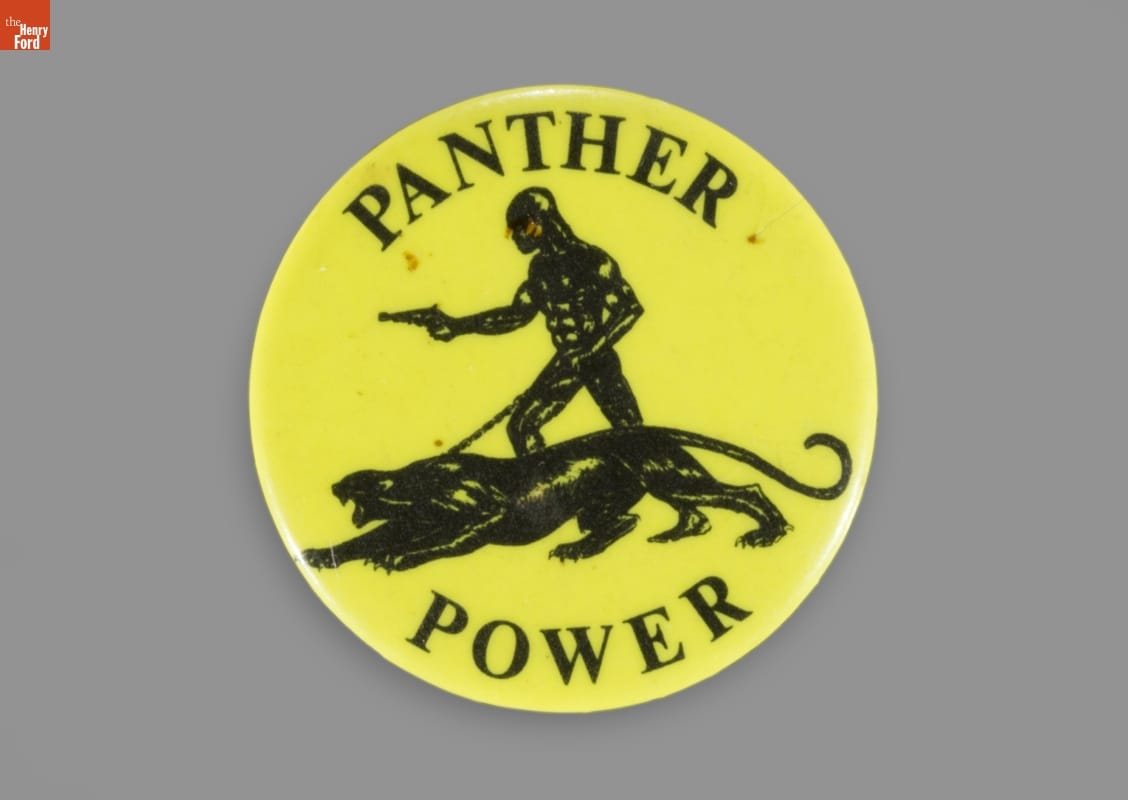
Button, "Panther Power," circa 1968
- Button, "I'm Black and Beautiful," circa 1968 -
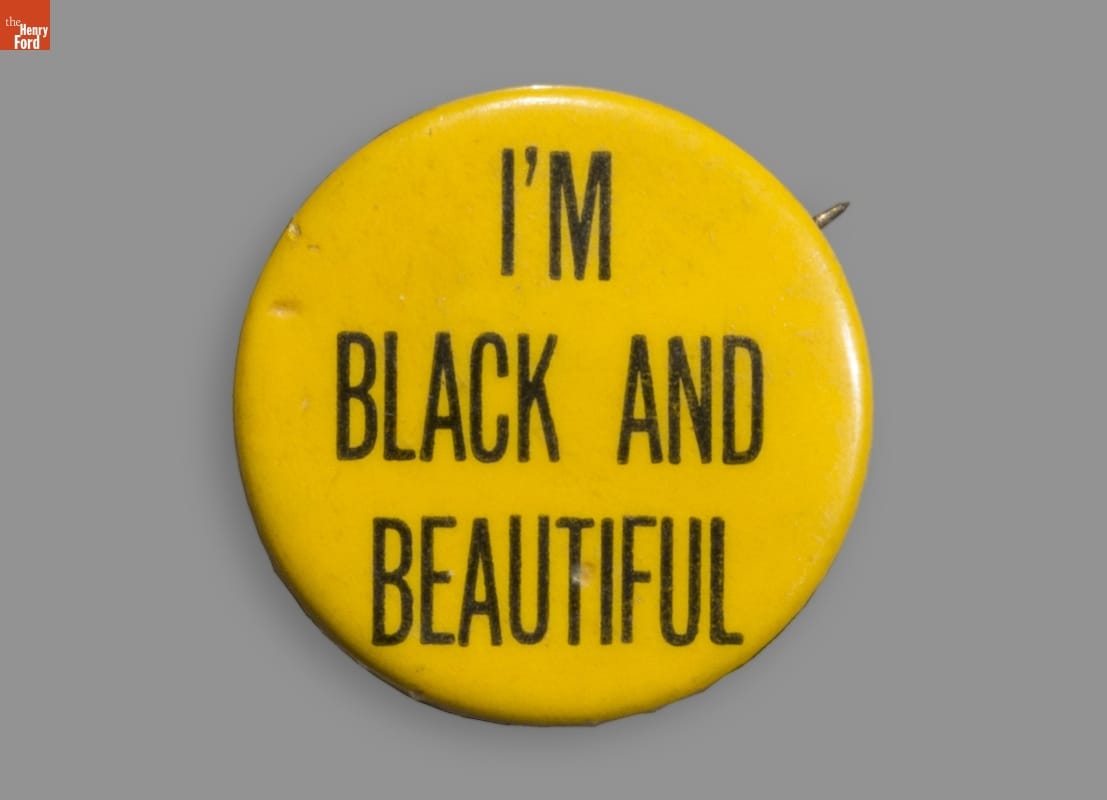
- circa 1968
- Collections - Artifact
Button, "I'm Black and Beautiful," circa 1968
- Where Do We Go from Here: Chaos or Community?, 1967 -
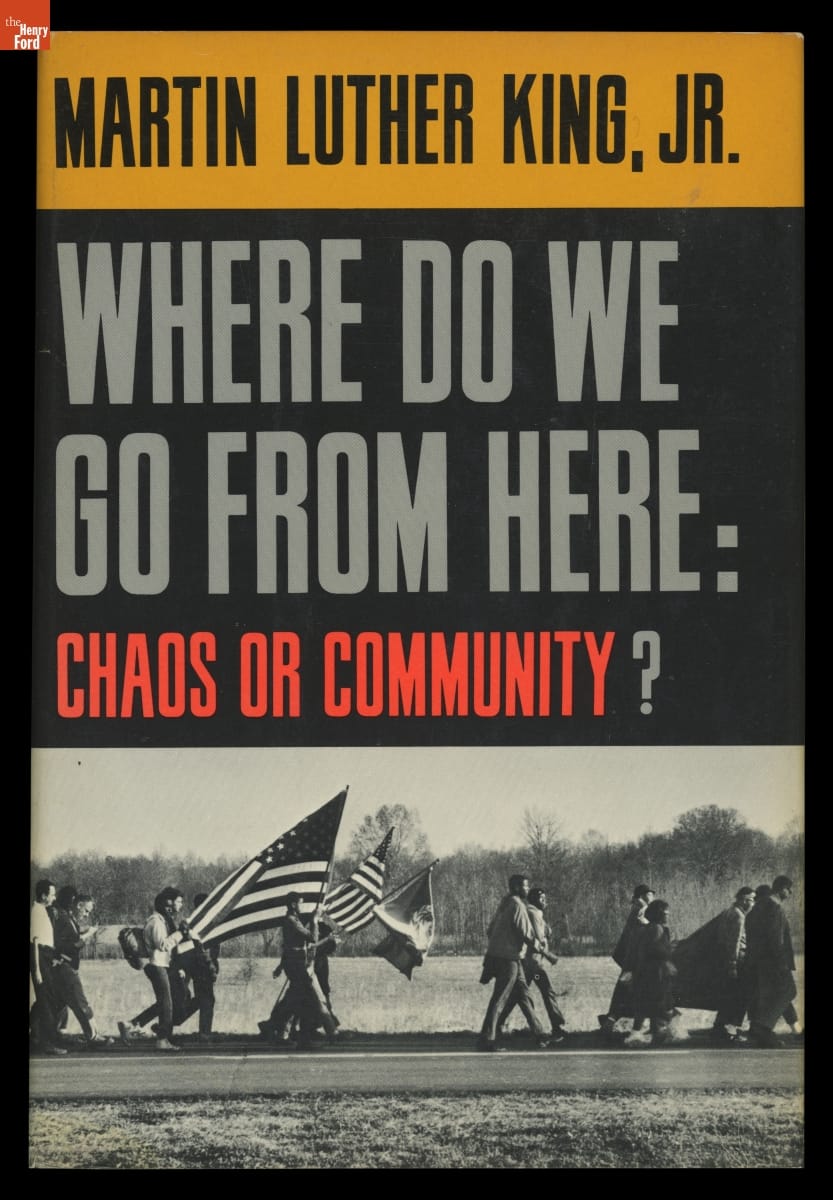
- 1967
- Collections - Artifact
Where Do We Go from Here: Chaos or Community?, 1967
- Button, "Black Liberation Malcolm X," 1968 - Malcolm X was an articulate and charismatic spokesperson for the Nation of Islam, a movement that combined elements of Islam with black nationalism. He championed a radical, more assertive concept of racial pride than Martin Luther King, Jr., whose creed of non-violent action had defined the Civil Rights era. Malcolm X's doctrines laid the intellectual foundation for the Black Power Movement.
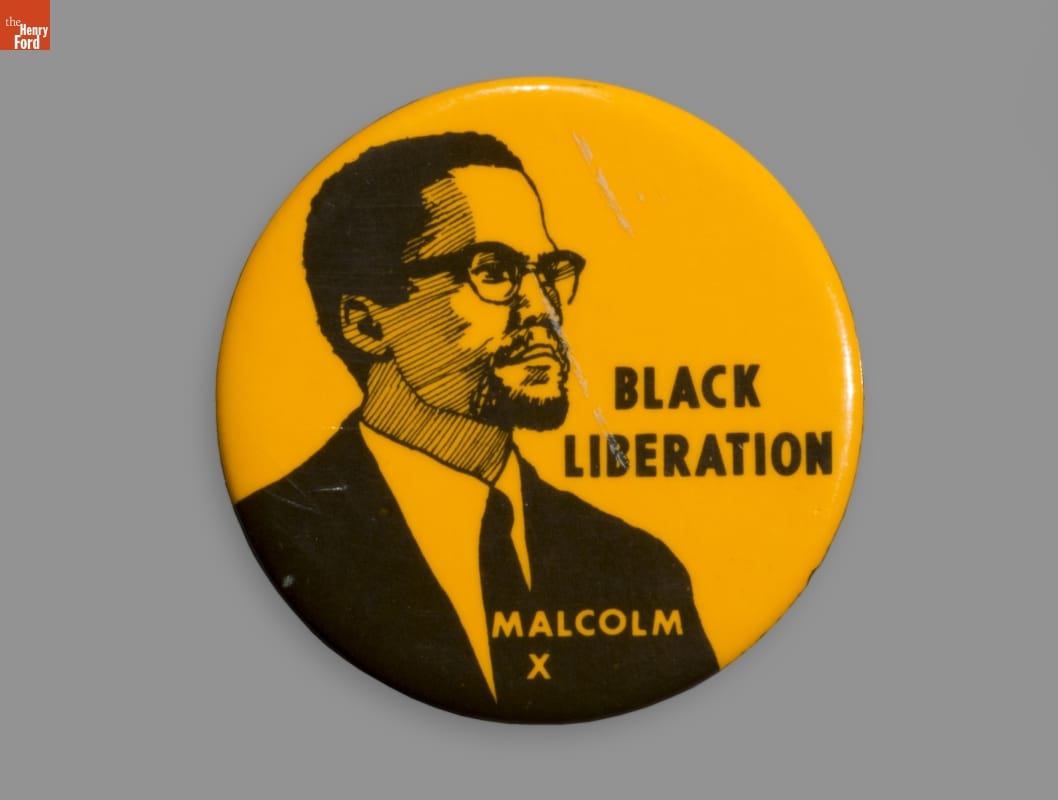
- 1968
- Collections - Artifact
Button, "Black Liberation Malcolm X," 1968
Malcolm X was an articulate and charismatic spokesperson for the Nation of Islam, a movement that combined elements of Islam with black nationalism. He championed a radical, more assertive concept of racial pride than Martin Luther King, Jr., whose creed of non-violent action had defined the Civil Rights era. Malcolm X's doctrines laid the intellectual foundation for the Black Power Movement.
- Button, "Be Black Baby," circa 1968 -
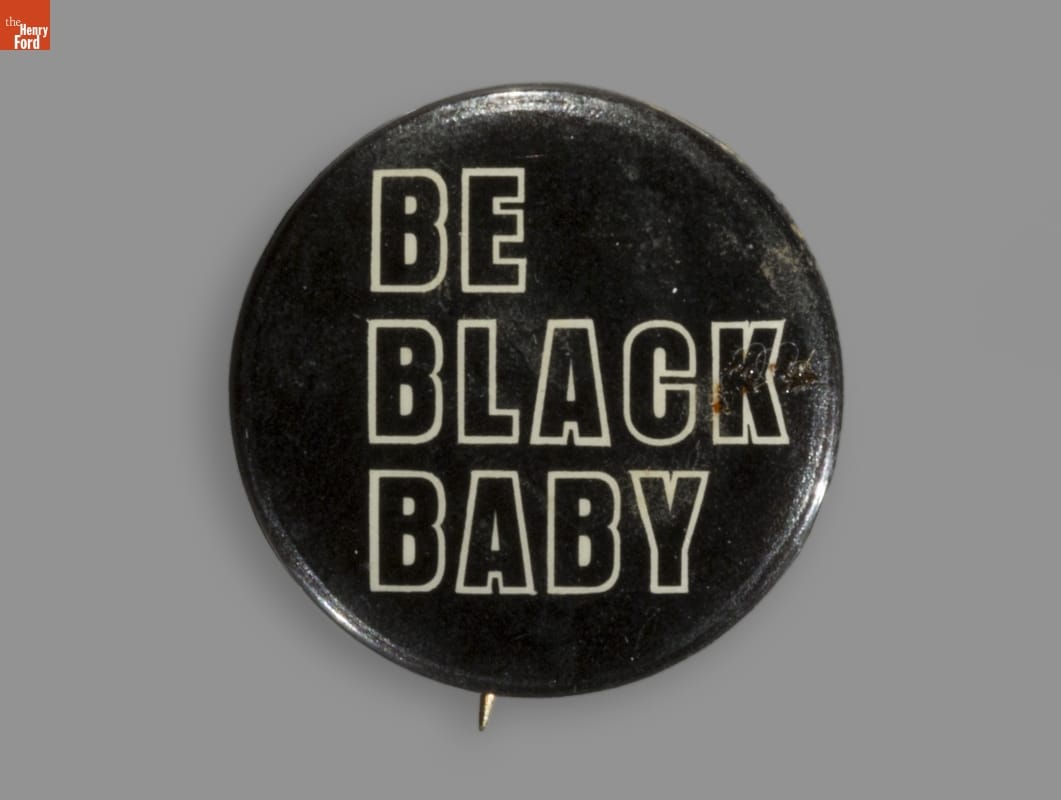
- circa 1968
- Collections - Artifact
Button, "Be Black Baby," circa 1968
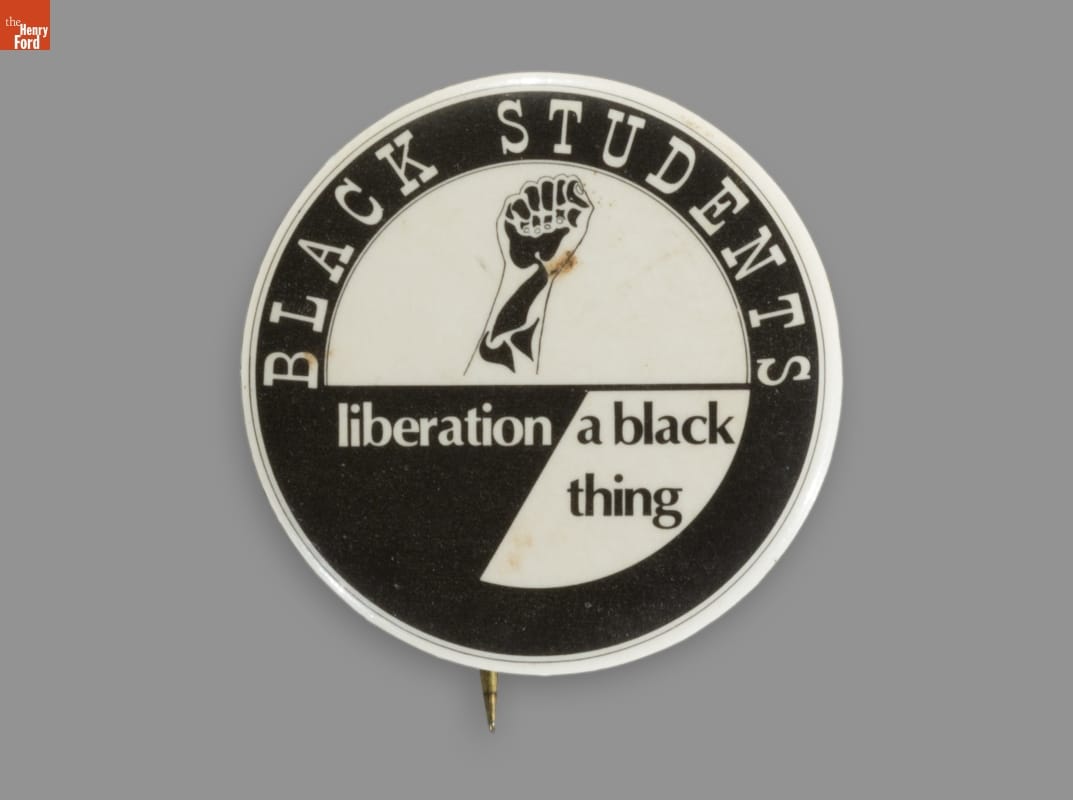
- Button, "Black Students Liberation a Black Thing," 1968 -
- 1968
- Collections - Artifact
Button, "Black Students Liberation a Black Thing," 1968
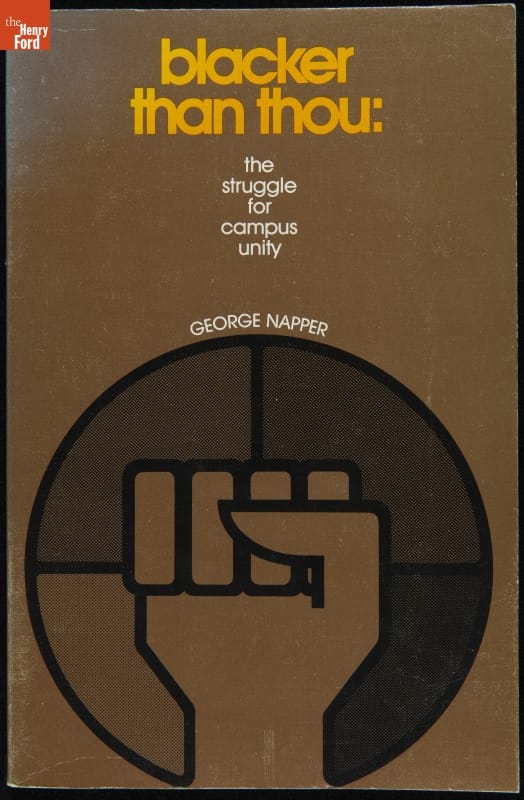
- "Blacker Than Thou: the Struggle for Campus Unity," 1973 -
- 1973
- Collections - Artifact
"Blacker Than Thou: the Struggle for Campus Unity," 1973