
Search
- Anvil -
- Collections - Artifact
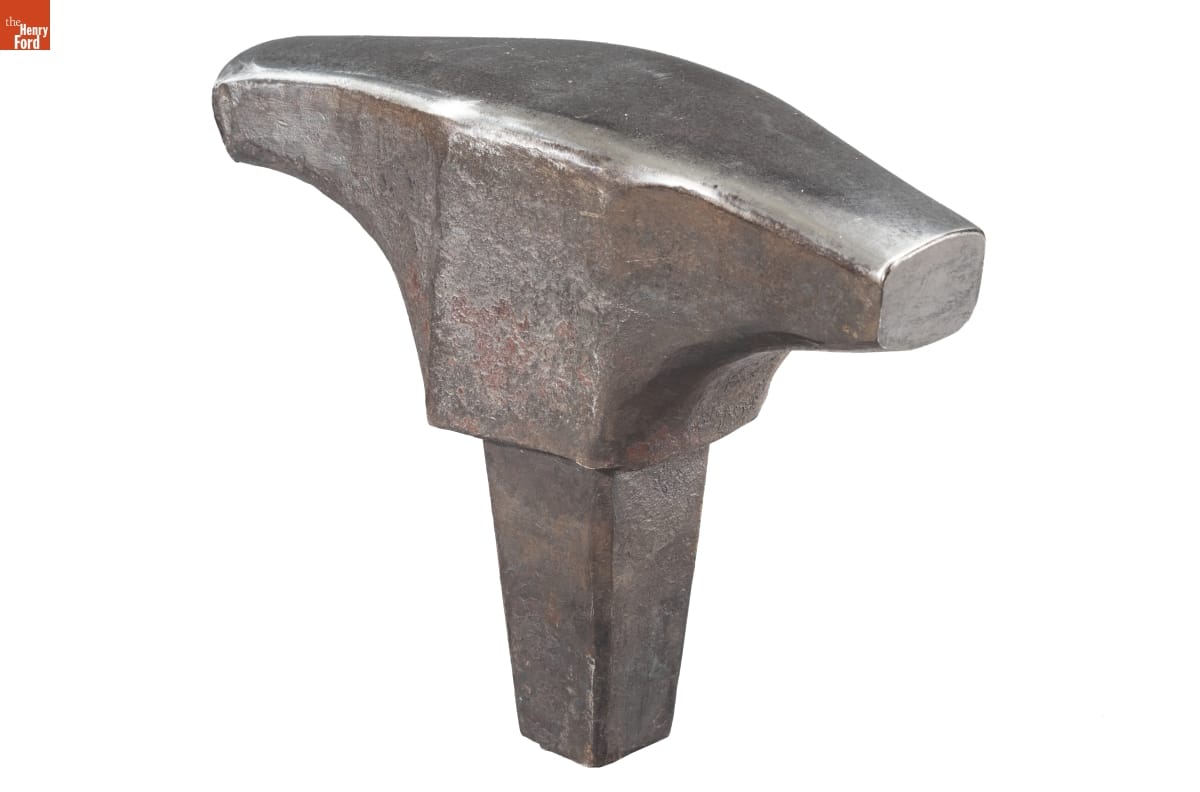
Anvil
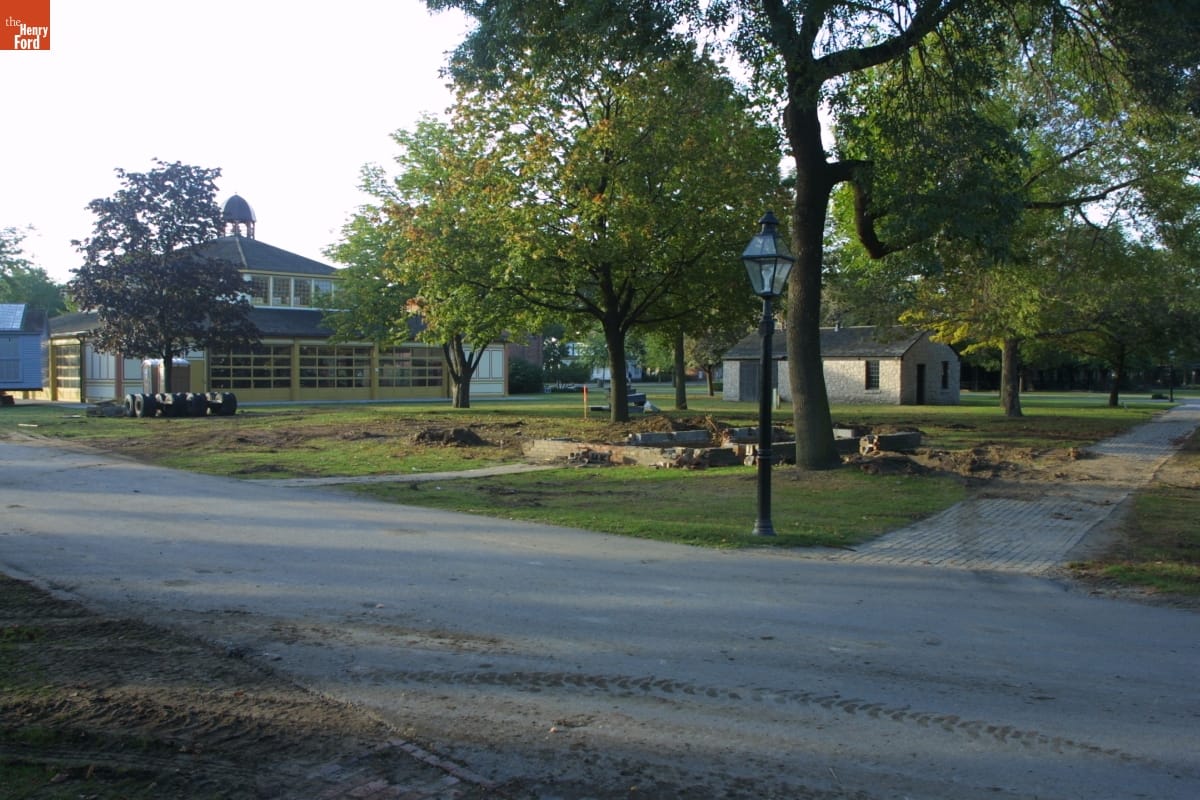
- Tintype Studio Former Site after Relocation during the Greenfield Village Restoration Project, September 2002 - By 2000, Greenfield Village began showing its age. Buildings and crumbling infrastructure desperately needed repair. Museum planners envisioned a revitalized village. They created themed "Historic Districts" by relocating and refurbishing the historic structures. Workers repaved streets and upgraded water, sewer, electric, and gas lines. In June 2003, nine months after restoration began, visitors passed through a new entrance into a reborn Greenfield Village.
- September 01, 2002
- Collections - Artifact
Tintype Studio Former Site after Relocation during the Greenfield Village Restoration Project, September 2002
By 2000, Greenfield Village began showing its age. Buildings and crumbling infrastructure desperately needed repair. Museum planners envisioned a revitalized village. They created themed "Historic Districts" by relocating and refurbishing the historic structures. Workers repaved streets and upgraded water, sewer, electric, and gas lines. In June 2003, nine months after restoration began, visitors passed through a new entrance into a reborn Greenfield Village.
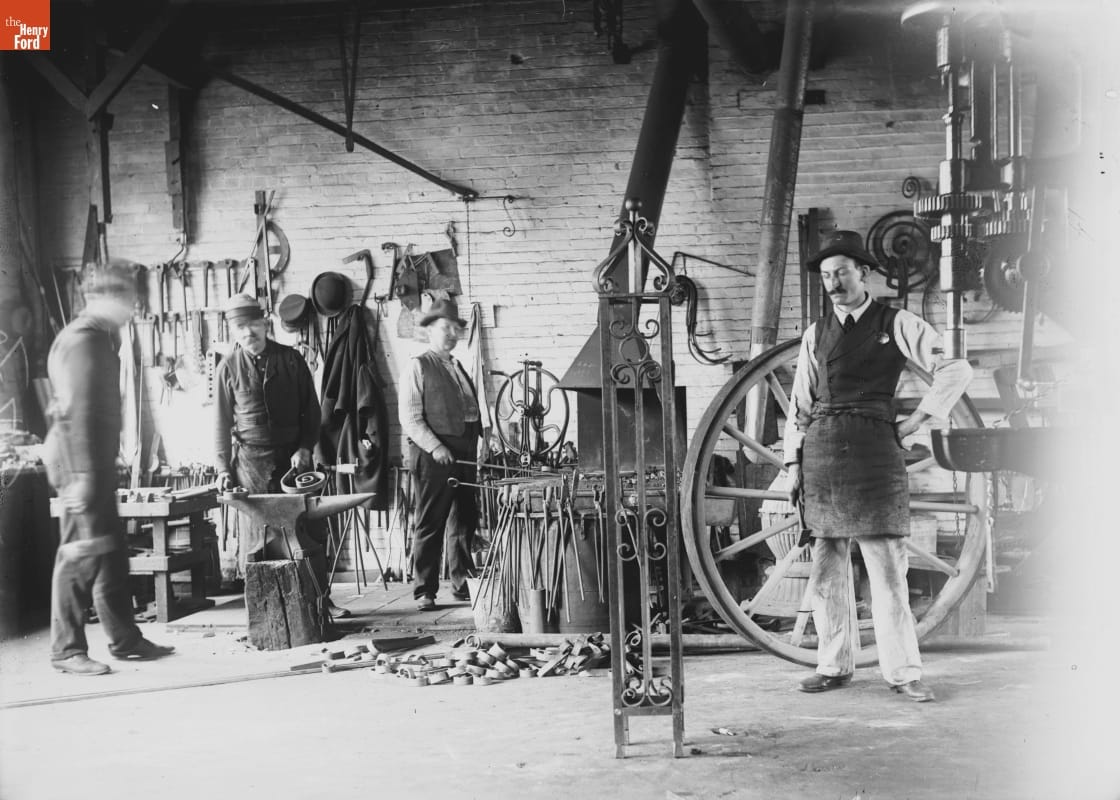
- The Blacksmith Shop in Prospect Park, 1890-1915 - In 1890, Jenny Young Chandler, 25 years old and recently widowed, began working for the <EM>New York Herald</EM>. As a photojournalist and feature writer, Chandler captured life in Brooklyn, New York, and vicinity. By 1922, the time of her death, she had produced over 800 glass plate negatives. Her sensitive, insightful photographs depict people from all walks of life and the world in which they lived.
- 1890-1915
- Collections - Artifact
The Blacksmith Shop in Prospect Park, 1890-1915
In 1890, Jenny Young Chandler, 25 years old and recently widowed, began working for the New York Herald. As a photojournalist and feature writer, Chandler captured life in Brooklyn, New York, and vicinity. By 1922, the time of her death, she had produced over 800 glass plate negatives. Her sensitive, insightful photographs depict people from all walks of life and the world in which they lived.
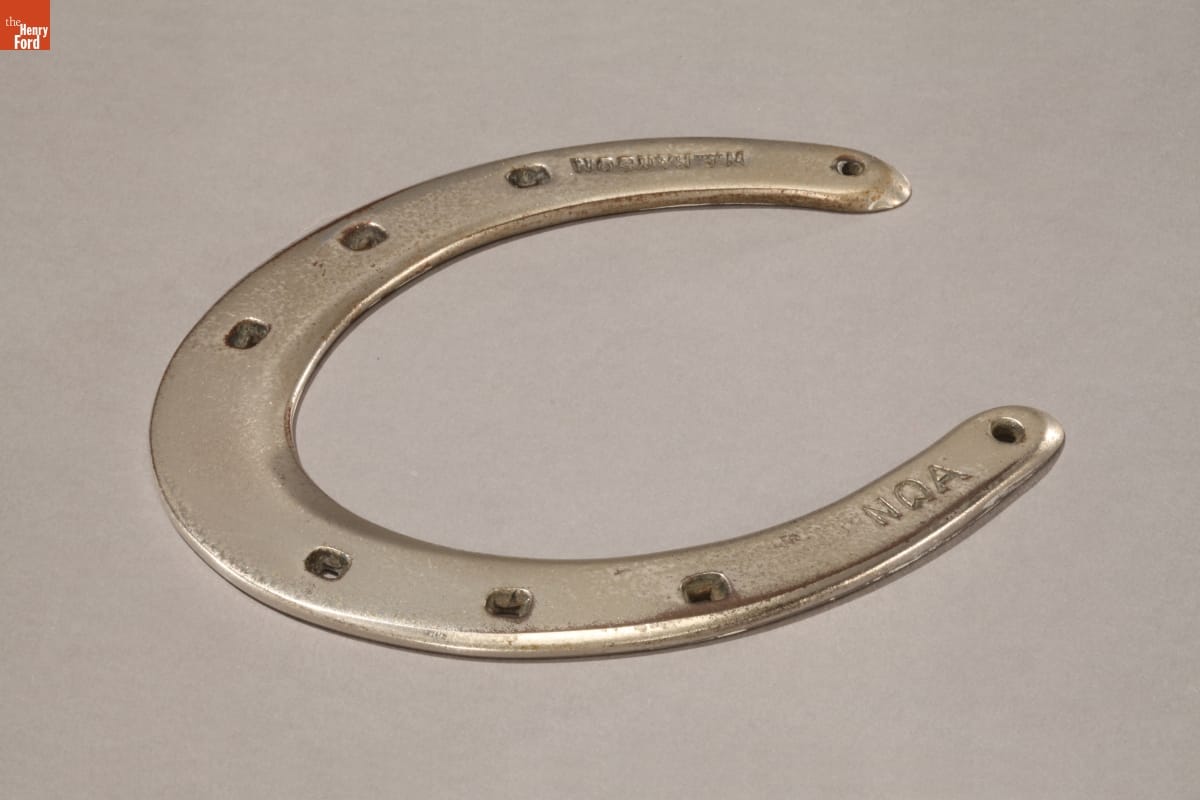
- Horseshoe, 1900-1929 - Horseshoes protect hooves from excessive wear. They are a basic part of the care and maintenance of a horse. In the 19th century horses moved people, freight, money, and information where railroads and waterways did not go. Americans relied on the horse. The demand for a large, healthy horse population and 19th-century industrialization spurred the mass production of horseshoes.
- 1900-1929
- Collections - Artifact
Horseshoe, 1900-1929
Horseshoes protect hooves from excessive wear. They are a basic part of the care and maintenance of a horse. In the 19th century horses moved people, freight, money, and information where railroads and waterways did not go. Americans relied on the horse. The demand for a large, healthy horse population and 19th-century industrialization spurred the mass production of horseshoes.
- Hot Metal Ladle -
- Collections - Artifact
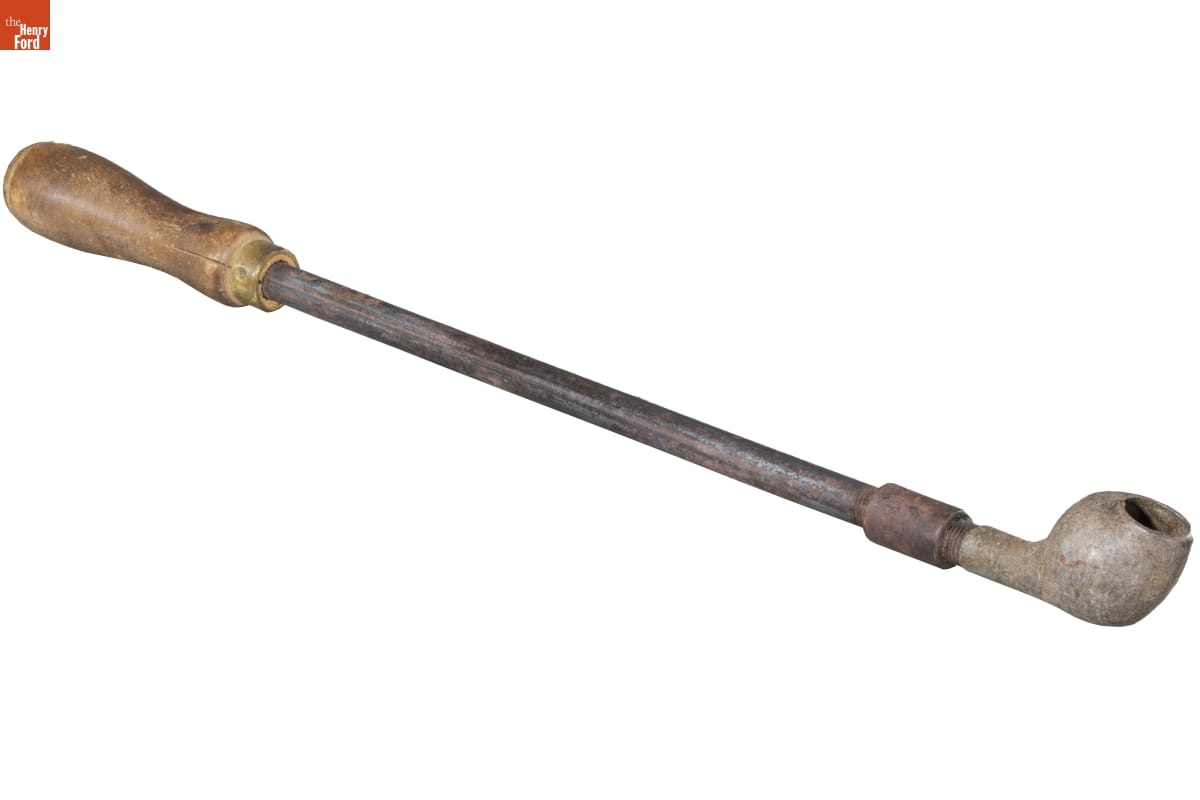
Hot Metal Ladle
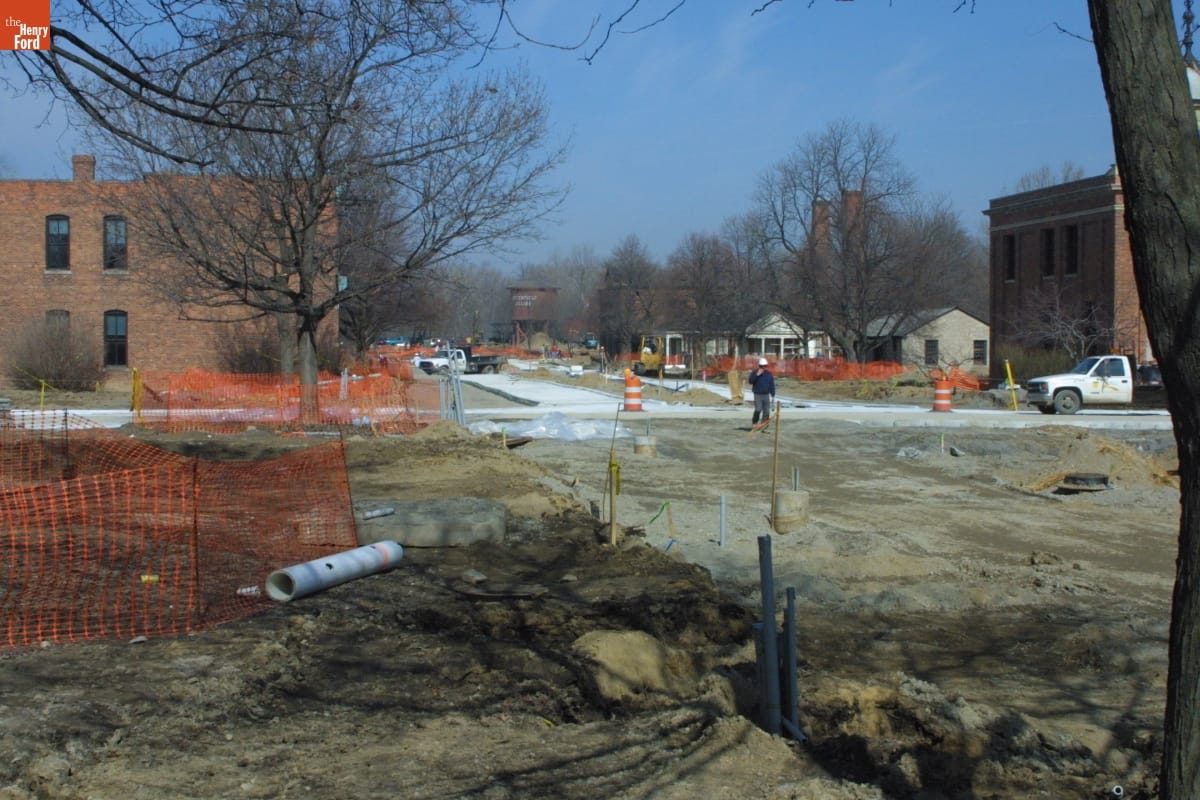
- Main Street and Washington Boulevard Intersection Paving during the Greenfield Village Restoration Project, March 2003 - By 2000, Greenfield Village began showing its age. Buildings and crumbling infrastructure desperately needed repair. Museum planners envisioned a revitalized village. They created themed "Historic Districts" by relocating and refurbishing the historic structures. Workers repaved streets and upgraded water, sewer, electric, and gas lines. In June 2003, nine months after restoration began, visitors passed through a new entrance into a reborn Greenfield Village.
- March 01, 2003
- Collections - Artifact
Main Street and Washington Boulevard Intersection Paving during the Greenfield Village Restoration Project, March 2003
By 2000, Greenfield Village began showing its age. Buildings and crumbling infrastructure desperately needed repair. Museum planners envisioned a revitalized village. They created themed "Historic Districts" by relocating and refurbishing the historic structures. Workers repaved streets and upgraded water, sewer, electric, and gas lines. In June 2003, nine months after restoration began, visitors passed through a new entrance into a reborn Greenfield Village.
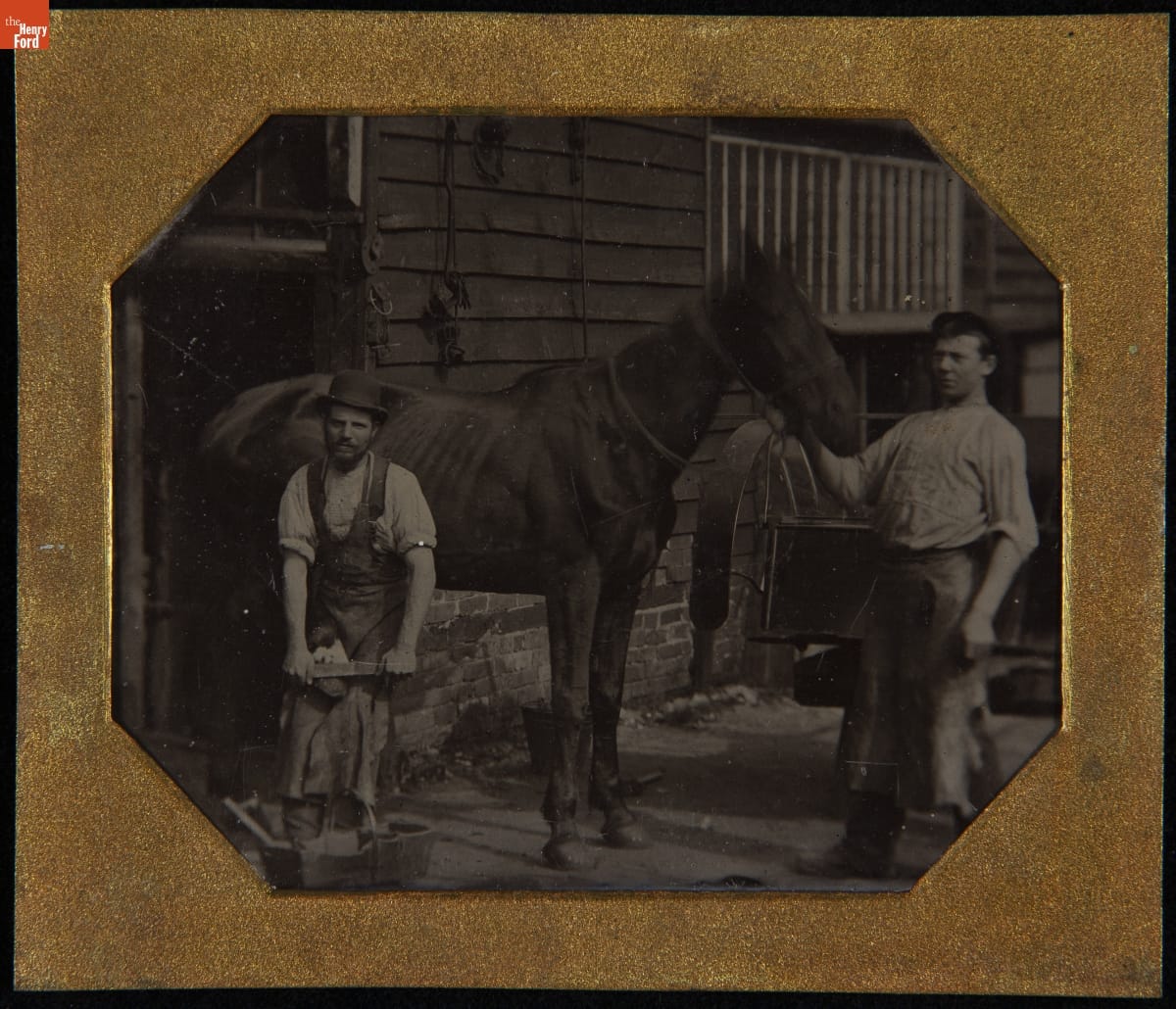
- Farriers Fitting a Horseshoe, circa 1885 - Tintypes, the popular "instant photographs" of the 19th century, could be produced in a matter of minutes at a price most people could afford. At first, outdoor tintypes were rare. But after a new, more convenient process for making tintypes was introduced in the 1880s, photographs of outdoor scenes became more common.
- circa 1885
- Collections - Artifact
Farriers Fitting a Horseshoe, circa 1885
Tintypes, the popular "instant photographs" of the 19th century, could be produced in a matter of minutes at a price most people could afford. At first, outdoor tintypes were rare. But after a new, more convenient process for making tintypes was introduced in the 1880s, photographs of outdoor scenes became more common.
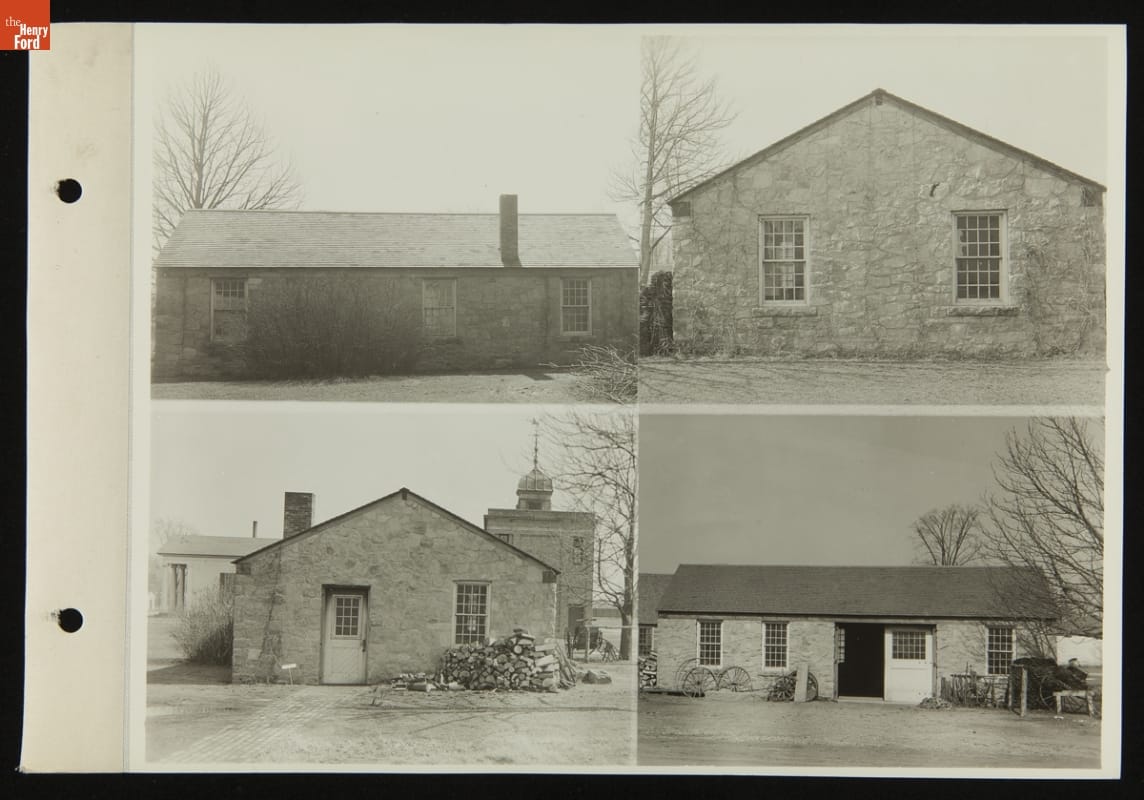
- Blacksmith Shop in Greenfield Village - In 1929, Henry Ford instructed Edward Cutler, Ford's Greenfield Village architect, to design and build a stone blacksmith shop. Cutler's building initially served as a place to shoe the horses used in the Village, house blacksmith tools, and demonstrate the fast-disappearing craft of blacksmithing. Over the years the structure's mission has evolved with new Village initiatives.
- Collections - Artifact
Blacksmith Shop in Greenfield Village
In 1929, Henry Ford instructed Edward Cutler, Ford's Greenfield Village architect, to design and build a stone blacksmith shop. Cutler's building initially served as a place to shoe the horses used in the Village, house blacksmith tools, and demonstrate the fast-disappearing craft of blacksmithing. Over the years the structure's mission has evolved with new Village initiatives.
- Blacksmith Shop in Greenfield Village, 1931 - In 1929, Henry Ford instructed Edward Cutler, Ford's Greenfield Village architect, to design and build a stone blacksmith shop. Cutler's building initially served as a place to shoe the horses used in the Village, house blacksmith tools, and demonstrate the fast-disappearing craft of blacksmithing. Over the years the structure's mission has evolved with new Village initiatives.
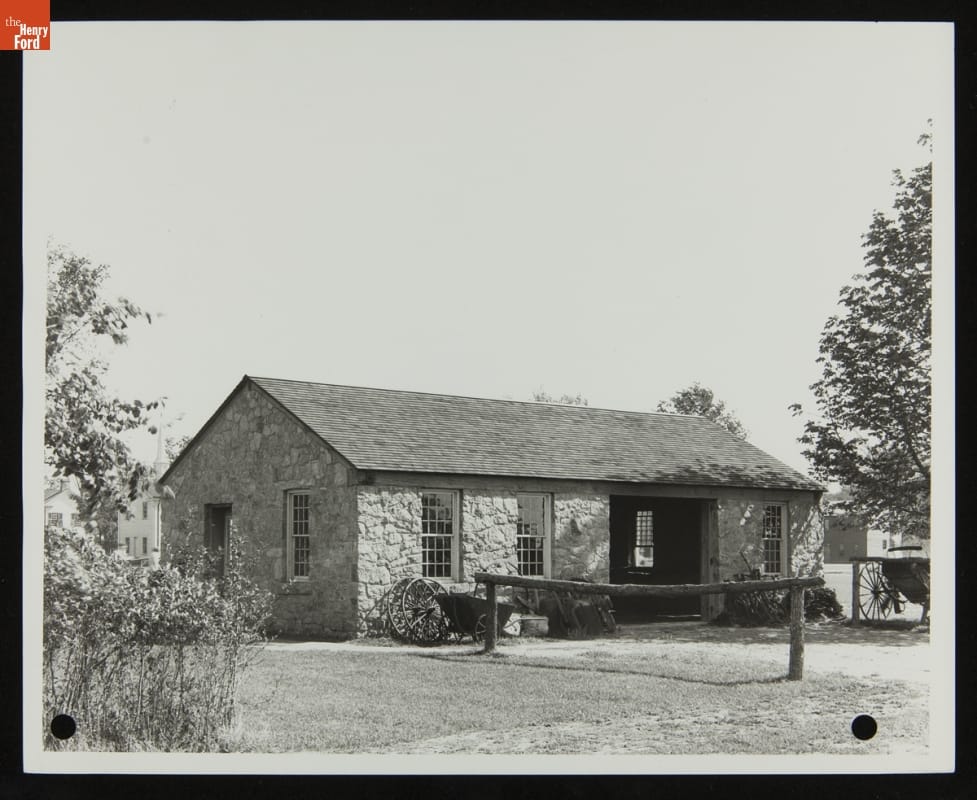
- September 10, 1931
- Collections - Artifact
Blacksmith Shop in Greenfield Village, 1931
In 1929, Henry Ford instructed Edward Cutler, Ford's Greenfield Village architect, to design and build a stone blacksmith shop. Cutler's building initially served as a place to shoe the horses used in the Village, house blacksmith tools, and demonstrate the fast-disappearing craft of blacksmithing. Over the years the structure's mission has evolved with new Village initiatives.
- Blacksmith Shop in Greenfield Village, 1931 - In 1929, Henry Ford instructed Edward Cutler, Ford's Greenfield Village architect, to design and build a stone blacksmith shop. Cutler's building initially served as a place to shoe the horses used in the Village, house blacksmith tools, and demonstrate the fast-disappearing craft of blacksmithing. Over the years the structure's mission has evolved with new Village initiatives.
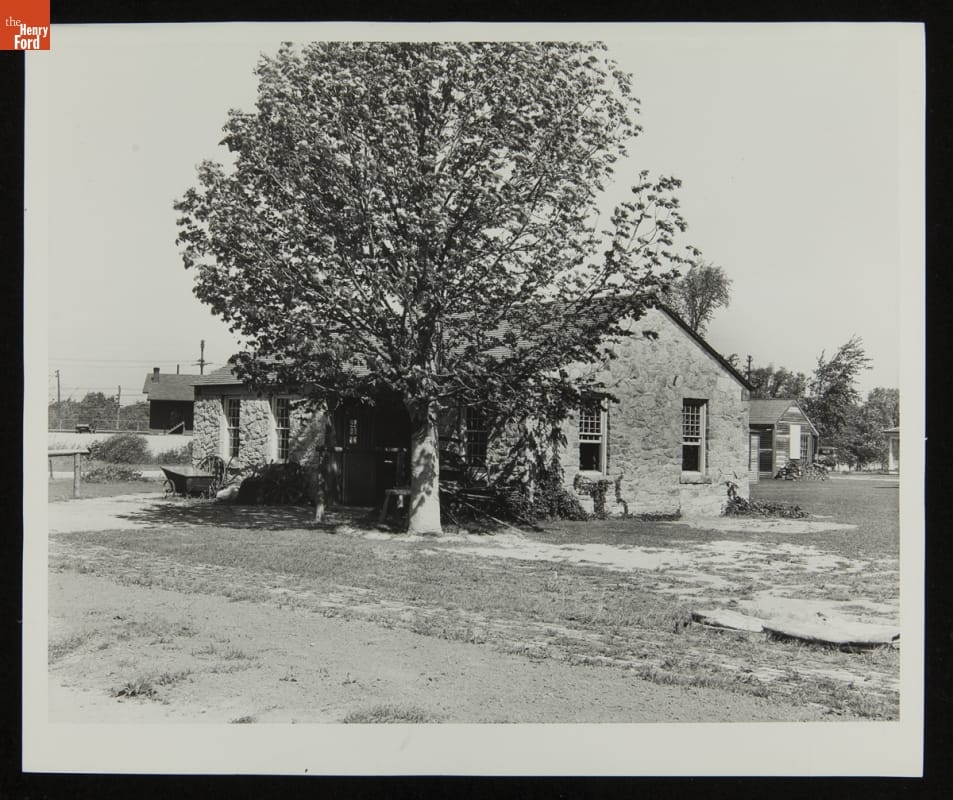
- September 20, 1931
- Collections - Artifact
Blacksmith Shop in Greenfield Village, 1931
In 1929, Henry Ford instructed Edward Cutler, Ford's Greenfield Village architect, to design and build a stone blacksmith shop. Cutler's building initially served as a place to shoe the horses used in the Village, house blacksmith tools, and demonstrate the fast-disappearing craft of blacksmithing. Over the years the structure's mission has evolved with new Village initiatives.