
Search
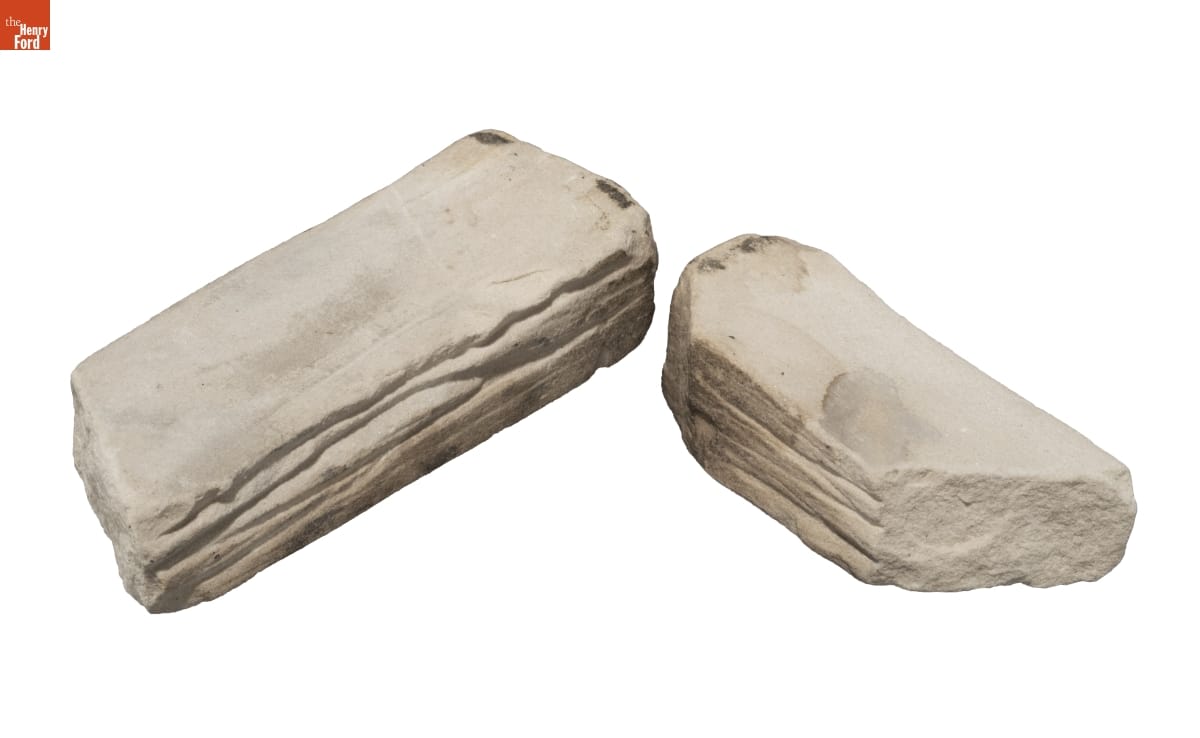
- Whetstones -
- Collections - Artifact
Whetstones
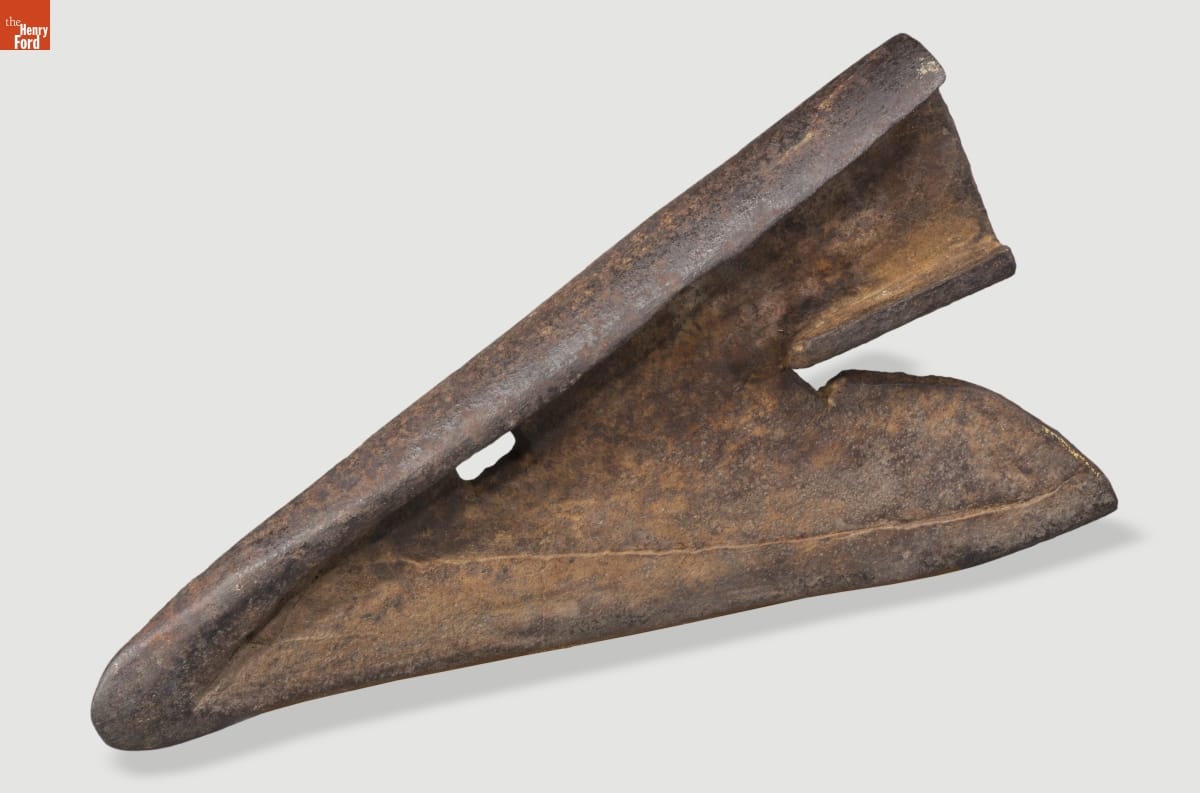
- Plow Blade -
- Collections - Artifact
Plow Blade
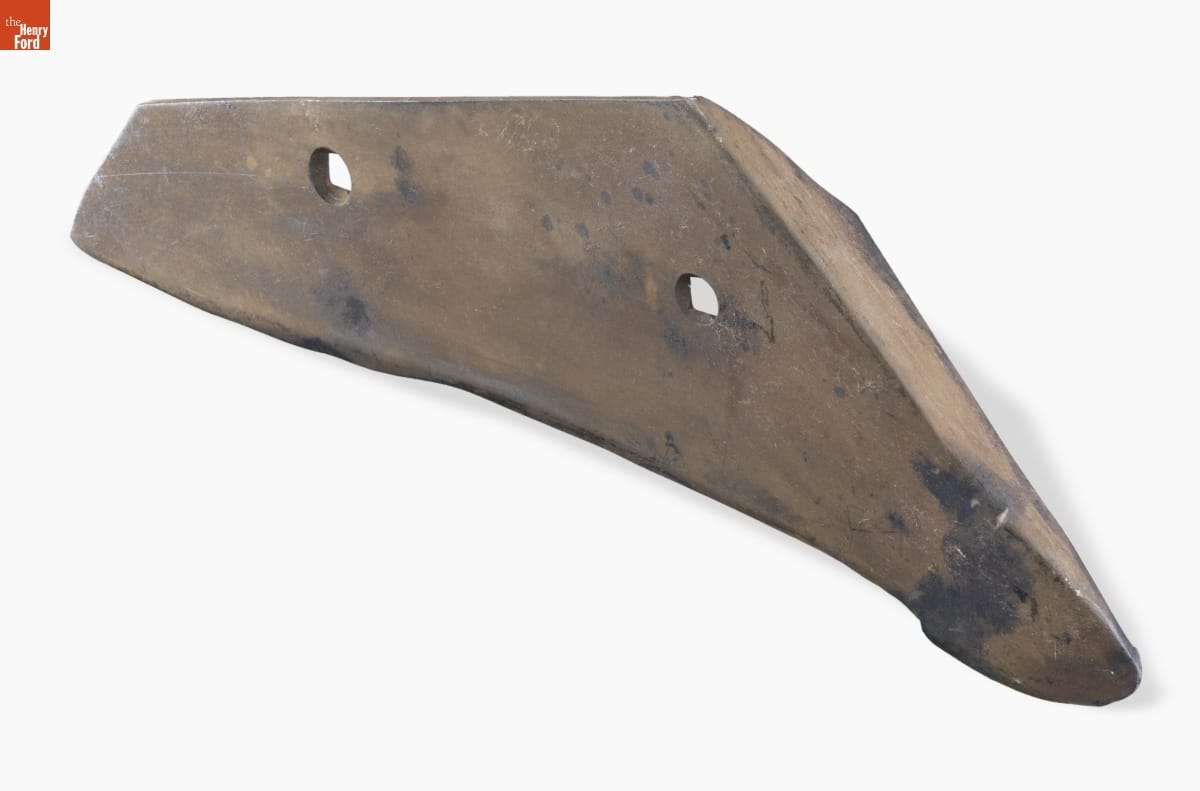
- Set of Plow Points Used by Harold O. Edison, circa 1917 -
- circa 1917
- Collections - Artifact
Set of Plow Points Used by Harold O. Edison, circa 1917
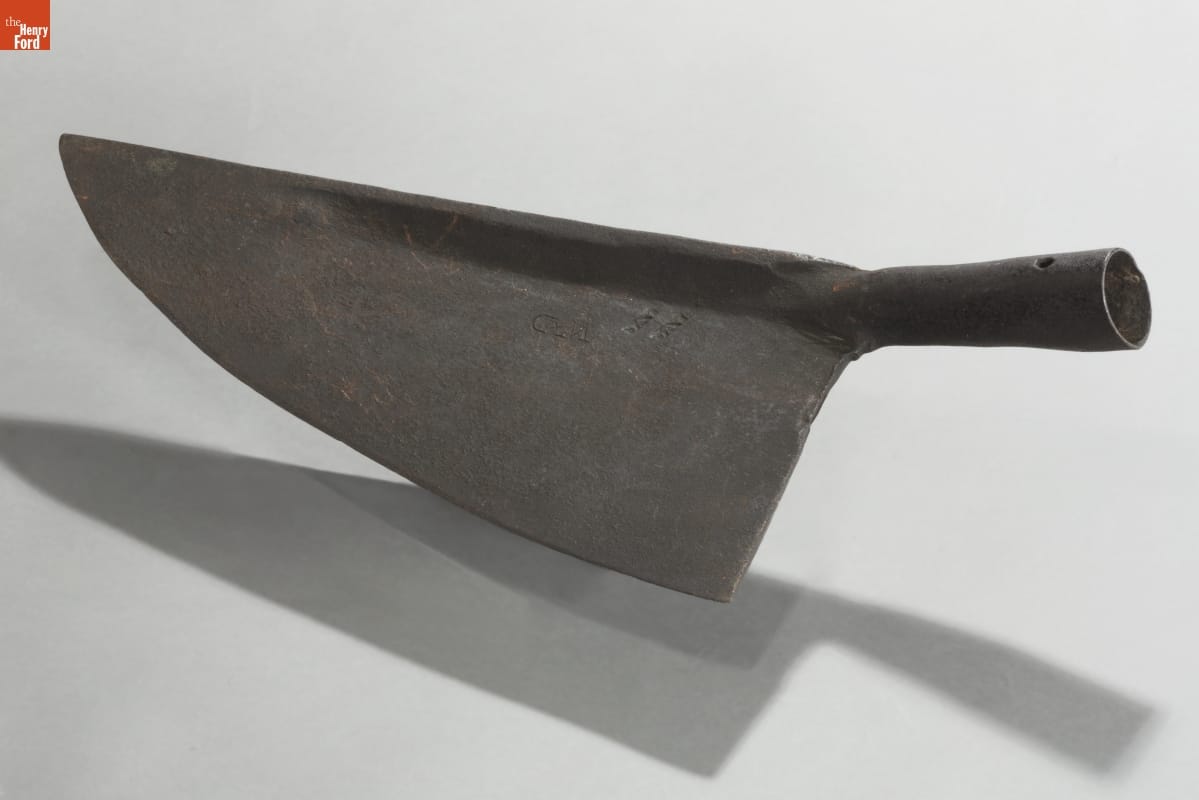
- Hay Knife Blade, circa 1800 - Farm families cut and cured enough grass each summer to feed hay to their livestock all winter. Stored hay settled over time and farmers used special knives to cut out chunks for feed. The blacksmith who forged this wrought-iron blade created a long cutting edge. They also forged a collar and groove on the backside of the blade to set and hold the wooden handle in place.
- circa 1800
- Collections - Artifact
Hay Knife Blade, circa 1800
Farm families cut and cured enough grass each summer to feed hay to their livestock all winter. Stored hay settled over time and farmers used special knives to cut out chunks for feed. The blacksmith who forged this wrought-iron blade created a long cutting edge. They also forged a collar and groove on the backside of the blade to set and hold the wooden handle in place.
- Hoe Blade, circa 1940 -
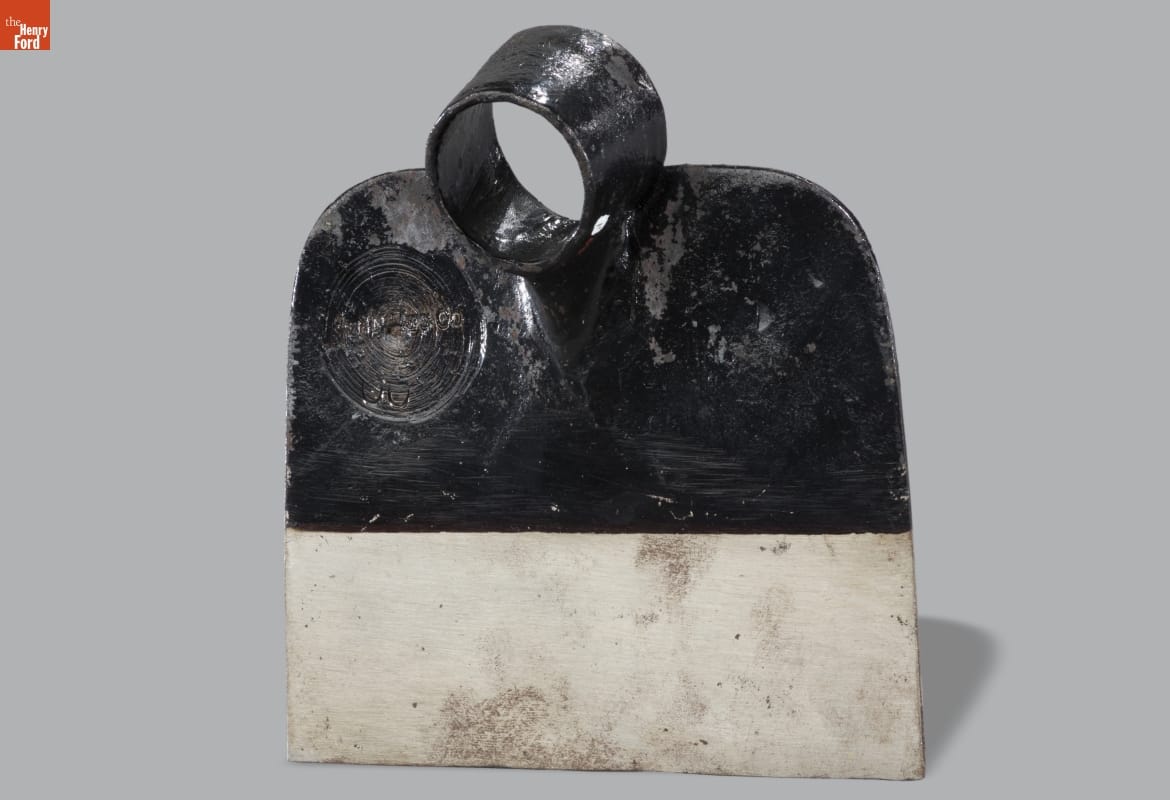
- circa 1940
- Collections - Artifact
Hoe Blade, circa 1940
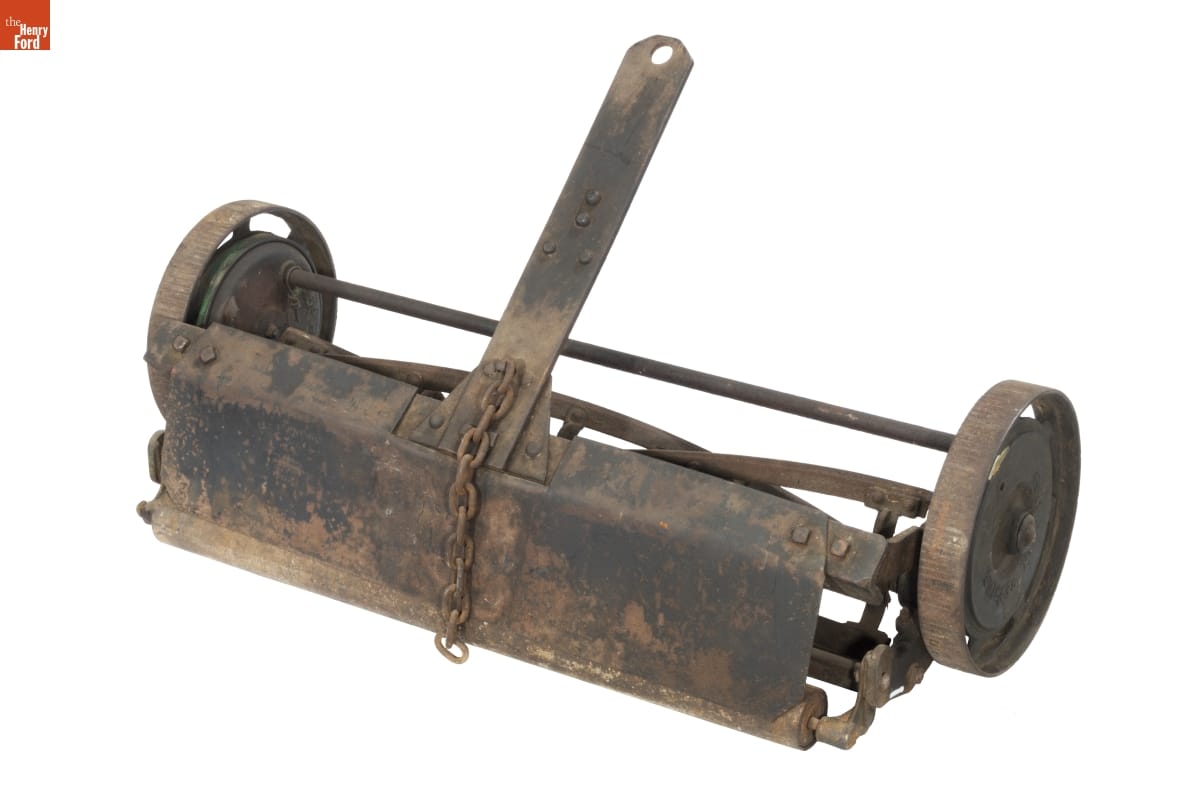
- Lawn Mower - Lawns require regular maintenance. First patented in the United States in 1868, cylinder- or reel-type mowers became an enduring, affordable option for anyone with a small lawn. The basic form consisted of blades that rotated around a horizontal axis, cutting the grass as the user pushed the machine.
- Collections - Artifact
Lawn Mower
Lawns require regular maintenance. First patented in the United States in 1868, cylinder- or reel-type mowers became an enduring, affordable option for anyone with a small lawn. The basic form consisted of blades that rotated around a horizontal axis, cutting the grass as the user pushed the machine.
- Plow Blade -
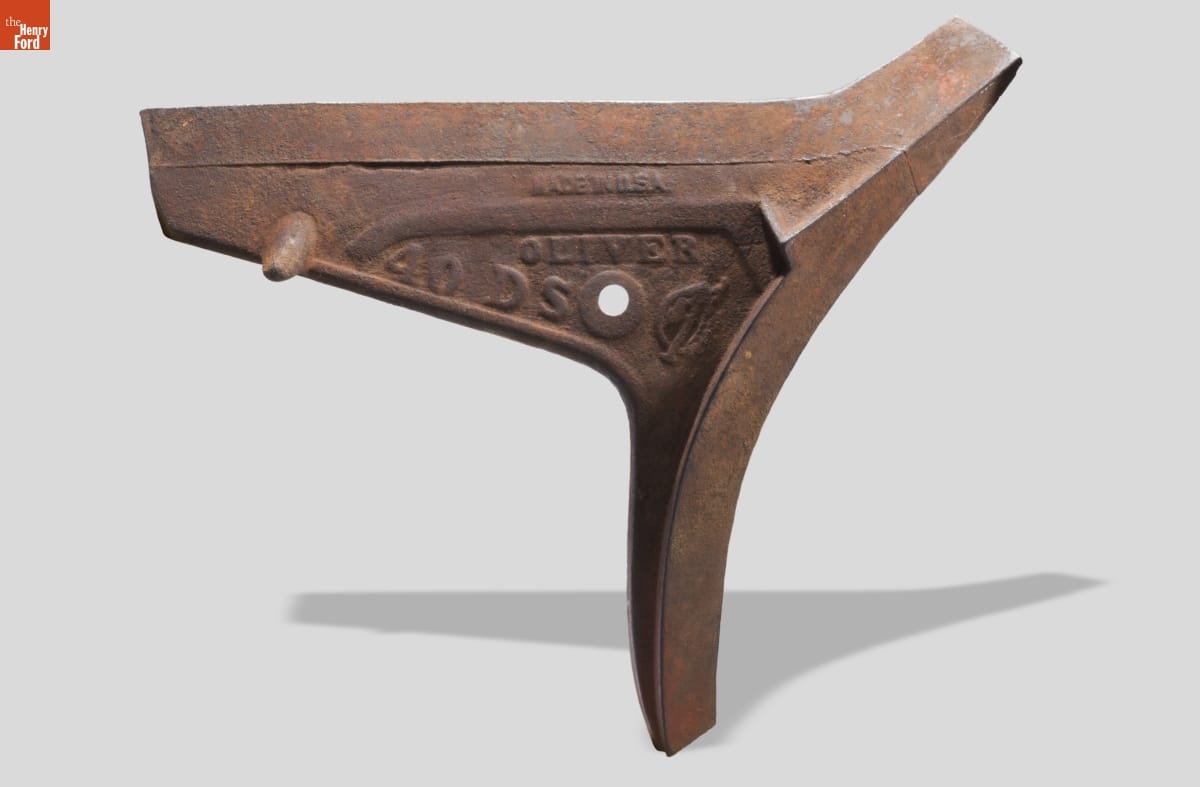
- Collections - Artifact
Plow Blade