
Search
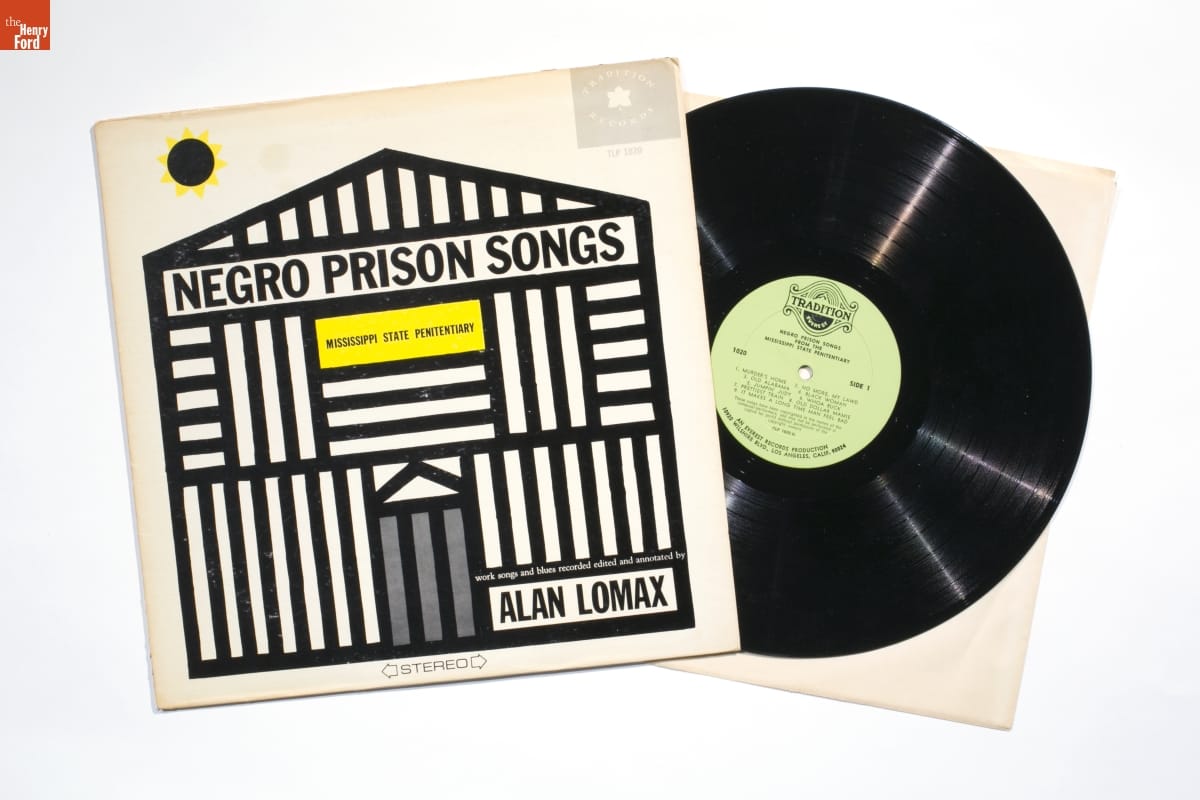
- Record Album, "Negro Prison Songs," 1958 - Folklorist Alan Lomax, believing all people and cultures deserved equal respect, spent his career documenting remote musical traditions. This record's powerful songs, collected 1947-8 at the Mississippi State Penitentiary, attest to the parallels between the Deep South's oppressive prison system--requiring arduous physical labor under constant threat of physical punishment--and the experiences of enslaved work groups on 19th-century plantations.
- 1947
- Collections - Artifact
Record Album, "Negro Prison Songs," 1958
Folklorist Alan Lomax, believing all people and cultures deserved equal respect, spent his career documenting remote musical traditions. This record's powerful songs, collected 1947-8 at the Mississippi State Penitentiary, attest to the parallels between the Deep South's oppressive prison system--requiring arduous physical labor under constant threat of physical punishment--and the experiences of enslaved work groups on 19th-century plantations.
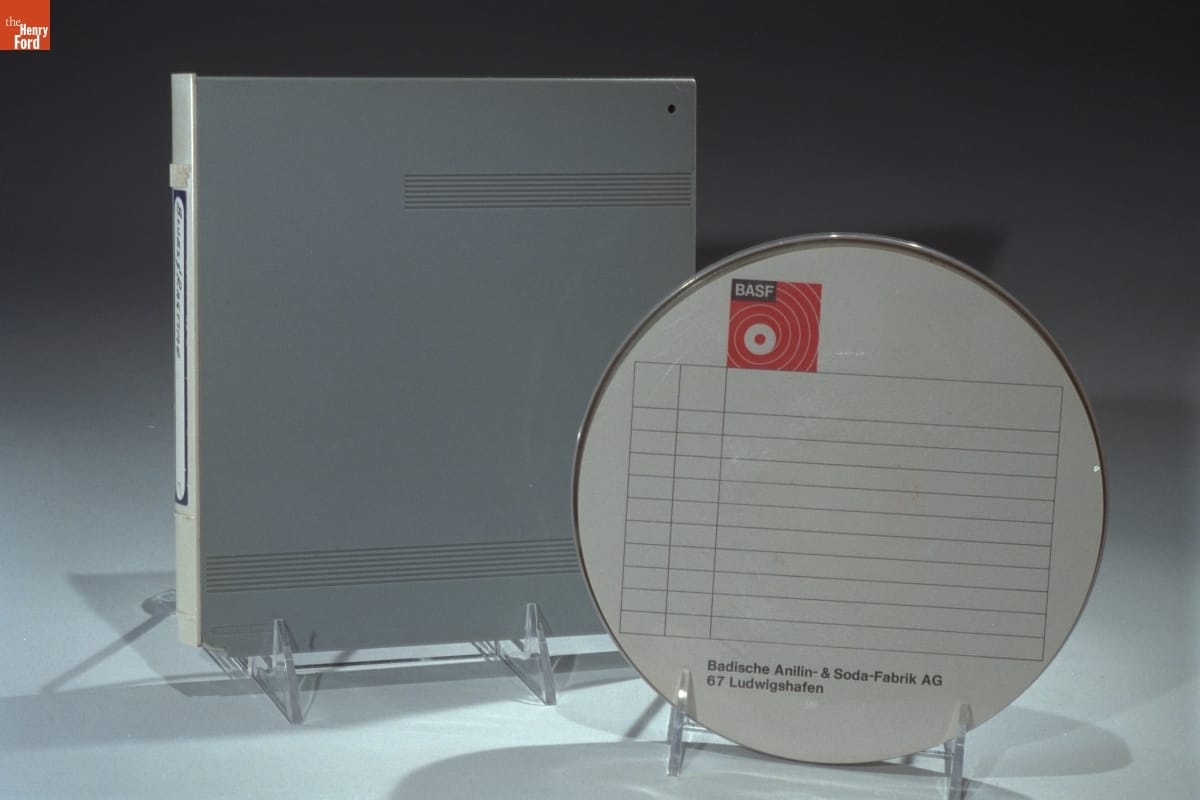
- Tape Recording Featuring Blues and Ragtime Selections, 1970-1982 - The transformative effects of magnetic tape upon sound, broadcast, and computing history cannot be overstated. In 1930, German companies AEG and BASF revised wire recording technology by using a new material: plastic tape coated with magnetic iron pigment. Its proposed applications were varied, idealistic and practical: recording music and radio, factory automation, data storage, media lending libraries, and many others.
- 1970-1982
- Collections - Artifact
Tape Recording Featuring Blues and Ragtime Selections, 1970-1982
The transformative effects of magnetic tape upon sound, broadcast, and computing history cannot be overstated. In 1930, German companies AEG and BASF revised wire recording technology by using a new material: plastic tape coated with magnetic iron pigment. Its proposed applications were varied, idealistic and practical: recording music and radio, factory automation, data storage, media lending libraries, and many others.
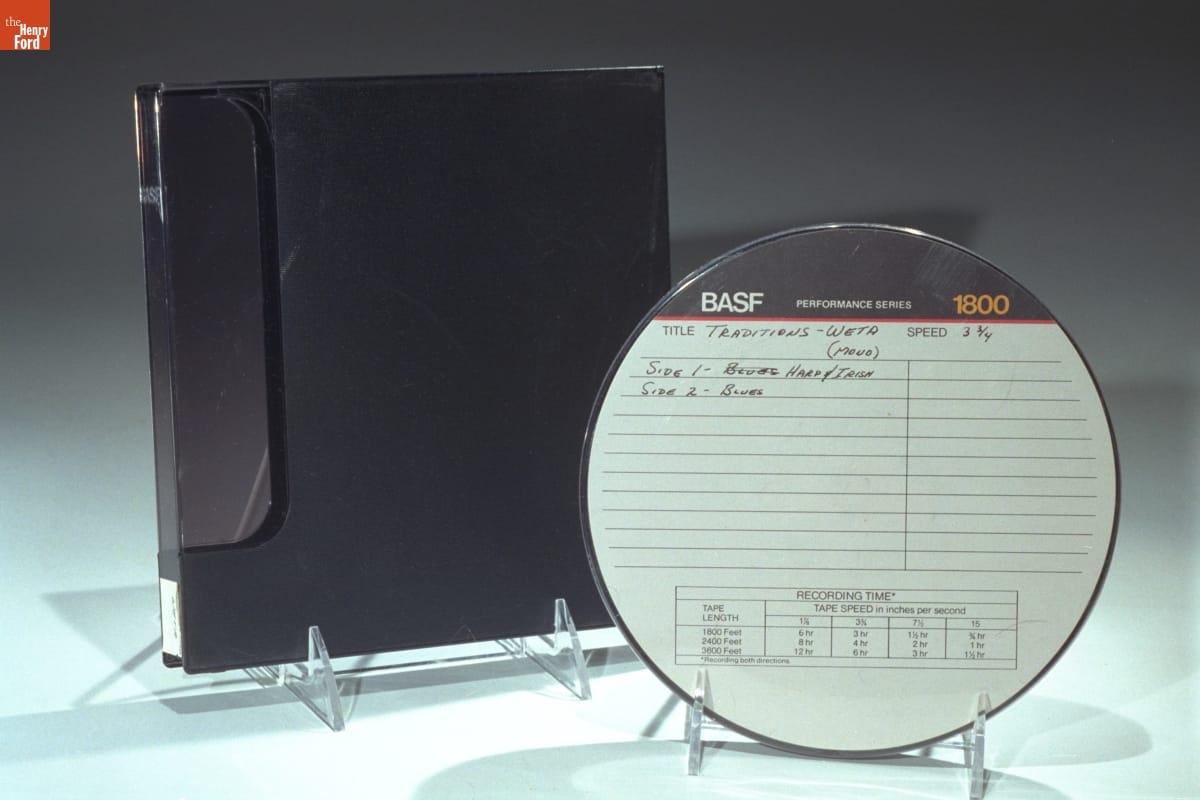
- Tape Recording Featuring Radio Program "Traditions" (WETA), 1977-1982 - The transformative effects of magnetic tape upon sound, broadcast, and computing history cannot be overstated. In 1930, German companies AEG and BASF revised wire recording technology by using a new material: plastic tape coated with magnetic iron pigment. Its proposed applications were varied, idealistic and practical: recording music and radio, factory automation, data storage, media lending libraries, and many others.
- 1977-1982
- Collections - Artifact
Tape Recording Featuring Radio Program "Traditions" (WETA), 1977-1982
The transformative effects of magnetic tape upon sound, broadcast, and computing history cannot be overstated. In 1930, German companies AEG and BASF revised wire recording technology by using a new material: plastic tape coated with magnetic iron pigment. Its proposed applications were varied, idealistic and practical: recording music and radio, factory automation, data storage, media lending libraries, and many others.
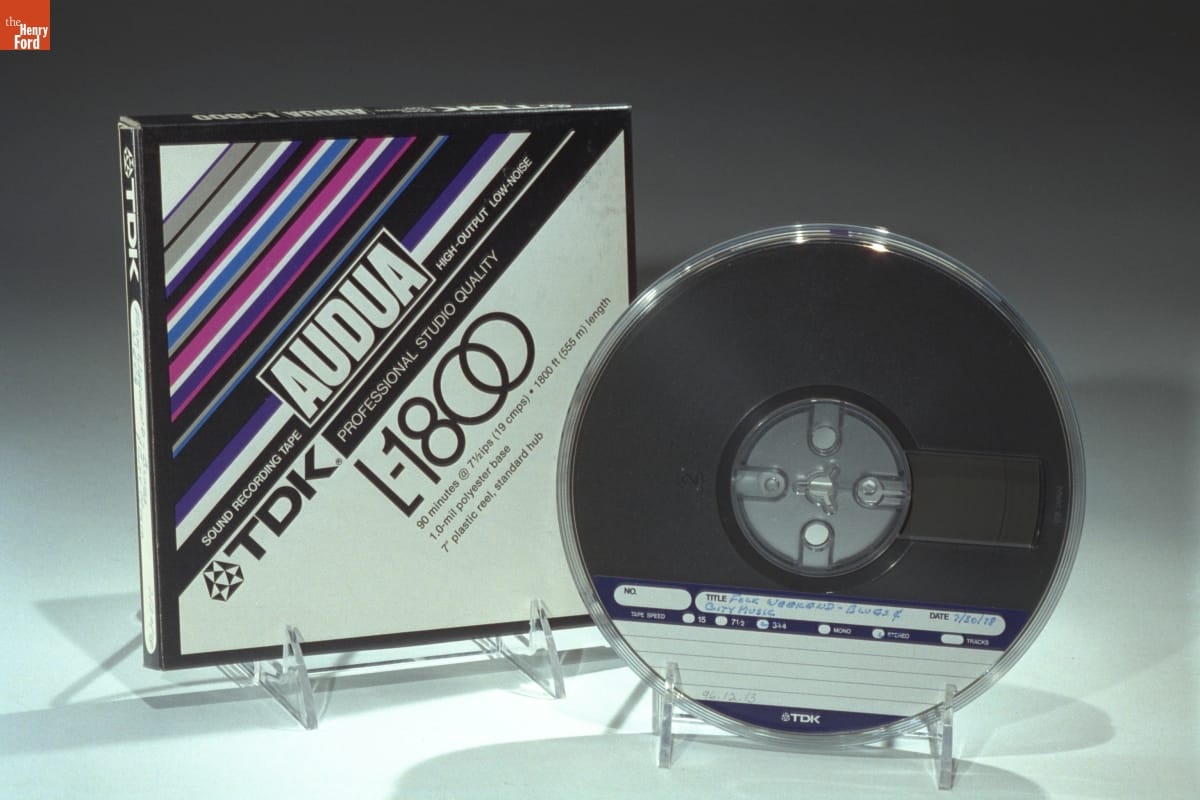
- Tape Recording Featuring Radio Programs "Folk Weekend" (WETA) and "Blues & City Music," 1978 - The transformative effects of magnetic tape upon sound, broadcast, and computing history cannot be overstated. In 1930, German companies AEG and BASF revised wire recording technology by using a new material: plastic tape coated with magnetic iron pigment. Its proposed applications were varied, idealistic and practical: recording music and radio, factory automation, data storage, media lending libraries, and many others.
- July 30, 1978
- Collections - Artifact
Tape Recording Featuring Radio Programs "Folk Weekend" (WETA) and "Blues & City Music," 1978
The transformative effects of magnetic tape upon sound, broadcast, and computing history cannot be overstated. In 1930, German companies AEG and BASF revised wire recording technology by using a new material: plastic tape coated with magnetic iron pigment. Its proposed applications were varied, idealistic and practical: recording music and radio, factory automation, data storage, media lending libraries, and many others.
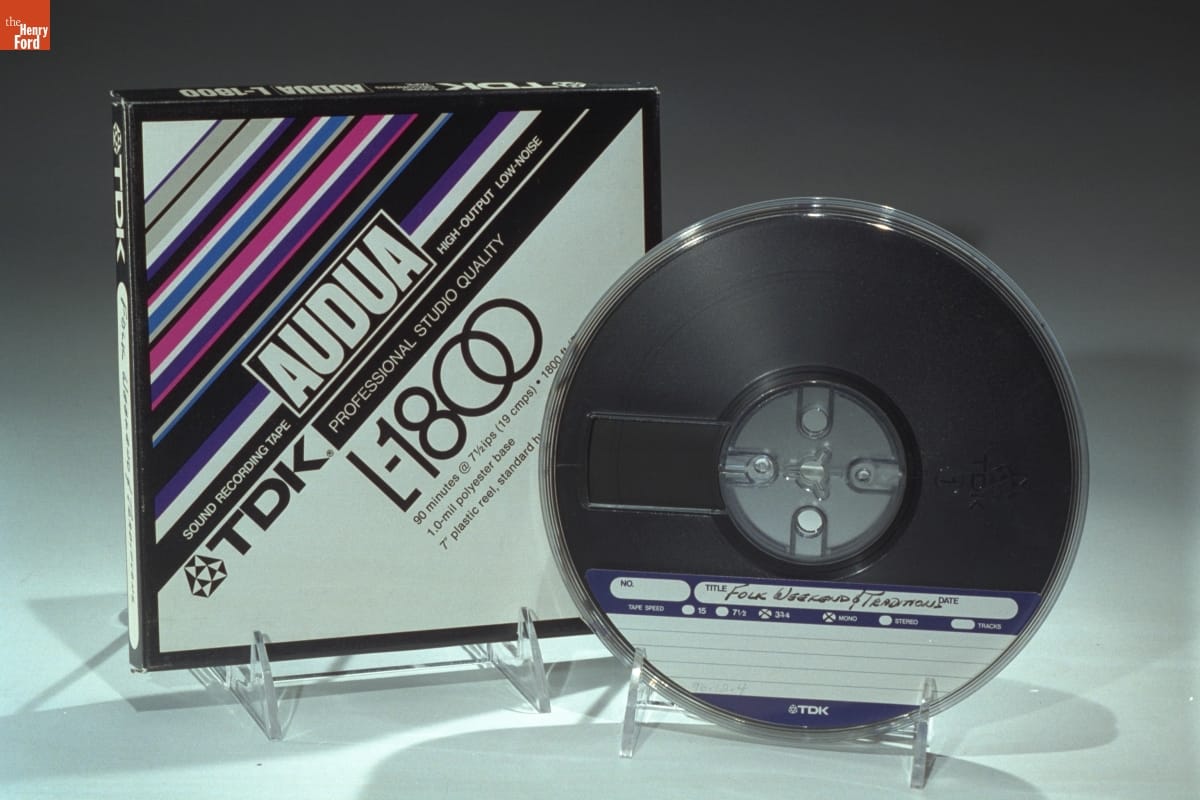
- Tape Recording Featuring Radio Programs "Folk Weekend" and "Traditions" (WETA), 1977-1982 - The transformative effects of magnetic tape upon sound, broadcast, and computing history cannot be overstated. In 1930, German companies AEG and BASF revised wire recording technology by using a new material: plastic tape coated with magnetic iron pigment. Its proposed applications were varied, idealistic and practical: recording music and radio, factory automation, data storage, media lending libraries, and many others.
- 1977-1982
- Collections - Artifact
Tape Recording Featuring Radio Programs "Folk Weekend" and "Traditions" (WETA), 1977-1982
The transformative effects of magnetic tape upon sound, broadcast, and computing history cannot be overstated. In 1930, German companies AEG and BASF revised wire recording technology by using a new material: plastic tape coated with magnetic iron pigment. Its proposed applications were varied, idealistic and practical: recording music and radio, factory automation, data storage, media lending libraries, and many others.
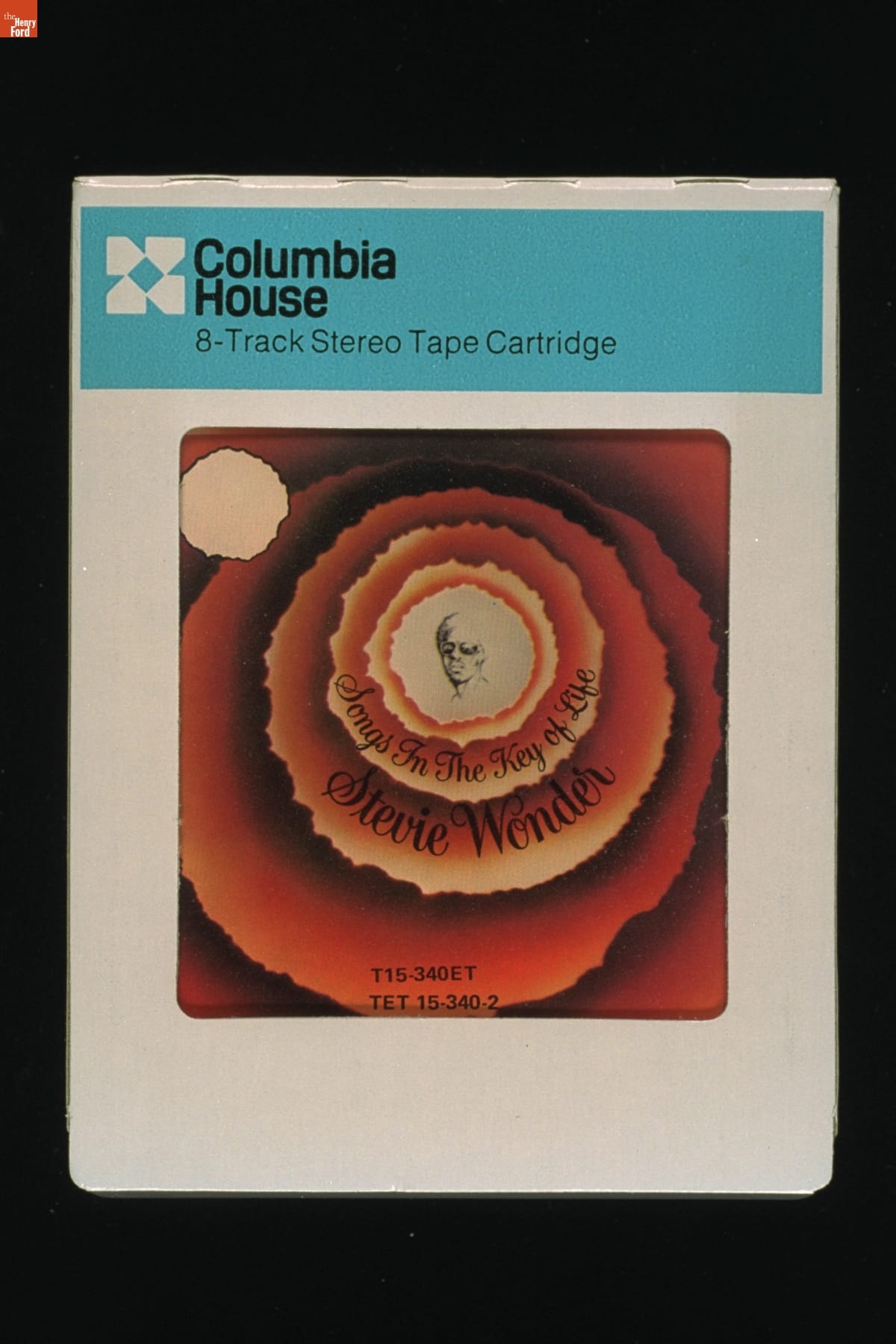
- Stevie Wonder "Songs in the Key of Life" Eight Track Tape, 1976 - The 8-track tape is an endless-loop, magnetic-tape sound recording technology developed in the mid-1960s. Inventors initially conceived of the 8-track tape and player to provide music in automobiles--its portability was an attractive feature. An 8-track tape also offered long playing times, but other features could hinder listening pleasure. Improved cassette tapes and new compact disc technology displaced the 8-track in the early 1980s.
- 1976
- Collections - Artifact
Stevie Wonder "Songs in the Key of Life" Eight Track Tape, 1976
The 8-track tape is an endless-loop, magnetic-tape sound recording technology developed in the mid-1960s. Inventors initially conceived of the 8-track tape and player to provide music in automobiles--its portability was an attractive feature. An 8-track tape also offered long playing times, but other features could hinder listening pleasure. Improved cassette tapes and new compact disc technology displaced the 8-track in the early 1980s.
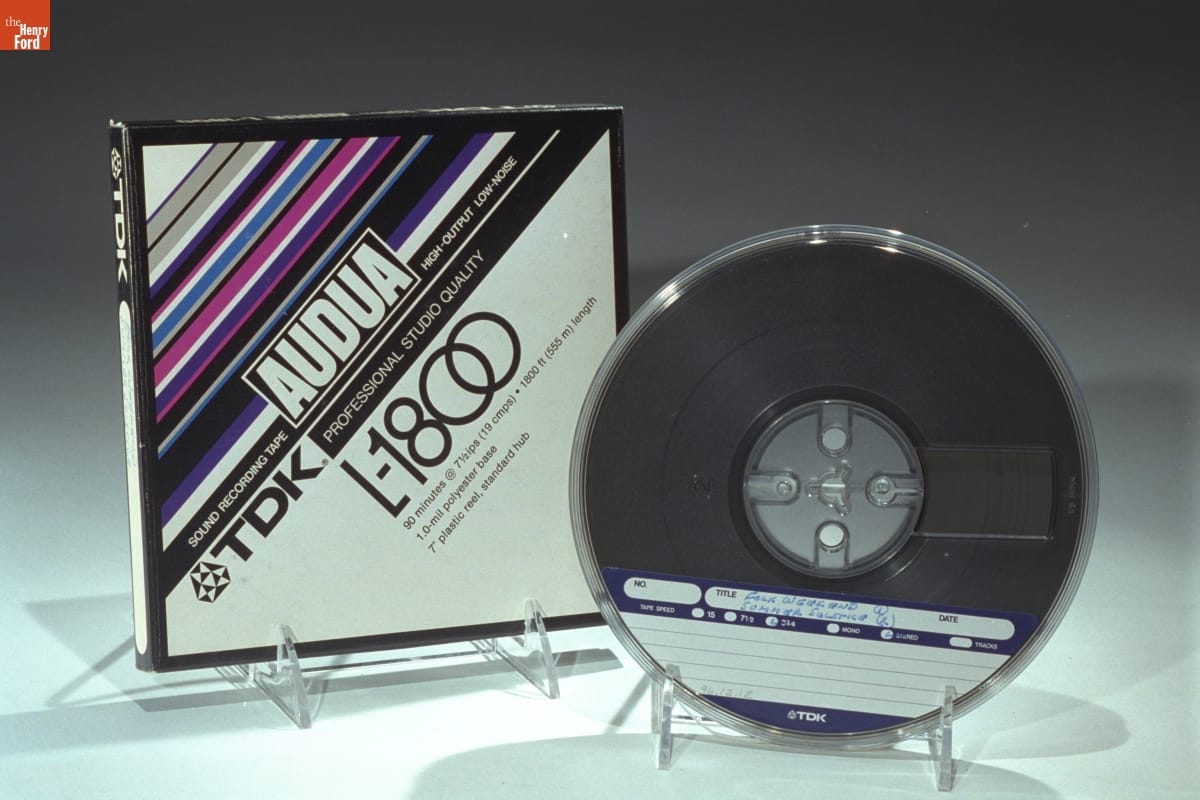
- Tape Recording Featuring Radio Programs "Folk Weekend" (WETA) and "Summer Solstice," 1977-1982 - The transformative effects of magnetic tape upon sound, broadcast, and computing history cannot be overstated. In 1930, German companies AEG and BASF revised wire recording technology by using a new material: plastic tape coated with magnetic iron pigment. Its proposed applications were varied, idealistic and practical: recording music and radio, factory automation, data storage, media lending libraries, and many others.
- 1977-1982
- Collections - Artifact
Tape Recording Featuring Radio Programs "Folk Weekend" (WETA) and "Summer Solstice," 1977-1982
The transformative effects of magnetic tape upon sound, broadcast, and computing history cannot be overstated. In 1930, German companies AEG and BASF revised wire recording technology by using a new material: plastic tape coated with magnetic iron pigment. Its proposed applications were varied, idealistic and practical: recording music and radio, factory automation, data storage, media lending libraries, and many others.
- Record Album, "Fingertips Part 1 & 2," 1963 -

- 1963
- Collections - Artifact
Record Album, "Fingertips Part 1 & 2," 1963
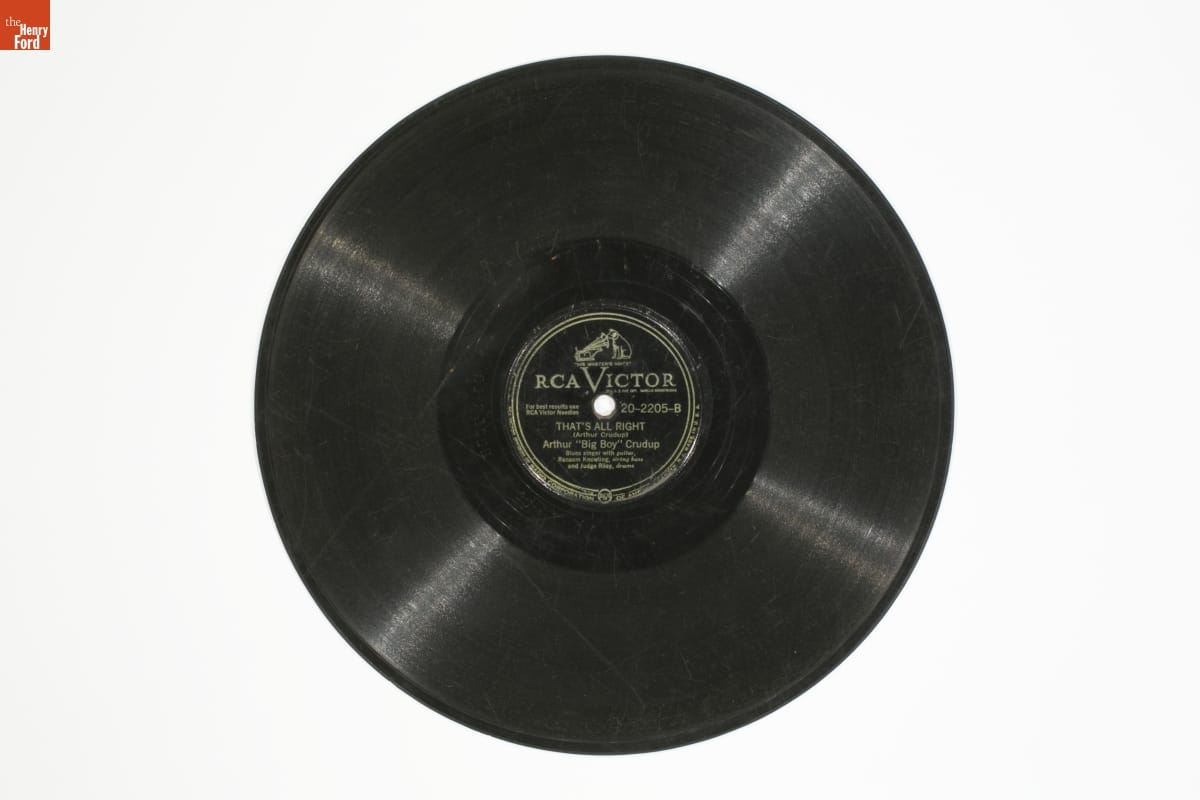
- "That's All Right" and "Crudup's After Hours" by Arthur "Big Boy" Crudup, 1946 -
- 1946
- Collections - Artifact
"That's All Right" and "Crudup's After Hours" by Arthur "Big Boy" Crudup, 1946
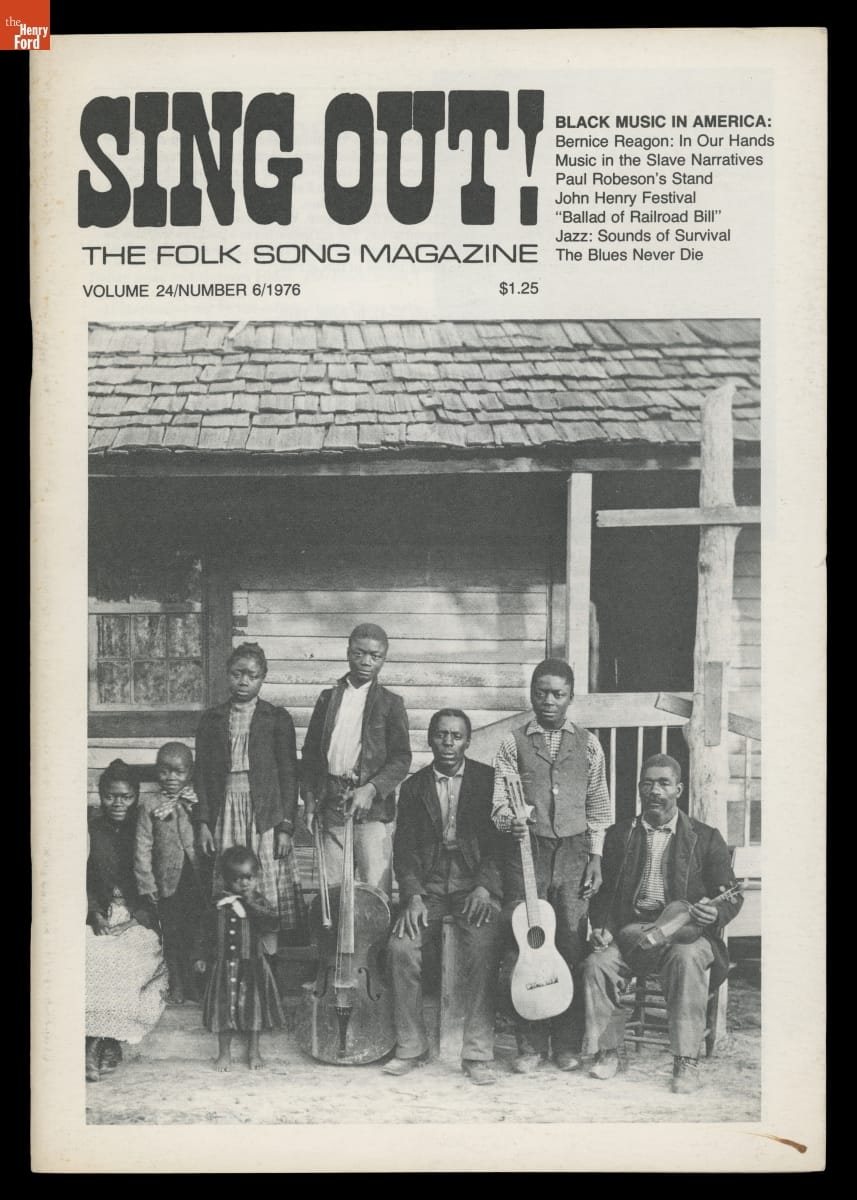
- "Sing Out! The Folk Song Magazine," 1976 -
- 1976
- Collections - Artifact
"Sing Out! The Folk Song Magazine," 1976