
Search
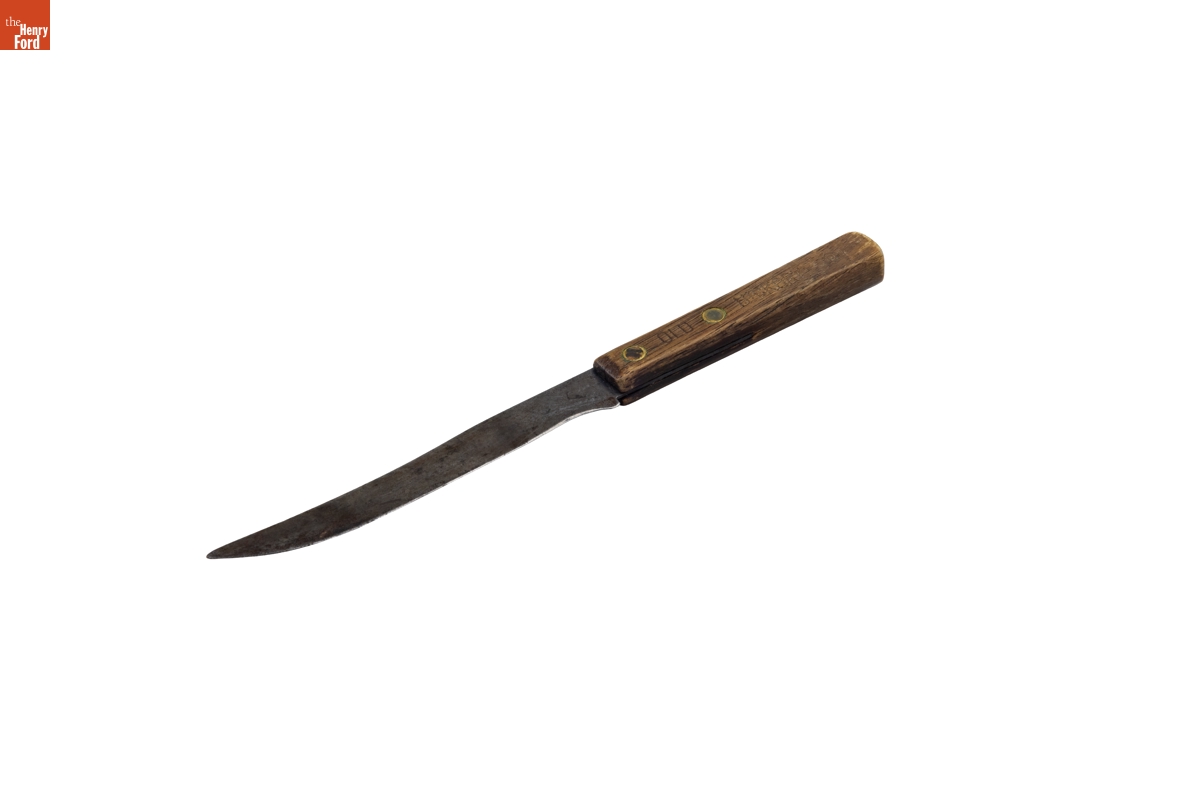
- Boning Knife Used by the Jackson Family, Selma, Alabama - In 2023, The Henry Ford acquired the Selma, Alabama, home of Dr. Sullivan and Richie Jean Sherrod Jackson, where Dr. Martin Luther King and Civil Rights leaders planned the 1965 Selma-to-Montgomery Voting Rights marches. The Jackson Home opened in Greenfield Village in 2026. The home and its contents not only document the voting rights struggle but also shed light on 20th-century Black American middle-class life.
- 1924-1940
- Collections - Artifact
Boning Knife Used by the Jackson Family, Selma, Alabama
In 2023, The Henry Ford acquired the Selma, Alabama, home of Dr. Sullivan and Richie Jean Sherrod Jackson, where Dr. Martin Luther King and Civil Rights leaders planned the 1965 Selma-to-Montgomery Voting Rights marches. The Jackson Home opened in Greenfield Village in 2026. The home and its contents not only document the voting rights struggle but also shed light on 20th-century Black American middle-class life.
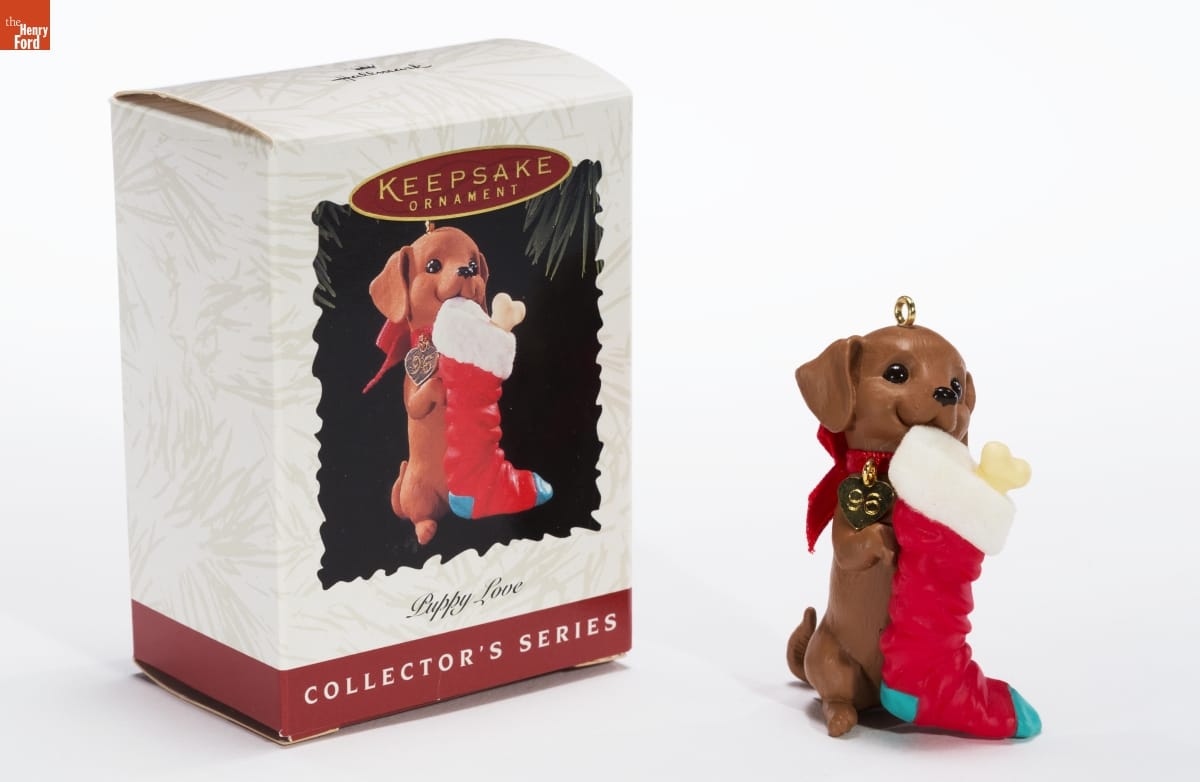
- Hallmark "Puppy Love Series" Christmas Ornament, 1996 - Already known for greeting cards, Hallmark introduced a line of Christmas ornaments in 1973. The company's annual release of an increasing array of ornaments revolutionized Christmas decorating, appealing to customers' interest in marking memories and milestones as well as expressing one's personality and unique tastes.
- 1996
- Collections - Artifact
Hallmark "Puppy Love Series" Christmas Ornament, 1996
Already known for greeting cards, Hallmark introduced a line of Christmas ornaments in 1973. The company's annual release of an increasing array of ornaments revolutionized Christmas decorating, appealing to customers' interest in marking memories and milestones as well as expressing one's personality and unique tastes.
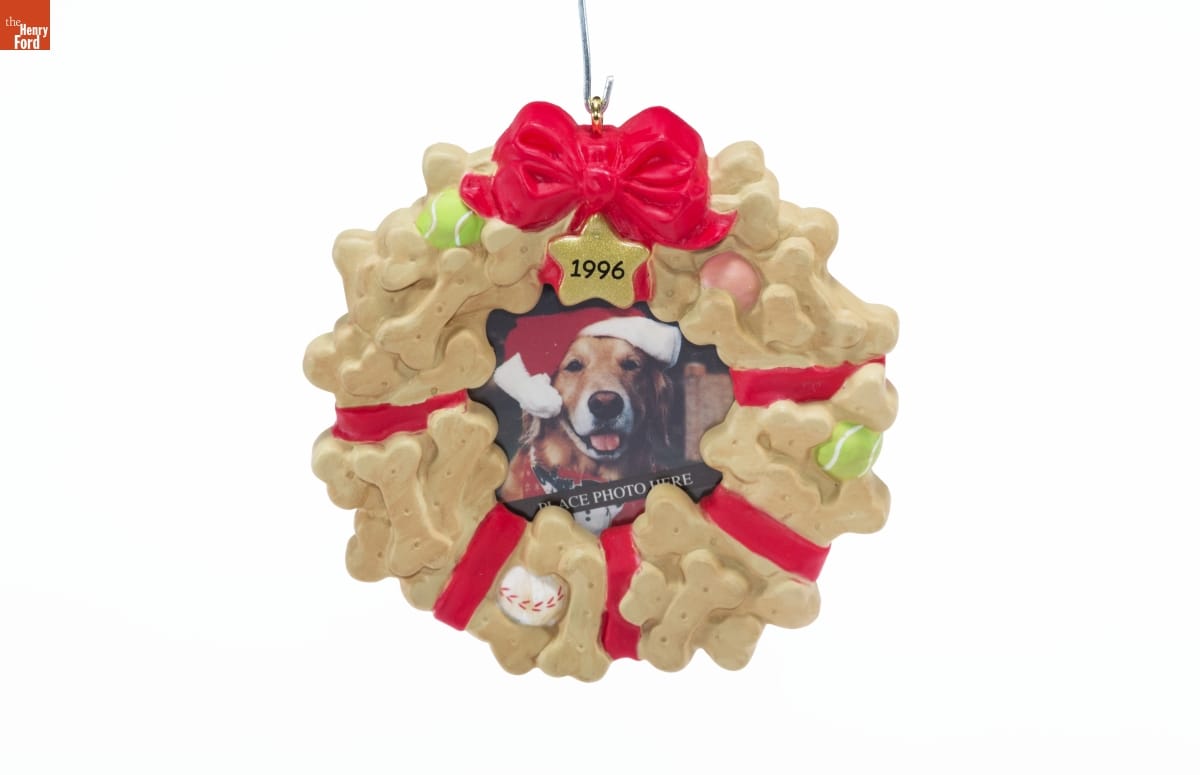
- Hallmark "Special Dog Photo Holder" Christmas Ornament, 1996 - Already known for greeting cards, Hallmark introduced a line of Christmas ornaments in 1973. The company's annual release of an increasing array of ornaments revolutionized Christmas decorating, appealing to customers' interest in marking memories and milestones as well as expressing one's personality and unique tastes.
- 1996
- Collections - Artifact
Hallmark "Special Dog Photo Holder" Christmas Ornament, 1996
Already known for greeting cards, Hallmark introduced a line of Christmas ornaments in 1973. The company's annual release of an increasing array of ornaments revolutionized Christmas decorating, appealing to customers' interest in marking memories and milestones as well as expressing one's personality and unique tastes.
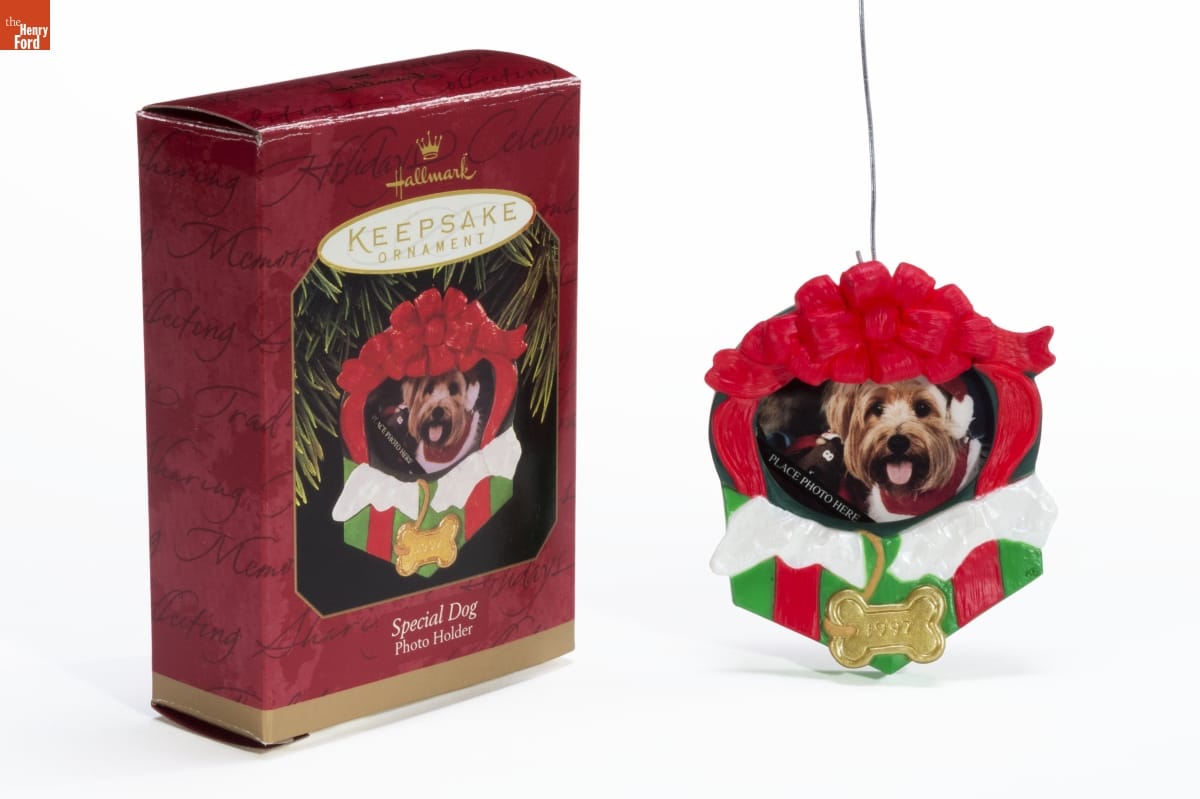
- Hallmark "Special Dog" Christmas Ornament, 1997 - Already known for greeting cards, Hallmark introduced a line of Christmas ornaments in 1973. The company's annual release of an increasing array of ornaments revolutionized Christmas decorating, appealing to customers' interest in marking memories and milestones as well as expressing one's personality and unique tastes.
- 1997
- Collections - Artifact
Hallmark "Special Dog" Christmas Ornament, 1997
Already known for greeting cards, Hallmark introduced a line of Christmas ornaments in 1973. The company's annual release of an increasing array of ornaments revolutionized Christmas decorating, appealing to customers' interest in marking memories and milestones as well as expressing one's personality and unique tastes.
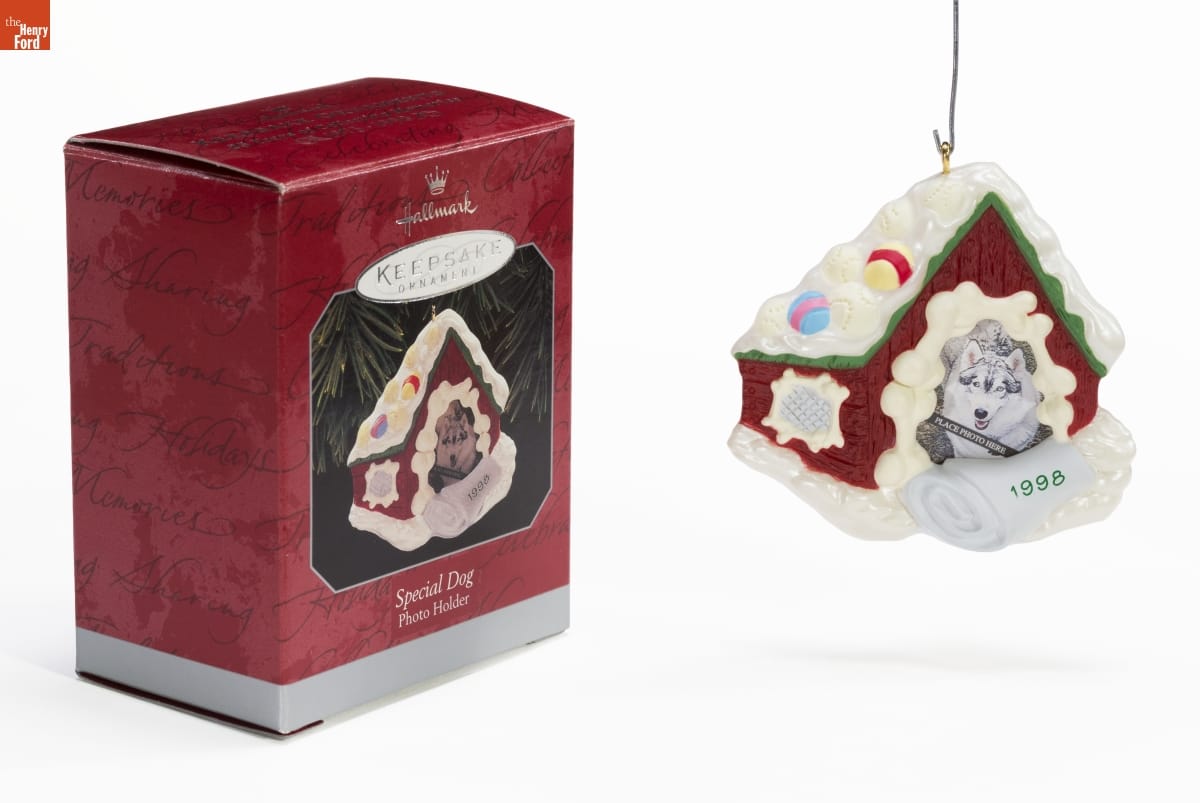
- Hallmark "Special Dog Photo Holder" Christmas Ornament, 1998 - Already known for greeting cards, Hallmark introduced a line of Christmas ornaments in 1973. The company's annual release of an increasing array of ornaments revolutionized Christmas decorating, appealing to customers' interest in marking memories and milestones as well as expressing one's personality and unique tastes.
- 1998
- Collections - Artifact
Hallmark "Special Dog Photo Holder" Christmas Ornament, 1998
Already known for greeting cards, Hallmark introduced a line of Christmas ornaments in 1973. The company's annual release of an increasing array of ornaments revolutionized Christmas decorating, appealing to customers' interest in marking memories and milestones as well as expressing one's personality and unique tastes.
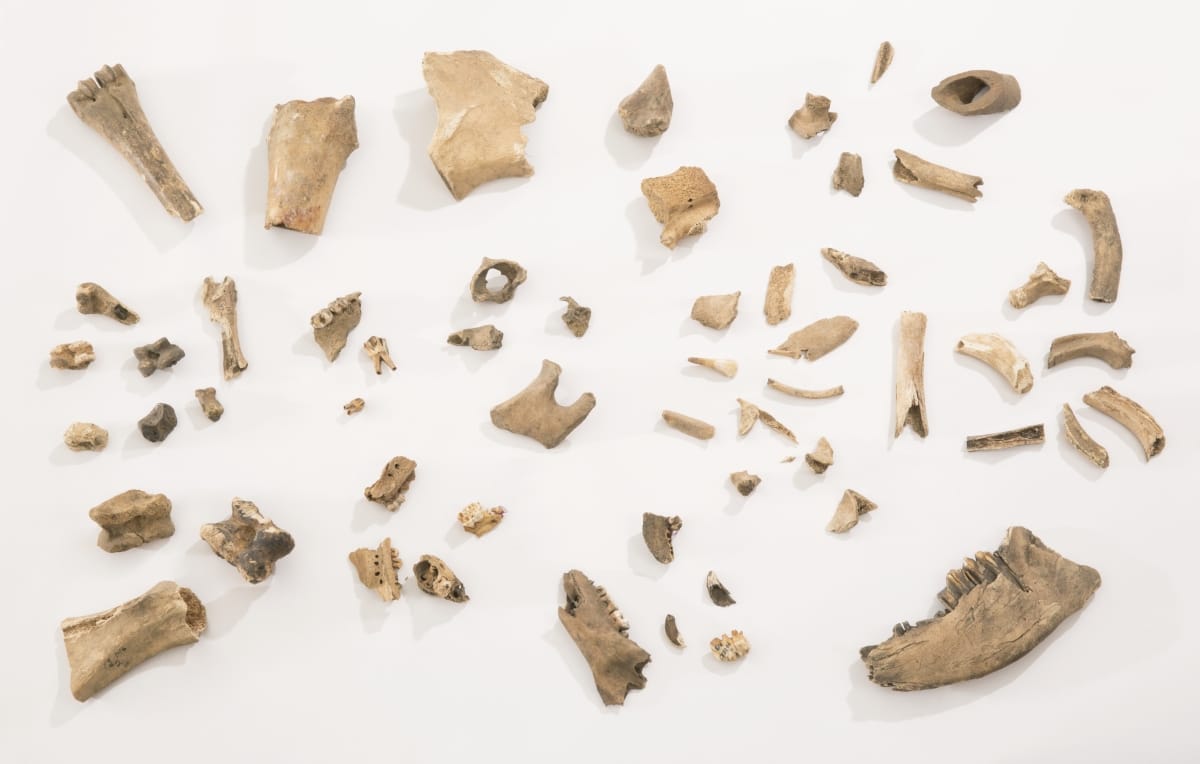
- Collection of Animal Bones and Teeth Excavated from Firestone Farm, Columbiana County, Ohio, 1983 - This group of faunal (nonhuman) skeletal remains was excavated from the grounds of the Firestone Farm near Columbiana, Ohio, when the house and barn were moved to The Henry Ford's Greenfield Village in the early 1980s. Analysis of these bones tells us what the family ate and helps staff interpret the life of the Firestone family in the late nineteenth and early twentieth centuries.
- 1828-1983
- Collections - Artifact
Collection of Animal Bones and Teeth Excavated from Firestone Farm, Columbiana County, Ohio, 1983
This group of faunal (nonhuman) skeletal remains was excavated from the grounds of the Firestone Farm near Columbiana, Ohio, when the house and barn were moved to The Henry Ford's Greenfield Village in the early 1980s. Analysis of these bones tells us what the family ate and helps staff interpret the life of the Firestone family in the late nineteenth and early twentieth centuries.
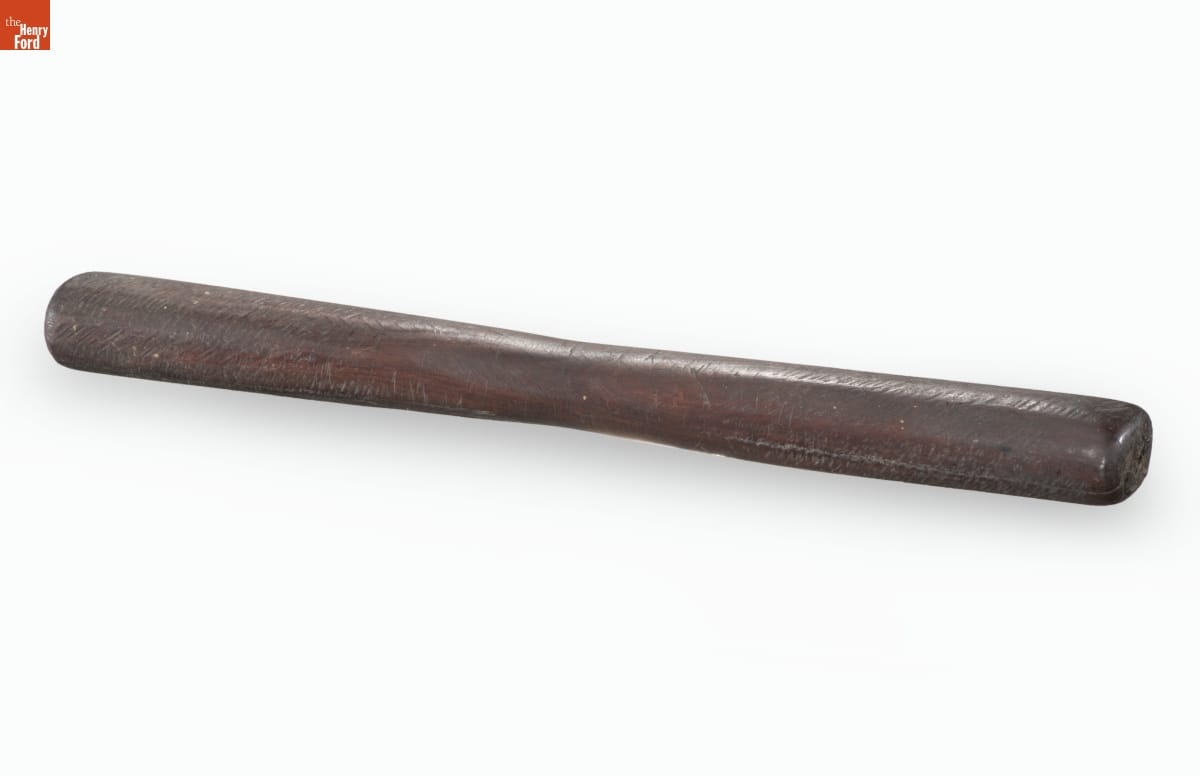
- Polishing Bone, 1880-1920 - Late-nineteenth and early-twentieth-century shoemakers turned pieces of leather into footwear. These craftspeople used a wide range of specialized tools to measure, cut, shape, stitch, trim, finish, and decorate their handiwork. Their tools included a variety of knives, hammers, punches, clamps, awls, and polishers and burnishers. Though these tools seem highly specialized, shoemakers were always adapting, using whatever tools were at hand to make shoes.
- 1880-1920
- Collections - Artifact
Polishing Bone, 1880-1920
Late-nineteenth and early-twentieth-century shoemakers turned pieces of leather into footwear. These craftspeople used a wide range of specialized tools to measure, cut, shape, stitch, trim, finish, and decorate their handiwork. Their tools included a variety of knives, hammers, punches, clamps, awls, and polishers and burnishers. Though these tools seem highly specialized, shoemakers were always adapting, using whatever tools were at hand to make shoes.
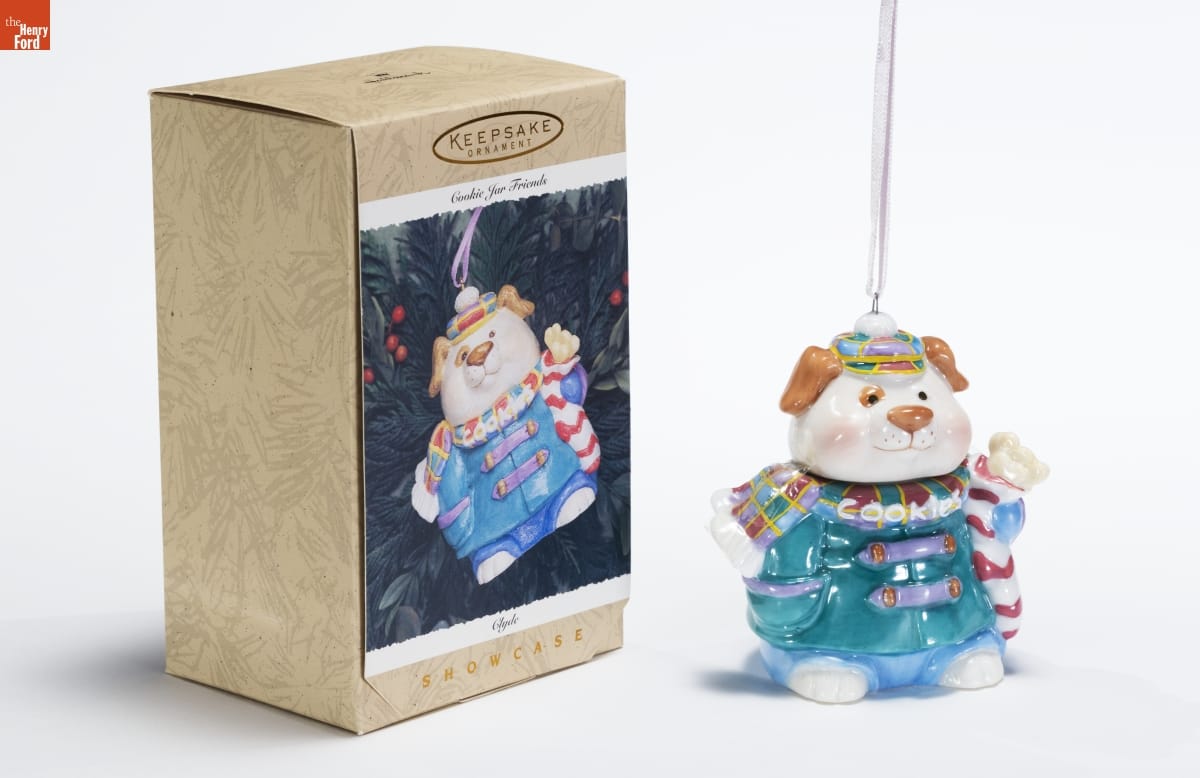
- Hallmark "Cookie Jar Friends Collection: Clyde" Christmas Ornament, 1996 - Already known for greeting cards, Hallmark introduced a line of Christmas ornaments in 1973. The company's annual release of an increasing array of ornaments revolutionized Christmas decorating, appealing to customers' interest in marking memories and milestones as well as expressing one's personality and unique tastes.
- 1996
- Collections - Artifact
Hallmark "Cookie Jar Friends Collection: Clyde" Christmas Ornament, 1996
Already known for greeting cards, Hallmark introduced a line of Christmas ornaments in 1973. The company's annual release of an increasing array of ornaments revolutionized Christmas decorating, appealing to customers' interest in marking memories and milestones as well as expressing one's personality and unique tastes.
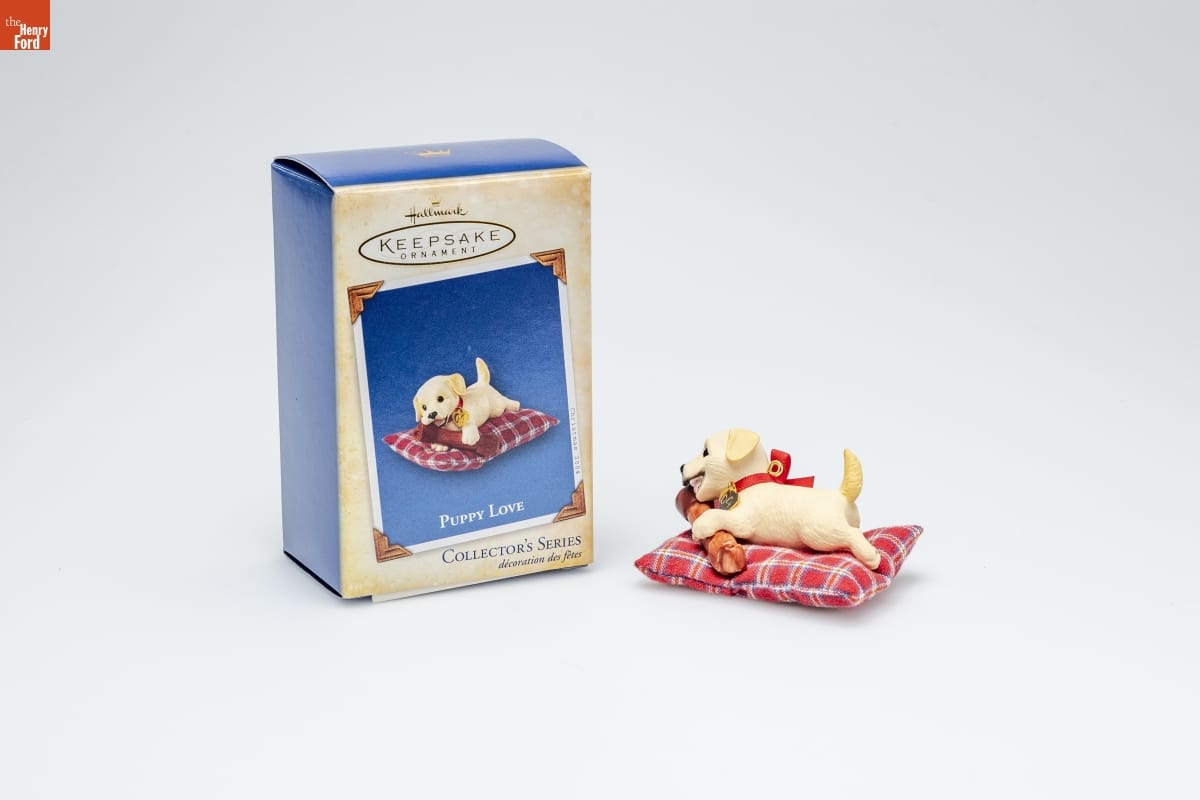
- Hallmark "Puppy Love Series" Christmas Ornament, 2004 - Already known for greeting cards, Hallmark introduced a line of Christmas ornaments in 1973. The company's annual release of an increasing array of ornaments revolutionized Christmas decorating, appealing to customers' interest in marking memories and milestones as well as expressing one's personality and unique tastes.
- 2004
- Collections - Artifact
Hallmark "Puppy Love Series" Christmas Ornament, 2004
Already known for greeting cards, Hallmark introduced a line of Christmas ornaments in 1973. The company's annual release of an increasing array of ornaments revolutionized Christmas decorating, appealing to customers' interest in marking memories and milestones as well as expressing one's personality and unique tastes.
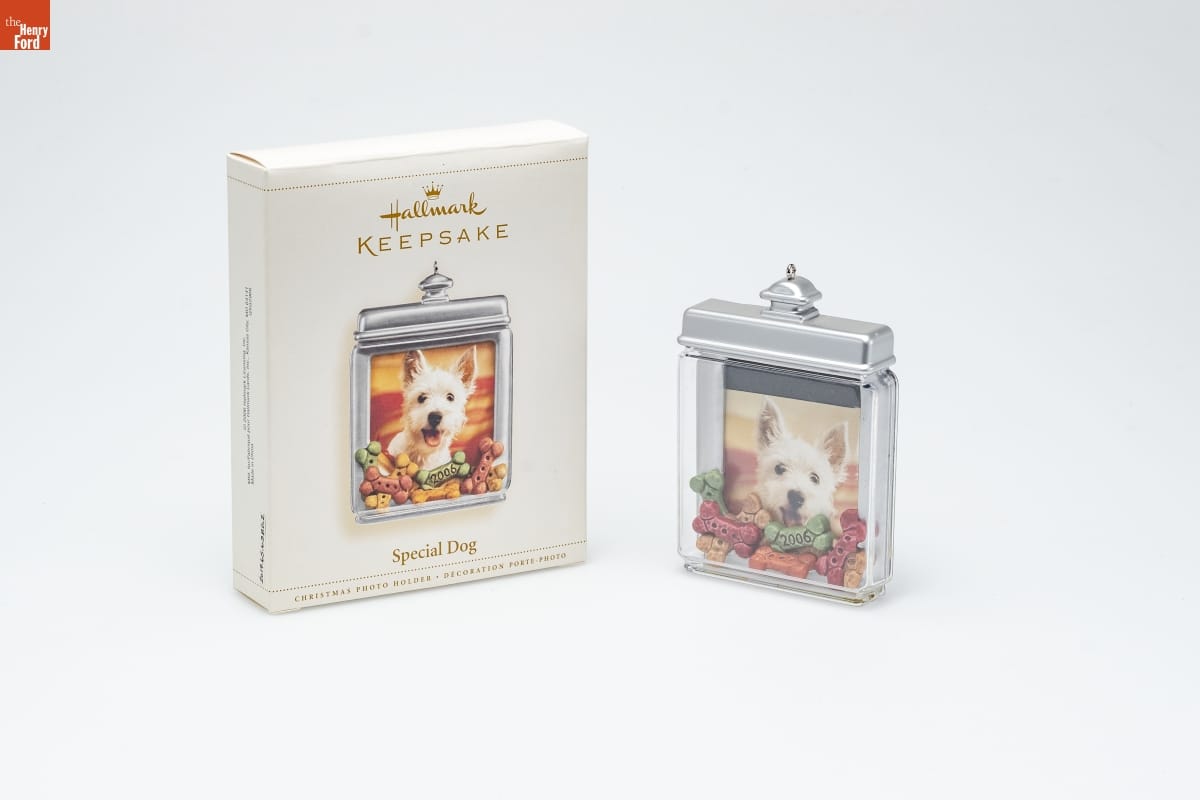
- Hallmark "Special Dog Photo Holder" Christmas Ornament, 2006 - Already known for greeting cards, Hallmark introduced a line of Christmas ornaments in 1973. The company's annual release of an increasing array of ornaments revolutionized Christmas decorating, appealing to customers' interest in marking memories and milestones as well as expressing one's personality and unique tastes.
- 2006
- Collections - Artifact
Hallmark "Special Dog Photo Holder" Christmas Ornament, 2006
Already known for greeting cards, Hallmark introduced a line of Christmas ornaments in 1973. The company's annual release of an increasing array of ornaments revolutionized Christmas decorating, appealing to customers' interest in marking memories and milestones as well as expressing one's personality and unique tastes.