
Search
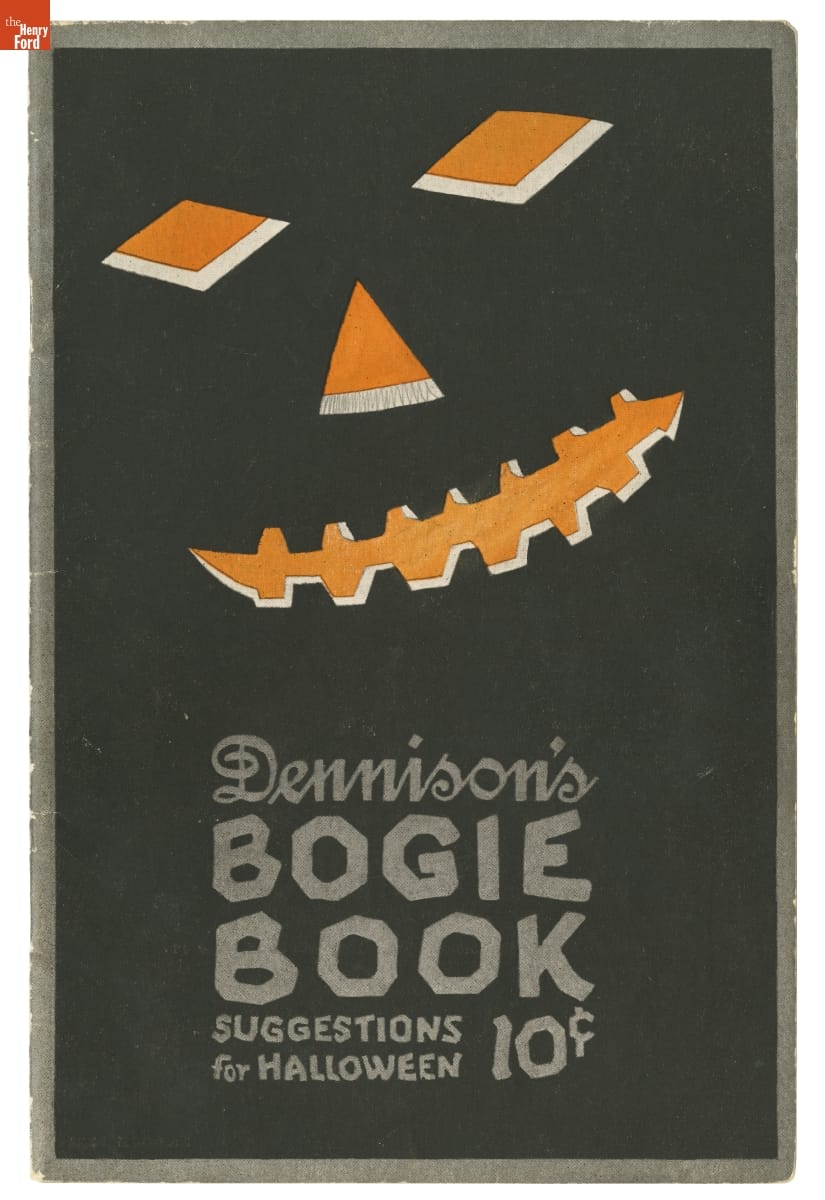
- Dennison's Bogie Book: Suggestions for Halloween, 1922 - While Halloween's origins were rooted in superstition and fortune telling, by the 1910s, Americans of all ages celebrated the holiday as a night of innocent fun. The Dennison Manufacturing Co. of Framingham, Massachusetts, published Halloween "Bogie" books from 1912 to 1935. Halloween revelers could find an array of ideas for party activities, costumes, and decorations using the company's paper products.
- 1922
- Collections - Artifact
Dennison's Bogie Book: Suggestions for Halloween, 1922
While Halloween's origins were rooted in superstition and fortune telling, by the 1910s, Americans of all ages celebrated the holiday as a night of innocent fun. The Dennison Manufacturing Co. of Framingham, Massachusetts, published Halloween "Bogie" books from 1912 to 1935. Halloween revelers could find an array of ideas for party activities, costumes, and decorations using the company's paper products.
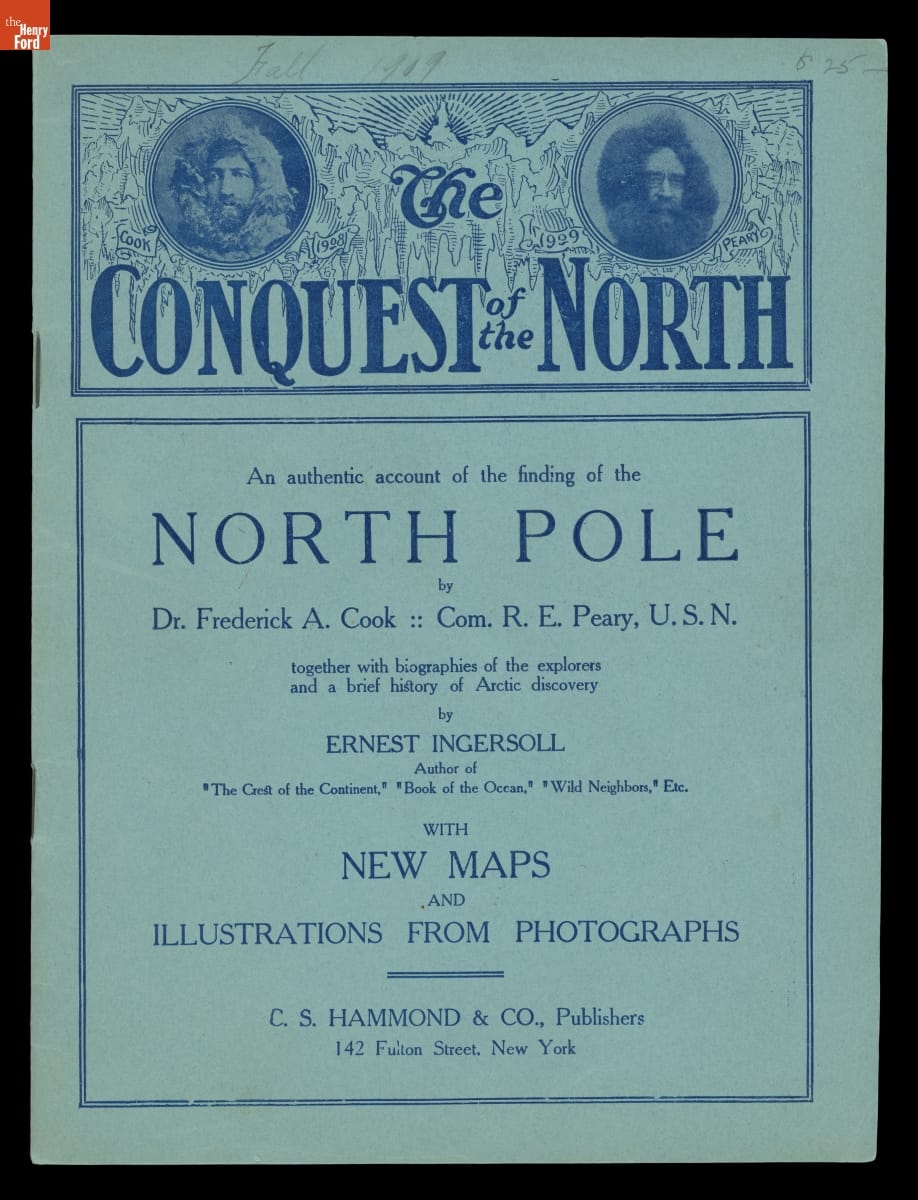
- "The Conquest of the North : An Authentic Account of the Finding of the North Pole," 1909 - In 1909, two Americans claimed to have reached the North Pole: Dr. Frederick Cook and Robert Peary. But who was first? Cook asserted he arrived at the pole in April 1908; Peary declared he made it in April 1909. Both explorers had their supporters and detractors. This publication recounts the story of each explorer's dash for the pole.
- 1909
- Collections - Artifact
"The Conquest of the North : An Authentic Account of the Finding of the North Pole," 1909
In 1909, two Americans claimed to have reached the North Pole: Dr. Frederick Cook and Robert Peary. But who was first? Cook asserted he arrived at the pole in April 1908; Peary declared he made it in April 1909. Both explorers had their supporters and detractors. This publication recounts the story of each explorer's dash for the pole.
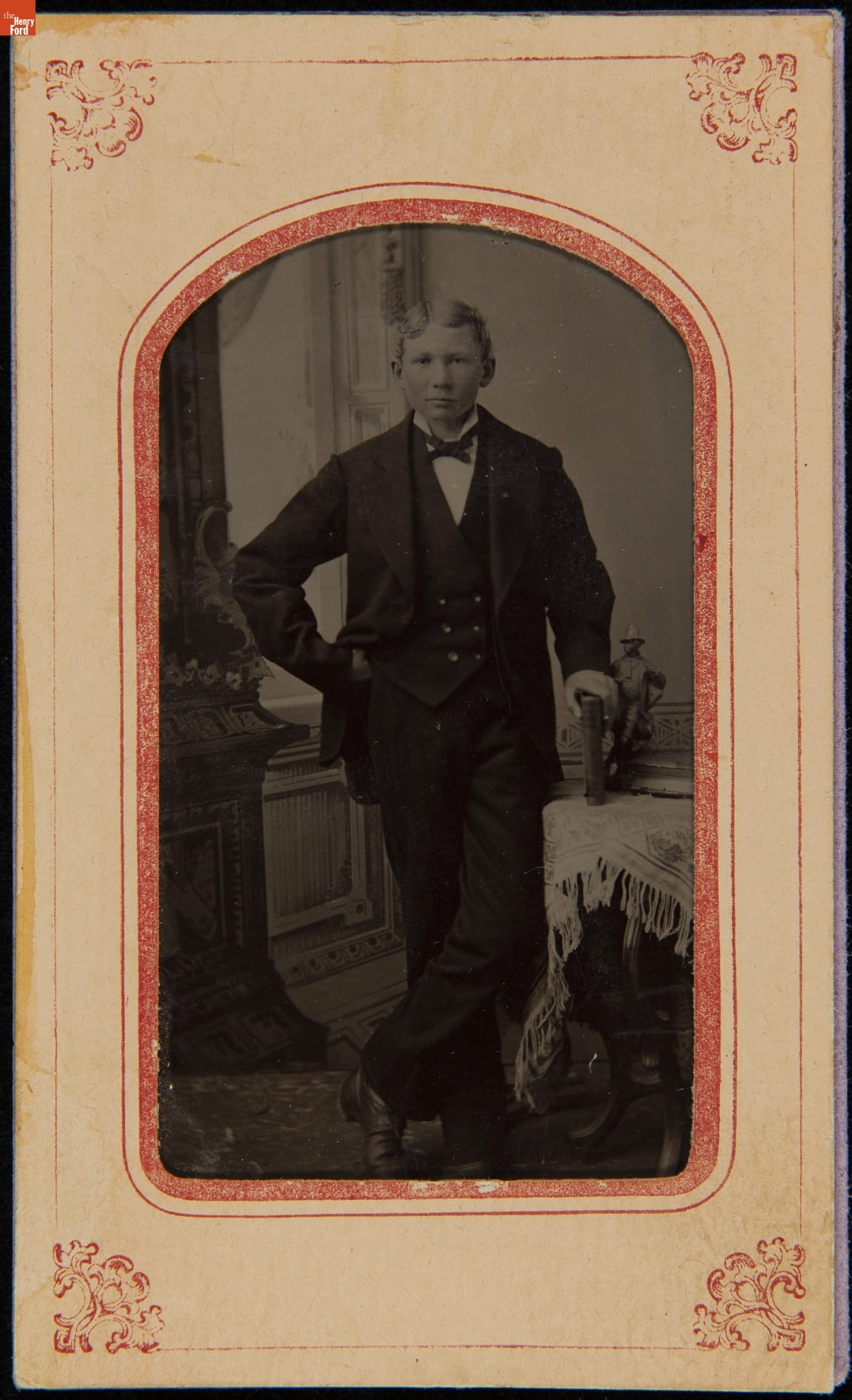
- Young Man with a Book, circa 1875 - Tintypes, the popular "instant photographs" of the 19th century, could be produced in a matter of minutes at a price most people could afford. Tintypes democratized photography. Beginning in the mid-1850s, they gave more people than ever before the chance to have a real likeness of themselves--capturing unique glimpses of how everyday Americans looked and lived.
- circa 1875
- Collections - Artifact
Young Man with a Book, circa 1875
Tintypes, the popular "instant photographs" of the 19th century, could be produced in a matter of minutes at a price most people could afford. Tintypes democratized photography. Beginning in the mid-1850s, they gave more people than ever before the chance to have a real likeness of themselves--capturing unique glimpses of how everyday Americans looked and lived.
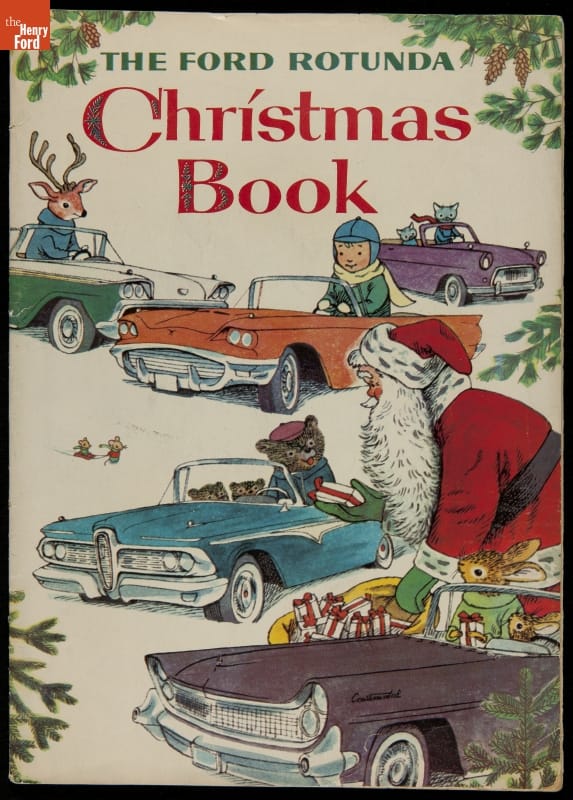
- Children's Activity Book, "Christmas at the Ford Rotunda," 1958 - After the Century of Progress Exposition ended in 1934, Ford Motor Company brought its central Rotunda building from that fair back to Dearborn. From 1936 to 1962, Ford recreated the excitement of a World's Fair exposition on its home turf. This souvenir Christmas book from 1958 was illustrated by noted children's book illustrator Richard Scarry.
- 1958
- Collections - Artifact
Children's Activity Book, "Christmas at the Ford Rotunda," 1958
After the Century of Progress Exposition ended in 1934, Ford Motor Company brought its central Rotunda building from that fair back to Dearborn. From 1936 to 1962, Ford recreated the excitement of a World's Fair exposition on its home turf. This souvenir Christmas book from 1958 was illustrated by noted children's book illustrator Richard Scarry.
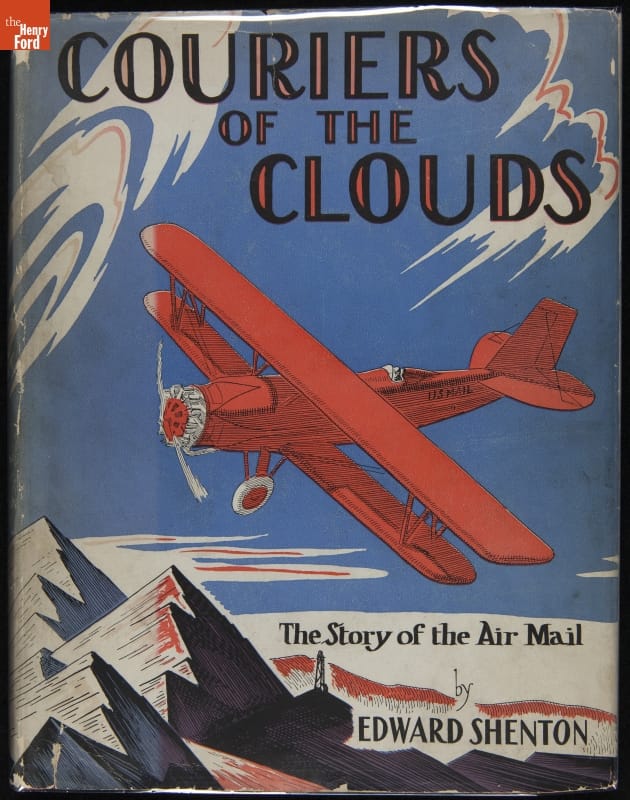
- "Couriers of the Clouds. The Romance of the Air Mail," 1930 - Published in 1930, <em>Couriers of the Clouds</em> by Edward Shenton told the story of air mail through vivid illustrations. Regular service started in 1918, with flights operated directly by the U.S. Post Office Department. Eight years later, the Post Office began contracting with commercial air carriers. Air mail subsidized the growth of America's airline network.
- 1870-1930
- Collections - Artifact
"Couriers of the Clouds. The Romance of the Air Mail," 1930
Published in 1930, Couriers of the Clouds by Edward Shenton told the story of air mail through vivid illustrations. Regular service started in 1918, with flights operated directly by the U.S. Post Office Department. Eight years later, the Post Office began contracting with commercial air carriers. Air mail subsidized the growth of America's airline network.
- "Why We Can't Wait," 1964 -

- 1964
- Collections - Artifact
"Why We Can't Wait," 1964
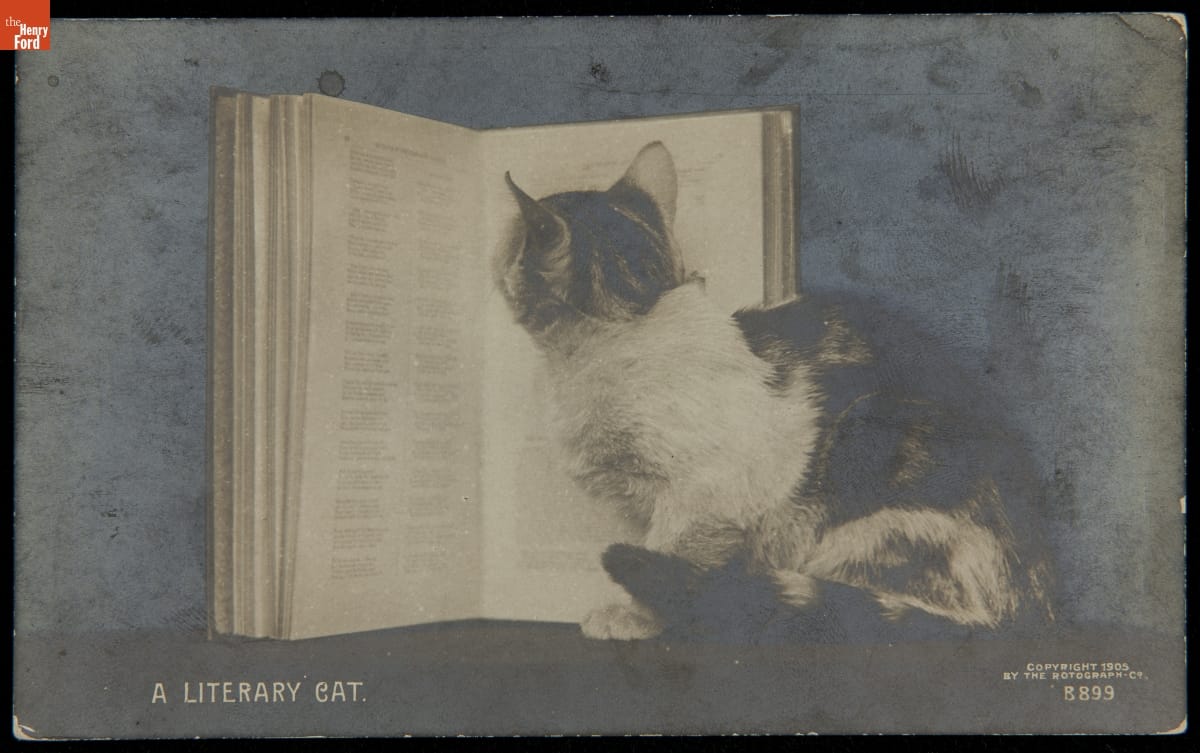
- Postcard, "A Literary Cat," 1909 - Depictions of cats and kittens often appeared in art and folk art in the United States. Inexpensive lithograph prints made in the mid-19th century helped to make this topic popular. Starting in the late 1890s picture postcards included these types of popular illustrations of cats. Sending colorful postcards through the U.S. mail continued to be widespread well into the 1910s.
- 1909
- Collections - Artifact
Postcard, "A Literary Cat," 1909
Depictions of cats and kittens often appeared in art and folk art in the United States. Inexpensive lithograph prints made in the mid-19th century helped to make this topic popular. Starting in the late 1890s picture postcards included these types of popular illustrations of cats. Sending colorful postcards through the U.S. mail continued to be widespread well into the 1910s.
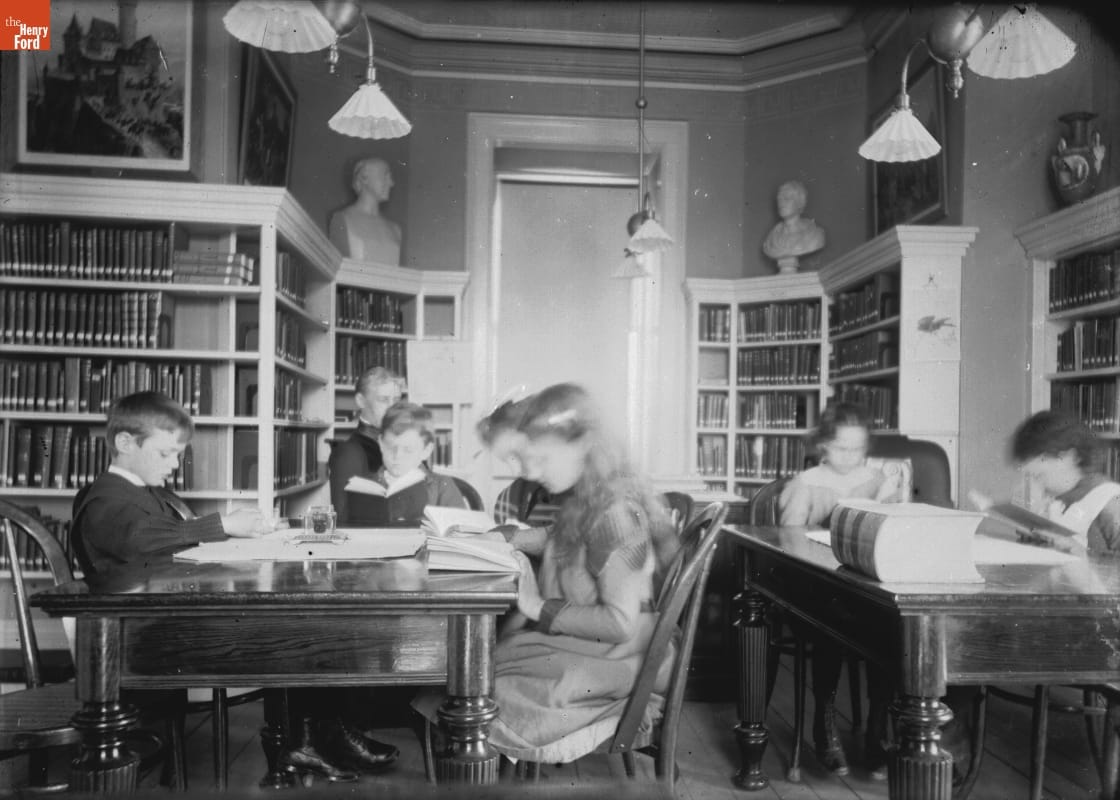
- Newark Library, 1901-1915 - In 1890, Jenny Young Chandler, 25 years old and recently widowed, began working for the <EM>New York Herald</EM>. As a photojournalist and feature writer, Chandler captured life in Brooklyn, New York, and vicinity. By 1922, the time of her death, she had produced over 800 glass plate negatives. Her sensitive, insightful photographs depict people from all walks of life and the world in which they lived.
- 1901-1915
- Collections - Artifact
Newark Library, 1901-1915
In 1890, Jenny Young Chandler, 25 years old and recently widowed, began working for the New York Herald. As a photojournalist and feature writer, Chandler captured life in Brooklyn, New York, and vicinity. By 1922, the time of her death, she had produced over 800 glass plate negatives. Her sensitive, insightful photographs depict people from all walks of life and the world in which they lived.
- "Alton Trials: of Winthrop S. Gilman...Enoch Long/Written out from Notes Taken at the Time of Trial," 1838 -

- 1838
- Collections - Artifact
"Alton Trials: of Winthrop S. Gilman...Enoch Long/Written out from Notes Taken at the Time of Trial," 1838
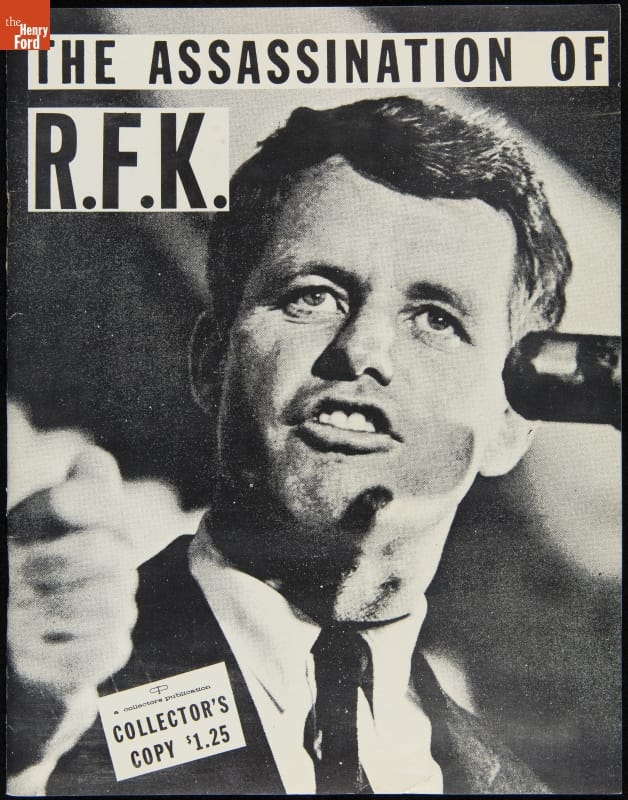
- Commemorative Book, "The Assassination of R.F.K.," 1968 - In 1968, many Americans asked themselves "What is happening to our country?" In June, Americans -- still reeling from the recent assassination of Martin Luther King, Jr. -- learned that Democratic Presidential candidate Robert "Bobby" Kennedy had been shot and mortally wounded. Many had hoped the brother of slain-President John F. Kennedy could restore faith in a country seemingly slipping into social and political turmoil.
- 1968
- Collections - Artifact
Commemorative Book, "The Assassination of R.F.K.," 1968
In 1968, many Americans asked themselves "What is happening to our country?" In June, Americans -- still reeling from the recent assassination of Martin Luther King, Jr. -- learned that Democratic Presidential candidate Robert "Bobby" Kennedy had been shot and mortally wounded. Many had hoped the brother of slain-President John F. Kennedy could restore faith in a country seemingly slipping into social and political turmoil.