
Search
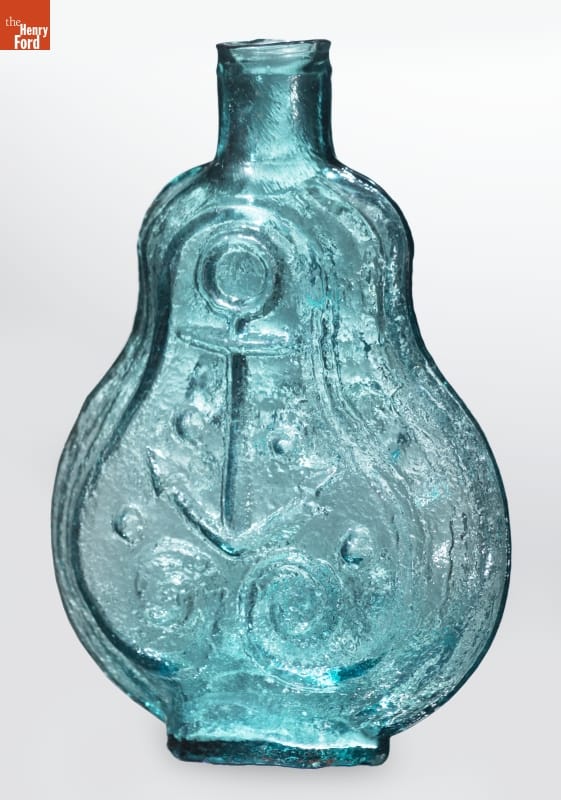
- Flask, 1830-1834 - Glass factories in America began producing inexpensive, mold-formed flasks in the early 1800s. These figured flasks appealed to America's common man. Many of these flasks contained symbols of national pride or political or cultural affiliation. Embellishments on other flasks, like this one, were purely decorative, though you will find an anchor -- a symbol of hope -- on the reverse.
- 1830-1834
- Collections - Artifact
Flask, 1830-1834
Glass factories in America began producing inexpensive, mold-formed flasks in the early 1800s. These figured flasks appealed to America's common man. Many of these flasks contained symbols of national pride or political or cultural affiliation. Embellishments on other flasks, like this one, were purely decorative, though you will find an anchor -- a symbol of hope -- on the reverse.
- Retort -
- Collections - Artifact
Retort
- Farmer's Dairy Paper Milk Bottle, 1935-1950 -
- 1935-1950
- Collections - Artifact
Farmer's Dairy Paper Milk Bottle, 1935-1950
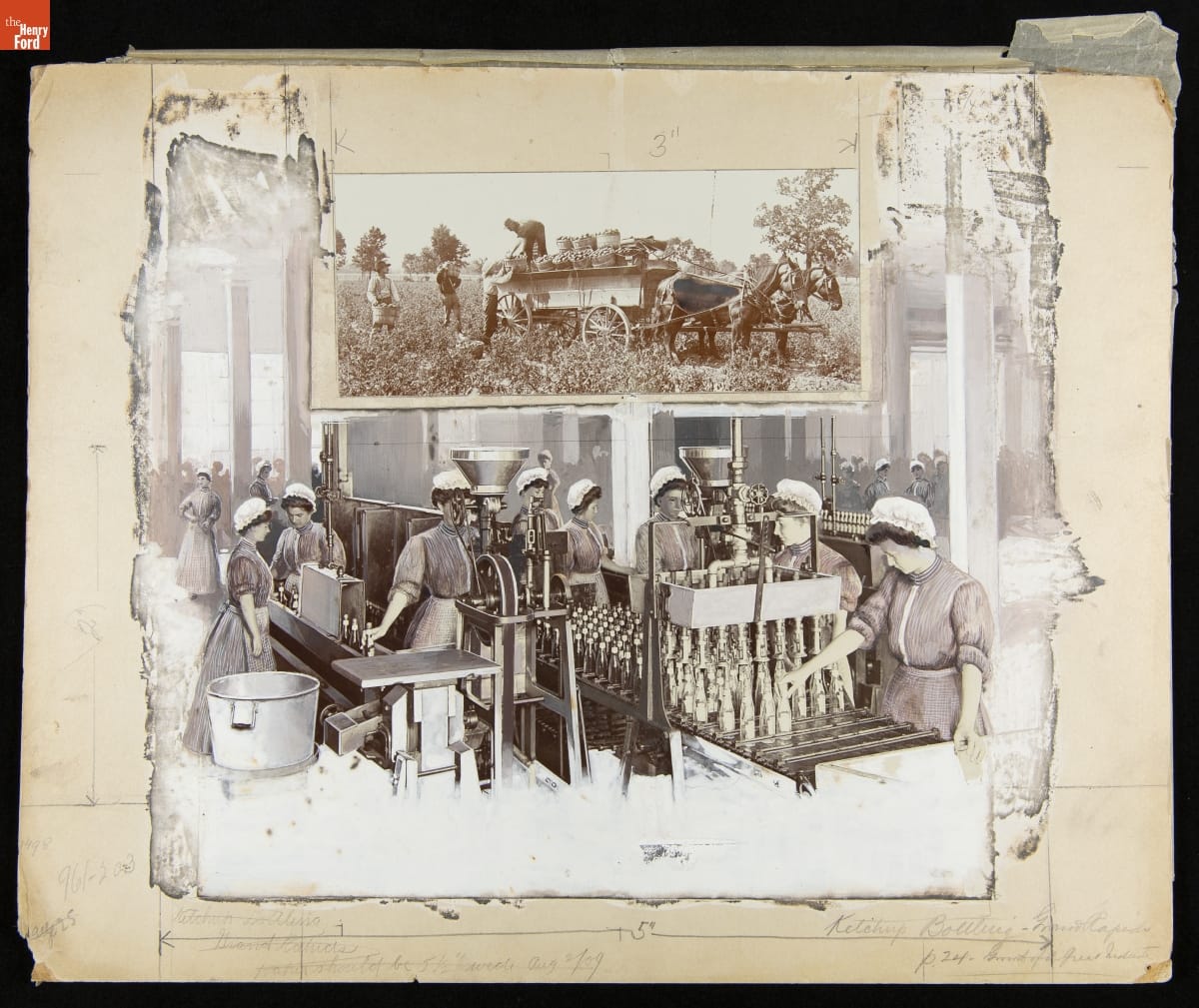
- Advertising Layout Photograph of Heinz Employees Sealing Bottles, 1909 - Before complete mechanization of the manufacturing process, many tasks at the Heinz factory were done by hand. Photographs of this process were often taken and then modified for advertising and publications. Pictured here are employees sealing bottles.
- 1909
- Collections - Artifact
Advertising Layout Photograph of Heinz Employees Sealing Bottles, 1909
Before complete mechanization of the manufacturing process, many tasks at the Heinz factory were done by hand. Photographs of this process were often taken and then modified for advertising and publications. Pictured here are employees sealing bottles.
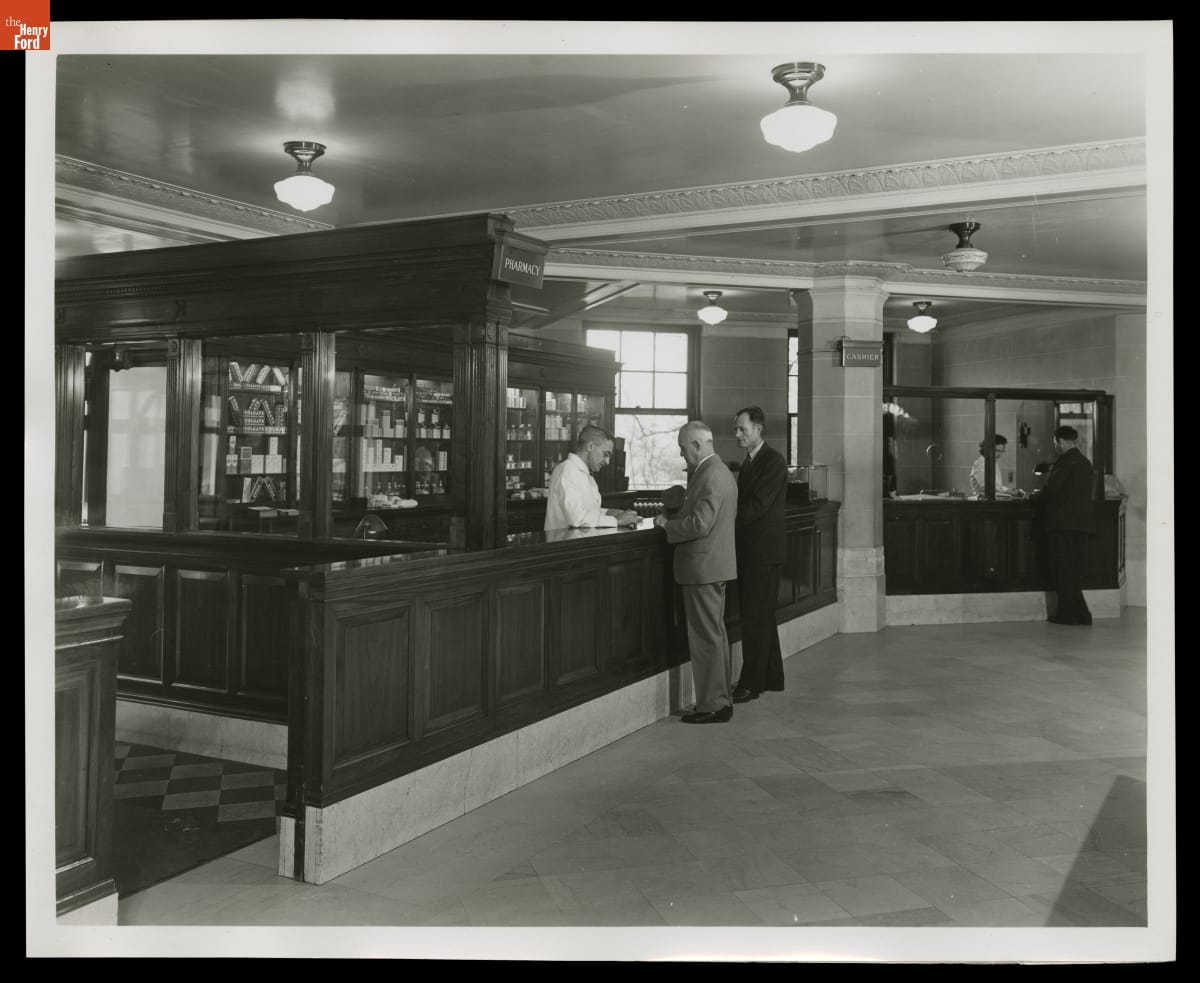
- Pharmacy Counter at Henry Ford Hospital, Detroit, Michigan, November 1946 - In 1915, Henry Ford funded a new hospital for Detroit. Designed and built in consultation with leading medical experts, Henry Ford Hospital employed salaried doctors and charged low, fixed fees to patients. By Mr. Ford's death in 1947, some 1,600 people were on the hospital's staff and more than $16.5 million had been invested in the facility.
- November 06, 1946
- Collections - Artifact
Pharmacy Counter at Henry Ford Hospital, Detroit, Michigan, November 1946
In 1915, Henry Ford funded a new hospital for Detroit. Designed and built in consultation with leading medical experts, Henry Ford Hospital employed salaried doctors and charged low, fixed fees to patients. By Mr. Ford's death in 1947, some 1,600 people were on the hospital's staff and more than $16.5 million had been invested in the facility.
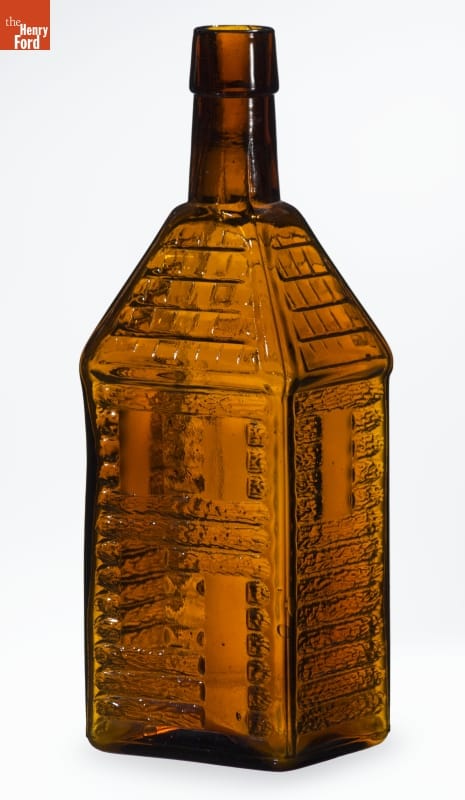
- Holtzerman's Patent Stomach Bitters, 1862-1890 - Bitters is an herb-infused alcoholic mixture. Named for its bitter taste, the liquid was originally developed as a medicinal tonic to help soothe stomach complaints or other digestive disorders. During the late 19th and early 20th centuries, patent-medicine dealers bottled and sold the elixir. Americans purchased bitters in simple mold-blown bottles or ones shaped like drums, barrels, or cabins.
- 1862-1890
- Collections - Artifact
Holtzerman's Patent Stomach Bitters, 1862-1890
Bitters is an herb-infused alcoholic mixture. Named for its bitter taste, the liquid was originally developed as a medicinal tonic to help soothe stomach complaints or other digestive disorders. During the late 19th and early 20th centuries, patent-medicine dealers bottled and sold the elixir. Americans purchased bitters in simple mold-blown bottles or ones shaped like drums, barrels, or cabins.
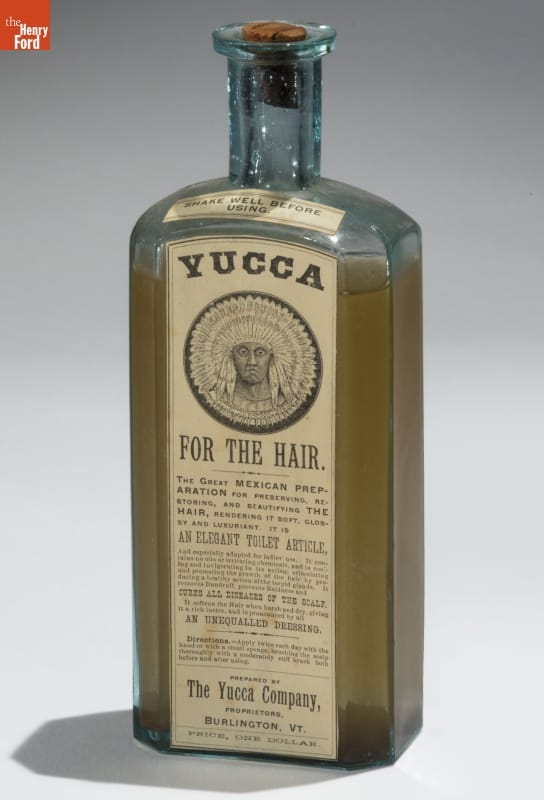
- Yucca for the Hair and Scalp, 1890-1901 - People have sought a cure for hair loss for thousands of years. In the late nineteenth-century, the makers of "Yucca for the Hair" marketed their concoction as a cure for baldness, dandruff, and other diseases of the scalp. The proprietors of this patent medicine claimed the plant-based extract invigorated the scalp, promoted hair growth and rendered hair "soft, glossy and luxuriant."
- 1890-1901
- Collections - Artifact
Yucca for the Hair and Scalp, 1890-1901
People have sought a cure for hair loss for thousands of years. In the late nineteenth-century, the makers of "Yucca for the Hair" marketed their concoction as a cure for baldness, dandruff, and other diseases of the scalp. The proprietors of this patent medicine claimed the plant-based extract invigorated the scalp, promoted hair growth and rendered hair "soft, glossy and luxuriant."
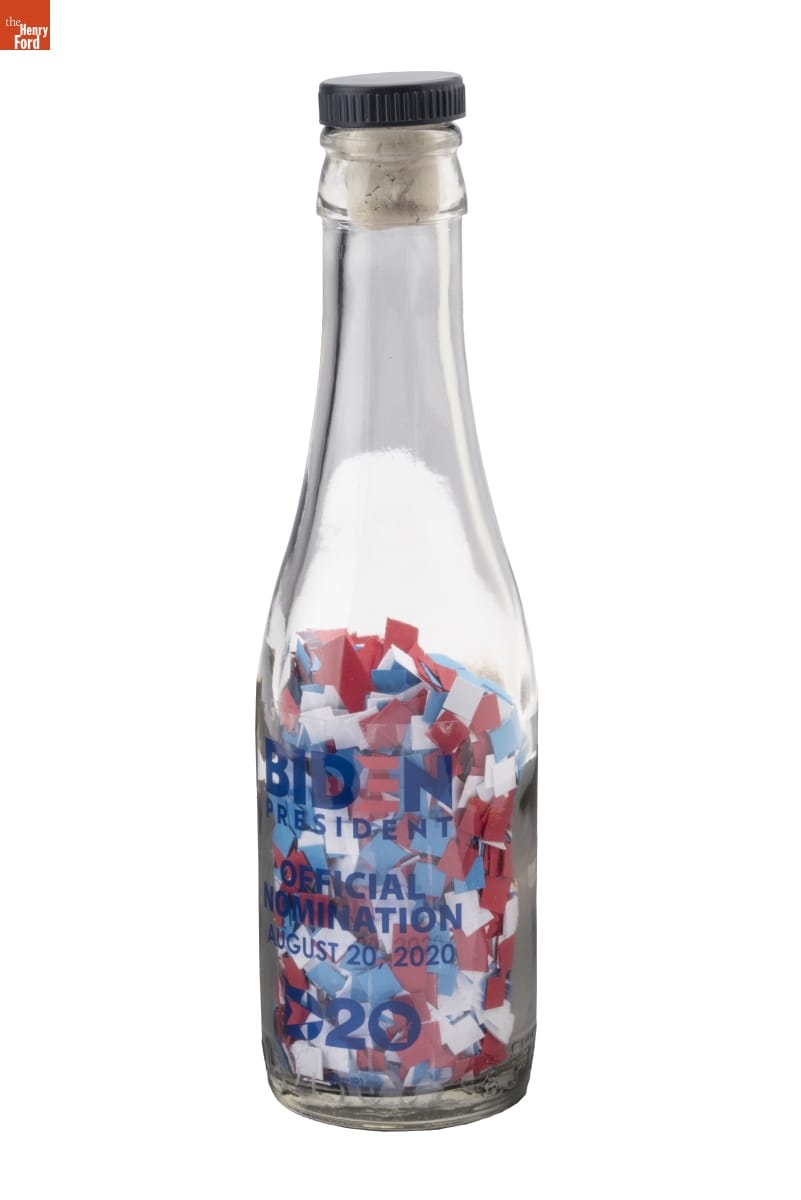
- Bottle of Confetti, Presented at 2020 Democratic National Convention, August 2020 - Democrats held a shortened and downsized national convention in August 2020 in Milwaukee, Wisconsin, due to the COVID-19 pandemic. Many meetings and activities were held virtually during the three-day convention. Still, delegates arrived and received campaign material supporting their nominees, Joseph "Joe" Biden and Kamala Harris. The ticket went on to win the election.
- 17 August 2020 - 20 August 2020
- Collections - Artifact
Bottle of Confetti, Presented at 2020 Democratic National Convention, August 2020
Democrats held a shortened and downsized national convention in August 2020 in Milwaukee, Wisconsin, due to the COVID-19 pandemic. Many meetings and activities were held virtually during the three-day convention. Still, delegates arrived and received campaign material supporting their nominees, Joseph "Joe" Biden and Kamala Harris. The ticket went on to win the election.
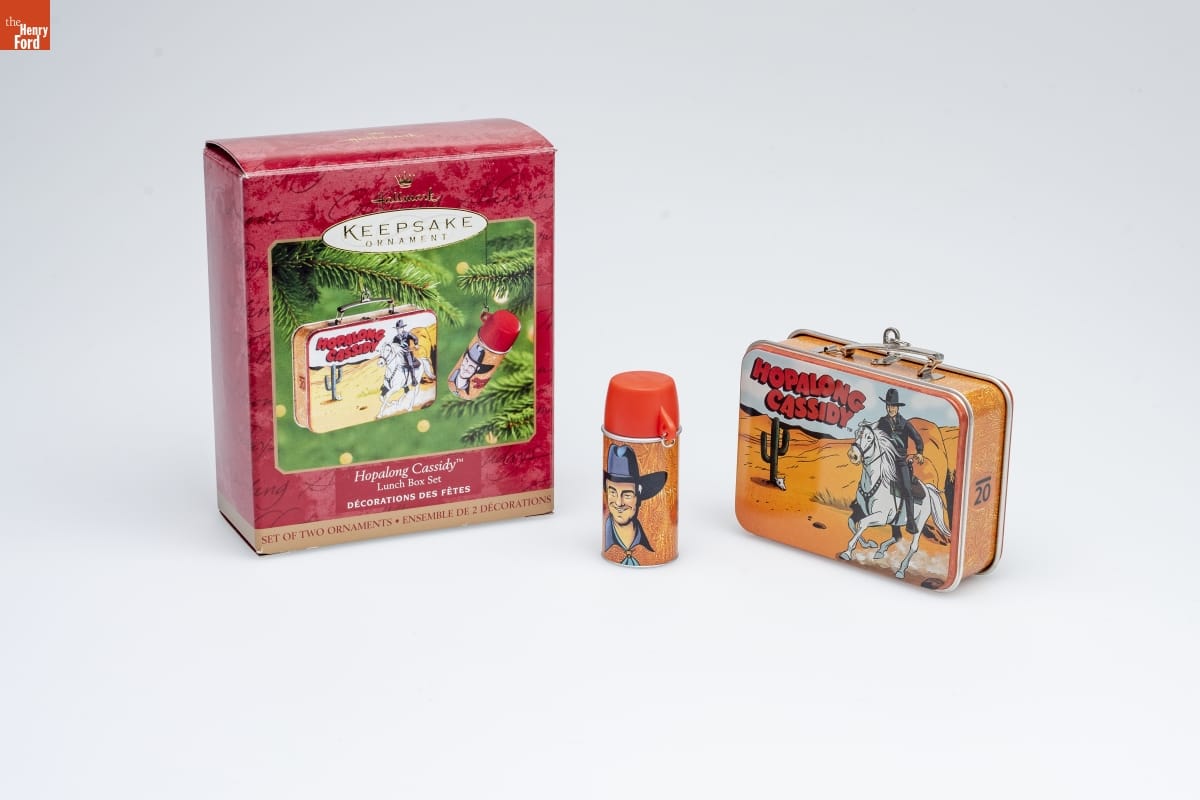
- Hallmark "Hopalong Cassidy Lunch Box Set" Christmas Ornaments, 2000 - Already known for greeting cards, Hallmark introduced a line of Christmas ornaments in 1973. The company's annual release of an increasing array of ornaments revolutionized Christmas decorating, appealing to customers' interest in marking memories and milestones as well as expressing one's personality and unique tastes.
- 2000
- Collections - Artifact
Hallmark "Hopalong Cassidy Lunch Box Set" Christmas Ornaments, 2000
Already known for greeting cards, Hallmark introduced a line of Christmas ornaments in 1973. The company's annual release of an increasing array of ornaments revolutionized Christmas decorating, appealing to customers' interest in marking memories and milestones as well as expressing one's personality and unique tastes.
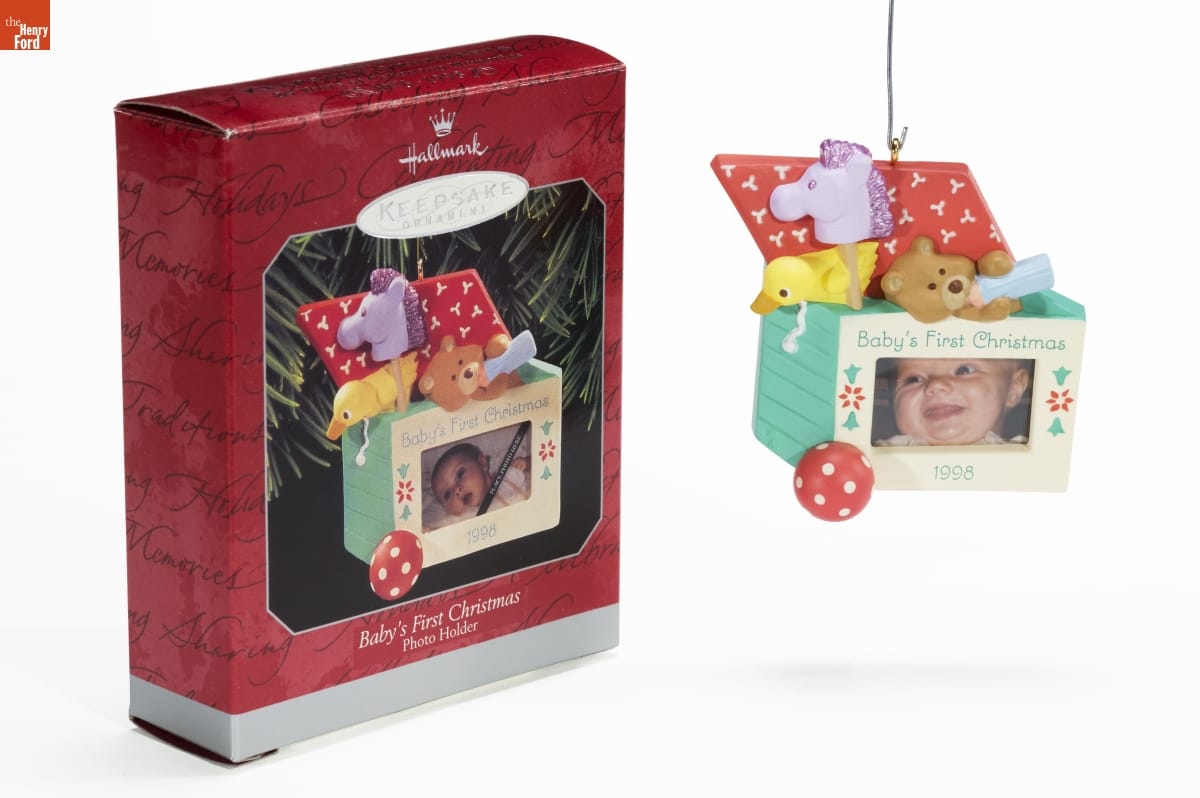
- Hallmark "Baby's First Christmas Photo Holder" Christmas Ornament, 1998 - Already known for greeting cards, Hallmark introduced a line of Christmas ornaments in 1973. The company's annual release of an increasing array of ornaments revolutionized Christmas decorating, appealing to customers' interest in marking memories and milestones as well as expressing one's personality and unique tastes.
- 1998
- Collections - Artifact
Hallmark "Baby's First Christmas Photo Holder" Christmas Ornament, 1998
Already known for greeting cards, Hallmark introduced a line of Christmas ornaments in 1973. The company's annual release of an increasing array of ornaments revolutionized Christmas decorating, appealing to customers' interest in marking memories and milestones as well as expressing one's personality and unique tastes.