
Search
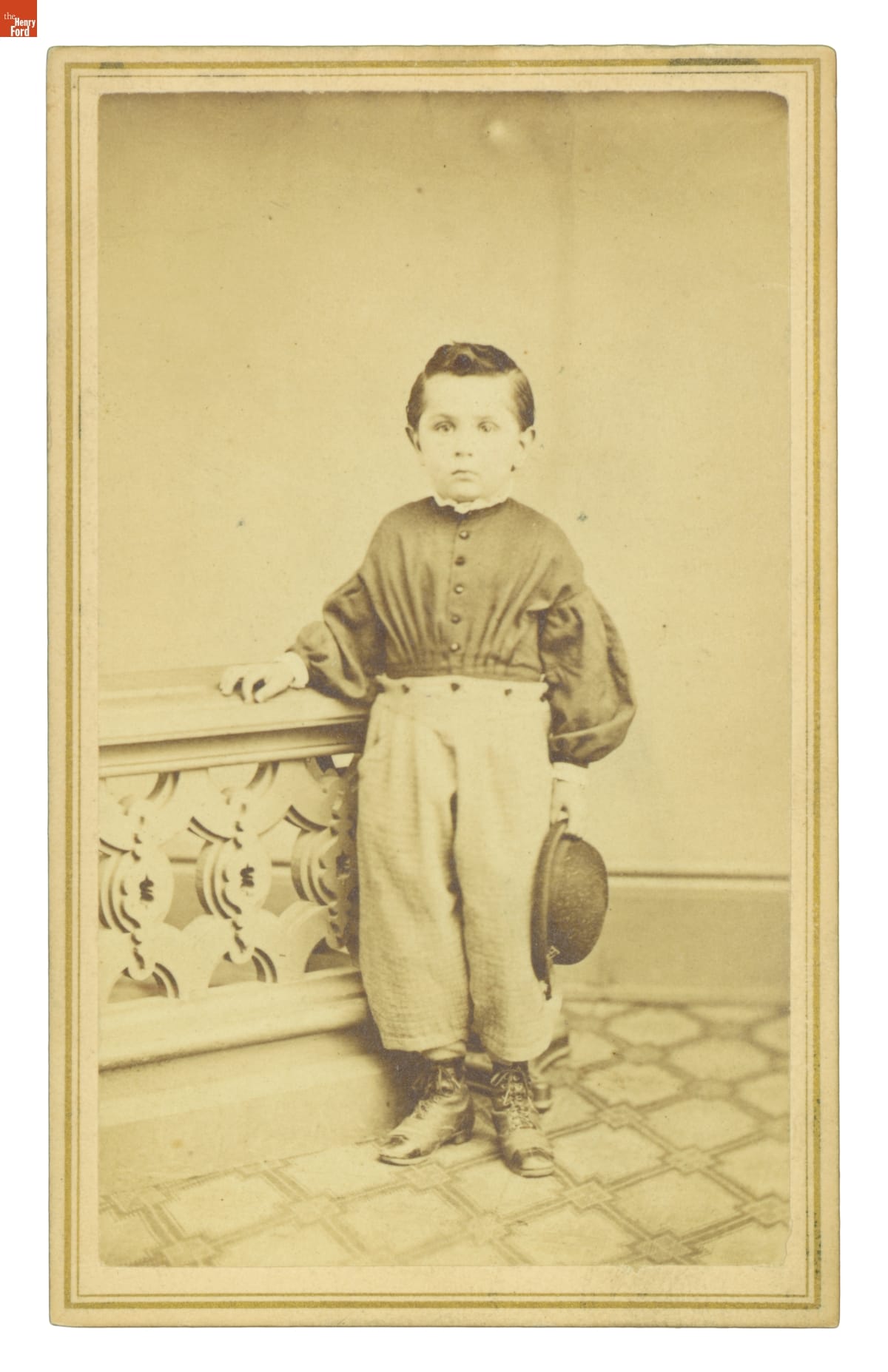
- Young Boy Holding his Hat, circa 1865 -
- circa 1865
- Collections - Artifact
Young Boy Holding his Hat, circa 1865
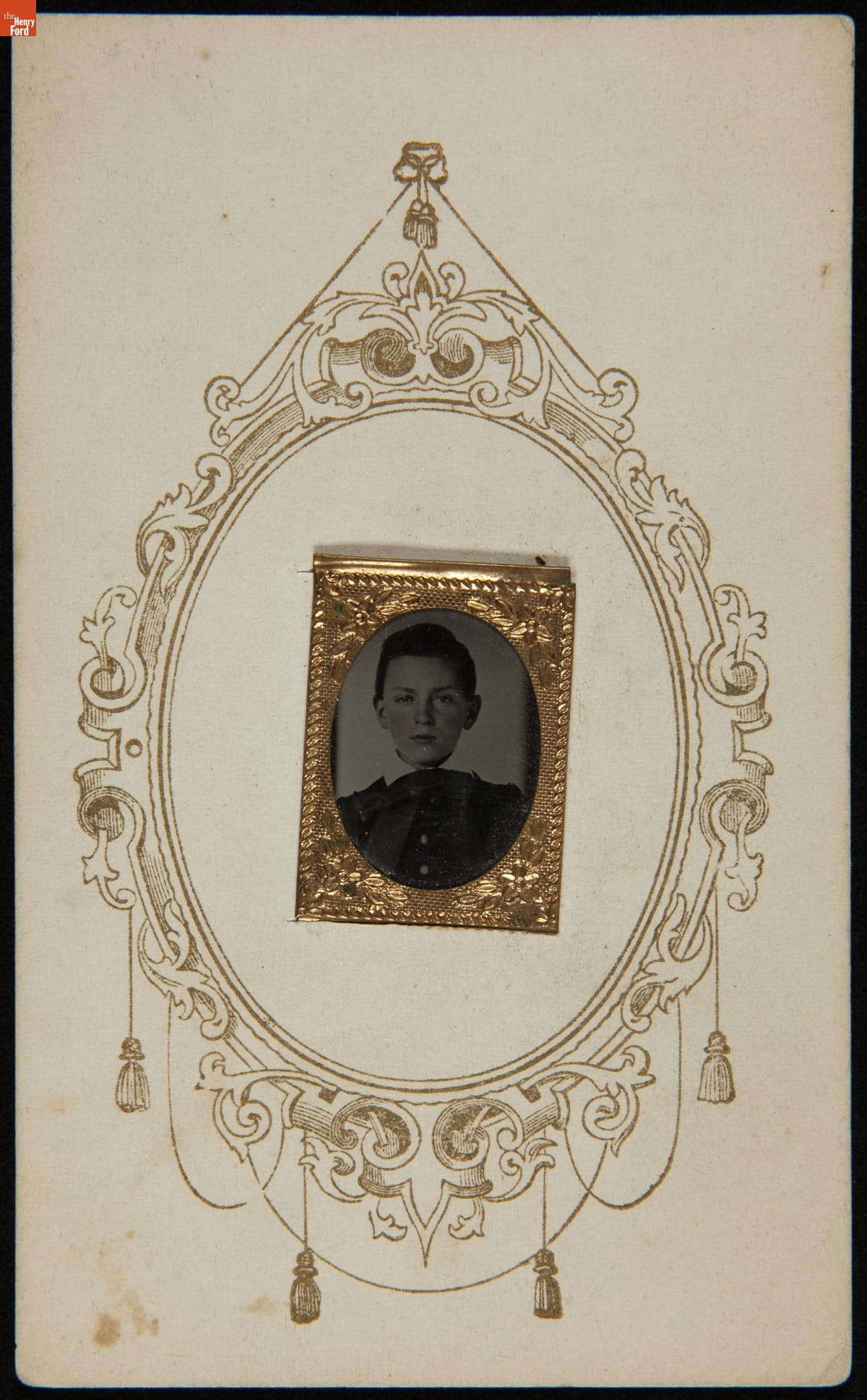
- Gem Portrait of Theodore Van West, 1864-1871 - Tintypes, the popular "instant photographs" of the 19th century, could be produced in a matter of minutes at a price most people could afford. Tintypes democratized photography. Beginning in the mid-1850s, they gave more people than ever before the chance to have a real likeness of themselves--capturing unique glimpses of how everyday Americans looked and lived.
- 1864-1871
- Collections - Artifact
Gem Portrait of Theodore Van West, 1864-1871
Tintypes, the popular "instant photographs" of the 19th century, could be produced in a matter of minutes at a price most people could afford. Tintypes democratized photography. Beginning in the mid-1850s, they gave more people than ever before the chance to have a real likeness of themselves--capturing unique glimpses of how everyday Americans looked and lived.
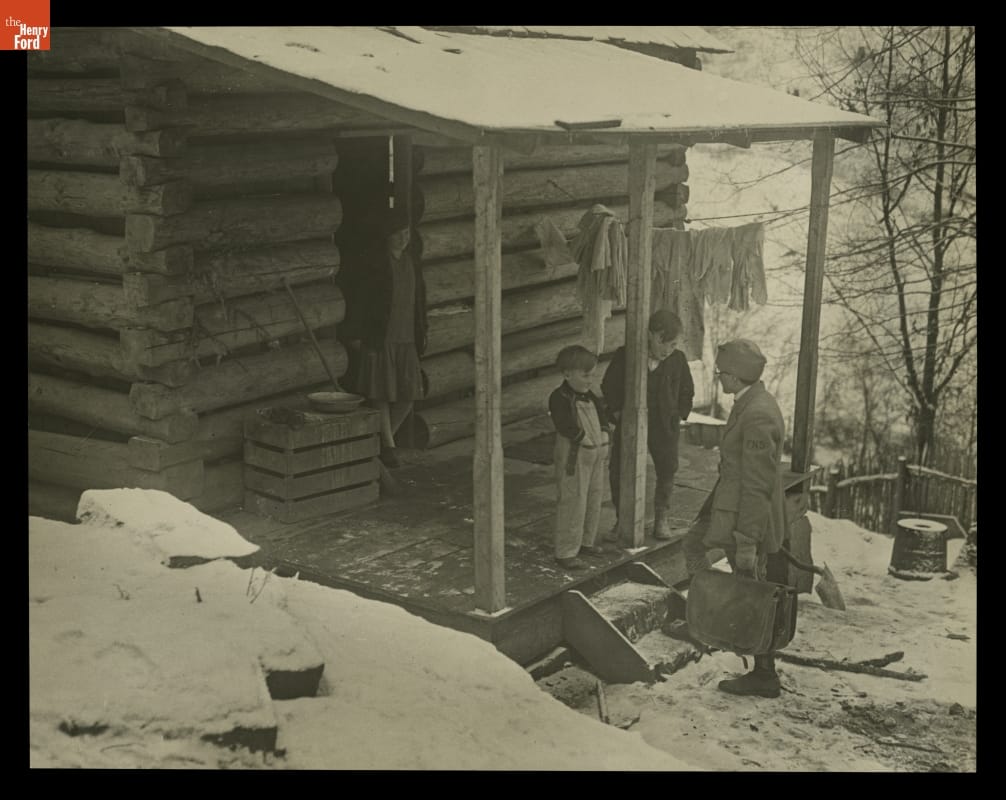
- Frontier Nursing Service, "The Nurse on Her Rounds," 1931 - Mary Breckinridge, the daughter of a prominent Southern family, established the Frontier Nursing Service (FNS) in 1925. Breckinridge initially backed the enterprise with her own money, but soon cultivated wealthy individuals, including Clara Ford and her son Edsel, to help support the FNS. Through her philanthropic efforts, Breckinridge brought qualified nurse-midwives and modern, life-saving healthcare to many inaccessible areas of eastern Kentucky.
- 1931
- Collections - Artifact
Frontier Nursing Service, "The Nurse on Her Rounds," 1931
Mary Breckinridge, the daughter of a prominent Southern family, established the Frontier Nursing Service (FNS) in 1925. Breckinridge initially backed the enterprise with her own money, but soon cultivated wealthy individuals, including Clara Ford and her son Edsel, to help support the FNS. Through her philanthropic efforts, Breckinridge brought qualified nurse-midwives and modern, life-saving healthcare to many inaccessible areas of eastern Kentucky.
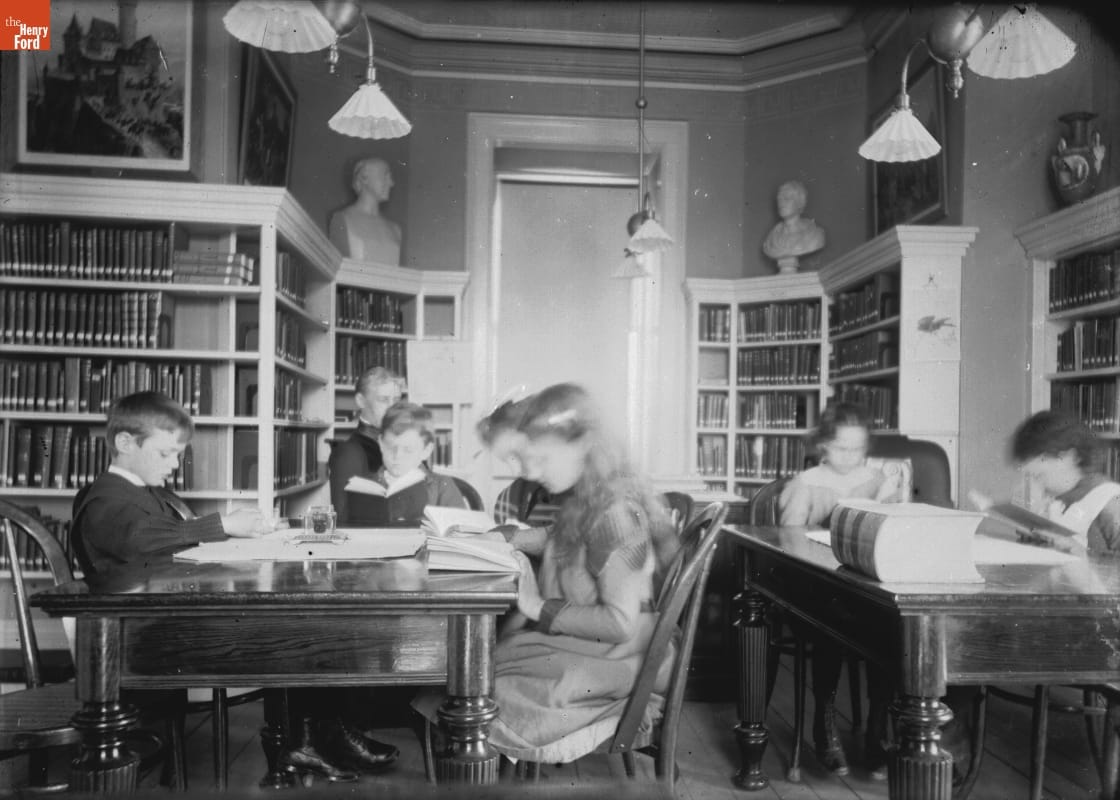
- Newark Library, 1901-1915 - In 1890, Jenny Young Chandler, 25 years old and recently widowed, began working for the <EM>New York Herald</EM>. As a photojournalist and feature writer, Chandler captured life in Brooklyn, New York, and vicinity. By 1922, the time of her death, she had produced over 800 glass plate negatives. Her sensitive, insightful photographs depict people from all walks of life and the world in which they lived.
- 1901-1915
- Collections - Artifact
Newark Library, 1901-1915
In 1890, Jenny Young Chandler, 25 years old and recently widowed, began working for the New York Herald. As a photojournalist and feature writer, Chandler captured life in Brooklyn, New York, and vicinity. By 1922, the time of her death, she had produced over 800 glass plate negatives. Her sensitive, insightful photographs depict people from all walks of life and the world in which they lived.
- Boy's Boots, circa 1900 -

- circa 1900
- Collections - Artifact
Boy's Boots, circa 1900
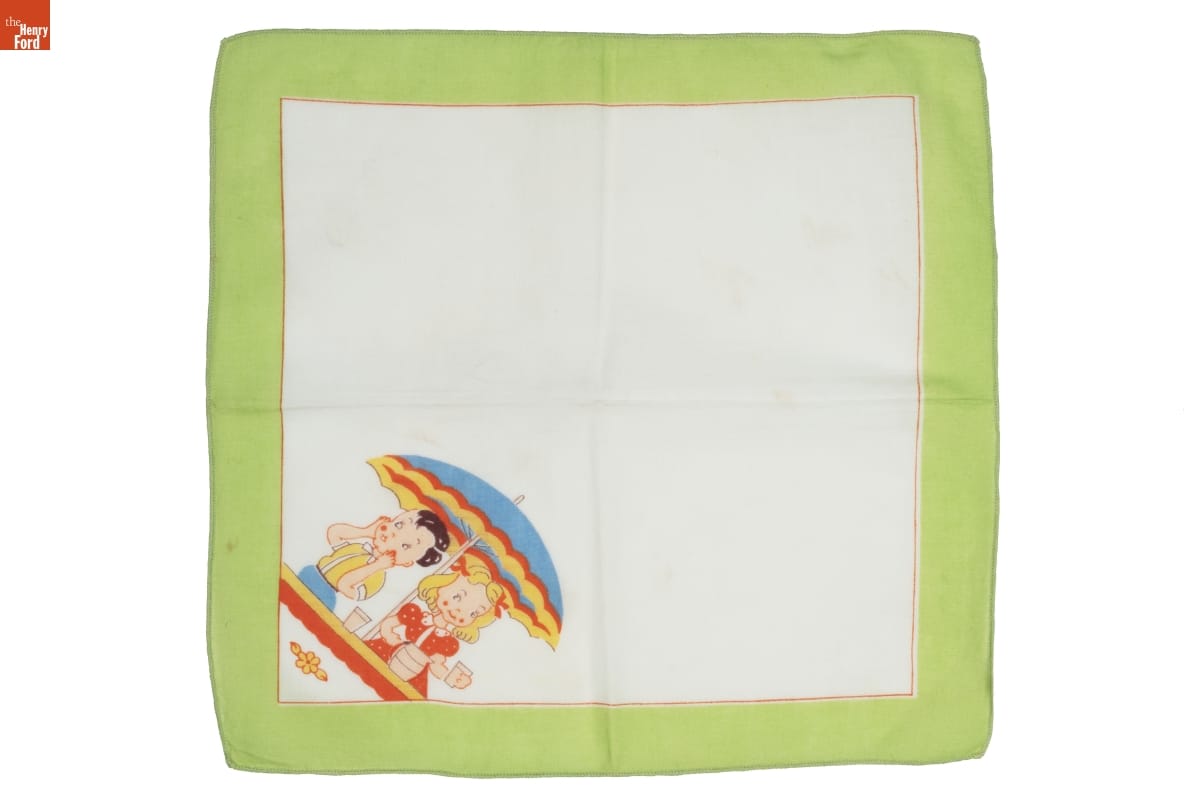
- Child's Handkerchief, 1945-1955 - Before disposable tissues became popular, people carried cloth handkerchiefs to help with sneezes and sniffles. Children's versions were made with images and in colors designed to appeal to these smaller folk.
- 1945-1955
- Collections - Artifact
Child's Handkerchief, 1945-1955
Before disposable tissues became popular, people carried cloth handkerchiefs to help with sneezes and sniffles. Children's versions were made with images and in colors designed to appeal to these smaller folk.
- Collectible La-Z-Boy Toy Semi Truck, 1989-2001 -

- 1989-2001
- Collections - Artifact
Collectible La-Z-Boy Toy Semi Truck, 1989-2001
- The Hooded Hawk Mystery, 1954 -

- 1954
- Collections - Artifact
The Hooded Hawk Mystery, 1954
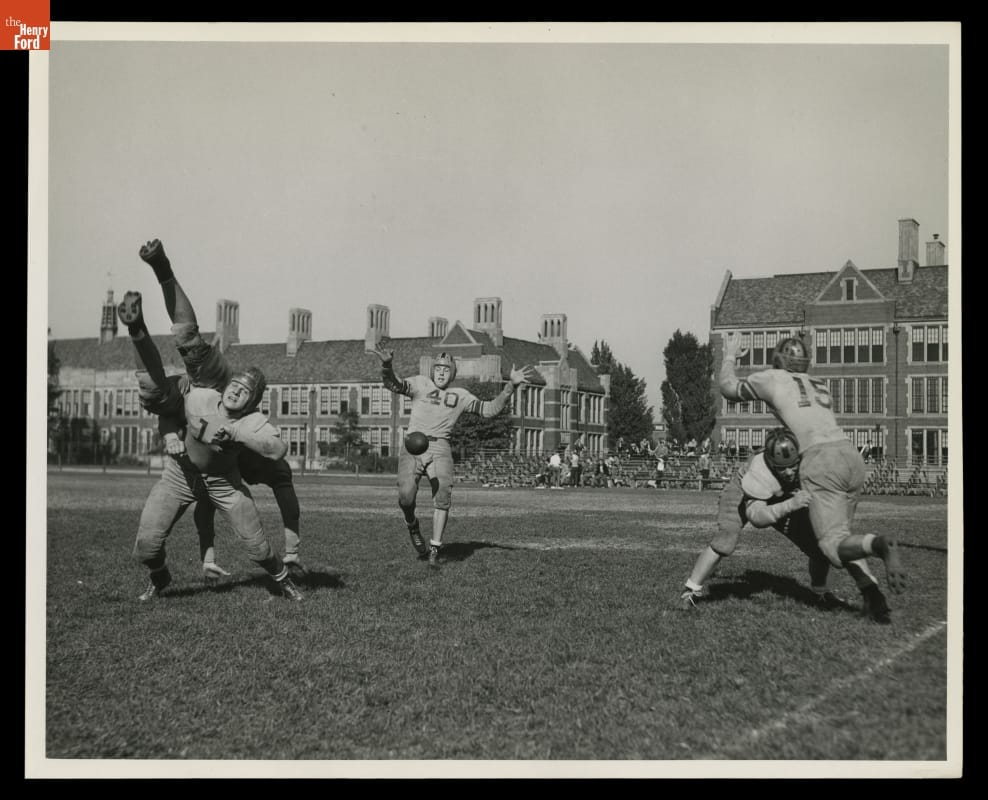
- Advertising Photograph for the Detroit Catholic Central versus Boys Town Football Game on October 22, 1944 -
- October 14, 1944
- Collections - Artifact
Advertising Photograph for the Detroit Catholic Central versus Boys Town Football Game on October 22, 1944
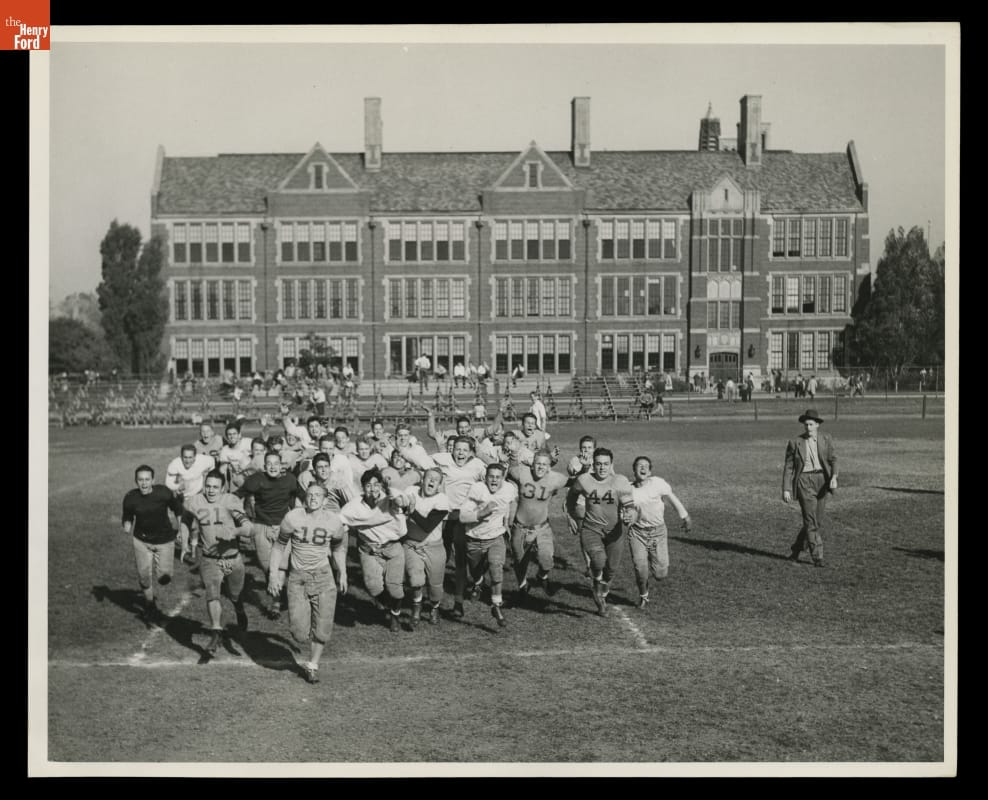
- Advertising Photograph for the Detroit Catholic Central versus Boys Town Football Game on October 22, 1944 -
- October 14, 1944
- Collections - Artifact
Advertising Photograph for the Detroit Catholic Central versus Boys Town Football Game on October 22, 1944