
Search
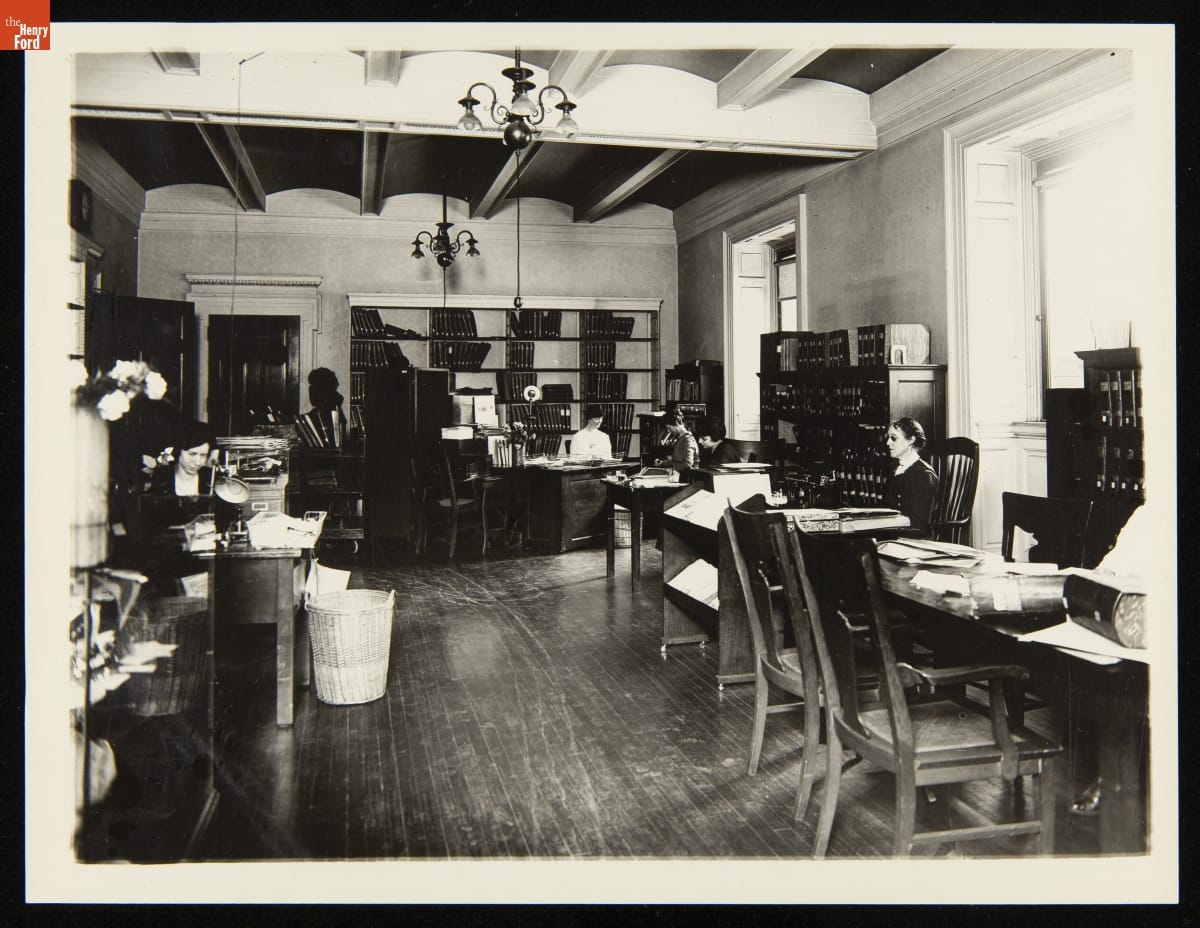
- Reading Room in the Library for the Blind at the Library of Congress, 1909-1922 - In 1897, the Library of Congress inaugurated services for the visually impaired when it established a reading room containing about 500 books with raised characters. Services expanded when Congress directed the American Printing House for the Blind to begin depositing embossed books to the library in 1913. Congress later appropriated separate funds for books and services for blind U.S. residents in 1931.
- 1909-1922
- Collections - Artifact
Reading Room in the Library for the Blind at the Library of Congress, 1909-1922
In 1897, the Library of Congress inaugurated services for the visually impaired when it established a reading room containing about 500 books with raised characters. Services expanded when Congress directed the American Printing House for the Blind to begin depositing embossed books to the library in 1913. Congress later appropriated separate funds for books and services for blind U.S. residents in 1931.
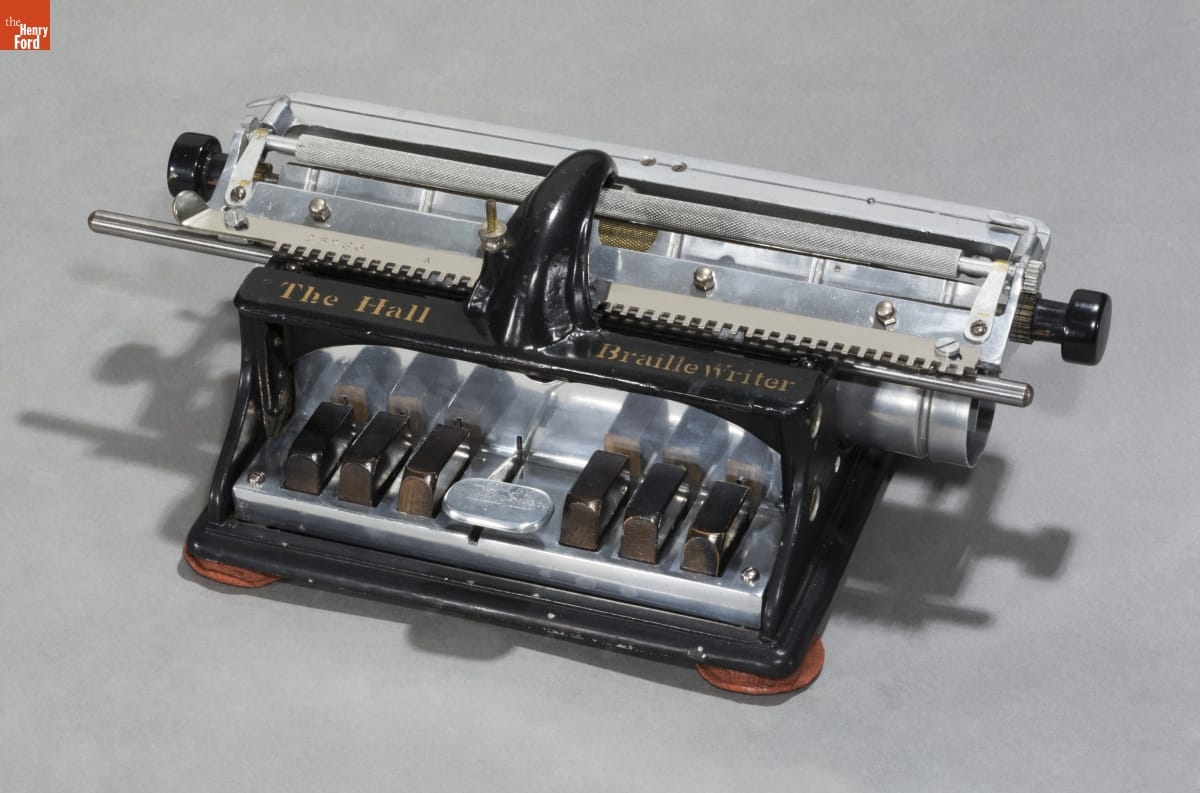
- Hall Braille Writer, 1913-1929 - In 1892, Frank Haven Hall, superintendent of the Illinois Institution for the Blind, used typewriter principles to develop this Hall Braille Writer, an influential device for visually impaired writers. The machine made writing in Braille much faster, and helped Braille, which combines 6 "points" to make all letters and symbols, beat out the other tactile alphabets to become a standard writing system.
- 1913-1929
- Collections - Artifact
Hall Braille Writer, 1913-1929
In 1892, Frank Haven Hall, superintendent of the Illinois Institution for the Blind, used typewriter principles to develop this Hall Braille Writer, an influential device for visually impaired writers. The machine made writing in Braille much faster, and helped Braille, which combines 6 "points" to make all letters and symbols, beat out the other tactile alphabets to become a standard writing system.