
Search
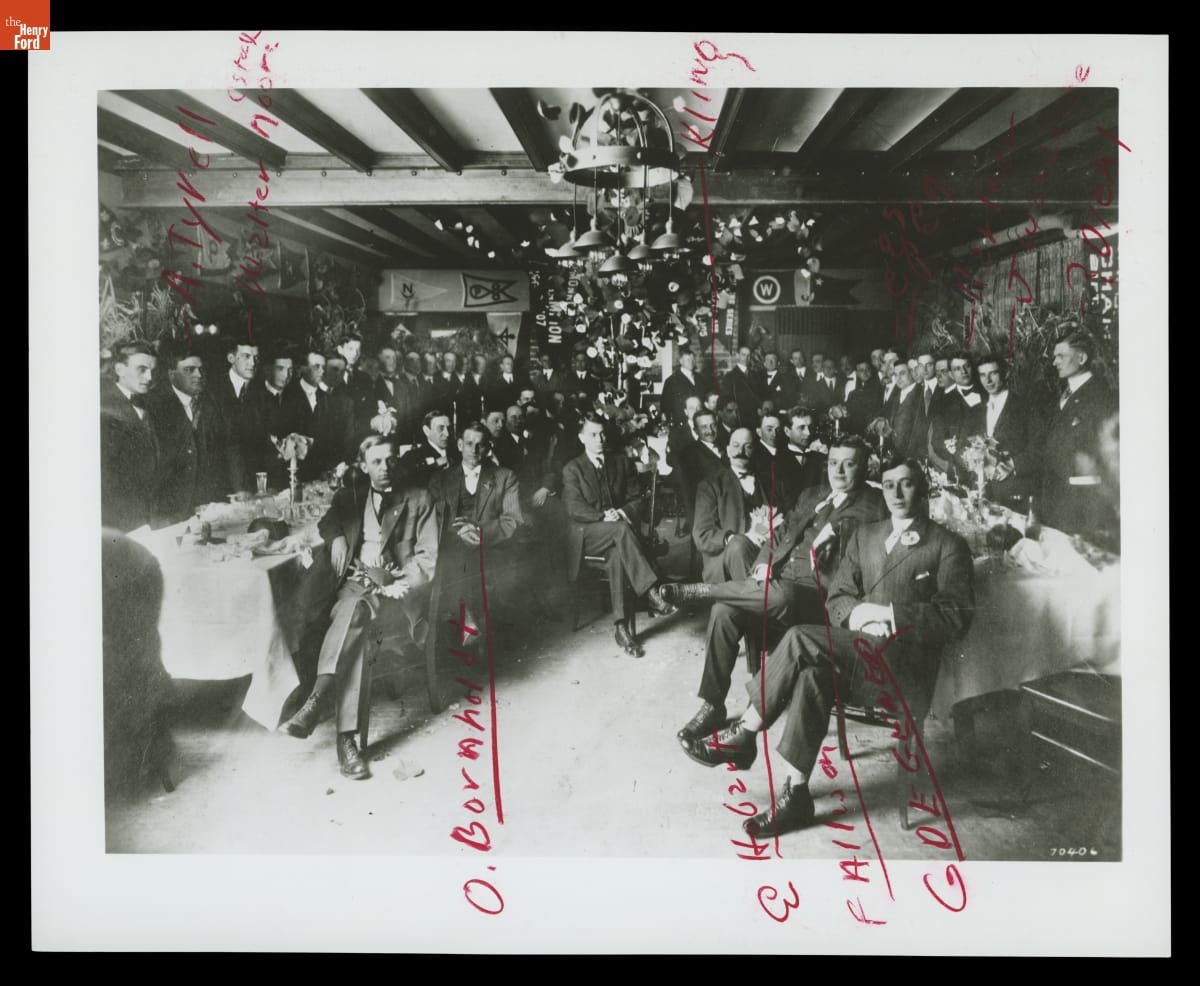
- Ford Motor Company Branch Managers Meeting, 1909 - Ford Motor Company distributed its vehicles around the country -- ultimately around the world -- through a network of branch houses in major cities. These branches, in turn, supplied vehicles to dealers. This allowed Ford to maintain consistent prices and service everywhere. Ford hosted its branch managers at regular meetings in Detroit, where they were updated on the company's latest activities.
- June 17, 1942
- Collections - Artifact
Ford Motor Company Branch Managers Meeting, 1909
Ford Motor Company distributed its vehicles around the country -- ultimately around the world -- through a network of branch houses in major cities. These branches, in turn, supplied vehicles to dealers. This allowed Ford to maintain consistent prices and service everywhere. Ford hosted its branch managers at regular meetings in Detroit, where they were updated on the company's latest activities.
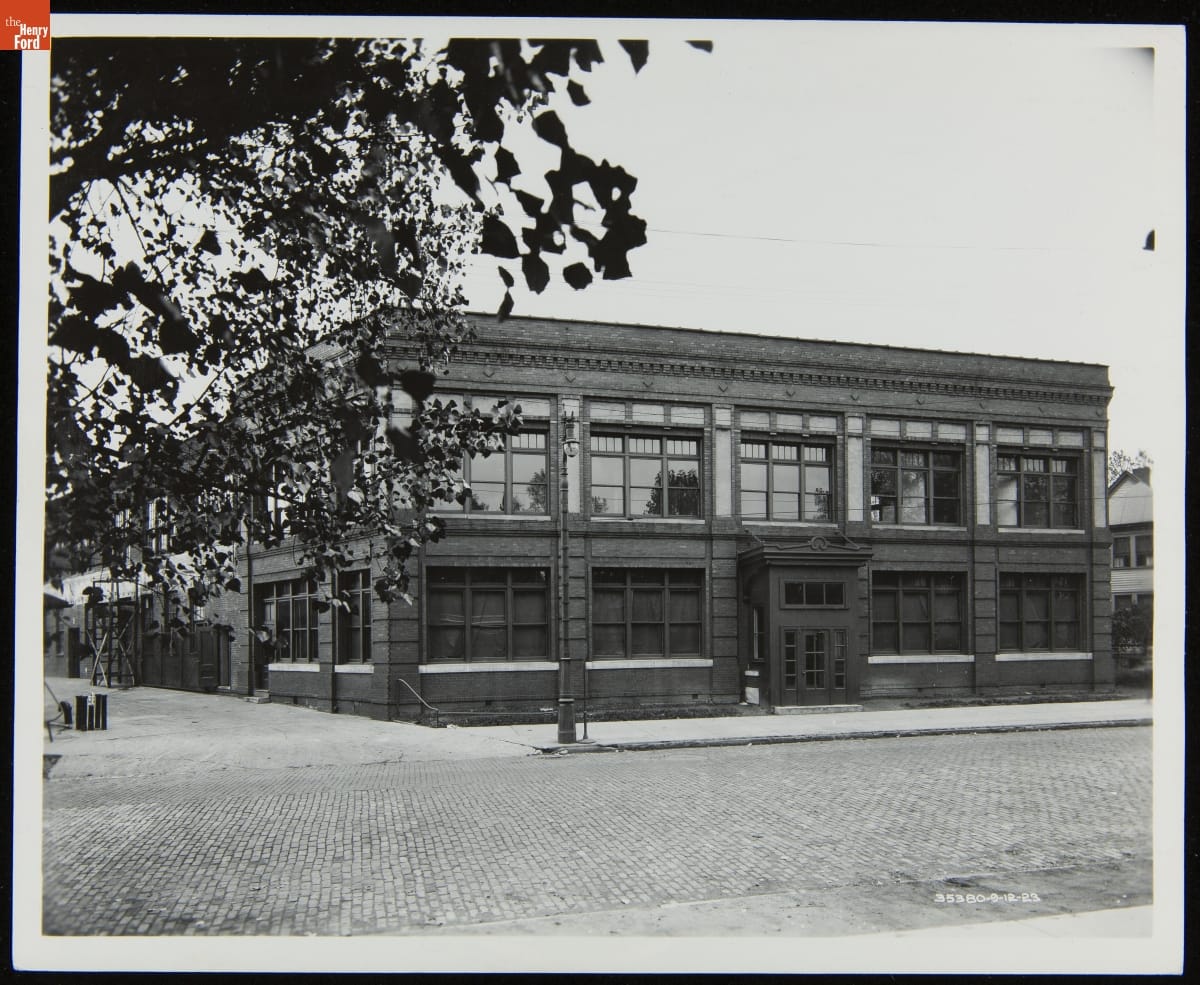
- Ford Motor Company Holden Avenue Branch in Detroit, Michigan, September 12, 1923 - Ford Motor Company's plant on Holden Avenue in Detroit had an interesting history. Warren Motor Car Company built it in 1910. After Warren's bankruptcy in 1913, it was used by Lozier Motor Company, which itself quickly went bankrupt. In 1917, the newly formed Lincoln Motor Company purchased the complex. Ford inherited the facility when it bought Lincoln in 1922.
- September 12, 1923
- Collections - Artifact
Ford Motor Company Holden Avenue Branch in Detroit, Michigan, September 12, 1923
Ford Motor Company's plant on Holden Avenue in Detroit had an interesting history. Warren Motor Car Company built it in 1910. After Warren's bankruptcy in 1913, it was used by Lozier Motor Company, which itself quickly went bankrupt. In 1917, the newly formed Lincoln Motor Company purchased the complex. Ford inherited the facility when it bought Lincoln in 1922.
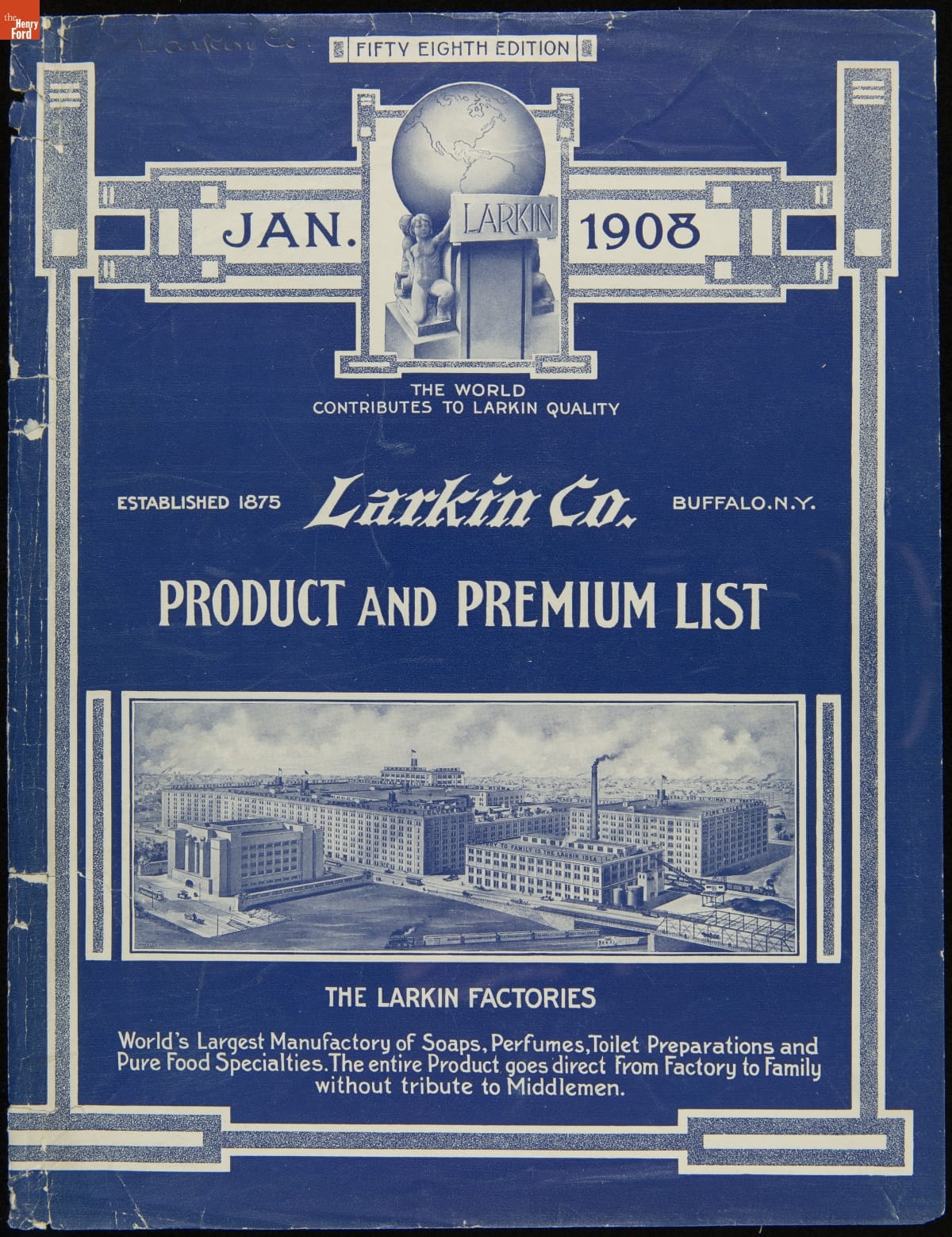
- Larkin Company Trade Catalog, "Product and Premium List," January 1908 (58th Edition) - John D. Larkin established a soap manufacturing company in 1875. He hired his brother-in-law, Elbert Hubbard, as a salesman. Hubbard developed "The Larkin Idea," a plan that sold goods directly to consumers through mail-order catalogs and offered incentivizing giveaways. It was a success. By the early 1900s, Larkin's catalogs contained pages of products and even more pages of premiums from which customers could choose.
- January 01, 1908
- Collections - Artifact
Larkin Company Trade Catalog, "Product and Premium List," January 1908 (58th Edition)
John D. Larkin established a soap manufacturing company in 1875. He hired his brother-in-law, Elbert Hubbard, as a salesman. Hubbard developed "The Larkin Idea," a plan that sold goods directly to consumers through mail-order catalogs and offered incentivizing giveaways. It was a success. By the early 1900s, Larkin's catalogs contained pages of products and even more pages of premiums from which customers could choose.
- Photograph Album of Heinz Company Employees and Friends, 1880-1933 - Company scrapbooks are often reminders of the company's history, significant moments in time, and the employees who worked there. This album, compiled by the H. J. Heinz Company, includes photographs and portraits of H. J. Heinz, company sales personnel, employees, and friends of H. J. Heinz.
- 1880-1933
- Collections - Artifact
Photograph Album of Heinz Company Employees and Friends, 1880-1933
Company scrapbooks are often reminders of the company's history, significant moments in time, and the employees who worked there. This album, compiled by the H. J. Heinz Company, includes photographs and portraits of H. J. Heinz, company sales personnel, employees, and friends of H. J. Heinz.
- Photograph Album of Heinz Company Branches and Branch Employees, 1884-1915 - Company photograph albums are often reminders of the company's history, significant moments in time, and the employees who worked there. This album, compiled by the H.J. Heinz Company, includes photographs of Heinz factory branch buildings, employees at conventions, and several images of F. & J. Heinz, the former name of the company before H.J. Heinz became the sole owner.

- 1884-1915
- Collections - Artifact
Photograph Album of Heinz Company Branches and Branch Employees, 1884-1915
Company photograph albums are often reminders of the company's history, significant moments in time, and the employees who worked there. This album, compiled by the H.J. Heinz Company, includes photographs of Heinz factory branch buildings, employees at conventions, and several images of F. & J. Heinz, the former name of the company before H.J. Heinz became the sole owner.
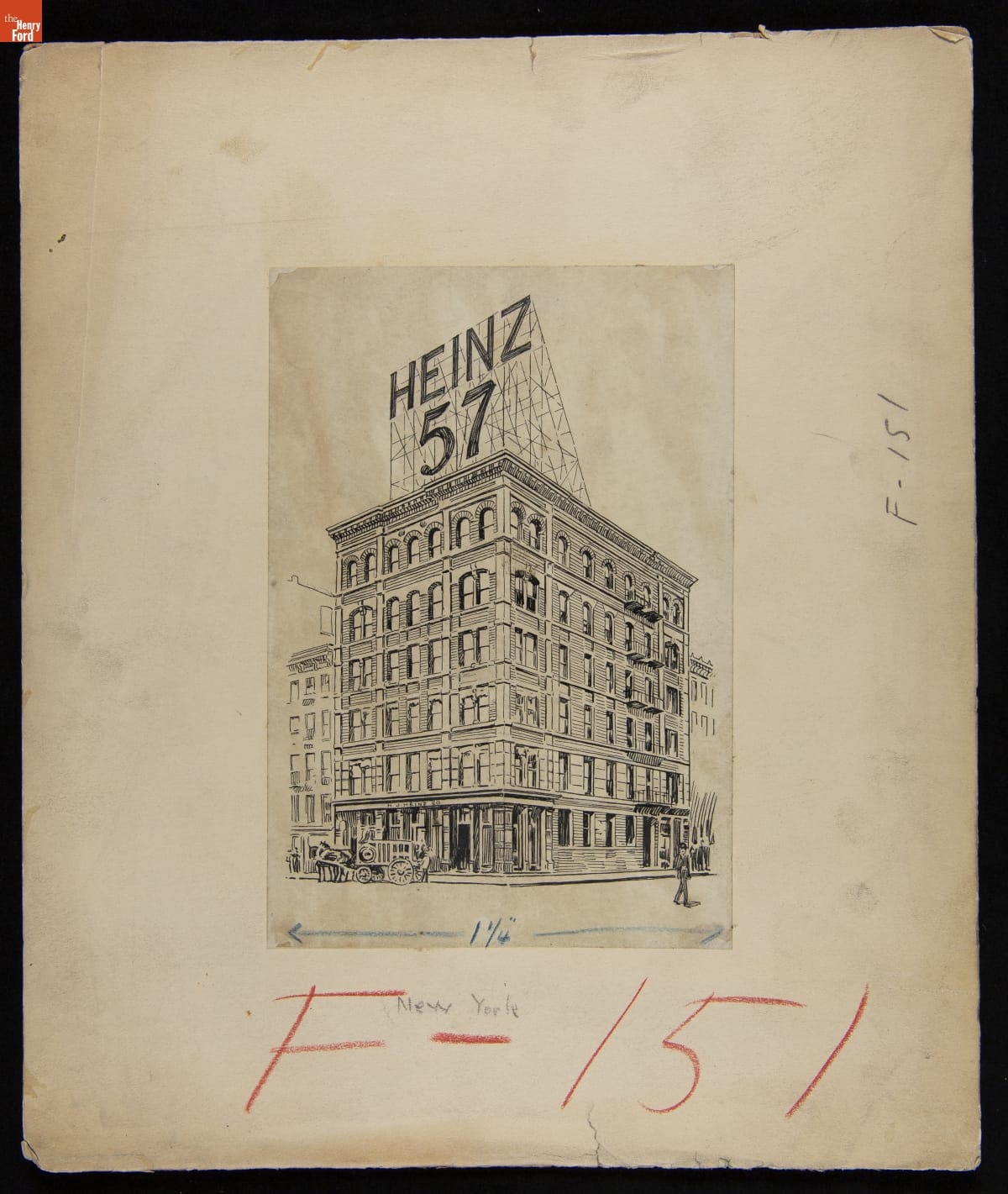
- Illustration of Heinz Company Branch in New York, circa 1910 - In 1869, H.J. Heinz began his career in the processed food industry selling horseradish out of his parent's home. His product line quickly expanded to include pickled foods, preserves, and condiments, becoming a household name by the turn of the century. This success allowed operations to expand with new branch factories built around the world.
- circa 1910
- Collections - Artifact
Illustration of Heinz Company Branch in New York, circa 1910
In 1869, H.J. Heinz began his career in the processed food industry selling horseradish out of his parent's home. His product line quickly expanded to include pickled foods, preserves, and condiments, becoming a household name by the turn of the century. This success allowed operations to expand with new branch factories built around the world.
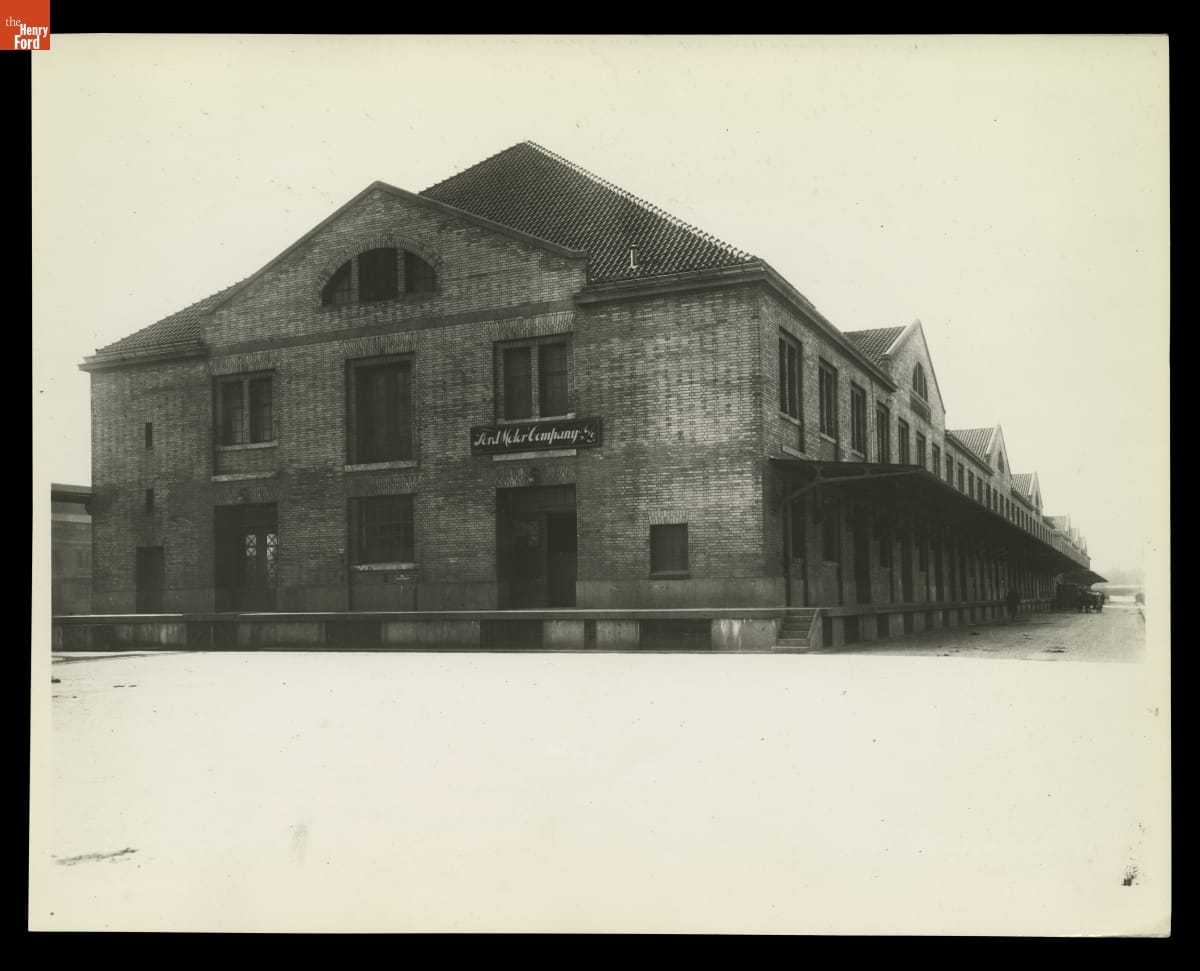
- Ford Motor Company Branch in Berlin, Germany, April 26, 1926 - Ford Motor Company operated sales and service branches in cities around the world. This photograph shows the company's branch in Berlin, Germany. Ford's first German branch opened in Hamburg in 1912. The automaker established its Berlin office in 1924. Ford began assembling Model T cars in Berlin, from imported parts, in 1926.
- April 26, 1926
- Collections - Artifact
Ford Motor Company Branch in Berlin, Germany, April 26, 1926
Ford Motor Company operated sales and service branches in cities around the world. This photograph shows the company's branch in Berlin, Germany. Ford's first German branch opened in Hamburg in 1912. The automaker established its Berlin office in 1924. Ford began assembling Model T cars in Berlin, from imported parts, in 1926.
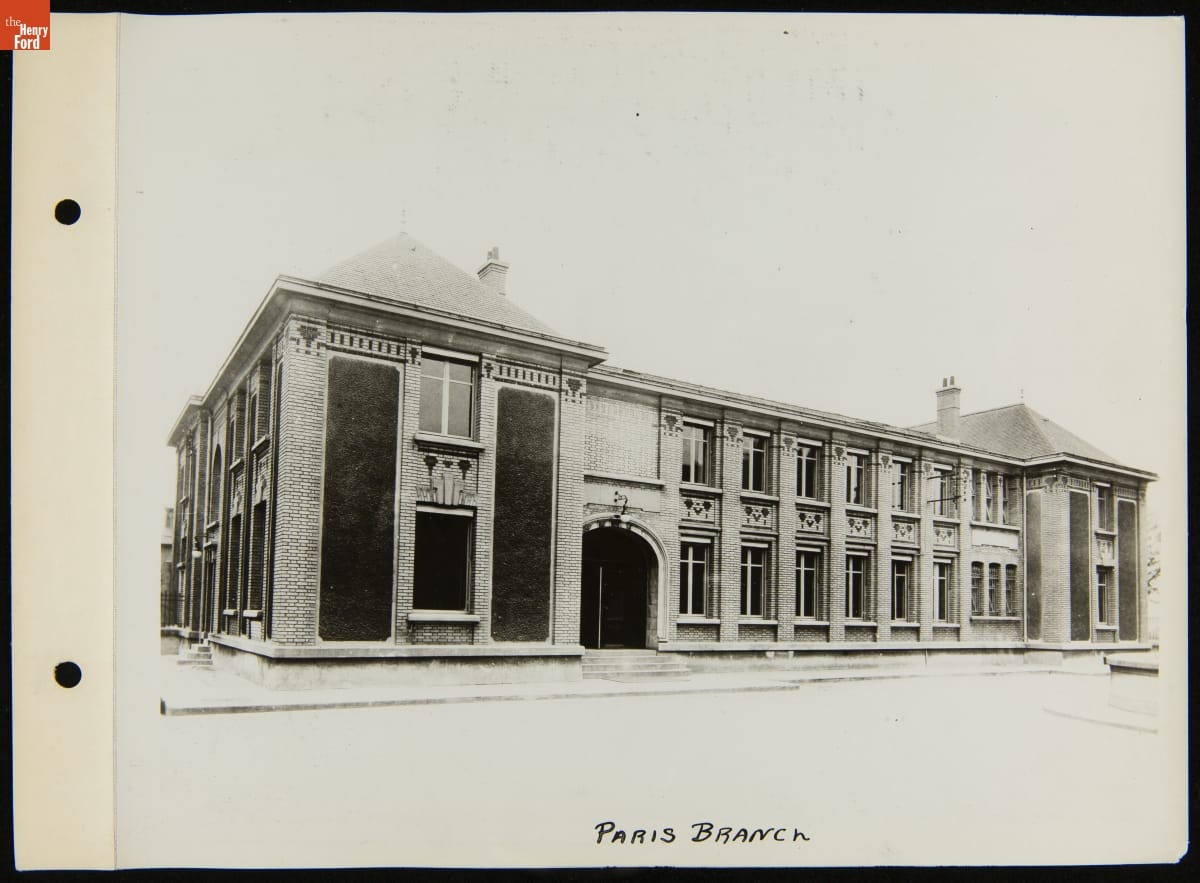
- Ford Motor Company Branch in Paris, France - Ford Motor Company opened its first international sales branch, in Paris, France, in 1908. The Paris office became the heart of Ford's marketing efforts throughout the European continent. The company established a French subsidiary, Ford France, in 1916. Model T assembly began at a plant in Bordeaux, and then moved to suburban Paris in 1925.
- Collections - Artifact
Ford Motor Company Branch in Paris, France
Ford Motor Company opened its first international sales branch, in Paris, France, in 1908. The Paris office became the heart of Ford's marketing efforts throughout the European continent. The company established a French subsidiary, Ford France, in 1916. Model T assembly began at a plant in Bordeaux, and then moved to suburban Paris in 1925.
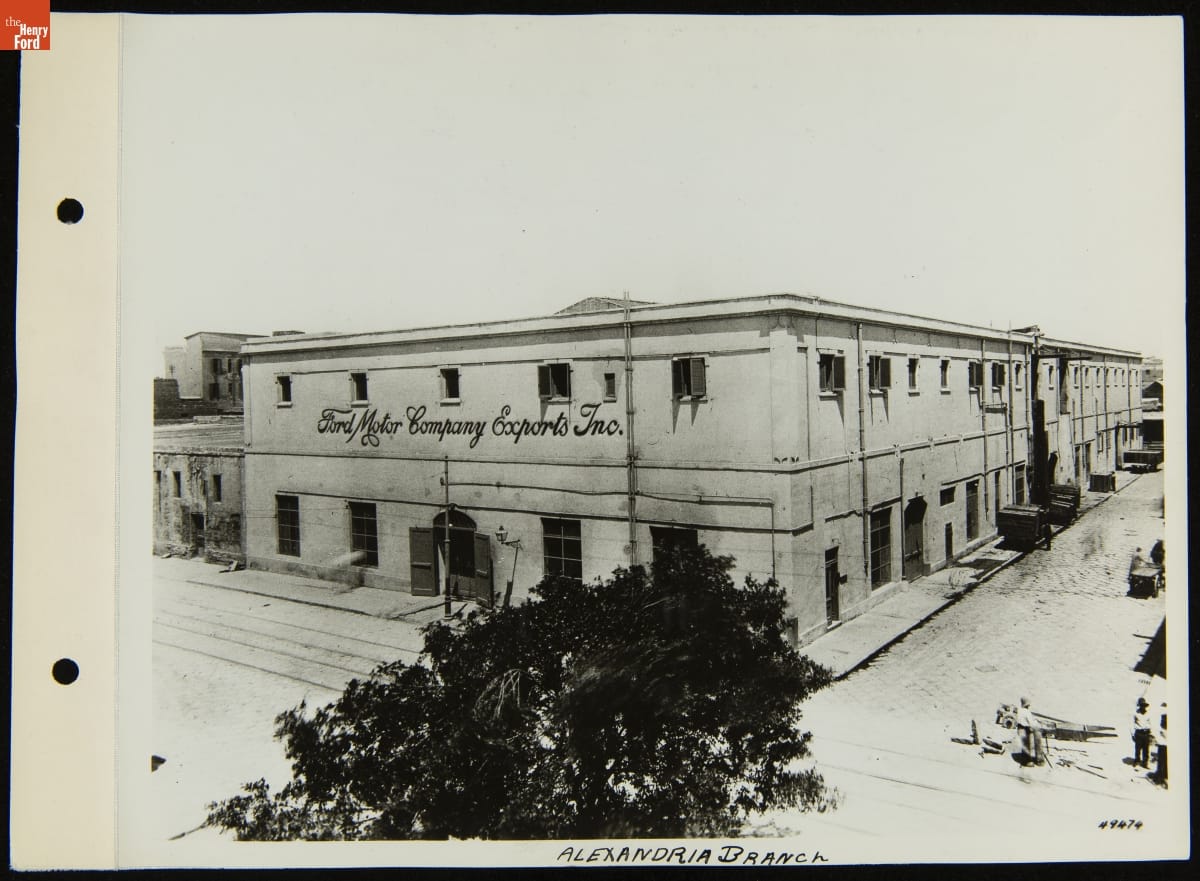
- Ford Motor Company Branch in Alexandria, Egypt, July 27, 1927 - Ford Motor Company operated sales and service branches in cities around the world. Ford's Alexandria, Egypt, branch opened in 1927. Generally, Ford vehicles sold in Egypt at that time were assembled in the company's factory at Trieste, Italy. Ford opened an assembly plant in Alexandria in 1950.
- July 27, 1927
- Collections - Artifact
Ford Motor Company Branch in Alexandria, Egypt, July 27, 1927
Ford Motor Company operated sales and service branches in cities around the world. Ford's Alexandria, Egypt, branch opened in 1927. Generally, Ford vehicles sold in Egypt at that time were assembled in the company's factory at Trieste, Italy. Ford opened an assembly plant in Alexandria in 1950.
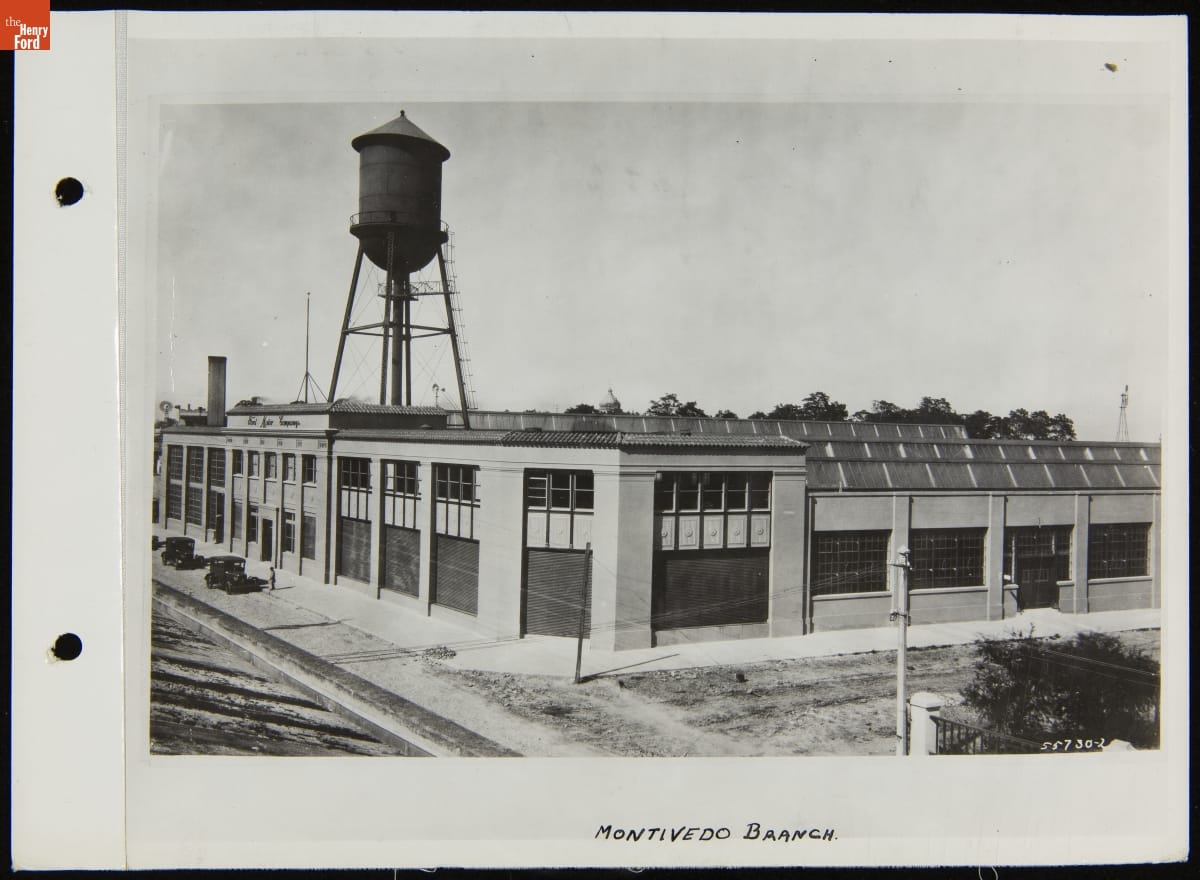
- Ford Motor Company Branch in Montevideo, Uruguay, January 6, 1931 - Ford Motor Company operated sales and service branches in cities around the world. This photograph shows the company's branch in Montevideo, Uruguay, in 1931. Ford had South American subsidiary companies based in Argentina, Brazil, and Venezuela.
- January 06, 1931
- Collections - Artifact
Ford Motor Company Branch in Montevideo, Uruguay, January 6, 1931
Ford Motor Company operated sales and service branches in cities around the world. This photograph shows the company's branch in Montevideo, Uruguay, in 1931. Ford had South American subsidiary companies based in Argentina, Brazil, and Venezuela.