
Search
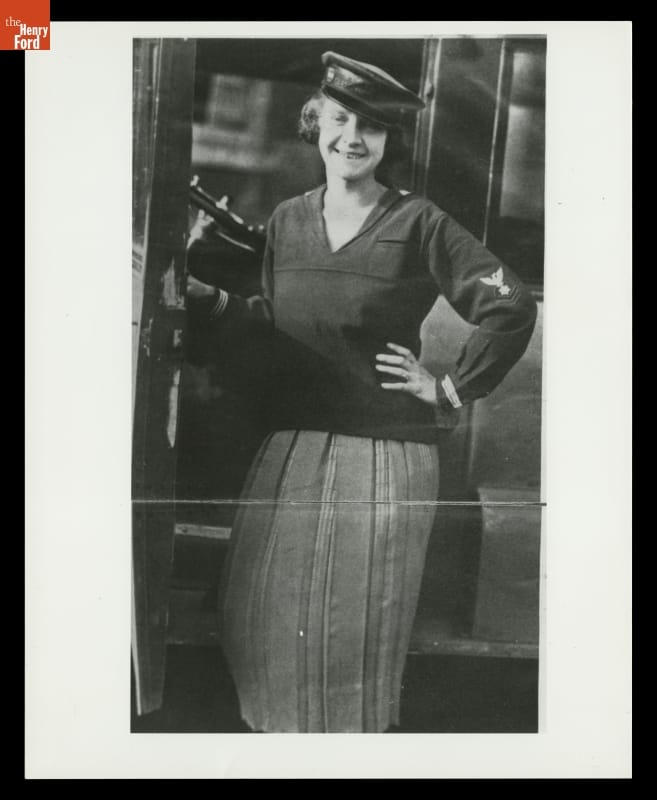
- Helen M. Schultz Brewer, Owner of Red Ball Bus Company, Iowa, circa 1924 - Helen M. Schultz started the Red Ball Transportation Company in 1922 with buses running from Waterloo to Des Moines, Iowa. Schultz met many challenges while establishing her business, including competition from rival bus lines and the railroad, government regulations, and poor highway conditions. She sold Red Ball to the Jefferson Highway Transportation Company in 1930.
- circa 1924
- Collections - Artifact
Helen M. Schultz Brewer, Owner of Red Ball Bus Company, Iowa, circa 1924
Helen M. Schultz started the Red Ball Transportation Company in 1922 with buses running from Waterloo to Des Moines, Iowa. Schultz met many challenges while establishing her business, including competition from rival bus lines and the railroad, government regulations, and poor highway conditions. She sold Red Ball to the Jefferson Highway Transportation Company in 1930.
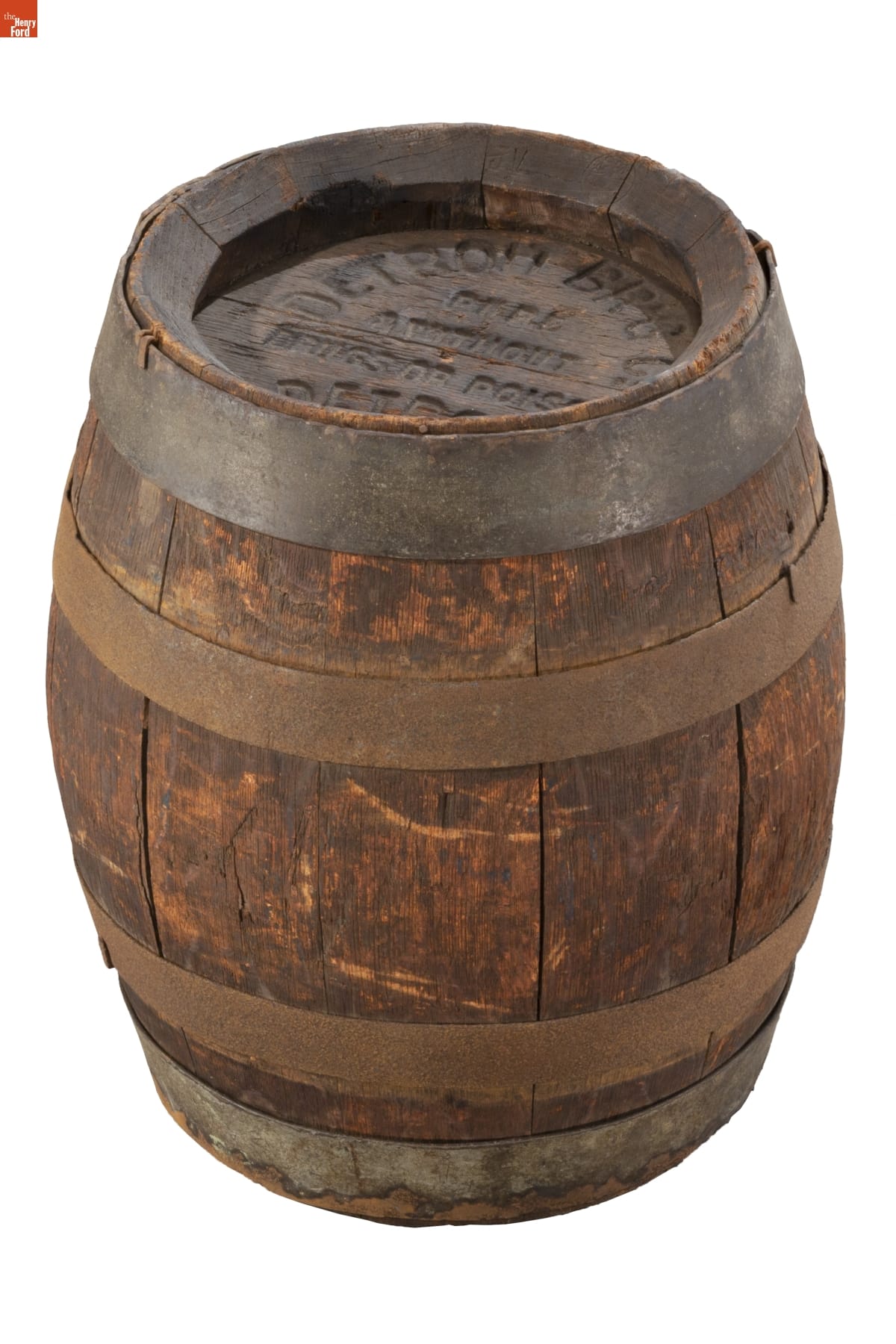
- Detroit Brewing Company Beer Keg, 1895-1919 - Detroit Brewing Company traced its roots to a brewery established in the city by Frank Martz, John Martz, and John Steiner in 1868. It reformed as Detroit Brewing Company in 1886, focusing on lager, and enlarged its original plant 12 years later. The company closed in 1949, becoming the first of Detroit's major breweries to end operations.
- 1895-1919
- Collections - Artifact
Detroit Brewing Company Beer Keg, 1895-1919
Detroit Brewing Company traced its roots to a brewery established in the city by Frank Martz, John Martz, and John Steiner in 1868. It reformed as Detroit Brewing Company in 1886, focusing on lager, and enlarged its original plant 12 years later. The company closed in 1949, becoming the first of Detroit's major breweries to end operations.
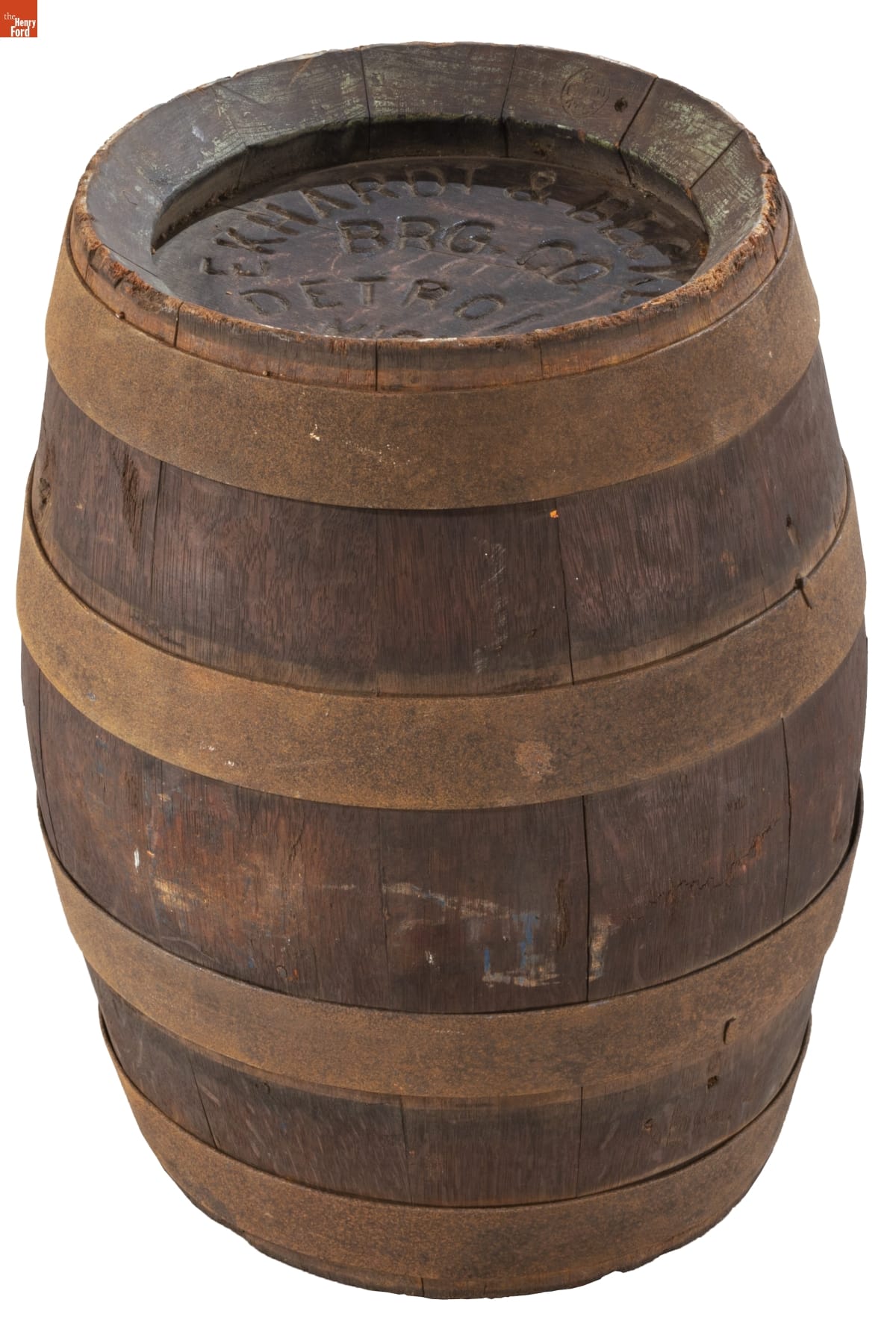
- Ekhardt & Becker Beer Keg, 1895-1919 - German-Americans August Ekhardt and Herman Becker formed their brewing partnership in Detroit, Michigan, in 1873. By 1918, Ekhardt & Becker produced some 150,000 barrels of beer each year. Following a pause from 1919-1933, during Prohibition, the company reformed and operated independently for another 29 years. Ekhardt & Becker was absorbed by Pfeiffer Brewing Company in 1962.
- 1895-1919
- Collections - Artifact
Ekhardt & Becker Beer Keg, 1895-1919
German-Americans August Ekhardt and Herman Becker formed their brewing partnership in Detroit, Michigan, in 1873. By 1918, Ekhardt & Becker produced some 150,000 barrels of beer each year. Following a pause from 1919-1933, during Prohibition, the company reformed and operated independently for another 29 years. Ekhardt & Becker was absorbed by Pfeiffer Brewing Company in 1962.
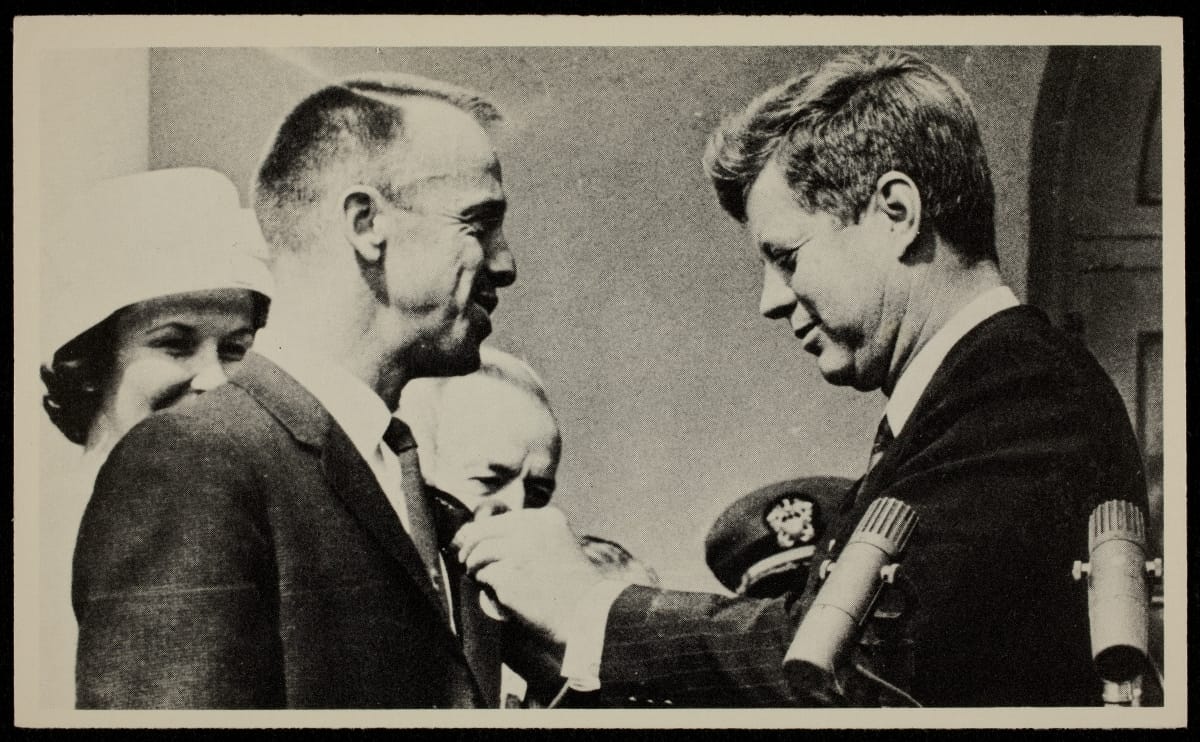
- Souvenir Card, Astronaut Alan Shepard Receiving Distinguished Service Medal from President Kennedy, 1961 - President John F. Kennedy's vision to explore the "new frontier" of space ignited the public's imagination. It was an overt Cold War strategy against the Soviet Union which launched the first man in space April 12, 1961. Here, President Kennedy awards NASA's Distinguished Service Medal to first U.S. astronaut, Alan Shepard, three days after his successful space flight on May 5, 1961.
- May 08, 1961
- Collections - Artifact
Souvenir Card, Astronaut Alan Shepard Receiving Distinguished Service Medal from President Kennedy, 1961
President John F. Kennedy's vision to explore the "new frontier" of space ignited the public's imagination. It was an overt Cold War strategy against the Soviet Union which launched the first man in space April 12, 1961. Here, President Kennedy awards NASA's Distinguished Service Medal to first U.S. astronaut, Alan Shepard, three days after his successful space flight on May 5, 1961.
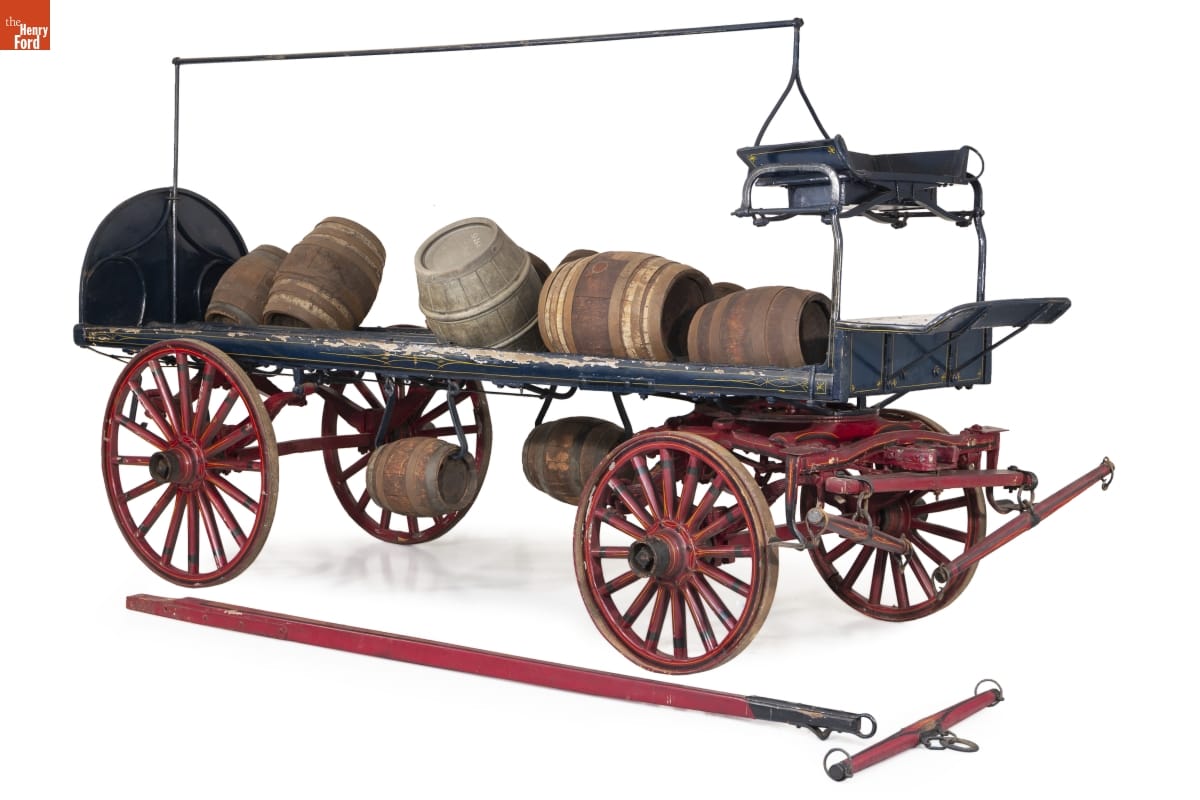
- Beer Wagon, circa 1900 - During the late 19th and early 20th centuries, horse-drawn beer wagons were familiar sights in American cities. Bars and saloons were numerous and provided places for working-class patrons to relax and socialize. This wagon's racks held beer kegs in an inward, sloping position so they wouldn't roll. The top rail supported a cover that shielded kegs from the hot sun.
- circa 1900
- Collections - Artifact
Beer Wagon, circa 1900
During the late 19th and early 20th centuries, horse-drawn beer wagons were familiar sights in American cities. Bars and saloons were numerous and provided places for working-class patrons to relax and socialize. This wagon's racks held beer kegs in an inward, sloping position so they wouldn't roll. The top rail supported a cover that shielded kegs from the hot sun.
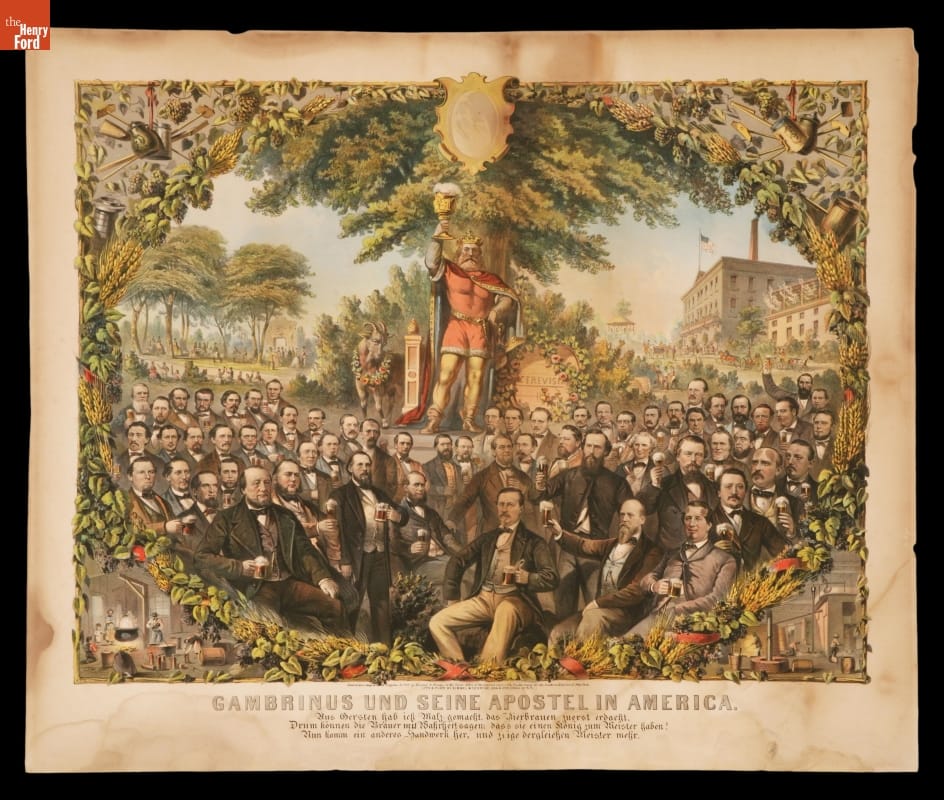
- Chromolithograph, "Gambrinus und Seine Apostel in America," 1867 -
- 1867
- Collections - Artifact
Chromolithograph, "Gambrinus und Seine Apostel in America," 1867
- Stroh Beer Keg, 1895-1919 - Stroh Brewery Company was the biggest and best known of Detroit's many breweries. German immigrant Bernhard Stroh established the firm in 1850, brewing a Bohemian-style pilsner. The company survived Prohibition -- in part by manufacturing ice cream -- and in the 1980s became the third-largest brewer in the United States. Weakened by overexpansion and competition, Stroh sold its brands in 1999.

- 1895-1919
- Collections - Artifact
Stroh Beer Keg, 1895-1919
Stroh Brewery Company was the biggest and best known of Detroit's many breweries. German immigrant Bernhard Stroh established the firm in 1850, brewing a Bohemian-style pilsner. The company survived Prohibition -- in part by manufacturing ice cream -- and in the 1980s became the third-largest brewer in the United States. Weakened by overexpansion and competition, Stroh sold its brands in 1999.
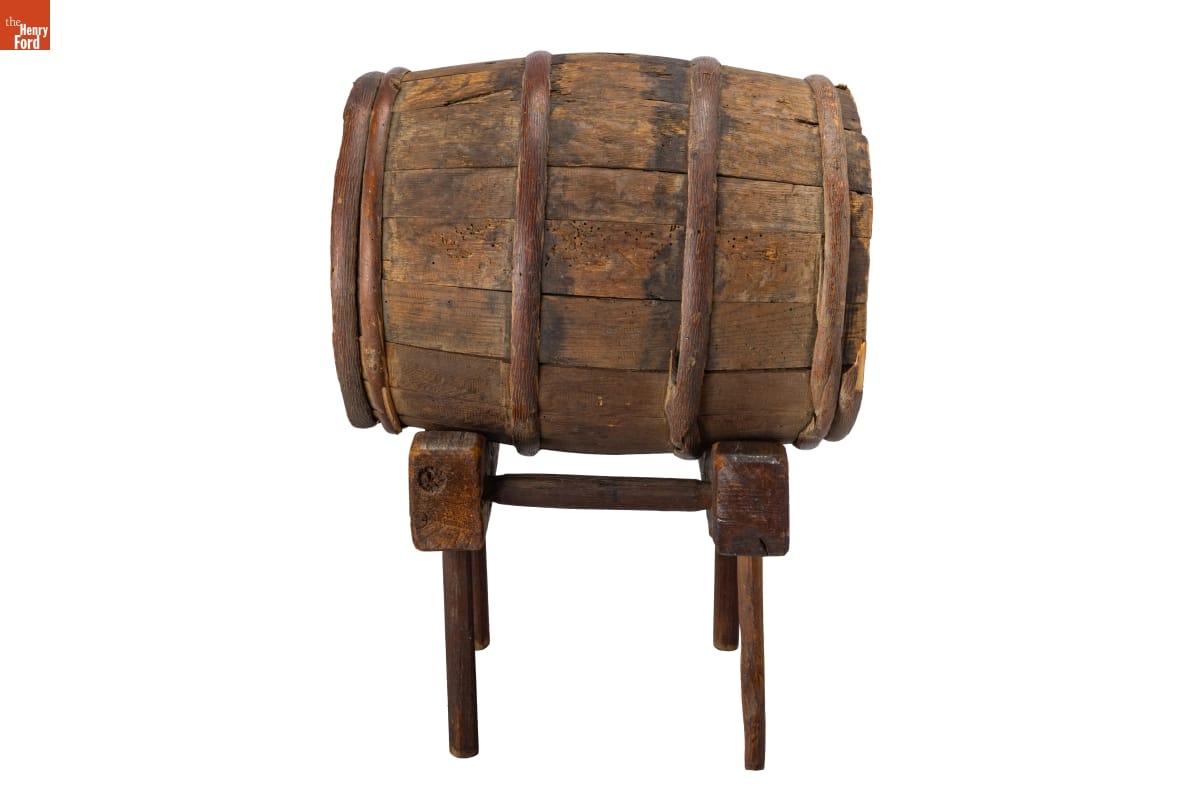
- Keg -
- Collections - Artifact
Keg