
Search
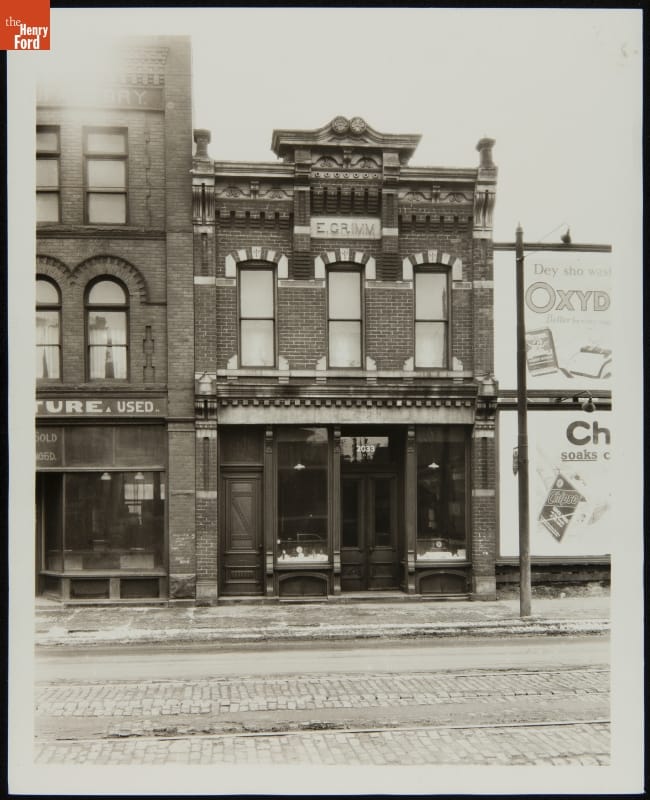
- Grimm Jewelry Store in Detroit, Michigan, 1926, before Its Relocation to Greenfield Village -
- 1926
- Collections - Artifact
Grimm Jewelry Store in Detroit, Michigan, 1926, before Its Relocation to Greenfield Village
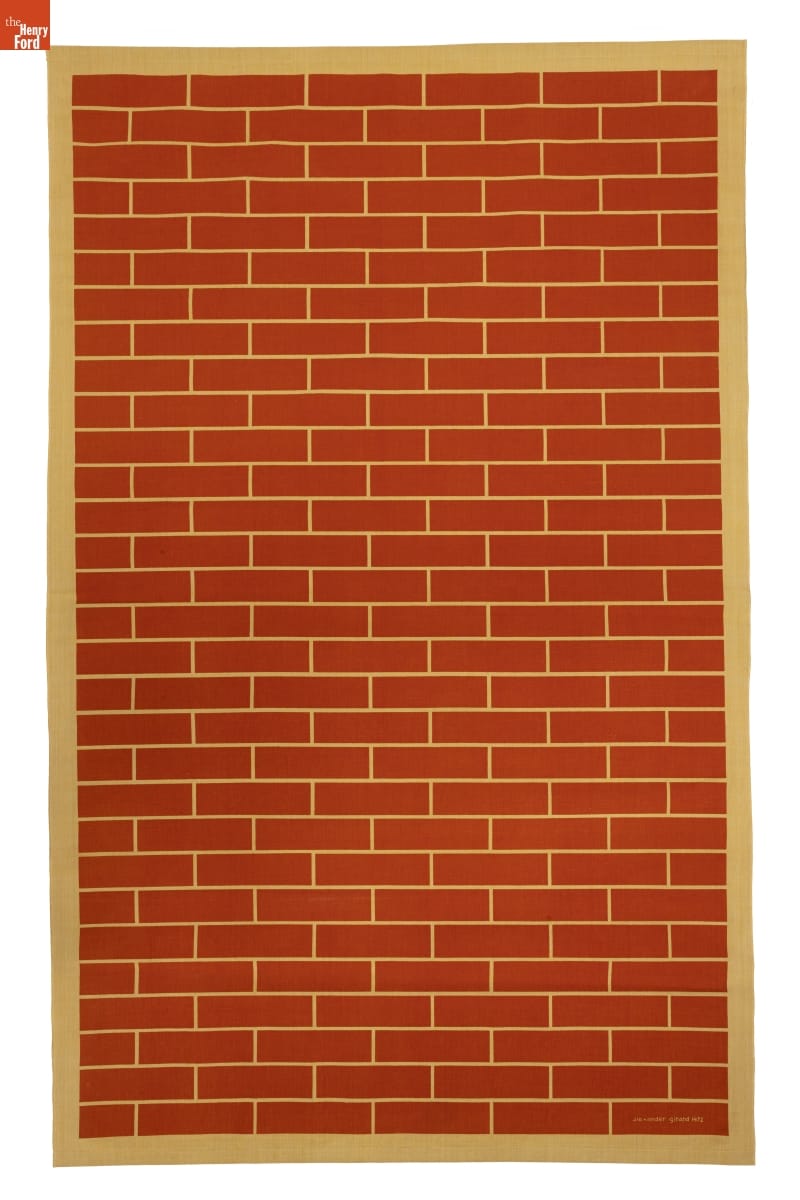
- Environmental Enrichment Panel, "Brick," Designed by Alexander Girard for Herman Miller, 1972 - Alexander Girard, Herman Miller Textile Division's Director of Design, created a series of forty folk art-inspired graphic panels aptly named "Environmental Enrichment Panels" in 1972. They were meant to enrich the office environment, adorning the moveable walls of Robert Propst's Action Office II -- more commonly known as the cubicle.
- 1972
- Collections - Artifact
Environmental Enrichment Panel, "Brick," Designed by Alexander Girard for Herman Miller, 1972
Alexander Girard, Herman Miller Textile Division's Director of Design, created a series of forty folk art-inspired graphic panels aptly named "Environmental Enrichment Panels" in 1972. They were meant to enrich the office environment, adorning the moveable walls of Robert Propst's Action Office II -- more commonly known as the cubicle.
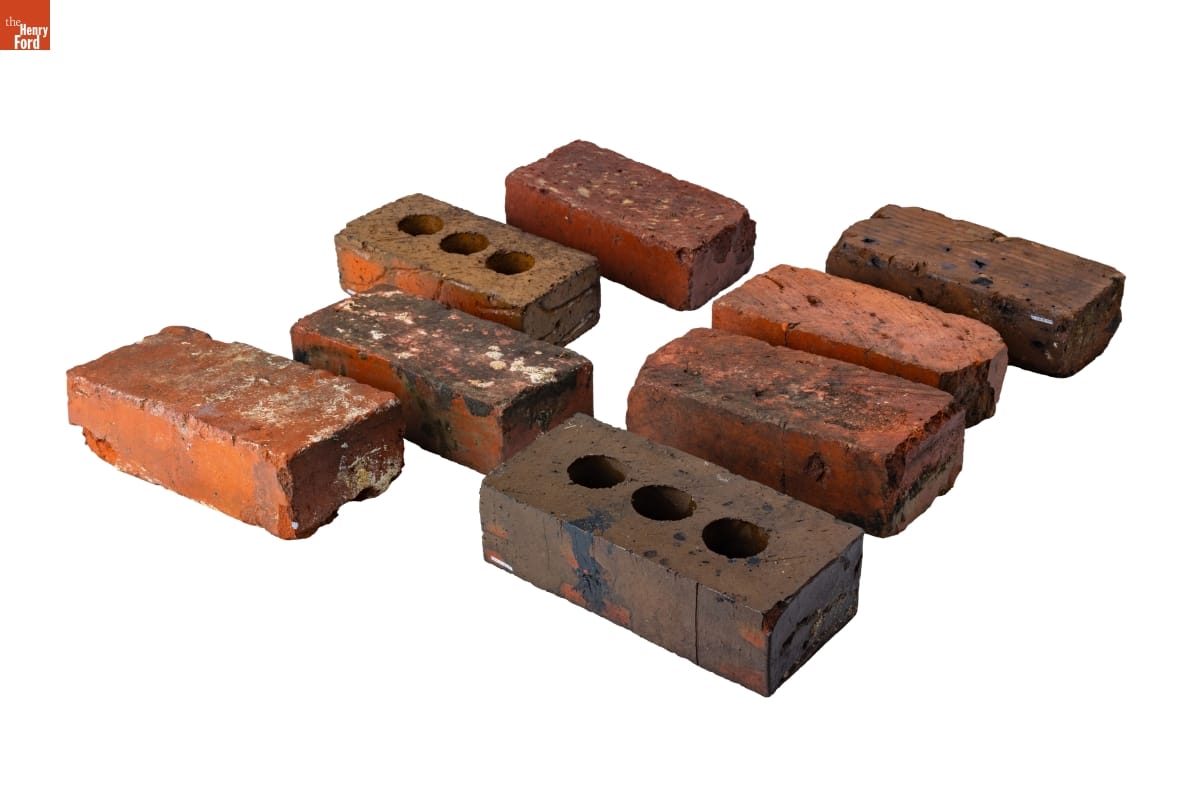
- Set of Bricks Used in the Jackson Family Home, Selma, Alabama - Dr. Martin Luther King, Jr. and other Civil Rights leaders often stayed in the Selma, Alabama, home of Dr. Sullivan and Richie Jean Sherrod Jackson during the struggle to secure voting rights in the 1960s. King and several leaders once held a meeting on a bed, which collapsed beneath them. The meeting devolved into laughter. These bricks became the support for the repaired bed.
- Collections - Artifact
Set of Bricks Used in the Jackson Family Home, Selma, Alabama
Dr. Martin Luther King, Jr. and other Civil Rights leaders often stayed in the Selma, Alabama, home of Dr. Sullivan and Richie Jean Sherrod Jackson during the struggle to secure voting rights in the 1960s. King and several leaders once held a meeting on a bed, which collapsed beneath them. The meeting devolved into laughter. These bricks became the support for the repaired bed.
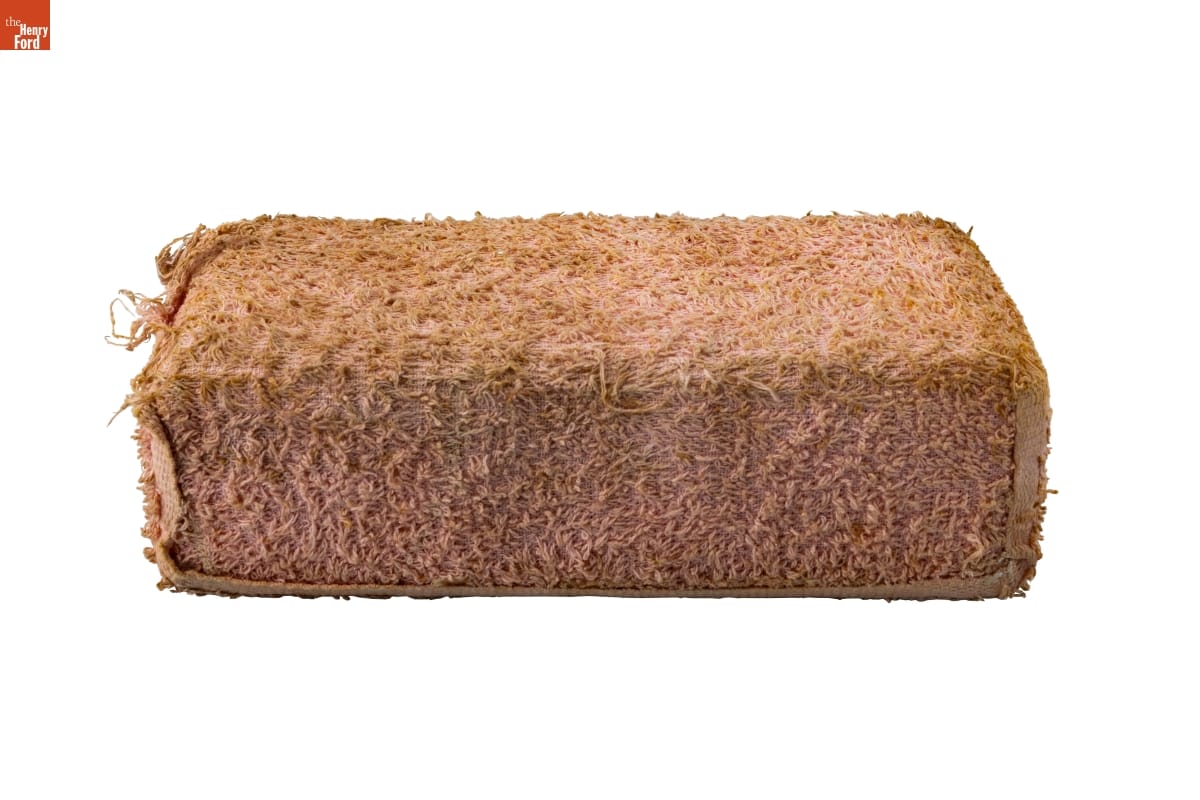
- Carpeted Brick Used as a Doorstop by the Jackson Family, Selma, Alabama - In 2023, The Henry Ford acquired the Selma, Alabama, home of Dr. Sullivan and Richie Jean Sherrod Jackson, where Dr. Martin Luther King and Civil Rights leaders planned the 1965 Selma-to-Montgomery Voting Rights marches. The Jackson Home opened in Greenfield Village in 2026. The home and its contents not only document the voting rights struggle but also shed light on 20th-century Black American middle-class life.
- Collections - Artifact
Carpeted Brick Used as a Doorstop by the Jackson Family, Selma, Alabama
In 2023, The Henry Ford acquired the Selma, Alabama, home of Dr. Sullivan and Richie Jean Sherrod Jackson, where Dr. Martin Luther King and Civil Rights leaders planned the 1965 Selma-to-Montgomery Voting Rights marches. The Jackson Home opened in Greenfield Village in 2026. The home and its contents not only document the voting rights struggle but also shed light on 20th-century Black American middle-class life.
- Susquehanna Plantation Original Site in St. Mary's County, Maryland, 1983 -
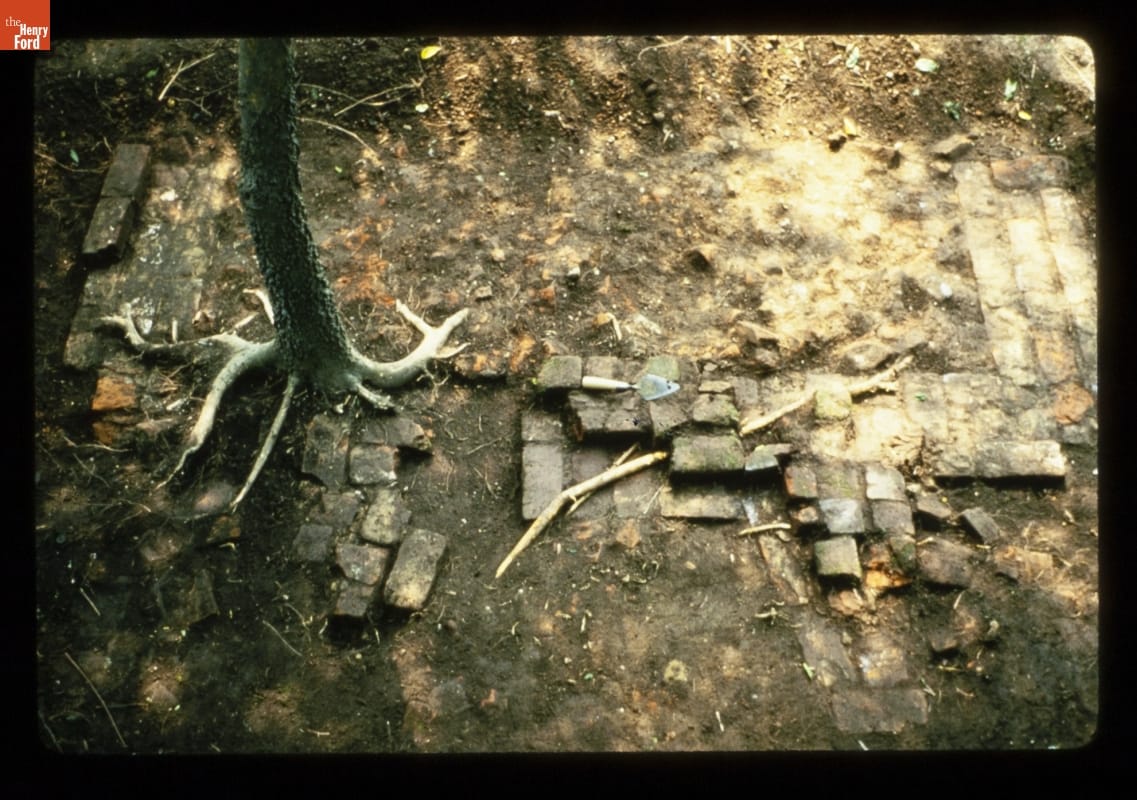
- 1983
- Collections - Artifact
Susquehanna Plantation Original Site in St. Mary's County, Maryland, 1983
- Yard Area outside Stables and Preserves Building of Main Plant, H. J. Heinz Company, Pittsburgh, Pennsylvania, March 24, 1904 - The main plant of the H.J. Heinz Company was located in Pittsburgh, Pennsylvania, and consisted of many buildings and departments. The buildings in the background of this photograph are the Preserves Building (left) and the stables (right). The top-of-the-line stables -- sometimes referred to as "equine palaces" -- housed the company's horses, which were used for delivery and transportation.
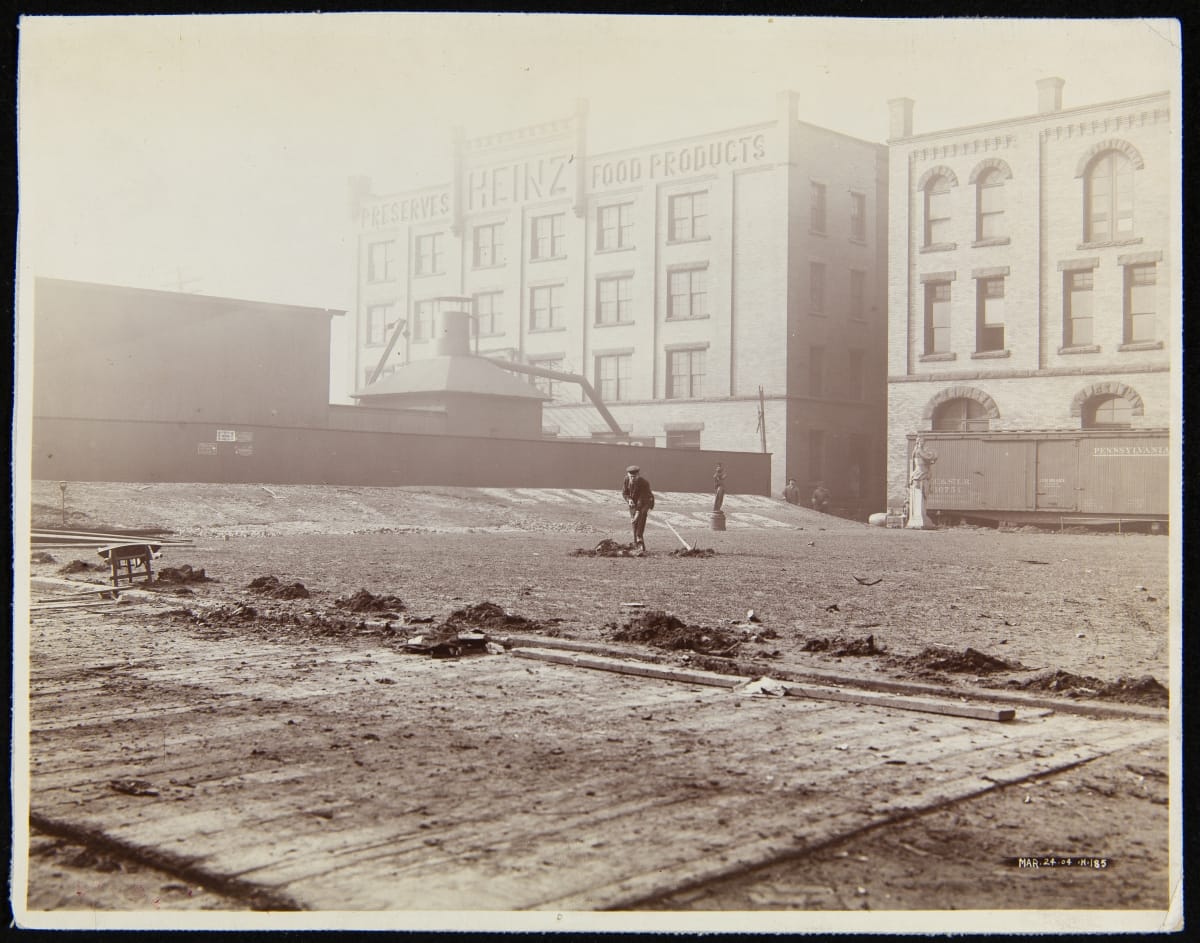
- March 24, 1904
- Collections - Artifact
Yard Area outside Stables and Preserves Building of Main Plant, H. J. Heinz Company, Pittsburgh, Pennsylvania, March 24, 1904
The main plant of the H.J. Heinz Company was located in Pittsburgh, Pennsylvania, and consisted of many buildings and departments. The buildings in the background of this photograph are the Preserves Building (left) and the stables (right). The top-of-the-line stables -- sometimes referred to as "equine palaces" -- housed the company's horses, which were used for delivery and transportation.
- Savannah Gray Brick, Likely Made on the Hermitage Plantation, 1820-1850 - This brick was likely made on the Hermitage Plantation near Savannah, Georgia. The Hermitage was the first Savannah River plantation to turn a profit from industrial, rather than agricultural, pursuits--profit made possible by the labor of enslaved African Americans. In 1850, 201 enslaved workers provided the skills and manual labor required to make this industrial plantation a successful enterprise for owner Henry McAlpin.
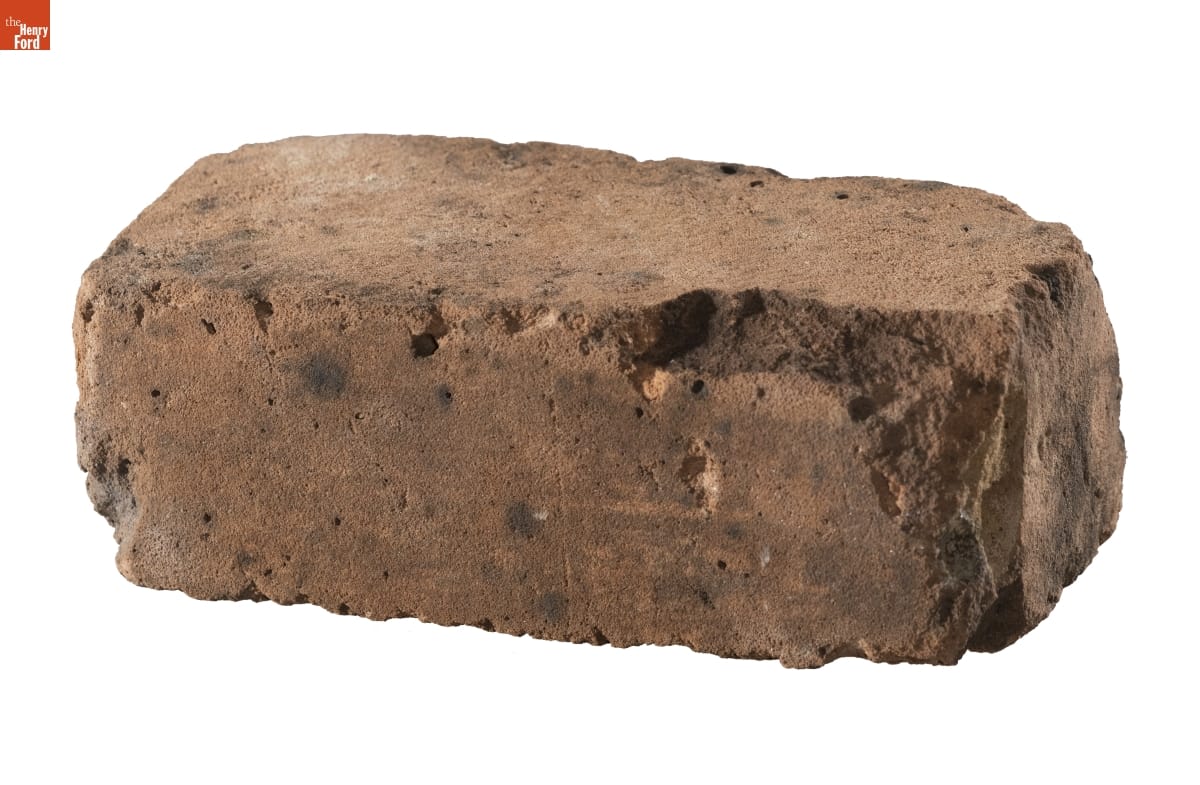
- 1820-1850
- Collections - Artifact
Savannah Gray Brick, Likely Made on the Hermitage Plantation, 1820-1850
This brick was likely made on the Hermitage Plantation near Savannah, Georgia. The Hermitage was the first Savannah River plantation to turn a profit from industrial, rather than agricultural, pursuits--profit made possible by the labor of enslaved African Americans. In 1850, 201 enslaved workers provided the skills and manual labor required to make this industrial plantation a successful enterprise for owner Henry McAlpin.
- Flower Holder Brick, 1680-1740 - Wealthy and well-to-do individuals in the mid-18th century used a flower brick to display cut flowers. This blue and white decorative container--meant to imitate expensive Chinese export porcelain--not only held flowers but also revealed the owner's good taste and the lifestyle to which the household aspired.
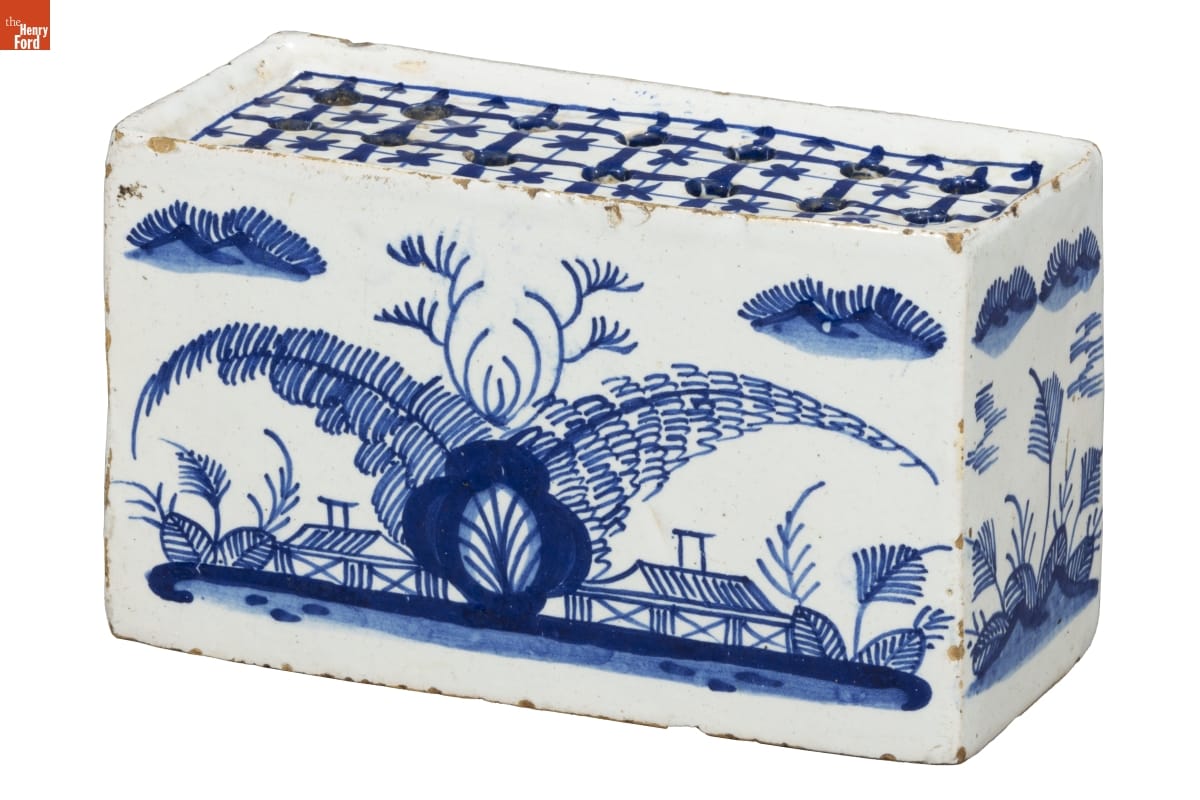
- 1680-1740
- Collections - Artifact
Flower Holder Brick, 1680-1740
Wealthy and well-to-do individuals in the mid-18th century used a flower brick to display cut flowers. This blue and white decorative container--meant to imitate expensive Chinese export porcelain--not only held flowers but also revealed the owner's good taste and the lifestyle to which the household aspired.
- Brick-Paved Street in Gotha, Thuringen, Germany, circa 1935 - In 1913, Henry Ford established Ford Motor Company's photographic department. Though few internal records describe company photography, remaining photographs reveal a wide range of departmental activity. Over nearly 100 years, Ford photographers documented company ventures, personal affairs, and daily life around the world. This photograph shows an intersection in Gotha, a central German town.
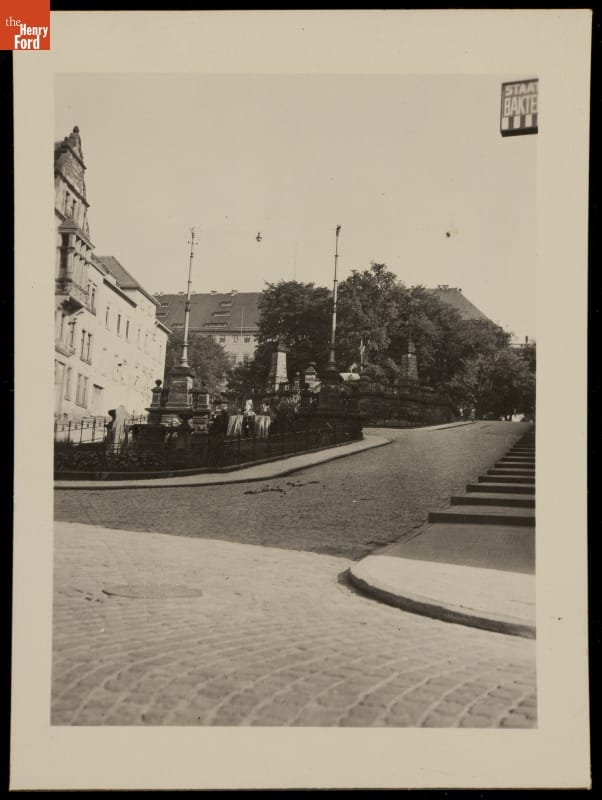
- circa 1935
- Collections - Artifact
Brick-Paved Street in Gotha, Thuringen, Germany, circa 1935
In 1913, Henry Ford established Ford Motor Company's photographic department. Though few internal records describe company photography, remaining photographs reveal a wide range of departmental activity. Over nearly 100 years, Ford photographers documented company ventures, personal affairs, and daily life around the world. This photograph shows an intersection in Gotha, a central German town.
- Brick Used in the Jackson Family Home, Selma, Alabama - Dr. Martin Luther King, Jr. and other Civil Rights leaders often stayed in the Selma, Alabama, home of Dr. Sullivan and Richie Jean Sherrod Jackson during the struggle to secure voting rights in the 1960s. King and several leaders once held a meeting on a bed, which collapsed beneath them. The meeting devolved into laughter. These bricks became the support for the repaired bed.
- Collections - Artifact
Brick Used in the Jackson Family Home, Selma, Alabama
Dr. Martin Luther King, Jr. and other Civil Rights leaders often stayed in the Selma, Alabama, home of Dr. Sullivan and Richie Jean Sherrod Jackson during the struggle to secure voting rights in the 1960s. King and several leaders once held a meeting on a bed, which collapsed beneath them. The meeting devolved into laughter. These bricks became the support for the repaired bed.