
Search
- Wedding Portrait, circa 1900 -
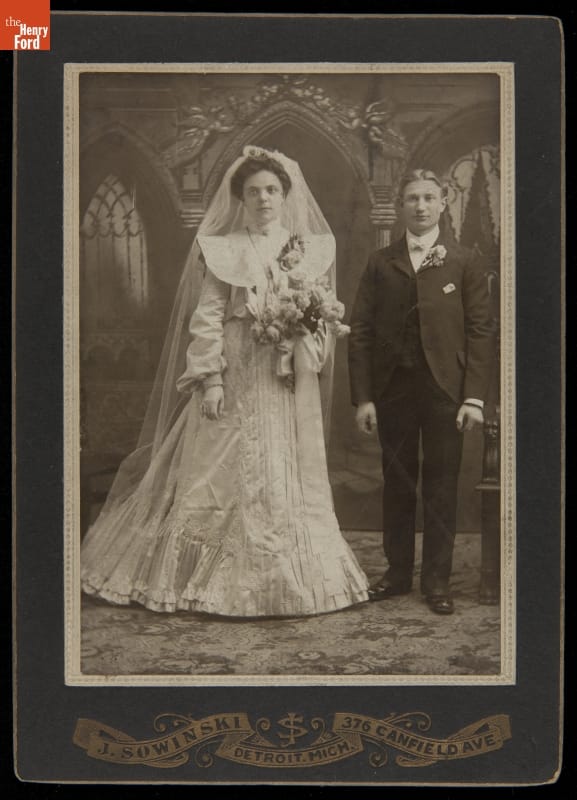
- circa 1900
- Collections - Artifact
Wedding Portrait, circa 1900
- Wedding Portrait, Bride Holding Bouquet, 1897-1902 -
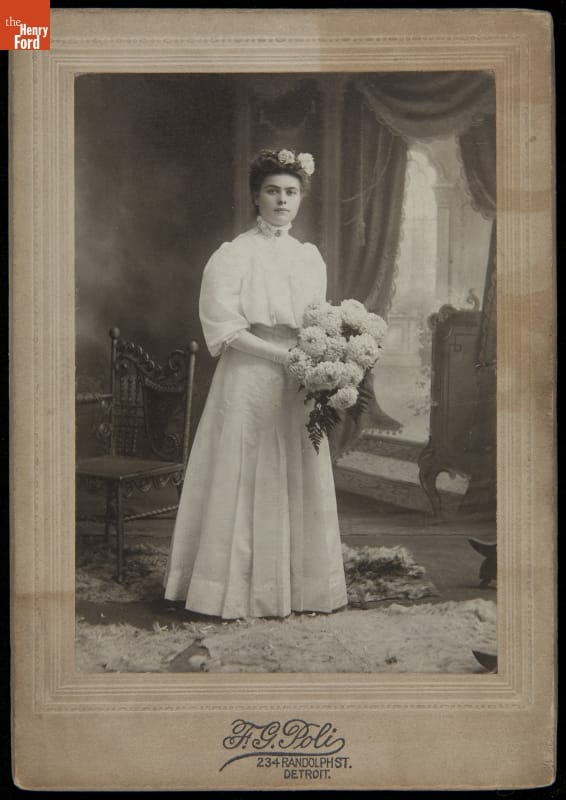
- circa 1899
- Collections - Artifact
Wedding Portrait, Bride Holding Bouquet, 1897-1902
- Advertisement for Proctor Automatic Pop-up Toaster, " Beautiful and Makes Beautiful Toast!," 1949 -
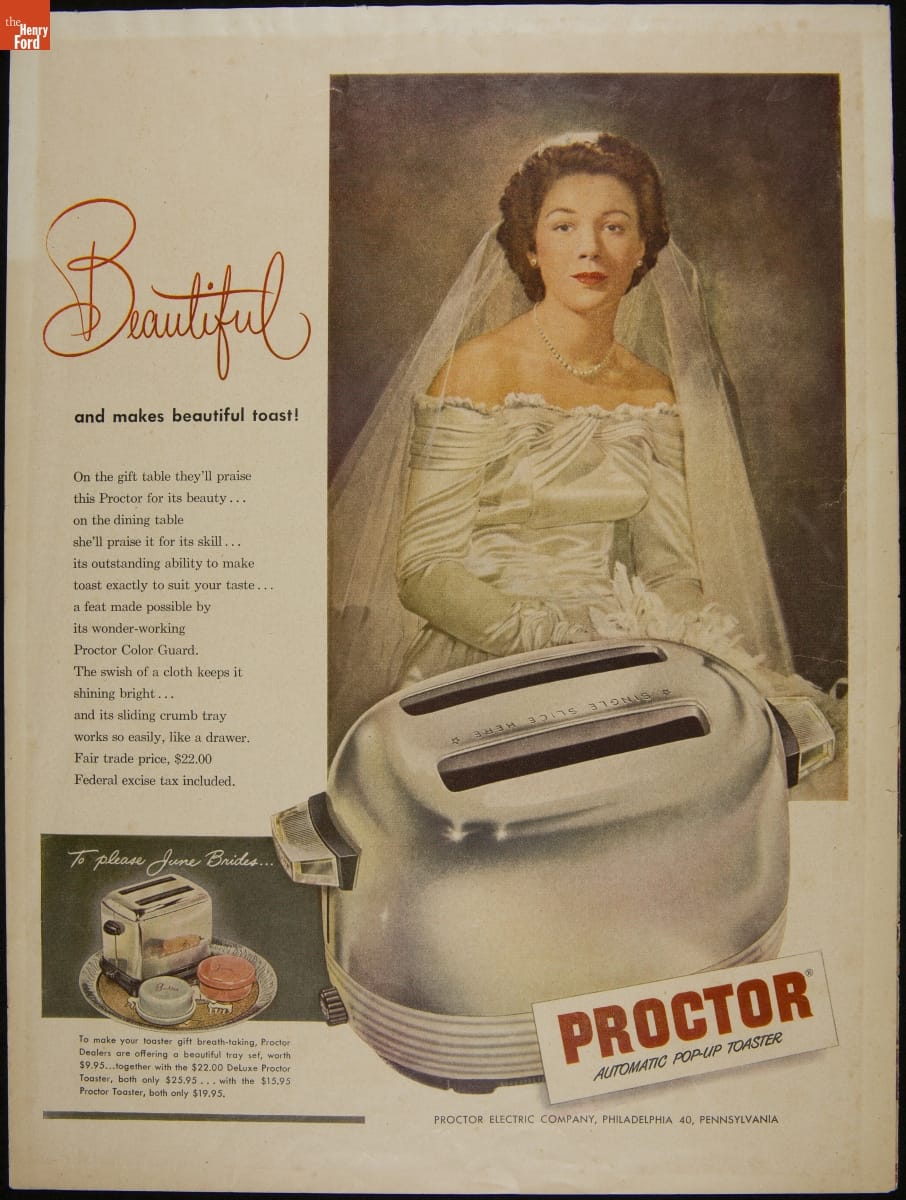
- June 13, 1949
- Collections - Artifact
Advertisement for Proctor Automatic Pop-up Toaster, " Beautiful and Makes Beautiful Toast!," 1949
- Hallmark "Madame Alexander: Rosette Dreams - Bride and Groom" Miniature Christmas Ornaments, 2005 - Already known for greeting cards, Hallmark introduced a line of Christmas ornaments in 1973. The company's annual release of an increasing array of ornaments revolutionized Christmas decorating, appealing to customers' interest in marking memories and milestones as well as expressing one's personality and unique tastes.
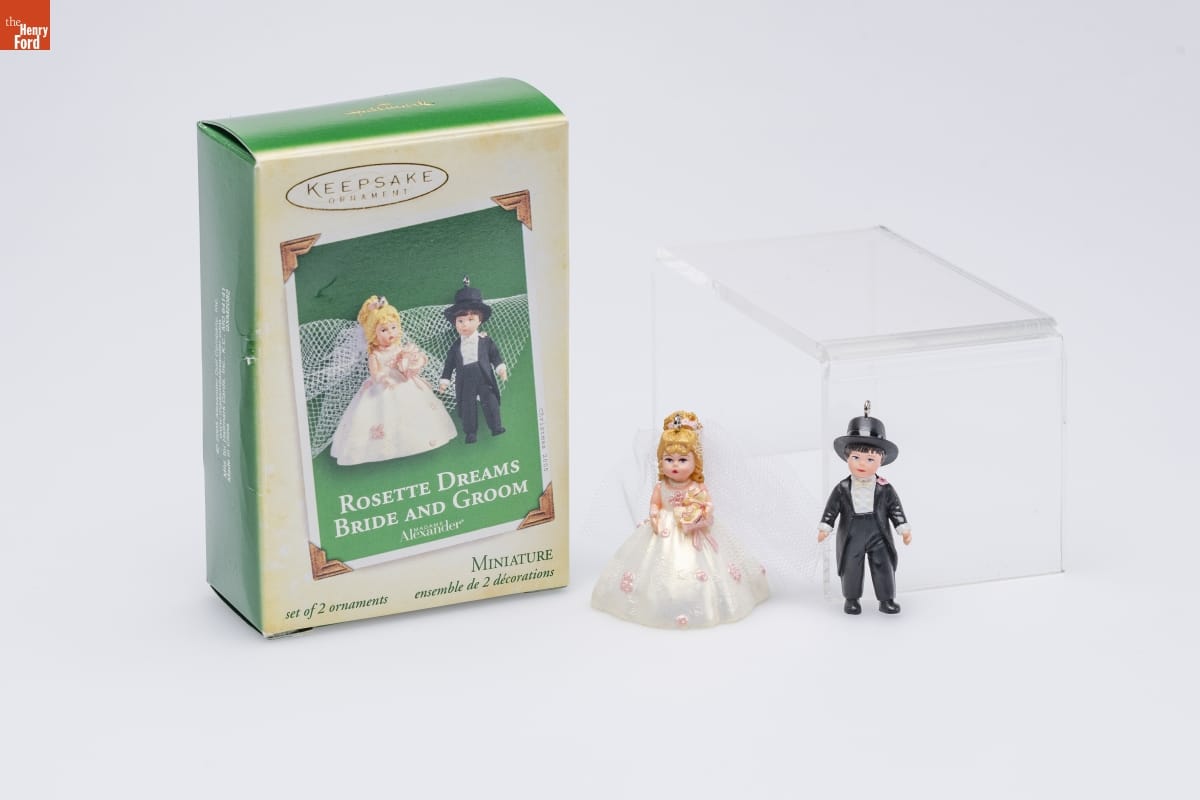
- 2005
- Collections - Artifact
Hallmark "Madame Alexander: Rosette Dreams - Bride and Groom" Miniature Christmas Ornaments, 2005
Already known for greeting cards, Hallmark introduced a line of Christmas ornaments in 1973. The company's annual release of an increasing array of ornaments revolutionized Christmas decorating, appealing to customers' interest in marking memories and milestones as well as expressing one's personality and unique tastes.
- Wedding Portrait, circa 1885 -
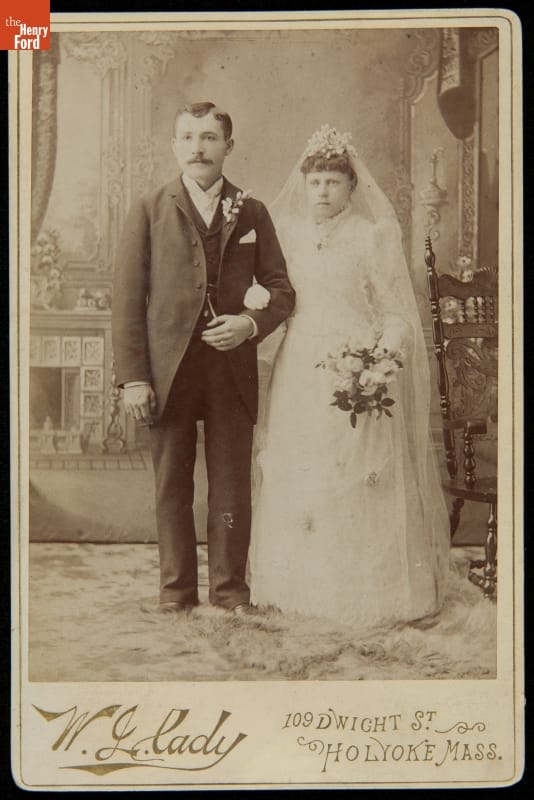
- circa 1885
- Collections - Artifact
Wedding Portrait, circa 1885
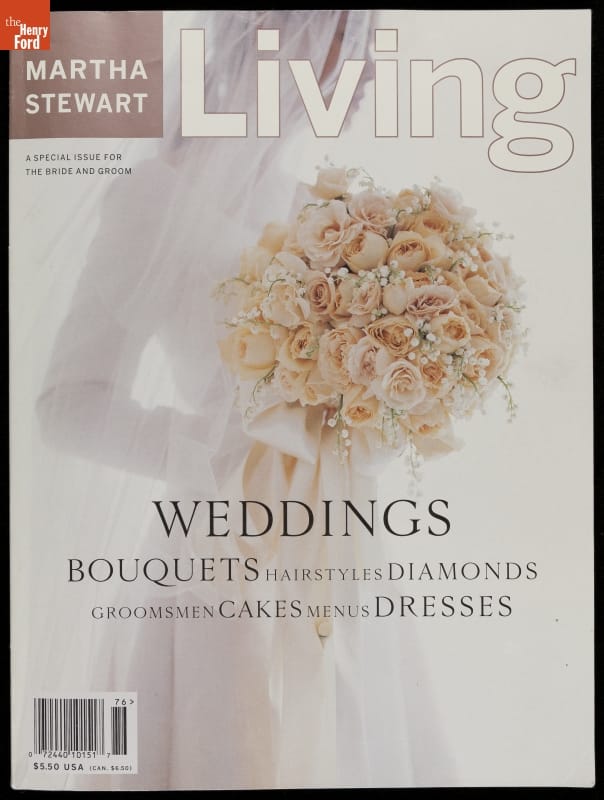
- Magazine, "Martha Stewart Living, A Special Issue for the Bride and Groom," Summer/Fall, 1997 - By the 1990s, American consumers had grown comfortable with the idea of fulfilling emotional needs by rewarding themselves with material goods and aspiring to live well. Many middle-class Americans wed in increasingly elaborate wedding celebrations. Domestic diva Martha Stewart provided her readers with ideas for the "how to" of living well, including elegant suggestions for planning the "perfect," and often costly, wedding.
- 1997
- Collections - Artifact
Magazine, "Martha Stewart Living, A Special Issue for the Bride and Groom," Summer/Fall, 1997
By the 1990s, American consumers had grown comfortable with the idea of fulfilling emotional needs by rewarding themselves with material goods and aspiring to live well. Many middle-class Americans wed in increasingly elaborate wedding celebrations. Domestic diva Martha Stewart provided her readers with ideas for the "how to" of living well, including elegant suggestions for planning the "perfect," and often costly, wedding.
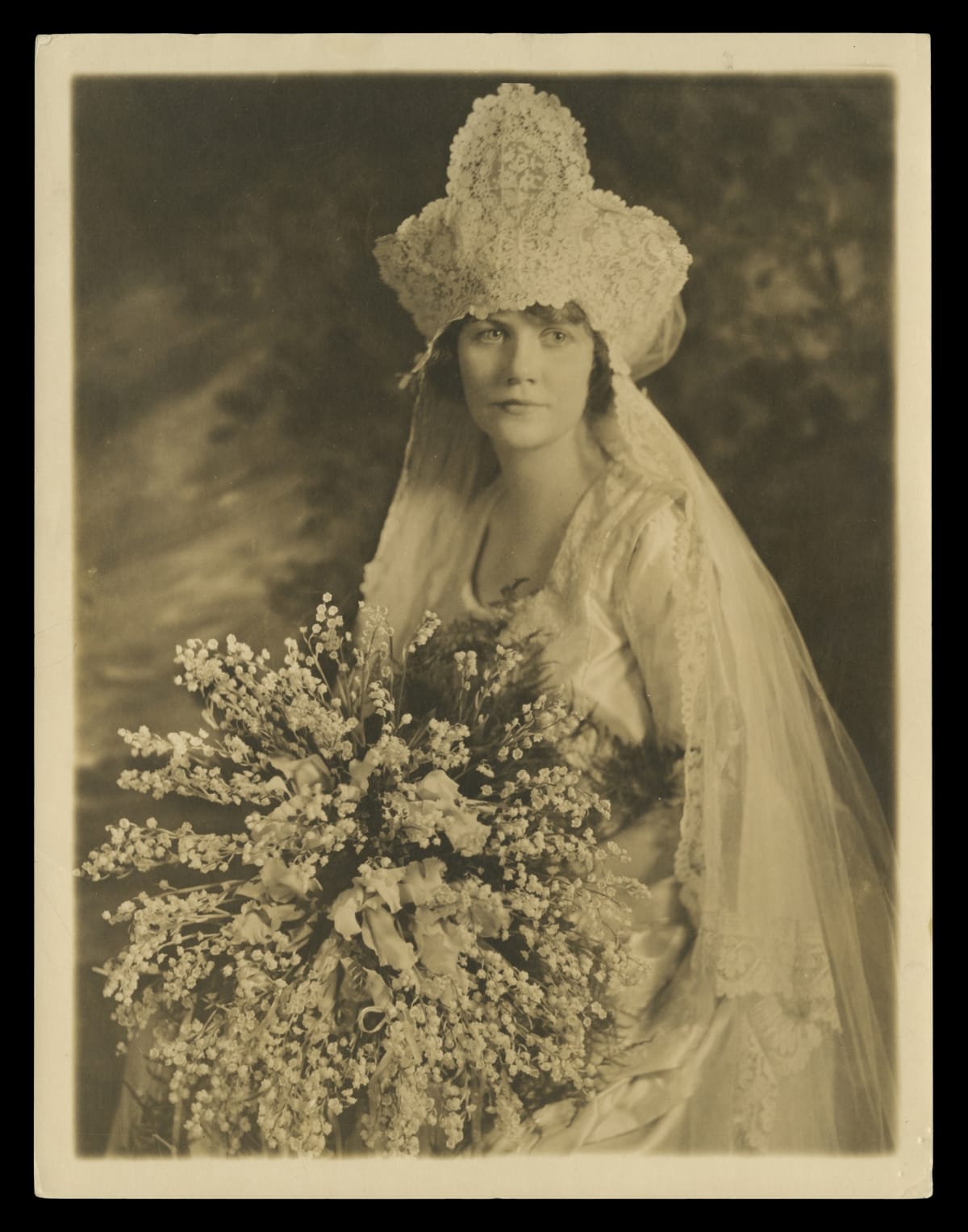
- Wedding Portrait of Elizabeth Parke Firestone, June 25, 1921 - Elizabeth Parke, daughter of a prosperous Decatur, Illinois, businessman, and Harvey S. Firestone, Jr., son of the founder of the Firestone Tire and Rubber Company, met at a dance at Princeton around 1920. Their 1921 wedding was the most lavish Decatur had ever seen. Elizabeth -- who would become well-known for a refined sense of fashion -- likely made her own wedding dress.
- June 25, 1921
- Collections - Artifact
Wedding Portrait of Elizabeth Parke Firestone, June 25, 1921
Elizabeth Parke, daughter of a prosperous Decatur, Illinois, businessman, and Harvey S. Firestone, Jr., son of the founder of the Firestone Tire and Rubber Company, met at a dance at Princeton around 1920. Their 1921 wedding was the most lavish Decatur had ever seen. Elizabeth -- who would become well-known for a refined sense of fashion -- likely made her own wedding dress.
- Scrapbook of Elizabeth Parke Memorabilia, 1902-1924 -

- 1902-1924
- Collections - Artifact
Scrapbook of Elizabeth Parke Memorabilia, 1902-1924
- Rose Pecchia at Her Wedding in 1968 -
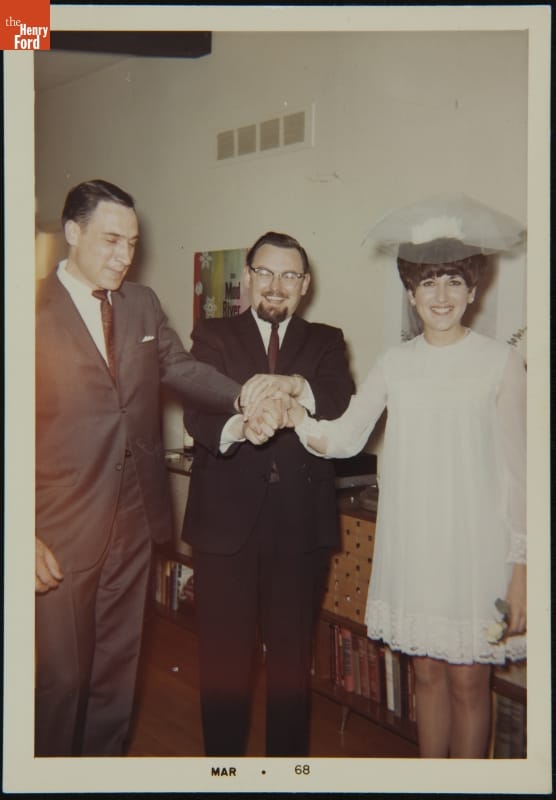
- March 01, 1968
- Collections - Artifact
Rose Pecchia at Her Wedding in 1968
- African American Wedding Party, circa 1940 -
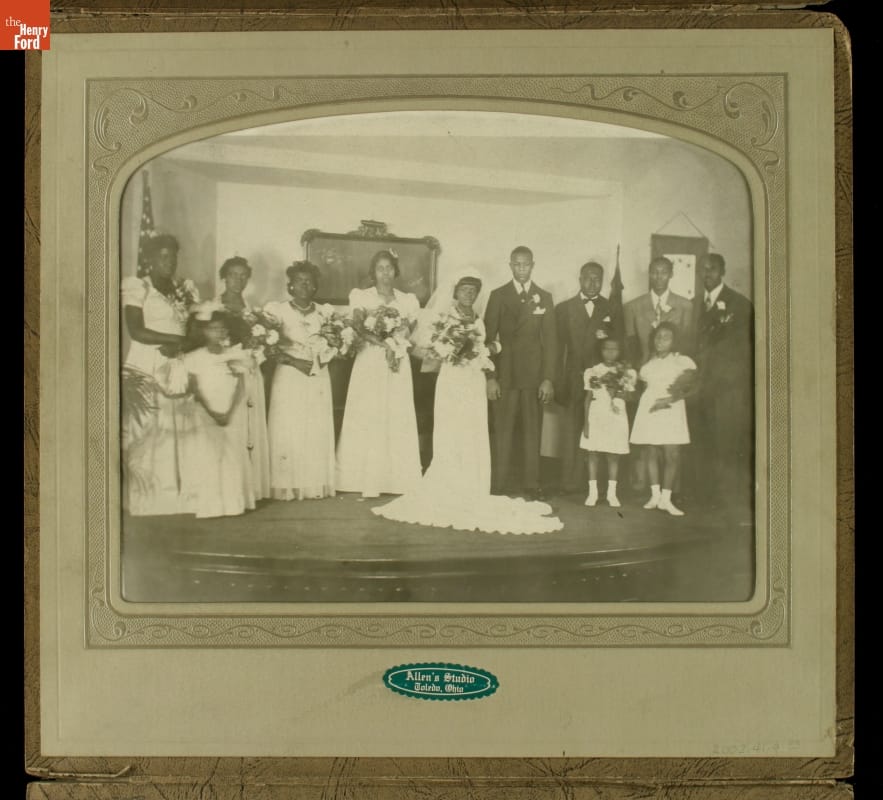
- circa 1940
- Collections - Artifact
African American Wedding Party, circa 1940