
Search
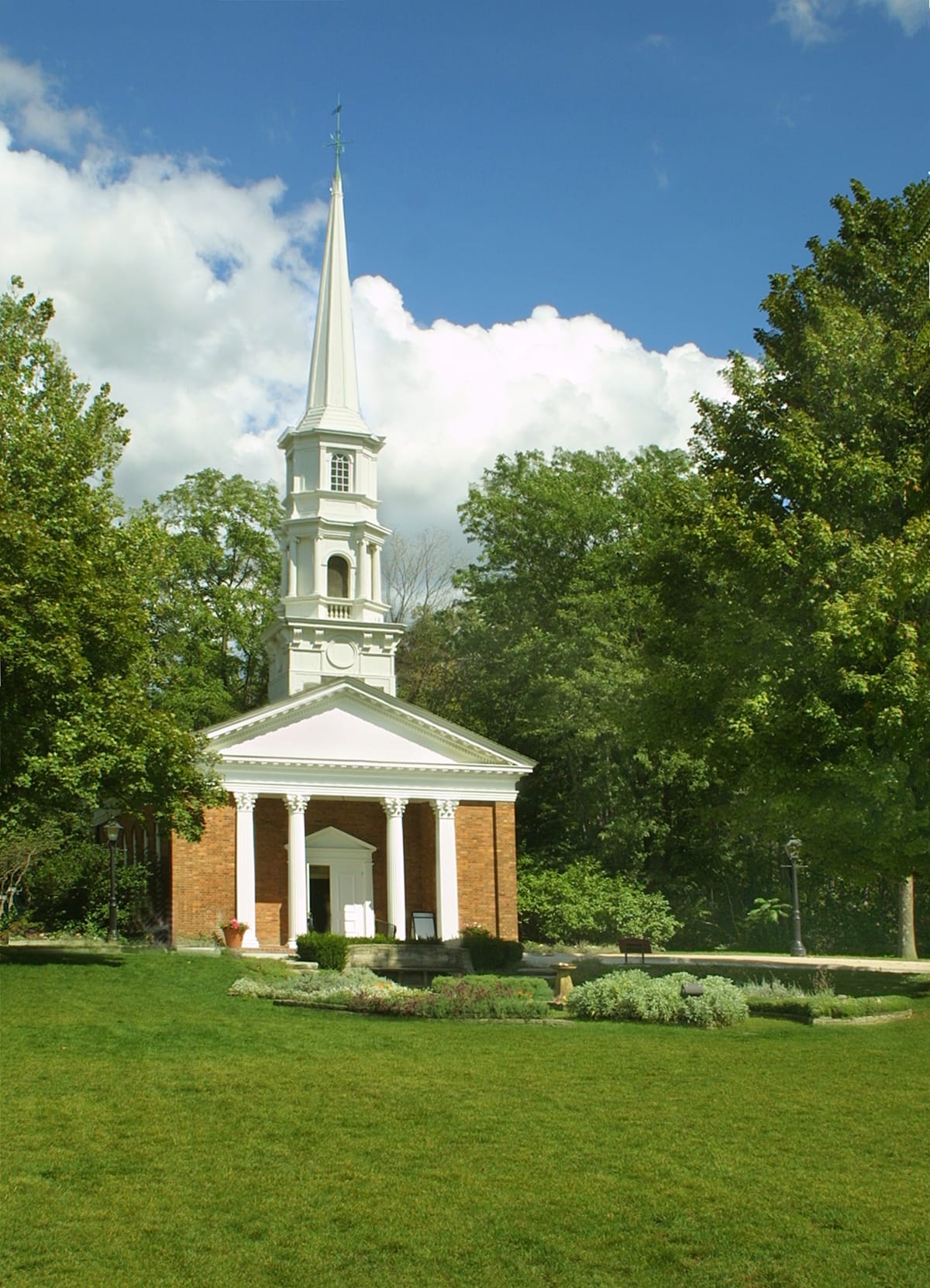
- Martha-Mary Chapel - Churches were a center of community life in the 1700s, a place where townspeople came together to attend services and socialize. The Martha-Mary Chapel, with its architecture inspired by New England's colonial-era churches, was built in Greenfield Village in 1929. This chapel was named after Henry Ford's mother, Mary Litogot Ford, and his mother-in-law, Martha Bench Bryant.
- 1929
- Collections - Artifact
Martha-Mary Chapel
Churches were a center of community life in the 1700s, a place where townspeople came together to attend services and socialize. The Martha-Mary Chapel, with its architecture inspired by New England's colonial-era churches, was built in Greenfield Village in 1929. This chapel was named after Henry Ford's mother, Mary Litogot Ford, and his mother-in-law, Martha Bench Bryant.
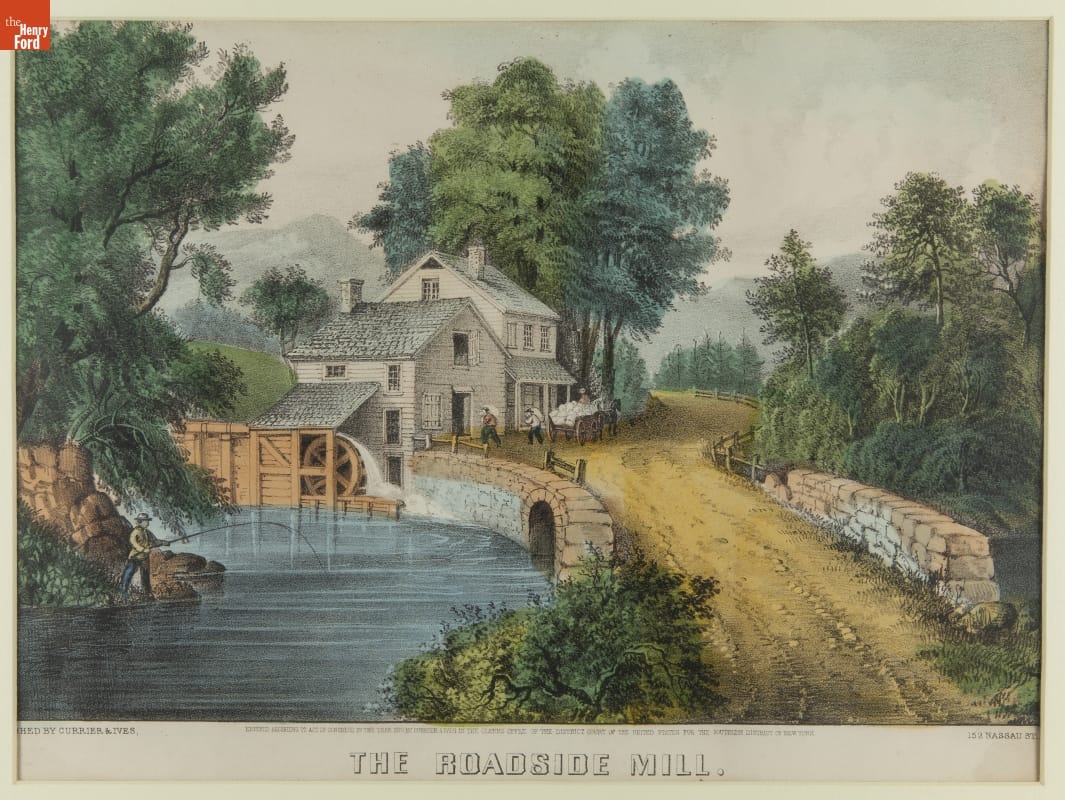
- Lithograph by Currier & Ives, "The Roadside Mill," 1870 -
- 1870
- Collections - Artifact
Lithograph by Currier & Ives, "The Roadside Mill," 1870
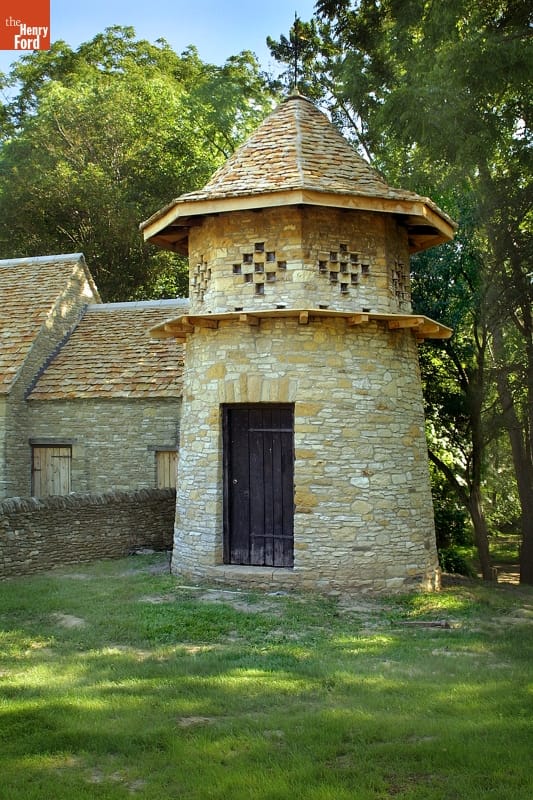
- Cotswold Dovecote - Henry and Clara Ford were avid birders and built this dovecote, modeled on one in Chesham, England. Dovecotes, which could only be owned by privileged landlords, were built to attract roosting birds, which helped control insects and provided manure for fertilizer. The nests could be reached from inside the dovecote where the eggs could be gathered, or birds trapped for food.
- circa 1935
- Collections - Artifact
Cotswold Dovecote
Henry and Clara Ford were avid birders and built this dovecote, modeled on one in Chesham, England. Dovecotes, which could only be owned by privileged landlords, were built to attract roosting birds, which helped control insects and provided manure for fertilizer. The nests could be reached from inside the dovecote where the eggs could be gathered, or birds trapped for food.
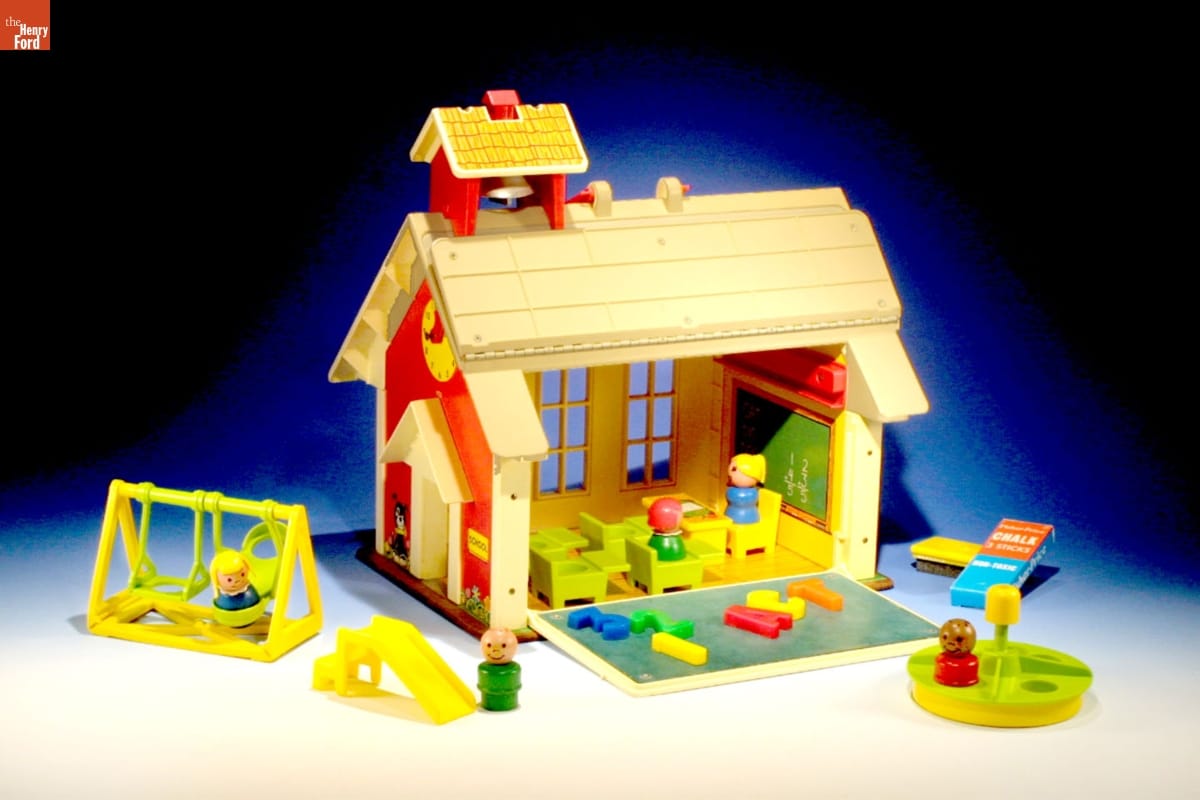
- Fisher-Price Play Family School, 1971-1975 - The Civil Rights movement, as well as the emerging woman's movement, created a whole new world for kids growing up in the 1970s. As social barriers and traditional gender stereotypes began to break down, kids were encouraged to appreciate diversity. This popular toy was one of the first playthings to include an African-American toy figure.
- 1971-1975
- Collections - Artifact
Fisher-Price Play Family School, 1971-1975
The Civil Rights movement, as well as the emerging woman's movement, created a whole new world for kids growing up in the 1970s. As social barriers and traditional gender stereotypes began to break down, kids were encouraged to appreciate diversity. This popular toy was one of the first playthings to include an African-American toy figure.
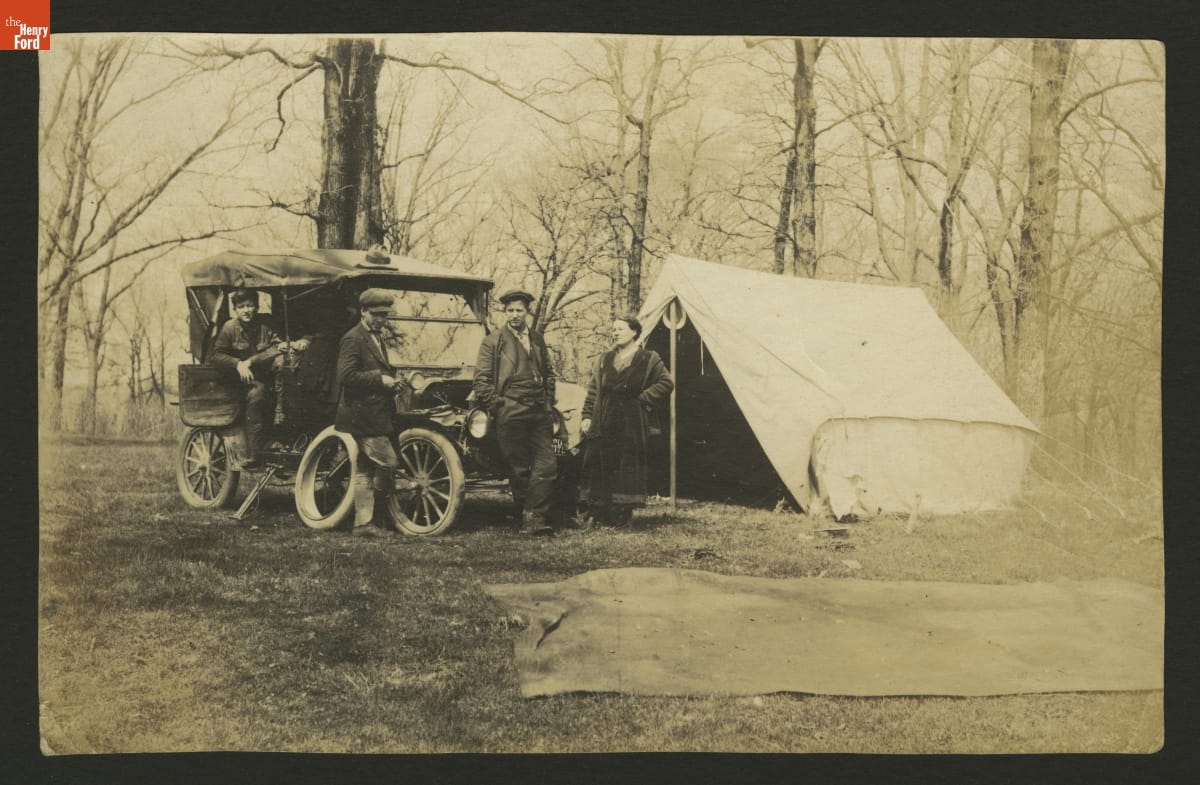
- Auto Campers with Ford Model T Touring Car and Tent, Cedar Rapids, Iowa, circa 1919 - During the late teens and 1920s, hordes of middle-class motorists were answering the call of the open road. But overnight lodgings were hard to find, so many people packed a tent, cots, and food, and enjoyed the freedom of autocamping. Setting up camp for the night provided the opportunity to make much-needed repairs before heading out the next day.
- circa 1919
- Collections - Artifact
Auto Campers with Ford Model T Touring Car and Tent, Cedar Rapids, Iowa, circa 1919
During the late teens and 1920s, hordes of middle-class motorists were answering the call of the open road. But overnight lodgings were hard to find, so many people packed a tent, cots, and food, and enjoyed the freedom of autocamping. Setting up camp for the night provided the opportunity to make much-needed repairs before heading out the next day.
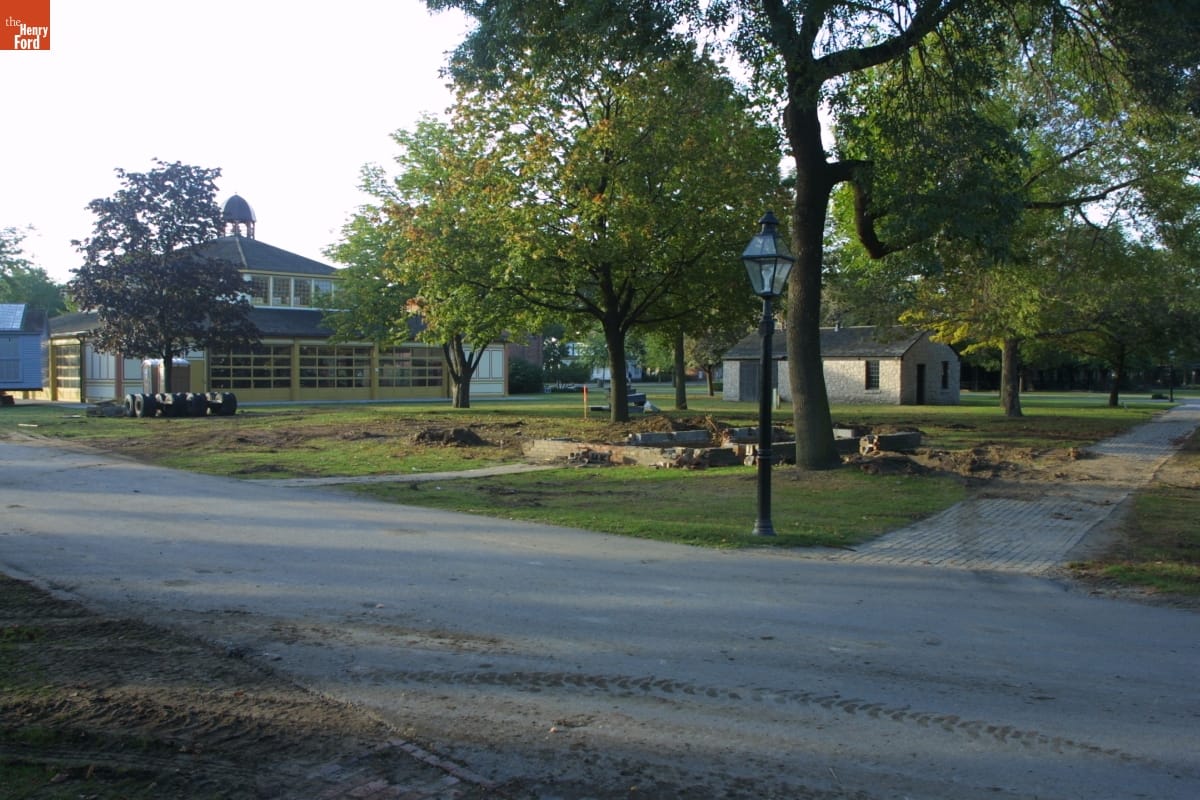
- Tintype Studio Former Site after Relocation during the Greenfield Village Restoration Project, September 2002 - By 2000, Greenfield Village began showing its age. Buildings and crumbling infrastructure desperately needed repair. Museum planners envisioned a revitalized village. They created themed "Historic Districts" by relocating and refurbishing the historic structures. Workers repaved streets and upgraded water, sewer, electric, and gas lines. In June 2003, nine months after restoration began, visitors passed through a new entrance into a reborn Greenfield Village.
- September 01, 2002
- Collections - Artifact
Tintype Studio Former Site after Relocation during the Greenfield Village Restoration Project, September 2002
By 2000, Greenfield Village began showing its age. Buildings and crumbling infrastructure desperately needed repair. Museum planners envisioned a revitalized village. They created themed "Historic Districts" by relocating and refurbishing the historic structures. Workers repaved streets and upgraded water, sewer, electric, and gas lines. In June 2003, nine months after restoration began, visitors passed through a new entrance into a reborn Greenfield Village.
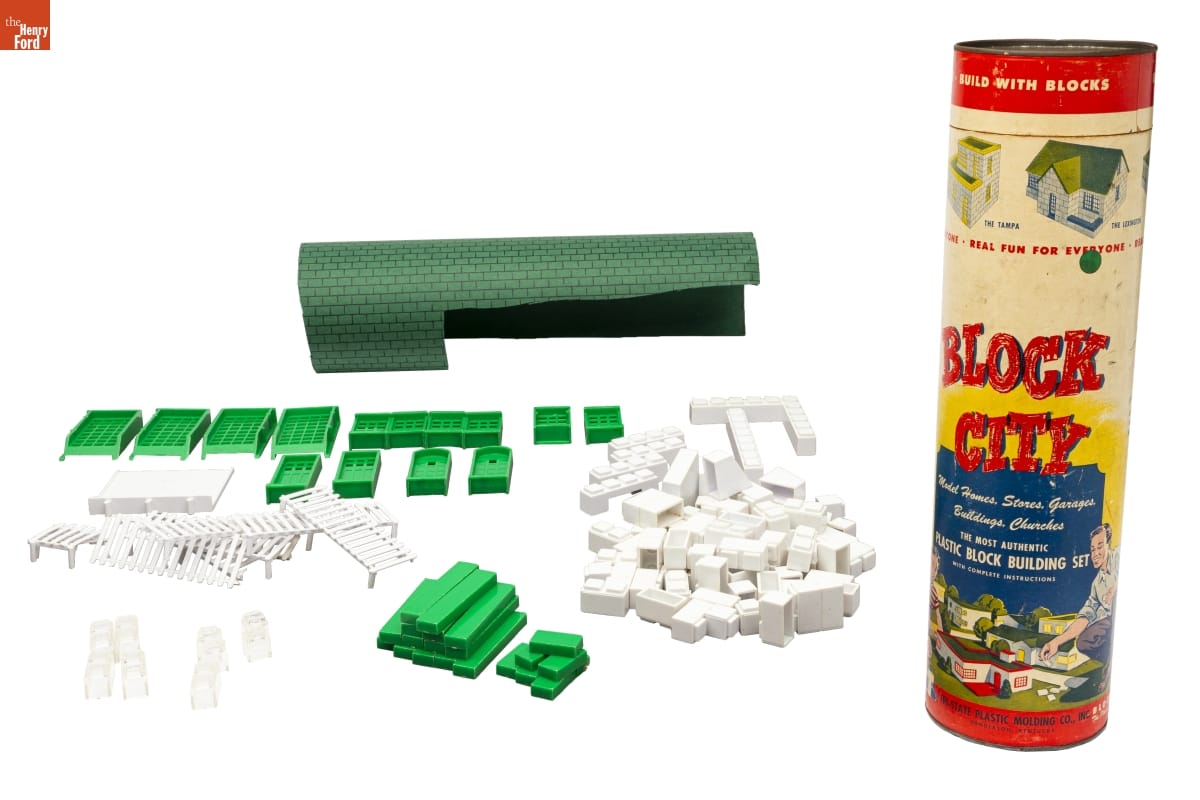
- Block City Building Blocks, 1955-1960 - Children love to build things--whether they create imaginative worlds or smaller versions of the real one. Construction toys are quite literally and figuratively "the building blocks of childhood." Playing with them builds physical and intellectual skills--and encourages creativity. Post-World War II Baby Boomers could recreate their neighborhood homes, stores, and offices with this set of plastic building blocks.
- 1955-1960
- Collections - Artifact
Block City Building Blocks, 1955-1960
Children love to build things--whether they create imaginative worlds or smaller versions of the real one. Construction toys are quite literally and figuratively "the building blocks of childhood." Playing with them builds physical and intellectual skills--and encourages creativity. Post-World War II Baby Boomers could recreate their neighborhood homes, stores, and offices with this set of plastic building blocks.
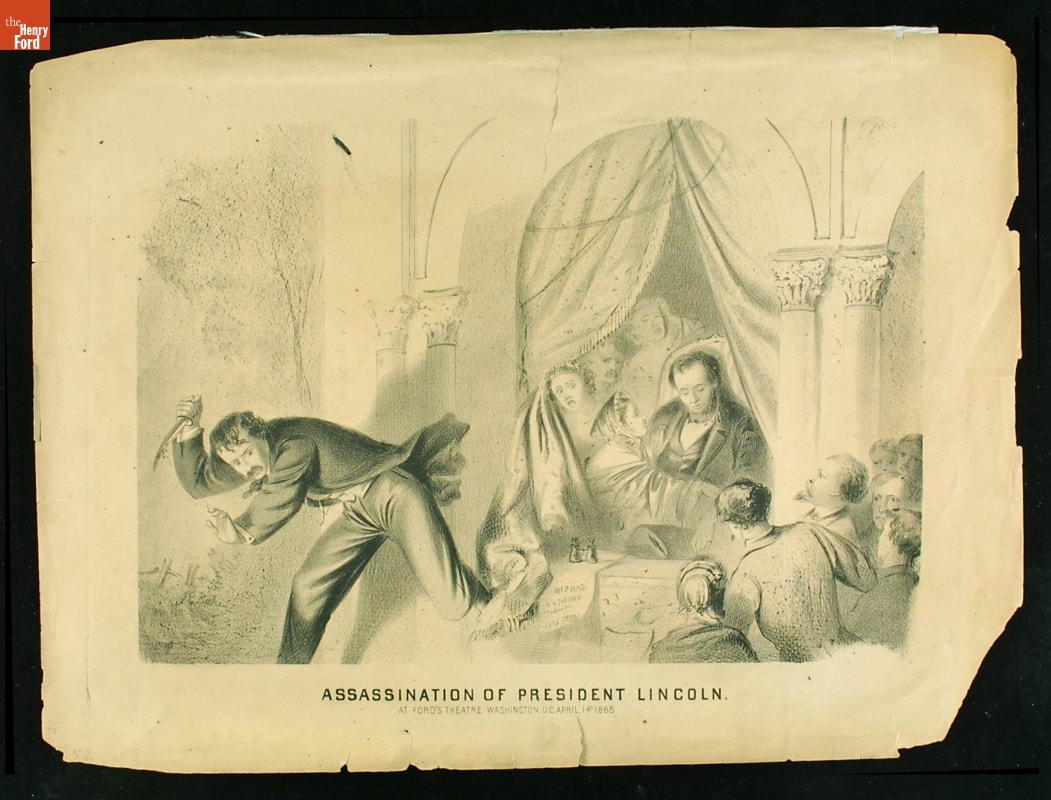
- Print, Assassination of President LIncoln, 1865-1870 - Before the existence of newspaper photos and television, lithographs helped people to understand the tragic event of President Abraham Lincoln's death in April 1865. This shows the assassin escaping after shooting President Lincoln at Ford's Theatre in Washington, D.C., on April 14, 1865. Printmakers produced various versions of this event, based on verbal reports.
- April 14, 1865
- Collections - Artifact
Print, Assassination of President LIncoln, 1865-1870
Before the existence of newspaper photos and television, lithographs helped people to understand the tragic event of President Abraham Lincoln's death in April 1865. This shows the assassin escaping after shooting President Lincoln at Ford's Theatre in Washington, D.C., on April 14, 1865. Printmakers produced various versions of this event, based on verbal reports.
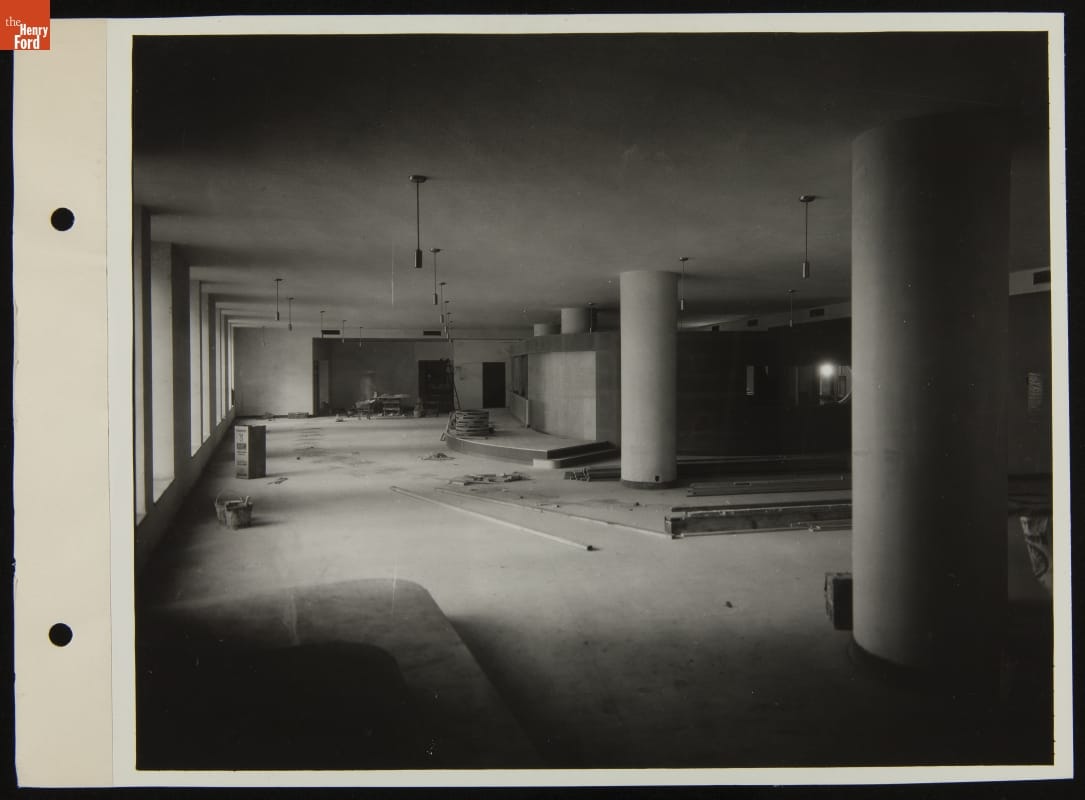
- Interior Remodeling in Progress, Ford Motor Company's New York City Branch, July 1937 - Ford Motor Company operated sales and service branches throughout the United States -- and ultimately around the world. Architect Albert Kahn designed this building for Ford's showroom, parts department, and offices on Broadway in New York City. It opened in 1919, and it was thoroughly remodeled in 1937. Ford sold the building to the International Ladies' Garment Workers' Union in 1943.
- July 15, 1937
- Collections - Artifact
Interior Remodeling in Progress, Ford Motor Company's New York City Branch, July 1937
Ford Motor Company operated sales and service branches throughout the United States -- and ultimately around the world. Architect Albert Kahn designed this building for Ford's showroom, parts department, and offices on Broadway in New York City. It opened in 1919, and it was thoroughly remodeled in 1937. Ford sold the building to the International Ladies' Garment Workers' Union in 1943.
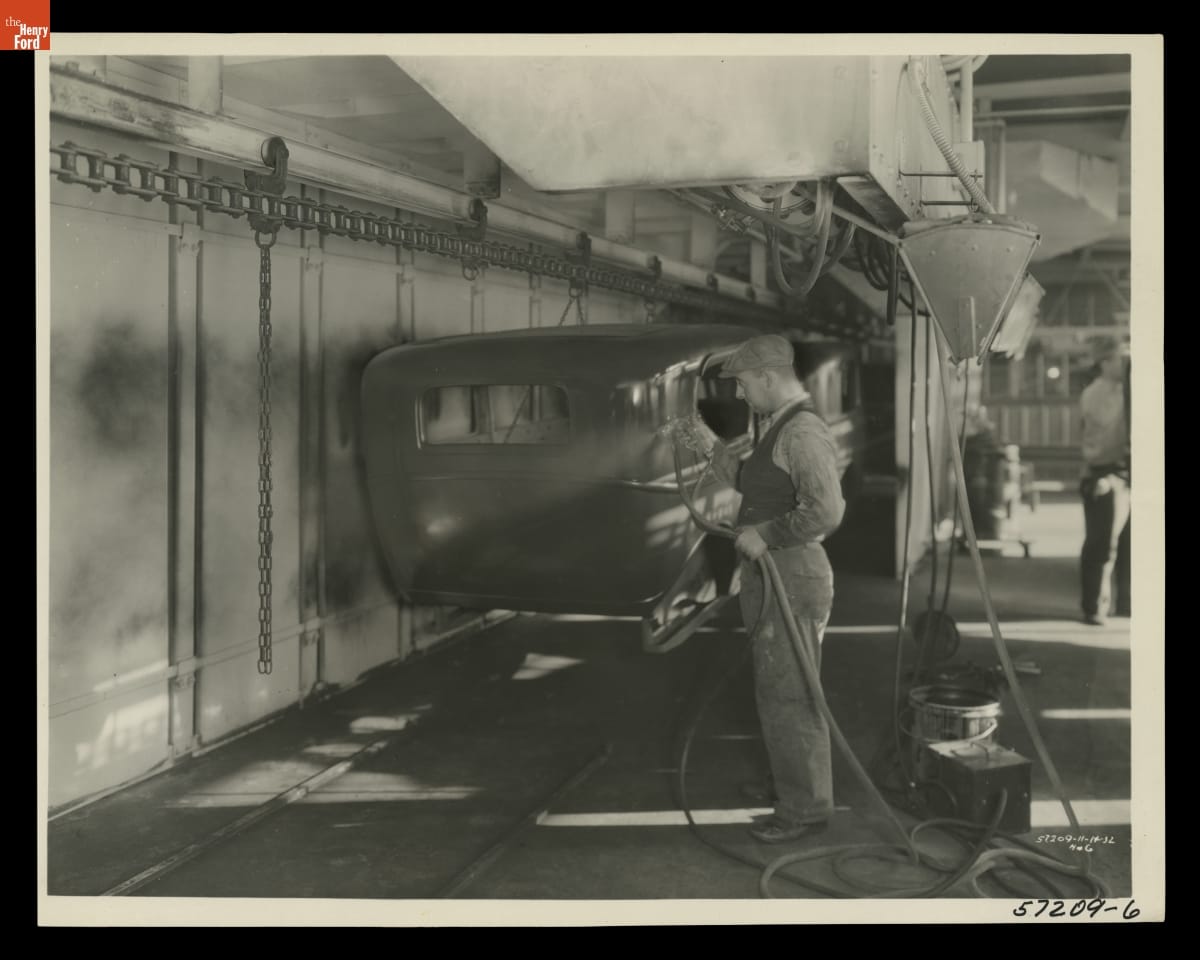
- Painting Automobile Bodies in the Ford Motor Company Rouge Plant B Building, November 1932 - Ford Motor Company's system of mass production depended on the smooth flow of parts and materials to workers. Ford engineers designed the buildings and facilities at the company's massive Rouge plant with this in mind. The "B" Building, where vehicle assembly took place, included extensive conveyer systems to accommodate the continuous movement of parts and processes.
- November 14, 1932
- Collections - Artifact
Painting Automobile Bodies in the Ford Motor Company Rouge Plant B Building, November 1932
Ford Motor Company's system of mass production depended on the smooth flow of parts and materials to workers. Ford engineers designed the buildings and facilities at the company's massive Rouge plant with this in mind. The "B" Building, where vehicle assembly took place, included extensive conveyer systems to accommodate the continuous movement of parts and processes.