
Search
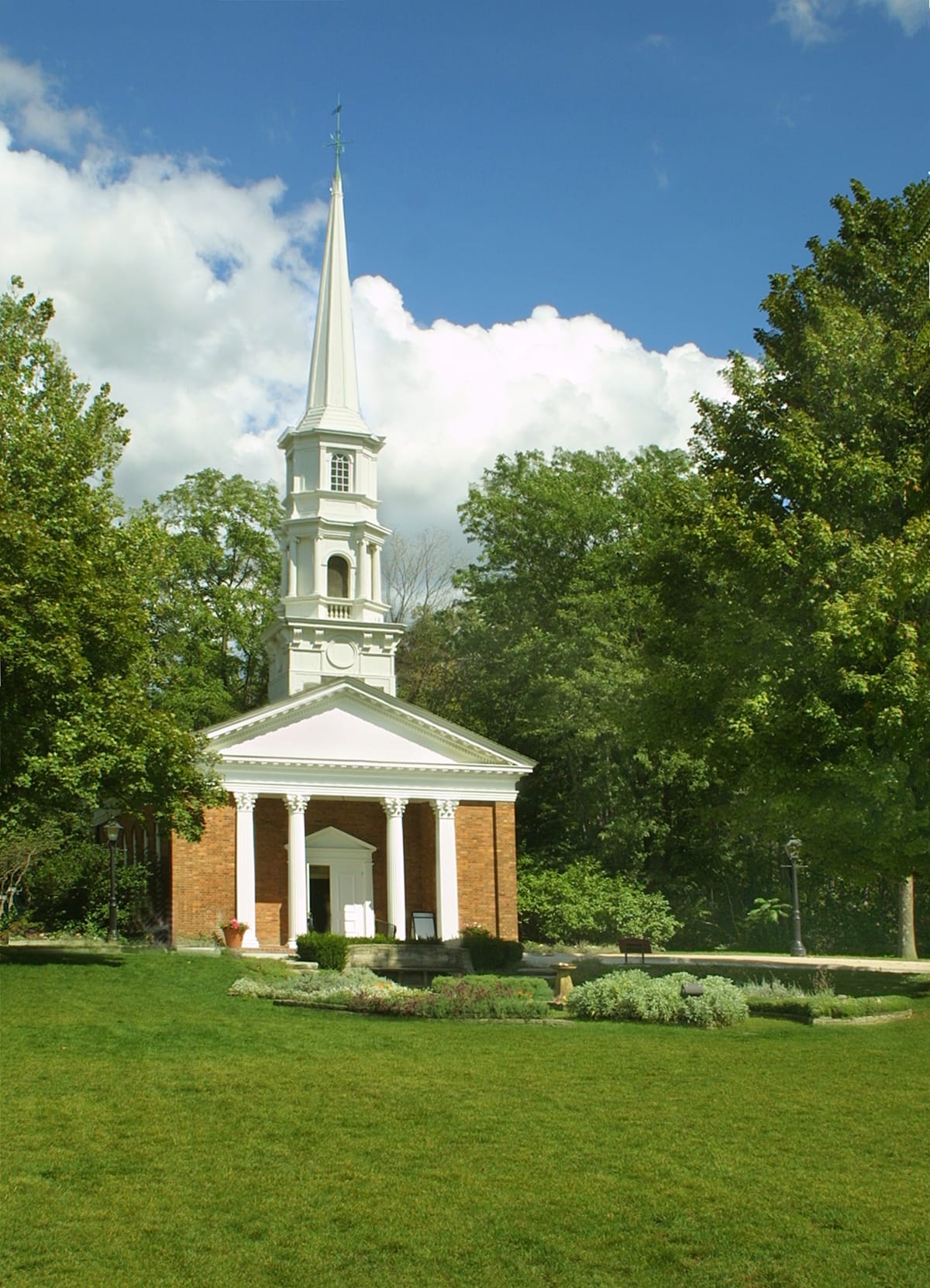
- Martha-Mary Chapel - Churches were a center of community life in the 1700s, a place where townspeople came together to attend services and socialize. The Martha-Mary Chapel, with its architecture inspired by New England's colonial-era churches, was built in Greenfield Village in 1929. This chapel was named after Henry Ford's mother, Mary Litogot Ford, and his mother-in-law, Martha Bench Bryant.
- 1929
- Collections - Artifact
Martha-Mary Chapel
Churches were a center of community life in the 1700s, a place where townspeople came together to attend services and socialize. The Martha-Mary Chapel, with its architecture inspired by New England's colonial-era churches, was built in Greenfield Village in 1929. This chapel was named after Henry Ford's mother, Mary Litogot Ford, and his mother-in-law, Martha Bench Bryant.
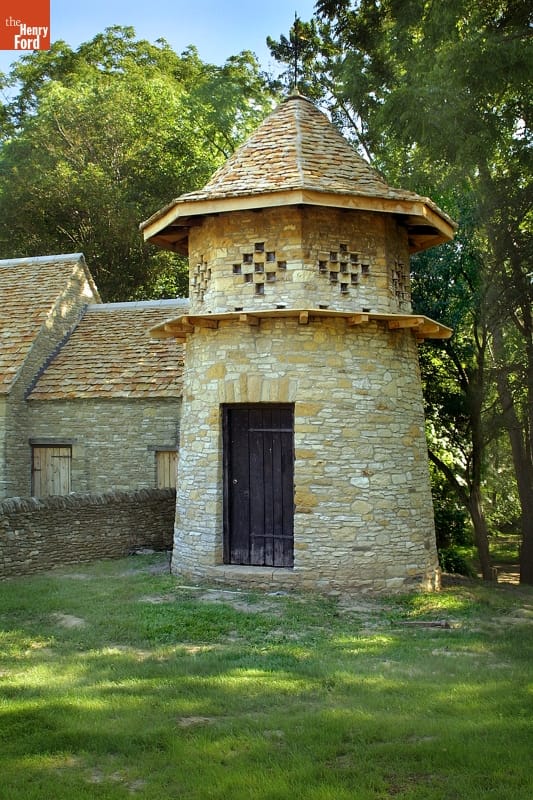
- Cotswold Dovecote - Henry and Clara Ford were avid birders and built this dovecote, modeled on one in Chesham, England. Dovecotes, which could only be owned by privileged landlords, were built to attract roosting birds, which helped control insects and provided manure for fertilizer. The nests could be reached from inside the dovecote where the eggs could be gathered, or birds trapped for food.
- circa 1935
- Collections - Artifact
Cotswold Dovecote
Henry and Clara Ford were avid birders and built this dovecote, modeled on one in Chesham, England. Dovecotes, which could only be owned by privileged landlords, were built to attract roosting birds, which helped control insects and provided manure for fertilizer. The nests could be reached from inside the dovecote where the eggs could be gathered, or birds trapped for food.
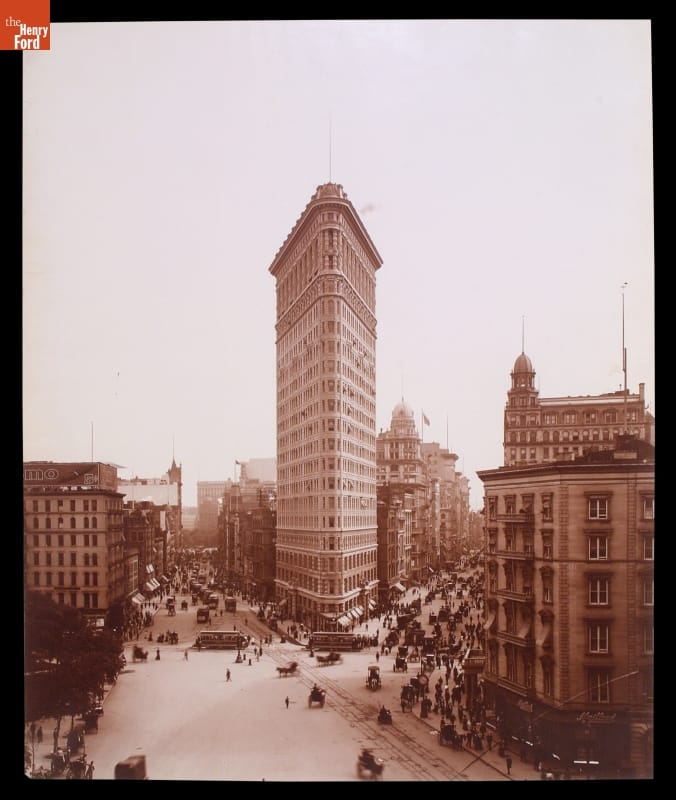
- Flat Iron Building, New York City, 1903 - From 1895 to 1924, the Detroit Publishing Company was one of the major image publishers in the world. The company's wide-ranging stock of original photographs documented life and landscapes from across the nation and around the globe. From the tens of thousands of negatives, the company created prints, postcards, lantern slides, panoramas, and other merchandise for sale to educators, businessmen, advertisers, homeowners and travelers.
- 1903
- Collections - Artifact
Flat Iron Building, New York City, 1903
From 1895 to 1924, the Detroit Publishing Company was one of the major image publishers in the world. The company's wide-ranging stock of original photographs documented life and landscapes from across the nation and around the globe. From the tens of thousands of negatives, the company created prints, postcards, lantern slides, panoramas, and other merchandise for sale to educators, businessmen, advertisers, homeowners and travelers.
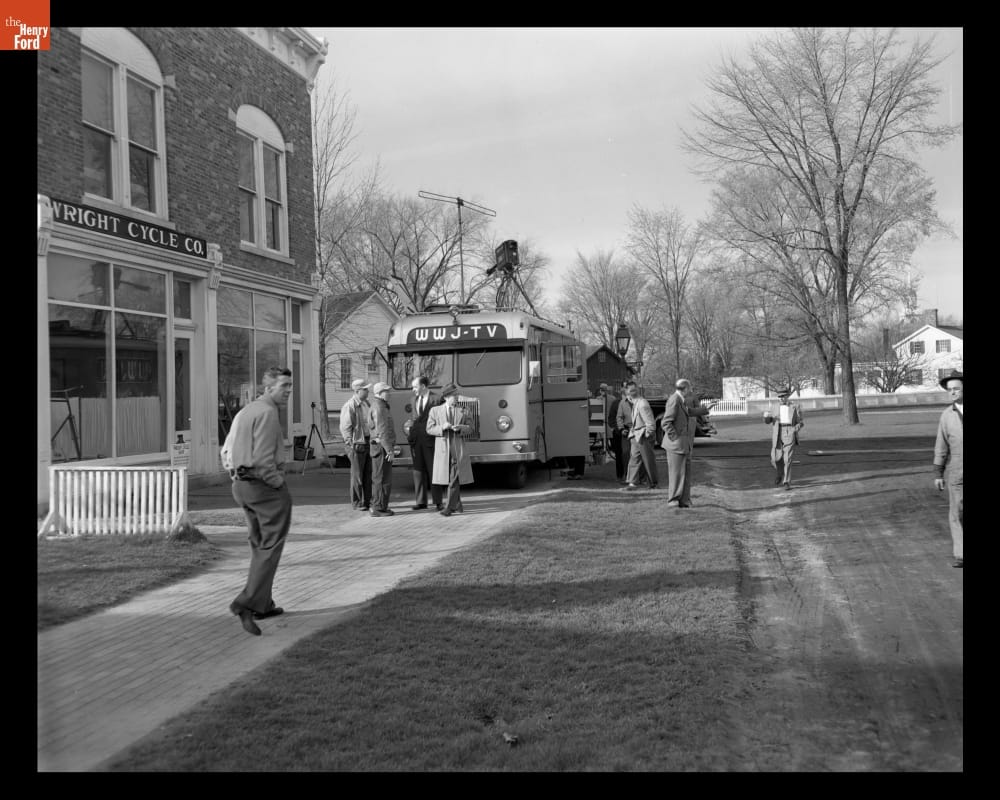
- NBC "Today" Show Broadcast from Greenfield Village, April 18, 1955 - In April 1955, NBC's <em>Today</em> show came to Detroit, Michigan, to cover the automotive industry. The morning news and entertainment show originated a remote broadcast from Greenfield Village on April 18th. Staff paraded a line of vehicles -- both horse-drawn carriages and automobiles -- past the cameras. NBC reporter Dick McCutcheon and museum curator Hayward Ablewhite provided commentary.
- April 18, 1955
- Collections - Artifact
NBC "Today" Show Broadcast from Greenfield Village, April 18, 1955
In April 1955, NBC's Today show came to Detroit, Michigan, to cover the automotive industry. The morning news and entertainment show originated a remote broadcast from Greenfield Village on April 18th. Staff paraded a line of vehicles -- both horse-drawn carriages and automobiles -- past the cameras. NBC reporter Dick McCutcheon and museum curator Hayward Ablewhite provided commentary.
- Daggett Farmhouse - Like other farm families living in northeastern Connecticut in the 1760s, the Daggetts made and grew many of the things they needed. Along with farming, Samuel Daggett was a house builder and furniture maker. The "saltbox" form of this house -- with short roof in front and long in back -- was a typical New England house type of this era.
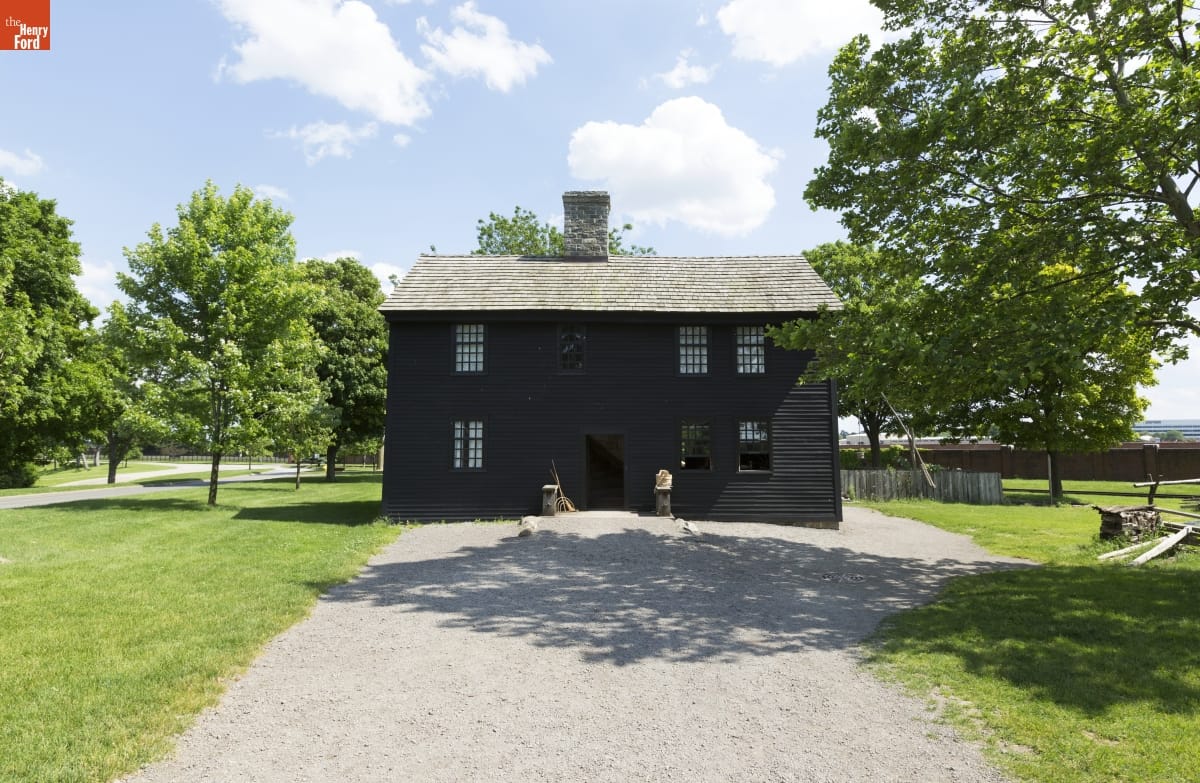
- circa 1755
- Collections - Artifact
Daggett Farmhouse
Like other farm families living in northeastern Connecticut in the 1760s, the Daggetts made and grew many of the things they needed. Along with farming, Samuel Daggett was a house builder and furniture maker. The "saltbox" form of this house -- with short roof in front and long in back -- was a typical New England house type of this era.
- Videotaping the ABC-TV "Discovery 64" Show in Greenfield Village, Director, Host and Producer inside Menlo Park Laboratory, November 1963 - <EM>Discovery 64</EM> was a half hour children's educational show on ABC. It explored history, science, art, current events and other subjects important in a child's world. In November 1963, the show filmed three programs at the Henry Ford Museum and Greenfield Village. Production set up in the museum's Street of Shops and at various locations in the village including Edison's Menlo Park Laboratory.
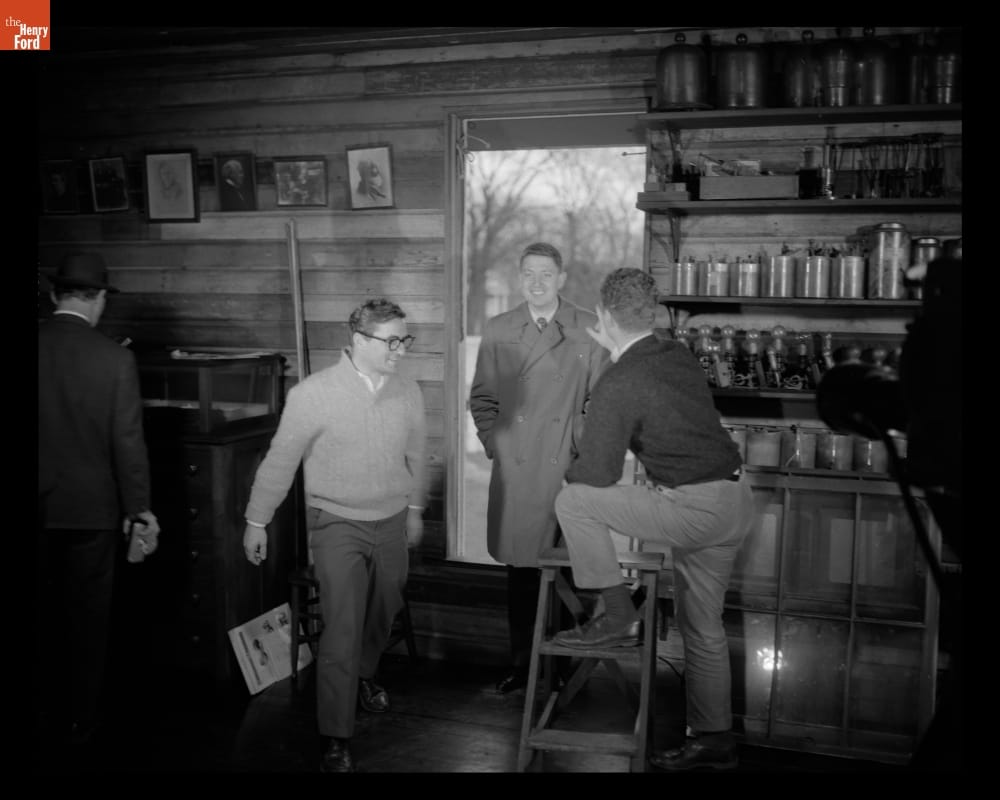
- November 01, 1963
- Collections - Artifact
Videotaping the ABC-TV "Discovery 64" Show in Greenfield Village, Director, Host and Producer inside Menlo Park Laboratory, November 1963
Discovery 64 was a half hour children's educational show on ABC. It explored history, science, art, current events and other subjects important in a child's world. In November 1963, the show filmed three programs at the Henry Ford Museum and Greenfield Village. Production set up in the museum's Street of Shops and at various locations in the village including Edison's Menlo Park Laboratory.
- Loranger Gristmill before Relocation during the Greenfield Village Restoration Project, September 2002 -
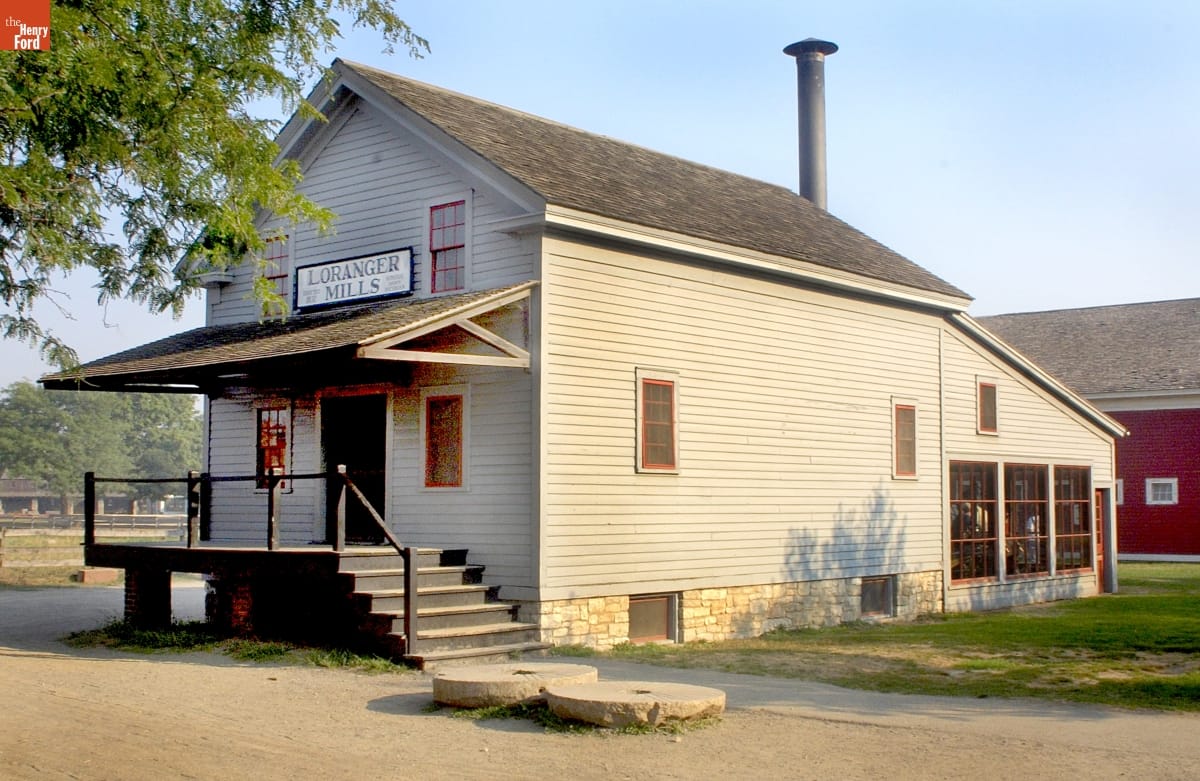
- 09 September 2002-11 September 2002
- Collections - Artifact
Loranger Gristmill before Relocation during the Greenfield Village Restoration Project, September 2002
- "Along the Shore of Manhassett Bay, Port Washington, L.I.," October 4, 1909 -
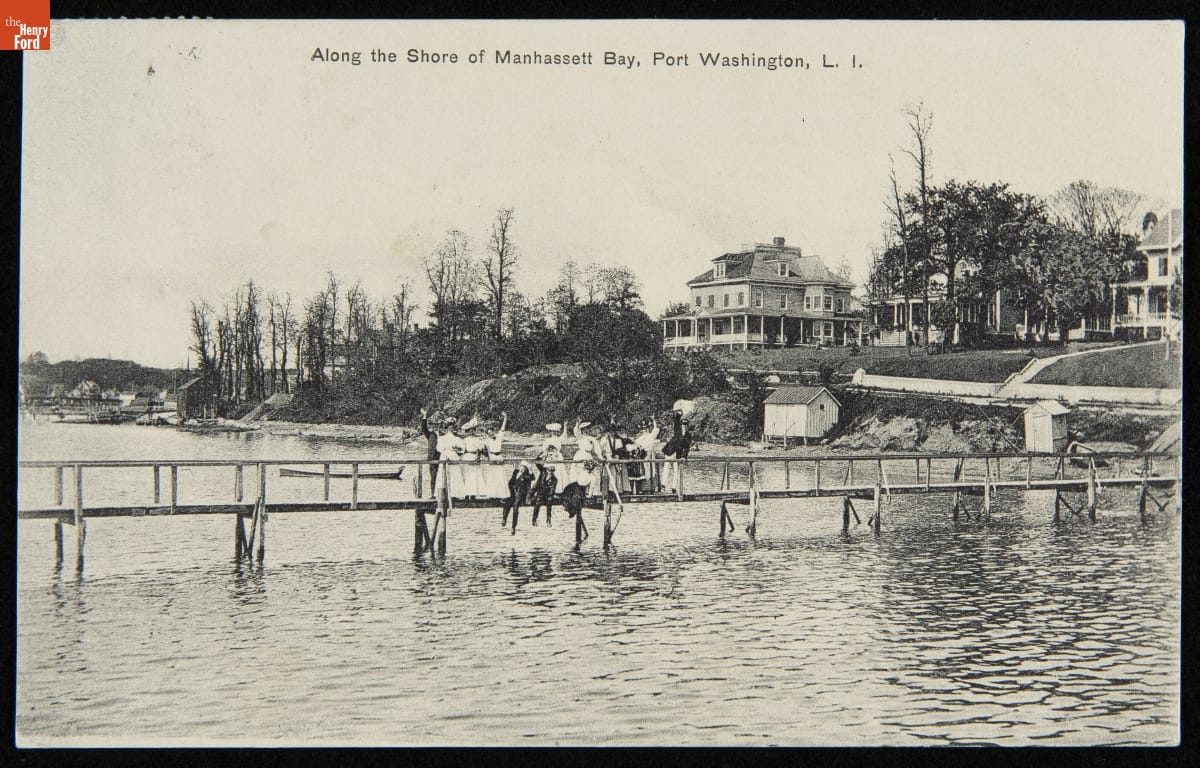
- October 04, 1909
- Collections - Artifact
"Along the Shore of Manhassett Bay, Port Washington, L.I.," October 4, 1909
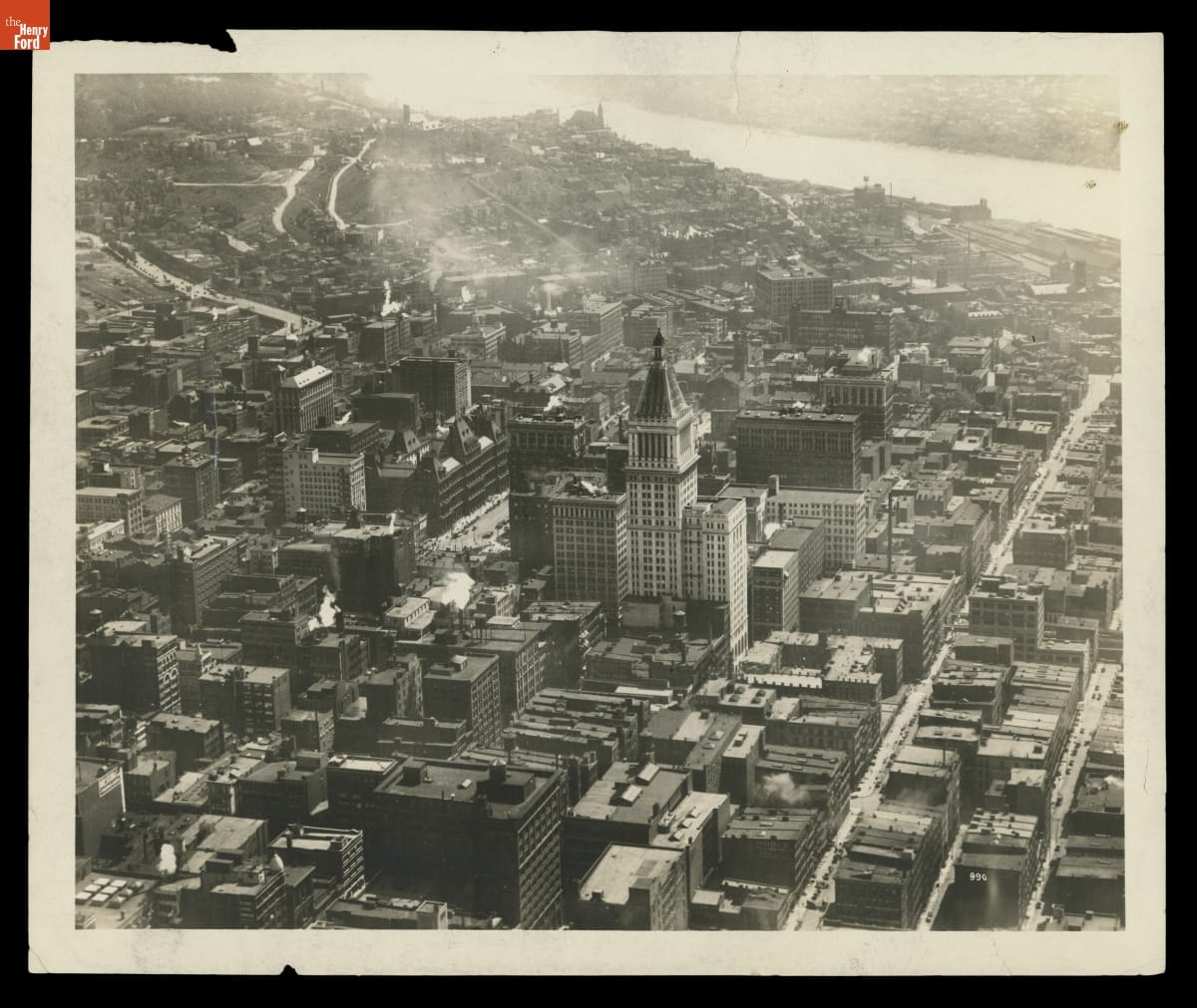
- Aerial View of Cincinnati, Ohio, circa 1923 - Military aerial reconnaissance during World War I accelerated the evolution of domestic aerial photography after the war. During the 1920s, aerial images like this one taken over Cincinnati by the U.S. Army Air Service helped document population shifts and environmental changes. They also informed urban planning, agricultural practices, and engineering projects.
- circa 1923
- Collections - Artifact
Aerial View of Cincinnati, Ohio, circa 1923
Military aerial reconnaissance during World War I accelerated the evolution of domestic aerial photography after the war. During the 1920s, aerial images like this one taken over Cincinnati by the U.S. Army Air Service helped document population shifts and environmental changes. They also informed urban planning, agricultural practices, and engineering projects.
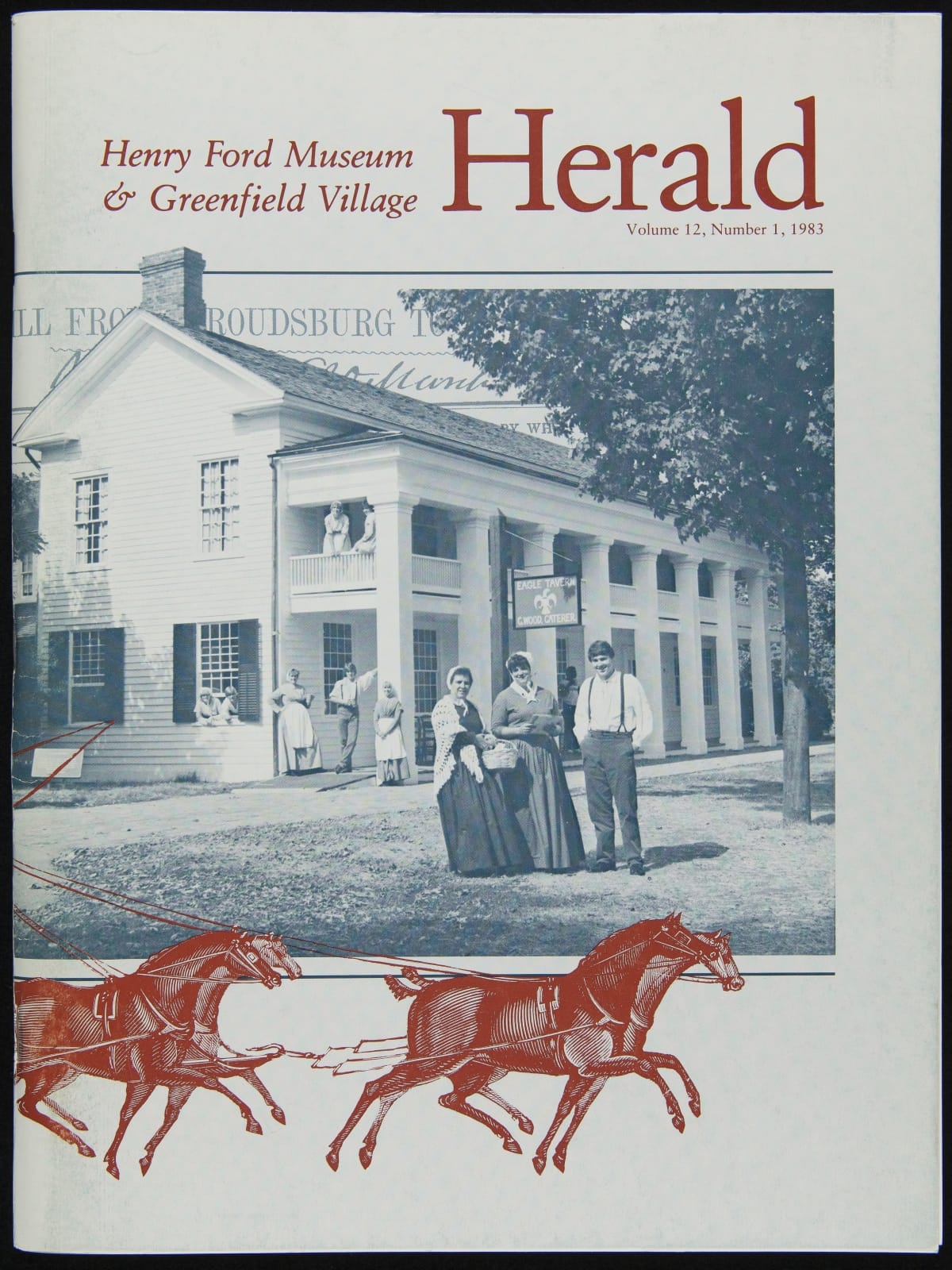
- Henry Ford Museum & Greenfield Village Herald, Vol. 12, No. 1, 1983 -
- 1983
- Collections - Artifact
Henry Ford Museum & Greenfield Village Herald, Vol. 12, No. 1, 1983