
Search
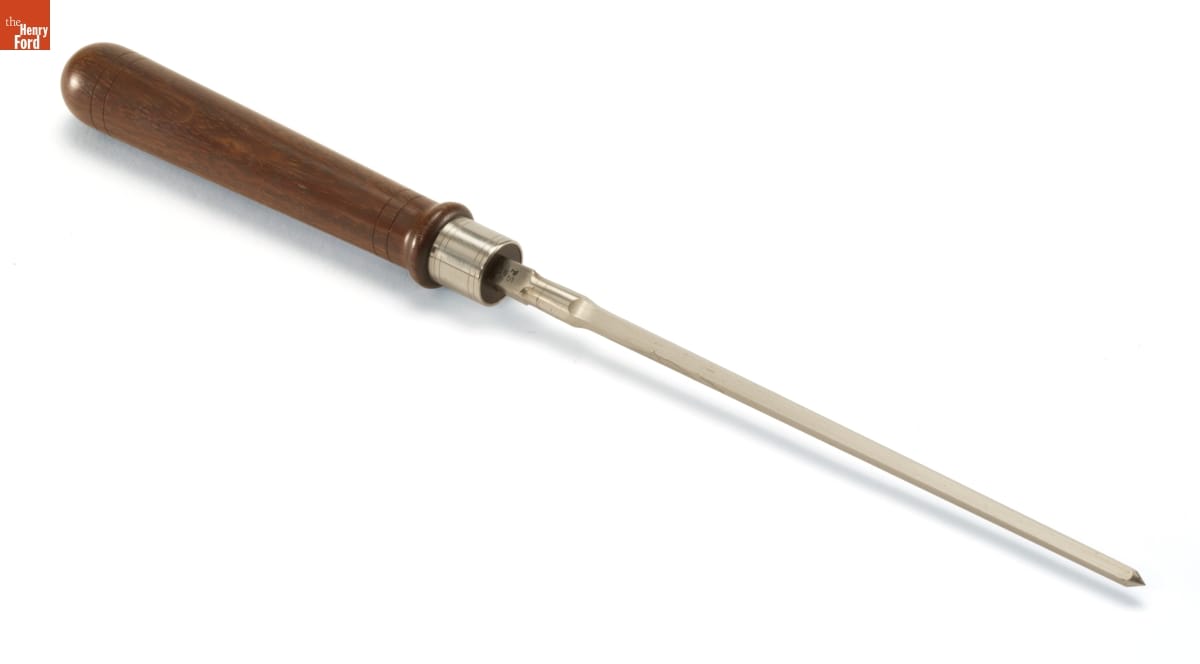
- Burnisher, 1900-1920 - A clock and watchmaker uses a range of small hand tools to create or repair timepieces. Among this skilled craftsperson's many tools are files, saws, hammers, gravers, and burnishers, like this one. A burnisher helps produce a hard, smooth polished finish on metal parts.
- 1900-1920
- Collections - Artifact
Burnisher, 1900-1920
A clock and watchmaker uses a range of small hand tools to create or repair timepieces. Among this skilled craftsperson's many tools are files, saws, hammers, gravers, and burnishers, like this one. A burnisher helps produce a hard, smooth polished finish on metal parts.
- Burnisher, 1900-1920 - A clock and watchmaker uses a range of small hand tools to create or repair timepieces. Among this skilled craftsperson's many tools are files, saws, hammers, gravers, and burnishers, like this one. A burnisher helps produce a hard, smooth polished finish on metal parts.
- 1900-1920
- Collections - Artifact
Burnisher, 1900-1920
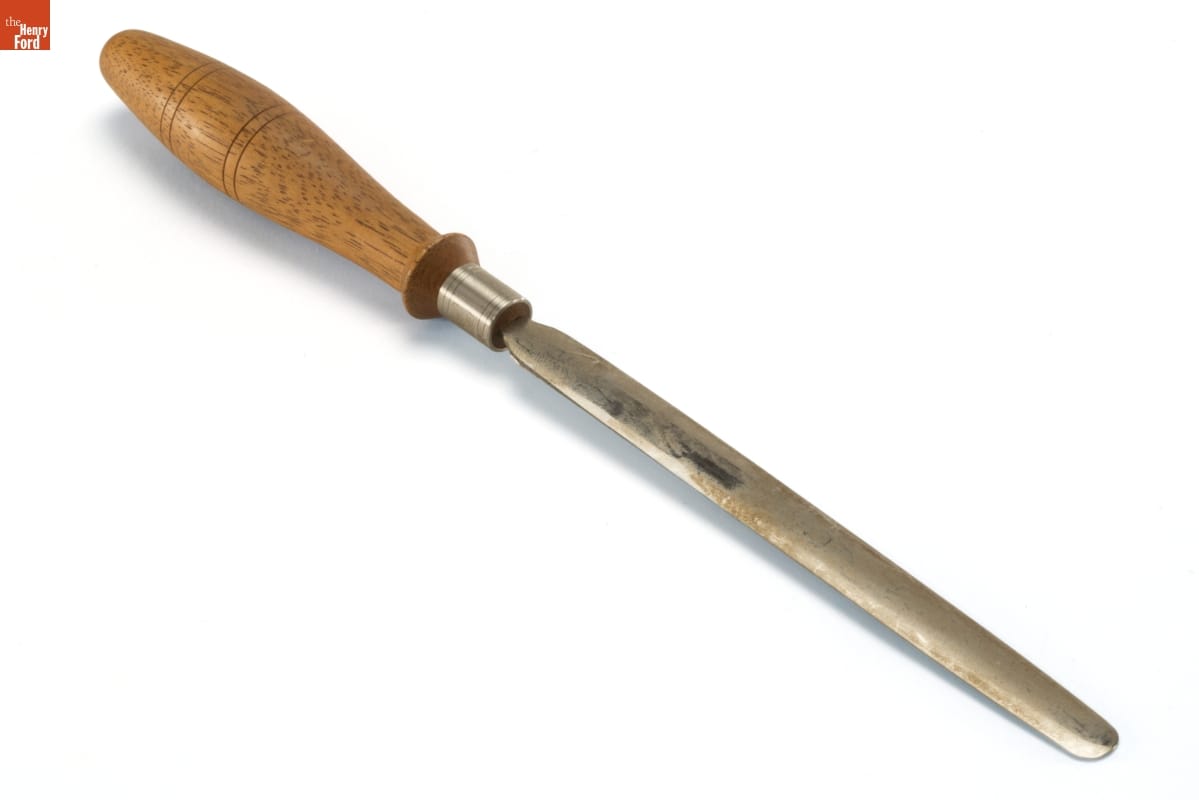
A clock and watchmaker uses a range of small hand tools to create or repair timepieces. Among this skilled craftsperson's many tools are files, saws, hammers, gravers, and burnishers, like this one. A burnisher helps produce a hard, smooth polished finish on metal parts.
- Burnisher, 1900-1920 - A clock and watchmaker uses a range of small hand tools to create or repair timepieces. Among this skilled craftsperson's many tools are files, saws, hammers, gravers, and burnishers, like this one. A burnisher helps produce a hard, smooth polished finish on metal parts.
- 1900-1920
- Collections - Artifact
Burnisher, 1900-1920
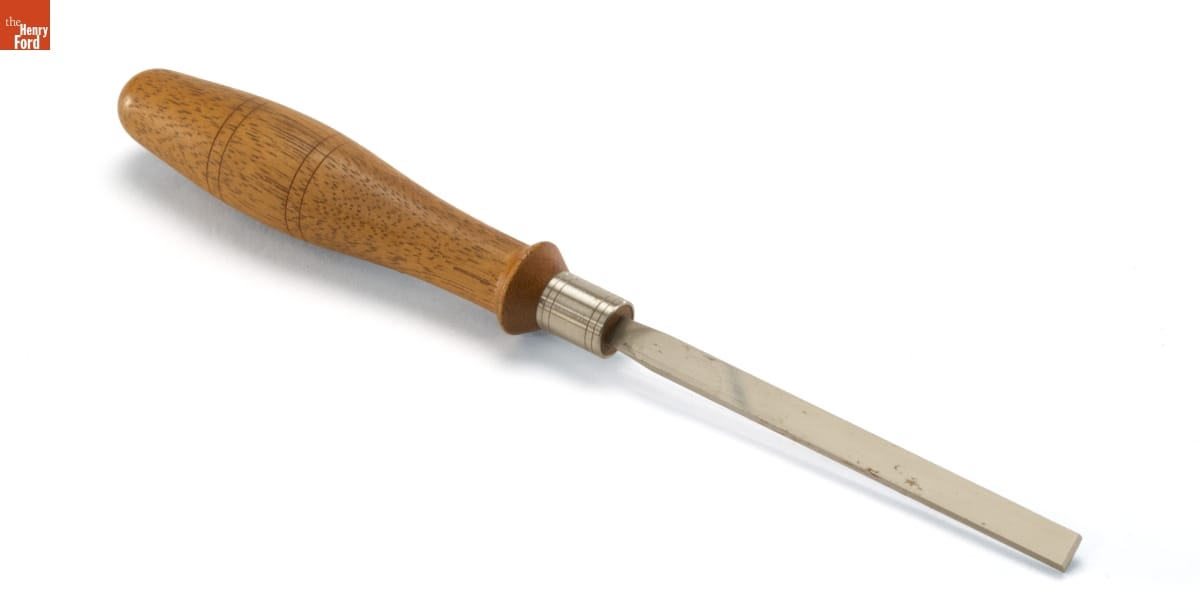
A clock and watchmaker uses a range of small hand tools to create or repair timepieces. Among this skilled craftsperson's many tools are files, saws, hammers, gravers, and burnishers, like this one. A burnisher helps produce a hard, smooth polished finish on metal parts.
- Polishing Bone, 1880-1920 - Late-nineteenth and early-twentieth-century shoemakers turned pieces of leather into footwear. These craftspeople used a wide range of specialized tools to measure, cut, shape, stitch, trim, finish, and decorate their handiwork. Their tools included a variety of knives, hammers, punches, clamps, awls, and polishers and burnishers. Though these tools seem highly specialized, shoemakers were always adapting, using whatever tools were at hand to make shoes.
- 1880-1920
- Collections - Artifact
Polishing Bone, 1880-1920
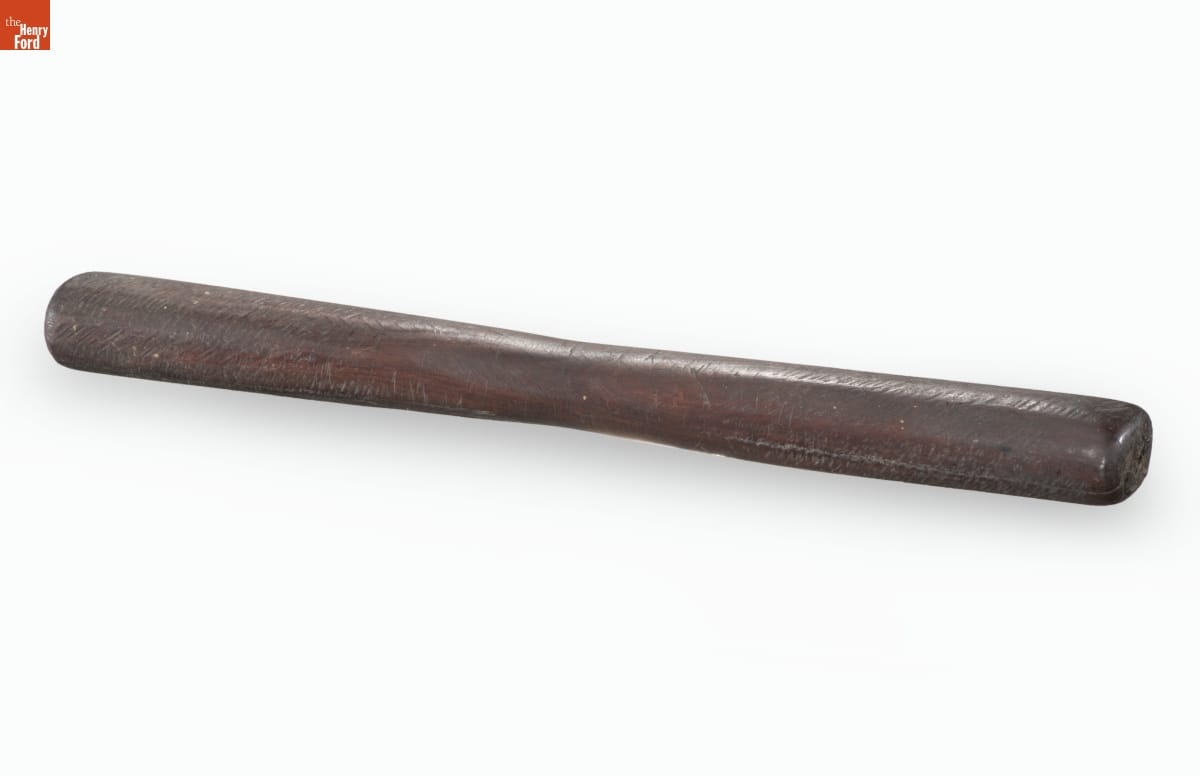
Late-nineteenth and early-twentieth-century shoemakers turned pieces of leather into footwear. These craftspeople used a wide range of specialized tools to measure, cut, shape, stitch, trim, finish, and decorate their handiwork. Their tools included a variety of knives, hammers, punches, clamps, awls, and polishers and burnishers. Though these tools seem highly specialized, shoemakers were always adapting, using whatever tools were at hand to make shoes.
- Burnisher -
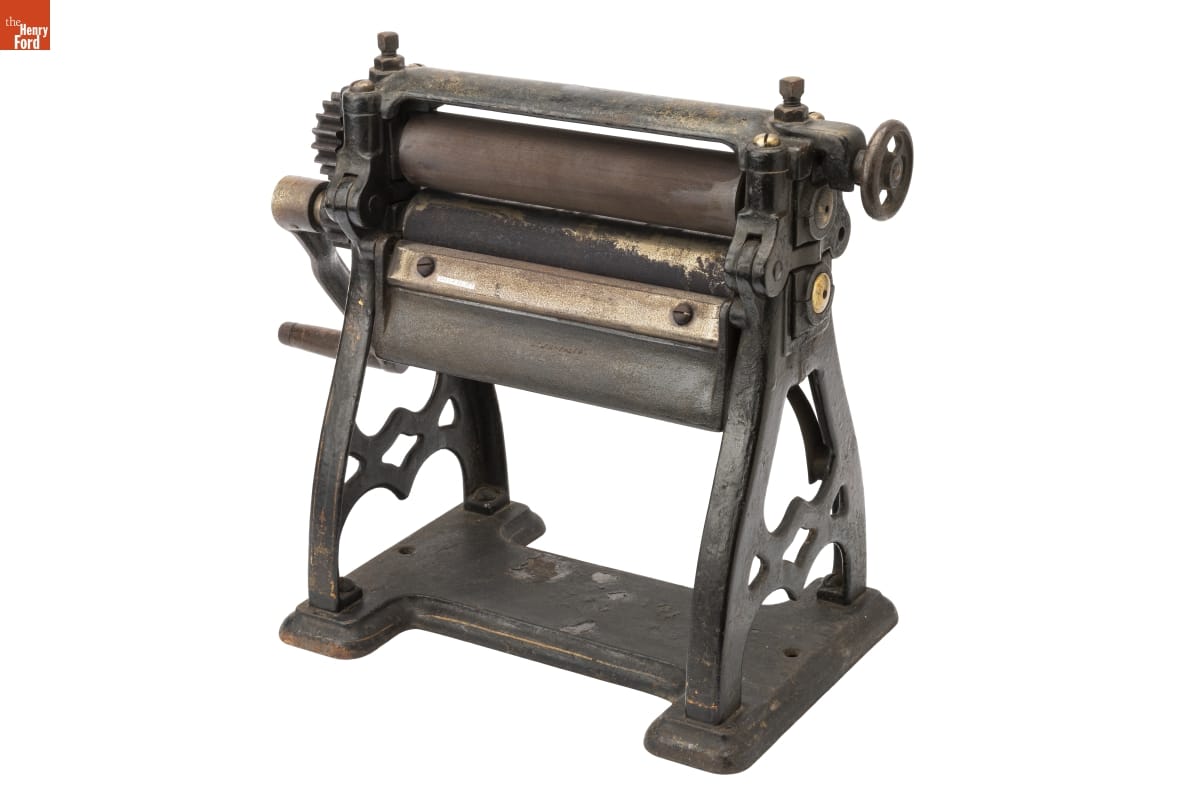
- Collections - Artifact
Burnisher
- Burnisher, 1880-1920 - Late-nineteenth and early-twentieth-century shoemakers turned pieces of leather into footwear. These craftspeople used a wide range of specialized tools to measure, cut, shape, stitch, trim, finish, and decorate their handiwork. Their tools included a variety of knives, hammers, punches, clamps, awls, and polishers and burnishers. Though these tools seem highly specialized, shoemakers were always adapting, using whatever tools were at hand to make shoes.
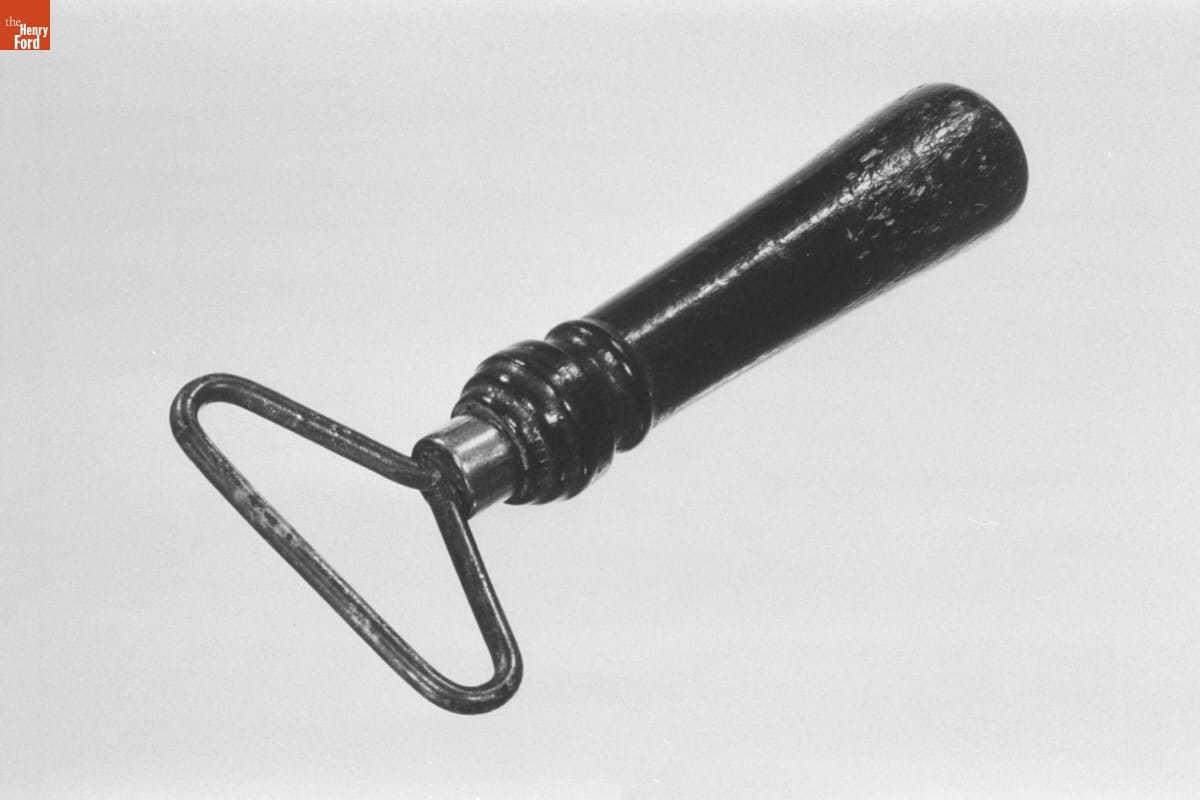
- 1880-1920
- Collections - Artifact
Burnisher, 1880-1920
Late-nineteenth and early-twentieth-century shoemakers turned pieces of leather into footwear. These craftspeople used a wide range of specialized tools to measure, cut, shape, stitch, trim, finish, and decorate their handiwork. Their tools included a variety of knives, hammers, punches, clamps, awls, and polishers and burnishers. Though these tools seem highly specialized, shoemakers were always adapting, using whatever tools were at hand to make shoes.
- Polishing Bone, 1880-1920 - Late-nineteenth and early-twentieth-century shoemakers turned pieces of leather into footwear. These craftspeople used a wide range of specialized tools to measure, cut, shape, stitch, trim, finish, and decorate their handiwork. Their tools included a variety of knives, hammers, punches, clamps, awls, and polishers and burnishers. Though these tools seem highly specialized, shoemakers were always adapting, using whatever tools were at hand to make shoes.
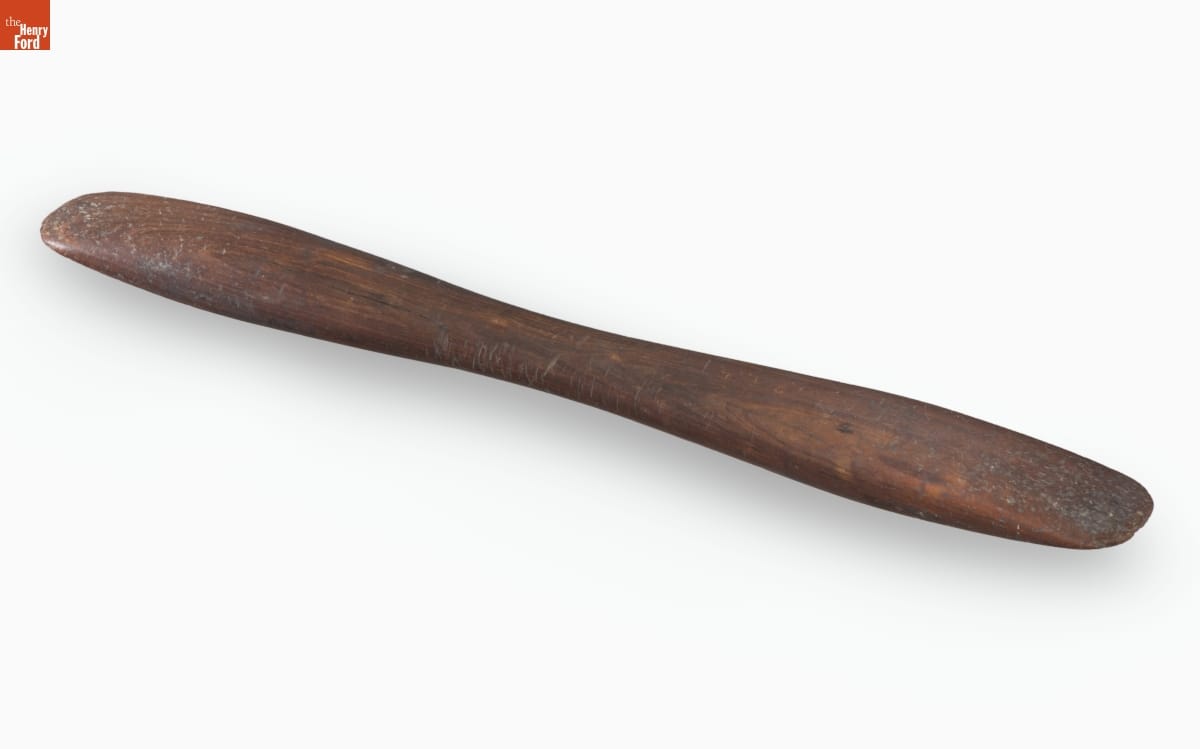
- 1880-1920
- Collections - Artifact
Polishing Bone, 1880-1920
Late-nineteenth and early-twentieth-century shoemakers turned pieces of leather into footwear. These craftspeople used a wide range of specialized tools to measure, cut, shape, stitch, trim, finish, and decorate their handiwork. Their tools included a variety of knives, hammers, punches, clamps, awls, and polishers and burnishers. Though these tools seem highly specialized, shoemakers were always adapting, using whatever tools were at hand to make shoes.
- Burnisher, 1900-1920 - A clock and watchmaker uses a range of small hand tools to create or repair timepieces. Among this skilled craftsperson's many tools are files, saws, hammers, gravers, and burnishers, like this one. A burnisher helps produce a hard, smooth polished finish on metal parts.
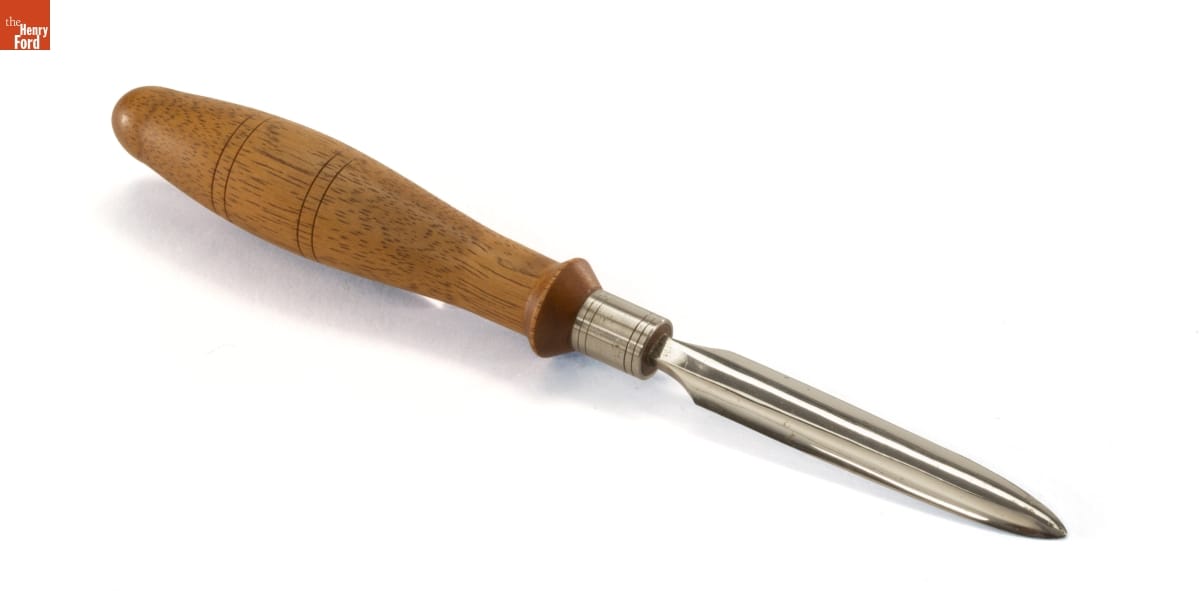
- 1900-1920
- Collections - Artifact
Burnisher, 1900-1920
A clock and watchmaker uses a range of small hand tools to create or repair timepieces. Among this skilled craftsperson's many tools are files, saws, hammers, gravers, and burnishers, like this one. A burnisher helps produce a hard, smooth polished finish on metal parts.
- Entrekin's Eureka Burnisher, 1879-1890 -
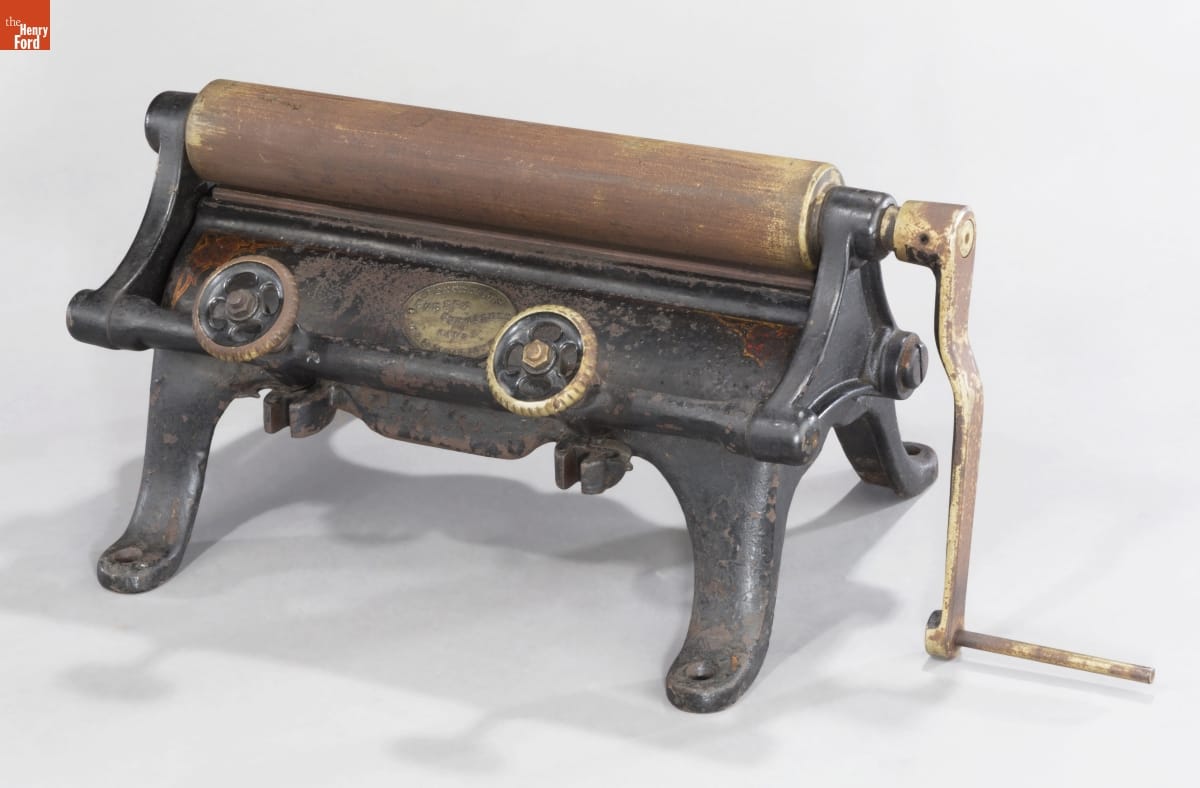
- 1879-1890
- Collections - Artifact
Entrekin's Eureka Burnisher, 1879-1890
- Shoe Shoulder Stick, 1880-1920 - Late-nineteenth and early-twentieth-century shoemakers turned pieces of leather into footwear. These craftspeople used a wide range of specialized tools to measure, cut, shape, stitch, trim, finish, and decorate their handiwork. Their tools included a variety of knives, hammers, punches, clamps, awls, and polishers and burnishers. Though these tools seem highly specialized, shoemakers were always adapting, using whatever tools were at hand to make shoes.
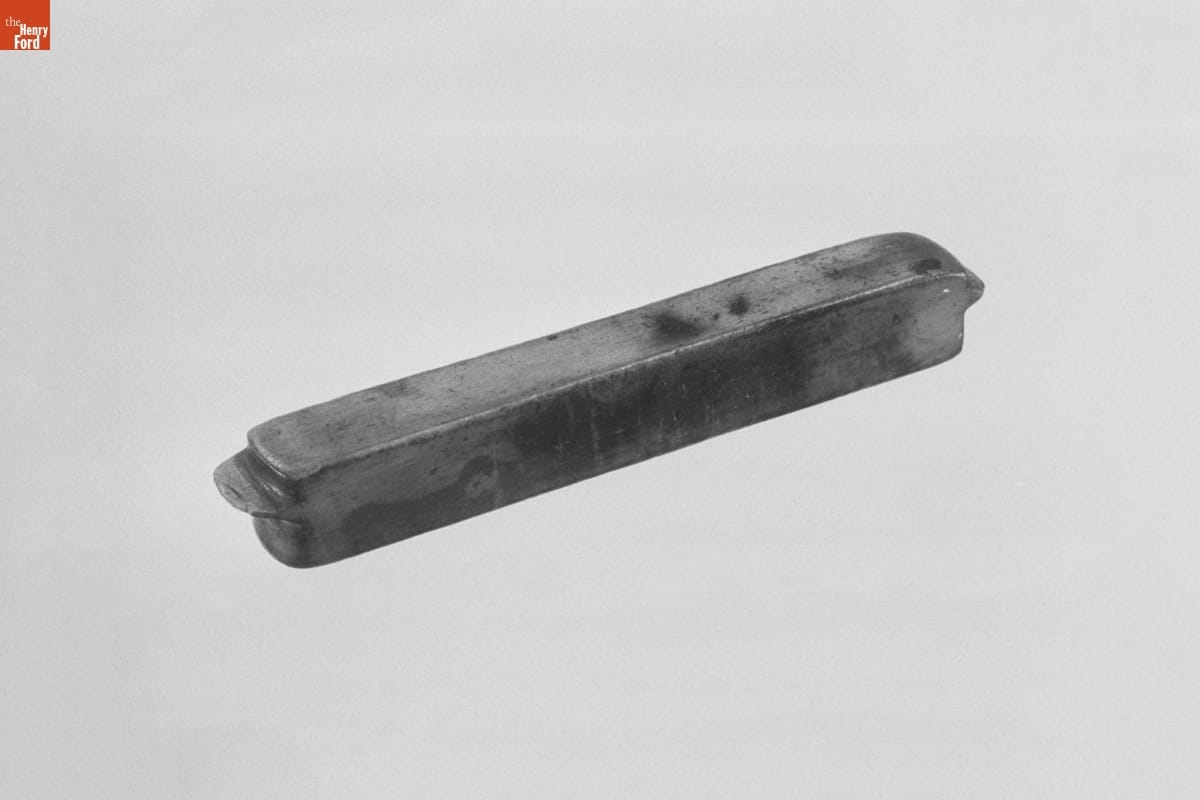
- 1880-1920
- Collections - Artifact
Shoe Shoulder Stick, 1880-1920
Late-nineteenth and early-twentieth-century shoemakers turned pieces of leather into footwear. These craftspeople used a wide range of specialized tools to measure, cut, shape, stitch, trim, finish, and decorate their handiwork. Their tools included a variety of knives, hammers, punches, clamps, awls, and polishers and burnishers. Though these tools seem highly specialized, shoemakers were always adapting, using whatever tools were at hand to make shoes.