
Search
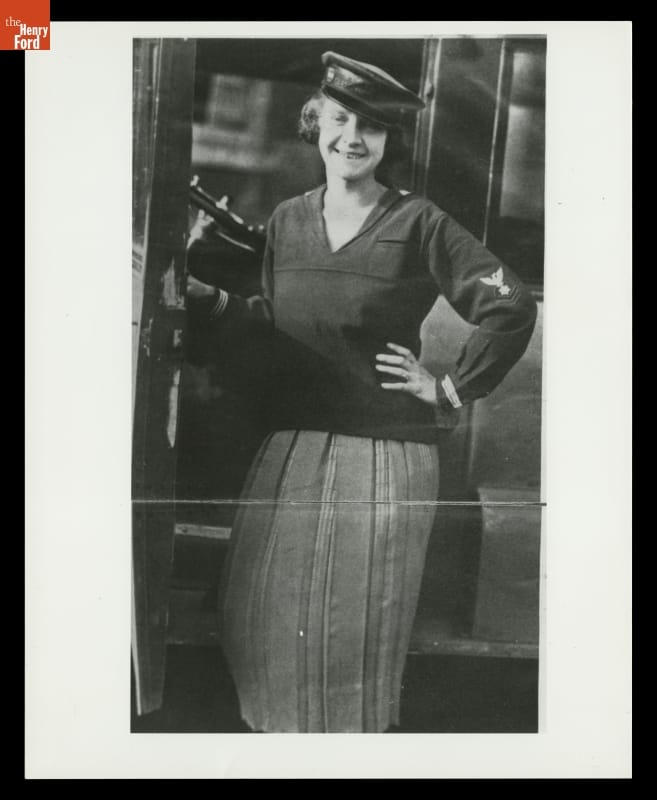
- Helen M. Schultz Brewer, Owner of Red Ball Bus Company, Iowa, circa 1924 - Helen M. Schultz started the Red Ball Transportation Company in 1922 with buses running from Waterloo to Des Moines, Iowa. Schultz met many challenges while establishing her business, including competition from rival bus lines and the railroad, government regulations, and poor highway conditions. She sold Red Ball to the Jefferson Highway Transportation Company in 1930.
- circa 1924
- Collections - Artifact
Helen M. Schultz Brewer, Owner of Red Ball Bus Company, Iowa, circa 1924
Helen M. Schultz started the Red Ball Transportation Company in 1922 with buses running from Waterloo to Des Moines, Iowa. Schultz met many challenges while establishing her business, including competition from rival bus lines and the railroad, government regulations, and poor highway conditions. She sold Red Ball to the Jefferson Highway Transportation Company in 1930.
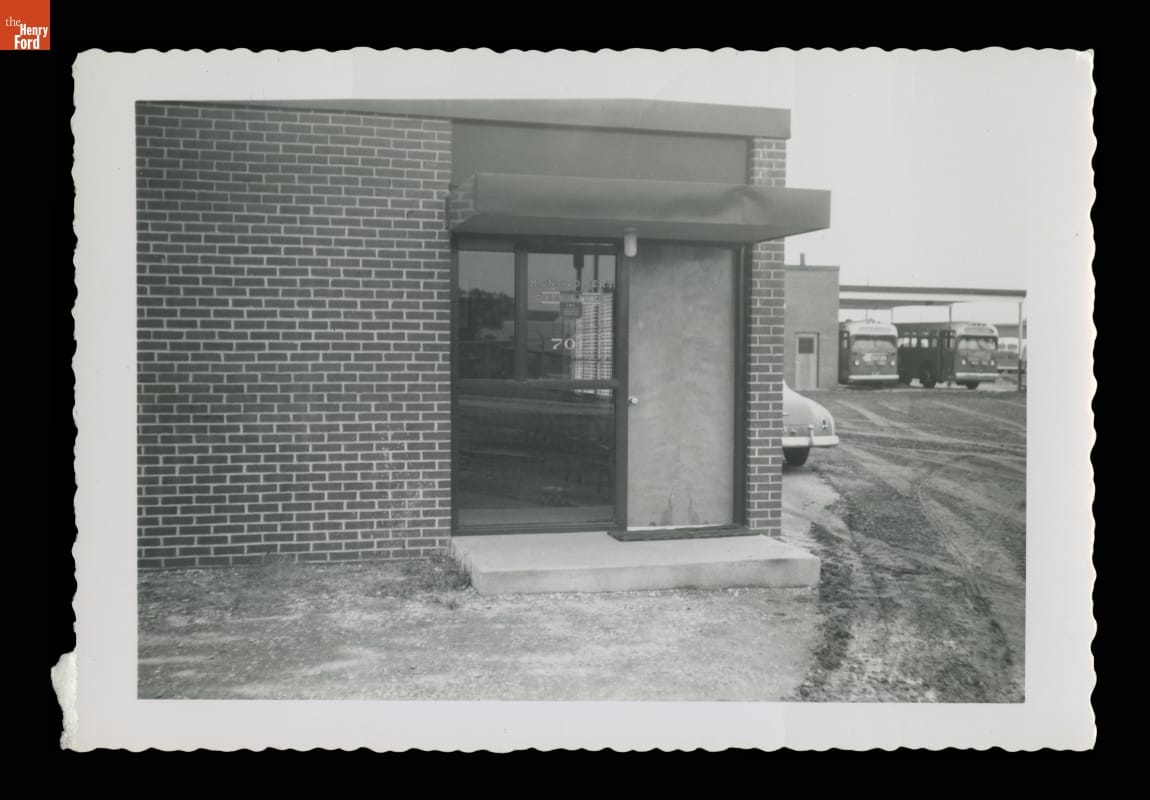
- Entrance to Montgomery City Bus Lines Office, Montgomery, Alabama, 1954 -
- July 24, 1954
- Collections - Artifact
Entrance to Montgomery City Bus Lines Office, Montgomery, Alabama, 1954
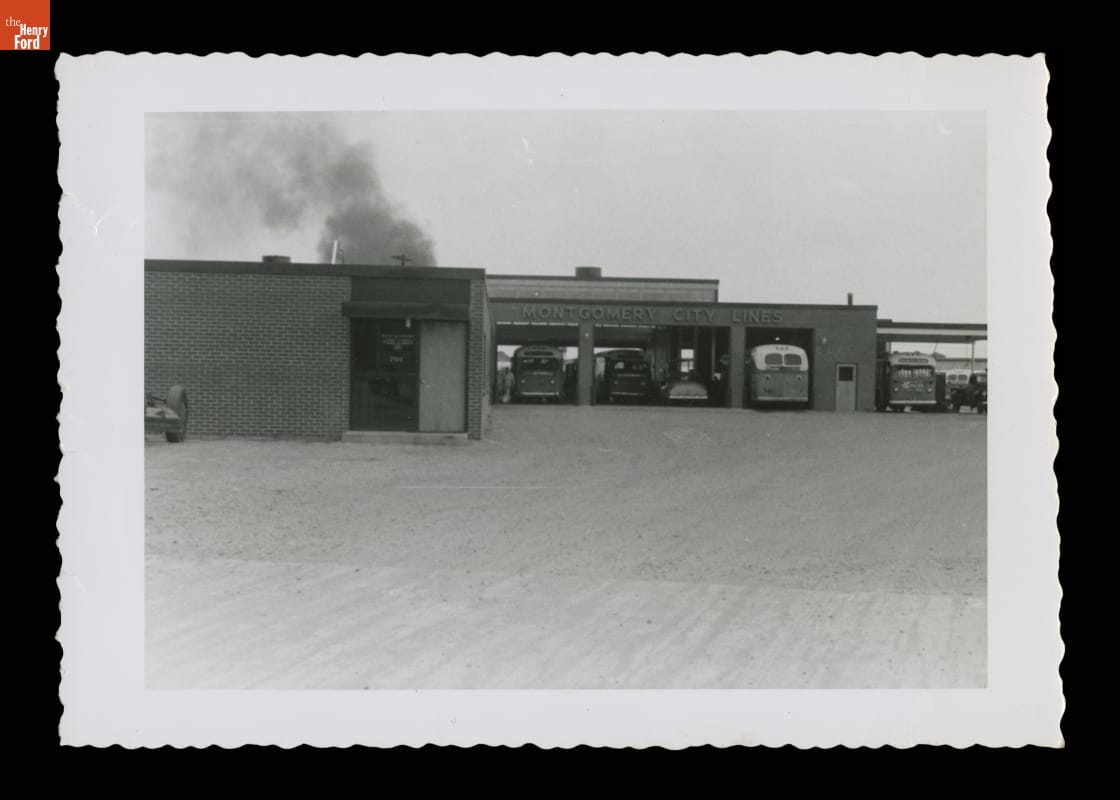
- Office and Bus Bays at Montgomery City Bus Lines, Montgomery, Alabama, 1954 -
- August 02, 1954
- Collections - Artifact
Office and Bus Bays at Montgomery City Bus Lines, Montgomery, Alabama, 1954
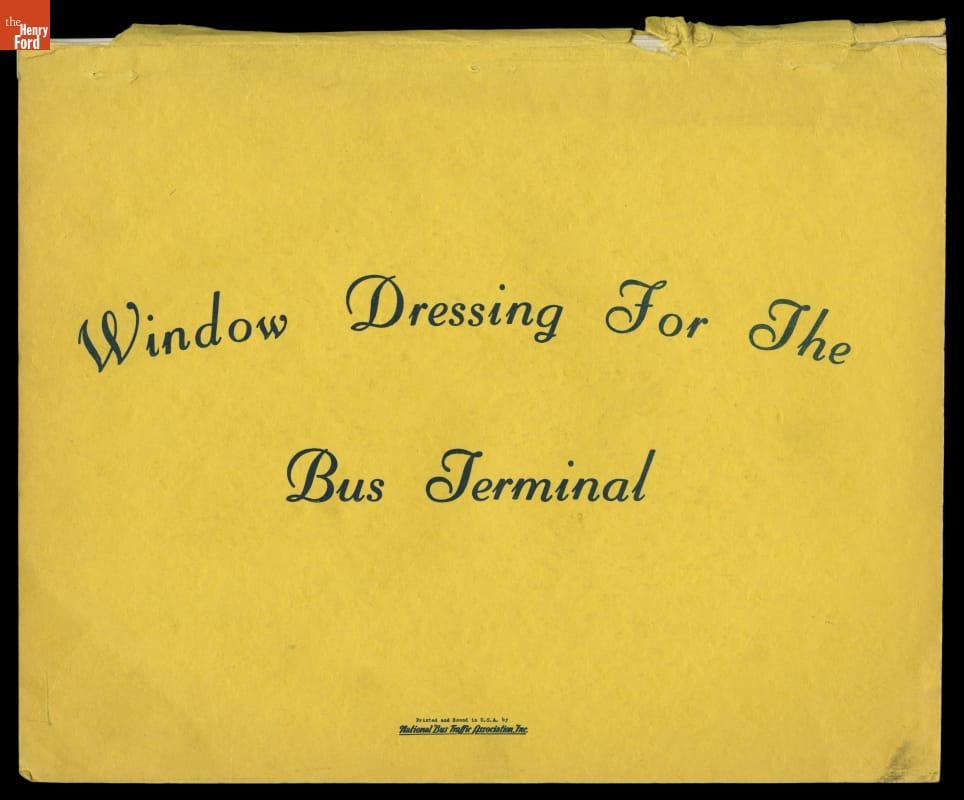
- Manual, "Window Dressing for the Bus Terminal," 1941 - <EM>Bus Transportation</EM> magazine sponsored a yearly contest for the best window displays promoting the industry. This piece was one winner in 1940. The judging staff called it "a highly original design with 'stop and look' appeal." This effective piece of bus terminal window dressing enticed viewers to dream of a Michigan vacation enjoyed while traveling on the Blue Goose line.
- 1941
- Collections - Artifact
Manual, "Window Dressing for the Bus Terminal," 1941
Bus Transportation magazine sponsored a yearly contest for the best window displays promoting the industry. This piece was one winner in 1940. The judging staff called it "a highly original design with 'stop and look' appeal." This effective piece of bus terminal window dressing enticed viewers to dream of a Michigan vacation enjoyed while traveling on the Blue Goose line.
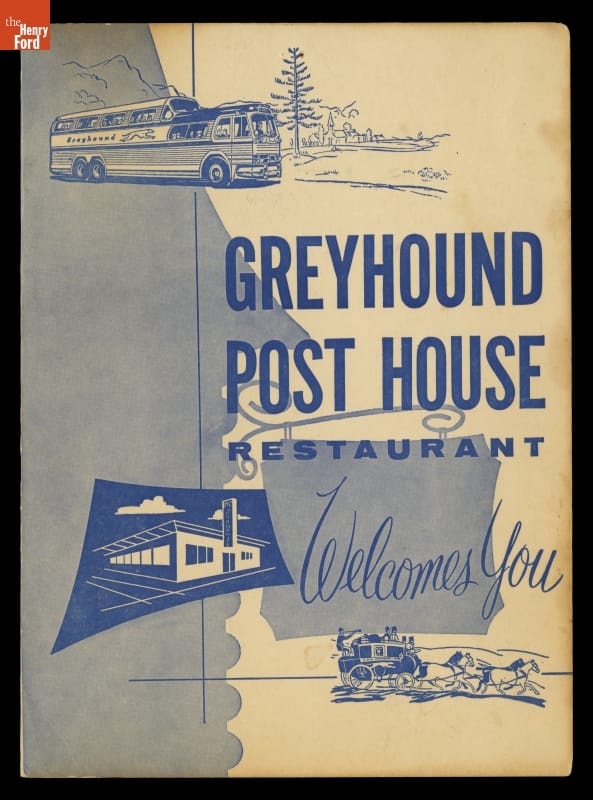
- Menu, "Greyhound Post House Restaurant Welcomes You," Omaha, Nebraska, 1955 - Many long-distance bus companies operated special restaurants to service their travelers. This 1955 menu from the Greyhound line explains that Greyhound's post houses were established to guarantee quality food and sanitary conditions for their travelers. In the days of stagecoach travel, post houses were stops along the way where travelers could rest, eat, and possibly even secure lodgings.
- 1955
- Collections - Artifact
Menu, "Greyhound Post House Restaurant Welcomes You," Omaha, Nebraska, 1955
Many long-distance bus companies operated special restaurants to service their travelers. This 1955 menu from the Greyhound line explains that Greyhound's post houses were established to guarantee quality food and sanitary conditions for their travelers. In the days of stagecoach travel, post houses were stops along the way where travelers could rest, eat, and possibly even secure lodgings.
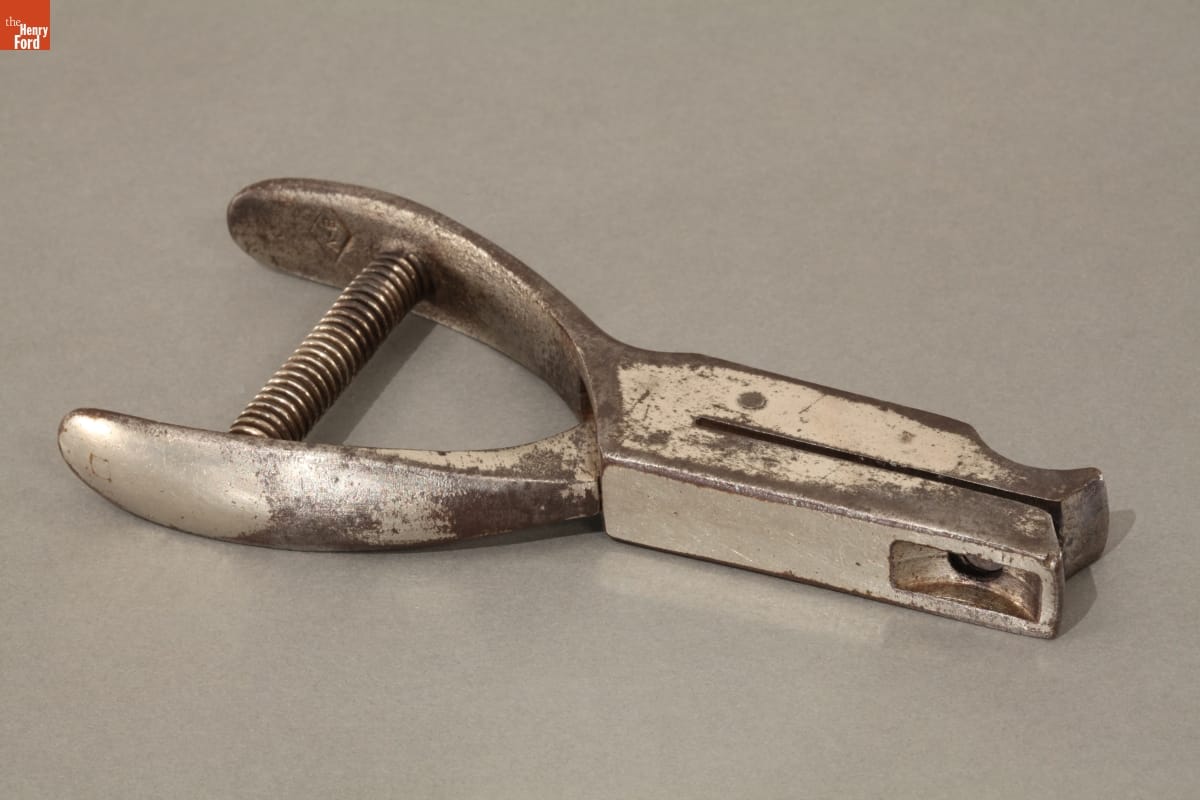
- Ticket Punch Used on Montgomery City Bus Lines, circa 1955 - This ticket punch was used in the 1950s by a driver for the Montgomery (Alabama) City Bus Lines. While riding a Montgomery bus in 1955, Rosa Parks refused to give up her seat to a white man, leading to a widespread bus boycott by African Americans.
- circa 1955
- Collections - Artifact
Ticket Punch Used on Montgomery City Bus Lines, circa 1955
This ticket punch was used in the 1950s by a driver for the Montgomery (Alabama) City Bus Lines. While riding a Montgomery bus in 1955, Rosa Parks refused to give up her seat to a white man, leading to a widespread bus boycott by African Americans.
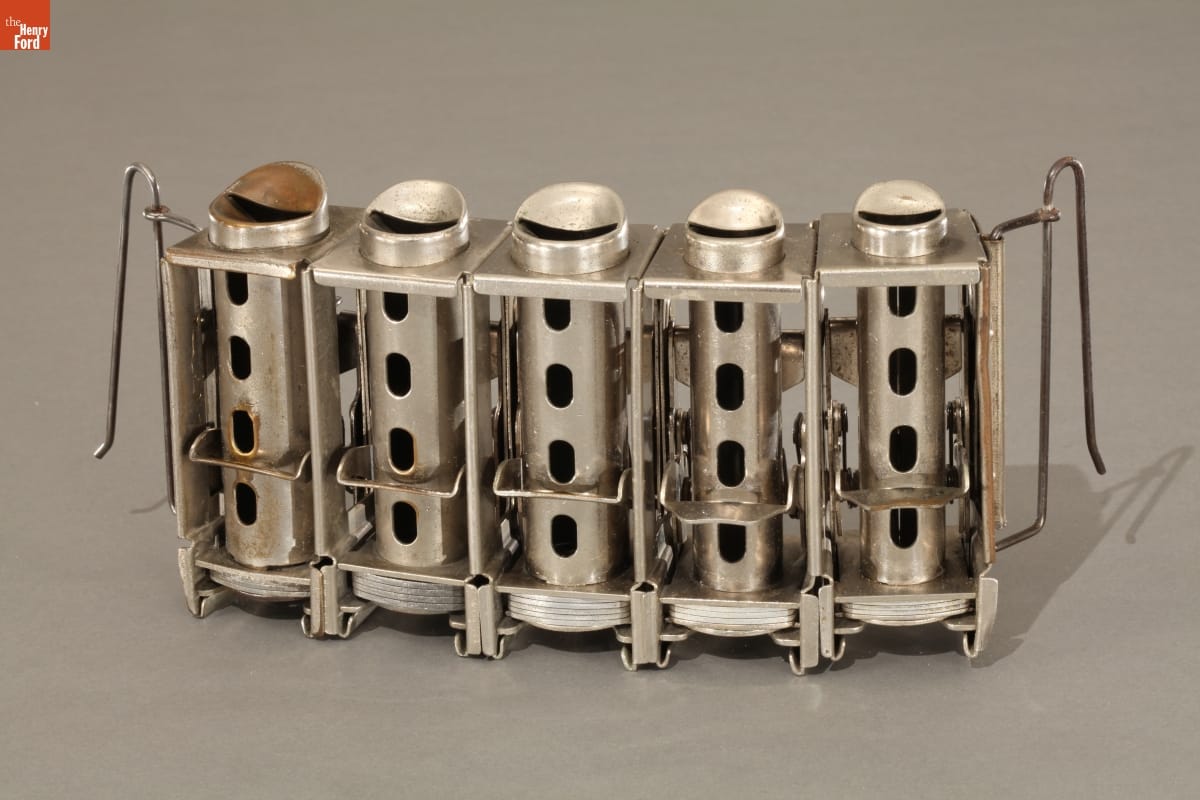
- Coin Changer Used on Montgomery City Bus Lines, circa 1955 - This coin (money) changer was used in the 1950s by a driver for the Montgomery (Alabama) City Bus Lines. While riding a Montgomery bus in 1955, Rosa Parks refused to give up her seat to a white man, leading to a widespread bus boycott by African Americans.
- circa 1955
- Collections - Artifact
Coin Changer Used on Montgomery City Bus Lines, circa 1955
This coin (money) changer was used in the 1950s by a driver for the Montgomery (Alabama) City Bus Lines. While riding a Montgomery bus in 1955, Rosa Parks refused to give up her seat to a white man, leading to a widespread bus boycott by African Americans.
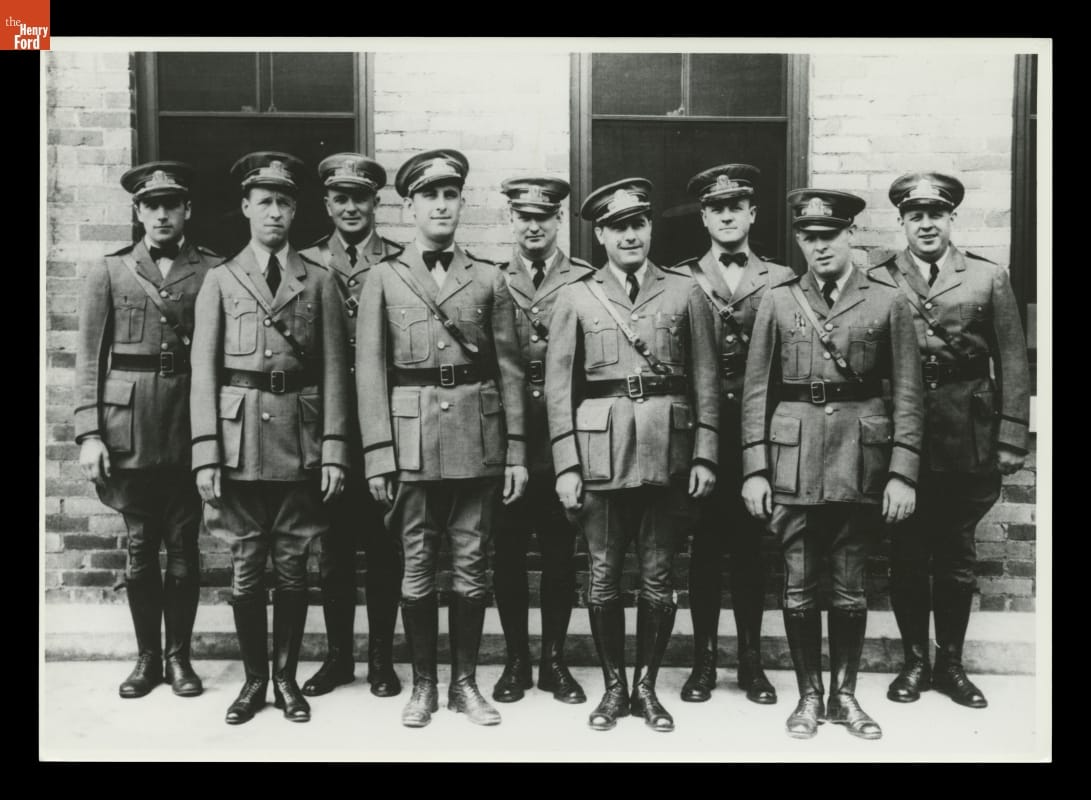
- Northland Greyhound Bus Drivers in New Uniforms, circa 1930 - Greyhound bus drivers pose in their new uniforms in the late 1920s. These uniform jackets, pants, caps and boots gave drivers a very professional appearance--implying that Greyhound bus riders would enjoy a safe and comfortable trip with these experts at the wheel.
- circa 1930
- Collections - Artifact
Northland Greyhound Bus Drivers in New Uniforms, circa 1930
Greyhound bus drivers pose in their new uniforms in the late 1920s. These uniform jackets, pants, caps and boots gave drivers a very professional appearance--implying that Greyhound bus riders would enjoy a safe and comfortable trip with these experts at the wheel.
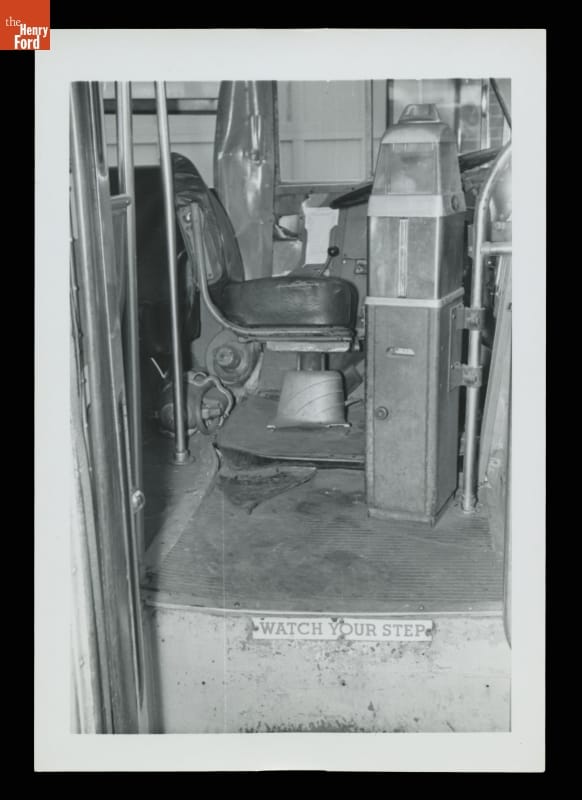
- Driver's Seat and Fare Box on Montgomery City Lines Bus, circa 1954-1960 - This late-1950s photograph shows the driver's seat and coin box on the Montgomery (Alabama) City Bus Lines. While riding a Montgomery bus in 1955, Rosa Parks refused to give up her seat to a white man, leading to a widespread bus boycott by African Americans.
- 1954-1960
- Collections - Artifact
Driver's Seat and Fare Box on Montgomery City Lines Bus, circa 1954-1960
This late-1950s photograph shows the driver's seat and coin box on the Montgomery (Alabama) City Bus Lines. While riding a Montgomery bus in 1955, Rosa Parks refused to give up her seat to a white man, leading to a widespread bus boycott by African Americans.
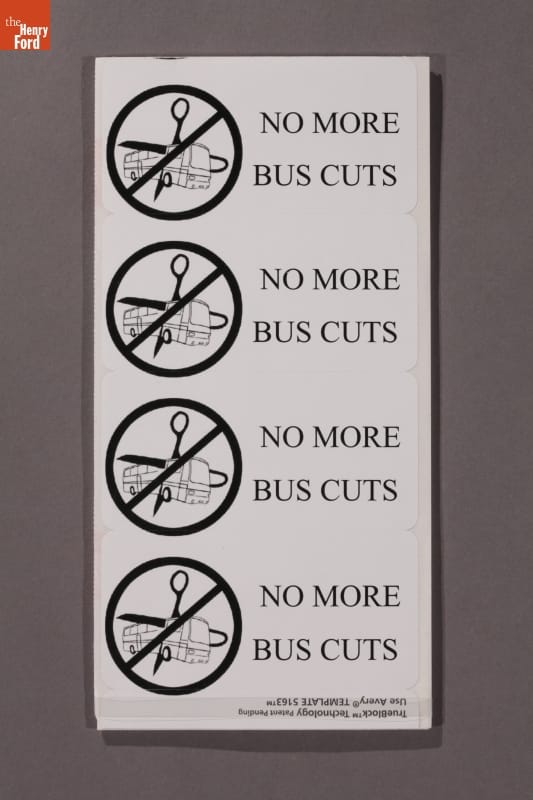
- Sticker, "No More Bus Cuts," Transportation Riders United, Detroit, Michigan, circa 2010 - Public transportation funding is often threatened by budget cuts. These stickers were produced by Transportation Riders United, a Detroit transit promotion and advocacy group, to help Detroiters protest possible cuts to city bus routes.
- circa 2010
- Collections - Artifact
Sticker, "No More Bus Cuts," Transportation Riders United, Detroit, Michigan, circa 2010
Public transportation funding is often threatened by budget cuts. These stickers were produced by Transportation Riders United, a Detroit transit promotion and advocacy group, to help Detroiters protest possible cuts to city bus routes.