
Search
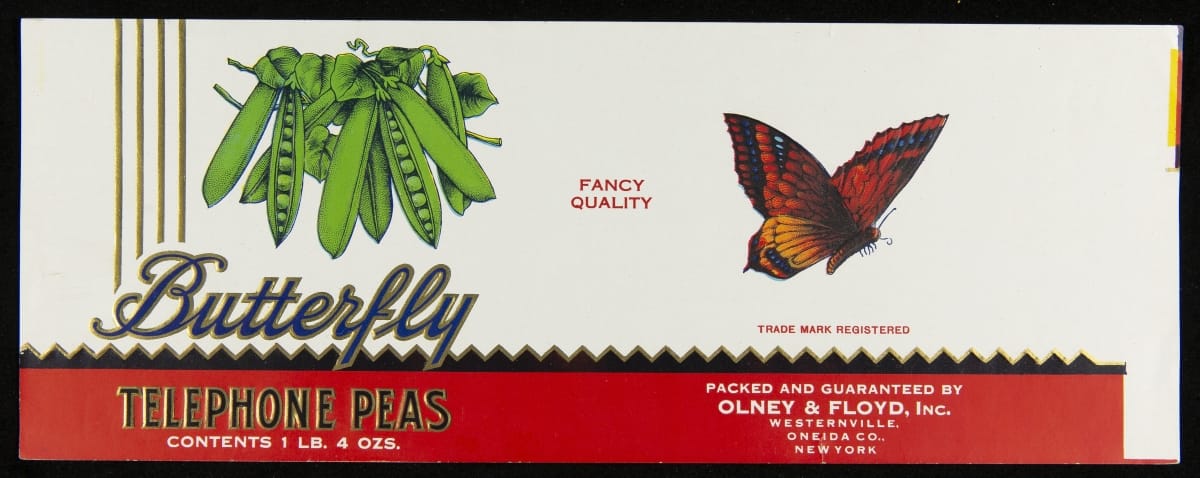
- Can Label, "Butterfly Brand Telephone Peas," circa 1950 - Throughout the late-19th to early-20th centuries, lithographers created labels to help sell products. Manufacturers of foodstuffs utilized the same design for several different products -- a strategy which helped customers distinguish one brand over another. Olney and Floyd's Butterfly Brand products were easy to identify with their colorful, eye-catching labels and signature butterfly.
- circa 1950
- Collections - Artifact
Can Label, "Butterfly Brand Telephone Peas," circa 1950
Throughout the late-19th to early-20th centuries, lithographers created labels to help sell products. Manufacturers of foodstuffs utilized the same design for several different products -- a strategy which helped customers distinguish one brand over another. Olney and Floyd's Butterfly Brand products were easy to identify with their colorful, eye-catching labels and signature butterfly.
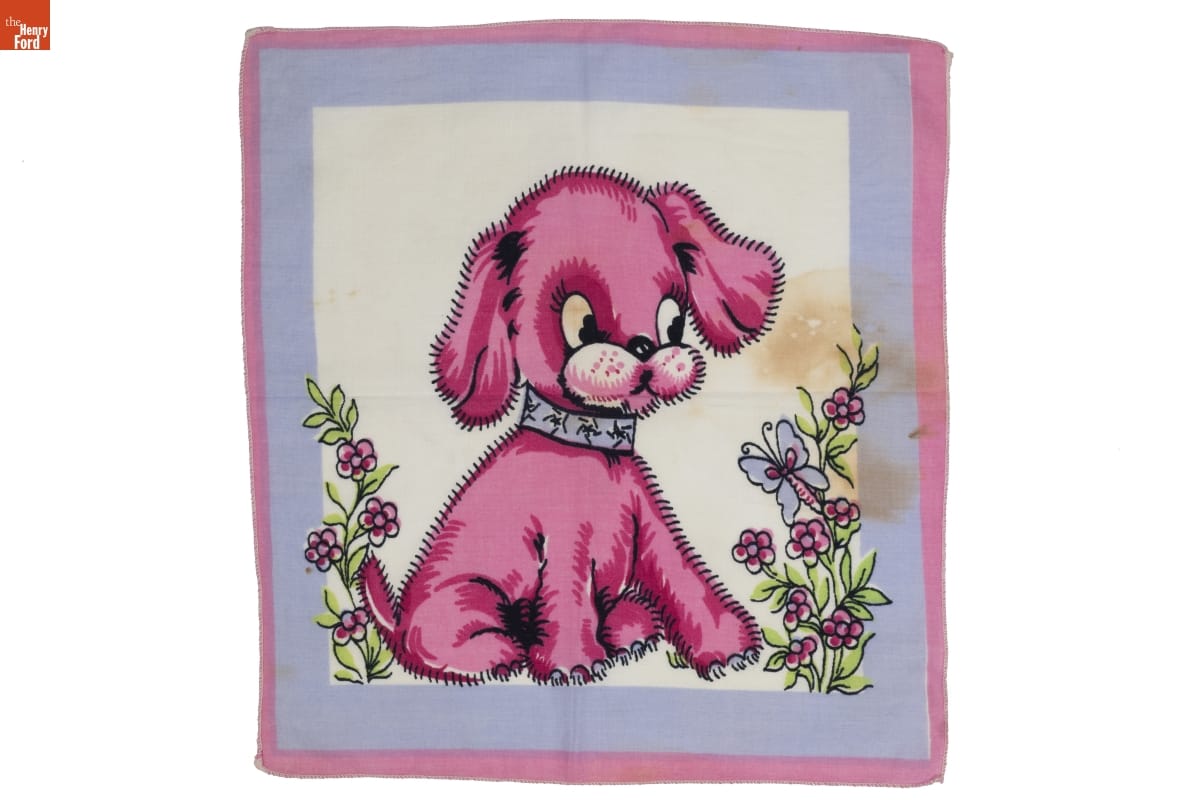
- Child's Handkerchief, 1945-1955 - Before disposable tissues became popular, people carried cloth handkerchiefs to help with sneezes and sniffles. Children's versions were made with images and in colors designed to appeal to these smaller folk.
- 1945-1955
- Collections - Artifact
Child's Handkerchief, 1945-1955
Before disposable tissues became popular, people carried cloth handkerchiefs to help with sneezes and sniffles. Children's versions were made with images and in colors designed to appeal to these smaller folk.
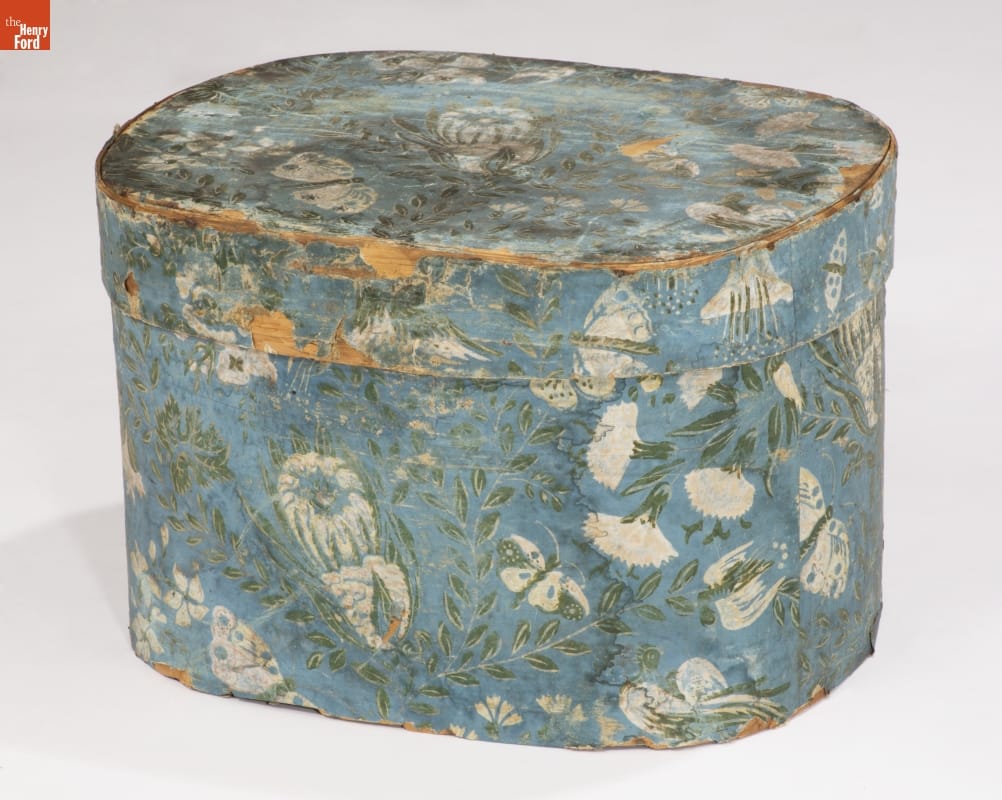
- Bandbox, Made by Hannah Davis, 1832 - Hannah Davis (1784-1863), a Jaffrey, New Hampshire, entrepreneur, created colorful, wallpaper-covered bandboxes. Davis sold many of her bandboxes to the young, migrant women who worked in the textile mills in the surrounding New England villages. Davis's attractive and affordable bandboxes were ideal for the millworkers. The boxes could hold clothing and accessories and they served as useful storage cases when the women traveled home.
- 1832
- Collections - Artifact
Bandbox, Made by Hannah Davis, 1832
Hannah Davis (1784-1863), a Jaffrey, New Hampshire, entrepreneur, created colorful, wallpaper-covered bandboxes. Davis sold many of her bandboxes to the young, migrant women who worked in the textile mills in the surrounding New England villages. Davis's attractive and affordable bandboxes were ideal for the millworkers. The boxes could hold clothing and accessories and they served as useful storage cases when the women traveled home.
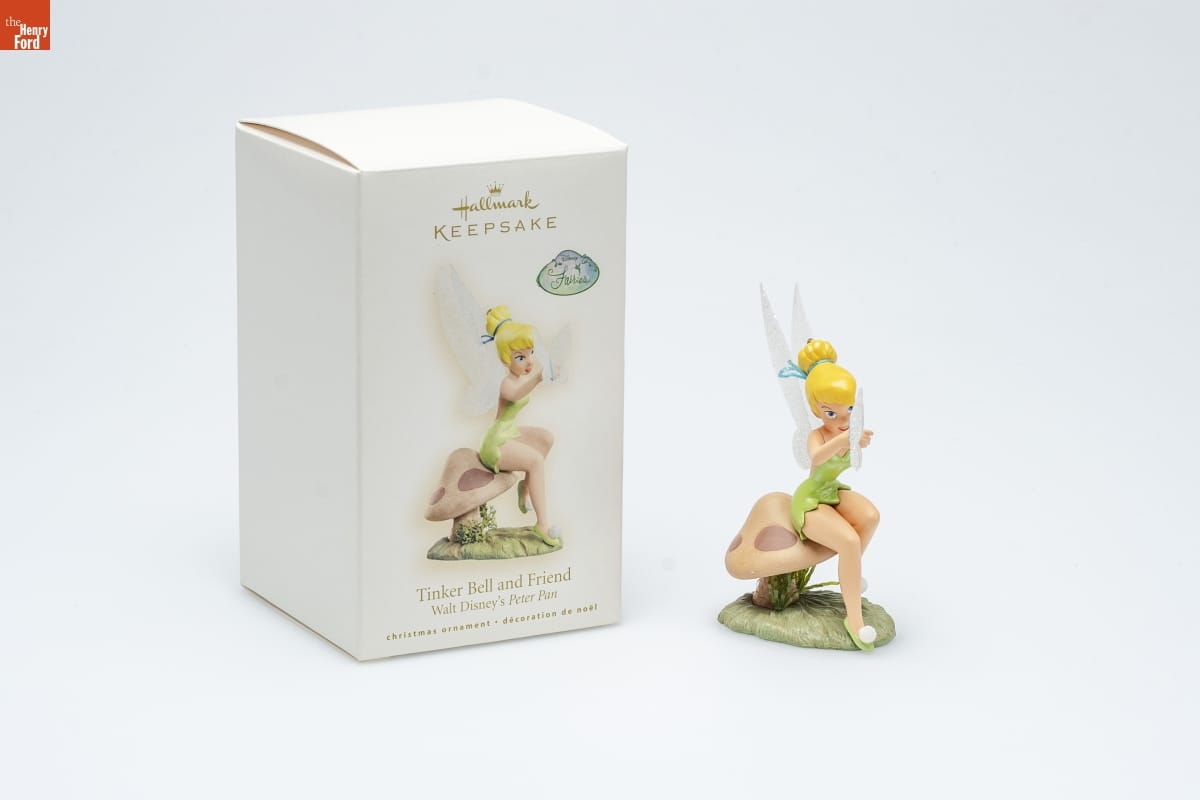
- Hallmark "Walt Disney's Peter Pan: Tinker Bell and Friend" Christmas Ornament, 2008 - Already known for greeting cards, Hallmark introduced a line of Christmas ornaments in 1973. The company's annual release of an increasing array of ornaments revolutionized Christmas decorating, appealing to customers' interest in marking memories and milestones as well as expressing one's personality and unique tastes.
- 2008
- Collections - Artifact
Hallmark "Walt Disney's Peter Pan: Tinker Bell and Friend" Christmas Ornament, 2008
Already known for greeting cards, Hallmark introduced a line of Christmas ornaments in 1973. The company's annual release of an increasing array of ornaments revolutionized Christmas decorating, appealing to customers' interest in marking memories and milestones as well as expressing one's personality and unique tastes.
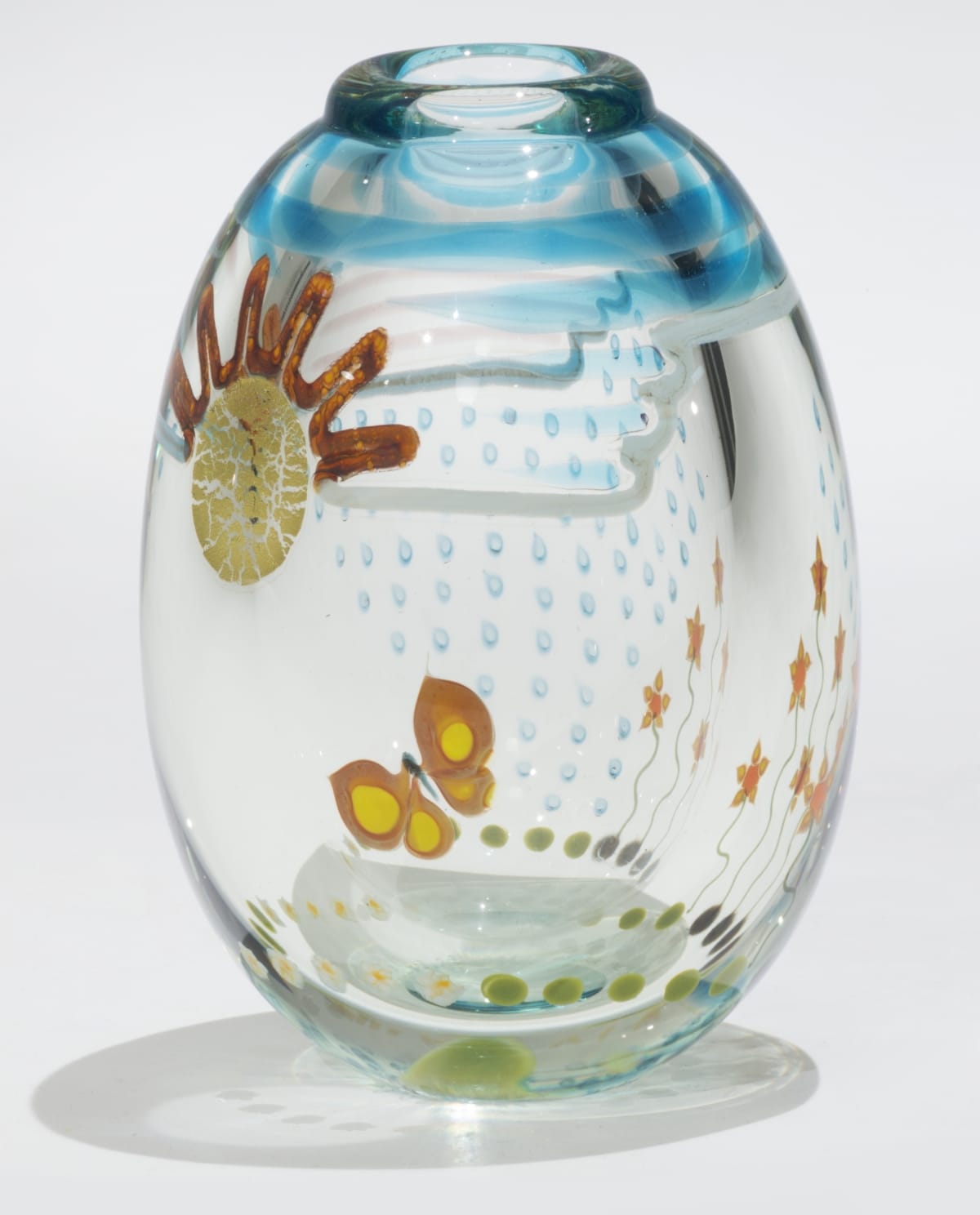
- "April Showers" by Mark Peiser, 1981 - Mark Peiser transformed the world of glass through a technique he devised which involves drawing with melted glass canes of various colors on molten glass. He encapsulates these images between layers of glass to create the 3D effect. Landscape imagery is a frequent subject in his work.
- 1981
- Collections - Artifact
"April Showers" by Mark Peiser, 1981
Mark Peiser transformed the world of glass through a technique he devised which involves drawing with melted glass canes of various colors on molten glass. He encapsulates these images between layers of glass to create the 3D effect. Landscape imagery is a frequent subject in his work.
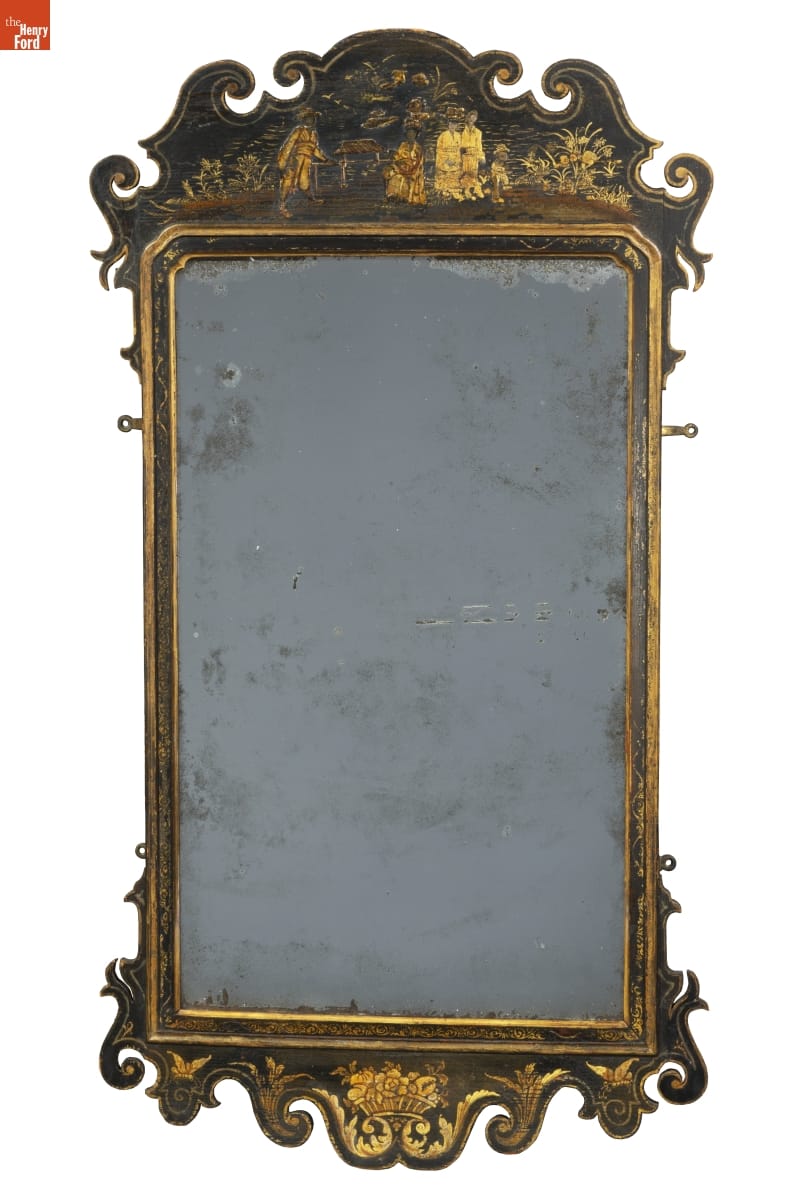
- Looking Glass, 1730-1745 -
- 1730-1745
- Collections - Artifact
Looking Glass, 1730-1745
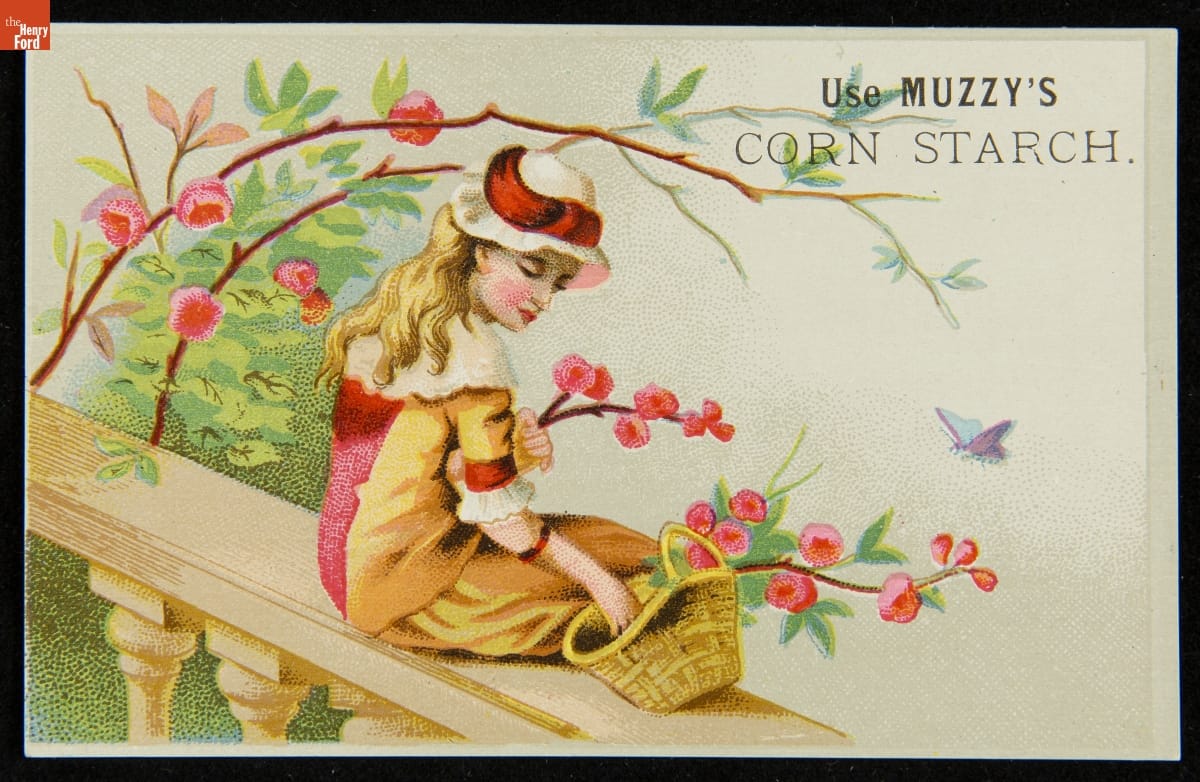
- Trade Card for Muzzy's Corn Starch, Muzzy Starch Co., 1880-1900 - As color printing gained momentum in the late 19th century, trade cards became a major means of advertising goods and services. Americans enjoyed and often saved the little advertisements found in product packages or distributed by local merchants. This trade card advertises Muzzy's Corn Starch.
- 1880-1900
- Collections - Artifact
Trade Card for Muzzy's Corn Starch, Muzzy Starch Co., 1880-1900
As color printing gained momentum in the late 19th century, trade cards became a major means of advertising goods and services. Americans enjoyed and often saved the little advertisements found in product packages or distributed by local merchants. This trade card advertises Muzzy's Corn Starch.
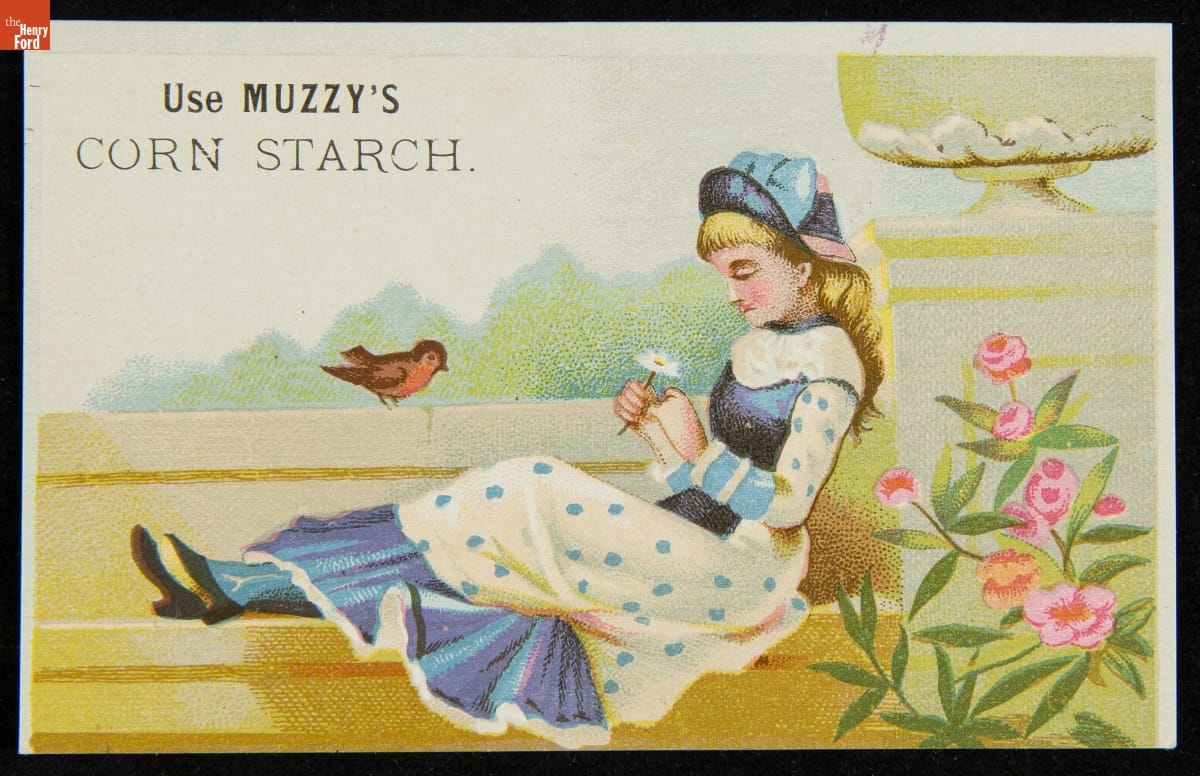
- Trade Card for Muzzy's Corn Starch, Muzzy Starch Co., 1880-1900 - As color printing gained momentum in the late 19th century, trade cards became a major means of advertising goods and services. Americans enjoyed and often saved the little advertisements found in product packages or distributed by local merchants. This trade card advertises Muzzy's Corn Starch.
- 1880-1900
- Collections - Artifact
Trade Card for Muzzy's Corn Starch, Muzzy Starch Co., 1880-1900
As color printing gained momentum in the late 19th century, trade cards became a major means of advertising goods and services. Americans enjoyed and often saved the little advertisements found in product packages or distributed by local merchants. This trade card advertises Muzzy's Corn Starch.
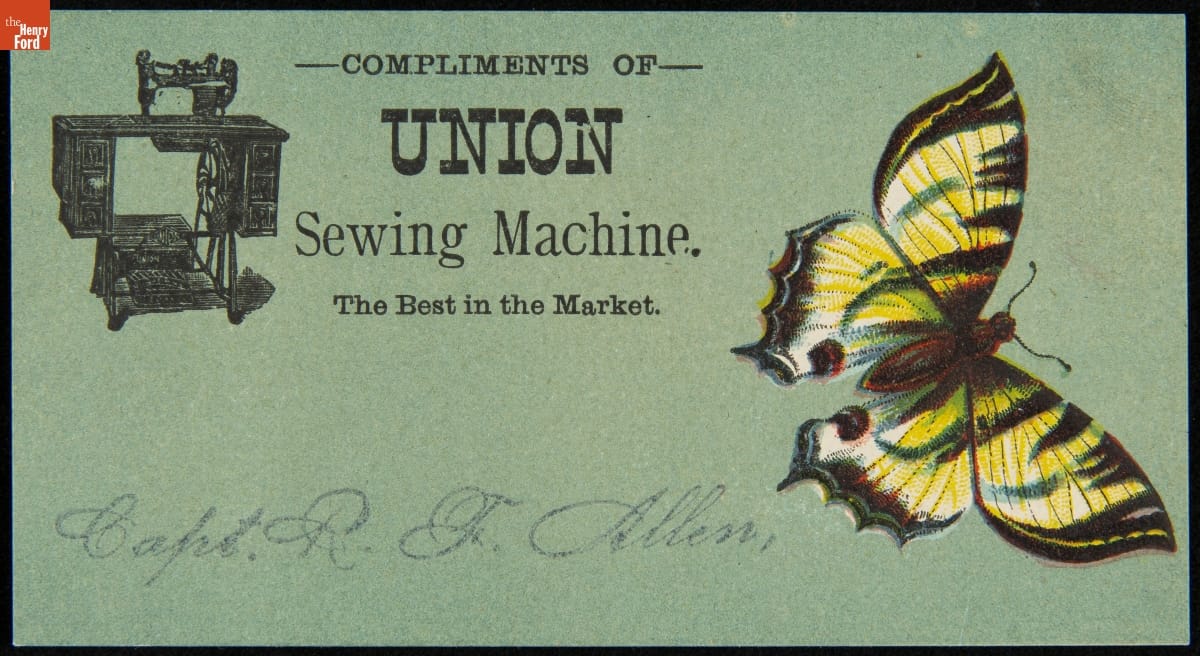
- Trade Card for the Union Sewing Machine Company, 1880-1890 - In the last third of the nineteenth century, an unprecedented variety of consumer goods and services flooded the American market. Advertisers, armed with new methods of color printing, bombarded potential customers with trade cards. Americans enjoyed and often saved the vibrant little advertisements found in product packages or distributed by local merchants. Many survive as historical records of commercialism in the United States.
- 1880-1890
- Collections - Artifact
Trade Card for the Union Sewing Machine Company, 1880-1890
In the last third of the nineteenth century, an unprecedented variety of consumer goods and services flooded the American market. Advertisers, armed with new methods of color printing, bombarded potential customers with trade cards. Americans enjoyed and often saved the vibrant little advertisements found in product packages or distributed by local merchants. Many survive as historical records of commercialism in the United States.
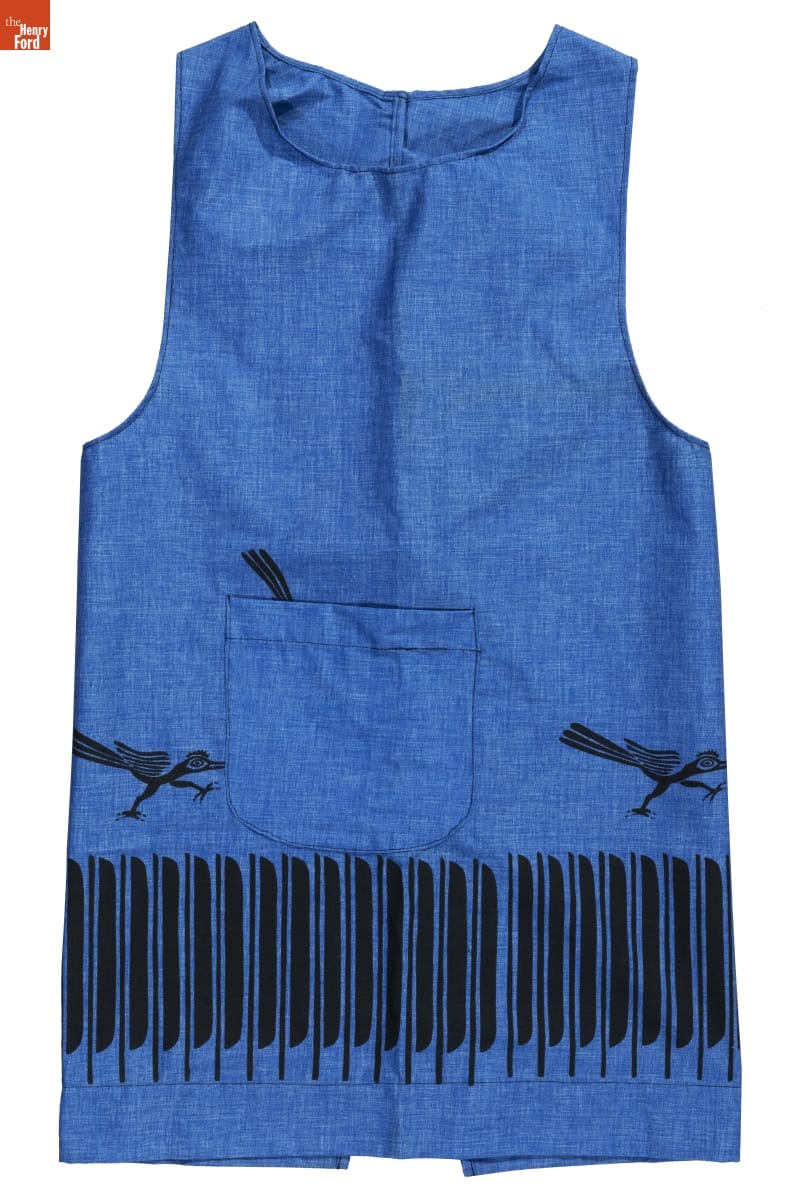
- Harwood Steiger Apron - The screen-printed fabrics produced by the studio of Harwood Steiger, Inc. are replete with motifs from the American Southwest. Although husband-and-wife proprietors Harwood and Sophie Steiger were born in the Northeast, the Sonoran Desert became their home. Its flora, fauna, and wildlife were a constant inspiration in their enduring partnership, which saw Harwood as the primary artist, and Sophie as the expert botanist and businesswoman.
- 1956-1980
- Collections - Artifact
Harwood Steiger Apron
The screen-printed fabrics produced by the studio of Harwood Steiger, Inc. are replete with motifs from the American Southwest. Although husband-and-wife proprietors Harwood and Sophie Steiger were born in the Northeast, the Sonoran Desert became their home. Its flora, fauna, and wildlife were a constant inspiration in their enduring partnership, which saw Harwood as the primary artist, and Sophie as the expert botanist and businesswoman.