
Search
- Milk Crate, 1967-1996 - Dairies transport their packaged products to retailers and other customers in milk crates. During the 1950s, dairies switched from wood or metal crates designed for glass bottles to molded plastic crates -- better for single-use paper and plastic cartons. The changes reduced processing and shipping costs but contributed to a growing waste problem, even though many nabbed plastic crates and reused them for storage.
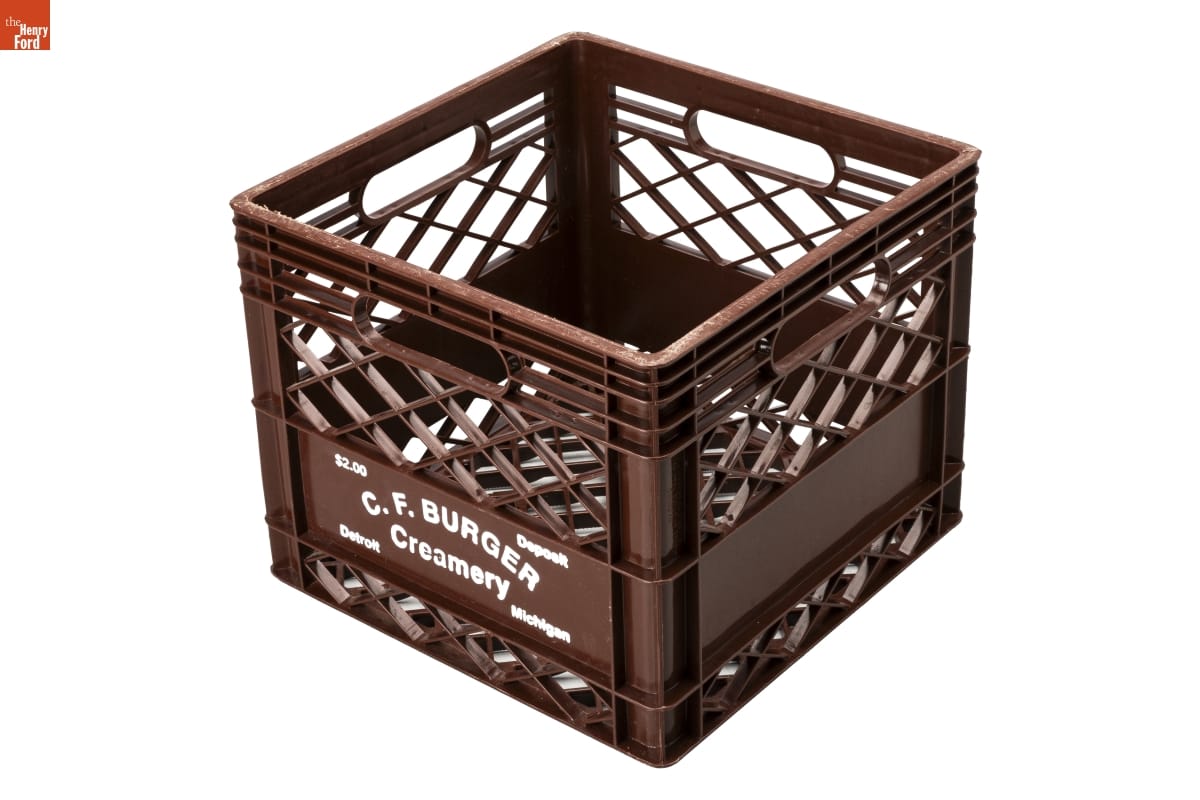
- 1967-1996
- Collections - Artifact
Milk Crate, 1967-1996
Dairies transport their packaged products to retailers and other customers in milk crates. During the 1950s, dairies switched from wood or metal crates designed for glass bottles to molded plastic crates -- better for single-use paper and plastic cartons. The changes reduced processing and shipping costs but contributed to a growing waste problem, even though many nabbed plastic crates and reused them for storage.
- Milk Crate, 1967-1996 - Dairies transport their packaged products to retailers and other customers in milk crates. During the 1950s, dairies switched from wood or metal crates designed for glass bottles to molded plastic crates -- better for single-use paper and plastic cartons. The changes reduced processing and shipping costs but contributed to a growing waste problem, even though many nabbed plastic crates and reused them for storage.
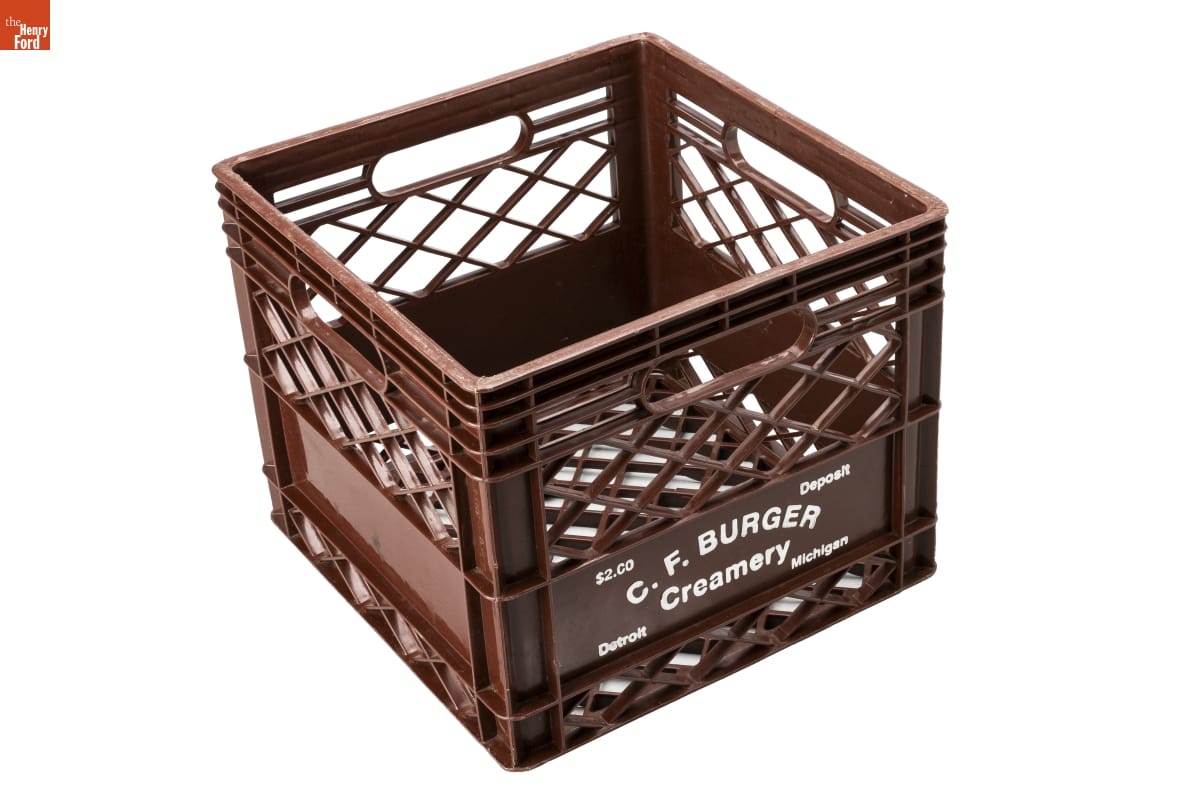
- 1967-1996
- Collections - Artifact
Milk Crate, 1967-1996
Dairies transport their packaged products to retailers and other customers in milk crates. During the 1950s, dairies switched from wood or metal crates designed for glass bottles to molded plastic crates -- better for single-use paper and plastic cartons. The changes reduced processing and shipping costs but contributed to a growing waste problem, even though many nabbed plastic crates and reused them for storage.