
Search
- Fred Crepeau, Former Cabinet-Maker for Worcester Lunch Car Company, and Bob Crepeau, February 1992 -
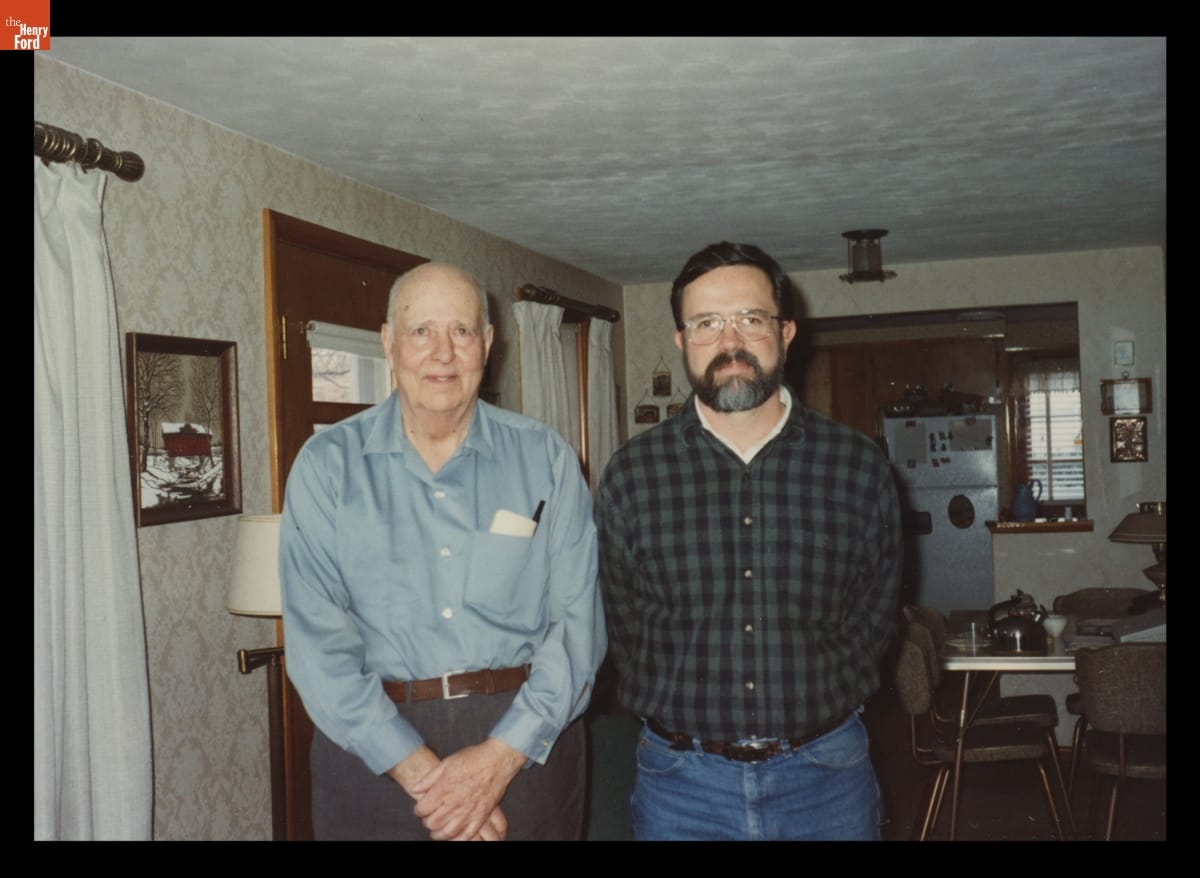
- February 01, 1992
- Collections - Artifact
Fred Crepeau, Former Cabinet-Maker for Worcester Lunch Car Company, and Bob Crepeau, February 1992
- Trade Card for "Cabinet Ware" Furniture, Jones & Rammelsberg, 1838-1846 -
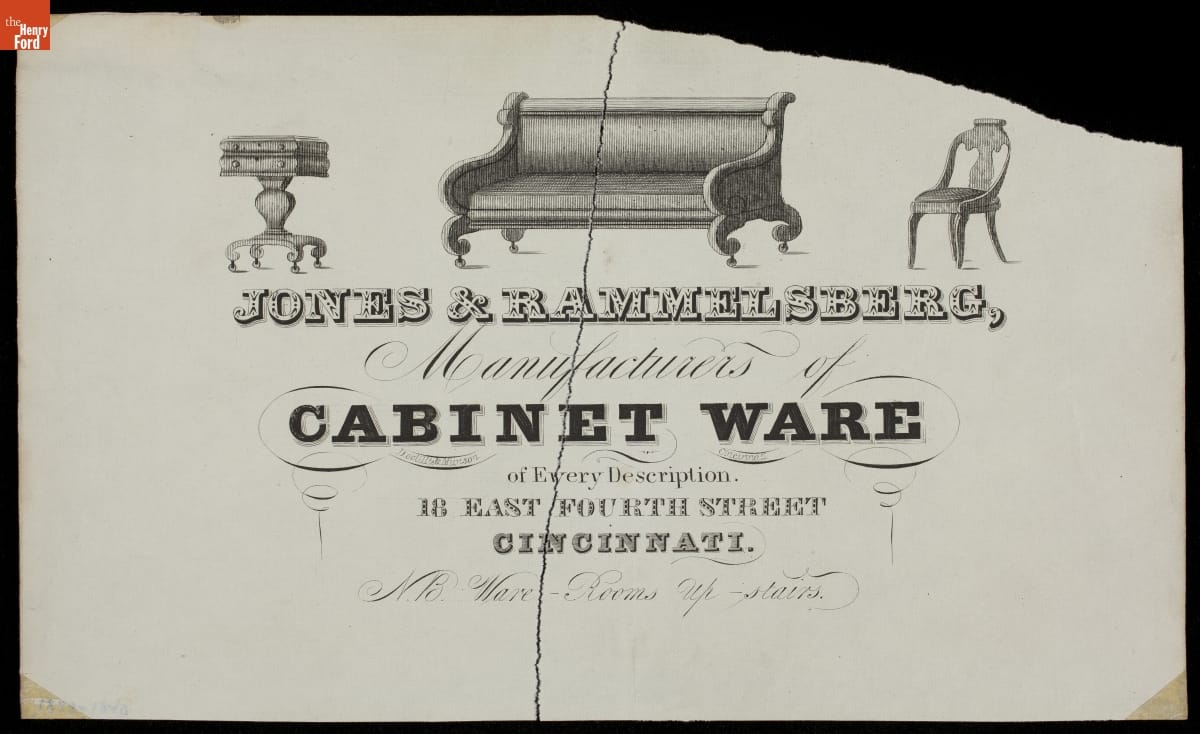
- 1838-1846
- Collections - Artifact
Trade Card for "Cabinet Ware" Furniture, Jones & Rammelsberg, 1838-1846
- Receipt for a Sea Chest Purchased by Stephen Gould from Thomas Goddard, July 20, 1818 -
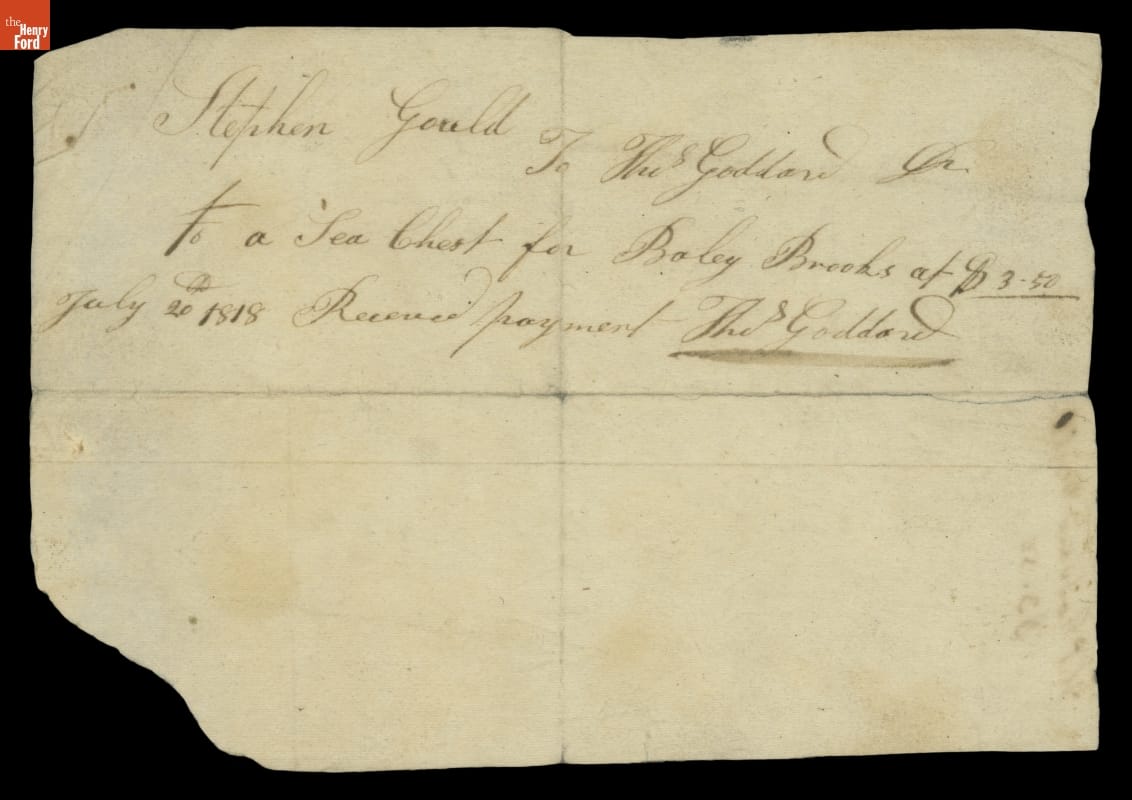
- July 20, 1818
- Collections - Artifact
Receipt for a Sea Chest Purchased by Stephen Gould from Thomas Goddard, July 20, 1818
- Trade Sign, Stephen Badlam's Looking Glass and Cabinet Workshop, circa 1800 -
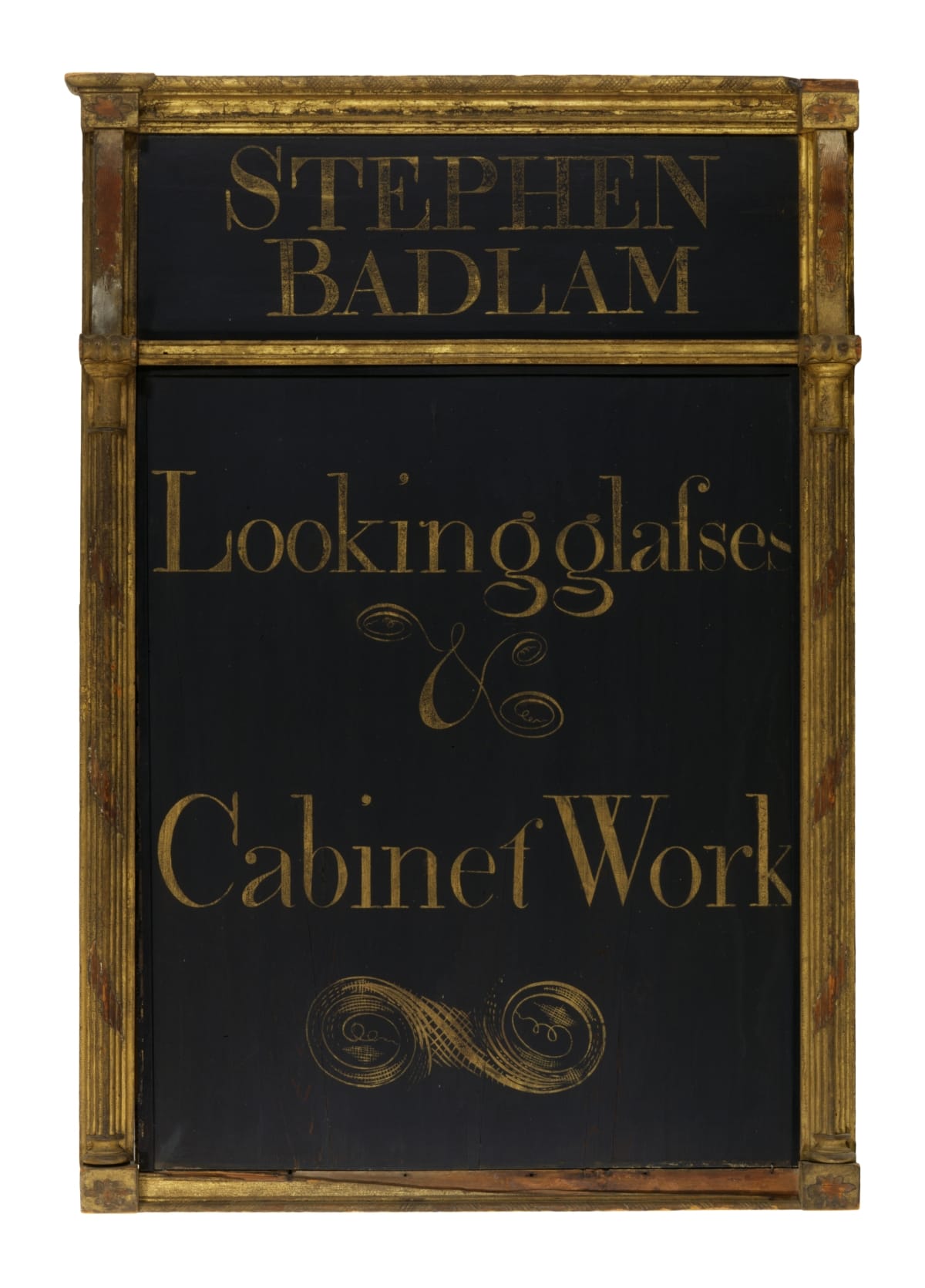
- circa 1800
- Collections - Artifact
Trade Sign, Stephen Badlam's Looking Glass and Cabinet Workshop, circa 1800
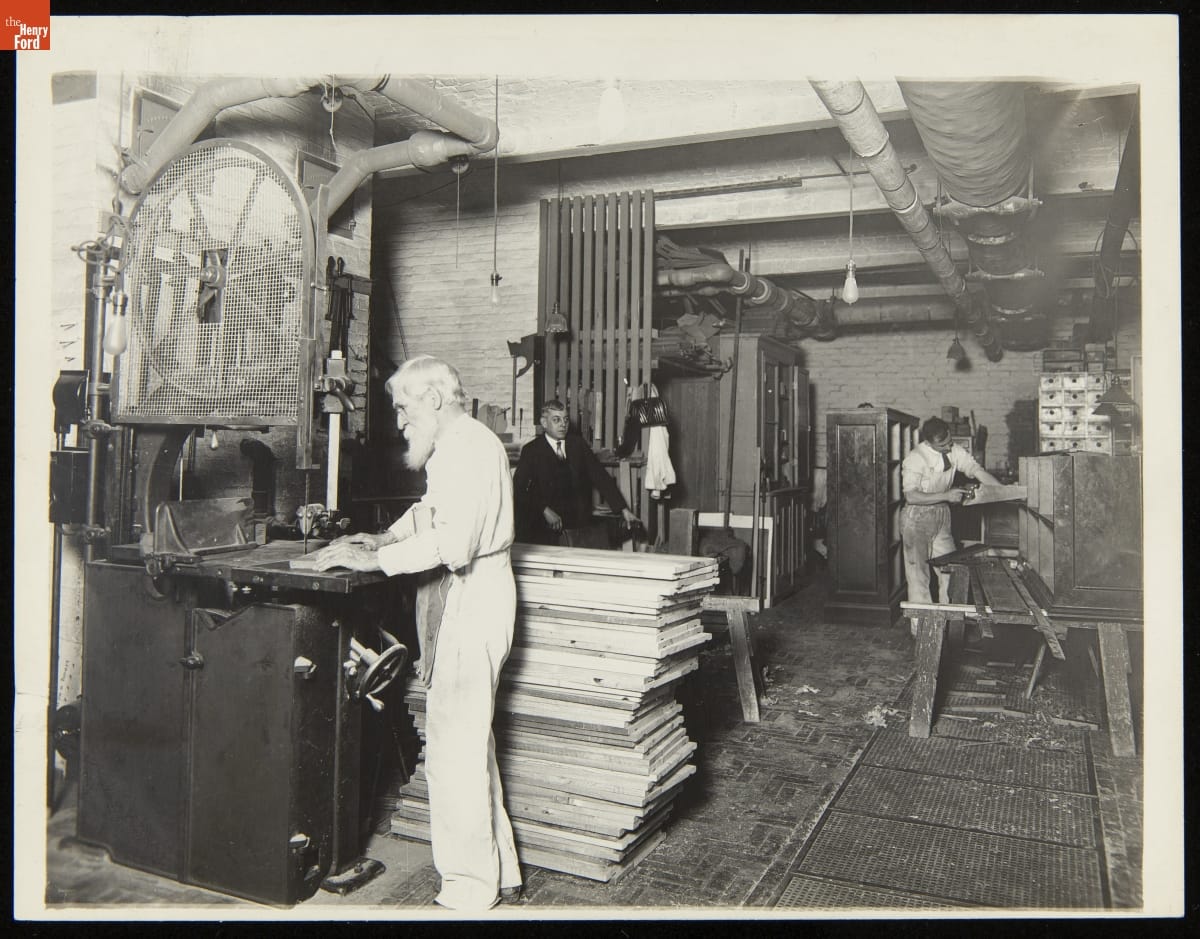
- Cabinetmaker George Sutter, Age 88, Maintaining Bookshelves in The Library of Congress, 1921-1922 -
- 1921-1922
- Collections - Artifact
Cabinetmaker George Sutter, Age 88, Maintaining Bookshelves in The Library of Congress, 1921-1922
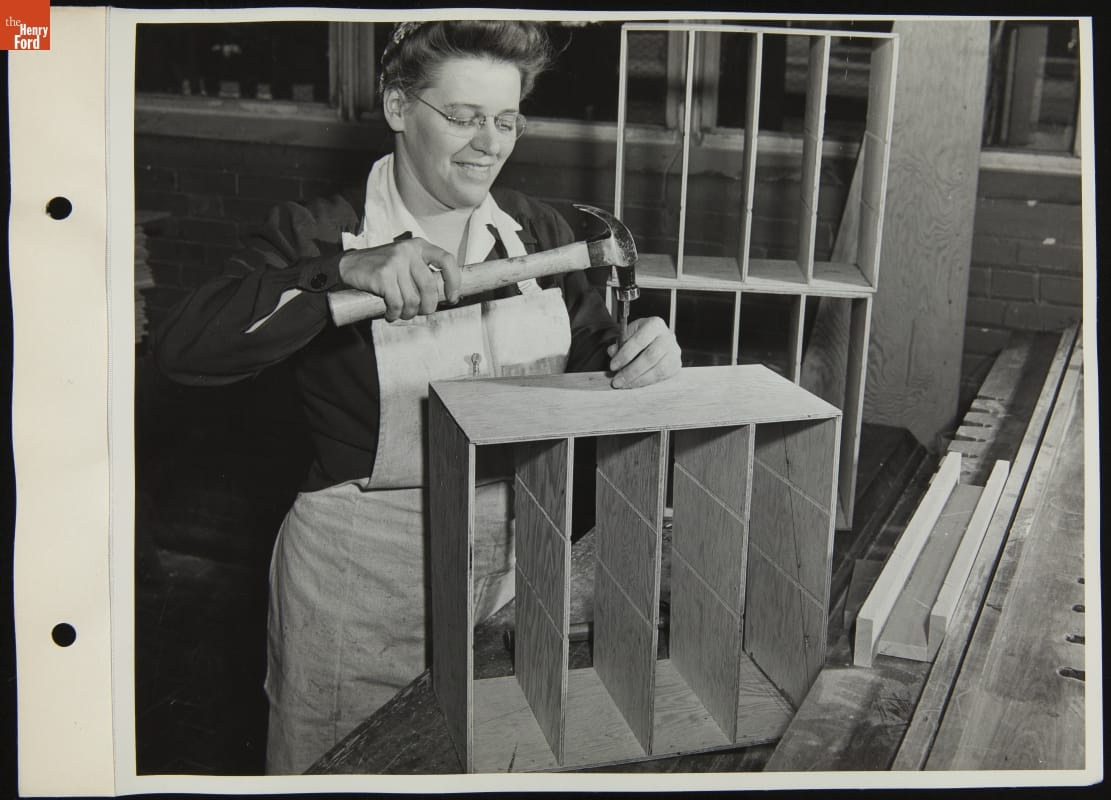
- Edith Corpus Making Rivet Containers in the Cabinet Shop at Willow Run Bomber Plant, April 1943 - During World War II, women joined the workforce in record numbers to take on essential jobs traditionally held by men who had entered the armed forces. At Ford Motor Company's Willow Run plant, women represented approximately one-third of the workers, doing everything from clerical work in the offices to riveting and welding on the assembly line.
- April 01, 1943
- Collections - Artifact
Edith Corpus Making Rivet Containers in the Cabinet Shop at Willow Run Bomber Plant, April 1943
During World War II, women joined the workforce in record numbers to take on essential jobs traditionally held by men who had entered the armed forces. At Ford Motor Company's Willow Run plant, women represented approximately one-third of the workers, doing everything from clerical work in the offices to riveting and welding on the assembly line.
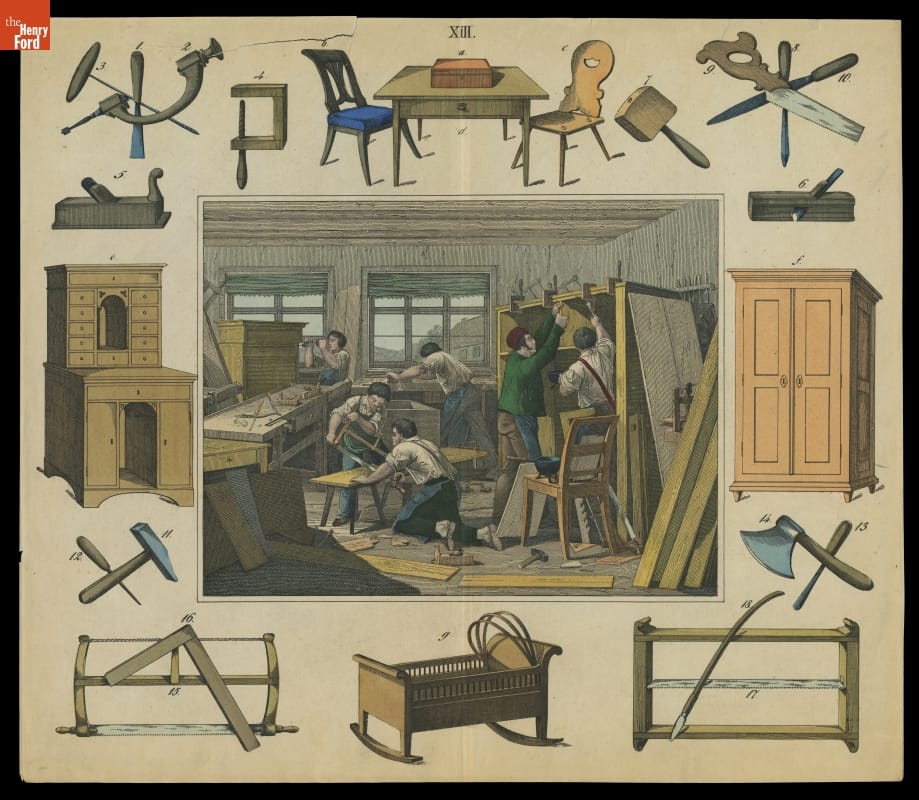
- Engraving, Cabinetmaker's Shop, Tools and Products, circa 1810 -
- circa 1810
- Collections - Artifact
Engraving, Cabinetmaker's Shop, Tools and Products, circa 1810
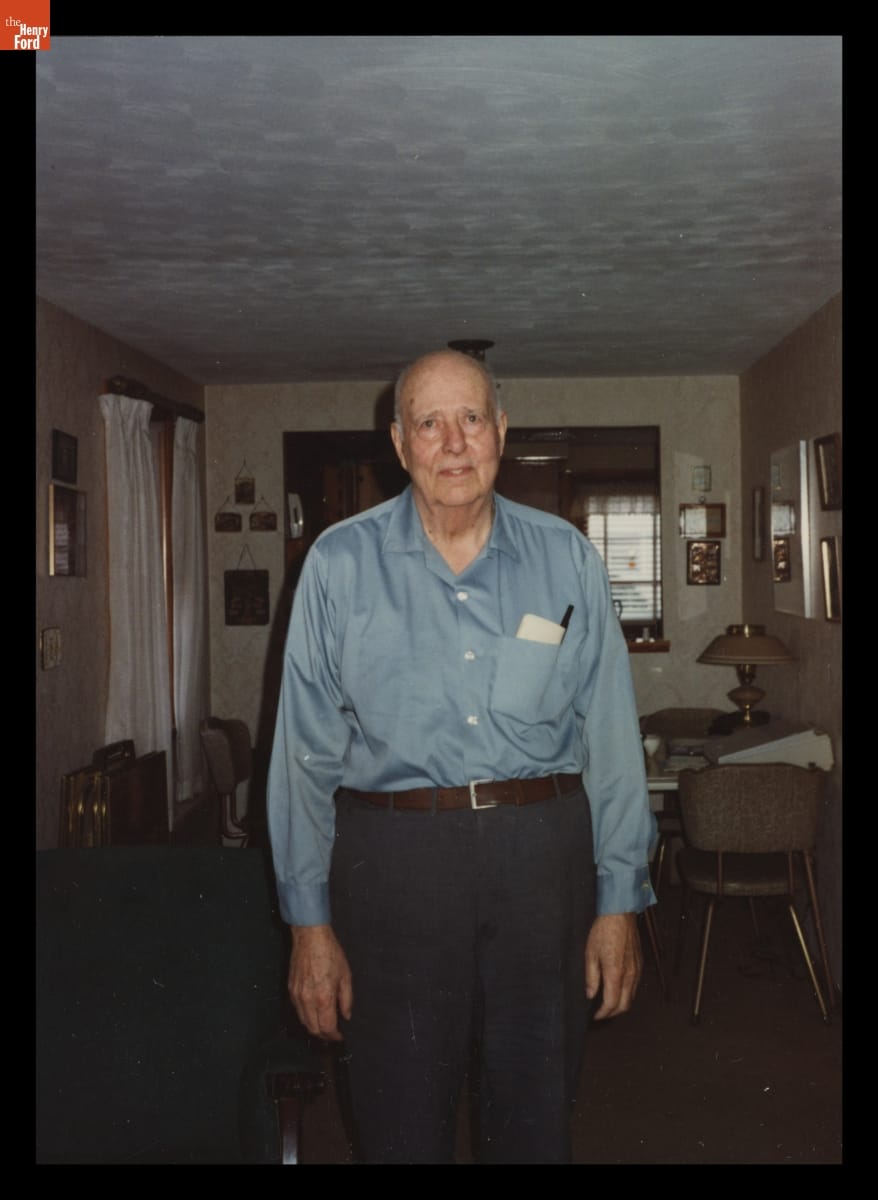
- Fred Crepeau, Former Cabinet-Maker for Worcester Lunch Car Company, February 1992 -
- February 01, 1992
- Collections - Artifact
Fred Crepeau, Former Cabinet-Maker for Worcester Lunch Car Company, February 1992
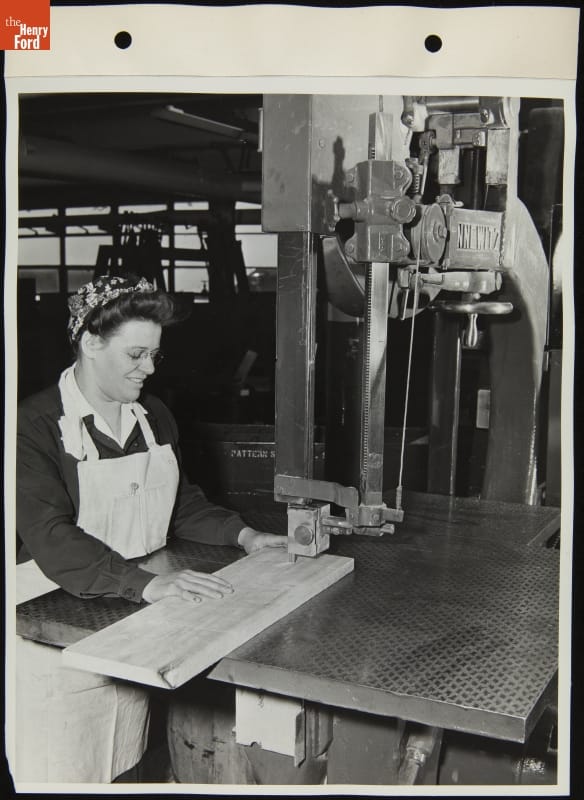
- Edith Corpus Making Rivet Containers in the Cabinet Shop at Willow Run Bomber Plant, April 1943 - During World War II, women joined the workforce in record numbers to take on essential jobs traditionally held by men who had entered the armed forces. At Ford Motor Company's Willow Run plant, women represented approximately one-third of the workers, doing everything from clerical work in the offices to riveting and welding on the assembly line.
- April 01, 1943
- Collections - Artifact
Edith Corpus Making Rivet Containers in the Cabinet Shop at Willow Run Bomber Plant, April 1943
During World War II, women joined the workforce in record numbers to take on essential jobs traditionally held by men who had entered the armed forces. At Ford Motor Company's Willow Run plant, women represented approximately one-third of the workers, doing everything from clerical work in the offices to riveting and welding on the assembly line.
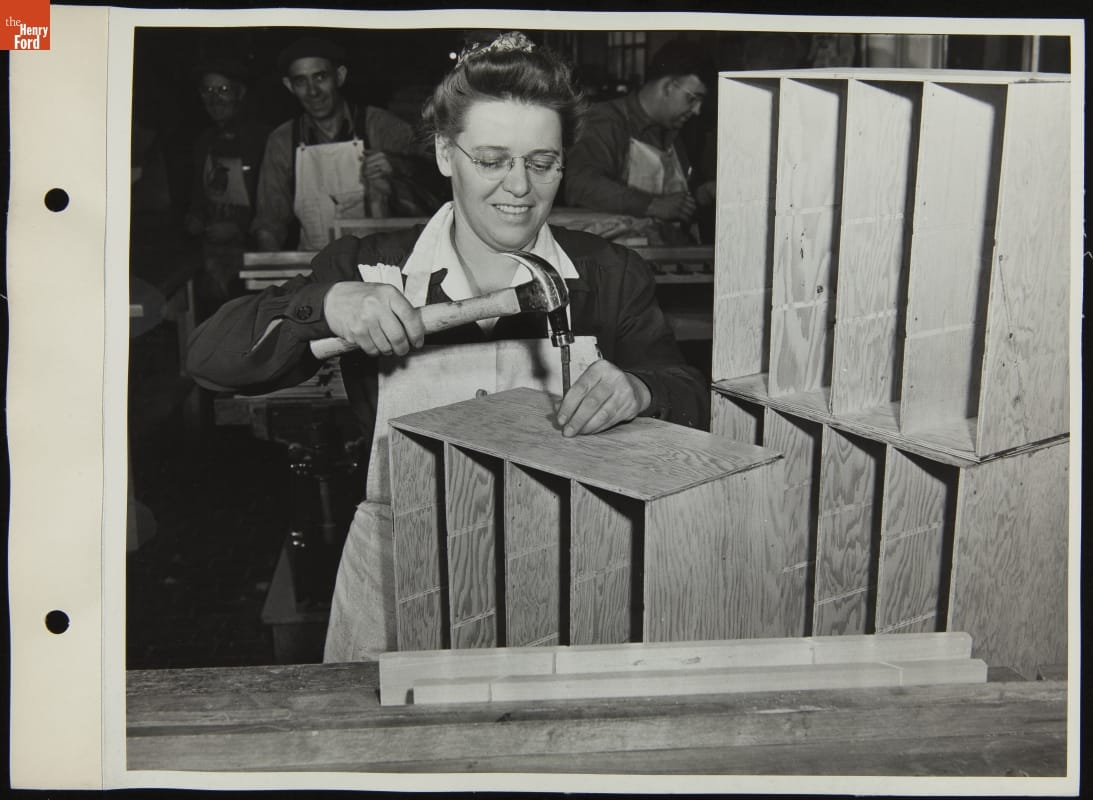
- Edith Corpus Making Rivet Containers in the Cabinet Shop at Willow Run Bomber Plant, April 1943 - During World War II, women joined the workforce in record numbers to take on essential jobs traditionally held by men who had entered the armed forces. At Ford Motor Company's Willow Run plant, women represented approximately one-third of the workers, doing everything from clerical work in the offices to riveting and welding on the assembly line.
- April 01, 1943
- Collections - Artifact
Edith Corpus Making Rivet Containers in the Cabinet Shop at Willow Run Bomber Plant, April 1943
During World War II, women joined the workforce in record numbers to take on essential jobs traditionally held by men who had entered the armed forces. At Ford Motor Company's Willow Run plant, women represented approximately one-third of the workers, doing everything from clerical work in the offices to riveting and welding on the assembly line.