
Search
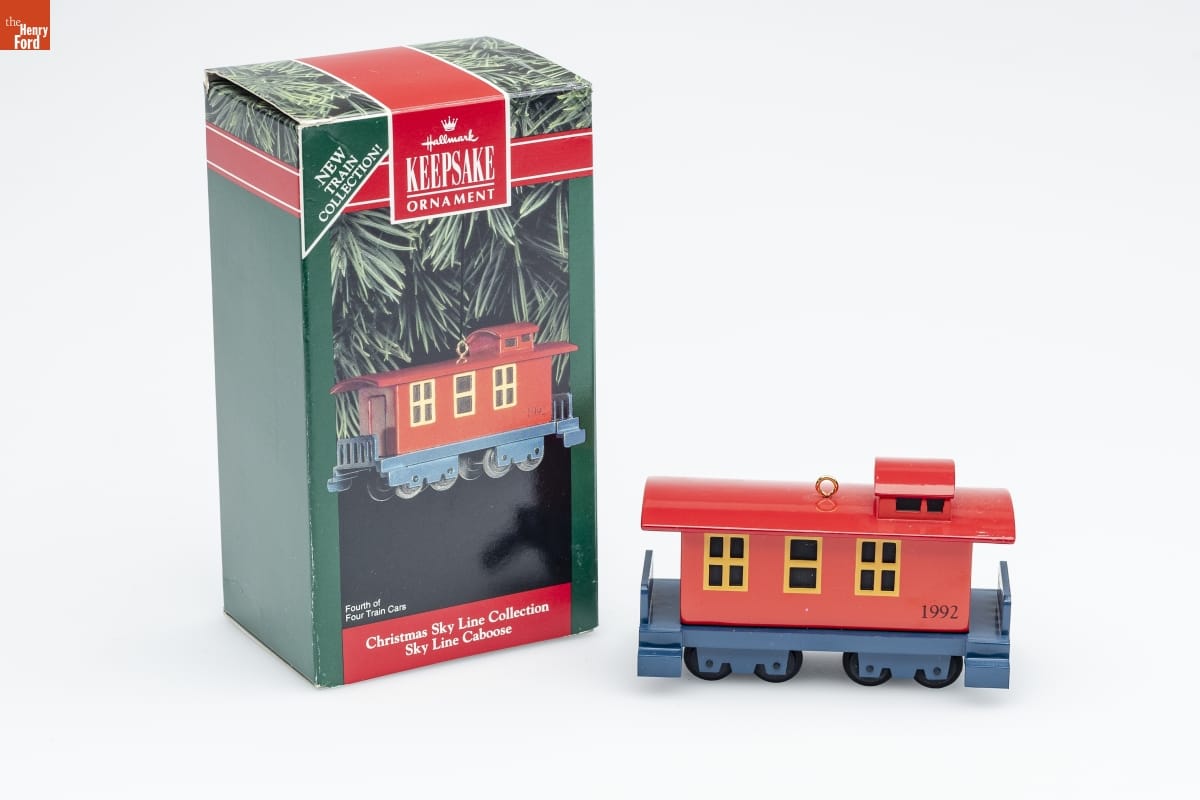
- Hallmark "Christmas Sky Line Collection: Sky Line Caboose" Christmas Ornament, 1992 - Already known for greeting cards, Hallmark introduced a line of Christmas ornaments in 1973. The company's annual release of an increasing array of ornaments revolutionized Christmas decorating, appealing to customers' interest in marking memories and milestones as well as expressing one's personality and unique tastes.
- 1992
- Collections - Artifact
Hallmark "Christmas Sky Line Collection: Sky Line Caboose" Christmas Ornament, 1992
Already known for greeting cards, Hallmark introduced a line of Christmas ornaments in 1973. The company's annual release of an increasing array of ornaments revolutionized Christmas decorating, appealing to customers' interest in marking memories and milestones as well as expressing one's personality and unique tastes.
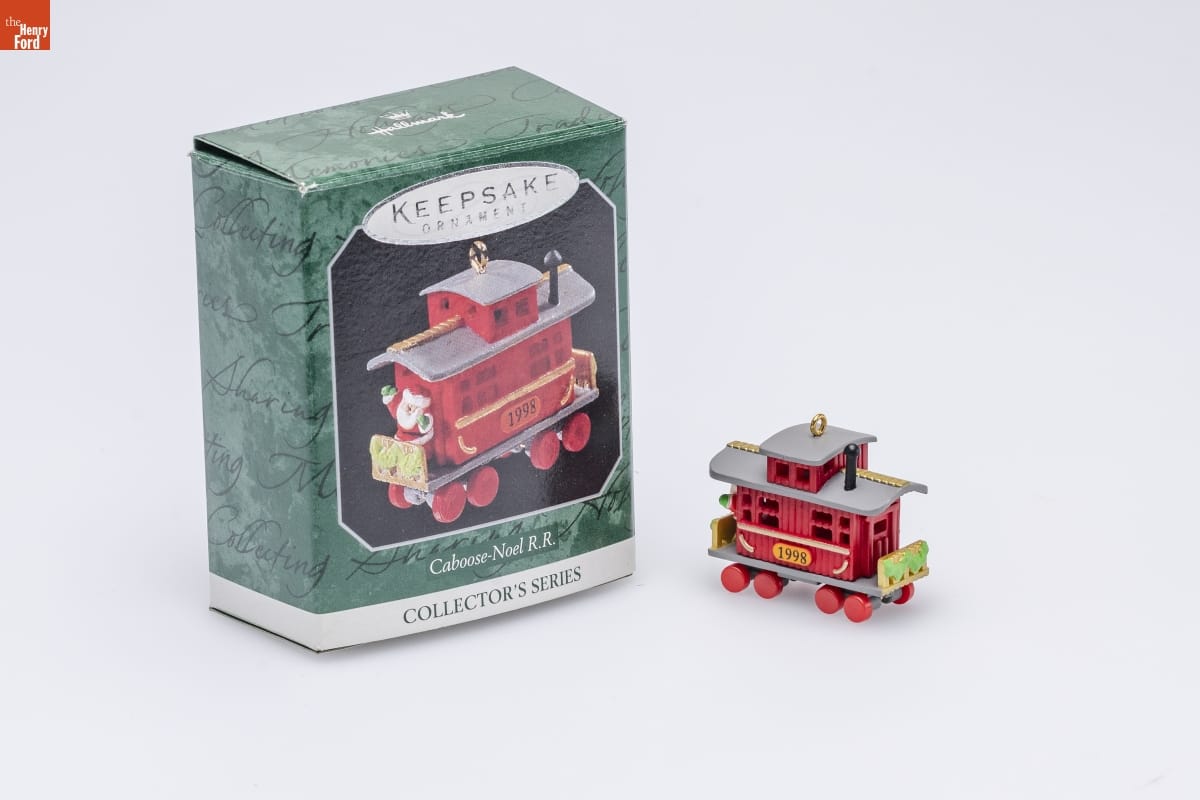
- Hallmark "Noel R.R. Series: Caboose" Miniature Christmas Ornament, 1998 - Already known for greeting cards, Hallmark introduced a line of Christmas ornaments in 1973. The company's annual release of an increasing array of ornaments revolutionized Christmas decorating, appealing to customers' interest in marking memories and milestones as well as expressing one's personality and unique tastes.
- 1998
- Collections - Artifact
Hallmark "Noel R.R. Series: Caboose" Miniature Christmas Ornament, 1998
Already known for greeting cards, Hallmark introduced a line of Christmas ornaments in 1973. The company's annual release of an increasing array of ornaments revolutionized Christmas decorating, appealing to customers' interest in marking memories and milestones as well as expressing one's personality and unique tastes.
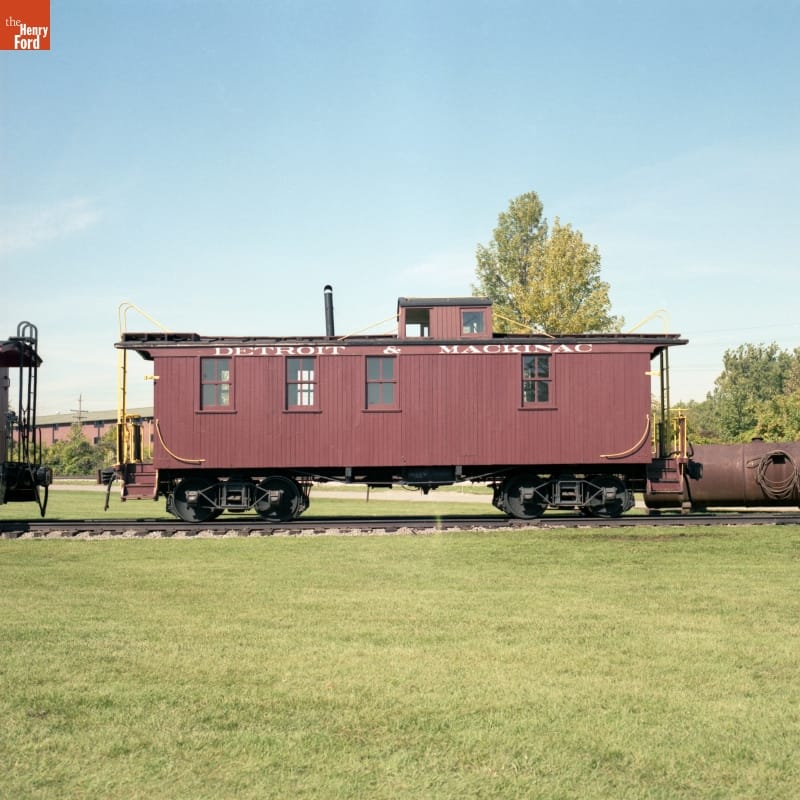
- Detroit & Mackinac Railway Caboose, circa 1912 - The caboose was the conductor's office, the crew's quarters, and -- from the elevated cupola -- a place to spot problems on the train. By the 1980s, the caboose was made obsolete by new technologies and smaller crews. This car served on Michigan's Detroit & Mackinac Railway, which operated a 200-mile route between Bay City and Cheboygan along the Lake Huron shoreline.
- circa 1912
- Collections - Artifact
Detroit & Mackinac Railway Caboose, circa 1912
The caboose was the conductor's office, the crew's quarters, and -- from the elevated cupola -- a place to spot problems on the train. By the 1980s, the caboose was made obsolete by new technologies and smaller crews. This car served on Michigan's Detroit & Mackinac Railway, which operated a 200-mile route between Bay City and Cheboygan along the Lake Huron shoreline.
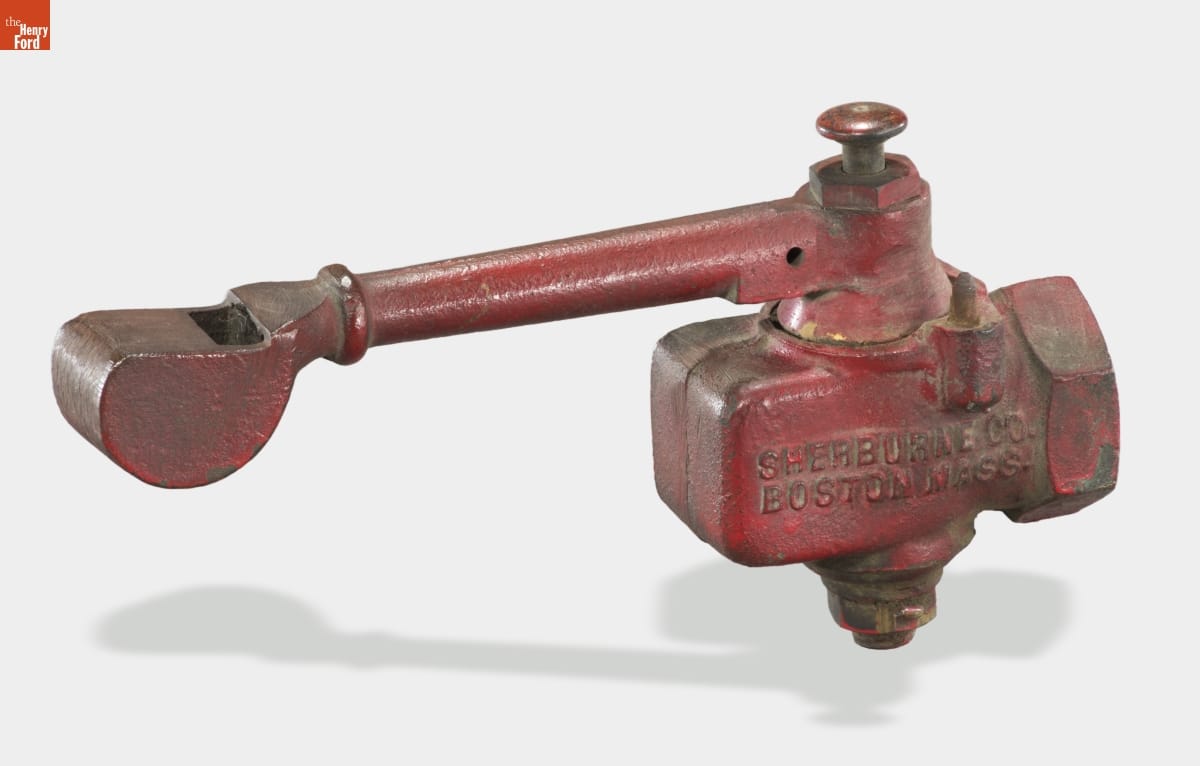
- Sherburne Company Caboose Whistle, 1932-1940 - Usually the caboose was at the rear of a freight train, where it served as a workspace for the conductor and crew. But when a train ran in reverse, the caboose became the front. The crew used a whistle like this to signal a warning when approaching railroad crossings. Air pressure from the train's brake line produced the whistle's sound.
- 1932-1940
- Collections - Artifact
Sherburne Company Caboose Whistle, 1932-1940
Usually the caboose was at the rear of a freight train, where it served as a workspace for the conductor and crew. But when a train ran in reverse, the caboose became the front. The crew used a whistle like this to signal a warning when approaching railroad crossings. Air pressure from the train's brake line produced the whistle's sound.
- Smiths Creek Depot Cross Stitch, 1990 -
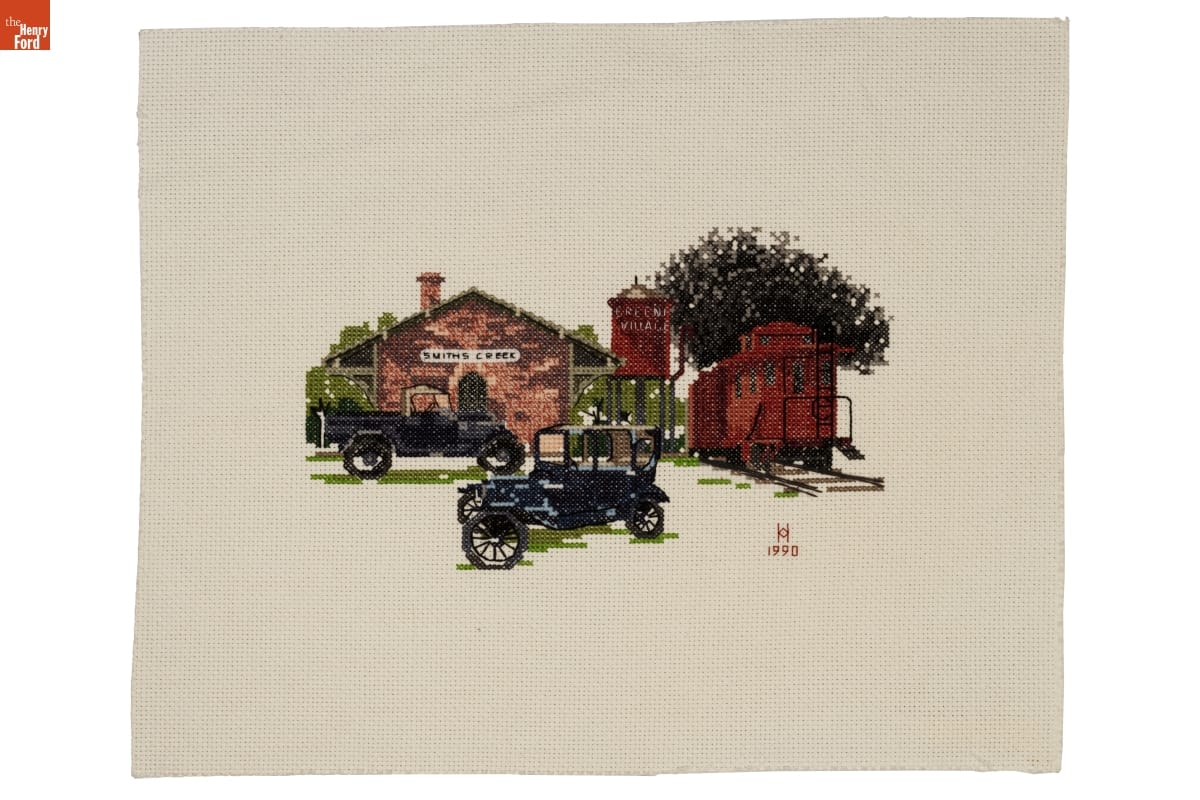
- 1990
- Collections - Artifact
Smiths Creek Depot Cross Stitch, 1990
- Interior of a Railroad Caboose, Detroit, Toledo & Ironton Railroad, October 1926 - The caboose served as an office for the conductor, temporary living quarters for the train crew and a storage shack for tools and equipment. The cupola at top provided crew members with a place to watch for problems with the train. Computerized record keeping, trackside defect detectors and smaller crews all made the caboose obsolete by the 1980s.
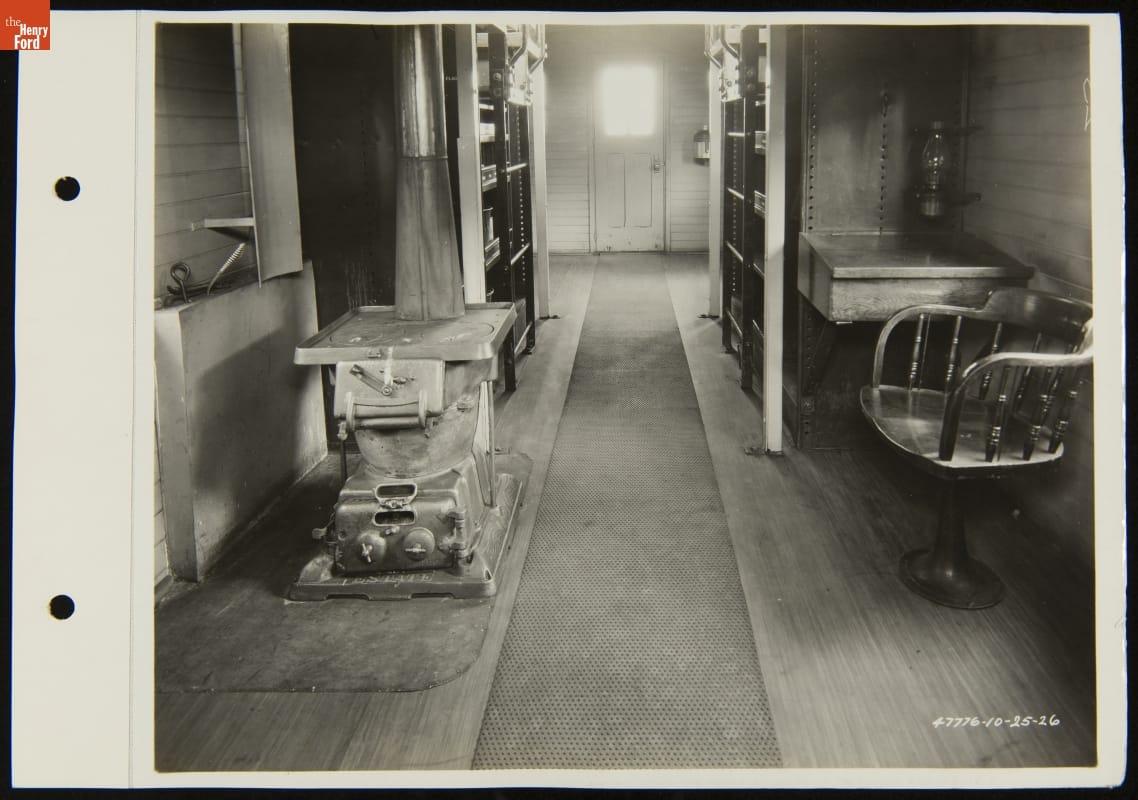
- October 25, 1926
- Collections - Artifact
Interior of a Railroad Caboose, Detroit, Toledo & Ironton Railroad, October 1926
The caboose served as an office for the conductor, temporary living quarters for the train crew and a storage shack for tools and equipment. The cupola at top provided crew members with a place to watch for problems with the train. Computerized record keeping, trackside defect detectors and smaller crews all made the caboose obsolete by the 1980s.
- Interior of a Railroad Caboose, Detroit, Toledo & Ironton Railroad, February 1926 - The caboose served as an office for the conductor, temporary living quarters for the train crew and a storage shack for tools and equipment. The cupola at top provided crew members with a place to watch for problems with the train. Computerized record keeping, trackside defect detectors and smaller crews all made the caboose obsolete by the 1980s.
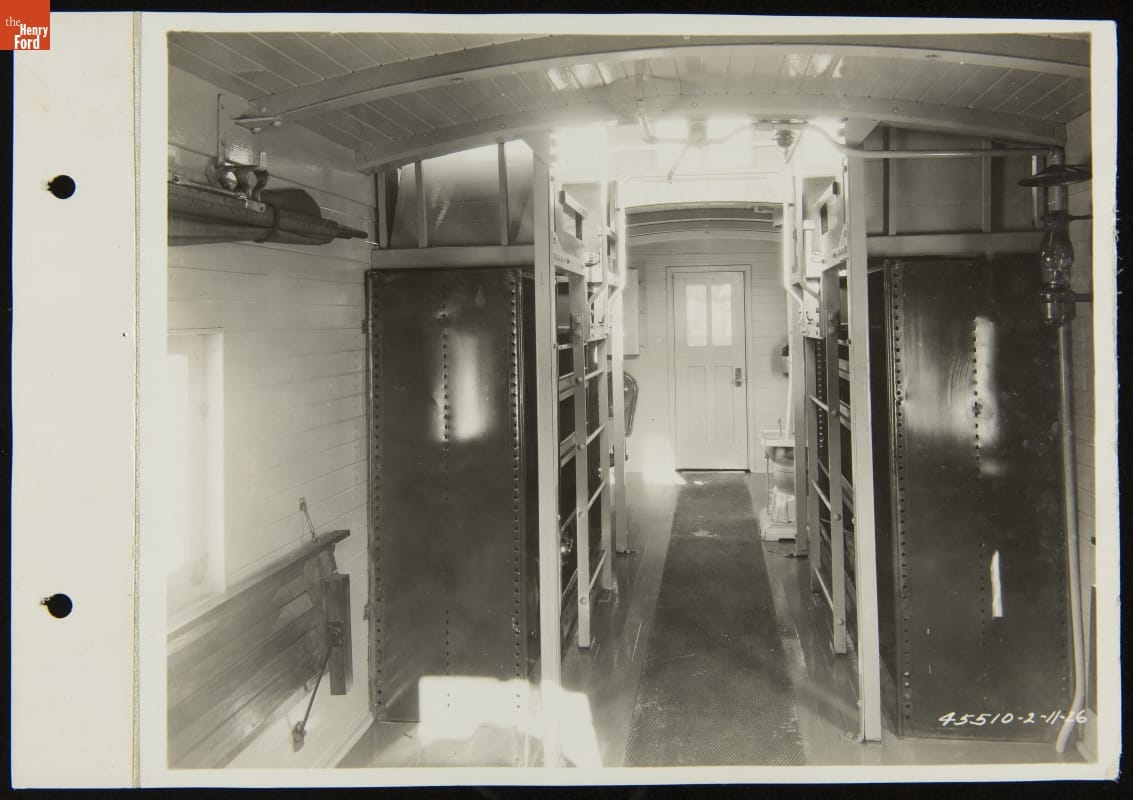
- February 11, 1926
- Collections - Artifact
Interior of a Railroad Caboose, Detroit, Toledo & Ironton Railroad, February 1926
The caboose served as an office for the conductor, temporary living quarters for the train crew and a storage shack for tools and equipment. The cupola at top provided crew members with a place to watch for problems with the train. Computerized record keeping, trackside defect detectors and smaller crews all made the caboose obsolete by the 1980s.
- Interior of a Railroad Caboose, Detroit, Toledo & Ironton Railroad, February 1926 - The caboose served as an office for the conductor, temporary living quarters for the train crew and a storage shack for tools and equipment. The cupola at top provided crew members with a place to watch for problems with the train. Computerized record keeping, trackside defect detectors and smaller crews all made the caboose obsolete by the 1980s.
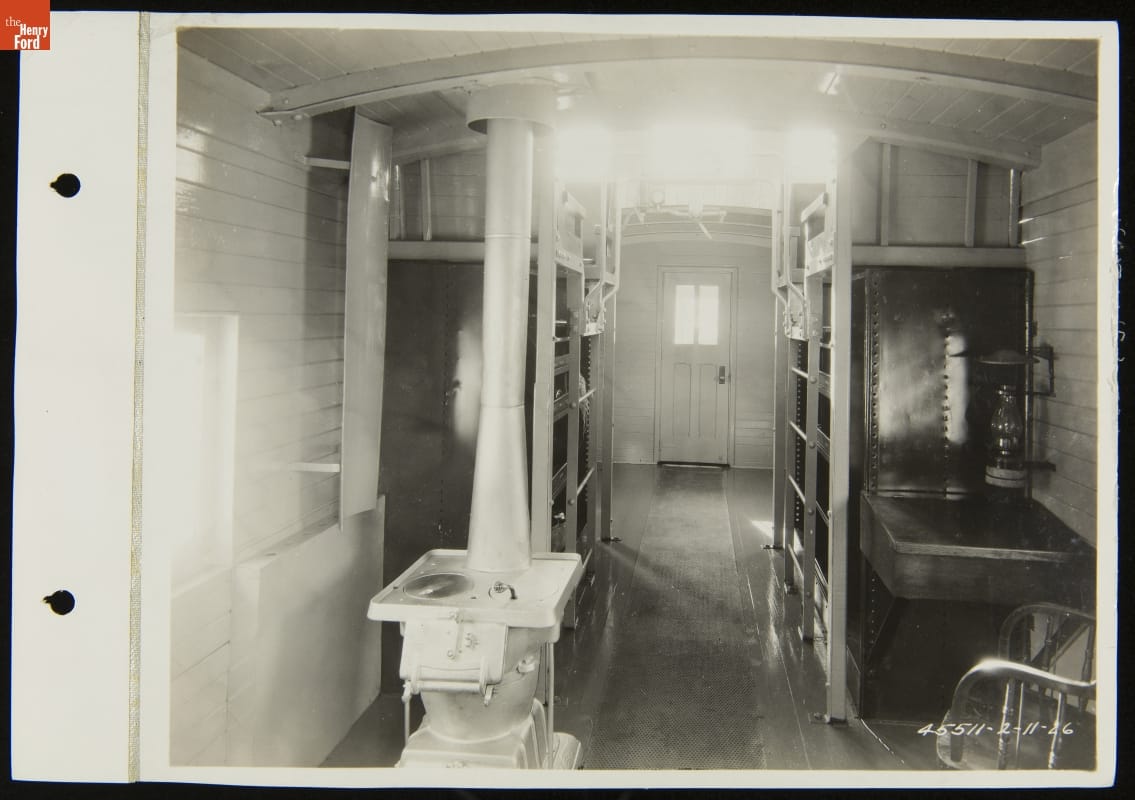
- February 11, 1926
- Collections - Artifact
Interior of a Railroad Caboose, Detroit, Toledo & Ironton Railroad, February 1926
The caboose served as an office for the conductor, temporary living quarters for the train crew and a storage shack for tools and equipment. The cupola at top provided crew members with a place to watch for problems with the train. Computerized record keeping, trackside defect detectors and smaller crews all made the caboose obsolete by the 1980s.
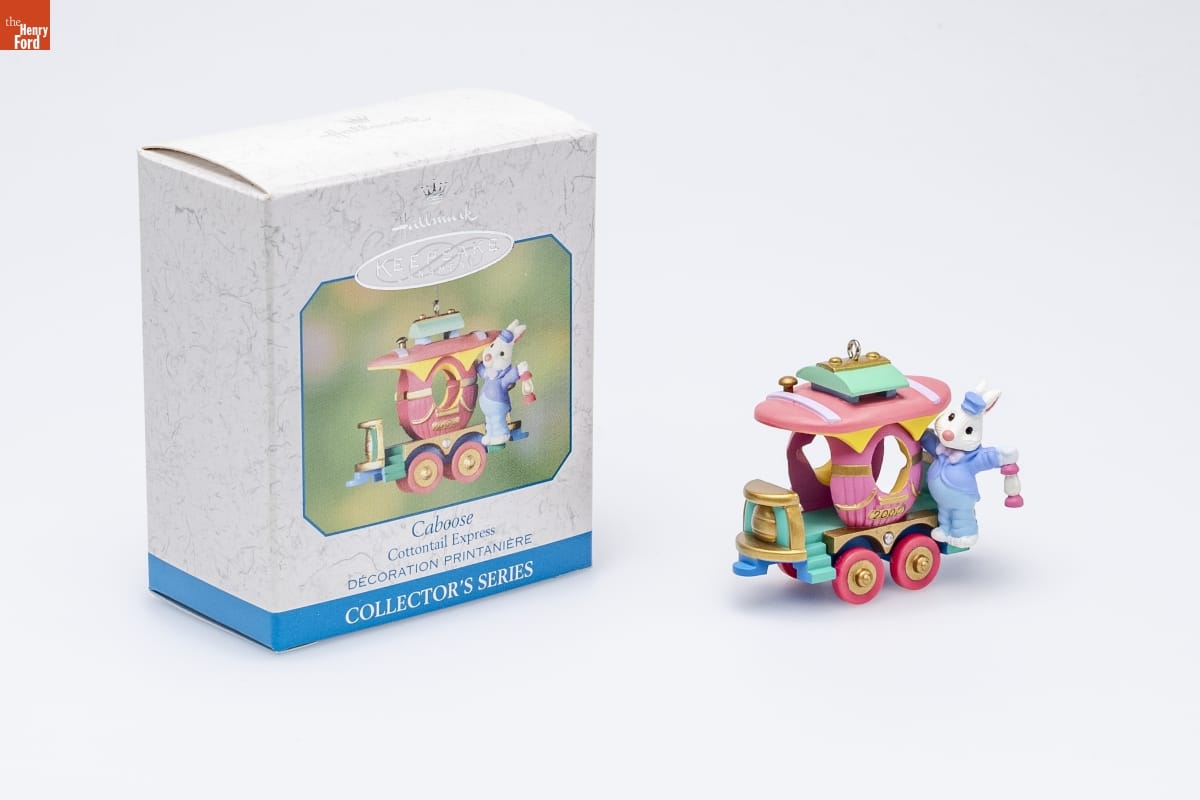
- Hallmark "Cottontail Express Series: Caboose" Spring Ornament, 2000 - Hallmark introduced a line of Christmas ornaments in 1973. These ornaments appealed to customers' interest in marking memories, commemorating milestones, and expressing one's personality and unique tastes. This success led the company to produce ornaments for other holidays. Hallmark marketed and sold Easter and springtime ornaments in several series dating back to the 1990s.
- 2000
- Collections - Artifact
Hallmark "Cottontail Express Series: Caboose" Spring Ornament, 2000
Hallmark introduced a line of Christmas ornaments in 1973. These ornaments appealed to customers' interest in marking memories, commemorating milestones, and expressing one's personality and unique tastes. This success led the company to produce ornaments for other holidays. Hallmark marketed and sold Easter and springtime ornaments in several series dating back to the 1990s.
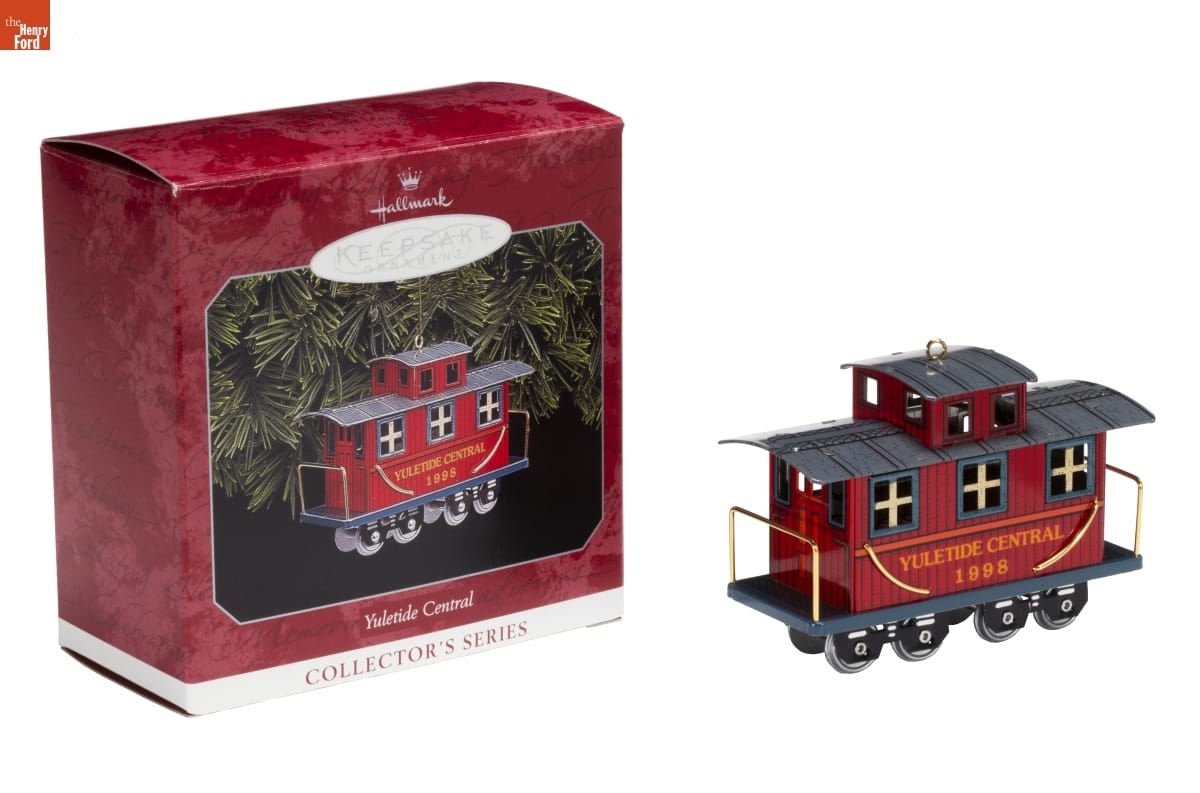
- Hallmark "Yuletide Central Series" Christmas Ornament, 1998 - Already known for greeting cards, Hallmark introduced a line of Christmas ornaments in 1973. The company's annual release of an increasing array of ornaments revolutionized Christmas decorating, appealing to customers' interest in marking memories and milestones as well as expressing one's personality and unique tastes.
- 1998
- Collections - Artifact
Hallmark "Yuletide Central Series" Christmas Ornament, 1998
Already known for greeting cards, Hallmark introduced a line of Christmas ornaments in 1973. The company's annual release of an increasing array of ornaments revolutionized Christmas decorating, appealing to customers' interest in marking memories and milestones as well as expressing one's personality and unique tastes.