
Search
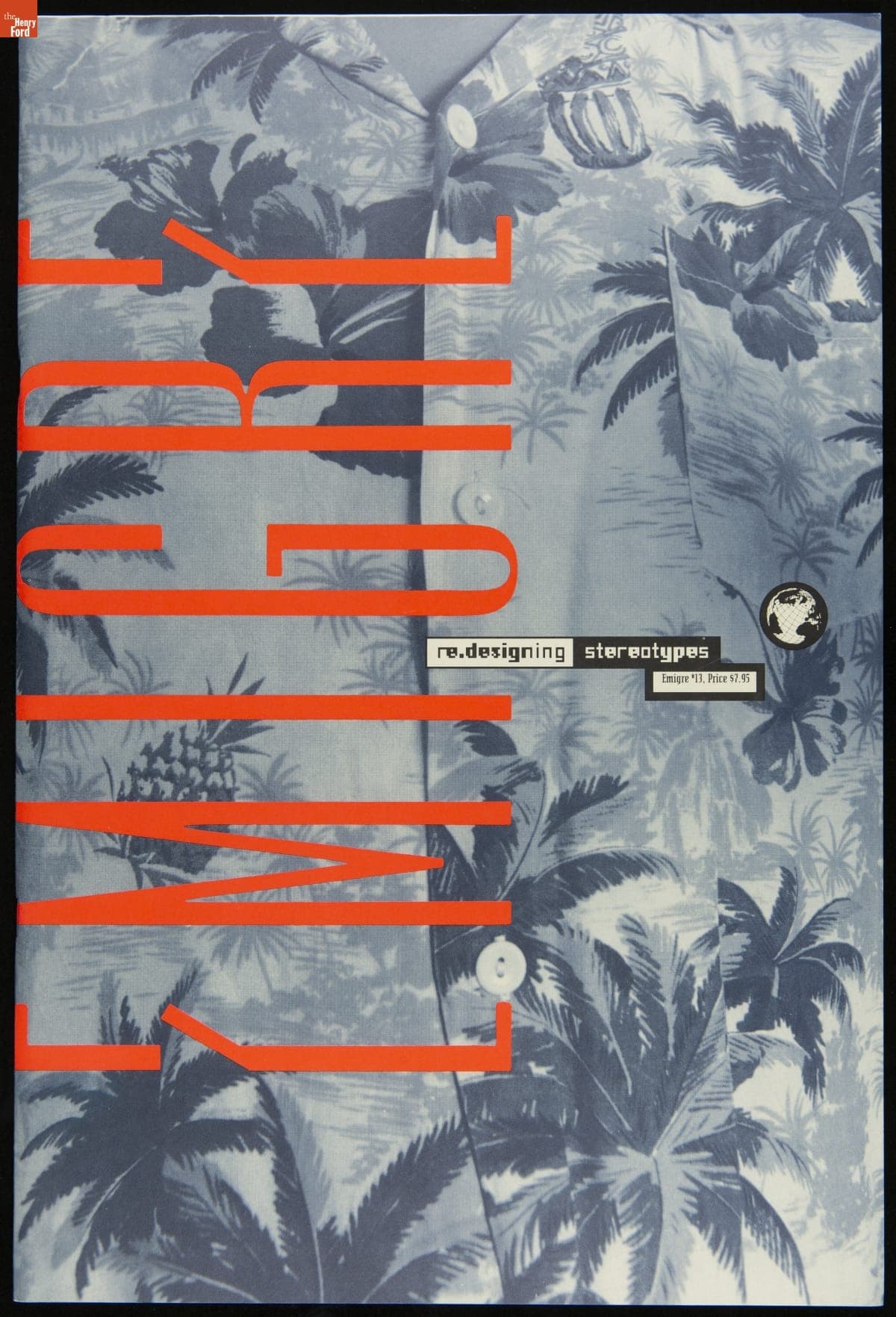
- Magazine, Emigre No. 13, "Redesigning Stereotypes," 1989 - Emigre is a digital type foundry established by Rudy VanderLans and Zuzana Licko. The company's history is linked with the introduction of the 1984 Macintosh computer, used to design their early bitmapped typefaces. Emigre's digital work gained notoriety -- defying visual communication standards with fractured, layered combinations of text and image. <em>Emigre</em> magazine showcased their fonts and promoted groundbreaking designers.
- 1989
- Collections - Artifact
Magazine, Emigre No. 13, "Redesigning Stereotypes," 1989
Emigre is a digital type foundry established by Rudy VanderLans and Zuzana Licko. The company's history is linked with the introduction of the 1984 Macintosh computer, used to design their early bitmapped typefaces. Emigre's digital work gained notoriety -- defying visual communication standards with fractured, layered combinations of text and image. Emigre magazine showcased their fonts and promoted groundbreaking designers.
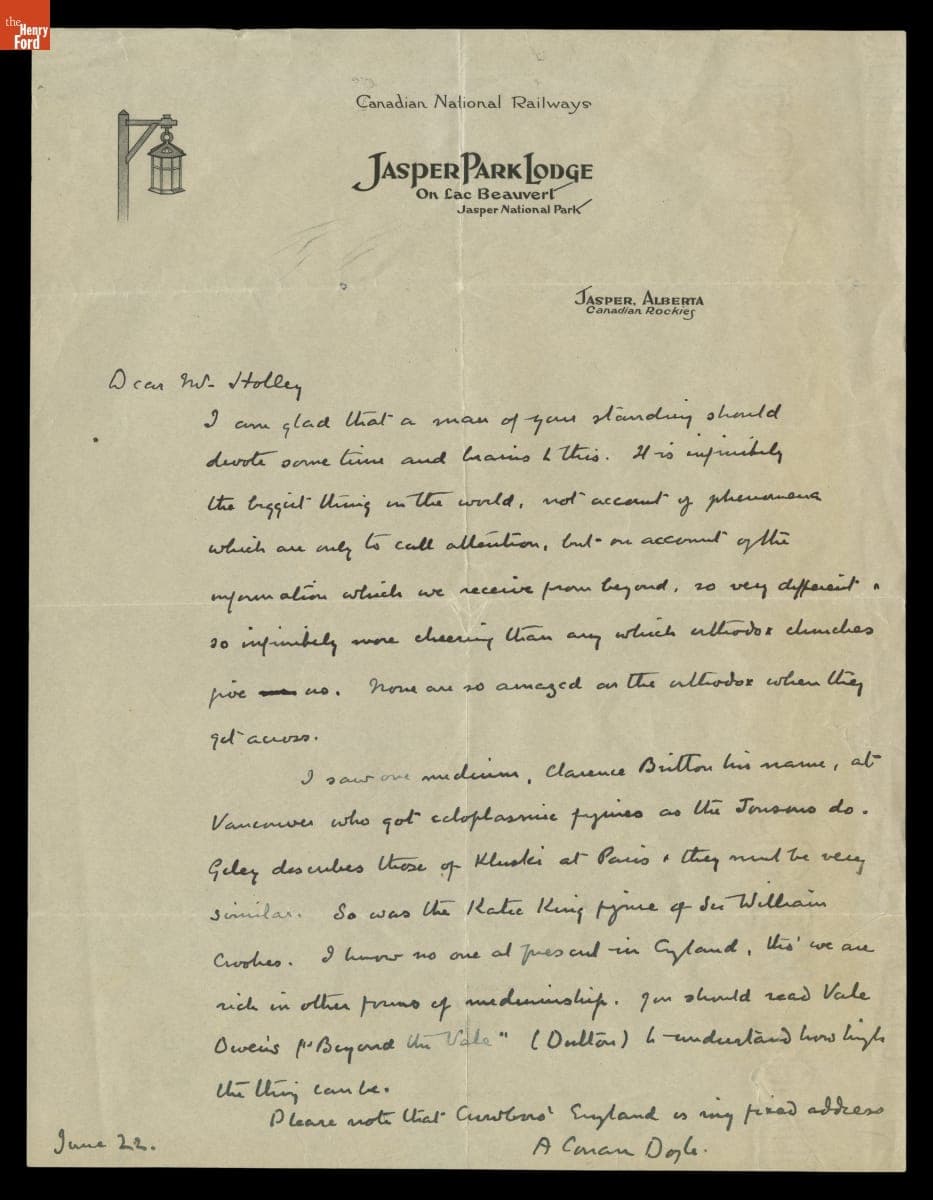
- Letter from Arthur Conan Doyle to George M. Holley, June 22, 1923 - George Holley, founder of Holley Motor Company, and Sir Arthur Conan Doyle, famed author, became acquainted after Holley attended one of Doyle's lectures in Detroit. From 1923 to 1929, the two maintained a robust correspondence. Spiritualism was a frequent topic as they traded recommendations of mediums, bemoaned skeptics like Harry Houdini, and discussed the state of belief on both sides of the Atlantic.
- June 22, 1923
- Collections - Artifact
Letter from Arthur Conan Doyle to George M. Holley, June 22, 1923
George Holley, founder of Holley Motor Company, and Sir Arthur Conan Doyle, famed author, became acquainted after Holley attended one of Doyle's lectures in Detroit. From 1923 to 1929, the two maintained a robust correspondence. Spiritualism was a frequent topic as they traded recommendations of mediums, bemoaned skeptics like Harry Houdini, and discussed the state of belief on both sides of the Atlantic.
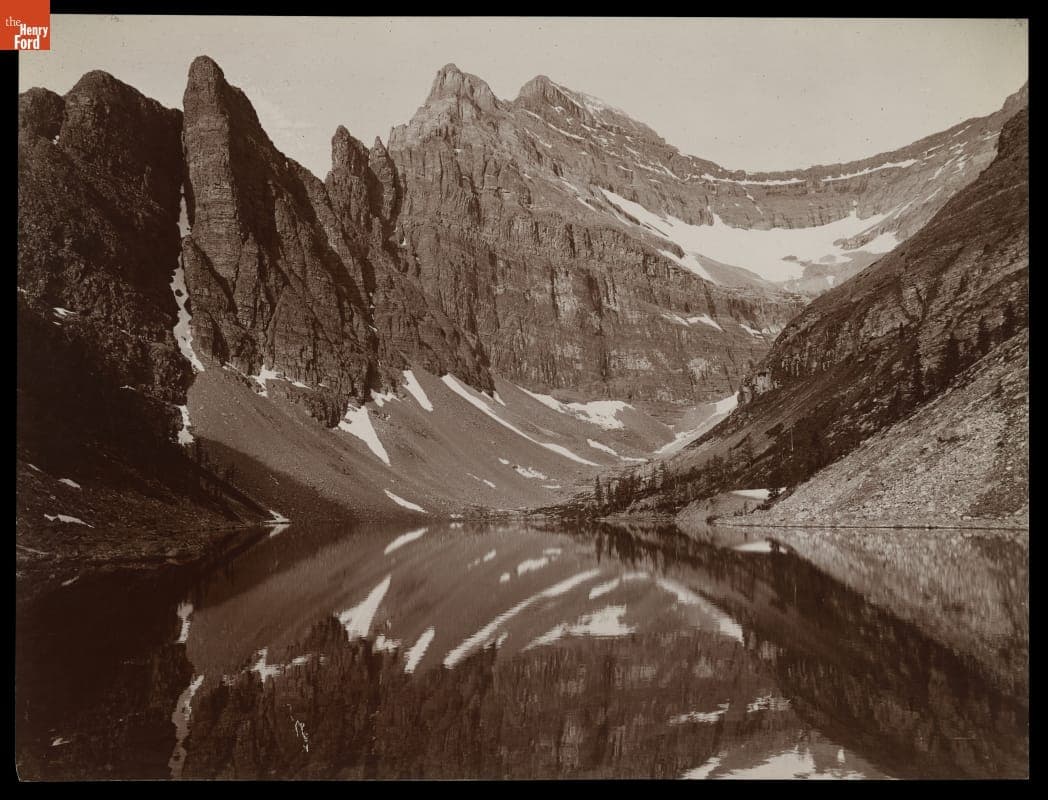
- Lake Agnes, Alberta, Canada, circa 1905 - From 1895 to 1924, the Detroit Publishing Company was one of the major image publishers in the world. The company had a wide-ranging stock of original photographs, including many scenes from around the world. These prints were reproduced for ads, purchased to decorate homes and offices, bought as souvenirs, and used as teaching tools in schools and libraries.
- circa 1905
- Collections - Artifact
Lake Agnes, Alberta, Canada, circa 1905
From 1895 to 1924, the Detroit Publishing Company was one of the major image publishers in the world. The company had a wide-ranging stock of original photographs, including many scenes from around the world. These prints were reproduced for ads, purchased to decorate homes and offices, bought as souvenirs, and used as teaching tools in schools and libraries.
- Pennant, "Lake Louise," 1940-1965 -
- 1940-1965
- Collections - Artifact
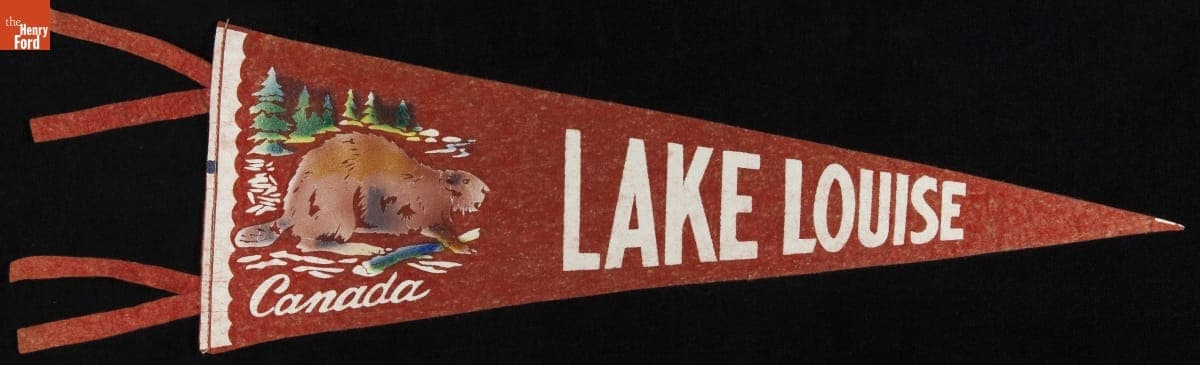
Pennant, "Lake Louise," 1940-1965
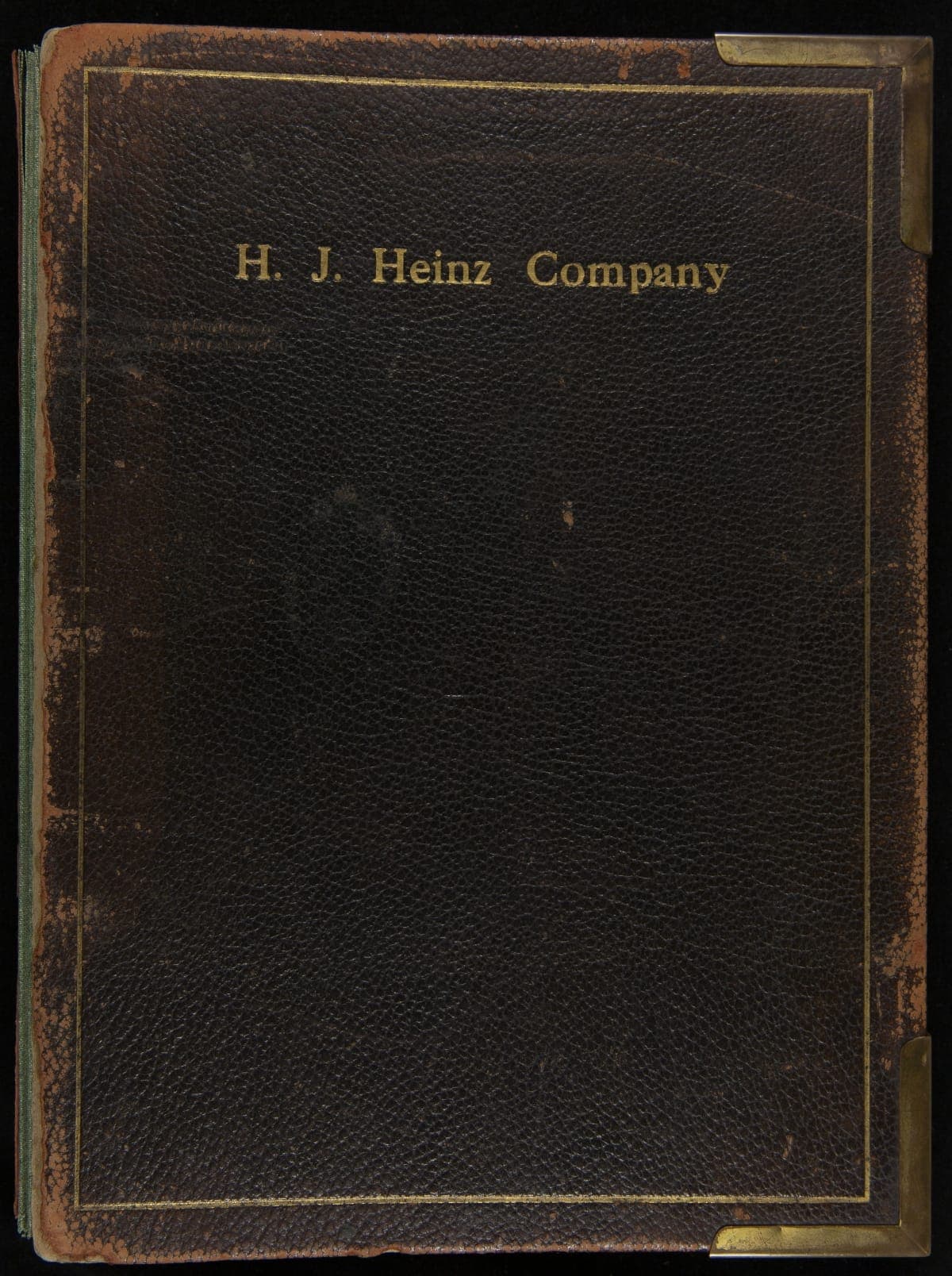
- Sales Catalog of the H. J. Heinz Company and Products, Pittsburgh, Pennsylvania, circa 1910 - With humble beginnings exclusively selling horseradish in 1869, H.J. Heinz continued to expand his product line to build the "House of Heinz" and become a leader in the manufactured food industry. This sales catalog highlights the manufacturing process and provides photographs of the factories, branch houses, and employees. It also contains information and photographs of each of the "57 Varieties" of Heinz products.
- 1910
- Collections - Artifact
Sales Catalog of the H. J. Heinz Company and Products, Pittsburgh, Pennsylvania, circa 1910
With humble beginnings exclusively selling horseradish in 1869, H.J. Heinz continued to expand his product line to build the "House of Heinz" and become a leader in the manufactured food industry. This sales catalog highlights the manufacturing process and provides photographs of the factories, branch houses, and employees. It also contains information and photographs of each of the "57 Varieties" of Heinz products.
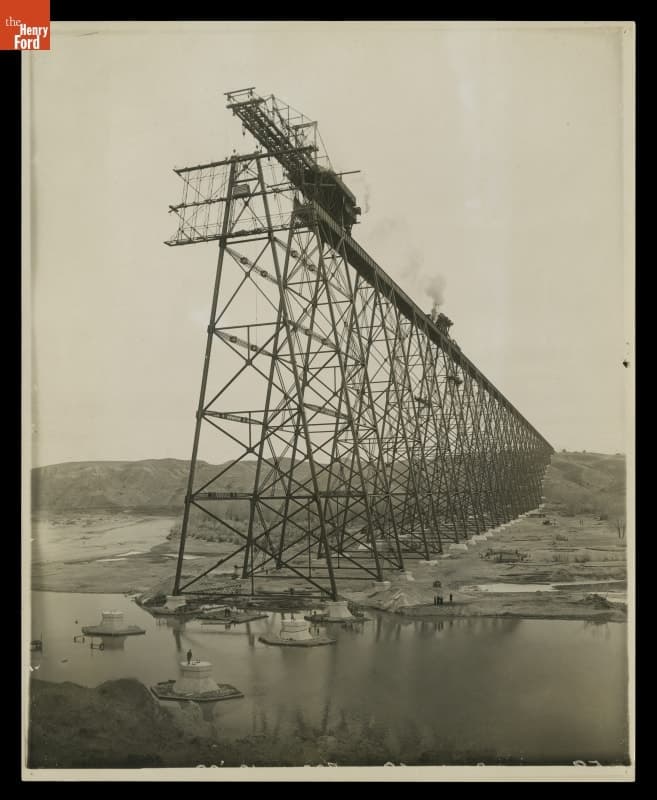
- Erecting Lethbridge Iron Viaduct, Lethbridge, Alberta, Canada, 1908-1909 - From 1895 to 1924, the Detroit Publishing Company was one of the major image publishers in the world. The company's wide-ranging stock of original photographs documented life and landscapes from across the nation and around the globe. From the tens of thousands of negatives, the company created prints, postcards, lantern slides, panoramas, and other merchandise for sale to educators, businessmen, advertisers, homeowners and travelers.
- 1907-1909
- Collections - Artifact
Erecting Lethbridge Iron Viaduct, Lethbridge, Alberta, Canada, 1908-1909
From 1895 to 1924, the Detroit Publishing Company was one of the major image publishers in the world. The company's wide-ranging stock of original photographs documented life and landscapes from across the nation and around the globe. From the tens of thousands of negatives, the company created prints, postcards, lantern slides, panoramas, and other merchandise for sale to educators, businessmen, advertisers, homeowners and travelers.
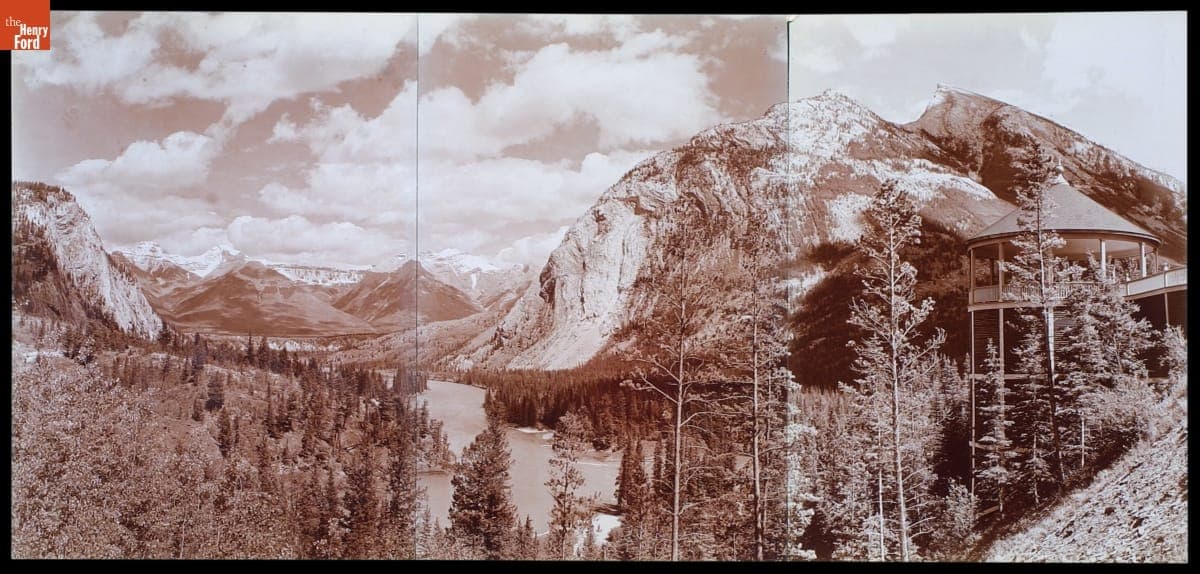
- Down Bow Valley from the Banff Springs Hotel, Canadian Rockies, July 1902 - From 1895 to 1924, the Detroit Publishing Company was one of the major image publishers in the world. The company's wide-ranging stock of original photographs documented life and landscapes from across the nation and around the globe. From the tens of thousands of negatives, the company created prints, postcards, lantern slides, panoramas, and other merchandise for sale to educators, businessmen, advertisers, homeowners and travelers.
- July 01, 1902
- Collections - Artifact
Down Bow Valley from the Banff Springs Hotel, Canadian Rockies, July 1902
From 1895 to 1924, the Detroit Publishing Company was one of the major image publishers in the world. The company's wide-ranging stock of original photographs documented life and landscapes from across the nation and around the globe. From the tens of thousands of negatives, the company created prints, postcards, lantern slides, panoramas, and other merchandise for sale to educators, businessmen, advertisers, homeowners and travelers.
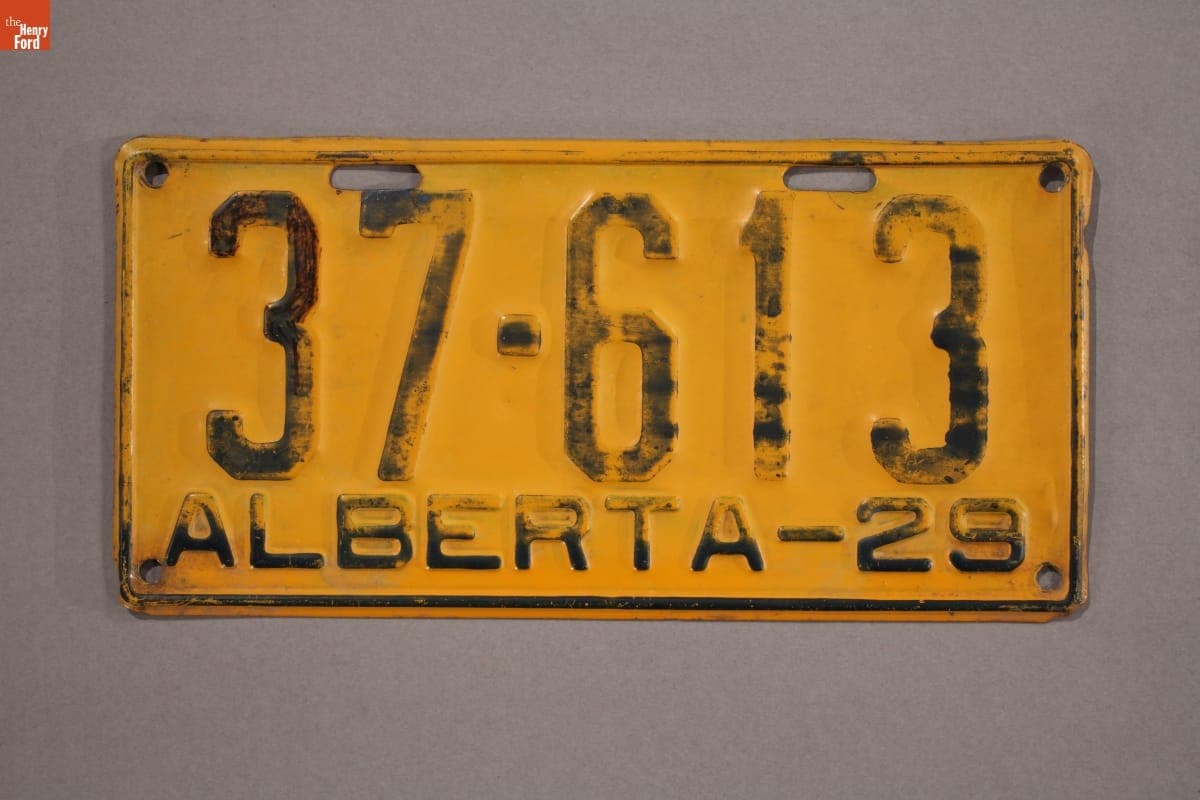
- Alberta License Plate, 1929 - Early license plates issued by Canadian provincial governments consisted of porcelain coated steel, embossed or painted tin, or fiberboard. By the 1920s most provinces produced plates made of embossed steel. Automobiles registered in Alberta in 1929 sported a plate like this one.
- 1929
- Collections - Artifact
Alberta License Plate, 1929
Early license plates issued by Canadian provincial governments consisted of porcelain coated steel, embossed or painted tin, or fiberboard. By the 1920s most provinces produced plates made of embossed steel. Automobiles registered in Alberta in 1929 sported a plate like this one.
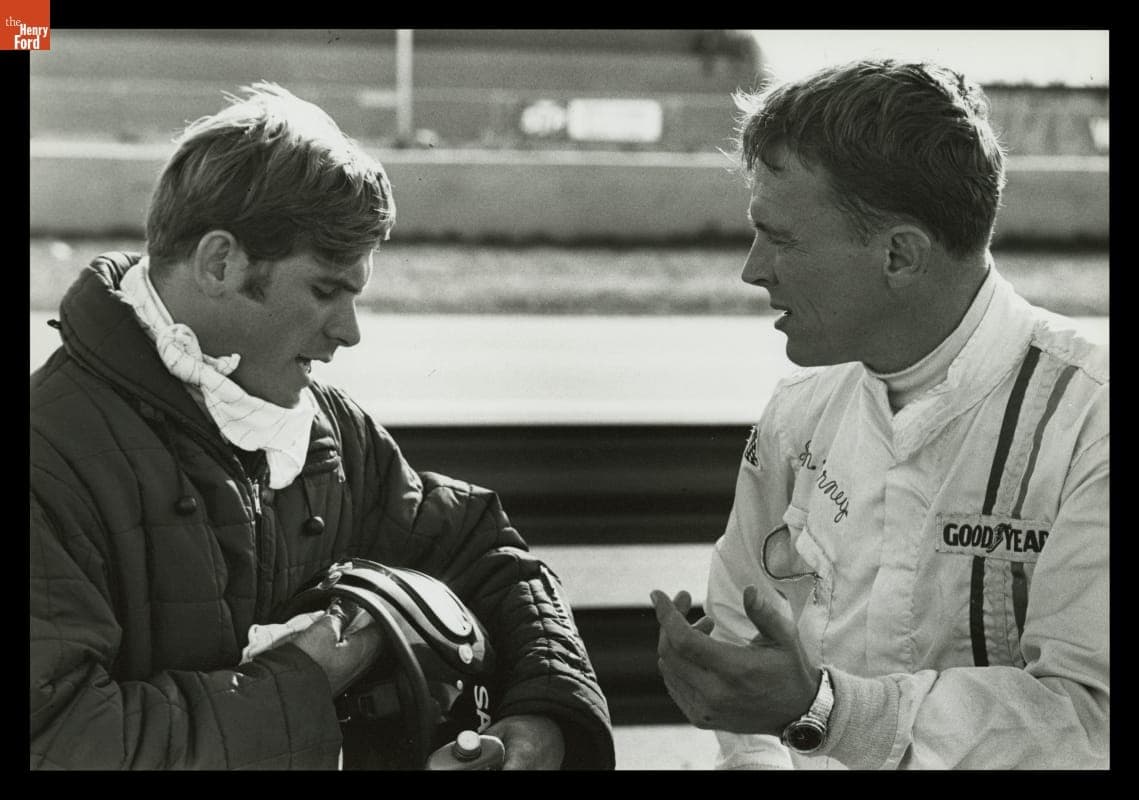
- Dan Gurney and Swede Savage at the Klondike Trail 200 Race, September 29, 1968 - David "Swede" Savage (left) raced sports cars for Dan Gurney's All American Racers team, and Gurney served as his mentor. Savage's only professional racing victory came in 1970 at the Bobby Ball 150, at Phoenix International Raceway, in an AAR-built Eagle-Ford car. Savage died 33 days after being injured in a crash at the 1973 Indianapolis 500.
- September 29, 1968
- Collections - Artifact
Dan Gurney and Swede Savage at the Klondike Trail 200 Race, September 29, 1968
David "Swede" Savage (left) raced sports cars for Dan Gurney's All American Racers team, and Gurney served as his mentor. Savage's only professional racing victory came in 1970 at the Bobby Ball 150, at Phoenix International Raceway, in an AAR-built Eagle-Ford car. Savage died 33 days after being injured in a crash at the 1973 Indianapolis 500.
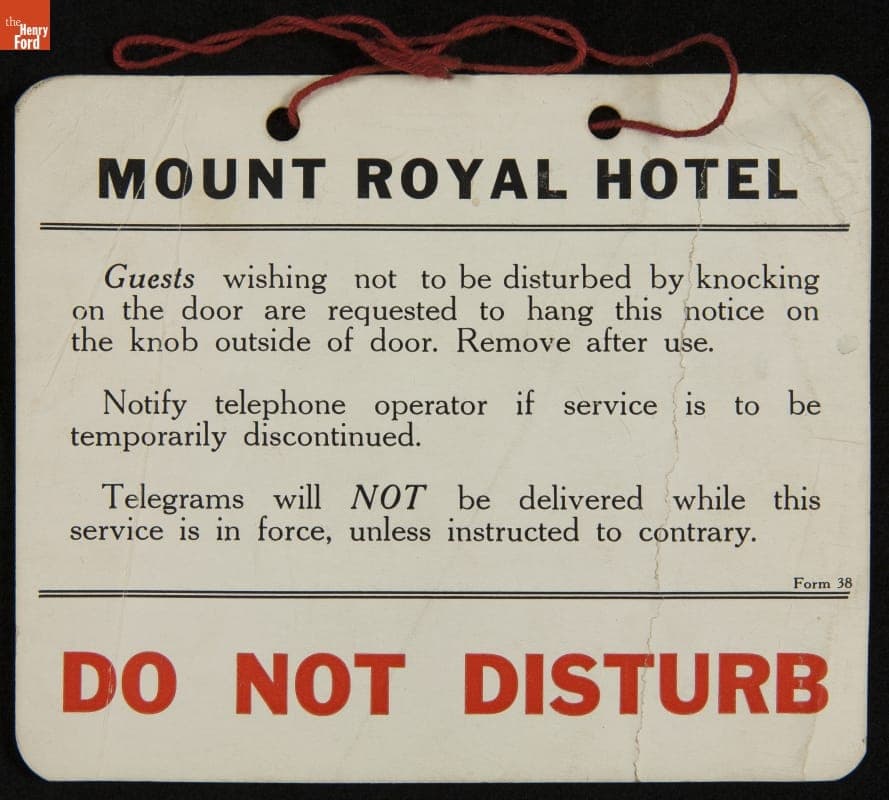
- Sign, "Do Not Disturb," 1930-1939 - Like today, proprietors of mid-20th century hotels, motels and inns provided "Do Not Disturb" signs for weary travelers who wanted a restful stay. Guests placed the sign outside on their door to alert staff to please be quiet and not enter the room. This sign even included instructions that guests could use to stop unwanted telegrams or telephone calls.
- 1930-1939
- Collections - Artifact
Sign, "Do Not Disturb," 1930-1939
Like today, proprietors of mid-20th century hotels, motels and inns provided "Do Not Disturb" signs for weary travelers who wanted a restful stay. Guests placed the sign outside on their door to alert staff to please be quiet and not enter the room. This sign even included instructions that guests could use to stop unwanted telegrams or telephone calls.